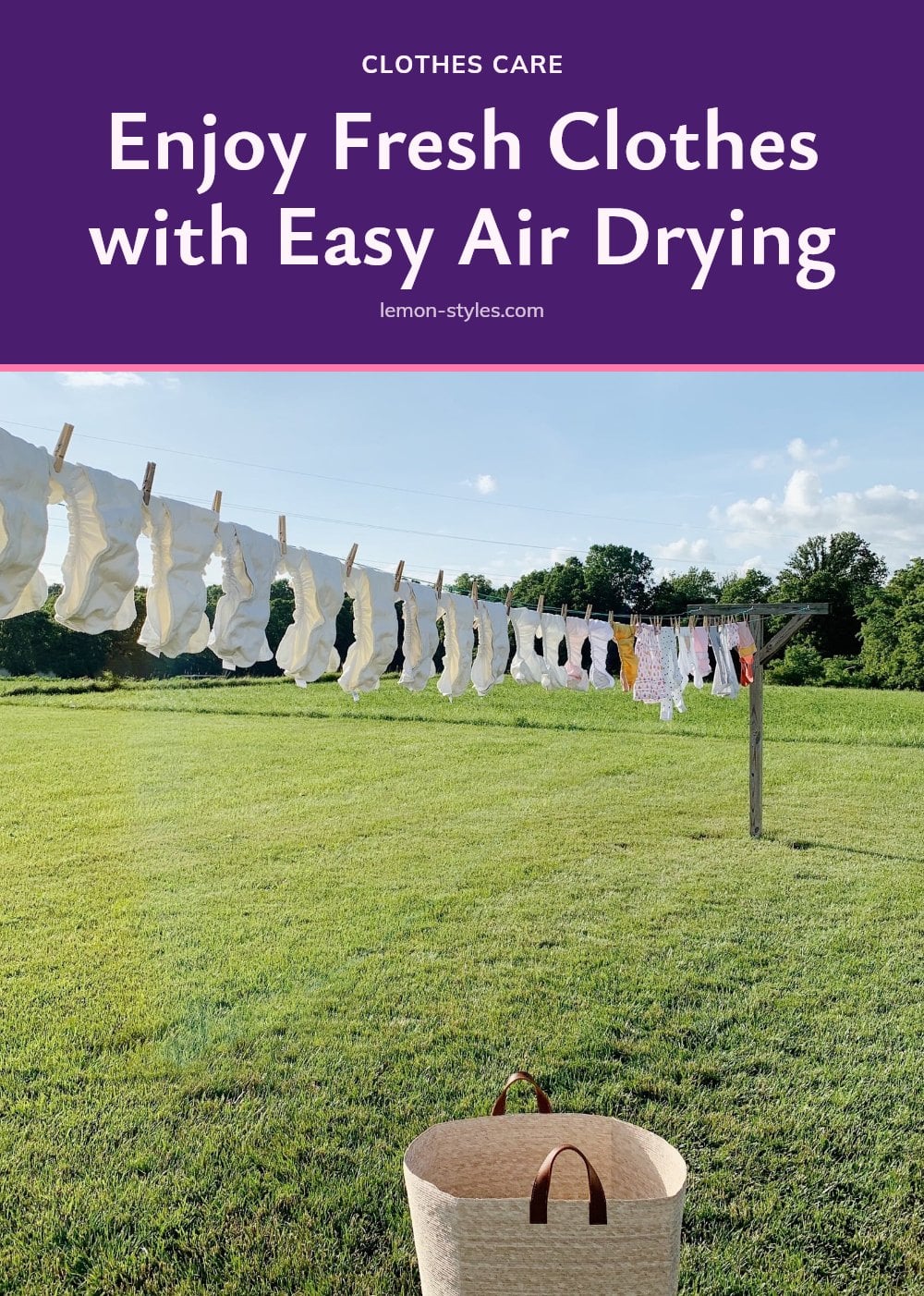
If you’re tired of high energy bills or worried about your favorite sweater shrinking in the dryer, air drying is a simple, effective solution. This method uses natural airflow and sunlight to dry your laundry, which not only cuts energy use dramatically but also helps your clothes last longer. In this article, I’ll walk you through the essential tools, step-by-step techniques, and pro tips to make air drying fast, fresh, and wrinkle-free.
Key Takeaways
- Shake out each garment before hanging to reduce wrinkles and speed drying.
- Hang items with space between them for proper air circulation.
- Lay sweaters flat to dry to prevent stretching or distortion.
- Turn colored clothes inside out in direct sunlight to avoid fading.
- Use a fan or dehumidifier to accelerate indoor air drying.
1. Why Air Drying Is a Smart Laundry Choice
Air drying is a simple, effective way to dry your laundry using natural airflow and, when possible, sunlight. It cuts energy use dramatically compared to a tumble dryer, and it protects your clothes from the heat that can shrink fabrics, fade colors, and break down elastic over time. Sunlight even acts as a natural disinfectant and bleach, especially helpful for whites. To get the best results without wrinkles, odors, or damage, a few key techniques matter, but once you master them, air drying becomes a sustainable, cost-saving habit.
2. Essential Tools for Successful Air Drying
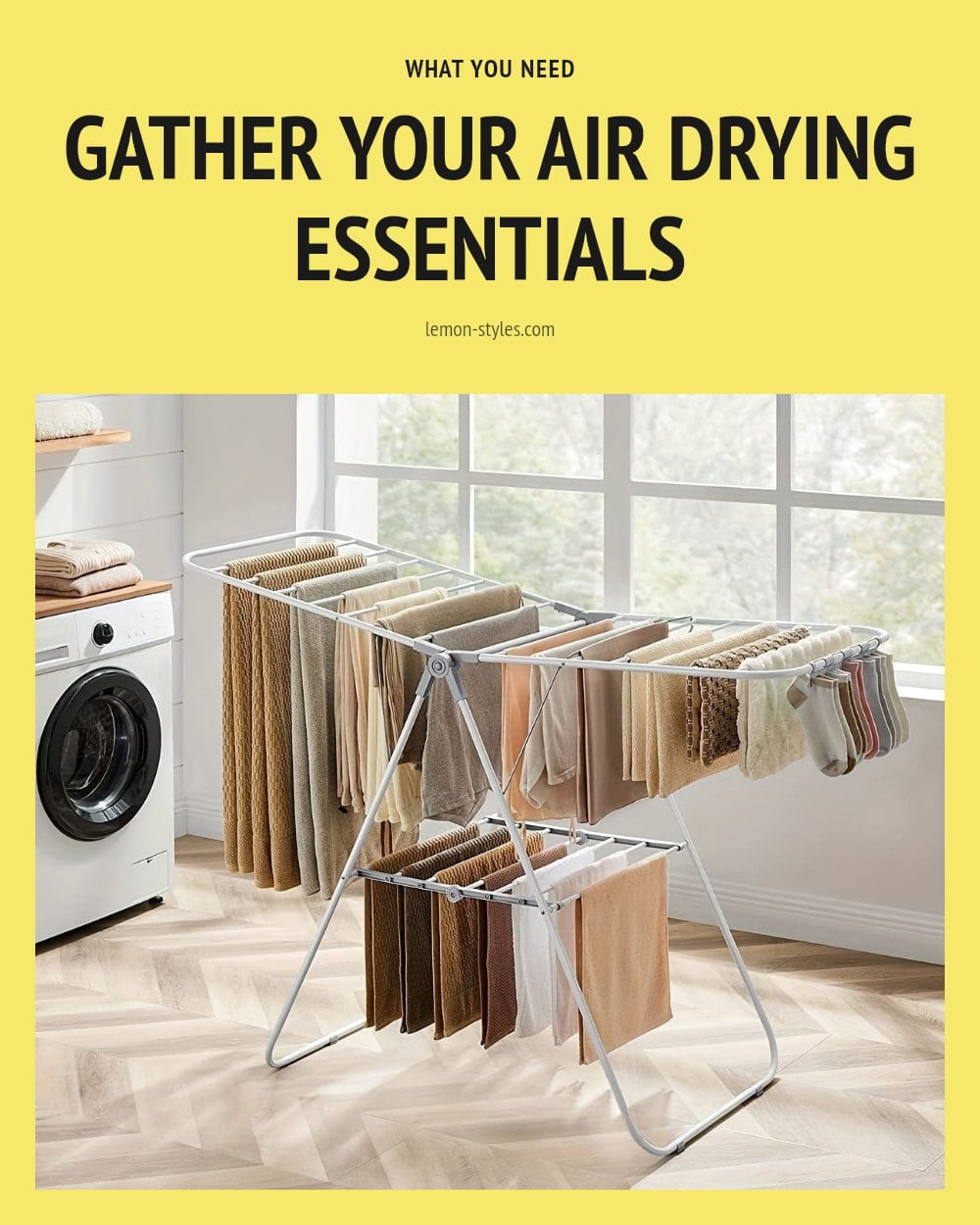
You don’t need much to start air drying, but the right tools make it easier and faster.
- Drying rack: A folding, collapsible rack works well indoors or in small spaces.
- Clothesline: Ideal for large loads and outdoor drying, either strung between posts or on a pulley system.
- Clothespins: Essential for securing items to a clothesline, preventing them from blowing away.
- Hangers: Plastic, wood, or velvet hangers keep shirts and dresses in shape while drying.
- Mesh drying rack: A flat mesh surface is perfect for delicate knits like sweaters that need to lay flat.
- Fan: Position near the rack to increase airflow and speed up drying indoors.
- Dehumidifier: Reduces indoor humidity, which is key when drying clothes inside a closed room.
3. Step-by-Step: How to Air Dry Your Laundry Effectively
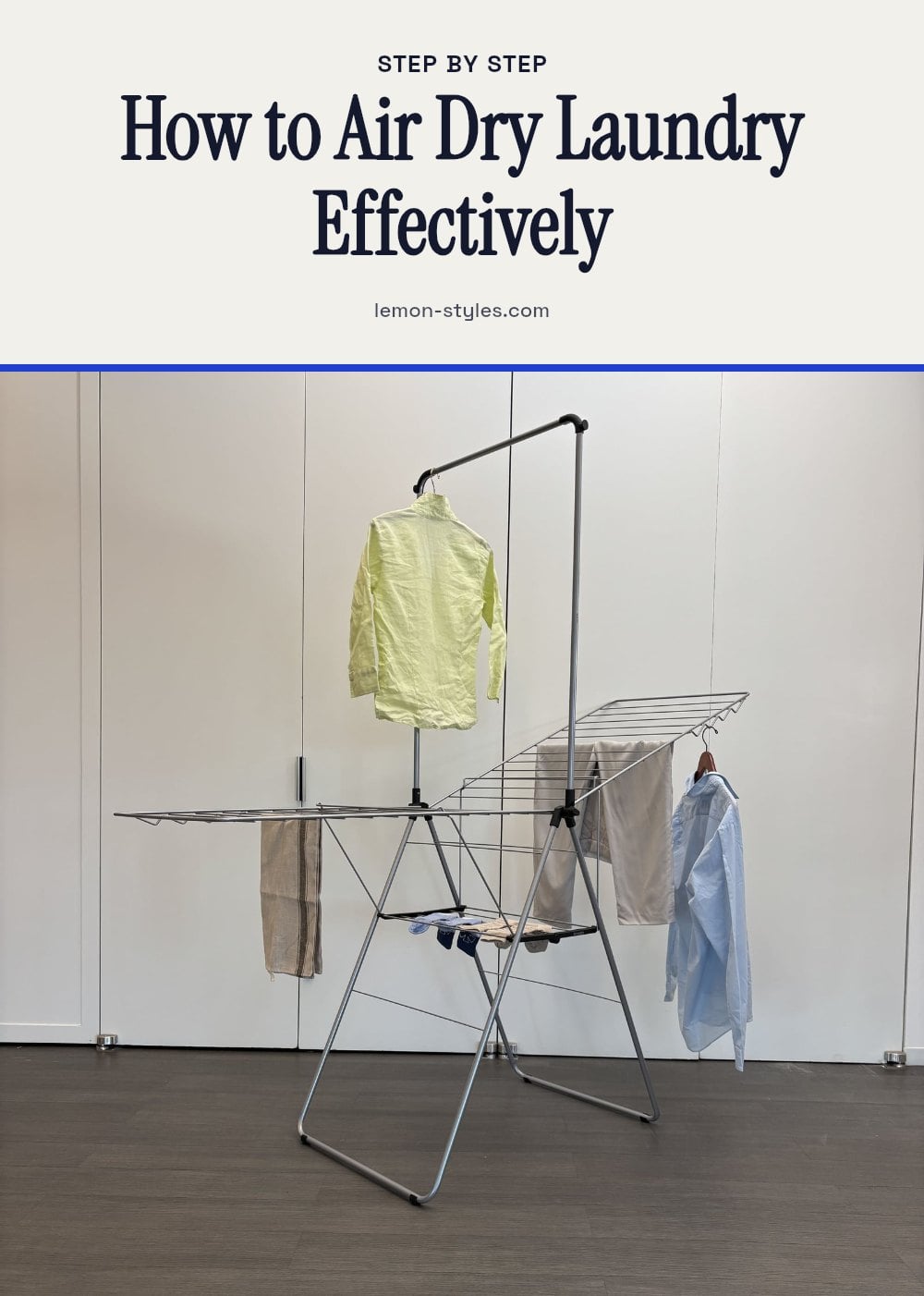
- Shake out each item: Give every garment a vigorous shake before hanging. This loosens the fibers, which cuts down on wrinkles and helps the fabric dry faster and feel softer rather than stiff.
- Sort by weight: Group heavy items like jeans and towels separately from lighter shirts and underwear. Heavier pieces take longer to dry, so you can manage your space better.
- Pick your spot: Outdoors with sunlight and breeze is best, but a well-ventilated indoor area near an open window works too. If indoors, keep racks away from radiators, space heaters, and open flames, and consider a fan or dehumidifier to keep air moving.
- Space items out: Leave at least a few inches between garments on the line or rack. Crowded clothes trap moisture and slow the whole process.
- Use the right method: Lay sweaters flat on a mesh rack to prevent stretching. Hang shirts and dresses on hangers to maintain their shape. Clip socks, underwear, and other small items to the line or drape them over a rack.
- Protect colors: Turn colored garments inside out if drying in direct sunlight to stop fading. Whites can stay right-side out to take advantage of the sun’s bleaching effect.
- Check and rotate: Halfway through, feel the thickest parts like seams and waistbands. Rotate items or move them to a breezier spot if some areas are still damp.
- Confirm dryness: Before storing, double-check every item, especially seams and pockets. Anything still damp can develop mildew and musty smells.
4. Common Air Drying Mistakes and How to Avoid Them
Even experienced air dryers make these mistakes. Here’s how to avoid them.
- Overloading your drying space: Hanging clothes too close together traps moisture and slows drying. Always leave enough space for air to circulate freely around each item.
- Not shaking out clothes: Leaving clothes crumpled before hanging sets wrinkles. A good shake before hanging significantly reduces ironing time.
- Incorrectly drying delicates: Hanging heavy or delicate items by thin straps can cause stretching or distortion. Lay sweaters flat and use padded hangers for delicate tops.
- Leaving colored items in direct sun too long: Sunlight bleaches whites but fades colors. Turn colored garments inside out or dry them in the shade.
- Storing damp clothes: Putting away clothes that are not completely dry is a recipe for mildew and unpleasant odors. Always ensure items are bone dry before folding or hanging in a closet.
5. Pro Tips for Faster and Fresher Air Drying
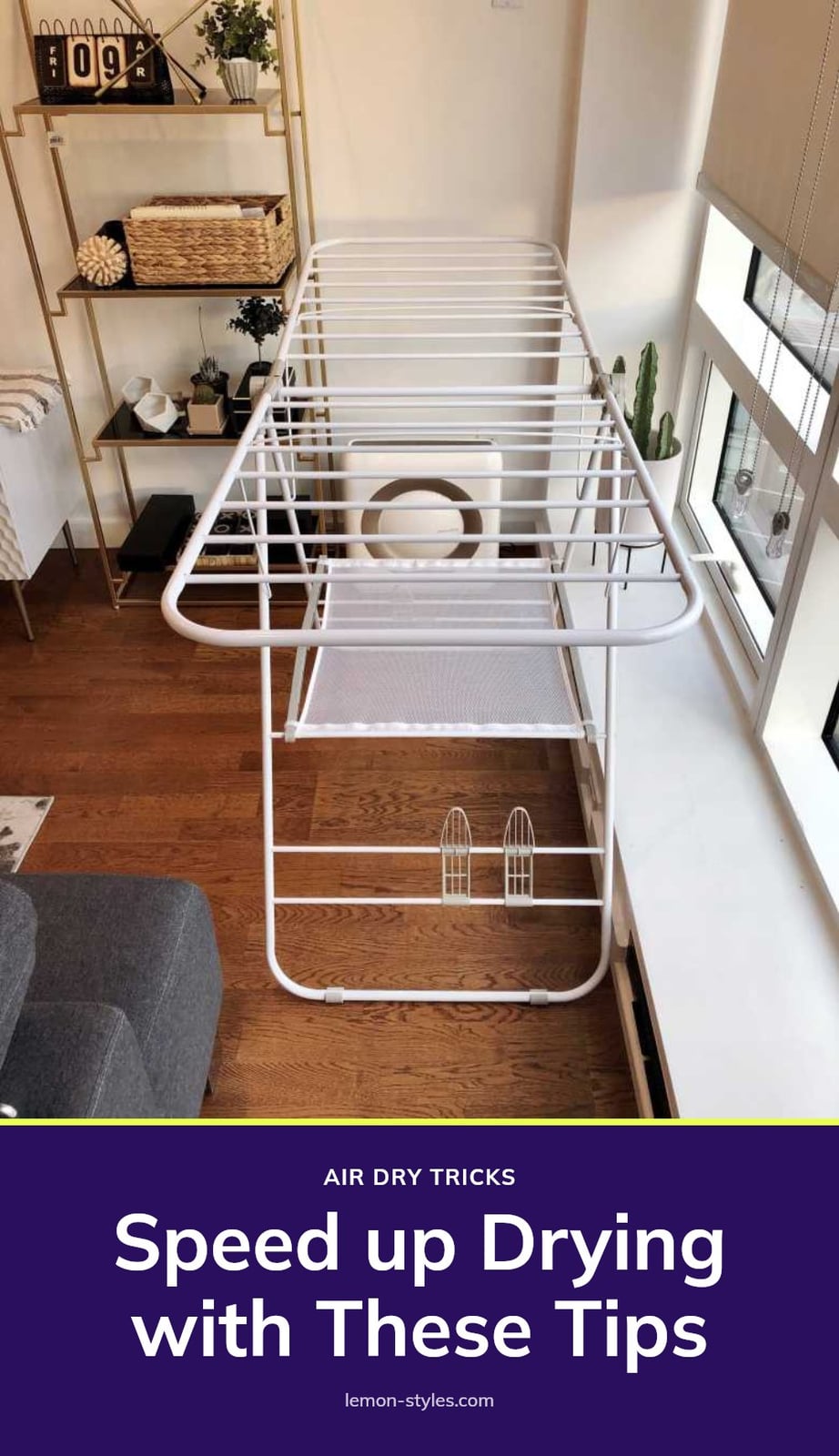
Boost indoor airflow: Place drying racks near an open window or point a fan at them to create a steady breeze. A dehumidifier works even better, pulling moisture out of the air so clothes dry noticeably faster.
Maximize sunlight for whites: Direct sunlight naturally bleaches and disinfects white fabrics. My tip: hang white sheets and shirts outside on sunny days and let the sun do the work.
Protect dark colors: For dark or brightly colored items, dry them in the shade or turn them inside out. Strong sun fades pigments quickly, and shade keeps colors rich.
Pre-dry heavy items: Jeans and towels hold a lot of water after a normal spin. Run them through an extra spin cycle in the washing machine before hanging. This cuts drying time by hours.
Check for dryness: Before folding or storing, feel thicker seams, waistbands, and collars for any damp spots. Even a slightly wet patch can cause musty smells and mildew later.
6. Understanding Air Drying Time and Cost Savings
Air drying typically takes a few hours to overnight. The exact time depends on the fabric type, local humidity, ambient temperature, and airflow. Heavy items like jeans or towels naturally take longer than lightweight t-shirts or underwear.
You can air dry every load as often as you like. There are no limits, and it benefits all fabrics by avoiding the heat that can shrink, fade, or damage elastic fibers.
Cost savings: Skipping the electric or gas dryer cuts a significant chunk of your energy bill. Over months, those savings add up, making air drying one of the most economical laundry choices you can make.
7. Frequently Asked Questions
How long does it take to air dry clothes?
Air drying typically takes anywhere from a few hours to overnight. The exact time depends on the fabric type, humidity, temperature, and airflow. Heavy items like jeans and towels take longer, while lightweight t-shirts and underwear dry faster. To speed things up, ensure good air circulation and consider using a fan or dehumidifier.
Can air drying clothes cause mold?
Yes, if clothes are not dried completely or if they’re stored while still damp, mold and mildew can develop. Indoor air drying also increases humidity, which can contribute to mold growth in your home. To prevent this, ensure your drying area is well-ventilated, and always check that clothes are fully dry before storing them.
Is it okay to air dry clothes indoors?
Absolutely, air drying indoors is a great option, especially when the weather doesn’t cooperate. Just make sure the area is well-ventilated to manage humidity. Place your drying rack near an open window or use a fan or dehumidifier to keep air moving and speed up the drying process.
How do I prevent clothes from getting stiff when air drying?
Stiffness often results from not shaking out clothes before hanging. Give each item a vigorous shake to loosen the fibers, which helps the fabric stay softer. Additionally, drying clothes in a well-ventilated area with good airflow can reduce stiffness. Some people find that adding a little vinegar to the rinse cycle helps, but shaking is the most effective method.
Does air drying clothes make them last longer?
Yes, air drying is gentler on fabrics than tumble drying. The heat from dryers can damage elastic fibers, shrink certain fabrics, and fade colors over time. By air drying, you avoid that heat stress, which helps your clothes maintain their shape, color, and elasticity, ultimately extending their lifespan.
8. Final Thoughts
Air drying is a smart choice for your wallet and your wardrobe. Start by sorting your laundry by weight, shaking out each item, and giving everything enough space to breathe. For faster results indoors, place a fan nearby or use a dehumidifier. Expect most loads to dry within a few hours to overnight, depending on fabric and humidity. Once you get the hang of it, you’ll wonder why you ever relied on the dryer.