You’ve probably noticed that some routines just don’t serve you anymore, but breaking them can feel like an uphill battle. Whether it’s mindless scrolling before bed or putting off that important task, these habits often run on autopilot. The good news is that understanding the habit loop, the cue, routine, and reward, can help you take control. In this article, I’ll walk you through 30 common bad habits and practical ways to replace them for better health and success.

Key Takeaways
- Identify the cue and reward for each habit, then change the routine.
- Replace a bad habit with a positive one instead of just stopping it.
- Start with small, consistent changes rather than a complete overhaul.
- Set up your environment and support system to reduce reliance on willpower alone.
- Expect habit change to take anywhere from 18 to 254 days of consistent effort.
1. Understanding Bad Habits and How to Break Them
Bad habits are the automatic routines we fall into without thinking, and they often work against what we actually want for our health, productivity, or relationships. They stick because of a simple pattern called the habit loop: a cue triggers the behavior (the routine), and you get a reward that reinforces it. To break a habit, you need to spot the cue and the reward, then deliberately swap the routine for something better. It takes consistent effort, research suggests an average of 66 days to lock in a new habit, so patience matters.
2. 1. Excessive Screen Time Before Bed

The blue light from phones, tablets, and laptops suppresses melatonin, the hormone that tells your body it’s time to sleep. That’s why scrolling in bed often leaves you staring at the ceiling later.
My tip: Swap screen time for a physical book, a podcast, or gentle stretching for at least an hour before bed. No screen, no melatonin disruption, and your brain gets a clear wind-down signal.
3. 2. Hitting the Snooze Button Repeatedly
Hitting snooze fragments your last sleep cycle, causing sleep inertia, that groggy, foggy feeling that can last for hours. You end up more tired than if you just got up when the alarm first rang.
My tip: Move your alarm clock or phone across the room so you have to physically get out of bed to turn it off. Once you’re standing, it’s much easier to stay up.
4. 3. Procrastinating on Important Tasks
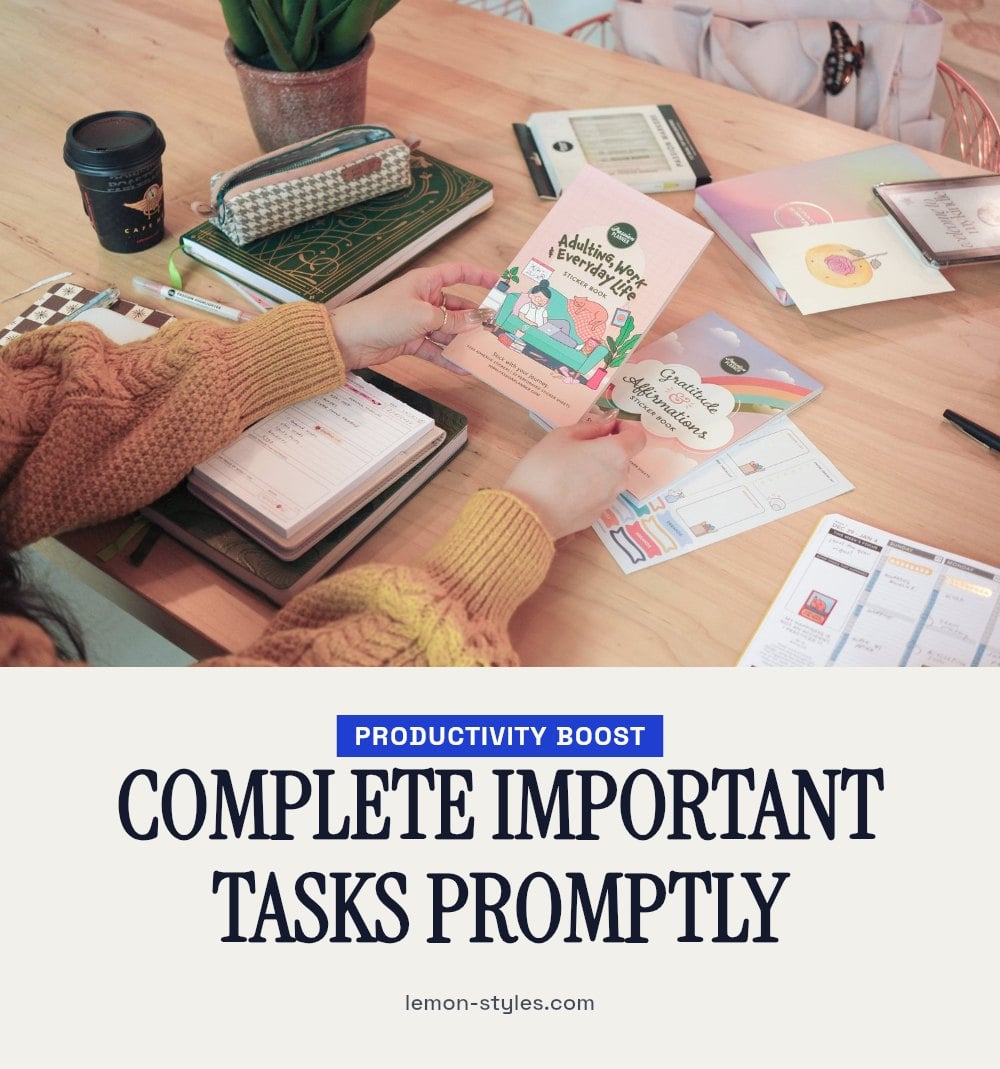
Procrastination usually isn’t laziness. It’s a fear of failure or feeling overwhelmed by the size of a task. Breaking it into smaller steps removes that mental barrier and makes the first move feel doable.
Tip: Use the two-minute rule. If a task takes less than two minutes, do it immediately. Answer that email, put away one dish, send that text. Each small win builds momentum for the bigger stuff.
5. 4. Unhealthy Snacking Out of Boredom
Boredom creates a craving for stimulation, and food is the fastest fix within reach. That’s why you can finish a bag of chips without ever feeling hungry.
Good to know: Identify your boredom triggers first, then keep a short list of non-food replacements ready: a five-minute walk, a full glass of water, or a quick call to a friend. The urge usually passes in a few minutes once your hands and attention are busy with something else.
6. 5. Negative Self-Talk
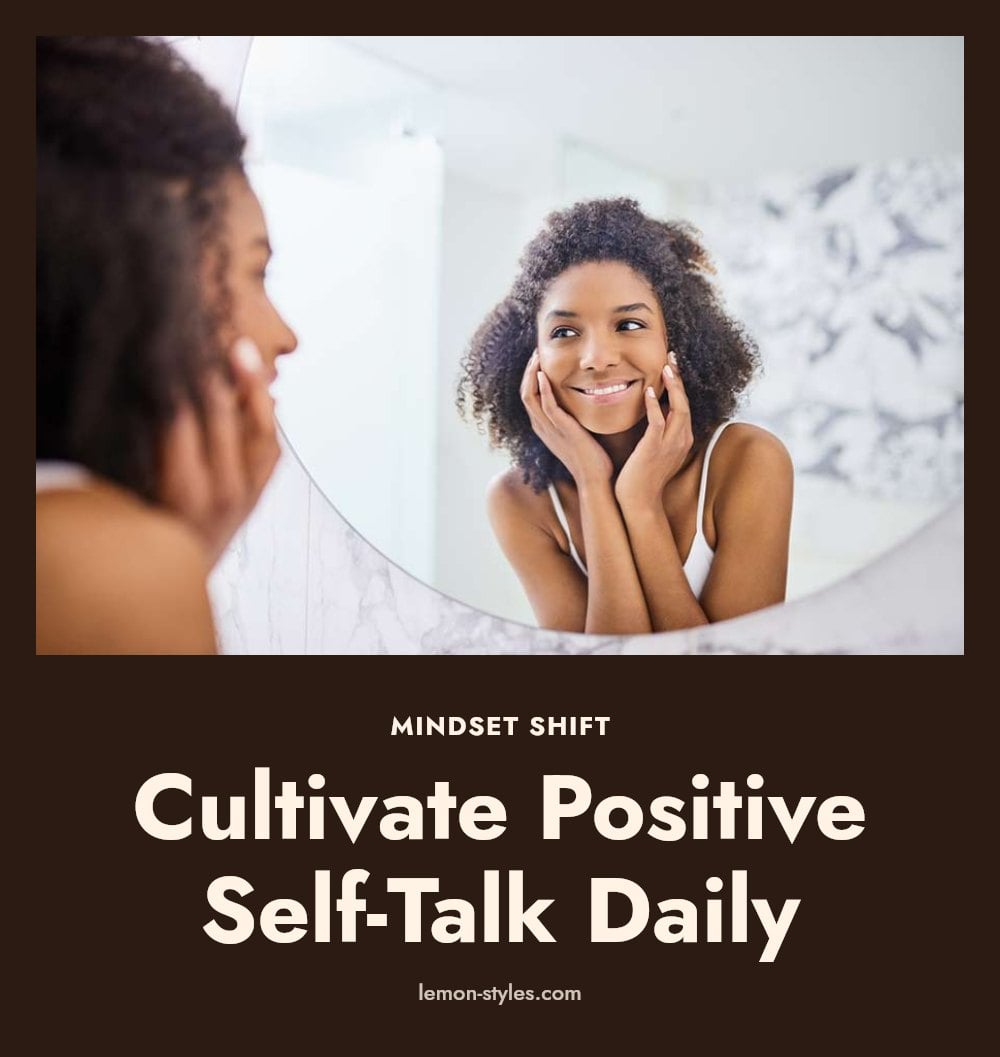
Constant self-criticism wears down self-esteem and can turn into a self-fulfilling prophecy: tell yourself you’ll fail often enough and you start avoiding the very tasks that would move you forward.
- Thought-stopping: say “stop” out loud or in your head the moment the critical sentence starts.
- Thought-replacement: swap it for a neutral line, like “this is hard, and I’m still learning.”
Pro move: the replacement step is the one that really works. It interrupts the old loop and gives your brain a new path to follow.
7. 6. Neglecting Regular Exercise

Movement supports both physical and mental health, and it’s one of the most reliable mood and energy boosters available without a prescription.
Quick tip: Start small. A brisk 10 to 15 minute walk most days beats an ambitious plan you abandon in a week. Pick an activity you genuinely enjoy, whether that’s dancing, swimming, or cycling, because you’ll keep doing what doesn’t feel like punishment.
8. 7. Overspending and Impulse Buying
Impulse purchases add up fast and can derail financial goals, and they’re usually triggered by emotion or clever advertising rather than real need.
Tip: Apply a 24-hour rule to anything non-essential. Add it to a cart or a wish list and walk away. If you still want it a day later, buy it with a clear head. Most of the time the urge fades, and you’ve saved the money without feeling deprived.
9. 8. Skipping Breakfast

Your first meal sets the tone for the day: it gives your body fuel after the overnight fast and can help steady focus through the morning. Skipping it often backfires later, when hunger hits hard and you reach for whatever is fastest.
Good to know: Prep breakfast the night before so the morning rush has nothing to argue with. Overnight oats take about two minutes to assemble: oats, milk or yogurt, and fruit in a jar, ready in the fridge.
10. 9. Holding Grudges
Carrying resentment keeps your body in a low-grade stress state, and it blocks the emotional healing that lets you move on. The person you’re angry at often isn’t affected at all; you are.
Pro move: Practice forgiveness for your own peace of mind, not to excuse anyone. Journaling helps: write out what happened and how it felt, then close the notebook.
11. 10. Excessive Caffeine Consumption

A little caffeine can sharpen alertness, but too much often shows up as anxiety, jitters, and disrupted sleep. Regular heavy use can also create dependency, where you need a cup just to feel normal.
Quick tip: Cut back gradually instead of quitting cold. If you drink several cups a day, swap one for decaf or herbal tea, especially in the afternoon, and keep the morning cup you actually enjoy.
12. 11. Not Drinking Enough Water
Even mild dehydration can show up as fatigue, headaches, and poor concentration, and it affects everything from digestion to skin. Thirst is a late signal, so waiting until you feel it usually means you’re already behind.
Tip: Keep a reusable water bottle within reach all day and set two or three phone reminders. My bottle is always glued to my hand, and that alone does most of the work.
13. 12. Comparing Yourself to Others

Social media is built to show you everyone’s highlight reel, so the comparison is never fair: their vacation against your Tuesday. That gap fuels envy and a quiet sense of inadequacy, and it rarely pushes you toward anything useful.
Good to know: Track your own progress instead. Write down one thing you did this week that a past version of you could not have done, and name one strength that is yours alone. Gratitude for what you already have shrinks the scoreboard.
14. 13. Ignoring Your Intuition
That gut feeling is often your brain processing details you have not consciously sorted yet, which is why overriding it again and again can leave you making choices that look fine on paper but feel off. The skill is pausing long enough to hear it.
Pro move: Before any significant decision, step away for a few minutes, write the choice down, and notice your first reaction. If your body tightens, that is worth examining before you commit.
15. 14. Constant Complaining
Venting once to a friend is healthy. Complaining as a default is different: it trains your attention on what is wrong, reinforces a victim mindset, and drains the people around you until they start keeping their distance.
Tip: When you catch yourself mid-complaint, reframe it in one sentence. Swap “this always happens to me” for what you can control, then name one thing in the situation you are grateful for. It interrupts the loop before it settles in.
16. 15. Leaving Things Until the Last Minute
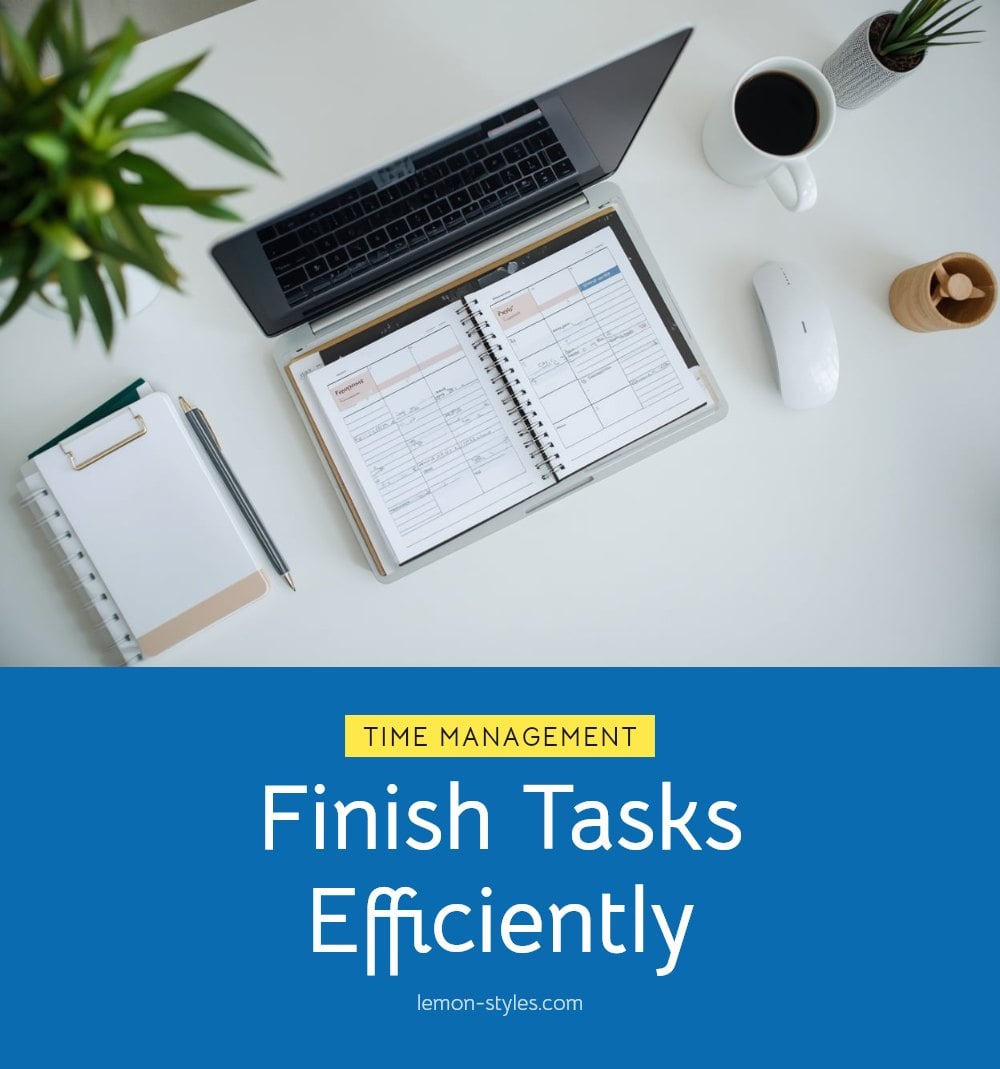
Waiting until the deadline turns a simple task into a stressful one, and the work usually shows it: rushed drafts, missed details, and opportunities that pass while you are still deciding to start.
Quick tip: Split the task into steps and give each one its own mini-deadline, set a few days before the real one. Put those dates in a planner or calendar so they are visible, not just in your head.
17. 16. Eating Too Quickly
Your brain needs about 20 minutes to register that you’re full, so a meal eaten in seven minutes is over before the signal arrives. That gap is where overeating happens, and swallowing half-chewed bites adds indigestion on top.
Tip: Practice mindful eating. Put your fork down between bites, chew thoroughly, and savor the flavors. This gives your brain time to catch up with your stomach. If you finish before everyone else, you’re eating too fast.
18. 17. Neglecting Self-Care
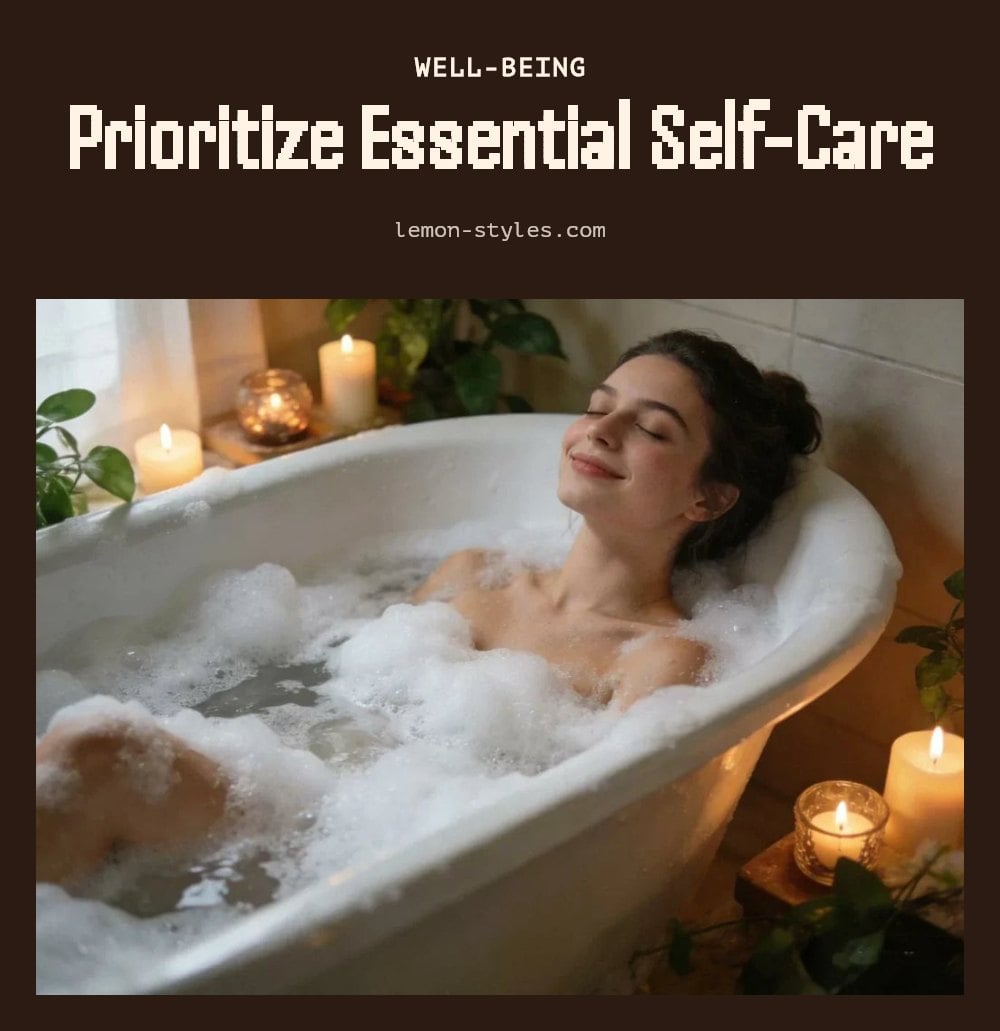
Ignoring your own needs doesn’t buy you more hours, it borrows against tomorrow: the bill shows up as burnout, stress, and a productivity drop that makes everything take longer. Self-care isn’t selfish; it’s essential maintenance.
Good to know: Schedule dedicated self-care time in your calendar, just like any other important appointment. It could be a bath, a walk, or quiet time. An unbooked hour gets claimed by someone else’s to-do list.
19. 18. Excessive Social Media Scrolling
Mindless scrolling eats time you never accounted for and leaves your focus shredded, since every swipe asks your brain to reset. It can also feed anxiety and a quiet sense of inadequacy when your day sits next to everyone’s highlight reel.
Pro move: Set time limits for social media apps or designate specific times of day to check them. Turn off notifications to reduce distractions, because a buzzing phone pulls you back in before you decide to open it.
20. 19. Not Setting Clear Goals
Without clear goals, it’s easy to drift: you stay busy but nothing moves, motivation fades, and you end up feeling stuck without knowing what to fix.
Quick tip: Use the SMART goal framework (Specific, Measurable, Achievable, Relevant, Time-bound) to define what you want to achieve. “Get healthier” gives you nothing to act on; “walk 20 minutes, four days a week, for the next month” tells you exactly what to do tomorrow.
21. 20. Avoiding Difficult Conversations
Swallowed frustration does not disappear. It sits there, hardens into resentment, and eventually leaks out sideways, in clipped replies and cold silences, which is how relationships, at work and at home, quietly wear down.
Tip: Before the conversation, write down the two or three things you actually need the other person to understand. Then say them with “I” statements (“I felt sidelined when the deadline changed”) instead of accusations, which keeps the other person listening rather than defending. Pick a calm moment and a private place, not the middle of a group dinner.
It’s tough, but so worth it.
22. 21. Overcommitting Yourself
Saying yes to everything feels generous in the moment and turns into stress and exhaustion later. When every commitment gets a slice of your attention, no single one gets enough of it, and the quality drops across the board.
Good to know: Practice a short, polite no: “I can’t take that on right now, but thanks for thinking of me.” No long justification needed. Before agreeing to anything new, check what it pushes out, and protect your time and energy like a real appointment.
23. 22. Ignoring Your Budget

Spending without tracking it is how a decent income still ends in a constant broke feeling. Small, unremarkable purchases slip past unnoticed, and by month’s end the money is gone with nothing to show for it. Left alone, that pattern can build debt and real financial instability.
Pro move: Pick one tool and stick with it, either a budgeting app or a plain spreadsheet with two columns: money in, money out. Log every expense for a month, including coffee and delivery. Awareness is the first step to control, and most people find the leaks obvious once they see them written down.
24. 23. Poor Posture
Slouching does more than look casual. Held for hours at a desk, it strains the neck and lower back, can make breathing shallower, and tends to drain the confidence you carry into a room.
Quick tip: Set a few phone reminders to check in: shoulders back, chin level, feet flat. Raise your screen to eye level and keep your keyboard close so you aren’t reaching. A few minutes of core work a few times a week gives your posture something to rest on.
25. 24. Eating Distractedly

Eating in front of a screen or with your laptop open splits your attention, so the meal happens on autopilot. You miss the fullness signal, which takes about 20 minutes to arrive, and you eat past the point you needed. Distracted eating can also slow digestion, since your body is in a low-level stress mode rather than a relaxed one.
Tip: Make meals device-free zones. Put the phone in another room, close the laptop, and spend the first few bites naming what you taste, the texture, the smell. It sounds small, but it slows you down without willpower.
26. 25. Lack of Planning
Winging it day to day feels free until the day collapses into reacting: three errands, one forgotten deadline, and no idea where the hours went. Inefficiency and stress usually come from an unplanned morning, not from too much work.
Good to know: Spend 10 to 15 minutes each evening (or first thing in the morning) writing down your top 3 priorities for the day. Three, not ten. A short list you actually finish beats a long one you abandon by noon, and it keeps your focus on what moves things forward.
27. 26. Seeking External Validation
Needing a like, a nod, or a compliment before you trust a decision hands your confidence to other people. Over time that dependence on outside opinions makes it hard to know what you actually want, and it quietly erodes self-reliance.
Pro move: Build inner confidence with small evidence. Keep a running note of things you handled well, decisions that worked out, compliments you gave yourself, and reread it when doubt creeps in.
- Try this: Before asking for an opinion, write your own answer first.
- Good to know: True validation comes from within, and it grows with practice.
28. 27. Interrupting Others
Cutting people off mid-sentence reads as disrespect, even when you mean it as enthusiasm. The other person feels unheard, stops sharing, and communication starts to break down. Over time that pattern damages relationships at work and at home.
Quick tip: Practice active listening: your job in the conversation is to understand, not to prepare your reply. Let the other person finish, take one breath, then respond. If you feel the urge to jump in, jot the thought down instead of saying it, and come back to it once they pause.
29. 28. Being Chronically Late
Running late by five minutes every morning sends a clear message to whoever is waiting: your time matters less than mine. It also keeps you in a low-level stress state, rushing, apologizing, and rebuilding goodwill that a reputation quietly loses.
Tip: Plan to arrive 10 to 15 minutes early for everything. Build buffer time into the estimate rather than hoping traffic cooperates, and set a leave-by alarm, not a start-getting-ready one.
30. 29. Neglecting Your Hobbies or Passions
Dropping the activities you love to make room for everything else looks responsible and quietly backfires. Without them, joy has nowhere to land, and the result tends to show up as burnout and a flat, empty feeling that no amount of checked-off tasks fixes.
Good to know: Schedule hobby time in your calendar, even if it’s just 30 minutes a week, and treat it like any other appointment. It’s an investment in your happiness and energy, not a reward you have to earn.
31. 30. Multitasking Ineffectively
Answering messages while writing a report feels efficient, but your attention keeps switching, and each switch costs time. Errors go up, focus drops, and the whole thing usually takes longer than doing one task at a time.
Pro move: Work on a single task and close everything else. Try the Pomodoro Technique: 25 minutes of focus, then a 5-minute break. Good to know: put your phone in another room during the block, since even a silent phone on the desk pulls at your attention.
32. When to Seek Professional Help for Habits
Some habits need more than a planner and good intentions. Reach out to a doctor or therapist if any of these sound familiar:
- Any habit involving self-harm, substance abuse, or disordered eating. These need professional care, not a tracking app.
- Habits that are severely affecting your daily life, relationships, or work despite real effort to change them.
- A suspicion that anxiety, depression, or another mental health condition is driving the behavior.
Self-help works for plenty of habits. When one keeps winning, a professional can help you find out why.
33. Frequently Asked Questions
How long does it really take to break a bad habit?
There’s no fixed timeline, but research shows it can take anywhere from 18 to 254 days to form a new habit, with an average of about 66 days. The key is consistency. If you miss a day, don’t start over; just get back on track the next day.
Can I break multiple bad habits at once?
It’s generally not recommended. Trying to change too many things at once can quickly lead to burnout and relapse. Focus on one or two habits at a time. Once those feel stable, you can add another. Small, consistent wins build momentum better than a scattered approach.
What if I keep relapsing into old habits?
Relapse is a normal part of habit change, not a failure. The most common triggers are stress and fatigue. When you slip, take a moment to identify what cue or emotion set it off, then adjust your plan. Use it as a learning opportunity, not a reason to give up.
Is willpower enough to change habits?
Willpower alone is rarely enough for long-term change. It’s a limited resource that gets depleted throughout the day. A more reliable approach is to change your environment to make the old habit harder and the new one easier, and to build a support system or accountability partner.
How do I identify my habit triggers?
Start by paying attention to what happens right before the habit. Is it a time of day, an emotion like boredom or stress, or a specific location? Keep a simple log for a few days. Once you spot the cue, you can plan a different routine that still delivers the same reward.
34. Final Thoughts
Start with just one habit that feels manageable, not the whole list. A good first choice is something small, like swapping your evening scroll for a chapter of a book. Expect it to feel awkward for a few weeks, but stick with it. The goal isn’t perfection; it’s progress. Pick one change, make it easy to do, and let that momentum carry you forward.
This article is for general informational purposes only and is not a substitute for professional medical or mental health advice. If you are dealing with self-harm, addiction, disordered eating, or a habit that severely affects your daily life, please consult a doctor or therapist for personalized guidance.