You already know baking soda is a fridge deodorizer, but it can do so much more, from polishing silver to brightening laundry. This article covers the most effective ways to use baking soda in every room, plus the common mistakes that waste your time and effort.
Whether you’re scrubbing grout or freshening pet beds, these hacks rely on baking soda’s gentle abrasion and odor-absorbing power, making them safe for most surfaces and your wallet.
Key Takeaways
- Use a paste of 3 parts baking soda to 1 part water for scrubbing without scratching.
- Replace the open box in your fridge every one to three months for best odor control.
- Let baking soda sit on carpets or upholstery for at least 15-30 minutes before vacuuming.
- Don’t mix baking soda with vinegar expecting a super cleaner; the reaction neutralizes both.
- Avoid baking soda on aluminum cookware, gold-plated fixtures, and unsealed natural stone.
1. Your Go-To for Natural Home Cleaning
Baking soda, or sodium bicarbonate, earns its spot under every sink because it does three jobs at once: it scours through fine crystals that lift grime without scratching most surfaces, it absorbs odors instead of masking them, and as a mild alkali it neutralizes acidic smells and greasy films. Mix it with water into a paste for scrubbing, sprinkle it dry on fabric or in bins, or dissolve it in warm water for rinsing. Good to know: it is non-toxic, so it is safe around food prep areas and pets.
2. 1. Deodorize Your Refrigerator and Freezer
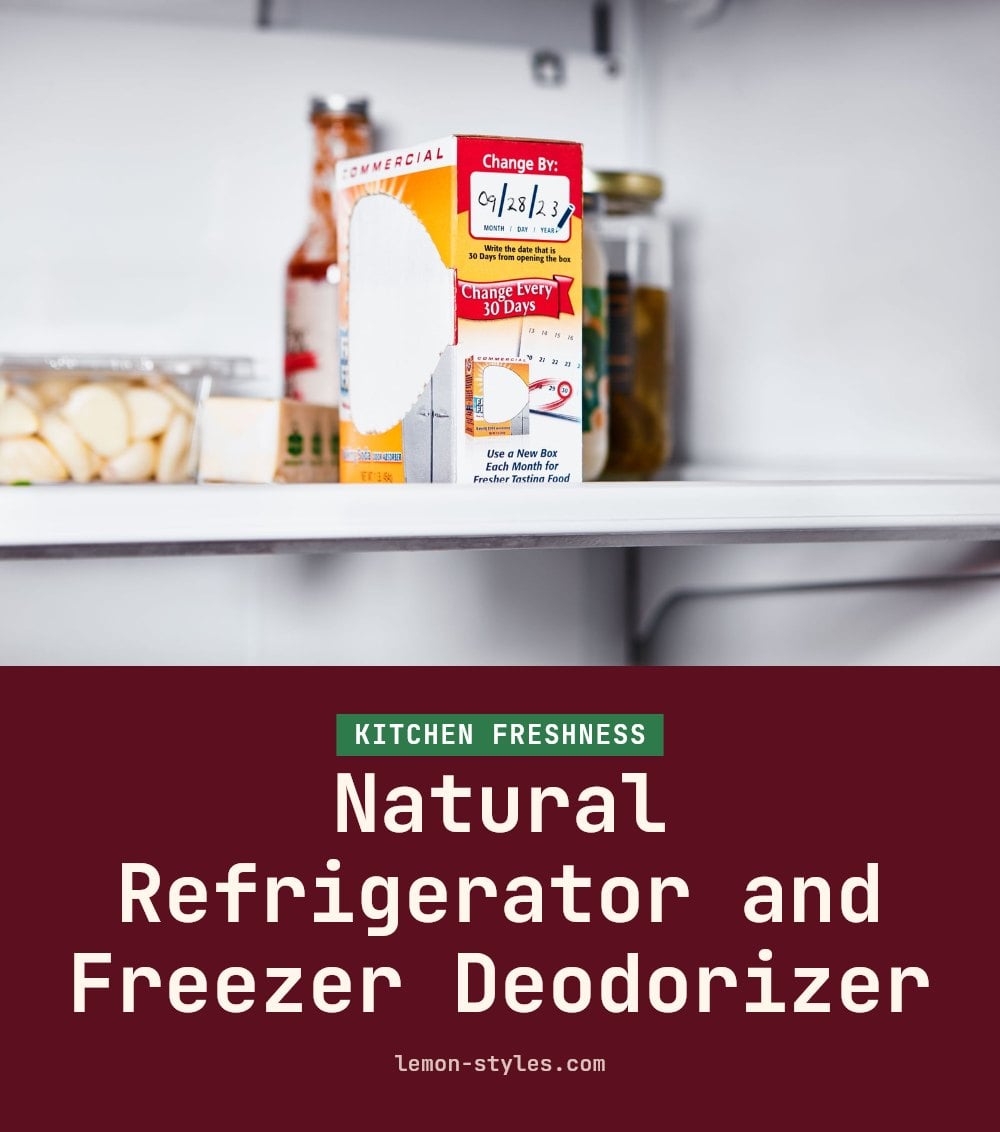
Set an open box on a shelf in the fridge and one in the freezer. The soda absorbs the odors drifting off leftovers and frozen goods, and its alkaline nature neutralizes the acidic molecules behind that stale smell. Odors get trapped in the powder rather than recirculating every time you open the door.
- Replace the box every one to three months, since it stops absorbing once the surface is saturated.
- Write the date on the box so you remember when the swap is due.
- Reuse the spent powder for drain cleaning instead of tossing it.
3. 2. Shine Stainless Steel Sinks and Appliances
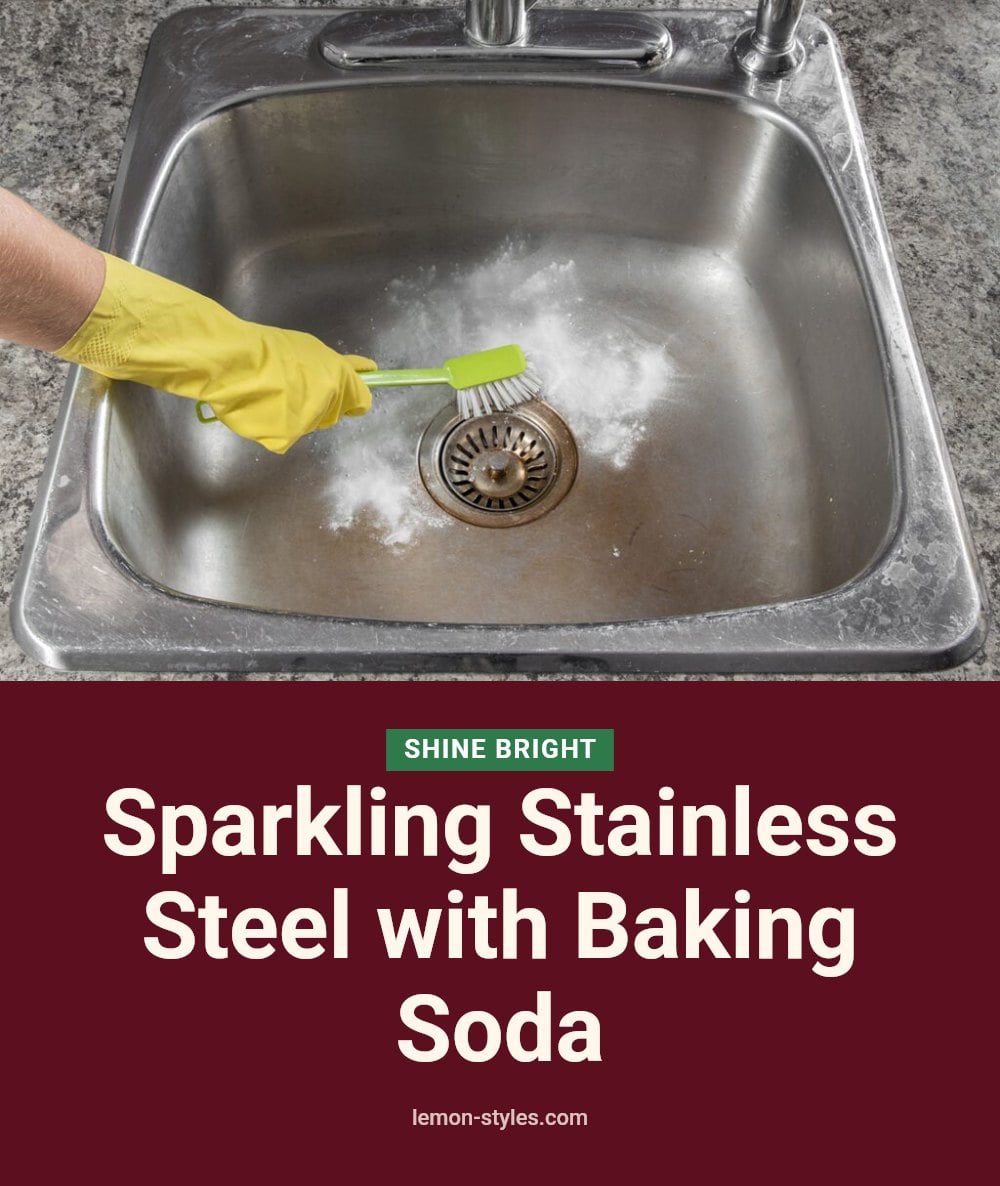
Mix baking soda with just enough water to form a soft paste, then rub it over the sink basin, faucet base, and appliance fronts with a damp cloth. The fine crystals scour off water spots and fingerprints while staying gentle enough for brushed finishes.
Caution: work with light pressure and follow the grain of the steel, then rinse well. Any powder left behind dries into a chalky white film, and a thorough rinse is what gives you the streak-free shine.
- Buff dry with a soft cloth to finish.
- Skip this on aluminum or gold-plated trim, which can discolor.
4. 3. Clean Baked-On Food from Pots and Pans
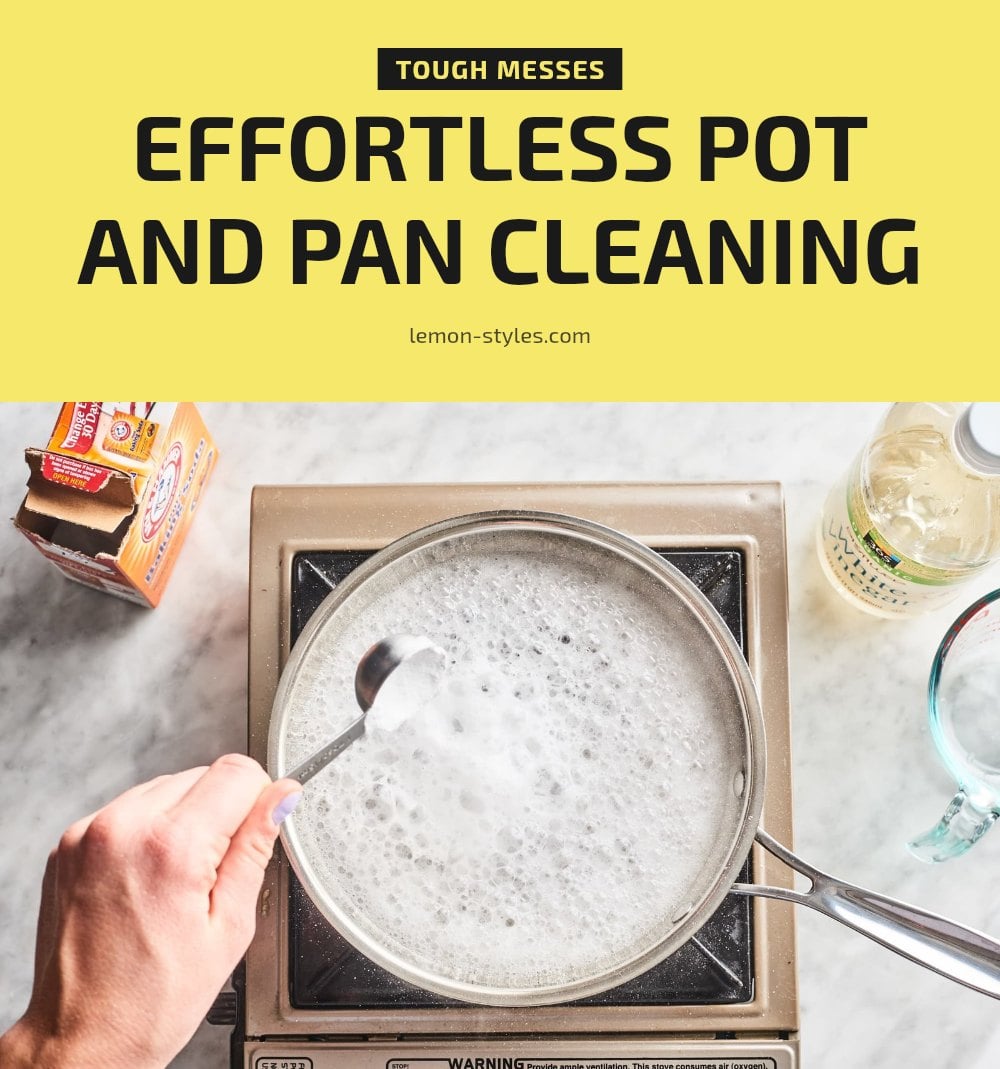
Sprinkle a generous layer of baking soda over the burnt or stuck-on food, add enough hot water to cover it, and leave the pan to soak. The mild alkali loosens greasy residue so it releases instead of cementing to the base.
For spots that survive the soak, mix a thick paste of baking soda and water and scrub with a non-abrasive sponge. Give stubborn patches a second round rather than scrubbing harder, and rinse well so no powder dries in the pan.
5. 4. Refresh Carpets and Upholstery
Sprinkle a generous layer of baking soda over the carpet or upholstery, covering the area evenly. Let it sit for at least 15 to 30 minutes, or longer for strong odors like pet accidents or smoke. The baking soda absorbs odor molecules trapped in the fabric fibers rather than just masking them. Vacuum thoroughly to remove both the powder and the absorbed smells.
6. 5. Unclog and Deodorize Drains
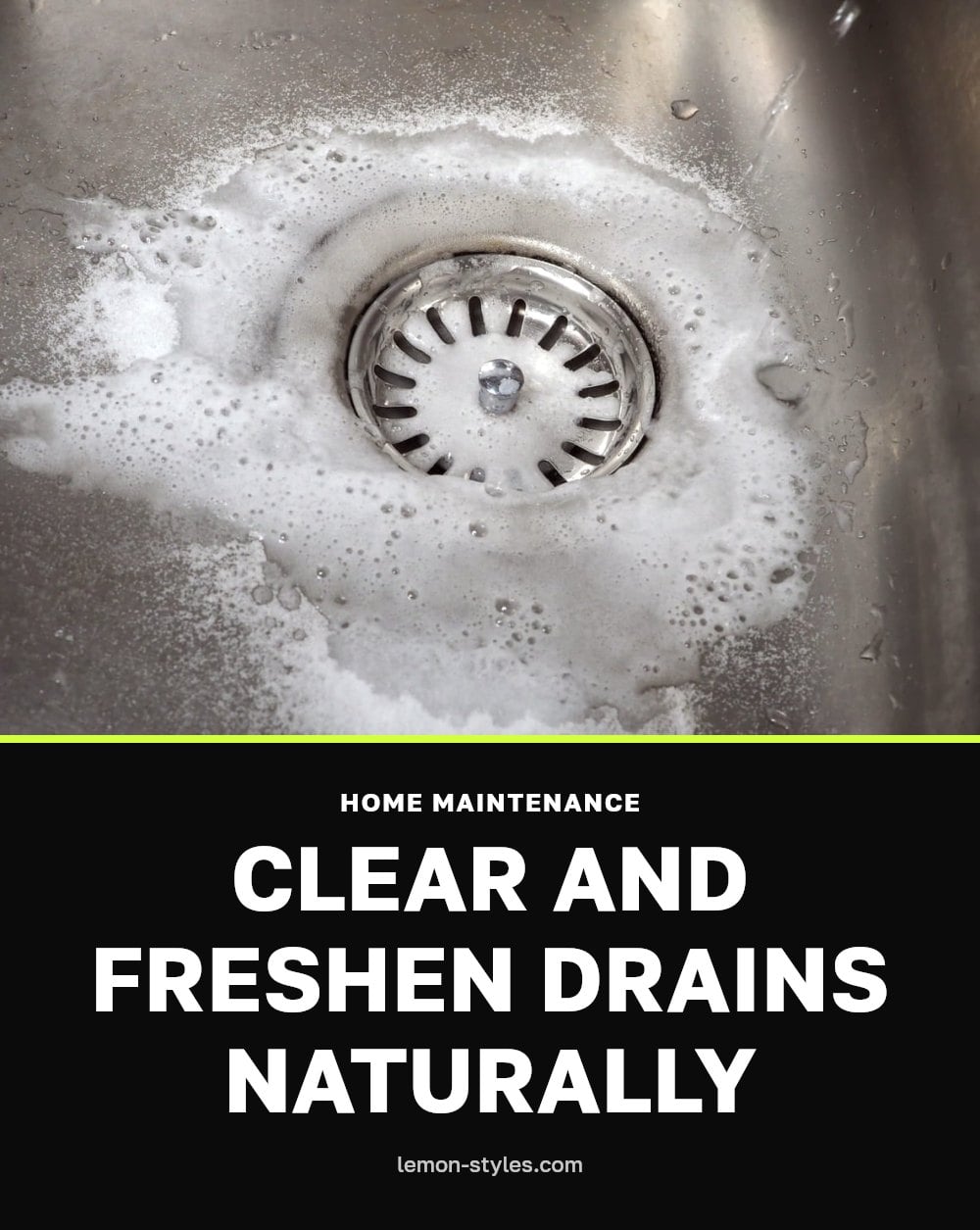
Pour one cup of baking soda down the drain, then follow with one cup of hot vinegar. The fizzing you see is carbon dioxide gas, and it does help push loose debris around in the pipe, but be realistic about what it can do. Baking soda and vinegar mostly neutralize each other, so the mix is weaker than either ingredient on its own.
- Good to know: The bubbling is mechanical action, not a stronger cleaner.
- Better for odors: The baking soda neutralizes smells rather than masking them.
- Finish: After 15 to 30 minutes, flush with hot water to clear the residue.
For a slow drain, a clog that keeps coming back needs a drain snake or a plumber, not a fizzing mix.
7. 6. Clean Grout Lines and Tile
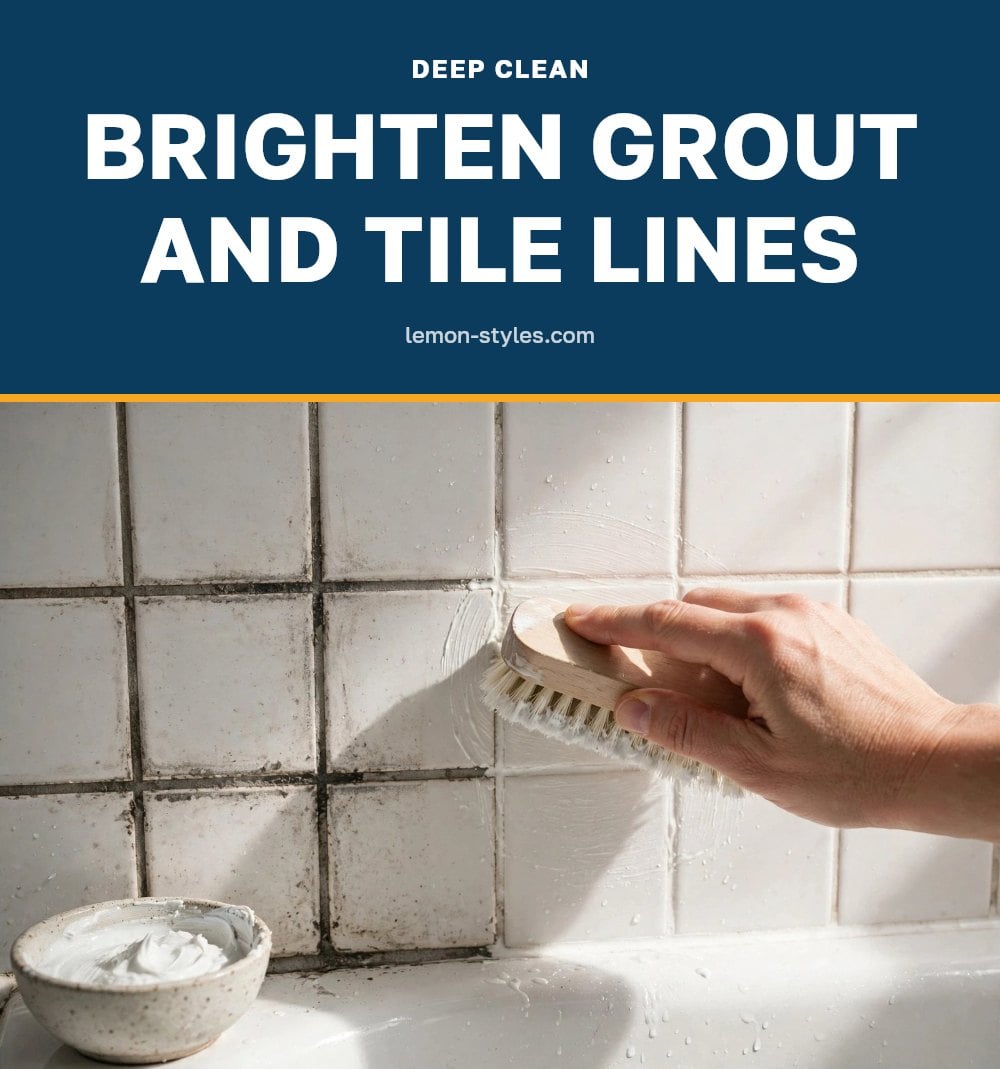
Make a thick paste with baking soda and water, then apply it directly to grout lines using an old toothbrush or a small brush. Let the paste sit for a few minutes so the mild alkali can soften embedded grime. Scrub gently to lift dirt and mildew, then rinse well with water. The fine crystalline structure provides enough abrasion for ceramic and porcelain tiles without scratching them.
8. 7. Brighten Laundry and Remove Odors
Add half a cup of baking soda to your washing machine drum along with your regular detergent. The baking soda boosts detergent performance by helping to lift dirt and brighten whites, while its alkaline chemistry neutralizes odors. It is especially effective for sweaty gym clothes, musty towels, or any load that needs a freshness reset. No need for a separate soak cycle.
9. 8. Polish Silver and Remove Tarnish
Line a bowl with aluminum foil, shiny side up, then fill with hot water, half a cup of baking soda, and a pinch of salt. Submerge your silver pieces so they touch the foil. The chemical reaction transfers tarnish from the silver to the foil, leaving the metal clean. After 5 to 10 minutes, rinse thoroughly and buff dry with a soft cloth for a brilliant shine.
10. 9. Freshen Garbage Cans and Disposals
Sprinkle baking soda directly into an empty garbage can to absorb lingering odors, letting it sit for 15 minutes before wiping or rinsing. For garbage disposals, pour half a cup of baking soda down the drain, let it sit for 15 minutes, then flush with hot water. The baking soda neutralizes the acidic compounds that cause bad smells, keeping both areas fresh.
11. 10. Clean and Deodorize Pet Beds
Sprinkle baking soda liberally over dry pet beds, covering the entire surface evenly. Let it sit for at least an hour, or longer for strong odors. The baking soda absorbs pet odors trapped in the fabric without any harsh chemicals. Vacuum thoroughly to remove all the powder, leaving the bed fresh and safe for your pet.
12. 11. Scrub Shower Curtains and Liners
Make a paste with baking soda and a squirt of dish soap, then apply it to mildewed or grimy shower curtains and liners. Scrub gently with a brush or sponge, focusing on soap scum and light mildew spots. The baking soda provides gentle abrasion while the dish soap cuts through grease, and both lift grime away. Rinse clean with warm water.
13. Common Baking Soda Cleaning Mistakes to Avoid
Expecting a Super Cleaner: The fizz from baking soda and vinegar looks impressive, but the reaction mostly neutralizes both into water and salt. Use them separately for better results.
Using Dry on Delicate Surfaces: Sprinkling dry baking soda directly onto unsealed natural stone or other easily scratched surfaces can leave fine scratches. Always mix it with water into a paste first.
Not Rinsing Thoroughly: Skipping the rinse after cleaning leaves a white, powdery residue on surfaces. Rinse with clean water and dry with a soft cloth to avoid this.
Using on Wrong Surfaces: Avoid aluminum cookware, gold-plated fixtures, and unsealed natural stone like marble. Baking soda is safe for ceramic and porcelain tiles but can discolor aluminum, damage gold plating, and etch unsealed marble over time.
Thinking It’s a Disinfectant: Baking soda cleans and deodorizes but does not kill most germs. Use a proper disinfectant for surfaces that need sanitizing.
14. Frequently Asked Questions
Is baking soda safe for all surfaces?
No, baking soda is not safe for all surfaces. Avoid it on aluminum cookware (can cause discoloration), gold-plated fixtures, and unsealed natural stone or marble (can scratch or etch). Always test on an inconspicuous area first, especially on delicate or unknown materials.
How often should I replace baking soda in my fridge?
Replace the open box of baking soda in your refrigerator every one to three months. Over time, the powder becomes saturated with odors and loses its ability to absorb more. Mark the date on the box so you remember to swap it out.
Can baking soda remove tough, old stains?
Baking soda can help with tough, old stains, but don’t expect instant results. It works best when you let a paste or soak sit for several minutes to hours, and you may need to scrub or repeat the process. For deep-set stains, it’s a helpful step, not a magic eraser.
What’s the best way to store baking soda for cleaning?
Store baking soda in a sealed container in a dry, cool place to keep it from absorbing moisture or odors before you use it. A dedicated shaker box or a jar with a lid works well. Avoid leaving the box open in a damp area like under the sink. It will clump and lose effectiveness.
Does baking soda kill germs?
Baking soda is primarily a cleaner and deodorizer, not a strong disinfectant. While its mild alkalinity can inhibit some bacteria, it doesn’t reliably kill germs. For disinfection, use a product specifically labeled as a disinfectant after cleaning with baking soda.
15. Final Thoughts
For everyday grime, odors, and stains, baking soda is a reliable, non-toxic ally. Focus on the methods that match your biggest cleaning pain points, whether that’s soaking burnt pans or deodorizing a garbage can. Realistic expectation: most results show up immediately, but tough stains may need several minutes of soaking or repeated application. Store a box under the sink and you’ll always have a natural cleaner ready to go.