
If you’ve been feeling tired, moody, or just not like yourself, you might wonder if your hormones are out of balance. The truth is, your daily habits can have a big impact on how your hormones behave. In this article, I’ll walk you through small, natural tweaks you can make to support your hormonal health, from sleep and stress to food and movement. These aren’t quick fixes, but consistent steps that can help you feel more like yourself over time.

Key Takeaways
- Aim for 7 to 9 hours of quality sleep each night to support hormone regulation.
- Eat whole foods, fiber, healthy fats, and lean protein to support hormone production.
- Incorporate regular moderate exercise to improve insulin sensitivity and manage stress.
- Limit endocrine-disrupting chemicals found in plastics and some personal care products.
- Consult a doctor if you experience severe fatigue, irregular periods, or persistent mood changes.
1. What Are Hormones and Why Do They Matter?
Hormones are your body’s chemical messengers, produced by endocrine glands and traveling through the bloodstream to tell organs and tissues what to do. They influence everything from your energy and mood to your metabolism and sleep.
Your daily choices matter more than you might think. Diet, sleep, and stress levels can significantly impact how well your hormones function. While serious imbalances need medical care, supporting your body’s natural systems with consistent habits can help ease mild symptoms like fatigue or mood swings.
2. Your Daily Plan for Hormonal Harmony

Small daily habits add up. Here’s a straightforward plan to support your hormonal health, one step at a time.
- Prioritize sleep: Aim for 7 to 9 hours of quality sleep each night. Sleep regulates key hormones like cortisol and melatonin, so keep a consistent bedtime and wind down without screens.
- Eat balanced meals: Fill your plate with whole foods, fiber, healthy fats, and lean protein. Think vegetables, fruits, whole grains, nuts, seeds, and fish or legumes. This supports hormone production and keeps blood sugar steady.
- Move your body: Incorporate regular moderate exercise, like brisk walking or cycling, for at least 30 minutes most days. This improves insulin sensitivity and helps you manage stress.
- Manage stress actively: Set aside 5 to 10 minutes daily for mindfulness, deep breathing, or gentle yoga. Chronic stress keeps cortisol elevated, which can disrupt other hormones.
- Hydrate consistently: Drink water throughout the day, not just when you’re thirsty. Dehydration can affect energy and concentration, and water is essential for transporting hormones.
Consistency beats intensity. Start with one or two changes, then build from there.
3. Understanding the Interconnectedness of Your Hormones
Your hormones don’t work in isolation. They form a complex network, and a shift in one can ripple through the rest.
Stress and cortisol
Chronic stress elevates cortisol, which can interfere with insulin and thyroid hormones. That’s why managing stress isn’t just about feeling calmer; it’s a direct support for your endocrine system.
Sleep and growth hormone
Adequate sleep is crucial for regulating growth hormone and melatonin. Skimping on rest can throw off your natural rhythms and affect recovery and mood.
Gut health and estrogen
Your gut microbiome plays a role in estrogen metabolism. A healthy gut helps break down and eliminate estrogen properly, which supports balance.
Weight and insulin
Maintaining a healthy body weight positively affects estrogen and insulin levels. Excess weight, especially around the midsection, can increase insulin resistance and alter estrogen production.
Because these systems are interconnected, focusing on overall healthy habits is more effective than targeting a single hormone.
4. Essential ‘Ingredients’ for Hormonal Support
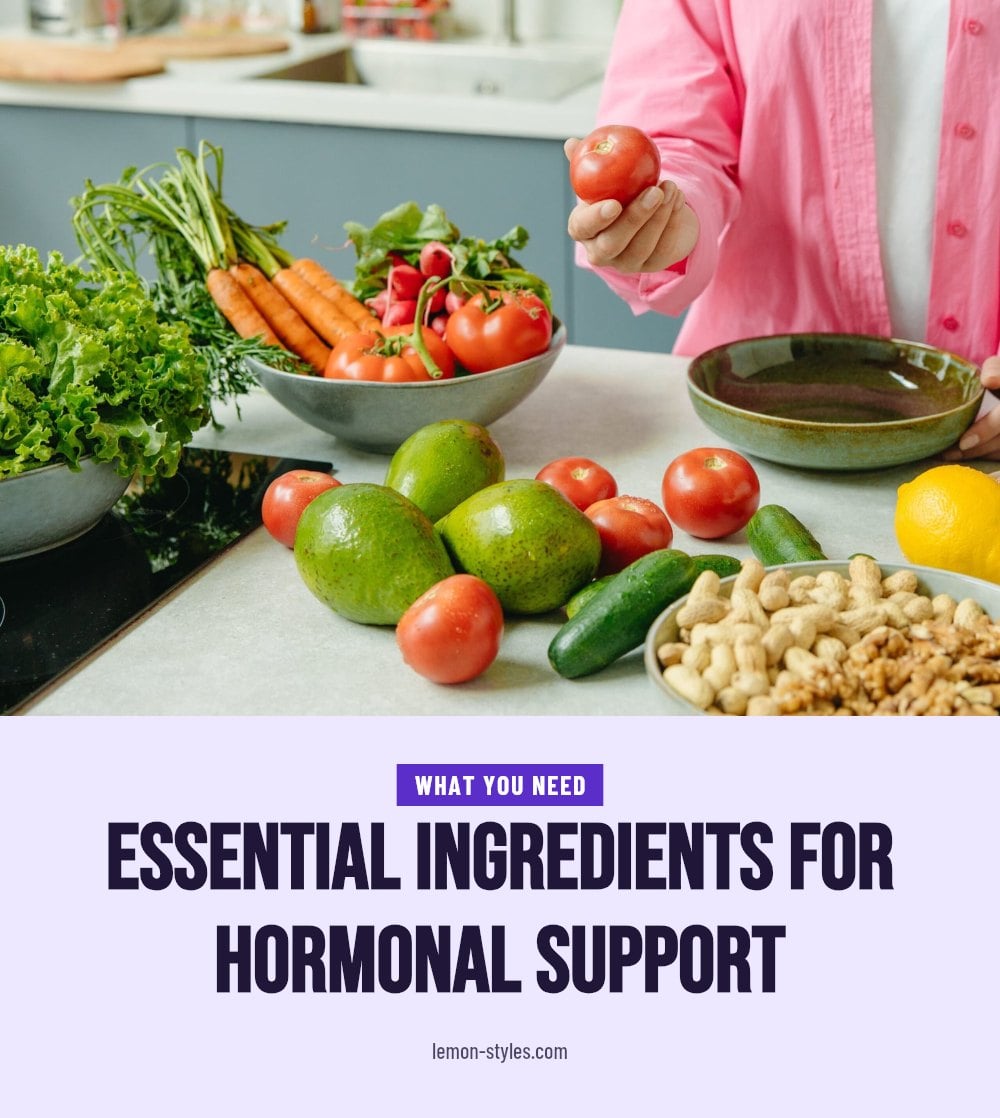
To support your hormones, stock your kitchen with these essentials:
- Whole grains and lean proteins: Brown rice, quinoa, chicken, fish, and legumes provide sustained energy and the building blocks for hormone production.
- Leafy greens and colorful vegetables: Spinach, kale, bell peppers, and broccoli deliver fiber and micronutrients that help your body metabolize hormones.
- Fruits: Berries, apples, and citrus offer antioxidants and fiber for overall cellular health.
- Healthy fats: Avocado, nuts, seeds, and olive oil are key for hormone synthesis. Don’t skip them.
- Probiotic-rich foods: Yogurt, kimchi, and sauerkraut support a healthy gut microbiome, which influences estrogen metabolism.
- Water: Staying hydrated is non-negotiable for cellular function and hormone transport.
5. Common Missteps When Trying to Balance Hormones
Expecting Quick Fixes: Hormonal balance is a journey, not a sprint. Many people want results in days, but consistent habits over weeks to months show real change. Patience matters more than any supplement.
Ignoring Chronic Stress: Stress is a major disruptor. Elevated cortisol impacts insulin, thyroid hormones, and more. Managing stress proactively through mindfulness or relaxation is as important as diet.
Focusing on One Hormone: The endocrine system is interconnected. Fixating on estrogen or cortisol alone misses the bigger picture. Support the whole system with balanced habits.
Overlooking Gut Health: A healthy gut is vital for hormone metabolism, especially estrogen. Include probiotic-rich foods like yogurt or kimchi to support this connection.
Drastically Restricting Calories or Over-Exercising: Both can negatively impact hormone levels. Severe calorie cuts raise cortisol, while excessive exercise can disrupt menstrual cycles. Aim for moderate, sustainable routines.
6. Top Tips for Supporting Your Hormones
Limit Endocrine-Disrupting Chemicals (EDCs): Opt for natural personal care products and avoid plastics where possible. EDCs found in some cosmetics and food containers may interfere with hormone function.
Stay Hydrated: Water is critical for all bodily functions, including hormone transport. Aim for consistent sipping throughout the day rather than chugging once.
Listen to Your Body: Pay attention to persistent symptoms like fatigue or mood swings. They are signals, not nuisances. Consult a professional when they don’t improve.
Be Patient and Consistent: Lifestyle changes take time to show results. My tip: track one small change at a time, like adding a vegetable to dinner or a 10-minute walk, and give it a month before judging.
7. When to Talk to Your Doctor About Hormones
If you experience severe fatigue, unexplained weight changes, or irregular periods, consult a healthcare professional. Persistent mood disturbances, excessive hair growth or loss, and skin issues also warrant a checkup.
Before making significant dietary changes or starting new supplements, talk to your doctor, especially if pregnant, breastfeeding, or on medication. Never self-diagnose or self-treat serious hormonal conditions. A professional can rule out underlying medical issues and guide safe next steps.
8. Frequently Asked Questions
How quickly can I expect to see results from lifestyle changes?
Results vary, but most people notice subtle improvements after several weeks to a few months of consistent habits. Hormonal balance is not a quick fix, so be patient with your body. You might feel more energetic or sleep better within a few weeks, but deeper changes take time.
Can certain foods really impact my hormones?
Yes, food plays a role. A diet rich in whole grains, lean proteins, healthy fats, and fiber can support hormone production and metabolism. Excess sugar and refined carbs may contribute to insulin resistance, so focusing on whole foods is a smart choice for hormonal health.
Is it possible to have a hormonal imbalance without obvious symptoms?
Yes, some hormonal shifts may not cause noticeable symptoms. But many people do experience signs like fatigue, mood swings, or weight changes. If you suspect an imbalance, a doctor can run tests to check your hormone levels and help you understand what’s going on.
What are endocrine-disrupting chemicals and how can I avoid them?
Endocrine-disrupting chemicals (EDCs) are substances found in some plastics, pesticides, and personal care products that may interfere with your hormone function. To reduce exposure, choose natural personal care products, avoid plastic food containers where possible, and wash produce well.
Do hormone-balancing supplements actually work?
Supplements are not a magic fix and should not replace lifestyle changes. Some nutrients like B vitamins, magnesium, and omega-3s are involved in hormone synthesis, but it’s best to get them from food. Always talk to your doctor before starting any supplement, especially if you have health conditions.
9. Final Thoughts
Supporting your hormones naturally is about consistent, small daily choices. Start with one or two tweaks that feel manageable, like prioritizing sleep or adding more fiber to your meals. Expect subtle improvements over several weeks to a few months, not overnight changes. If you have persistent or severe symptoms, don’t hesitate to see a healthcare professional. Your body is complex, but you have more control than you think.
This article is for general informational purposes only and is not a substitute for professional medical advice. Always consult a doctor or qualified healthcare provider before making significant lifestyle changes, starting supplements, or if you have persistent or severe symptoms. Your health is unique, so seek personalized guidance when needed.

