
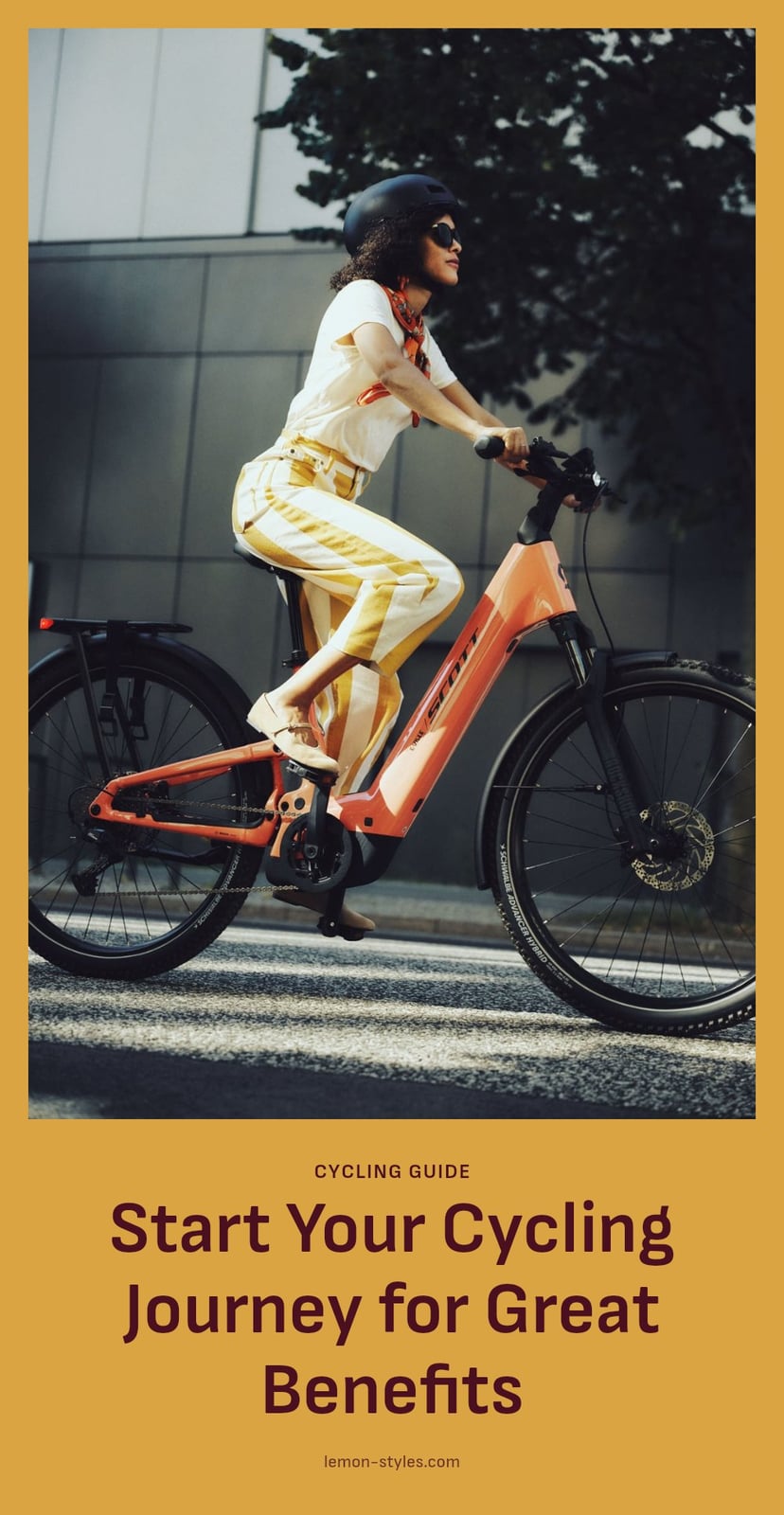
You do not need to be fit already to start cycling. It is a low-impact workout that goes easier on your joints than running, so it suits a lot of women who find other cardio uncomfortable, and you can build it up slowly from short rides close to home. This article covers how to pick a bike that matches where you actually ride, the gear that makes the biggest difference, and the habits that keep you safe and comfortable.
My tip: treat the first few weeks as a test of your setup, not your willpower. If something hurts, the fix is usually the bike or the pace, not more effort.
Key Takeaways
- Wear a helmet on every ride, no matter how short the trip or how familiar the street.
- Start with 20 to 30 minute rides three times a week at a conversational pace.
- Book a professional bike fit before your first long ride to prevent discomfort and injury.
- Sip water every 15 to 20 minutes while riding, and drink before and after too.
- Stop and see a professional for persistent numbness, tingling, or sharp pain.
1. Why Cycling is Great for Women
Cycling is a low-impact workout that’s gentle on your joints, unlike running, so it works well if your knees complain on other cardio. Regular rides build cardiovascular health, strengthen your legs and core, and boost endurance. Riding outdoors can lift your mood and lower stress, since you get fresh air and time in nature. Most fitness levels can start where they are, and it’s easy to make social by riding with friends.
2. 1. Choose the Right Bike Type
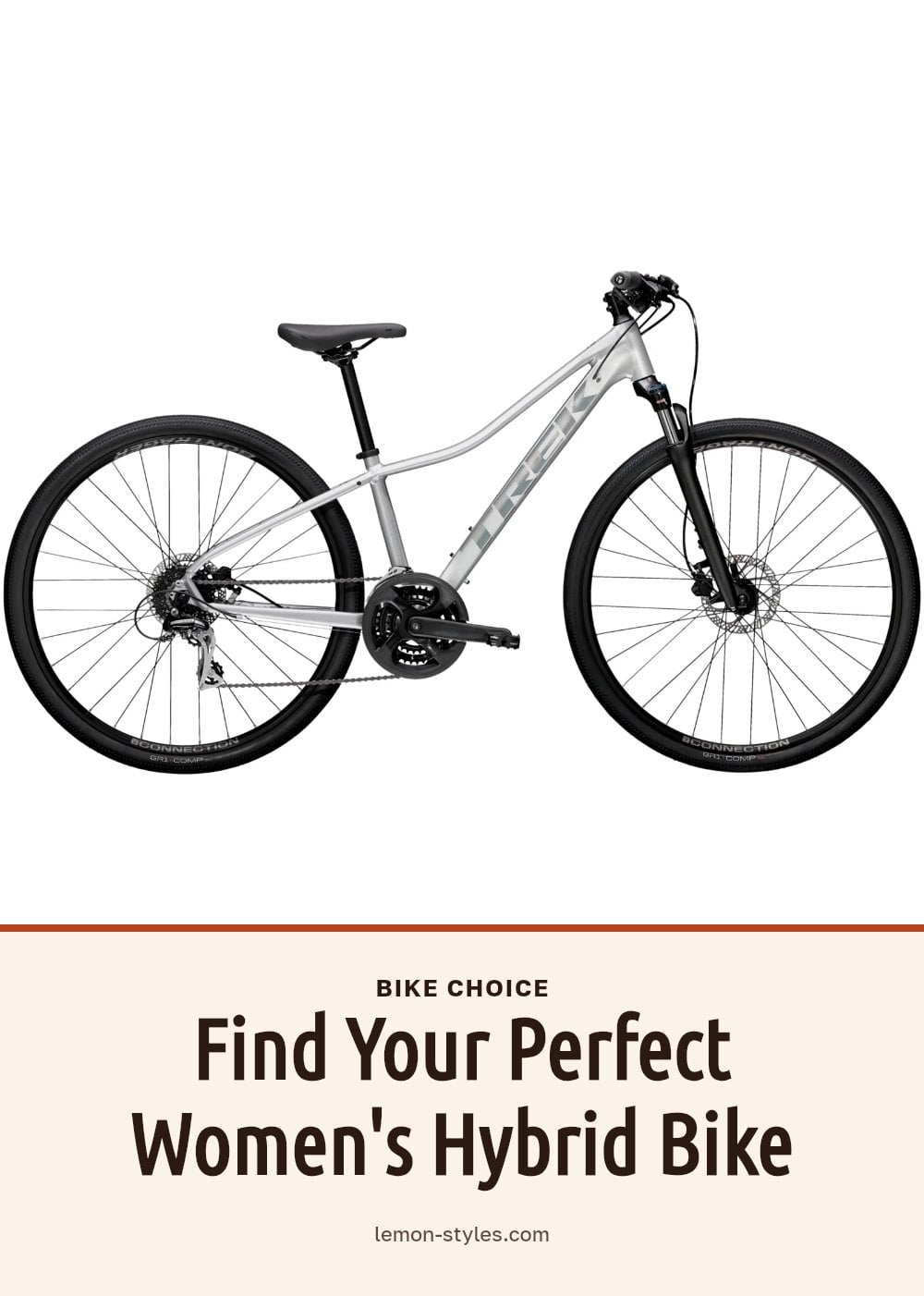
Match the bike to where you’ll actually ride, not to what looks fastest in the shop. The four main types cover almost every beginner:
- Hybrid: a versatile pick for casual rides and commuting, blending road and mountain bike features.
- Road bike: built for speed and longer distances on paved roads.
- Mountain bike: robust suspension for off-road trails and rough terrain.
- E-bike: electric assistance makes hills easier and extends your range, at any fitness level.
3. 2. Get a Professional Bike Fit
Book a professional fit before your first long ride, not after something starts hurting. A fitter sets your saddle height, handlebar reach, and frame size to your body, which is what prevents discomfort and injury in the first place.
The payoff shows up in comfort and efficiency, especially on longer rides, because you use your muscles more effectively. It also helps you avoid the common complaints, like knee pain or back strain, that usually trace back to a poorly adjusted bike.
4. 3. Always Wear a Helmet
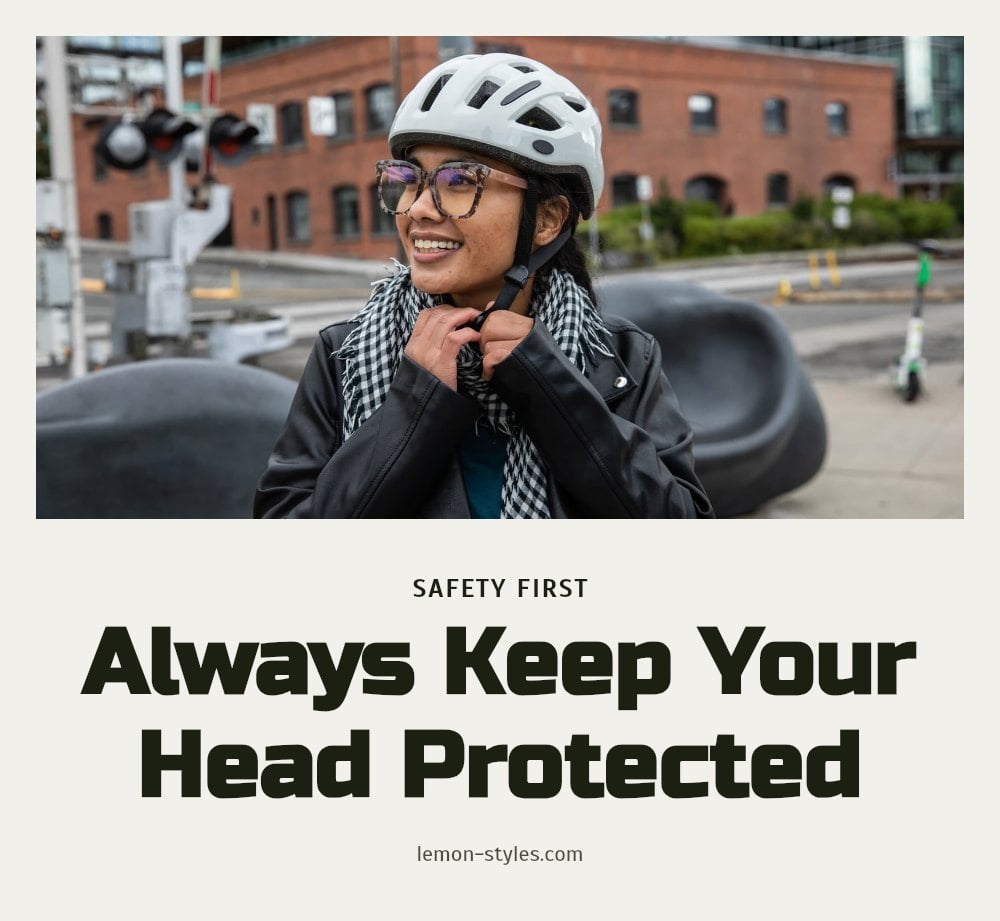
Wear a helmet on every ride, whether it’s a five-minute errand or a two-hour loop. It protects against head injuries regardless of cycling type or distance, and a short trip on a familiar street is still a trip on a street.
Fit matters as much as wearing it: the helmet should sit level on your head and cover your forehead, with the straps snug enough that it doesn’t shift when you shake your head.
My tip: Replace your helmet after any significant impact, even if there’s no visible damage.
5. 4. Invest in Padded Cycling Shorts
Padded cycling shorts are the single upgrade that makes the biggest difference for beginners. The chamois pad cushions your sit bones and reduces saddle soreness on longer rides, and the snug fabric prevents chafing where your skin rubs against the saddle.
My tip: Wear them without underwear. The pad works best against bare skin, and a cotton layer underneath traps moisture and causes the irritation you’re trying to avoid.
6. 5. Start Short and Go Slow
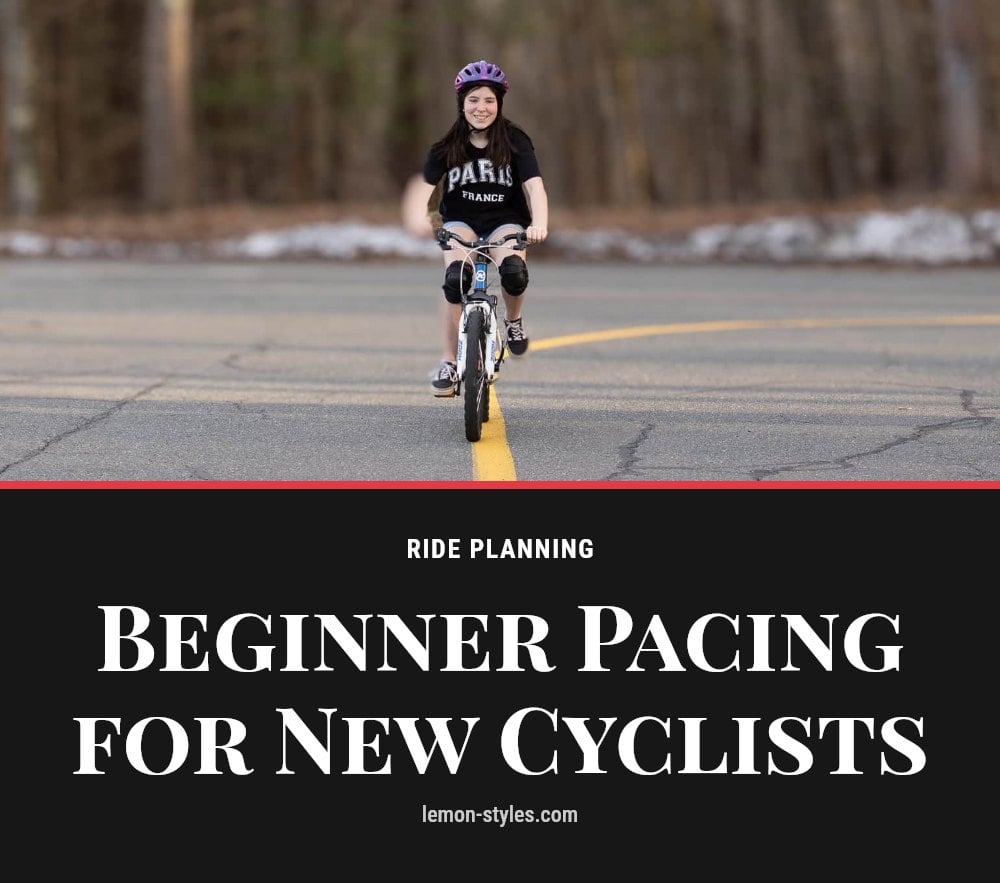
Start with rides of 20 to 30 minutes, three times a week, and keep the pace easy enough that you could hold a conversation. That duration is enough to build the habit without leaving you sore or exhausted.
Add 5 to 10 minutes to one ride each week as your fitness improves. Consistency matters more than speed or distance early on, so a short ride you repeat beats a long ride you dread.
7. 6. Stay Hydrated and Fuelled
Drink water before you leave, sip every 15 to 20 minutes while riding, and drink again when you get home. Thirst lags behind actual fluid loss, so waiting until you feel parched on a warm day is already too late.
Mount a water bottle on your frame, or two if your bike has the mounts, and refill before every ride. For rides longer than an hour, pack a banana or an energy bar to keep your energy steady.
8. 7. Learn Basic Bike Maintenance
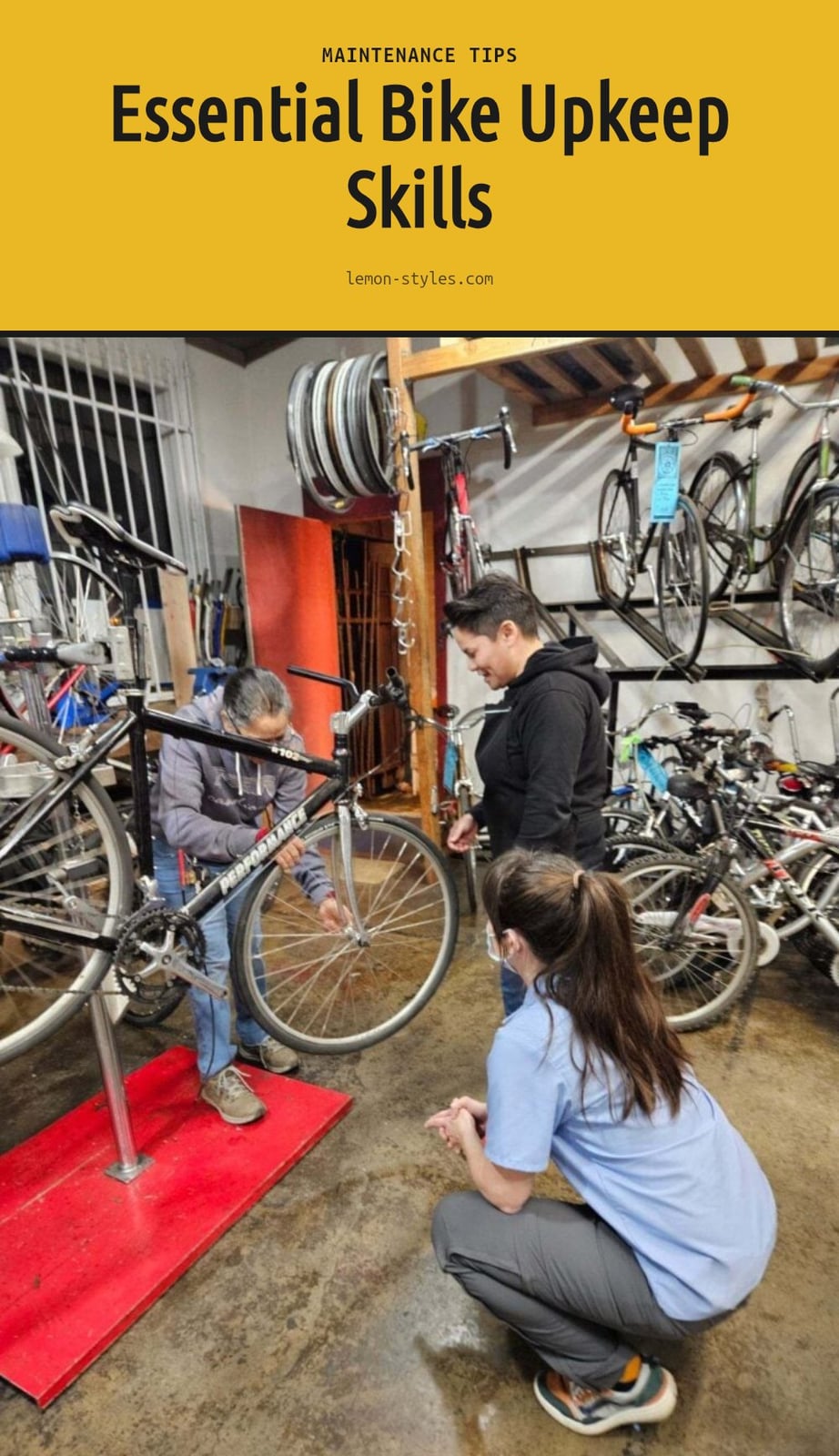
Learn to fix a flat tire before you need to. A spare tube, tire levers, and a small pump fit in a saddlebag, and knowing how to use them keeps a puncture from ending your ride on the side of the road.
Check tire pressure, brake function, and chain lubrication before each ride. Tip: Watch a few tutorial videos for your specific bike, or ask your local bike shop for a quick lesson on essential repairs.
9. 8. Prioritize Road Safety
Ride as if you are a car: signal every turn with your arm, follow the same traffic laws, and make eye contact with drivers at intersections before you move. Eye contact tells you whether they have actually seen you, which a quick glance at a bumper cannot.
Visibility is most of your safety on the road. Wear bright or reflective clothing and run a front and rear light, especially in low light, rain, or early evening when drivers expect less.
- Signal early: give drivers a few seconds to react before you turn.
- Scan ahead: watch for potholes, parked car doors, and uneven surfaces.
10. 9. Stretch Before and After
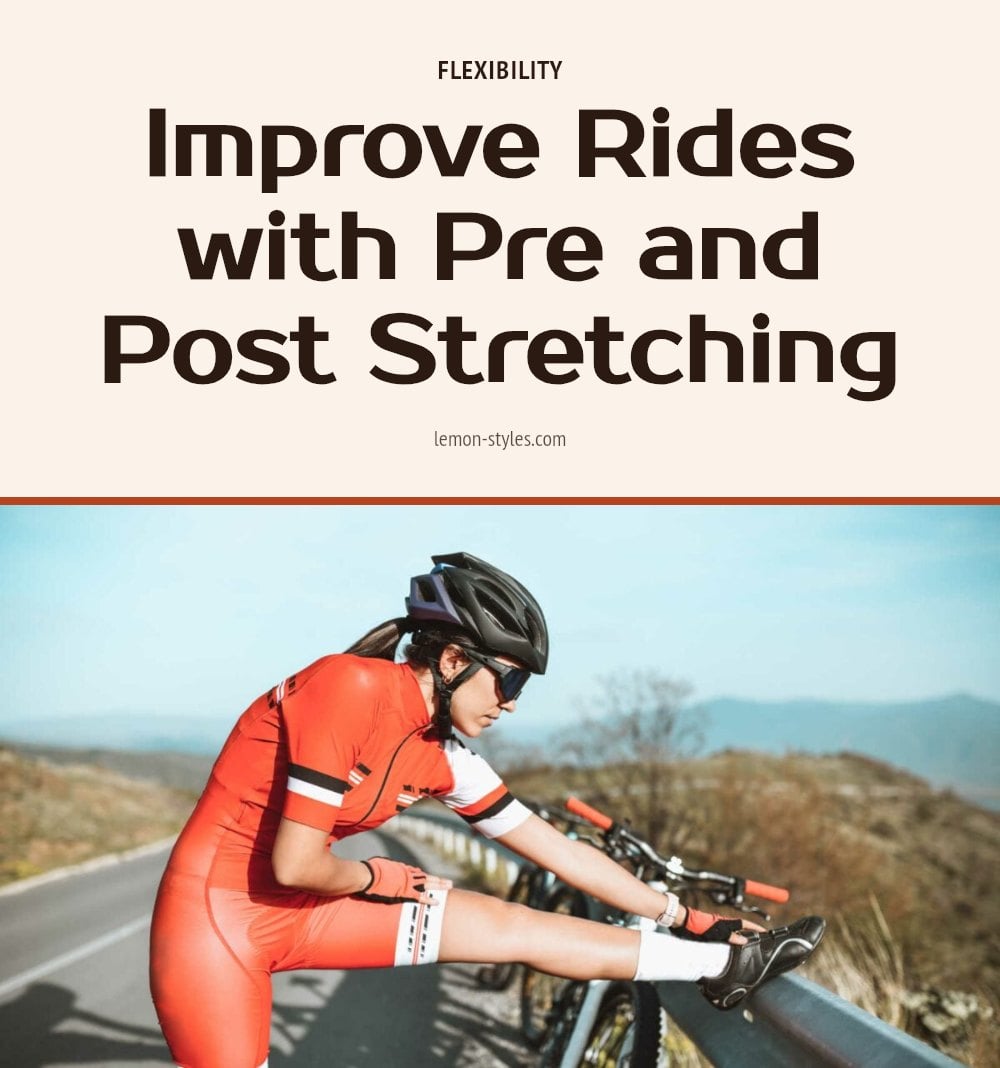
Treat stretching as part of the ride, not an optional extra. A quick warm-up before you clip in and a cool-down stretch afterward can help prevent muscle soreness and improve flexibility.
Target the muscles that do the work: hamstrings, quadriceps, glutes, and lower back. A few minutes on each covers what cycling tightens most.
Good to know: hold each stretch for 20 to 30 seconds and breathe deeply rather than bouncing, which lets the muscle actually lengthen.
11. 10. Listen to Your Body
Pain is information, not a challenge. If you get persistent discomfort, numbness, or sharp pain on the bike, adjust your fit or ask a professional before your next ride. Pushing through it can lead to more serious injuries that take you off the bike for weeks.
Rest days matter as much as ride days. Muscles recover and rebuild on the days off, and skipping them is one of the fastest routes to overtraining and losing motivation.
- Check in: a little muscle tiredness is normal, sharp or one-sided pain is not.
- Plan rest: build two or three easy days into every week.
12. 11. Explore Group Rides
Riding with other people changes the habit. Look for a local cycling group or ask a friend to join you, because a set meeting time is harder to skip than a solo plan. Group rides also hand you new routes you would not find on your own and a ready-made sense of community.
Many bike shops run beginner-friendly group rides, which are a good place to learn pacing, hand signals, and group etiquette from people who ride often.
Tip: call ahead and ask about the pace and distance before your first ride, so you land in a group that matches your level.
13. When to Consult a Professional
Most aches on the bike settle once your fit is right and you take rest days. Some signals deserve a professional look instead of another adjustment.
- Numbness or tingling: persistent sharp pain, numbness, or tingling in your hands, feet, or saddle area.
- Joint pain that lingers: ongoing knee, hip, or back pain that doesn’t resolve with bike adjustments or rest.
- Dizziness or chest pain: feeling dizzy or lightheaded, or having chest pain during or after cycling, warrants a doctor’s advice.
- Bike fit: book a professional fit if you’re uncomfortable or planning longer rides.
14. Frequently Asked Questions
How often should a beginner cycle?
Three rides a week is a realistic starting point, and a rest day between them helps your body adjust. Keep each ride easy enough that you could talk while pedaling, then add a little time to one ride when the current length starts to feel comfortable. Consistency matters more than frequency at the beginning.
Can cycling help with weight loss?
It can contribute, since riding burns calories, but results vary with how hard and how long you ride, along with everything else in your day. Many people find it works best as one part of a routine they can keep up rather than a short, intense push. Think of it as a sustainable habit first.
What should I eat before a long bike ride?
Keep it simple and familiar. A small snack with some carbohydrate an hour or so before you head out tends to sit well for most people, and eating something you have not tried before a long ride is a gamble. For short beginner rides, water is usually the main thing to sort out.
Is indoor cycling as good as outdoor cycling?
Both build cardiovascular fitness and leg strength, so an indoor bike is a solid option when weather or schedule gets in the way. Outdoor riding adds fresh air, scenery, and route variety, which many women find helps mood and motivation. Use whichever one you will actually do consistently.
How do I prevent saddle soreness?
Padded cycling shorts make the biggest difference, and a professional bike fit matters just as much. Saddle height and angle affect how your weight sits on the bike, so a poor fit can cause soreness no pad will fix. Give yourself a few rides to adapt, and see a professional if discomfort persists.
15. Final Thoughts
If you take one thing from this, make it consistency over distance. Three easy rides of 20 to 30 minutes a week will do more for you than one long weekend effort, and many beginners notice their fitness improving within a few weeks at that rhythm. Expect the first rides to feel awkward while your body and your bike get used to each other, and give the saddle soreness a couple of weeks to settle with padded shorts and a good fit.
Ride easy enough to hold a conversation, keep the helmet on, and let the habit build before you chase speed.
This article is general information, not medical advice. Cycling is low impact but not risk free, and persistent pain, numbness, tingling, or dizziness deserves a professional look. Talk to a doctor or dermatologist about ongoing discomfort, and to a bike fitter or physical therapist about position issues.

