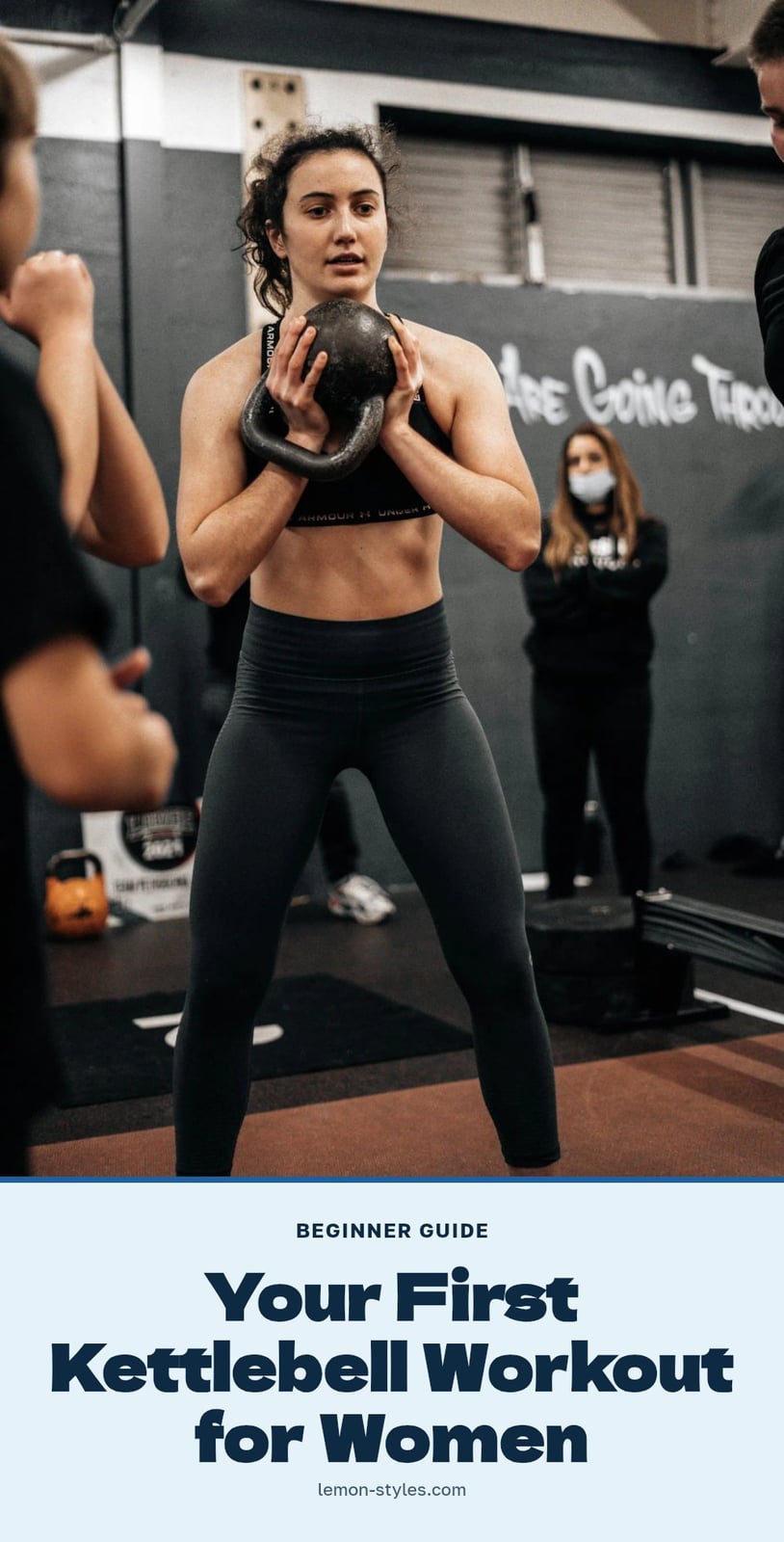
Starting a new strength routine can feel like a lot, but kettlebells are one of the most efficient tools for getting a full-body workout at home. If you’re new to them, the key is starting light and focusing on form before ever worrying about how much weight you’re moving. This article walks you through the essential gear, a safe warm-up, five foundational exercises, and a simple weekly plan so you can build confidence and strength from your very first session.
Key Takeaways
- Start with a kettlebell between 8 kg (18 lbs) and 12 kg (26 lbs) to master form before adding weight.
- Always hinge at your hips, not your knees, for swings and deadlifts to protect your lower back.
- Engage your core throughout every exercise to stabilize your spine and generate power.
- Plan 2 to 3 workouts per week on non-consecutive days to allow muscles time to recover.
- Expect noticeable improvements in strength and endurance within 4 to 6 weeks of consistent practice.
1. Essential Gear for Your Kettlebell Workout
Before your first swing, gather the right gear. Start with a single kettlebell between 8 kg and 12 kg, which suits most women beginning strength training. A lighter weight lets you focus on form without straining. Wear supportive athletic shoes with non-slip soles for stability during explosive moves. Choose comfortable clothing you can squat and hinge in without restriction. Keep a water bottle nearby, kettlebell workouts are surprisingly cardio-heavy and you will sweat.
2. 1. Dynamic Warm-Up: Arm Circles
Arm circles loosen your shoulder joints and increase blood flow before you handle a kettlebell. Stand with feet shoulder-width apart and arms extended straight out to your sides. Make small forward circles, gradually enlarging them, then reverse the direction for backward circles.
- Time: 30 seconds total, 10 to 15 circles each direction.
- Form cue: Keep your shoulders down and away from your ears, not hunched.
- Make it easier or harder: Reduce the circle size for less range, or hold a light weight in each hand for more resistance.
3. 2. Kettlebell Deadlift
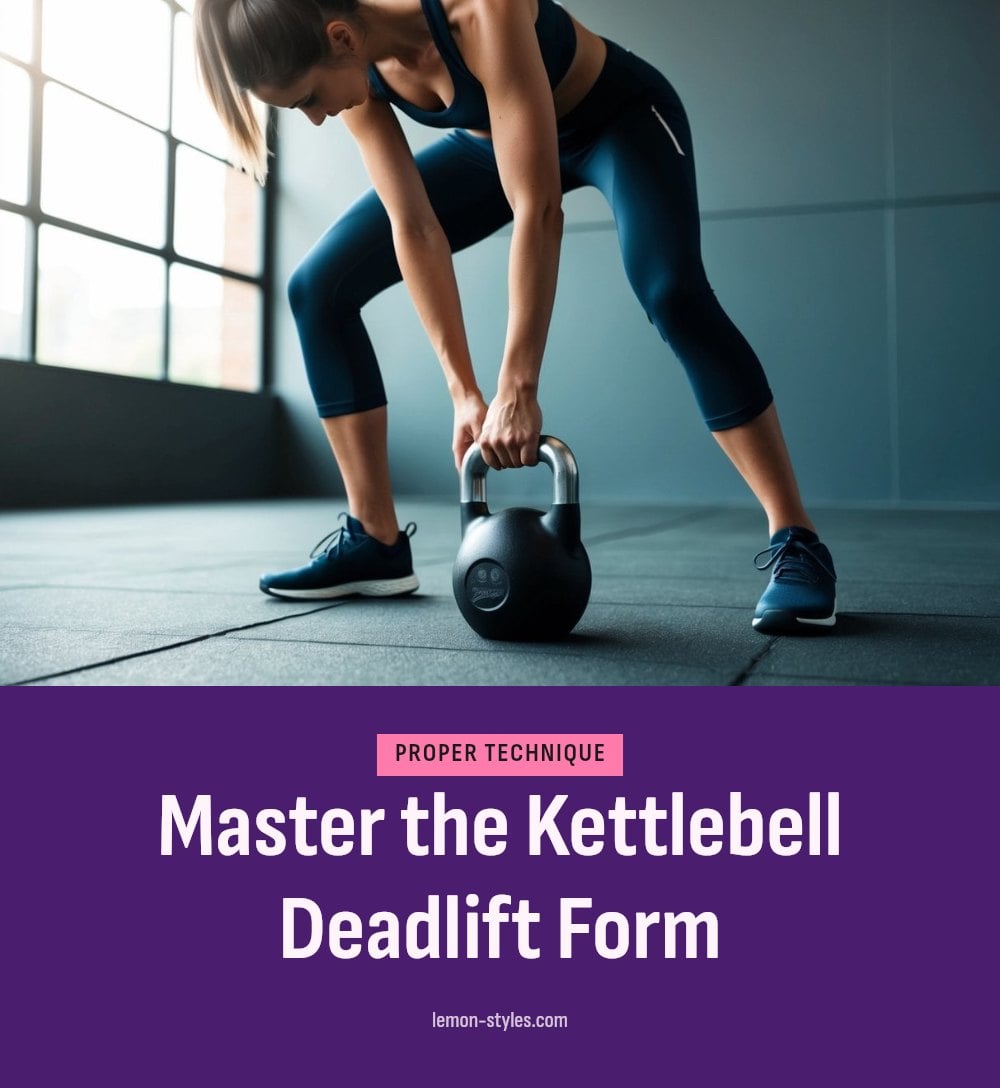
The deadlift teaches the hip hinge, the foundation of most kettlebell moves. Stand with feet shoulder-width apart, the kettlebell on the floor between your feet. Hinge at your hips, keeping your back straight and chest lifted, and grip the handle with both hands. Drive through your heels to stand, squeezing your glutes at the top, then lower with control back into the hinge.
- Sets and reps: 3 sets of 8 to 10 repetitions.
- Form cue: Imagine pushing your hips back to close a car door with your rear. That is a hinge, not a squat.
- Make it easier or harder: Use a lighter kettlebell for practice, or increase weight once your back stays flat throughout.
4. 3. Kettlebell Goblet Squat
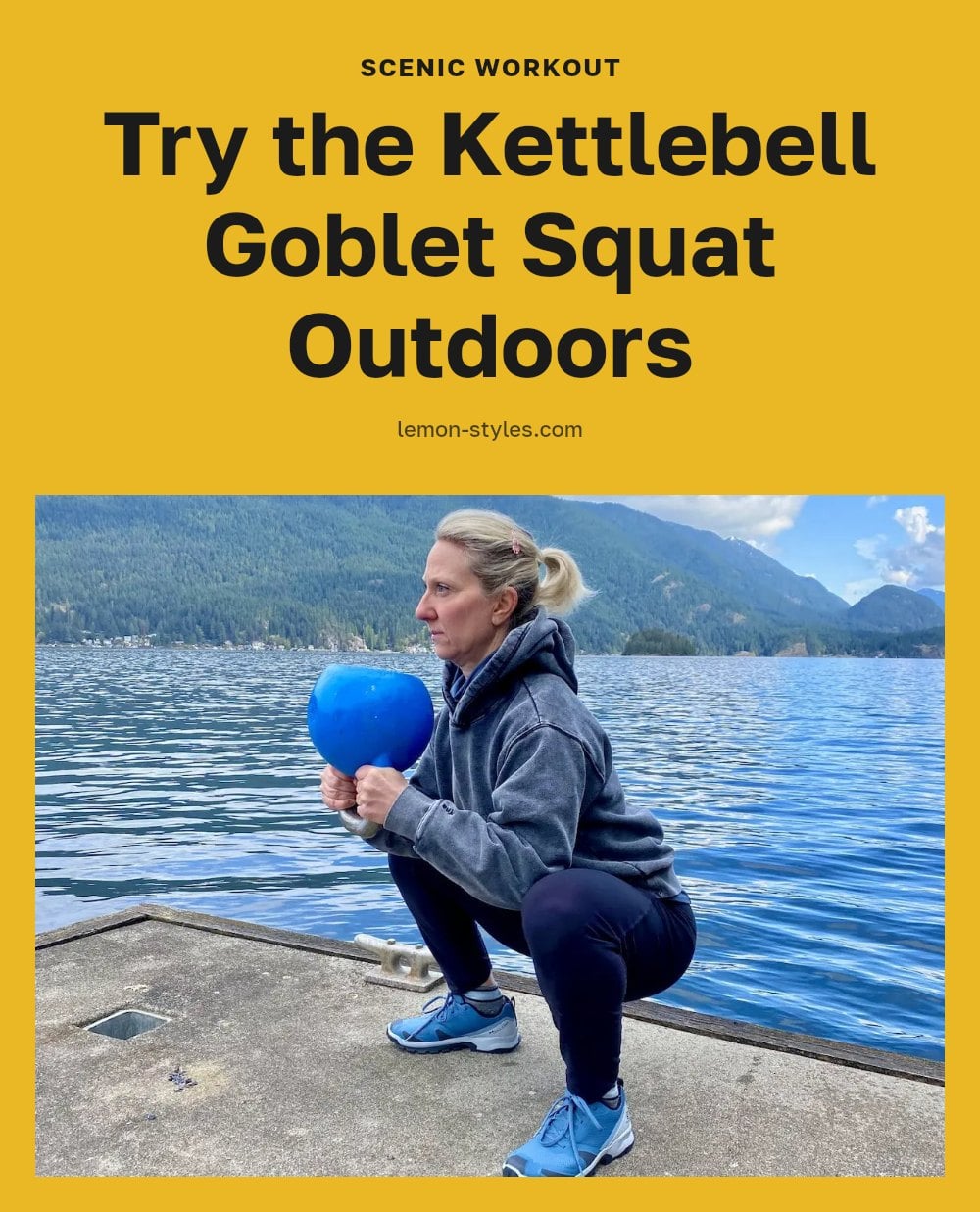
The goblet squat builds leg strength while keeping your torso upright. Hold the kettlebell by its horns (the sides of the handle) against your chest, elbows tucked in. Stand with feet slightly wider than shoulder-width, toes pointed out a few degrees. Lower into a squat as if sitting into a chair, keeping your chest up and core tight, until your thighs are parallel to the floor or as deep as comfortable. Push through your heels to stand.
- Sets and reps: 3 sets of 10 to 12 repetitions.
- Form cue: Tap your elbows against your inner thighs at the bottom to remind yourself to stay upright and open your hips.
- Make it easier or harder: Squat to a box or chair for depth control, or hold the kettlebell higher on your chest for more challenge.
5. 4. Kettlebell Two-Handed Swing
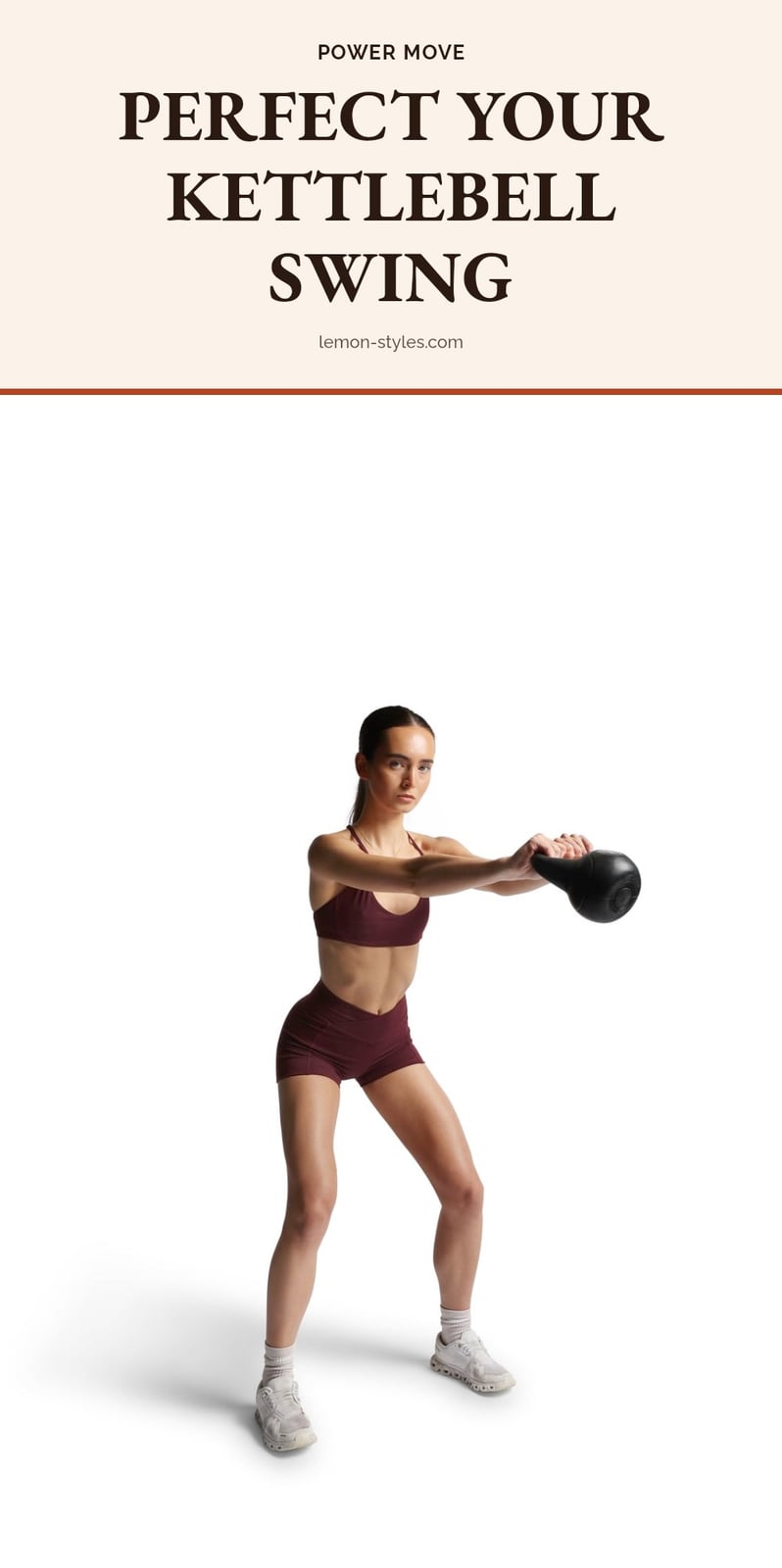
Stand with feet slightly wider than shoulder-width, the kettlebell on the floor in front of you. Hinge at your hips and let the kettlebell swing back between your legs. Drive your hips forward explosively, squeezing your glutes, to swing the kettlebell up to chest height. Let it fall back down, absorbing the momentum with another hip hinge.
- Sets and reps: 3 sets of 10-15 repetitions
- Form cue: Power comes from your hips, not your arms. Think of thrusting your hips forward, not lifting with your shoulders.
- Make it easier or harder: Start with a lighter weight to master the hip hinge. For more challenge, increase the weight or reps gradually.
6. 5. Kettlebell Overhead Press (Single Arm)
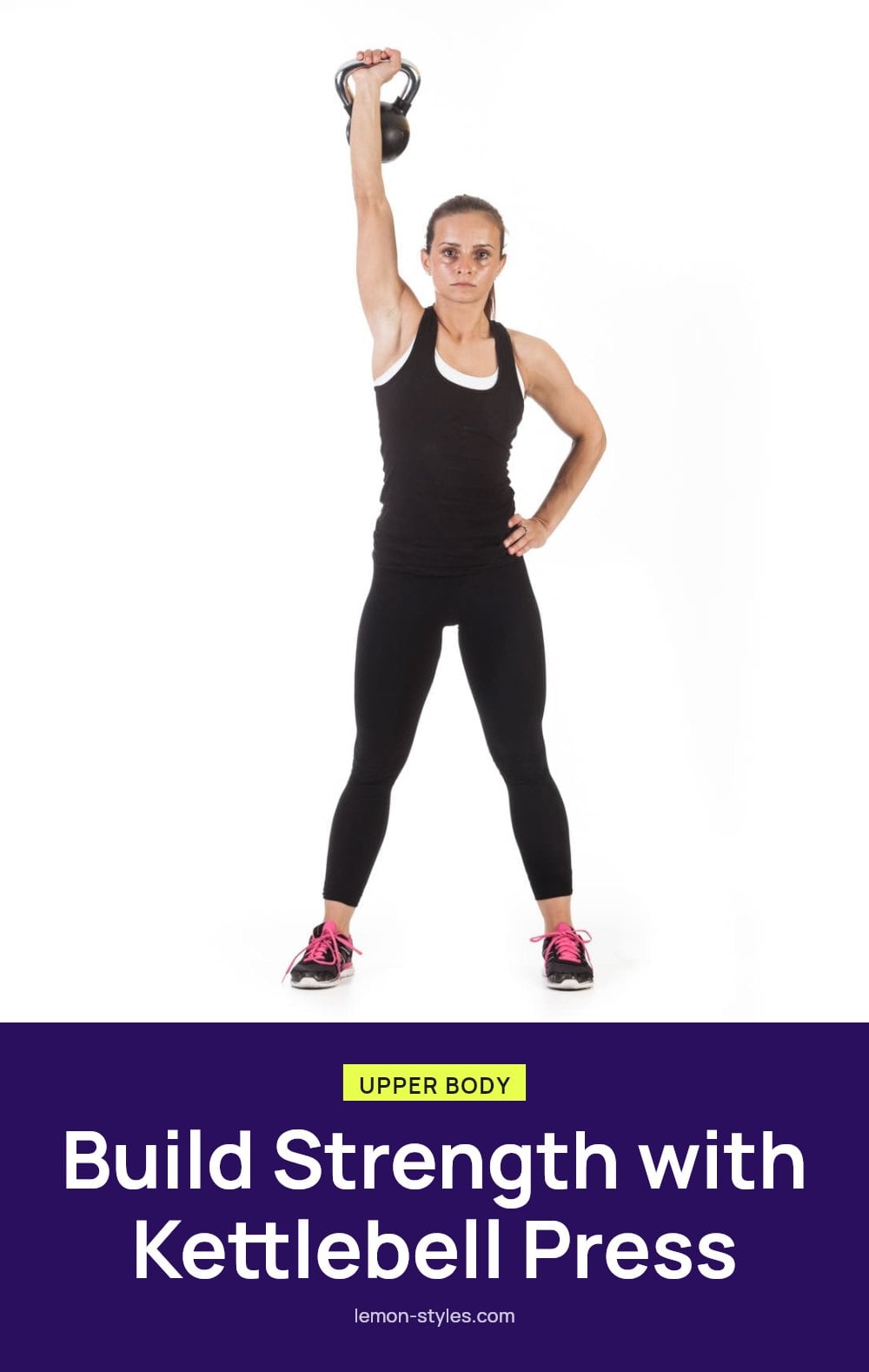
Hold one kettlebell in the rack position at your shoulder, elbow tucked against your ribs. Press the kettlebell straight overhead, extending your arm fully. Keep your core tight to avoid arching your back. Lower the kettlebell with control back to the rack position.
- Sets and reps: 3 sets of 6-8 repetitions per arm
- Form cue: Squeeze your glutes and brace your core before pressing to maintain a stable torso.
- Make it easier or harder: Use a lighter kettlebell to focus on shoulder stability. For more challenge, perform the press from a kneeling position.
7. 6. Kettlebell Row (Single Arm)
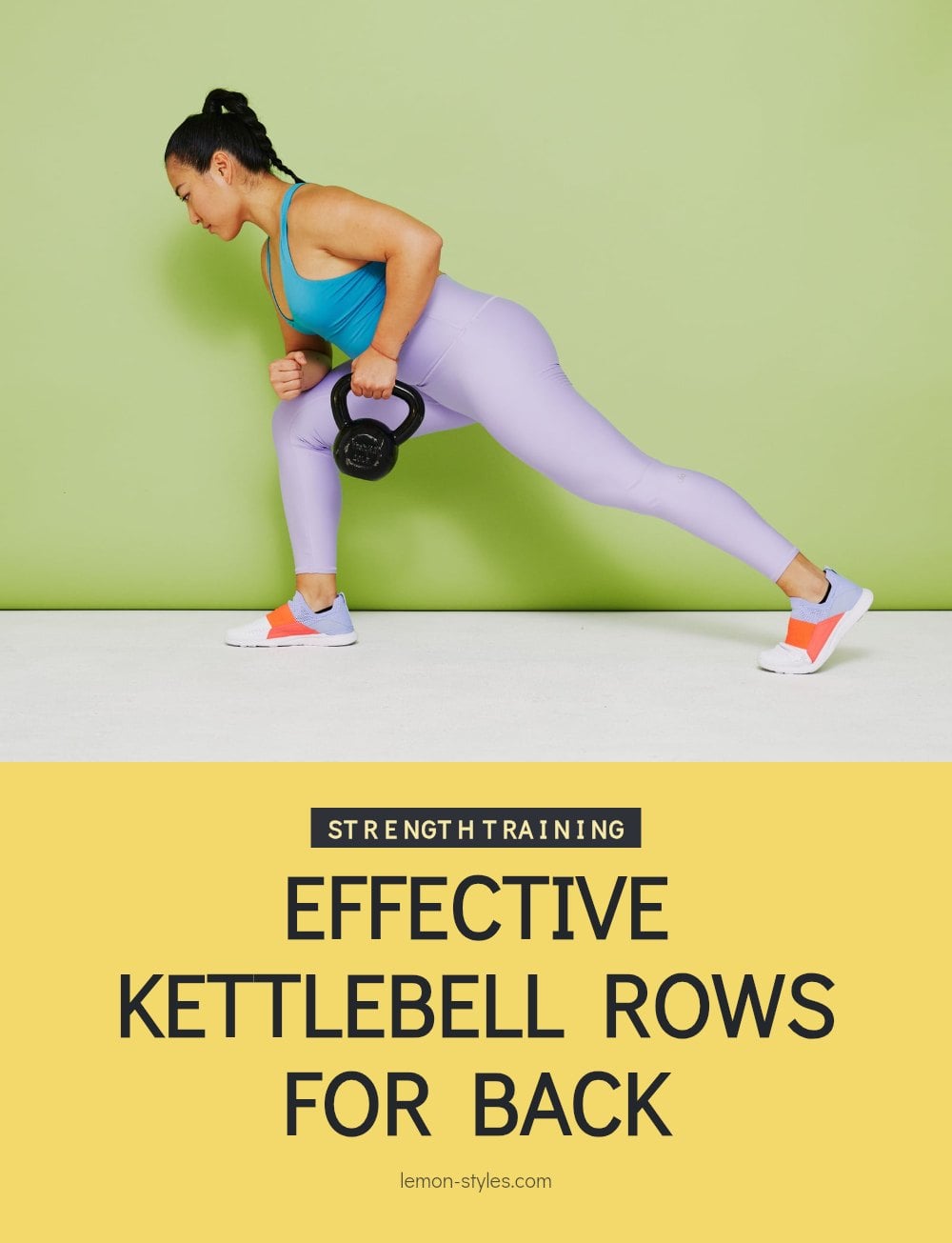
Place one hand and knee on a bench or sturdy surface, keeping your back flat. Hold the kettlebell in the opposite hand with your arm extended toward the floor. Pull the kettlebell up toward your hip, squeezing your shoulder blade. Lower the kettlebell with control.
- Sets and reps: 3 sets of 8-10 repetitions per arm
- Form cue: Lead with your elbow, not your hand, to engage your back muscles. Keep your torso still.
- Make it easier or harder: Reduce the weight to perfect the movement. To increase difficulty, slow down the lowering phase or add an extra rep.
8. 7. Plank with Kettlebell Drag
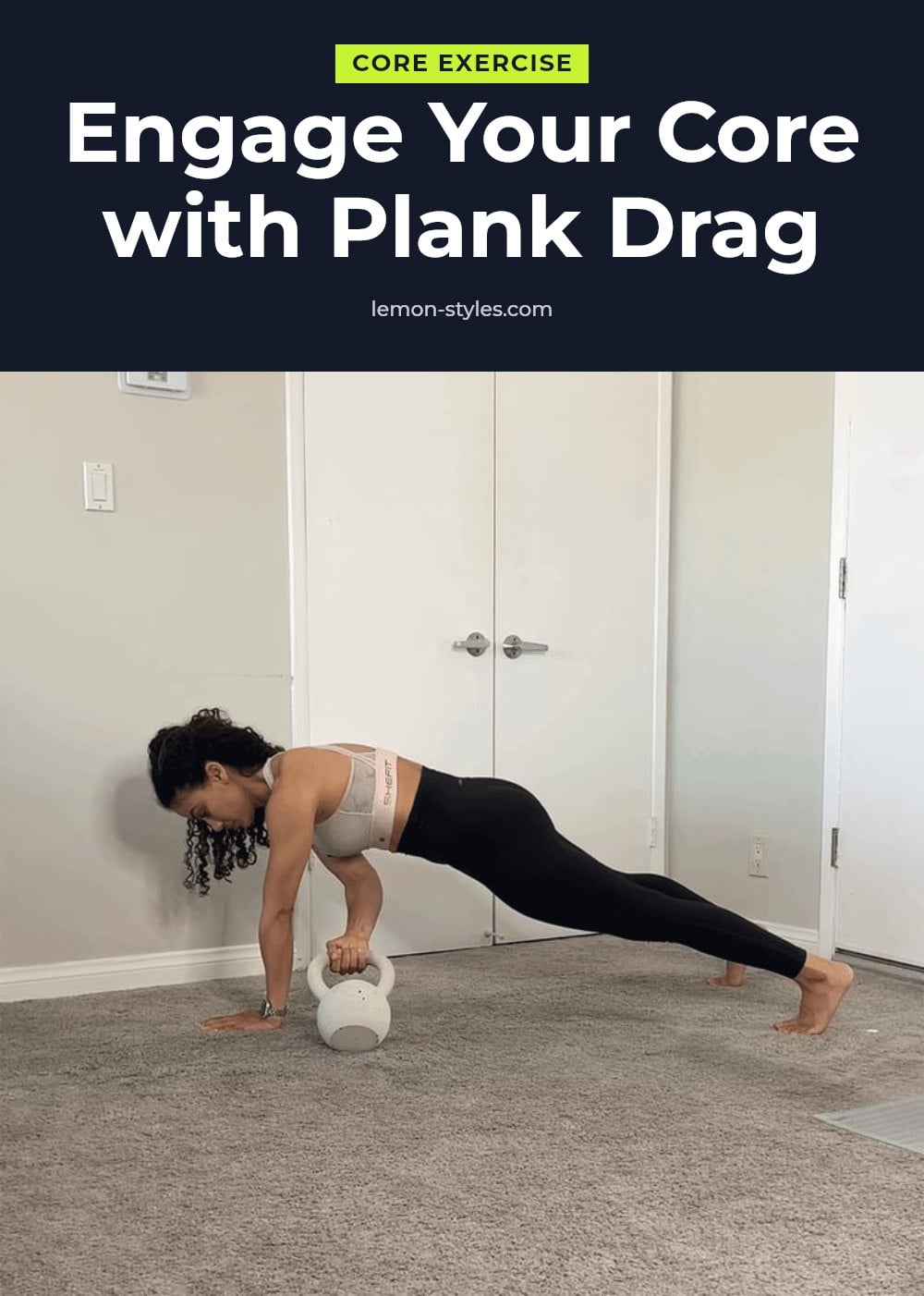
Start in a high plank position with hands directly under your shoulders and body in a straight line. Place a kettlebell just outside one hand. Reach under your body with the opposite hand to drag the kettlebell to the other side. Maintain a stable core and avoid rocking your hips.
- Sets and reps: 3 sets of 6-8 drags per side
- Form cue: Keep your hips level throughout the movement. If your hips sag or twist, pause and reset.
- Make it easier or harder: Perform the drag from your knees to reduce core demand. For more challenge, use a heavier kettlebell or add a push-up between drags.
9. 8. Cool-Down: Gentle Stretches
After your last rep, give your muscles time to lengthen and reset. Light static stretching for the hamstrings, glutes, and shoulders helps reduce soreness and improve flexibility over time. Hold each stretch for 20-30 seconds with deep, steady breaths, and never bounce. A gentle pull is all you need.
- Time: 20-30 seconds per stretch, 3-4 total stretches.
- Form cue: Breathe into the stretch and relax the muscle, don’t force it.
- Make it easier or harder: For a deeper hamstring stretch, sit on the floor with one leg straight and reach toward your toes. For shoulders, bring one arm across your chest and gently press it toward you with the opposite hand.
10. Your Weekly Kettlebell Training Schedule
Plan 2-3 kettlebell workouts per week on non-consecutive days, like Monday, Wednesday, and Friday. Rest days between sessions allow your muscles to recover and grow stronger. Listen to your body, if you feel extra sore or tired, skip a day or lower the reps.
| Day | Workout | Focus |
|---|---|---|
| Monday | Deadlifts, Goblet Squats, Two-Handed Swings | Foundation and hip hinge |
| Wednesday | Overhead Press, Rows, Plank with Drag | Upper body and core |
| Friday | Full-body circuit: all 6 exercises | Endurance and coordination |
| Other days | Rest or light walking | Recovery |
11. Common Kettlebell Mistakes to Avoid
Even small form errors can lead to strain or injury, especially when you’re just starting. Keep these common mistakes in mind every time you pick up a kettlebell.
- Rounding Your Back: Always maintain a straight back, especially during swings and deadlifts. Engage your core to protect your spine.
- Using Arms for Swings: The kettlebell swing is a hip-driven movement. Focus on generating power from your glutes and hamstrings, not your arms.
- Choosing Too Heavy a Weight: Start with a lighter kettlebell to master form. Proper technique is more important than heavy lifting, especially for beginners.
- Neglecting Core Engagement: Your core is crucial for stability and power in almost all kettlebell exercises. Keep it tight throughout your workout.
- Skipping Warm-Ups and Cool-Downs: A dynamic warm-up prepares your body, and a static cool-down aids recovery. Don’t skip these vital steps.
12. Frequently Asked Questions
How often should a beginner use kettlebells?
Most beginners do well with 2 to 3 workouts per week on non-consecutive days, such as Monday, Wednesday, and Friday. This schedule gives your muscles time to recover and grow stronger between sessions. If you feel extra sore or tired, it’s fine to skip a day or lower the reps.
What is the best kettlebell weight for a beginner woman?
A good starting weight for most women new to kettlebell training is between 8 kg (18 lbs) and 12 kg (26 lbs). A lighter weight lets you focus on proper form without straining. Once you can complete the exercises with good technique, you can gradually move up to a heavier kettlebell.
Can kettlebells help with weight loss?
Kettlebell workouts combine strength training and cardio, which can support weight loss as part of a balanced routine. The explosive, compound movements burn calories during the session and may increase your metabolism afterward. For best results, pair kettlebell training with a healthy diet and other forms of physical activity.
Is kettlebell training good for cardio?
Yes, many kettlebell exercises are ballistic and involve explosive movements that raise your heart rate quickly. The two-handed swing, for example, can provide a solid cardiovascular challenge while also building strength. Regular kettlebell sessions can improve both cardiovascular fitness and muscular endurance.
13. Final Thoughts
My tip: pick one or two moves from the workout list and practice them with just the kettlebell handle until the hip hinge feels natural. That small investment in technique will pay off every time you swing. Aim for 2 to 3 sessions a week, and you’ll likely feel stronger and more coordinated within a month. Stick with the basics, listen to your body, and enjoy the process of building a solid foundation.
This article is for general informational purposes only and does not constitute medical or professional fitness advice. Always consult a healthcare provider before starting any new exercise program, especially if you have pre-existing health conditions or injuries. For personalized guidance on form or programming, consider working with a certified coach.