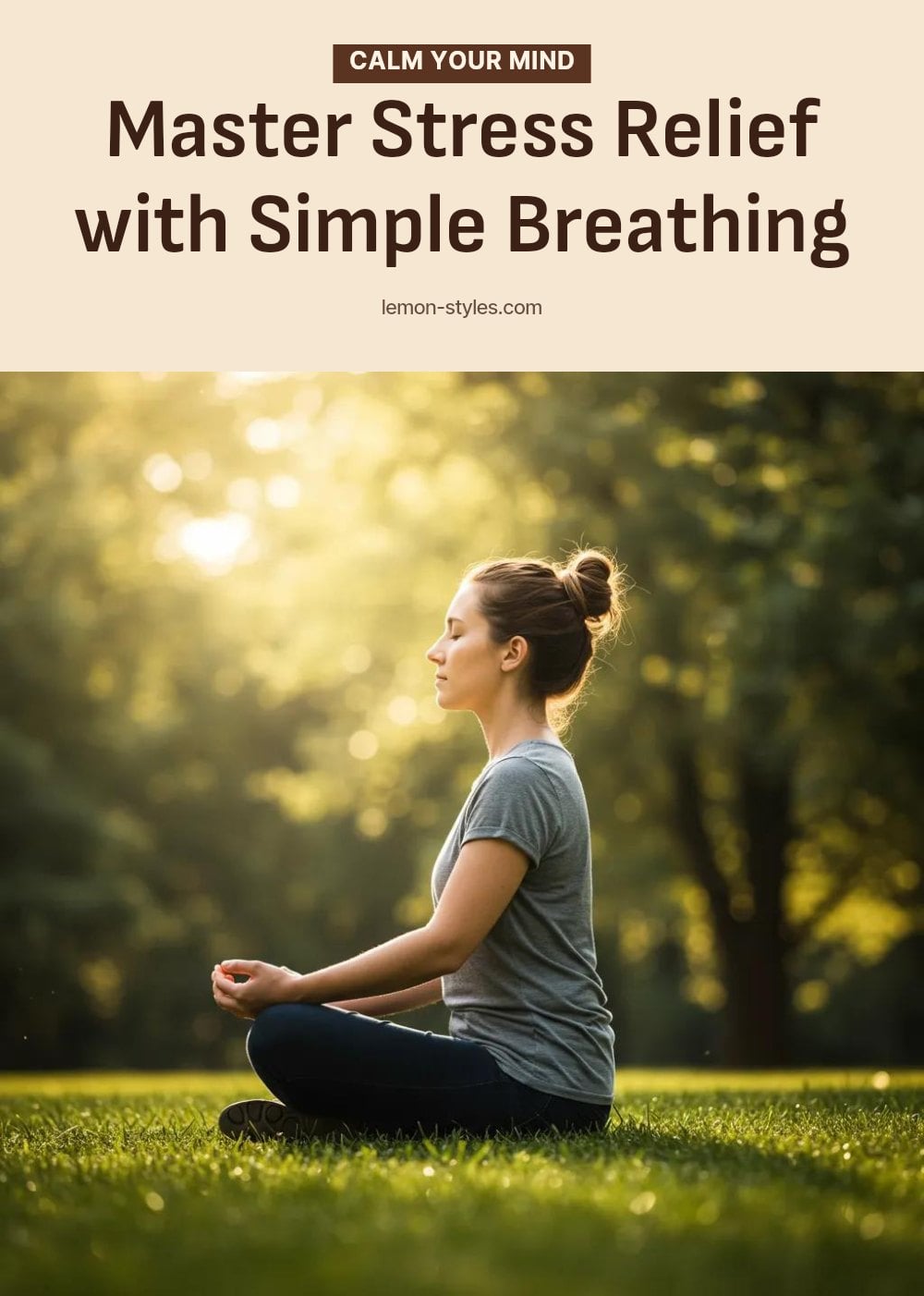
Your heart is racing, your shoulders are up around your ears, and your breath has gone shallow and quick. That is your body in fight or flight mode, and the good news is you can nudge it back down with something you already have: your breath. Slow, deliberate breathing activates the parasympathetic nervous system, the rest and digest side of things, which can slow your heart rate and lower blood pressure. This article walks you through the techniques worth knowing, the mistakes that quietly undercut them, and how to build a practice that actually sticks.
Key Takeaways
- Breathe from your diaphragm so your belly rises, not your chest.
- Box breathing uses a count of four in, four hold, four out, four hold.
- Start with three to five minutes a day and add a minute each week.
- Stop and return to normal breathing if you feel dizzy or more anxious.
- Check with your doctor first if you have a respiratory or heart condition.
1. How Breathing Techniques Help Reduce Stress and Anxiety
Conscious breathing directly tells your nervous system it’s time to calm down. When you take slow, deliberate breaths, you activate the parasympathetic nervous system, which triggers the body’s ‘rest and digest’ response. This slows your heart rate and lowers blood pressure, counteracting the physical symptoms of stress. The best part is that the relief works both immediately and over the long term. A single session can quiet a racing mind, and regular practice builds resilience so stress affects you less over time.
2. Getting Started: What You’ll Need
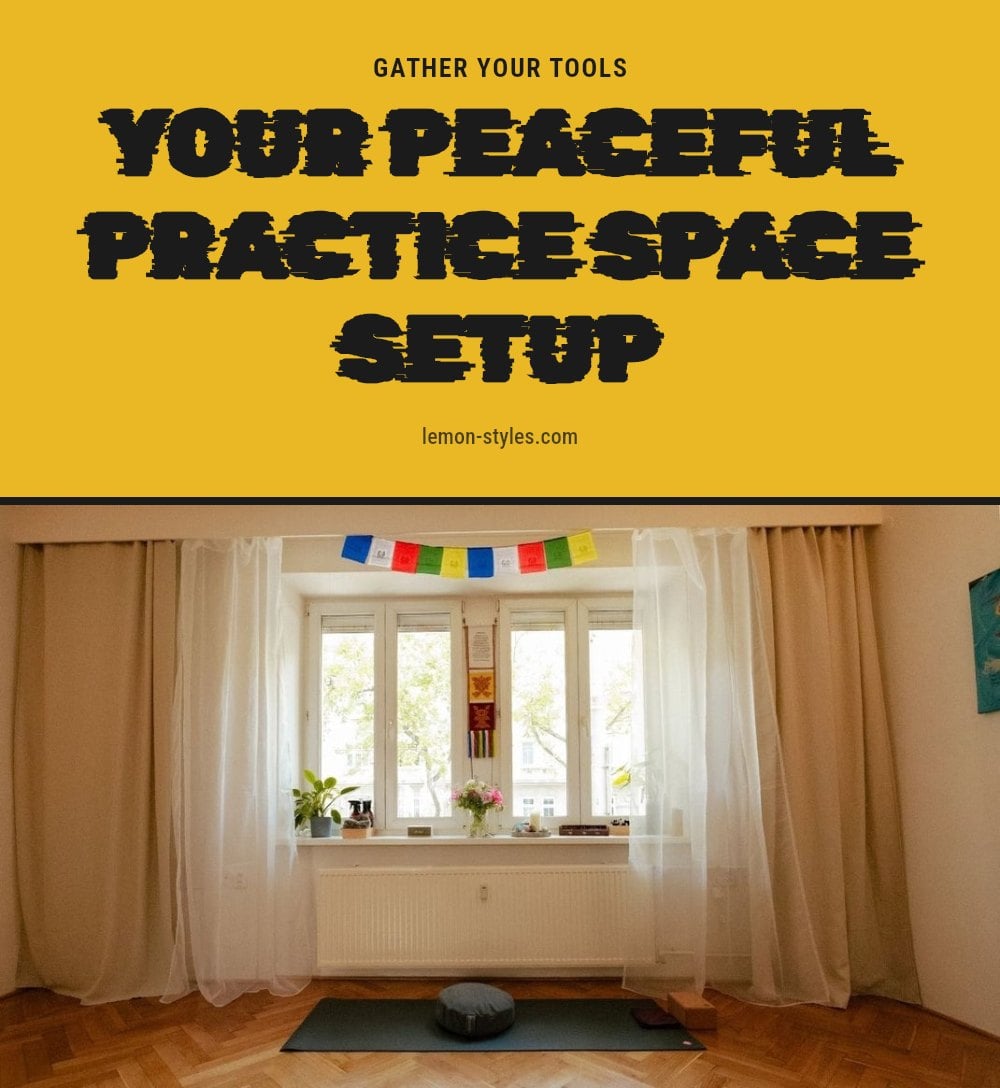
The beauty of breathing techniques is that you need almost nothing to start. Here is what I recommend having on hand:
- Comfortable clothing: Wear something that doesn’t restrict your belly or chest so you can breathe deeply.
- A quiet space: Find a spot where you won’t be interrupted for a few minutes. Even a corner of a room works.
- Optional: a mat or cushion: Sitting on a mat or cushion makes it easier to keep your spine straight and stay comfortable.
3. Effective Breathing Techniques for Calm
Diaphragmatic Breathing (Belly Breathing)
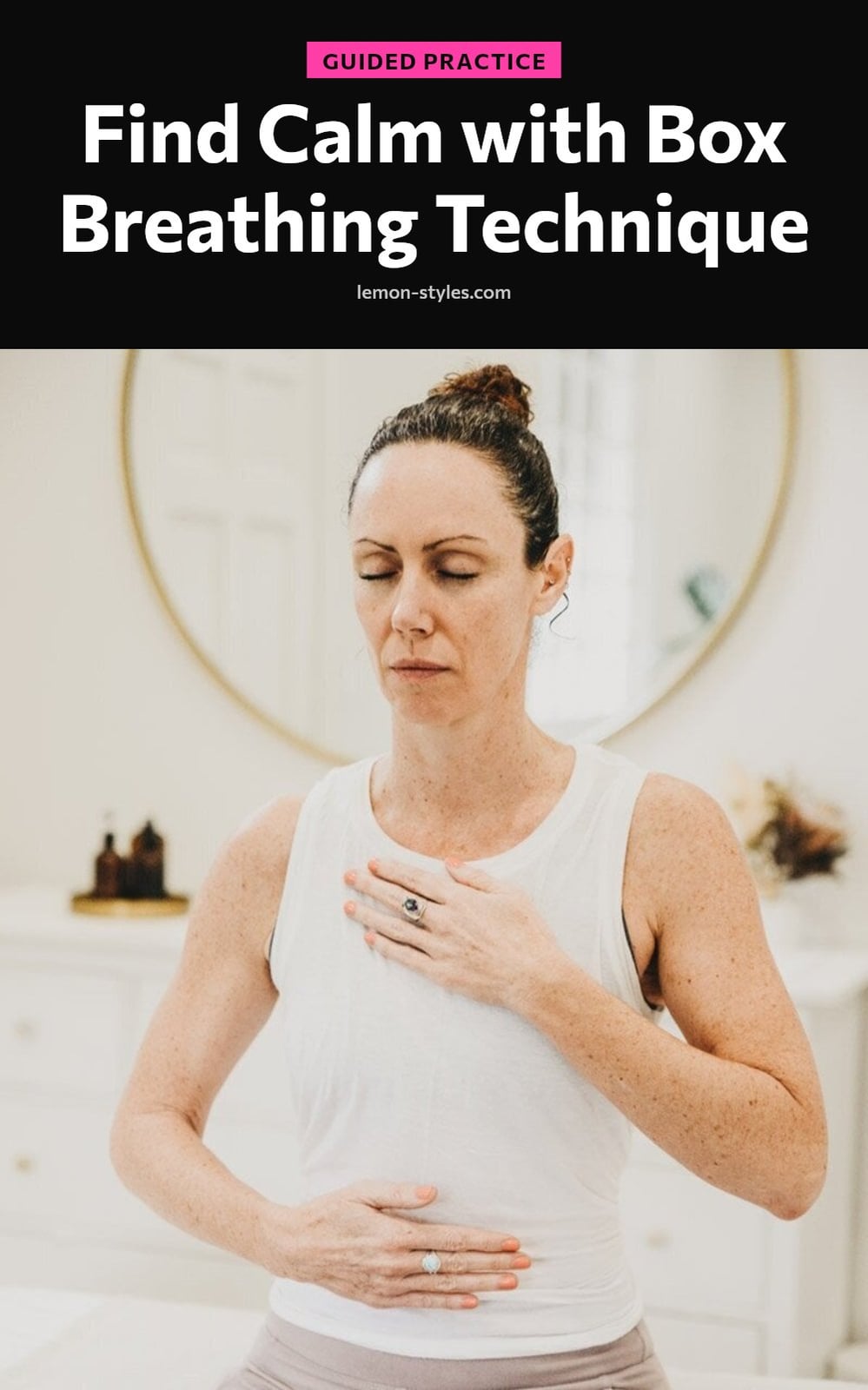
This is the foundation of most breathing work. Sit or lie down, place one hand on your chest and the other on your belly. Breathe in slowly through your nose and feel your belly rise, not your chest. The diaphragm pulls air deep into the lungs, which stimulates the vagus nerve and activates the parasympathetic system. Exhale fully through your mouth. My tip: If your chest moves first, you are breathing shallowly. Keep practicing until the belly hand rises naturally.
Box Breathing
Box breathing gives your mind a simple structure to follow. Inhale through your nose for a count of four. Hold your breath for a count of four. Exhale through your mouth for a count of four. Hold your lungs empty for a count of four. Repeat the cycle. The holds create a rhythm that quiets mental chatter. Good to know: If holding for four counts feels uncomfortable, shorten the count to three or two. The pattern matters more than the exact number.
4-7-8 Breathing
This technique emphasizes a long exhale, which is especially effective for relaxation. Inhale quietly through your nose for four counts. Hold your breath for seven counts. Exhale completely through your mouth for eight counts, making a soft whoosh sound. The extended exhale triggers the parasympathetic response more strongly than the inhale. Caution: If you feel lightheaded, return to normal breathing. This technique can be intense for beginners.
Alternate Nostril Breathing (Nadi Shodhana)
This yogic technique is believed to balance the brain’s hemispheres and calm the mind. Sit comfortably. Use your right thumb to close your right nostril. Inhale through your left nostril for four counts. Close your left nostril with your ring finger, release your thumb, and exhale through your right nostril for four counts. Inhale through your right nostril for four counts, close it, release your left nostril, and exhale through the left for four counts. That is one cycle. Pro move: Keep the breath smooth and even. Do not pause between the inhale and exhale.
4. Common Breathing Mistakes to Avoid
Even with good intentions, it is easy to fall into habits that reduce the effectiveness of breathing exercises. Here are the most common ones I see and how to fix them.
- Shallow chest breathing: Many people breathe only into the upper chest. This keeps the body in a stress state. Fix: Place a hand on your belly and feel it rise with each inhale.
- Holding tension in shoulders and neck: Tension in the upper body restricts the movement of the rib cage. Fix: Roll your shoulders back and down before you start, and keep them relaxed throughout.
- Rushing the breath: Fast, forced breaths defeat the purpose. Fix: Let each inhale and exhale be slow and deliberate. Count silently if it helps you pace yourself.
- Giving up too soon: The first session may not bring instant calm. That is normal. Fix: Commit to trying a technique for at least three sessions before deciding it does not work for you.
5. Tips for a More Effective Breathing Practice
Tip: Pick a quiet spot where you won’t be interrupted. Even five minutes in a calm room helps you focus on your breath without distractions.
Start small: Begin with three to five minutes a day, then add a minute each week. Your lungs and mind need time to adjust.
Focus on the exhale: The exhale is what activates the parasympathetic nervous system most. Push all the air out slowly before you inhale again.
Try different methods: Box breathing might feel natural to you while 4-7-8 feels forced, or the other way around. Test each technique for a few days to see what sticks.
Practice when calm: Do a short session on a neutral day. That way, when stress hits, your body already knows the pattern and can shift into calm more quickly.
6. How Long Until You Feel the Benefits?
Some people feel a drop in tension after just one round of slow breathing. The heart rate slows, and the mind quiets within minutes. For others, the noticeable shift comes after a few days of consistent practice.
Long-term benefits, like improved lung capacity and a lower baseline stress level, build over weeks. The good news: this costs nothing and requires no equipment. You can do it anywhere, anytime.
7. When to Seek Professional Help
Caution: If you have a respiratory condition like asthma or a heart condition, talk to your doctor before starting any breathing practice. Some techniques, such as breath holds, may not be safe for you.
For severe anxiety or panic attacks, breathing exercises are a helpful tool but not a replacement for professional care. A therapist or psychiatrist can provide a treatment plan that addresses the root cause. Use breathing as a complement, not a substitute.
8. Frequently Asked Questions
Is it normal to feel dizzy when practicing deep breathing?
Yes, it can happen, especially when you breathe faster or deeper than your body is used to. If you feel lightheaded or dizzy, stop the exercise and return to your normal breathing. Next time, slow the pace and skip long breath holds. If dizziness keeps coming back, mention it to your doctor.
Can children benefit from breathing techniques?
Many children can, and simple slow breathing is easy to teach as a calm-down tool. Keep the counts short and the tone playful rather than clinical. For a child with a respiratory or heart condition, check with their pediatrician before starting anything that involves breath holds.
What is the best time of day to do breathing exercises?
There is no single best time. A short session in the morning can set a calmer tone, and one in the evening can help you unwind. What matters more is picking a moment you can repeat daily and practicing when you are not overly full from a heavy meal.
Can breathing techniques help with panic attacks?
They can help some people ride out the physical symptoms, like a racing heart and shortness of breath, by slowing the breath and activating the parasympathetic response. That said, breathing techniques are not a substitute for professional treatment if you have severe anxiety or panic attacks. Please talk to a doctor or mental health professional.
How long should I practice breathing exercises each day?
Start with three to five minutes a day and add about a minute each week as it feels comfortable. Short, regular sessions tend to serve you better than one long one now and then. Some people notice a shift after a single round, while lasting benefits build over days and weeks.
9. Final Thoughts
My tip: pick one technique, put it in your day at a fixed moment, and give it a week before you judge it. Consistency over days and weeks is what turns a breathing exercise from a rescue tool into something that builds resilience. Expect a quick drop in tension after a single slow round for some people, while a steadier shift tends to show up after a few days of regular practice. If you have a respiratory or heart condition, clear it with your doctor first, and if anxiety or panic is severe, treat breathing as a complement to professional care, not a replacement.
This article is general information and is not medical or psychological advice. Breathing techniques are complementary tools, not a treatment for any condition. If you have a respiratory or heart condition, or if anxiety or panic is persistent or severe, consult a doctor, dermatologist, or mental health professional before starting.