If you’ve ever looked at your bank account a week before payday and wondered where your money went, a paycheck budget might be the reset you need. This method assigns every dollar from each paycheck a specific job, bills, savings, and spending, so your money lasts until the next check arrives. In this article, I’ll walk you through the steps to create one, share the tools that make it easier, and point out the common pitfalls to avoid.

Key Takeaways
- Start by tracking your net income per paycheck and all expenses for at least one month.
- Prioritize essential needs (housing, food, utilities) and savings before allocating money to wants.
- Automate a savings transfer on payday to build an emergency fund of 3-6 months of expenses.
- Choose a method like 50/30/20 or zero-based budgeting that fits your spending style.
- Review and adjust your budget every pay period or monthly to stay on track.
1. What Is a Paycheck Budget and Why Do You Need One?
A paycheck budget splits the money from each paycheck into specific jobs: bills, savings, and spending, all timed to last until the next payday. It works well if your income changes from month to month or if money tends to disappear between paychecks. The idea is simple: every dollar gets a job, so nothing drifts.
2. Essential Tools for Building Your Paycheck Budget

Pick the tool you will actually open every week. My tip: start with what you already own before buying anything new.
- Spreadsheet software: Excel or Google Sheets lets you build custom categories and formulas.
- Budgeting apps: Mint, YNAB, or Personal Capital automate tracking and show spending patterns.
- Notebook and pen: A paper ledger suits anyone who prefers writing numbers by hand.
- Bank statements: These show what actually left your account, not what you remember spending.
- Pay stubs: Use them to confirm your net income for each pay period.
3. Step-by-Step: Creating Your First Paycheck Budget
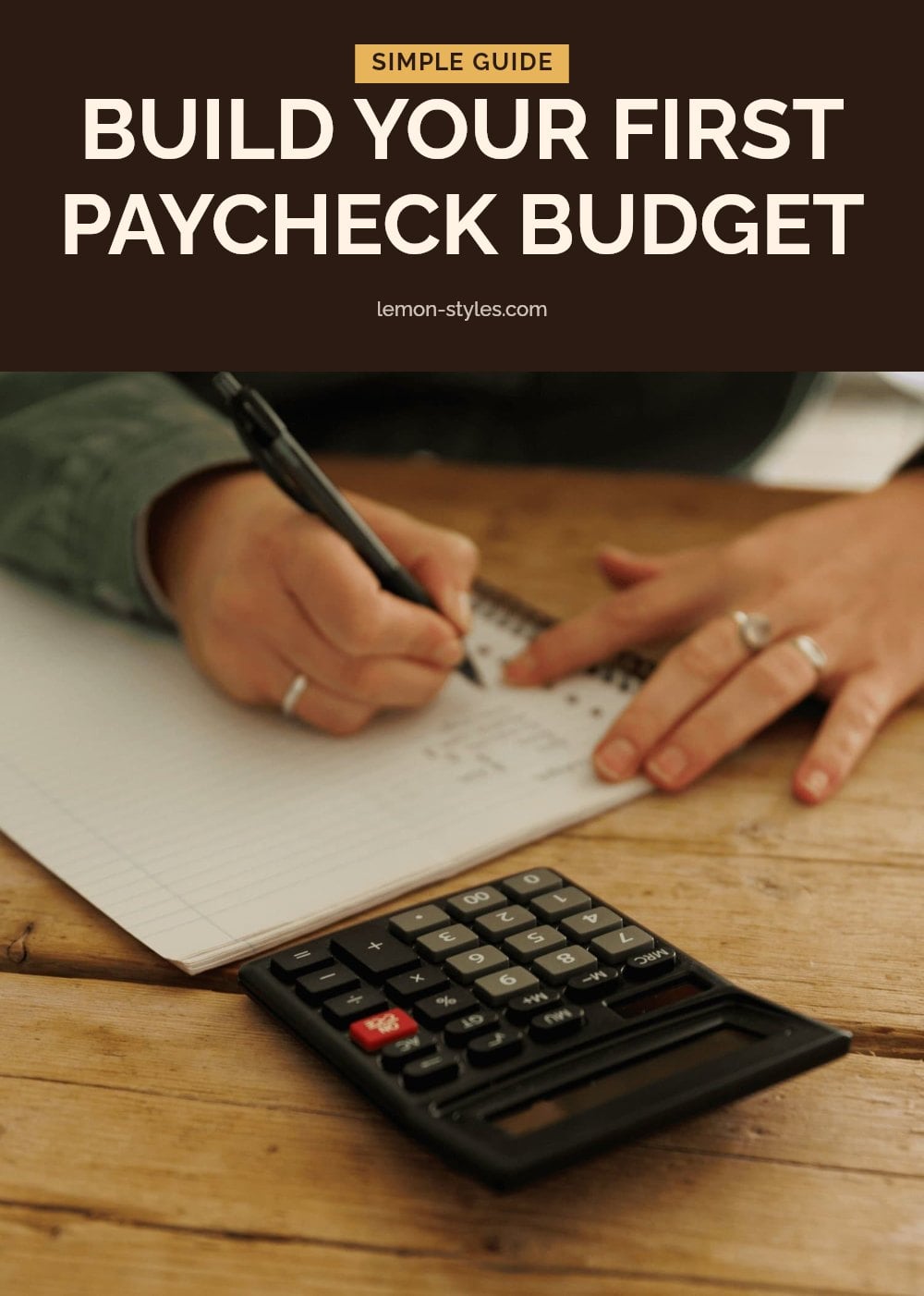
Build the plan once, then repeat it every pay period. The order below keeps essentials covered before anything else gets money.
- Find your net income: Use your pay stub to confirm take-home pay per paycheck, after taxes and deductions. Gross pay is not the number you budget with.
- Track spending for a month: Log every purchase, including coffee and subscriptions, so you see real habits instead of guesses.
- Sort into fixed and variable: Rent, loan payments, and insurance stay steady. Groceries, utilities, and entertainment move around.
- Fund essentials first: Housing, food, utilities, and transportation get money before anything else.
- Assign savings: Send a set amount to savings or debt payoff with each paycheck, even a small one.
- Budget for wants: Give dining out, hobbies, and shopping their own line so they do not eat into bills.
- Review and adjust: Check the plan monthly or quarterly, and change categories when income or costs shift.
4. Popular Budgeting Methods for Paycheck Management
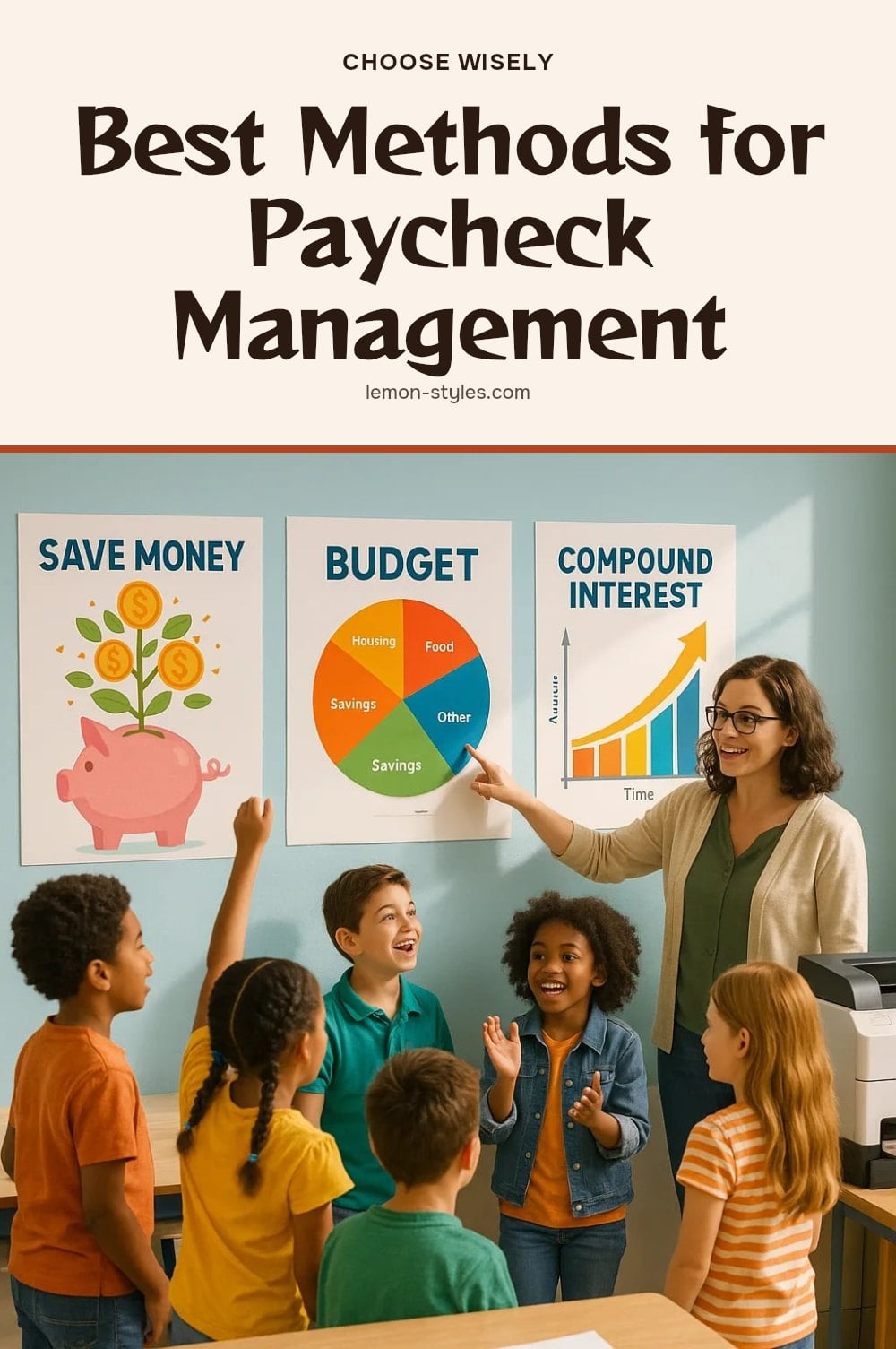
The 50/30/20 Rule
Split take-home pay into 50% needs, 30% wants, and 20% savings and debt repayment. It suits anyone who wants a simple starting structure without tracking every dollar.
My tip: If housing eats more than half your pay, treat the percentages as a direction, not a rule.
Zero-Based Budgeting
Every dollar gets a category until income minus assignments equals zero. It fits people who like detail and want full control over where money lands.
Caution: Zero does not mean spending it all. Savings and debt payoff are categories too.
The Envelope System
Withdraw cash for variable categories like groceries and entertainment and divide it into labeled envelopes. When an envelope is empty, spending in that category stops. It works best for people who overspend with cards.
Caution: Keep fixed bills on autopay so a forgotten envelope never causes a late payment.
5. Common Budgeting Mistakes to Avoid
Not tracking all expenses: That $4 coffee and the streaming subscription you forgot about become “mystery” spending that eats your budget. Track everything for one month using an app or a notebook.
Setting unrealistic categories: If you budget $50 for takeout when you usually spend $150, you’ll quit by week two. Set limits you can actually keep, then tighten them slowly.
Forgetting irregular expenses: Car registration, annual subscriptions, and holiday gifts arrive once a year. Divide the total by your number of pay periods and set that amount aside each paycheck.
Skipping regular reviews: A budget that worked in January may fail by June. Review and adjust it monthly or quarterly to match your actual income and expenses.
Getting discouraged by early slip-ups: Missing a category one week is normal. Adjust the plan and keep going instead of abandoning it entirely.
Using gross income instead of net income: Planning with your pre-tax paycheck will leave you short on bills. Always use the take-home amount listed on your pay stub.
6. Best Tips for a Successful Paycheck Budget
Automate savings immediately: Set up a transfer to your savings account for the day your paycheck hits. You can’t spend what you don’t see.
Keep a buffer: Leave $100-200 extra in your checking account to prevent overdrafts from small timing gaps or unexpected minor expenses.
Pay needs first: Rent, groceries, utilities, and transportation get money before anything else. If funds are tight, wants wait until next paycheck.
Build an emergency fund slowly: Even $10-20 per paycheck adds up. Aim for 3-6 months of essential expenses over time.
My tip: Review your small recurring charges, subscriptions, app fees, delivery memberships, every three months. Cancel anything you haven’t used in the last 30 days.
7. When to Seek Professional Financial Help
Consider consulting a certified financial advisor or credit counselor if your debt payments exceed what you can manage, or if you consistently feel overwhelmed despite following a budget. Professional help is also appropriate for creating a long-term investment plan or handling complex tax situations and estate planning.
8. Frequently Asked Questions
What is the 50/30/20 rule in budgeting?
The 50/30/20 rule splits your after-tax income into three categories: 50% for needs (rent, utilities, groceries), 30% for wants (dining out, entertainment), and 20% for savings and debt repayment. It’s a simple starting point for a paycheck budget, but you can adjust the percentages if your housing costs are higher.
How often should I review my paycheck budget?
Review your budget every pay period or at least once a month. This helps you catch overspending early and adjust categories as your income or expenses change. A quick weekly check can also prevent small leaks from adding up.
What if my income is irregular?
If your income varies, base your budget on your lowest expected paycheck from the past few months. Set aside extra from higher-earning periods into a buffer account to cover leaner weeks. This approach keeps your essentials covered without guesswork.
Can budgeting apps really help?
Yes, budgeting apps like Mint or YNAB can automate tracking, categorize expenses, and show your progress in real time. They’re especially helpful if you tend to forget manual entries. Just make sure the app has strong security to protect your financial data.
How much should I have in an emergency fund?
An emergency fund should ideally cover 3-6 months of essential living expenses like rent, food, and utilities. Start small, even $20 per paycheck adds up. Once you reach that goal, you can focus on other savings or debt repayment.
9. Final Thoughts
My tip: start with a simple spreadsheet or notebook before diving into an app. You’ll see real progress within 1-3 months as your spending aligns with your goals. Stick with it, even if you slip up at first, adjust and keep going. A paycheck budget gives you control, not restriction.
This article provides general financial information and is not a substitute for professional advice. If you are in significant debt or feel overwhelmed by your finances, consider consulting a certified financial advisor or credit counselor for personalized guidance.