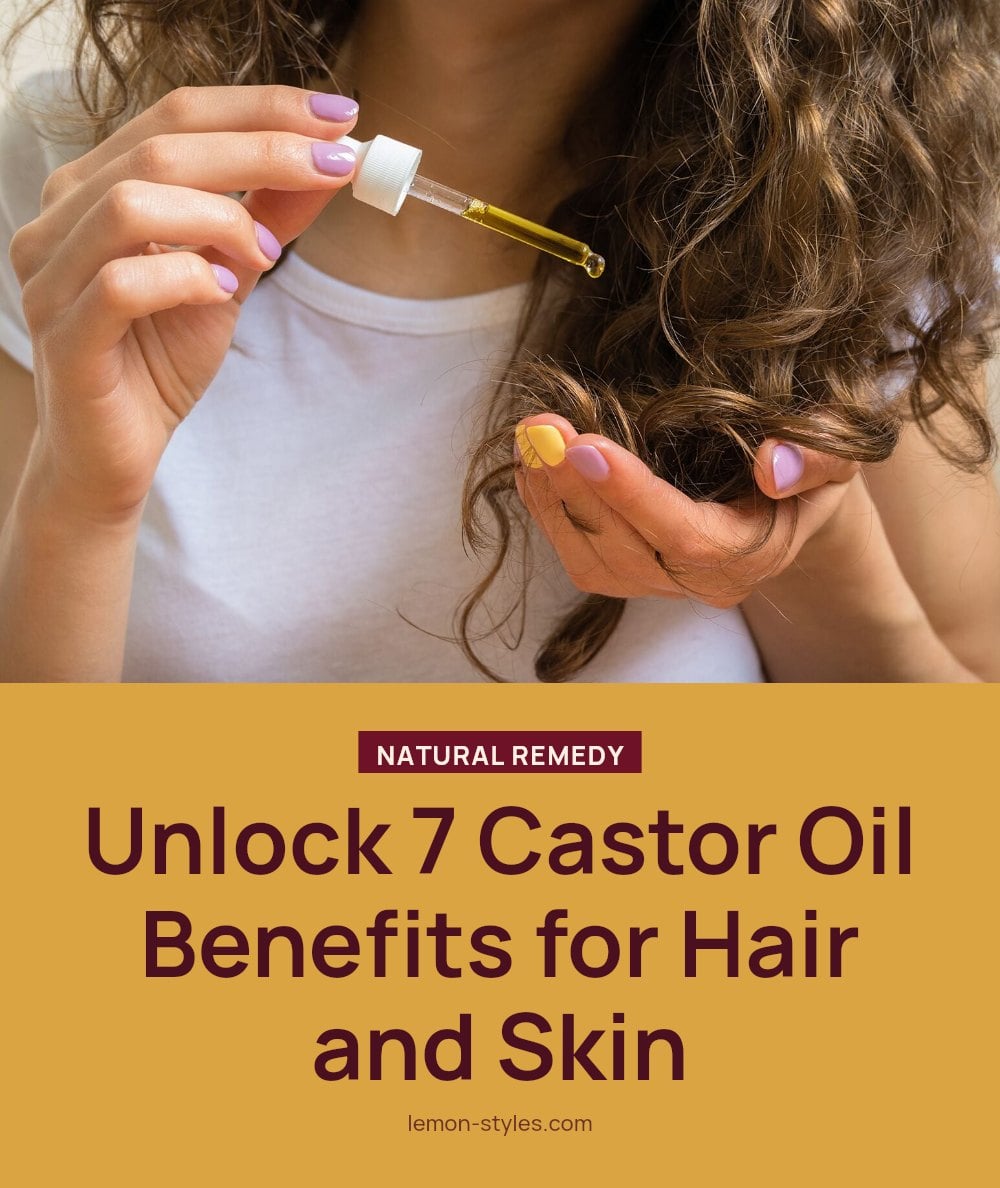
You’ve probably heard about castor oil and its reputation for everything from longer lashes to softer skin. I get it. It’s one of those natural staples that seems too good to be true. In this article, I’ll walk you through seven practical ways to use castor oil in your beauty routine, along with how to apply it right and what common mistakes to skip. My tip: start small and always patch test first.
Key Takeaways
- Always perform a patch test before applying castor oil to larger areas, especially if you have sensitive skin.
- For hair growth, use castor oil as a pre-shampoo treatment several times a week for at least 4-6 weeks.
- Dilute castor oil with a lighter carrier oil like jojoba or almond if its thickness feels too heavy.
- Apply a pea-sized amount to avoid greasy residue and clogged pores.
- Store castor oil in a cool, dark place to keep it fresh longer.
1. What is Castor Oil and How Does It Work?
Castor oil is a thick, viscous vegetable oil pressed from the seeds of the Ricinus communis plant. What makes it special is ricinoleic acid, which makes up about 90% of its composition. This fatty acid gives castor oil both emollient properties to soften skin and humectant properties to draw moisture from the air. That dual action is why it shows up in so many DIY beauty recipes, from hair masks to cuticle treatments. While it’s widely used for moisturizing and promoting hair health, keep in mind that scientific evidence for some of those claims is limited. My tip: always choose cold-pressed, hexane-free castor oil for cosmetic use, since it retains more of the beneficial compounds and avoids harsh chemical residues.
2. 1. Promote Hair Growth and Scalp Health
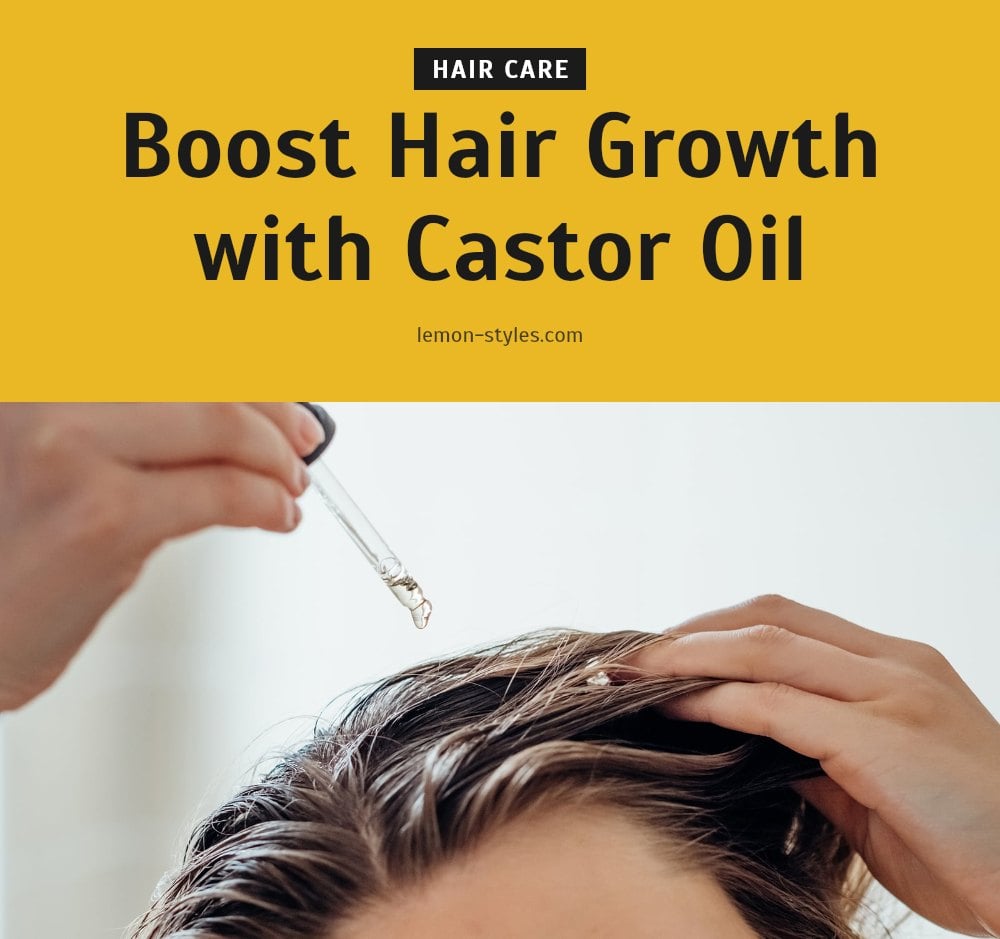
Castor oil has been a traditional remedy for hair growth for generations, though scientific proof is mostly anecdotal. Still, its moisturizing properties can nourish the scalp and hair follicles, potentially creating a healthier environment for hair to thrive.
- Apply as a pre-shampoo treatment: Massage a small amount directly onto your scalp using your fingertips in gentle circular motions. This helps stimulate circulation and spreads the oil evenly.
- Dilute for easier use: Because castor oil is thick, mix it with a lighter carrier oil like jojoba or almond oil. A 1:1 ratio works well, and it makes the blend simpler to spread and wash out.
- Leave it on: Let it sit for several hours or overnight before shampooing. For best results, repeat this treatment two to three times per week.
3. 2. Strengthen Eyelashes and Eyebrows
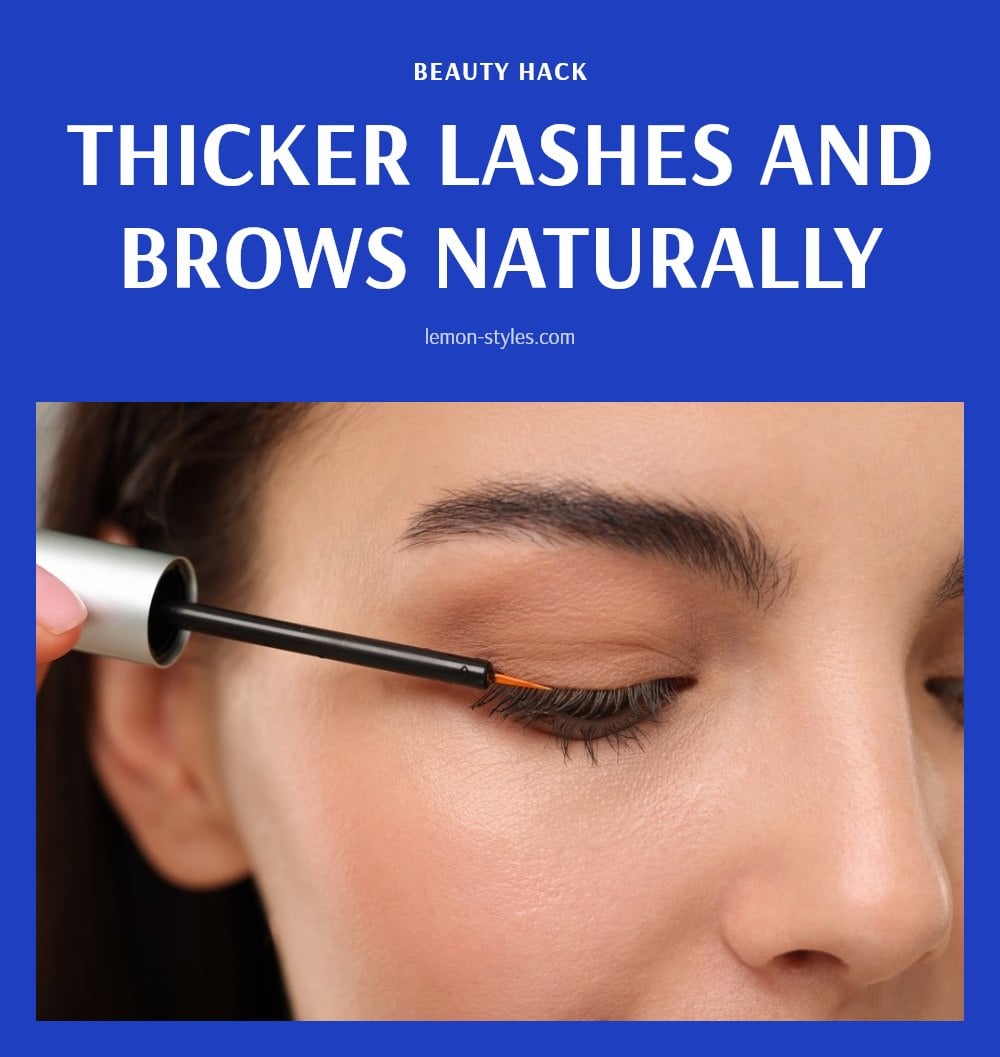
Many people believe castor oil helps strengthen eyelashes and eyebrows, potentially reducing breakage and supporting a fuller appearance. While results aren’t guaranteed, the oil’s emollient properties can condition the hairs, making them look healthier.
- Use a clean spoolie: Dip a clean mascara wand or cotton swab into a tiny drop of oil. Apply a very thin layer to clean, dry lashes and brows before bed.
- Be careful near the eyes: Avoid getting oil directly into your eyes, as it can cause irritation. If contact happens, rinse thoroughly with water.
- Stay consistent: Apply nightly for several weeks. Any potential benefits, like reduced breakage, usually take time to become noticeable, so patience is key.
4. 3. Deeply Moisturize Dry Skin Patches
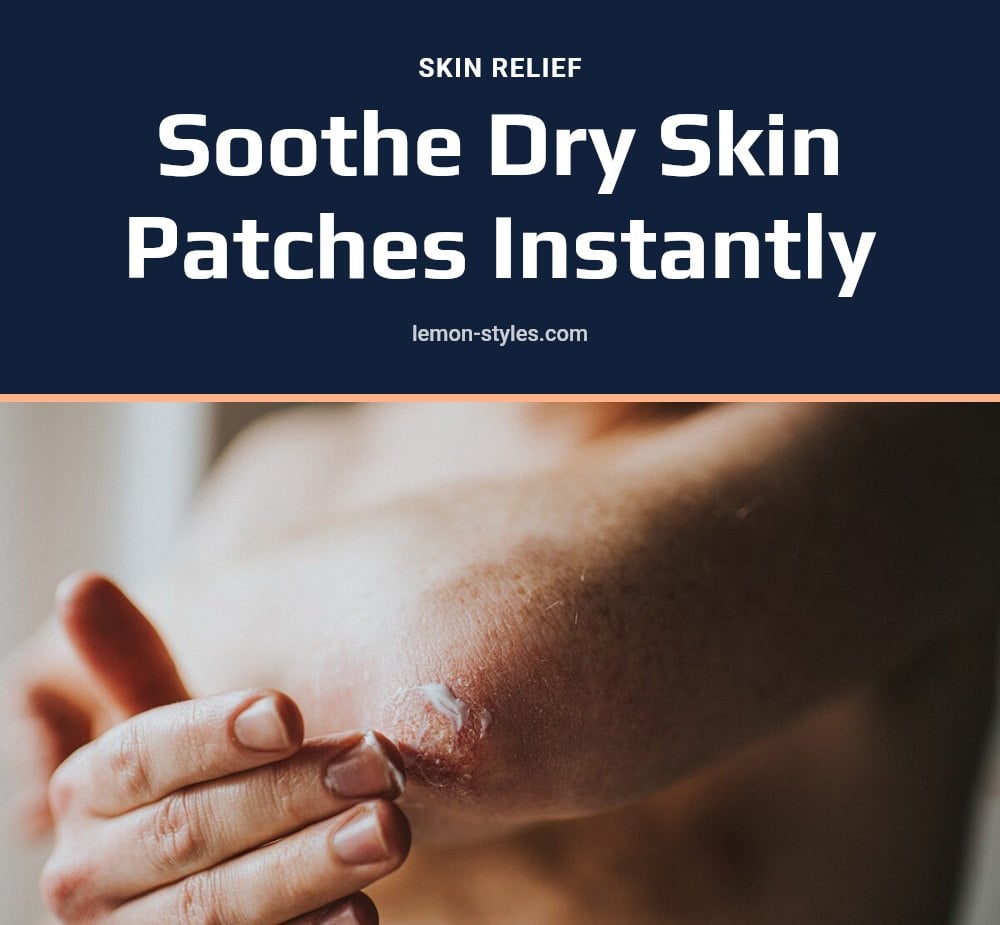
Thanks to its humectant and emollient properties, castor oil is excellent for intensely moisturizing very dry areas. It draws moisture into the skin and creates a protective barrier, leaving rough patches feeling soft and smooth.
- Target dry spots: Apply a small amount to elbows, knees, heels, or any other rough patches. A little goes a long way, so start with a pea-sized drop.
- Apply to damp skin for locking in moisture: My tip: use it right after a shower or bath on clean skin. Damp skin absorbs the oil better, locking in extra hydration. For other applications, such as on the face or scalp, apply to clean, dry skin instead.
- Massage gently: Rub the oil in with circular motions until it’s mostly absorbed. You can leave it on overnight for deeper conditioning.
5. 4. Nourish Cuticles and Nails
Castor oil can soften cuticles and moisturize dry, brittle nails, which supports overall nail health. Massage a tiny drop onto each cuticle and nail bed before bed, pushing back cuticles gently if you like.
Regular application helps your nails look healthier and less prone to breakage. It is a simple addition to your nightly hand care routine.
- Apply: Use one drop per nail, no more.
- Massage: Work it in for 30 seconds to boost absorption.
- Repeat: Do this nightly for best results.
6. 5. Use as a Natural Makeup Remover
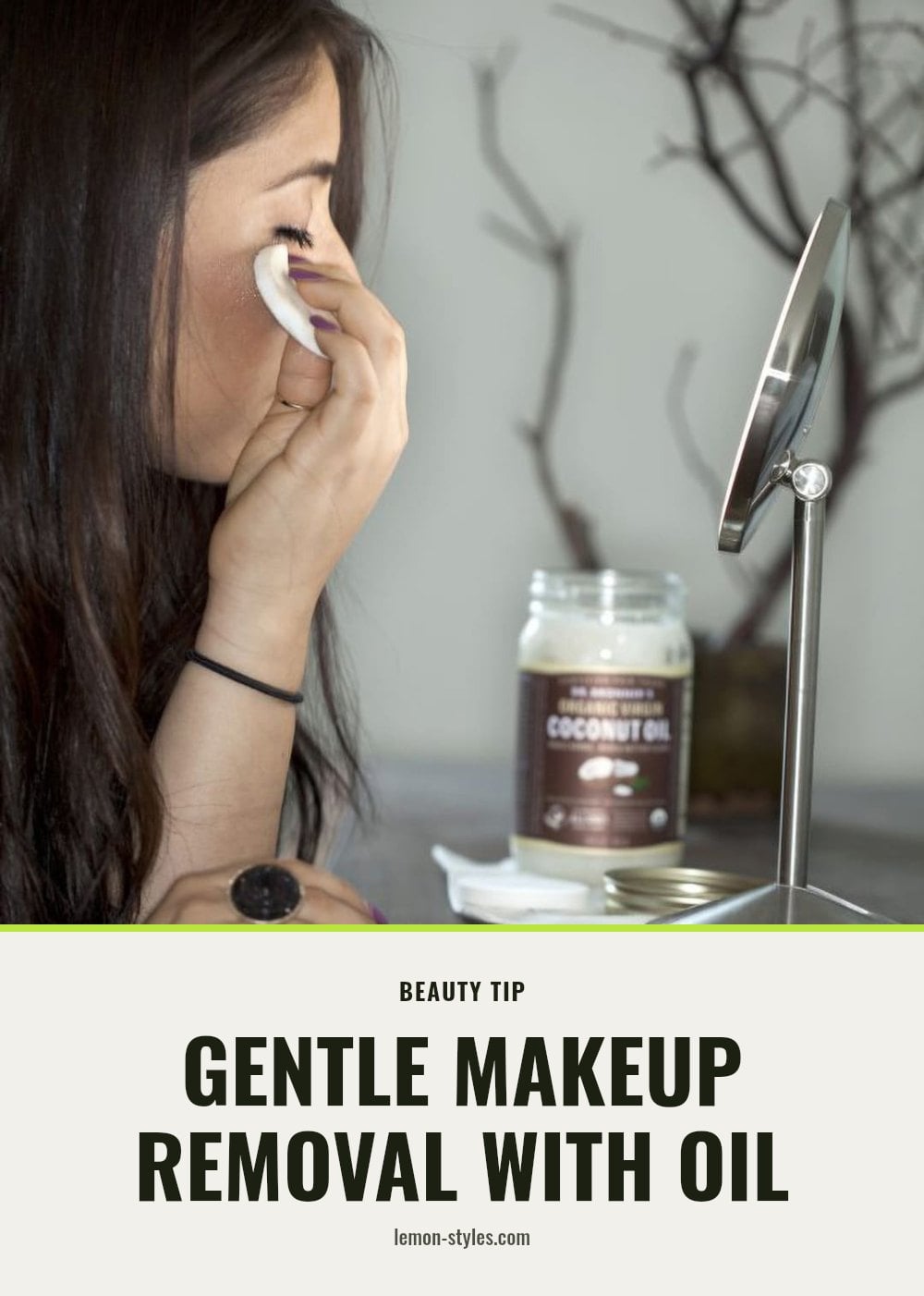
Castor oil can dissolve stubborn makeup, including waterproof mascara, while conditioning your skin at the same time. Apply a small amount to a cotton pad and gently wipe over your face, letting the oil break down the product without harsh rubbing.
Rinse thoroughly with warm water and follow with your usual cleanser to remove any oily residue. Be cautious around the eye area to prevent irritation; if oil gets into your eyes, rinse immediately. Your skin will feel soft and nourished, not stripped, after removal.
7. 6. Soothe Chapped Lips
Castor oil is a natural fix for chapped lips because its emollient and humectant properties work together to soften and pull in moisture. A tiny dab applied directly to your lips throughout the day gives instant relief and locks in lasting hydration.
The oil forms a protective barrier that helps prevent further dryness while your lips recover. For an extra nourishing mask, mix a drop with a little honey and leave it on for 10 minutes before wiping off.
8. 7. Condition Dry Hair Ends
To tame frizz and smooth dry, split ends, castor oil works by sealing moisture into the hair shaft, which reduces the look of damage. Warm a tiny drop between your palms, then lightly run it over the very ends of damp or dry hair. Focus on the last inch or two, not the roots, so you don’t weigh hair down.
Less is more here. Start with a drop the size of a small pea for both sides of your head. If your ends still feel rough, add another drop rather than applying a thick layer, which can leave hair greasy and hard to wash out.
9. Common Castor Oil Mistakes and How to Avoid Them
Castor oil is thick, so it’s easy to overdo it. Start with a pea-sized amount for your whole face or scalp. Too much can be hard to wash out and may leave hair greasy or clog pores.
- Expecting Overnight Miracles: Castor oil isn’t a magic potion. For hair or lash growth, consistency for weeks is key, and results vary. Patience, darling.
- Using Too Much: A little goes a long way. Excessive amounts can be difficult to rinse and may leave a heavy residue. Begin with a pea-sized amount and add more only if needed.
- Skipping the Patch Test: Always do a patch test on a small area, like your inner arm, 24 hours before widespread use. This is especially important if you have sensitive skin, and it helps prevent allergic reactions.
- Applying to Unclean Skin or Hair: Make sure your skin and hair are clean before applying. Applying to dirty surfaces can trap impurities and reduce absorption.
- Ingesting for Beauty: Castor oil is a powerful laxative when taken orally. Its oral use is for specific medical conditions and should only be done under professional supervision, never for beauty purposes.
If you notice any itching, redness, or swelling, stop using it right away and consult a doctor.
10. Frequently Asked Questions
Can I leave castor oil on my hair overnight?
Yes, you can leave castor oil on your hair overnight, but it’s best to apply a small amount and cover your hair with a towel or shower cap to avoid transferring it to your pillow. If you have a sensitive scalp, start with a few hours instead to see how your skin reacts.
How often should I use castor oil for hair growth?
For hair growth, using castor oil two to three times per week is a good starting point. Apply it as a pre-shampoo treatment and leave it on for at least 30 minutes before washing. Consistency over several weeks is more important than using it every day.
Is castor oil safe for all skin types?
Castor oil is generally safe for most skin types, but it can be comedogenic for some, meaning it may clog pores. If you have oily or acne-prone skin, use a very small amount or dilute it with a lighter carrier oil. Always patch test on a small area first.
What kind of castor oil is best for beauty use?
For beauty use, look for cold-pressed, hexane-free castor oil. This type is less processed and retains more of its natural beneficial compounds. Avoid oils with added fragrances or other ingredients, as they can increase the risk of irritation.
Can castor oil really make my eyelashes grow?
There is limited scientific evidence that castor oil directly stimulates eyelash growth, but many people anecdotally report thicker, stronger lashes with regular use. The oil’s emollient properties can condition lashes and reduce breakage, which may make them appear fuller over time.
What are the common side effects of castor oil?
Common side effects include greasy residue, clogged pores, or mild irritation like redness or itching, especially if you use too much or have sensitive skin. Avoid getting it in your eyes, as it can cause stinging. If you notice any reaction, discontinue use and consult a dermatologist if needed.
11. Final Thoughts
Castor oil can be a versatile addition to your beauty routine, especially for moisturizing dry skin, conditioning lashes, and nourishing your scalp. Just keep expectations realistic: results take time and consistency, usually several weeks of regular use. My tip is to pick one use to start, see how your skin or hair responds, and adjust from there. Stick with it, and you’ll likely notice softer, healthier-looking results over time.
This article is for general informational purposes only and does not constitute medical or professional advice. Castor oil affects individuals differently, and results are not guaranteed. If you have a persistent skin or scalp concern, or if you experience any adverse reactions, consult a dermatologist or healthcare professional.