You use your cutting board every day, but are you sure it’s really clean? The wrong cleaning method can leave behind bacteria or even damage the board. This article breaks down exactly how to clean and disinfect wood, plastic, bamboo, and composite boards, so you can keep your kitchen safe and your boards looking great.
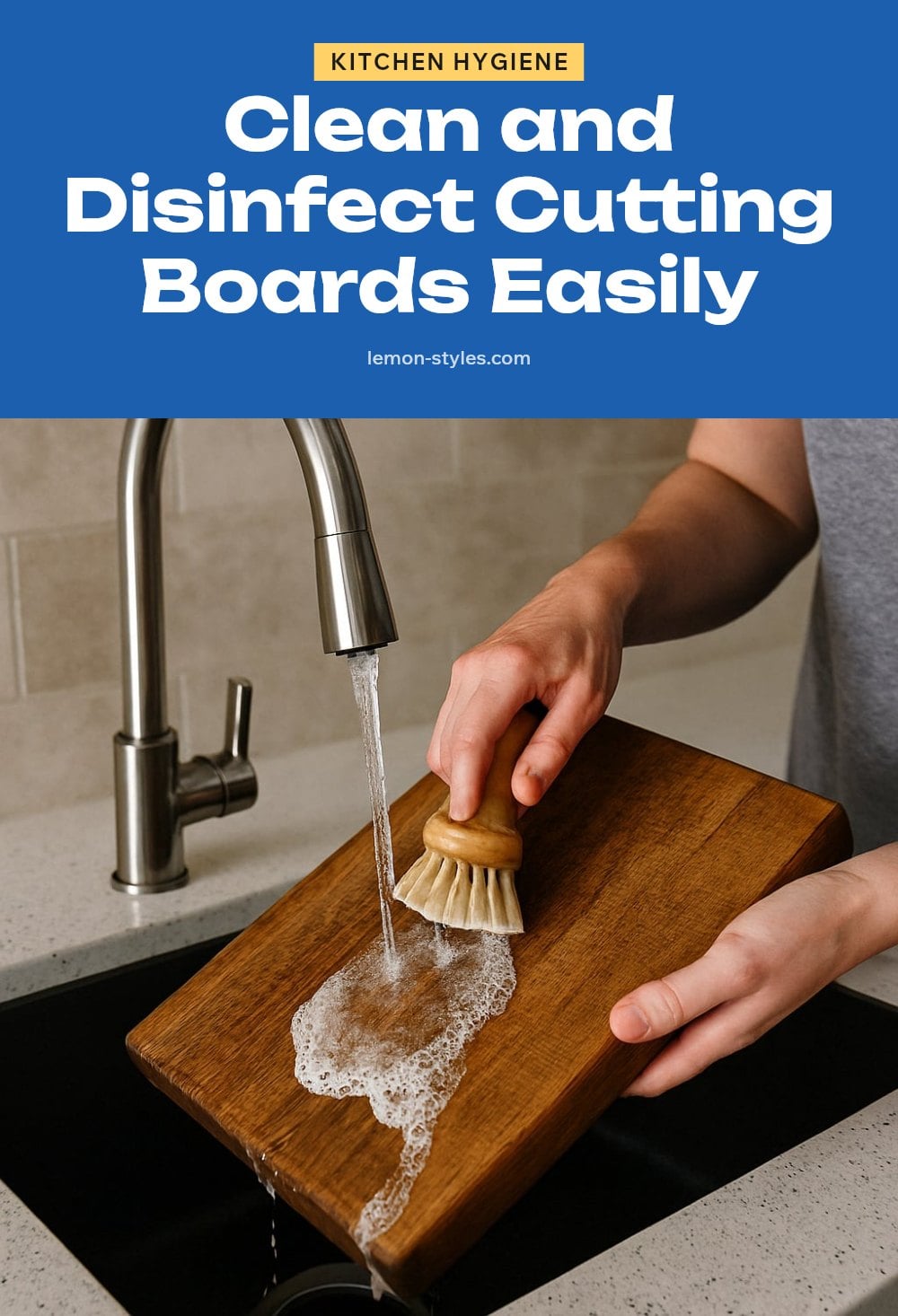
Key Takeaways
- Wash all cutting boards with hot, soapy water immediately after each use.
- Never put wooden or bamboo boards in the dishwasher; hand wash them instead.
- Disinfect plastic boards in the dishwasher or with a diluted bleach solution.
- Condition wooden boards monthly with food-grade mineral oil to prevent cracking.
- Replace any cutting board with deep grooves or cuts that can harbor bacteria.
1. The Best Way to Clean Your Cutting Boards
The best cleaning method for your cutting board depends entirely on its material. Plastic and composite boards are often dishwasher safe, making sanitization as easy as loading them on the top rack. Wooden and bamboo boards, however, require hand washing with hot, soapy water to prevent warping and cracking. For all materials, immediate cleaning after each use is crucial to prevent bacteria buildup and staining. Regular disinfection is essential, especially after handling raw meats. Use diluted bleach or hydrogen peroxide for non-porous boards, or natural options like lemon and salt for wood. Proper drying and conditioning for wood and bamboo are key steps to maintain hygiene and extend the life of your boards.
2. Essential Tools and Supplies for Cutting Board Care
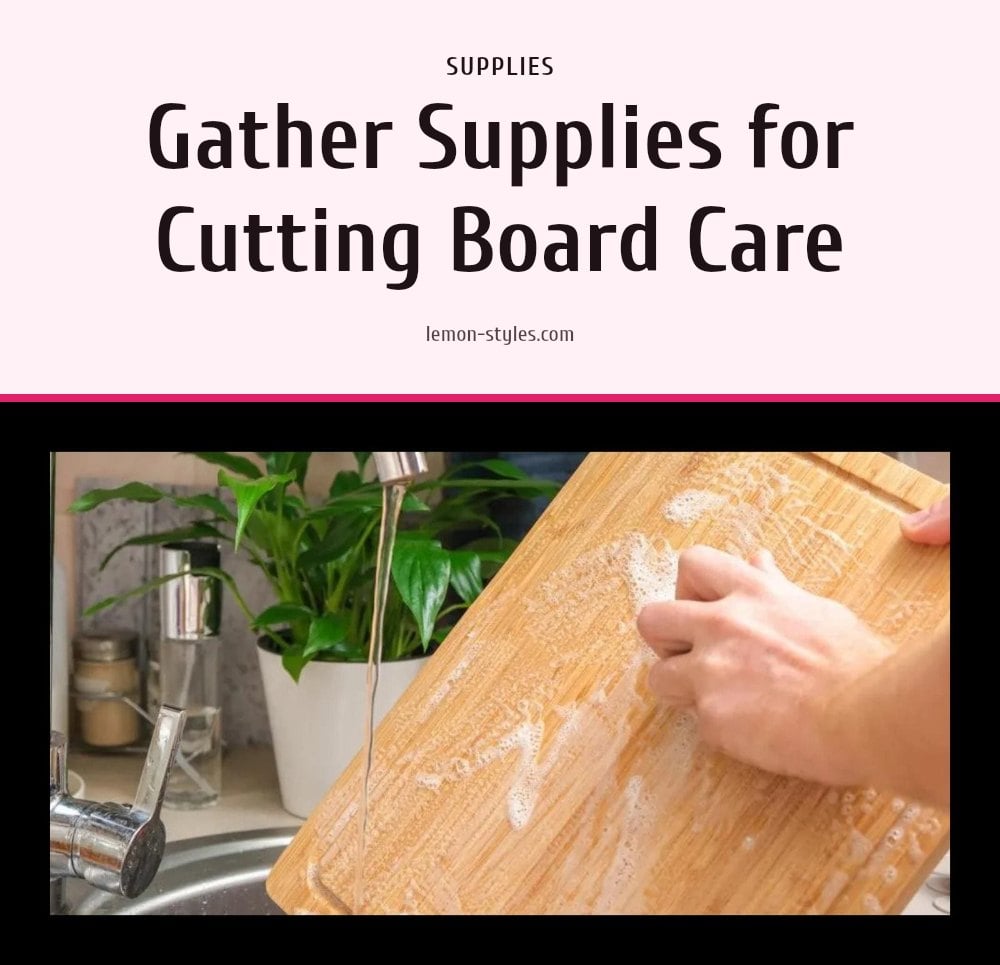
Before you start, gather the right supplies for each level of cleaning.
- Everyday cleaning: Dish soap, hot water, and a non-scratch scrub sponge.
- Disinfection: Unscented household bleach, 3% hydrogen peroxide, or white vinegar.
- Natural deep cleaning and deodorizing: Coarse salt and a fresh lemon.
- Conditioning (for wood and bamboo): Food-grade mineral oil. For extra protection, consider beeswax or board cream.
3. Step-by-Step: Cleaning and Disinfecting Wooden Cutting Boards
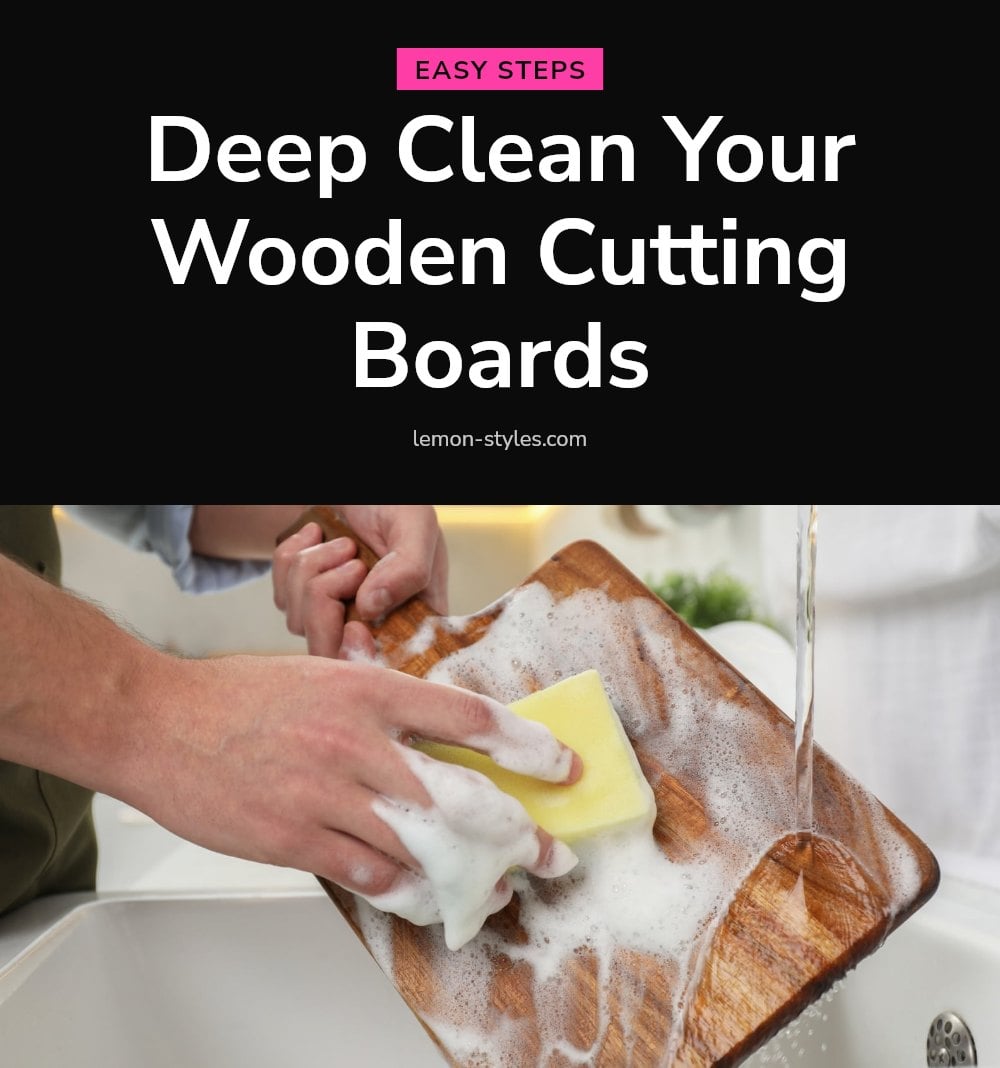
Follow this method for a thorough clean and conditioning routine.
- Scrape off residue: Use a bench scraper, the back of a knife, or a fork to remove excess food from the board’s surface.
- Rinse and apply soap: Rinse the board with water at the sink, then apply a few drops of concentrated dish soap.
- Scrub both sides: Scrub the entire board, including the underside, with a non-scratch scrub sponge. Wetting both sides evenly prevents cracking and warping.
- Rinse thoroughly: Rinse with warm water until no soap residue remains.
- Dry immediately: Wipe down the entire board with a towel to remove initial moisture, then lean it against a wall or in a drying rack to air dry completely, ideally overnight.
- Deep clean option 1 (vinegar): Spray undiluted white vinegar evenly over the board and let it sit for about 15 minutes to kill bacteria.
- Deep clean option 2 (lemon and salt): Sprinkle coarse salt on the board, then scrub with a lemon half, squeezing juice as you go. Let this mixture sit for 5 to 15 minutes for odor removal and deep cleaning.
- Rinse and dry after deep cleaning: After any deep cleaning method, scrape off residue, rinse thoroughly, then wipe down with a towel and lean the board to air dry completely, ideally overnight.
- Condition with oil: Once the board is completely dry (after about 24 hours), apply food-grade mineral oil to all surfaces, including sides and bottom, rubbing it in a circular motion. Let it dry for another 24 hours.
- Optional extra protection: After the oil has dried, apply beeswax or board cream in a circular motion with a towel to lock in moisture and protect the wood.
Here is the method in action: Clean That Up demonstrates it in about 8 minutes.
4. Disinfecting Plastic and Bamboo Cutting Boards
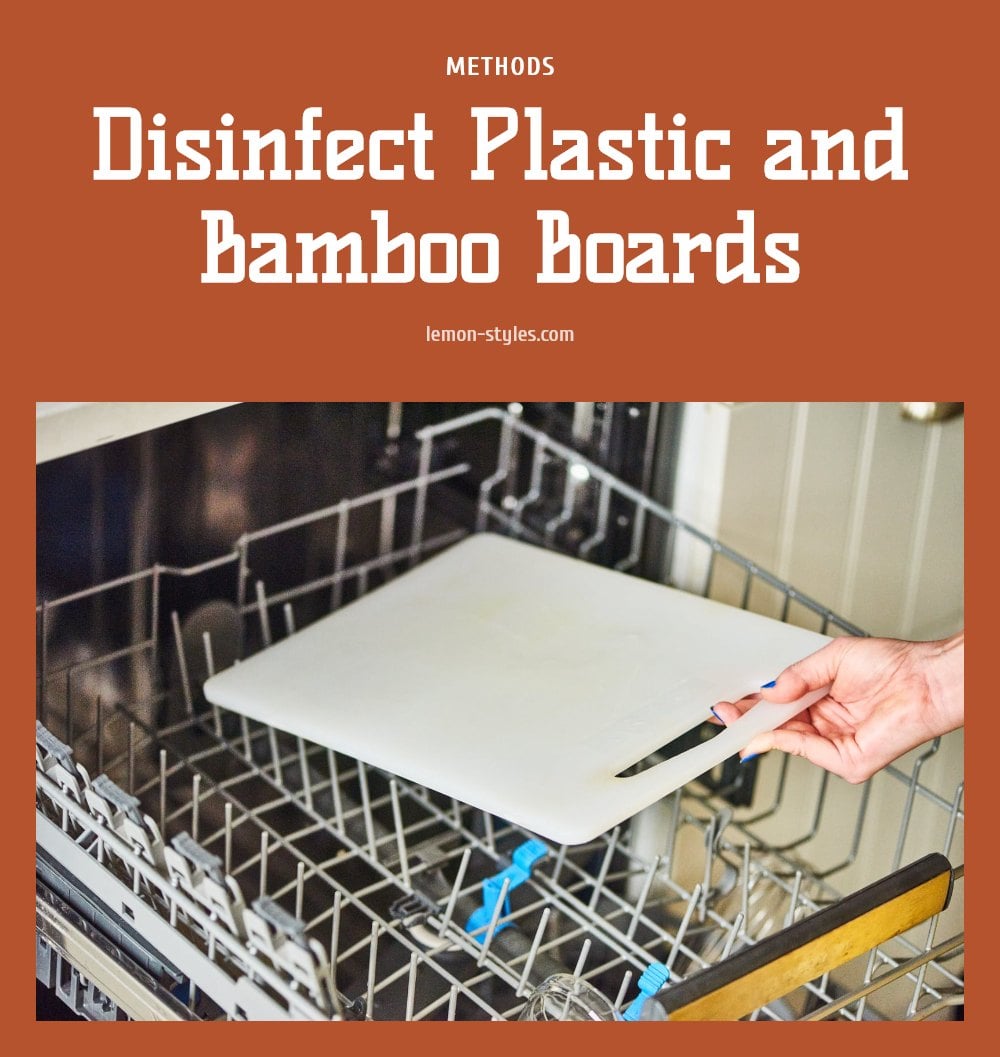
Disinfecting Plastic and Bamboo Cutting Boards
Plastic and composite cutting boards are the easiest to sanitize. If yours is dishwasher safe, just run it through a cycle with hot water and detergent. The heat and detergent effectively kill bacteria, so you can skip extra steps.
For hand washing, use hot, soapy water immediately after each use and rinse thoroughly. Then, to disinfect, mix 1 teaspoon of unscented household bleach with 1 quart of water. Pour or spray the solution over the clean board, let it sit for a few minutes, and rinse well. Alternatively, spray 3% hydrogen peroxide on the board, let it sit for a few minutes, and rinse. Both methods remove bacteria without damaging the plastic.
Caution: Always rinse thoroughly after using bleach or hydrogen peroxide to avoid any residue on your next meal.
Bamboo boards are different. They are porous like wood, so never put them in the dishwasher or soak them in water. Hand wash them with hot, soapy water immediately after use, then rinse and dry right away. For disinfection, spray undiluted white vinegar or 3% hydrogen peroxide on the board, let it sit for 5 minutes, then rinse and dry. The shorter contact time is enough to kill bacteria while minimizing moisture exposure.
Tip: Condition bamboo boards monthly with food-grade mineral oil, just like wooden boards. Rub a small amount over the entire surface, let it absorb overnight, and wipe off any excess. This prevents drying and cracking, keeping your board in good shape for years. For consistency, note that wood and bamboo boards benefit from the same monthly conditioning routine.
5. Top Tips for Cutting Board Longevity and Safety
Use Separate Boards: I always keep separate cutting boards for raw meats, poultry, and fish, and another for ready-to-eat foods like vegetables, fruits, and bread. This prevents cross-contamination, so bacteria from raw proteins never end up on your salad.
Immediate Cleaning is Key: My tip: clean your cutting board immediately after each use. This prevents stains and odors from setting in, and it makes the cleaning process much easier.
Proper Drying is Non-Negotiable: After washing, always air dry your cutting boards completely, ideally overnight, by leaning them against a wall or in a rack. This ensures air circulates evenly and prevents warping, cracking, and bacterial growth.
Monthly Oiling for Wood/Bamboo: I make it a point to oil my wooden and bamboo boards about once a month, or whenever they start looking dry or dull. This hydrates the wood, prevents cracking, and keeps them looking great.
Consider Board Cream: For an extra layer of protection, I sometimes apply beeswax or board cream after the mineral oil has dried. It locks in moisture and creates a barrier against bacteria.
6. Common Cutting Board Cleaning Mistakes to Avoid
Washing Wood in the Dishwasher: Never put wooden or bamboo cutting boards in the dishwasher. The high heat and prolonged water exposure will cause them to warp, crack, and split. Always hand wash these materials instead.
Soaking Wooden Boards: Avoid submerging wooden cutting boards in water for extended periods. Excess moisture gets absorbed into the wood, leading to warping and long-term damage. Rinse, scrub, and dry quickly.
Using the Same Board for Everything: A big no-no is using the same cutting board for raw meats and vegetables without proper cleaning and disinfection in between. This is a major source of cross-contamination, spreading bacteria like Salmonella and E. coli to ready-to-eat foods.
Ignoring Deep Grooves: Don’t keep using cutting boards with deep knife cuts and grooves. These crevices harbor bacteria that are impossible to clean out, making your board a health hazard. It’s time to replace them.
Conditioning with Cooking Oils: Resist the urge to use olive oil or any other vegetable oil to condition your wooden boards. These oils will go rancid over time, creating a foul odor and ruining the board. Stick to food-grade mineral oil.
Storing Damp Boards: Never store cutting boards while they are still damp. This creates a perfect environment for bacterial growth and can lead to warping or mildew. Always let them air dry completely, ideally overnight, before putting them away.
7. Maintaining Your Cutting Boards for Long-Term Use
Regular Oiling: For wooden and bamboo boards, conditioning with food-grade mineral oil is crucial. I aim for once a month, or whenever the wood starts to look dry and dull. This prevents drying and cracking, keeping your board hydrated and resilient.
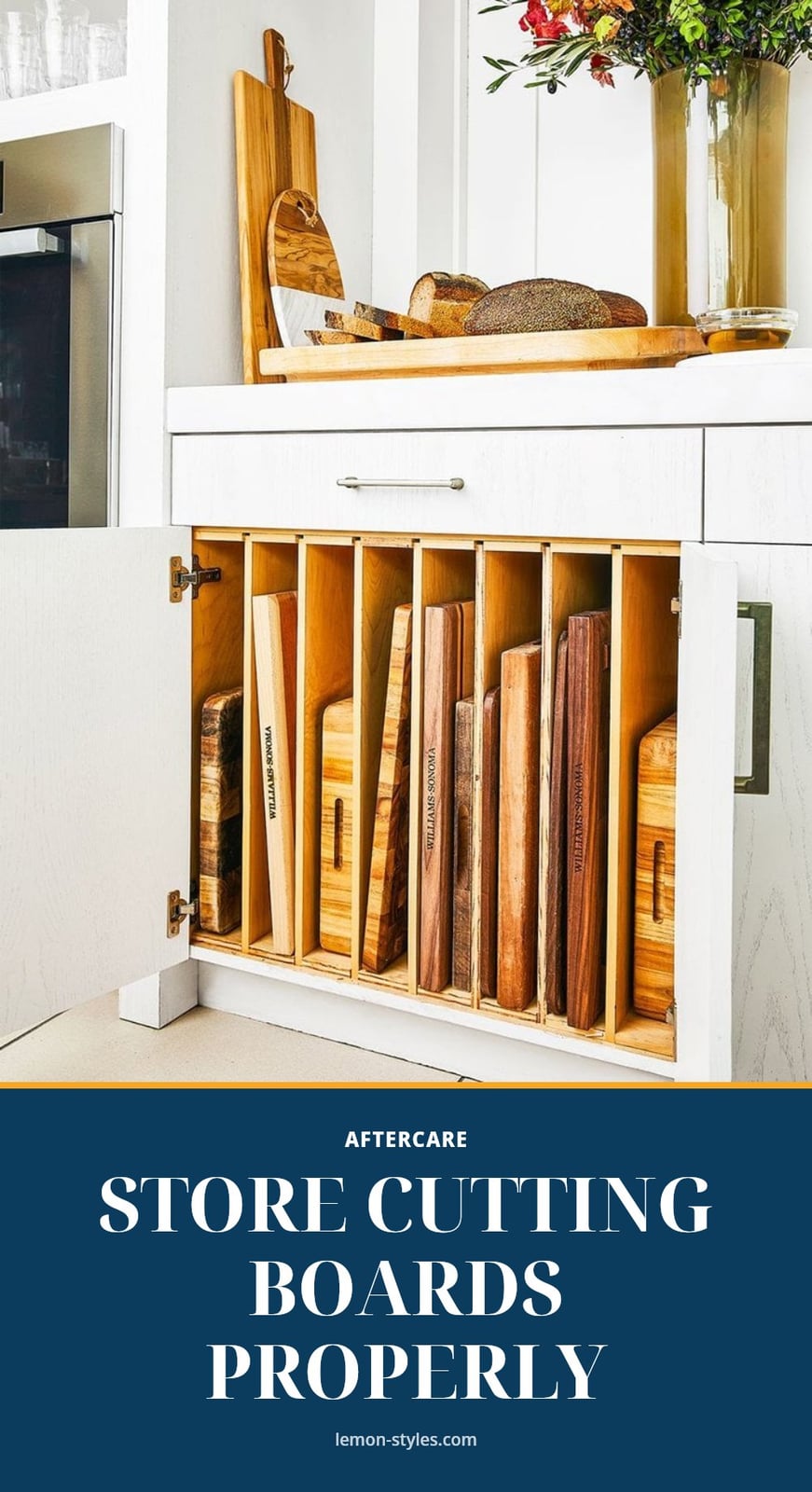
Proper Storage: Always store your cutting boards in a way that allows for good air circulation. Leaning them against a wall or placing them in a drying rack ensures they dry completely and prevents moisture from getting trapped, which can lead to warping or bacterial growth.
Timely Replacement: Be vigilant about the condition of your boards. Once deep grooves or cuts appear, it’s a sign that bacteria can hide in those crevices, making thorough cleaning impossible. At this point, it’s safer to replace the board to ensure food safety.
Gentle Cleaning for Plastic: For plastic boards, avoid abrasive scrubbers that can create scratches. These scratches, much like deep cuts in wood, can become havens for bacteria. Stick to non-scratch sponges or brushes.
8. Frequently Asked Questions
How often should I disinfect my cutting board?
You should disinfect your cutting board after every use, especially if you’ve cut raw meat, poultry, or fish. For everyday use with vegetables or bread, a thorough wash with hot, soapy water is usually enough. A deep clean with vinegar or hydrogen peroxide once a week is a good habit to keep bacteria at bay.
Can I put all cutting boards in the dishwasher?
No, only plastic and composite cutting boards that are labeled dishwasher safe can go in the dishwasher. Wooden and bamboo boards should never be put in a dishwasher because the high heat and moisture can cause warping, cracking, and splitting. Always hand wash these materials.
What is the best way to remove deep stains from a wooden cutting board?
For deep stains, try scrubbing the area with coarse salt and the cut side of a lemon. The salt acts as a gentle abrasive, and the lemon juice helps lift stains and odors. Let the mixture sit for 5 to 15 minutes, then rinse and dry the board thoroughly. This method is safe for wood and won’t damage the surface.
Why should I avoid using olive oil on my wooden cutting board?
Olive oil and other vegetable oils can go rancid over time, creating a foul smell and potentially spoiling your food. They also don’t absorb well into wood, leaving a sticky residue. Instead, use food-grade mineral oil, which is odorless, doesn’t go bad, and properly hydrates the wood to prevent cracking.
When should I replace my cutting board?
Replace your cutting board as soon as it develops deep grooves, cuts, or cracks that are hard to clean. Bacteria can hide in these crevices and survive regular washing. Also replace it if it becomes warped, has a persistent odor, or shows signs of mold. A smooth, intact surface is essential for food safety.
9. Final Thoughts
My tip is to keep at least two boards on hand: one for raw meat and another for produce. This simple habit prevents cross-contamination and makes cleanup easier. Expect to oil your wooden board about once a month, and always let it dry completely overnight before storing. With these steps, your cutting boards will stay clean, safe, and ready for every meal.