
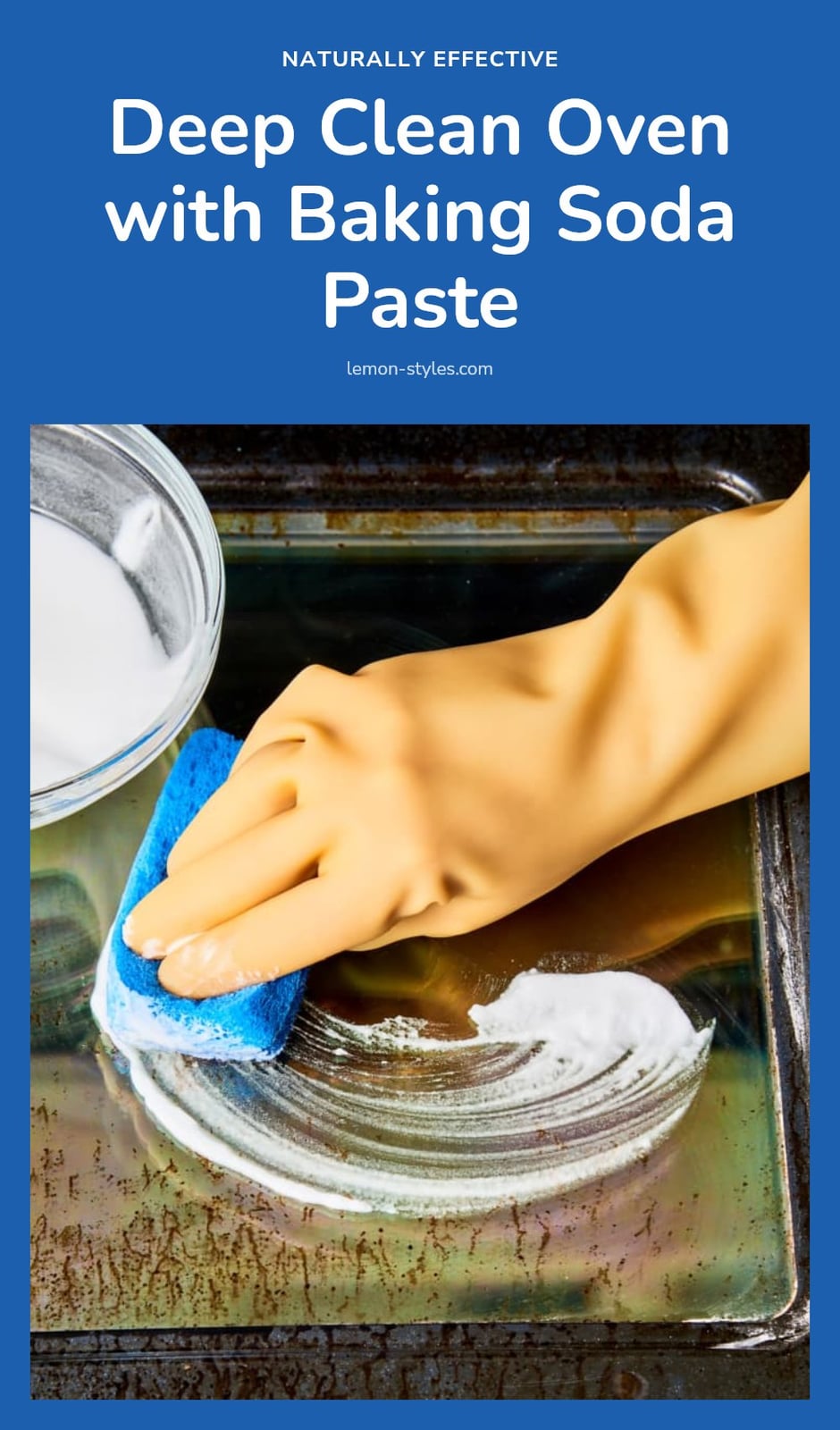
You want a clean oven without the harsh fumes of commercial cleaners, and baking soda plus vinegar can get you there. The process is simple: spread a paste, let it sit for at least 12 hours, then wipe and spray. It works best on moderate grime, so if your oven has years of baked-on buildup, plan to repeat on stubborn spots.
This article walks you through the full method, from mixing the paste to the final shine, plus mistakes to avoid and tips to keep your oven cleaner longer.
Key Takeaways
- Mix 1/2 cup baking soda with 2 to 3 tablespoons water to form a spreadable paste.
- Let the paste sit for at least 12 hours, preferably overnight, before removing it.
- Spray white vinegar on surfaces after wiping to remove residue and add shine.
- Deep clean your oven every 3 to 6 months to prevent heavy buildup.
1. Why Use Baking Soda and Vinegar to Clean Your Oven?
Baking soda is a mild abrasive and a natural deodorizer, so it lifts grease without scratching the enamel. White vinegar brings acetic acid, which fizzes on contact with the baking soda and helps release baked-on food. Together they replace the lye found in many commercial oven cleaners, which means no harsh fumes in a small kitchen. This combo handles moderate grease and splatter well. Heavy carbonized crust may need a second round.
2. Gather Your Cleaning Essentials
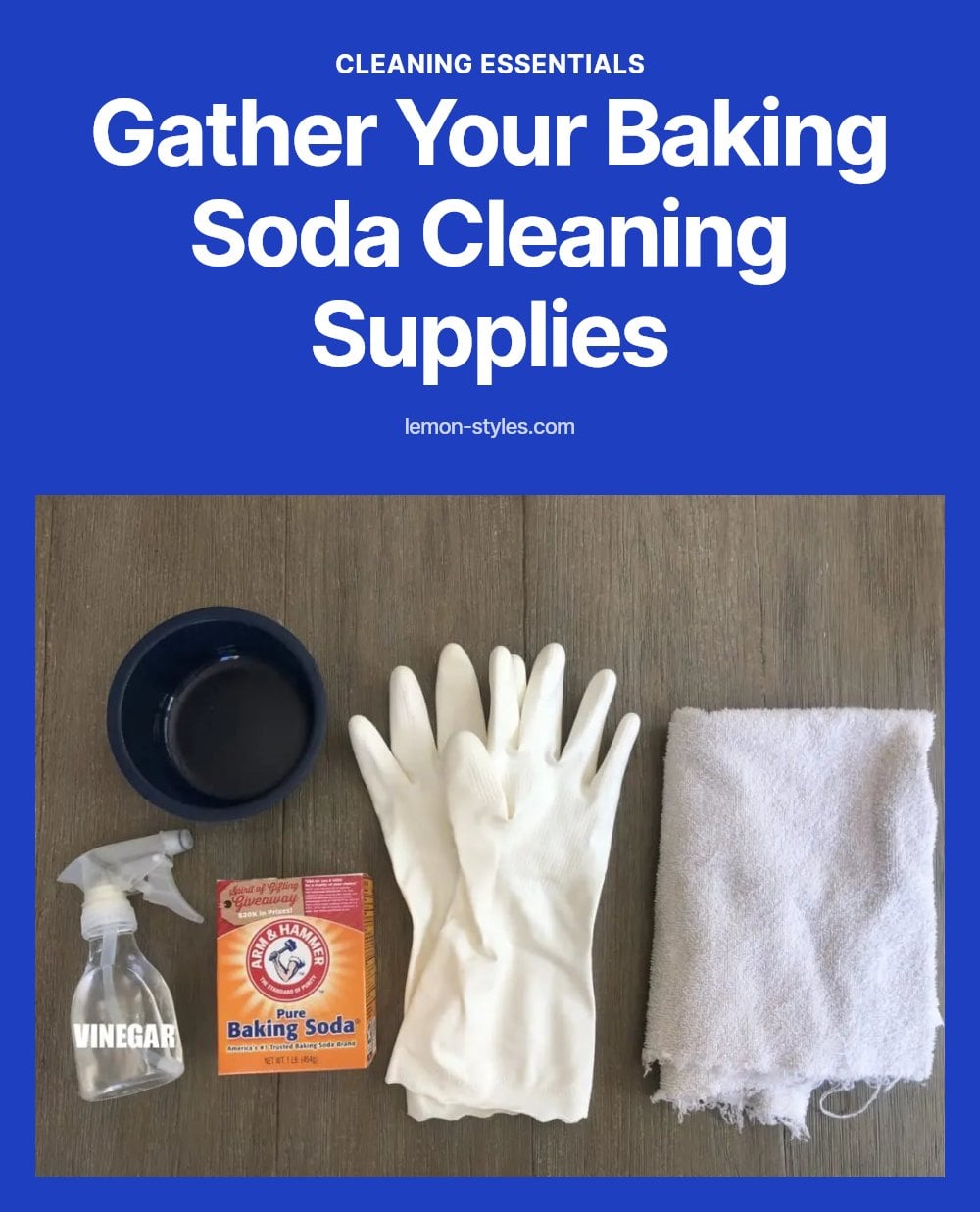
Everything here is cheap and easy to find, and most of it is already in your kitchen.
- Baking soda: the main abrasive and deodorizing agent.
- White vinegar: reacts with the baking soda to lift grime and leaves a final shine.
- Spray bottle: for even application of vinegar.
- Rubber gloves: to protect your hands.
- Plastic spatula or scraper: removes loosened grime without scratching.
- Damp cloths or sponges: for wiping down surfaces.
- Small bowl: for mixing the baking soda paste.
- Old toothbrush: optional, for tight crevices.
Skip metal tools entirely. They scratch the interior coating and the glass door.
3. Step-by-Step: Cleaning Your Oven with Baking Soda and Vinegar
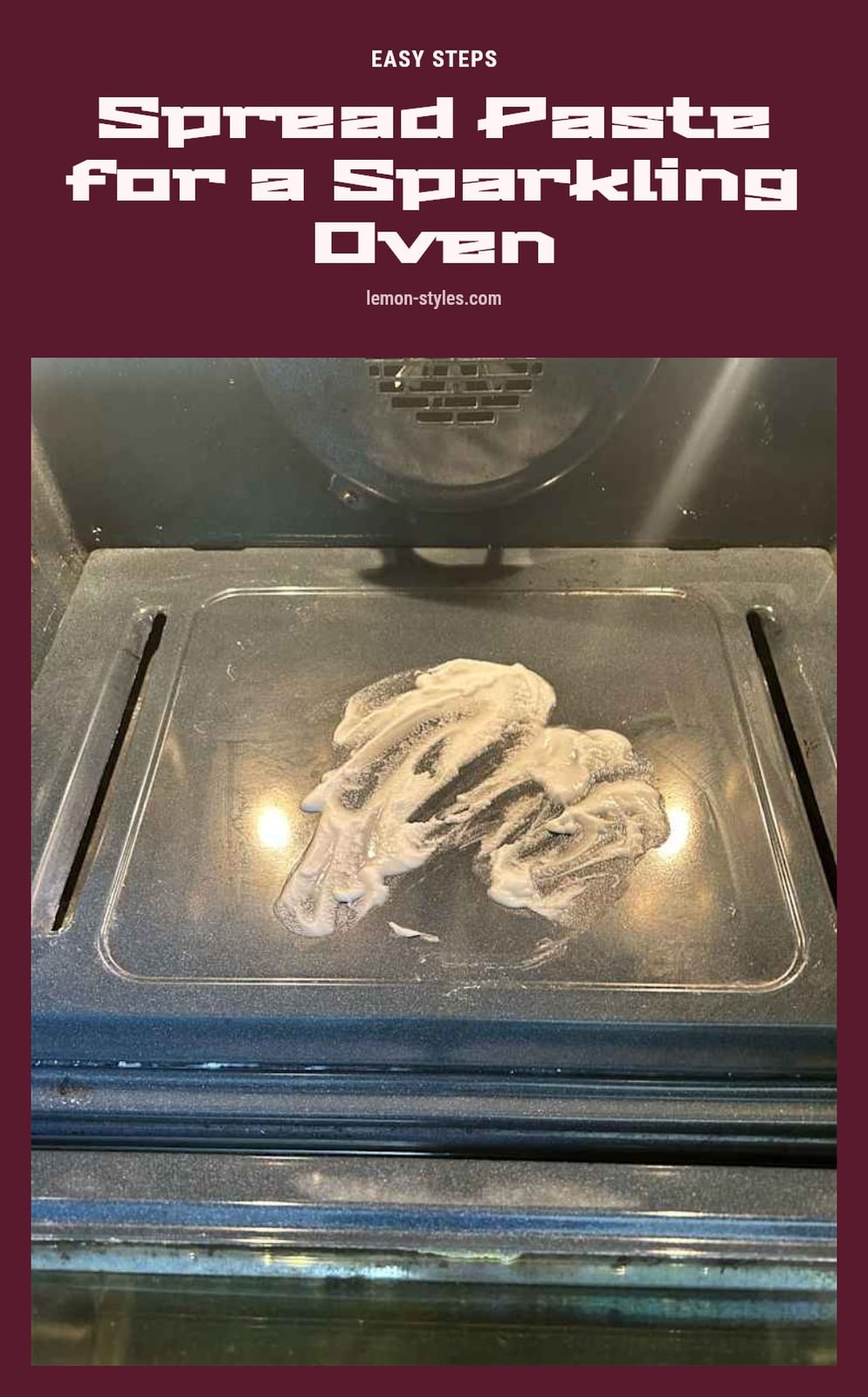
Plan this for a day when the oven can sit unused overnight. The hands-on part is short, but the paste needs time to do the work.
- Cool the oven: Make sure it is completely off and cool to the touch. Never put your hands inside a hot oven, even with gloves on.
- Clear the inside: Pull out the oven racks and remove any loose debris. Set the racks aside for separate cleaning.
- Mix the paste: In a small bowl, combine 1/2 cup baking soda with a little water. Aim for a spreadable paste, not a runny one, so it clings to vertical walls.
- Apply the paste: Wearing rubber gloves, spread it generously over all dirty surfaces, including the glass door. Keep it away from the heating elements and vent openings.
- Let it sit: Leave the paste for at least 12 hours, ideally overnight. It will turn brown as it absorbs grease, which is normal.
- Scrape it off: Use a plastic spatula to lift the dried paste and loosened grime. Work gently around the door seal.
- Wipe and rinse: Go over every surface with a damp cloth, rinsing it often. Keep wiping until no baking soda residue remains, since leftover powder can smoke on the next use.
- Spray vinegar: Mist the cleaned surfaces, especially the glass, to cut any film and add shine. The fizzing is the reaction doing its job.
- Dry it: Finish with a clean, dry towel on the interior and glass.
Tip: Mix a second batch of paste if the first runs out. A dirty oven absorbs more than you expect.
Here is the method in action: Mr Gizmo demonstrates it in about 8 minutes. The how-to part starts at 1:34.
4. Cleaning Oven Racks Separately
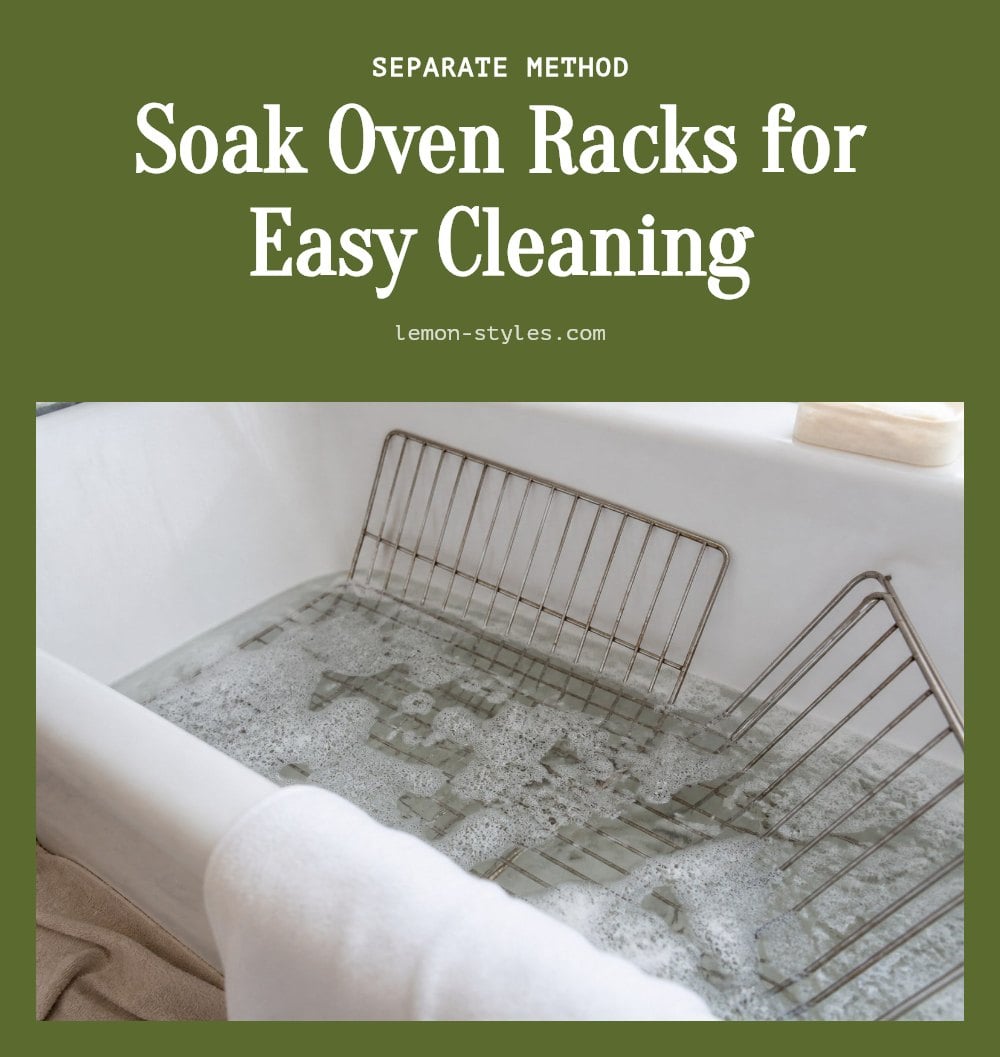
Racks are usually the greasiest part of the oven and deserve their own soak. Do this while the paste sits inside.
Soak in hot soapy water
Fill a bathtub or a large basin with hot water and a few drops of dish soap. Submerge the racks and leave them for 30 minutes to an hour to soften the baked-on grease.
Try a baking soda soak for tough grime
For heavy buildup, add a generous scoop of baking soda to the hot water, or spread a paste directly on the worst spots before soaking. The alkaline water loosens residue that plain soap struggles with.
- Scrub: Work a scrub brush or sponge over the bars and corners.
- Rinse: Rinse thoroughly under running water so no soapy film remains.
- Dry: Dry completely before sliding them back in, since moisture can cause rust.
Good to know: Lay a towel in the tub first if you have a porcelain surface. It cushions the racks and protects the finish.
5. Common Mistakes to Avoid When Cleaning Your Oven
Not letting the paste sit long enough: The baking soda paste needs a minimum of 12 hours to break down tough grime. Rushing it leaves you scrubbing harder with worse results.
Using a hot oven: Always wait until the oven is completely cool. Cleaning a hot oven is dangerous and the paste will dry too fast to work.
Failing to rinse thoroughly: Leftover baking soda residue can smoke when you next turn on the oven. Wipe with a damp cloth multiple times until no white streaks remain.
Using abrasive tools: Metal scrapers and harsh scrubbers scratch the oven’s interior and glass door coating. Stick to plastic spatulas and soft cloths.
Spraying vinegar on heating elements: Keep baking soda and vinegar away from heating elements and vent openings. Contact can cause damage or create a safety hazard.
6. Pro Tips for a Sparkling Clean Oven
Ventilate your kitchen: Even with natural cleaners, open a window for good airflow while you work.
Keep multiple towels handy: You will go through several damp cloths wiping away grime and paste residue. Have extras ready.
Repeat for stubborn spots: If some areas remain dirty after the first round, reapply the baking soda paste on those spots and let it sit again.
Wear rubber gloves: My tip: Always wear gloves to protect your hands from prolonged contact with the cleaning mixture and the grime itself.
Don’t mix in a sealed container: The reaction between baking soda and vinegar creates gas. Mixing them in a sealed container can build pressure and cause a mess or hazard.
7. Keep Your Oven Cleaner Longer: Prevention Tips
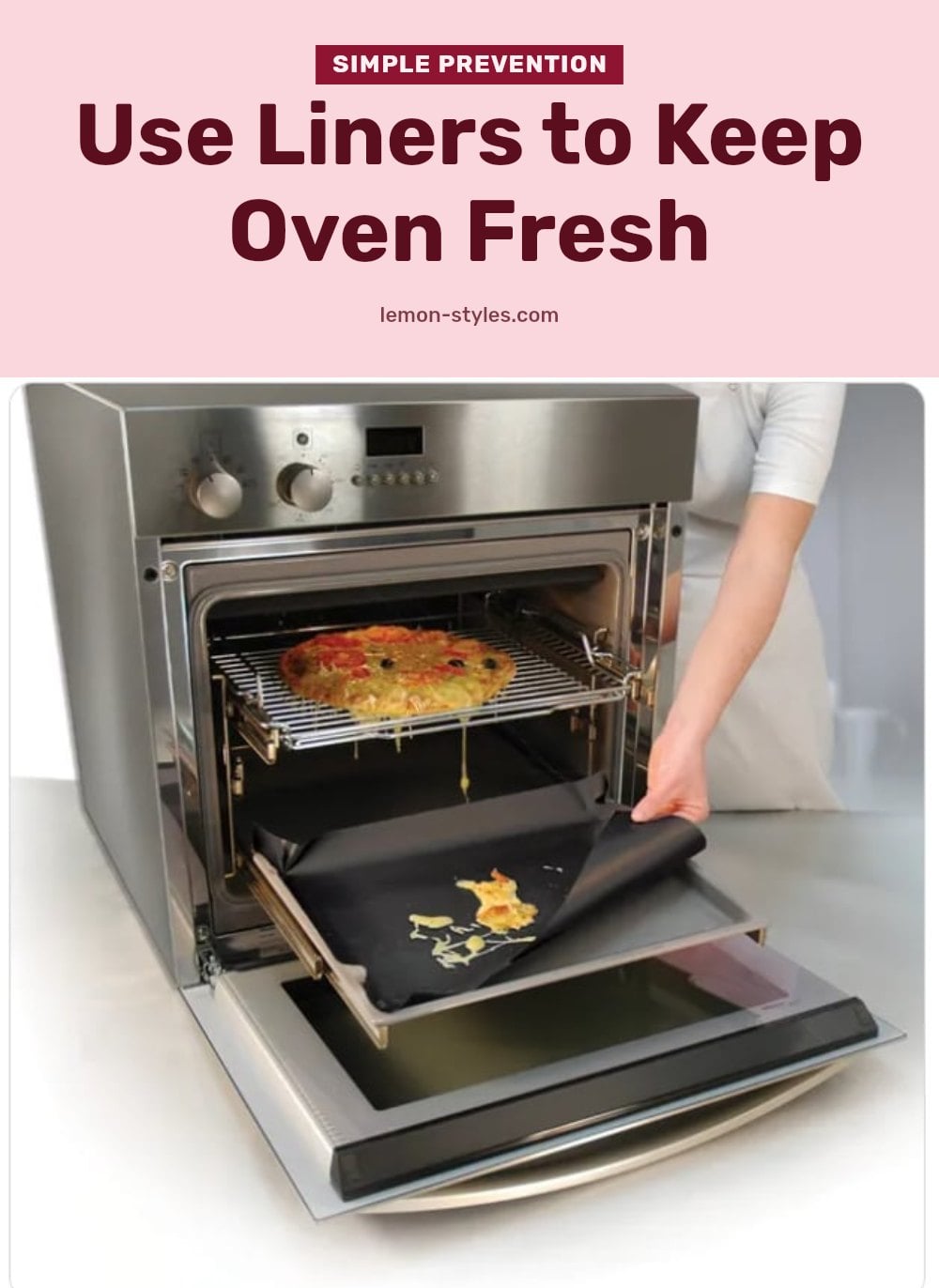
Wipe up spills immediately: My tip: Address spills as soon as the oven cools. Baked-on spills are much harder to remove later.
Use oven liners: Place a silicone or aluminum foil liner on the bottom rack to catch drips and spills before they bake on.
Cover dishes: Use lids or foil to cover casseroles and roasting pans that might splatter during cooking.
Regular light cleaning: A quick wipe-down every few weeks prevents heavy build-up and makes deep cleaning much easier.
8. How Long Does Oven Cleaning Take and How Often?
Active Cleaning Time: The hands-on work takes about 20 to 30 minutes total.
Waiting Time: The baking soda paste must sit for at least 12 hours, ideally overnight, for best results on tough stains.
Frequency: Deep clean your oven every 3 to 6 months. Clean more often if you use the oven frequently or notice heavy build-up.
Cost: This method uses common household items. Baking soda and white vinegar cost only a few dollars each and last for multiple cleanings.
9. Frequently Asked Questions
Can I use this method on a self-cleaning oven?
Check your manufacturer guidelines first, because some self-cleaning oven coatings can be damaged by baking soda or vinegar. If your manual approves gentle cleaners, you can proceed, but avoid the self-cleaning function itself. The high heat of that cycle is dangerous and unnecessary for this method.
What if my oven still smokes after cleaning?
If you notice smoking when you turn the oven on, turn it off and let it cool completely. Then wipe down the interior again with a damp cloth to remove any leftover baking soda or vinegar residue. Smoking is usually a sign that some paste remains, so a thorough rinse should solve it.
Can I use a different type of vinegar?
White vinegar is recommended because it is inexpensive and leaves no strong scent, but you can use other clear vinegars in a pinch. Avoid dark vinegars that could stain. The fizzing reaction with baking soda will still happen, though the smell may differ.
How do you clean a very dirty oven with baking soda and vinegar?
For a very dirty oven, apply a thicker layer of paste and let it sit for the full 12 hours or overnight. You may need to make a second batch of paste to cover all surfaces. After scraping and wiping, repeat the process on any remaining tough spots.
10. Final Thoughts
My tip: treat this as an overnight project and start it on a day when you do not need the oven until the next morning. The active work is only about 20 to 30 minutes, but the paste needs at least 12 hours to break down grime. Expect to repeat the process on any spots that were heavily soiled, and plan to deep clean every 3 to 6 months to keep things manageable. With a little patience, you will get a fresh, clean oven without the chemical smell.
This information is for general cleaning purposes only and is not professional advice. Always test on a small area first and follow your oven manufacturer’s guidelines. If you have persistent issues or a serious mess, consider hiring a professional cleaner.

