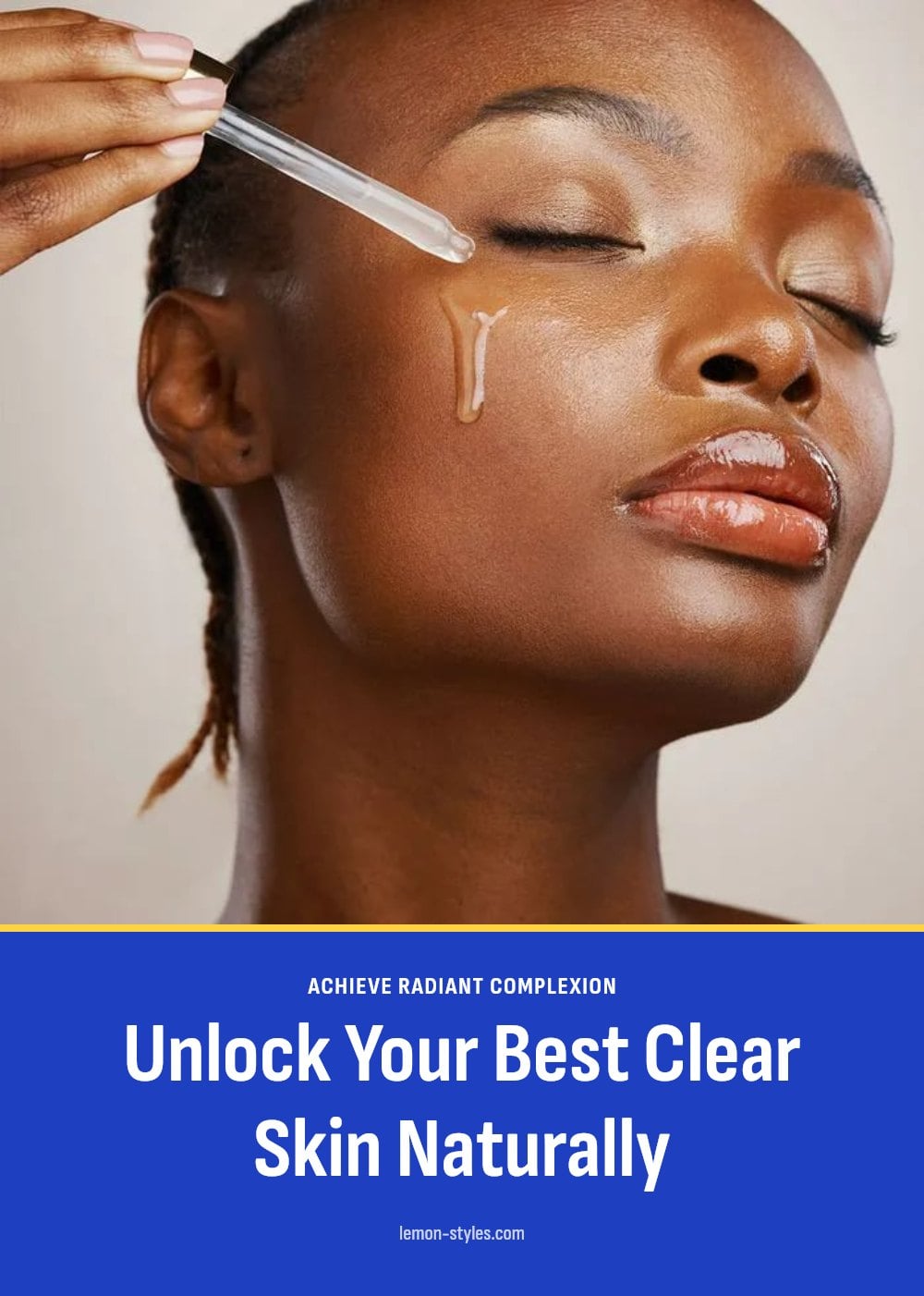
If you’ve been struggling with breakouts, dullness, or uneven texture, you’re not alone. Clear skin usually comes from a consistent, gentle routine and healthy daily habits, not from one miracle product. This article covers 24 practical tips, from cleansing and moisturizing to managing stress and knowing when to see a dermatologist, so you can build a routine that works for you.
Key Takeaways
- Cleanse gently twice a day with a non-comedogenic cleanser.
- Apply broad-spectrum sunscreen with SPF 30 or higher every day.
- Exfoliate 1 to 3 times a week using a chemical exfoliant.
- Change your pillowcase at least once a week.
- See a dermatologist if over-the-counter treatments aren’t working.
1. Achieving Clear Skin: A Holistic Approach
Clear skin is rarely the result of a single miracle product. It comes from a consistent, gentle skincare routine paired with healthy lifestyle habits that work together over time. Rather than chasing quick fixes, focus on understanding your skin’s unique needs and responding with steady care. Patience matters, because genetics, hormones, diet, and stress all influence how your skin looks. A holistic approach, where you treat your skin kindly and support it from the inside out, tends to deliver the most lasting results.
2. 1. Cleanse Gently Twice Daily

Wash your face every morning and before bed to remove dirt, oil, and makeup that accumulate through the day and night. Choose a gentle, non-comedogenic cleanser that cleans without stripping your skin’s natural moisture barrier.
My tip: Harsh cleansers can actually make oily skin produce more oil, so be kind to your complexion. Look for words like “sulfate-free” or “cream-based” on the label if your skin tends to feel tight after washing.
3. 2. Always Moisturize, Even Oily Skin
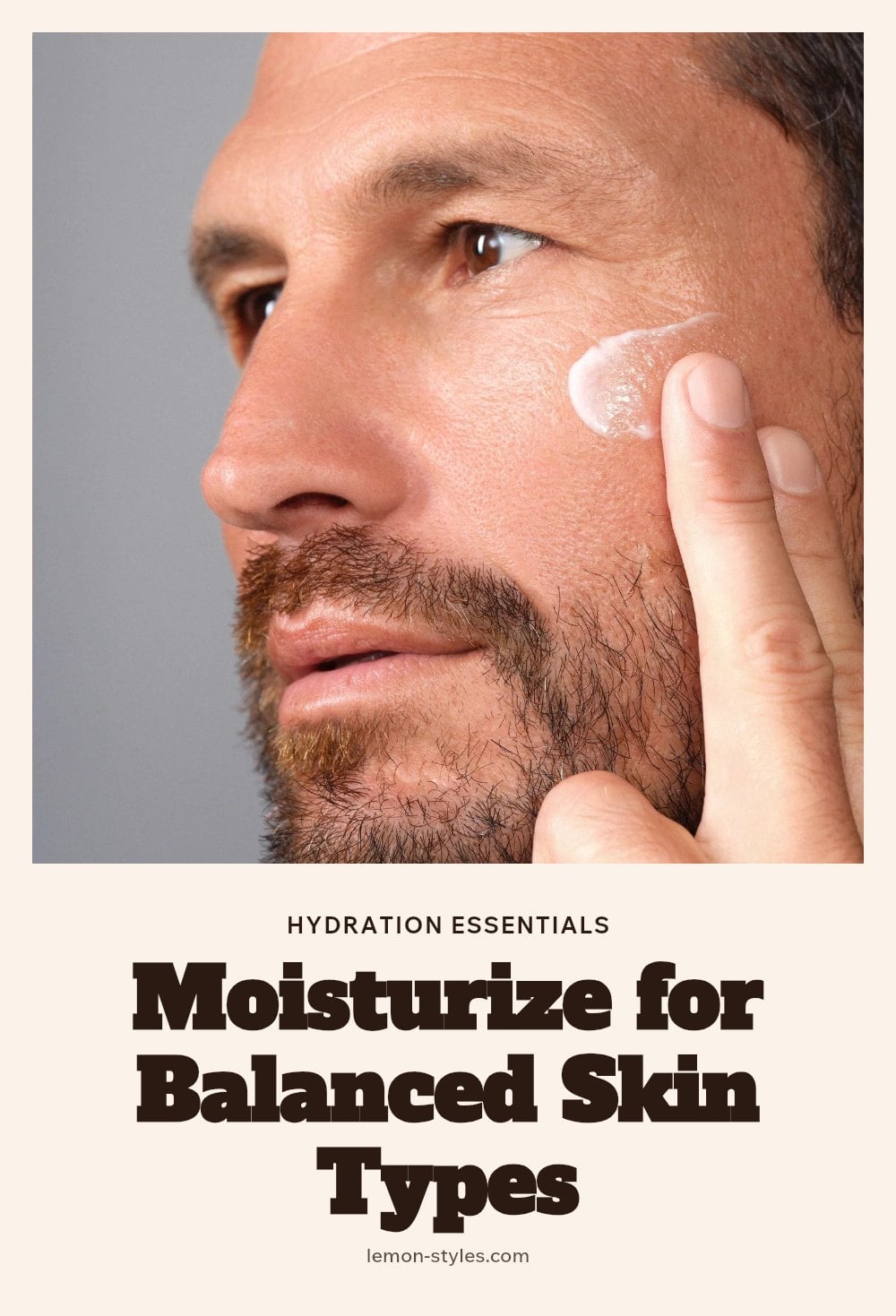
Daily moisturizing is crucial to maintain your skin barrier, even if your skin is oily or acne-prone. When your skin feels dry, it compensates by overproducing oil, which can lead to more clogged pores and breakouts.
A good moisturizer prevents that cycle by keeping your skin balanced and comfortable. Check the label for “non-comedogenic” to ensure it won’t clog pores. Gel or water-based formulas often work well for oily skin types.
4. 3. Apply Broad-Spectrum Sunscreen Daily

Protect your skin from UV damage every day with a broad-spectrum sunscreen of SPF 30 or higher, rain or shine. Sun exposure can darken acne scars and trigger post-inflammatory hyperpigmentation, making breakouts look worse and last longer.
Apply it as the final step of your morning routine, after moisturizer and before makeup. My tip: Make it the last step in your morning routine, before makeup, so you never forget it. Even on cloudy days or when you stay indoors, UV rays can reach your skin through windows.
5. 4. Exfoliate 1-3 Times a Week
Exfoliating 1-3 times a week removes dead skin cells that can clog pores and make your complexion look dull. Chemical exfoliants, like AHAs (glycolic or lactic acid) for surface brightness or BHAs (salicylic acid) for inside the pore, are often gentler and more effective than harsh physical scrubs.
Start with once a week and adjust based on how your skin feels. If you notice redness or stinging, cut back. Avoid physical scrubs with rough particles, which can create micro-tears in the skin barrier.
6. 5. Incorporate Topical Retinoids
Topical retinoids, from over-the-counter retinol to prescription tretinoin, are among the most effective options for acne and improving skin texture. They work by encouraging cell turnover, which keeps pores clear and reduces breakouts over time.
Caution: Start slowly, applying a pea-sized amount every other night, because they can cause initial irritation, dryness, and flaking. Always use sunscreen in the morning, as retinoids increase sun sensitivity. If you are pregnant or breastfeeding, consult a doctor before using them.
7. 6. Target Acne with Key Ingredients
Over-the-counter acne treatments typically rely on two key ingredients: benzoyl peroxide, which kills acne-causing bacteria, and salicylic acid, which exfoliates inside the pore to clear blockages. You can find them as spot treatments for individual blemishes or in cleansers for broader coverage.
Tip: Don’t overdo it. A thin layer on the affected area is enough, and using too much can lead to dryness, redness, and peeling. Start with one product at a time to see how your skin responds.
8. 7. Change Pillowcases Regularly

Your pillowcase collects dirt, oil, and bacteria from your hair and skin every single night, so it can become a breeding ground for breakouts. Change it at least once a week to reduce your skin’s exposure to these pore-clogging culprits.
Consider switching to silk or satin pillowcases, which create less friction against your skin than cotton and may help prevent irritation. If you have long hair, tying it up or away from your face at night can also help keep your pillowcase cleaner longer.
9. 8. Avoid Touching Your Face
Your hands carry bacteria, oil, and dirt that transfer to your face every time you touch it, which can trigger breakouts. Consciously avoid resting your chin on your hand or picking at your skin throughout the day.
This simple habit can make a big difference. Keep your hands occupied with a stress ball or keyboard when you notice the urge.
10. 9. Stay Hydrated with Water
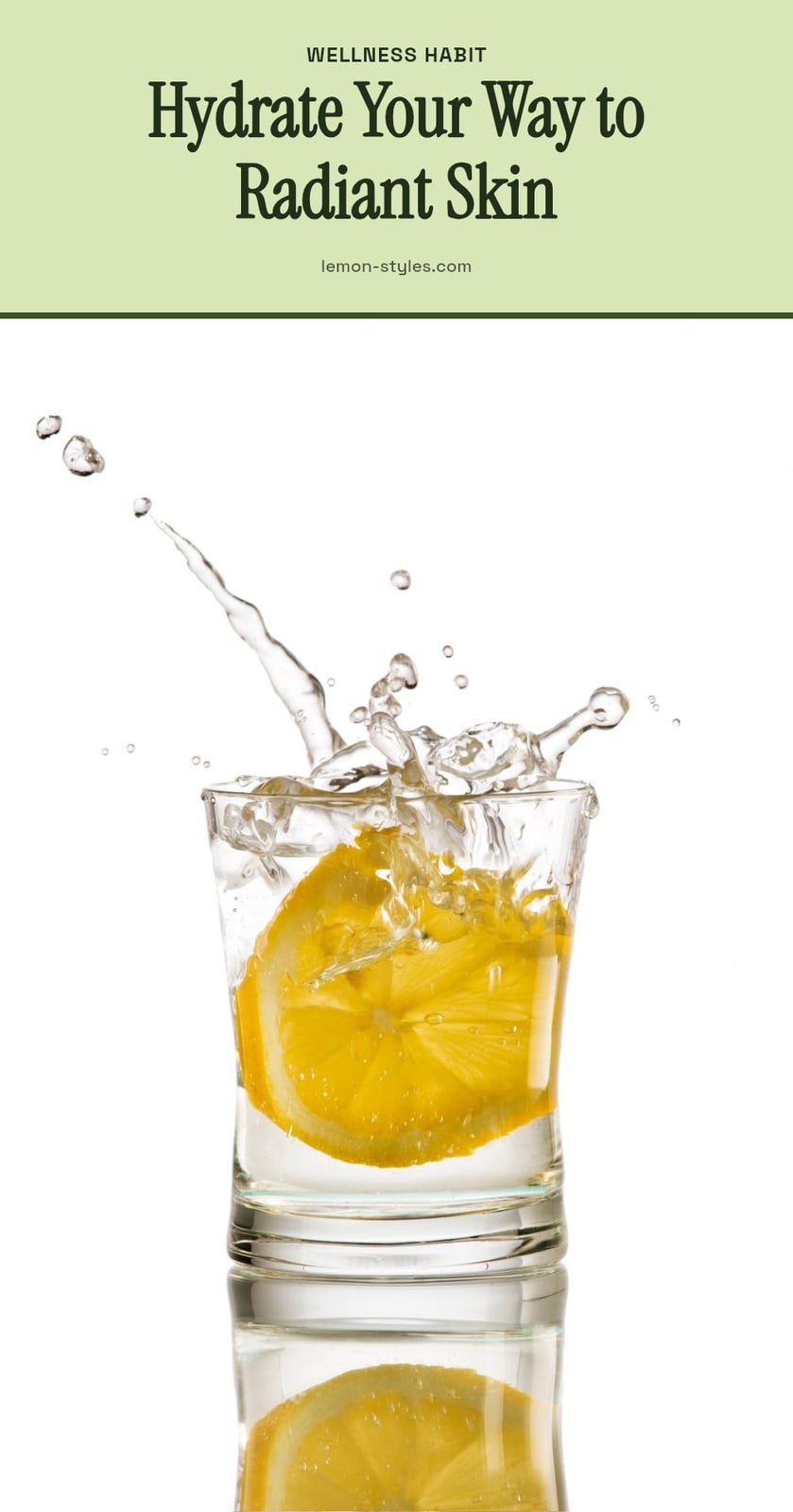
Drinking adequate water supports overall skin health by helping it function optimally. Well-hydrated skin maintains its barrier more effectively and looks plumper and more radiant.
Aim for at least eight glasses a day, or more if you’re active or live in a dry climate. Keep a reusable bottle on your desk as a reminder.
11. 10. Manage Stress Levels
Stress can trigger hormonal fluctuations that lead to breakouts and dull skin, so managing it matters for your complexion. Incorporate stress-reducing practices like meditation, yoga, exercise, or spending time in nature.
My tip: find what truly helps you unwind, whether it’s a 10-minute walk or a breathing exercise, and make it a regular part of your routine.
12. 11. Eat a Balanced, Nutrient-Rich Diet

A diet rich in fruits, vegetables, and whole grains provides essential vitamins and antioxidants that support healthy skin. While not a guaranteed fix, nourishing your body from the inside out helps maintain skin clarity.
Focus on colorful produce and lean proteins at most meals. Think berries, leafy greens, sweet potatoes, and grilled chicken or fish.
13. 12. Clean Makeup Brushes Weekly
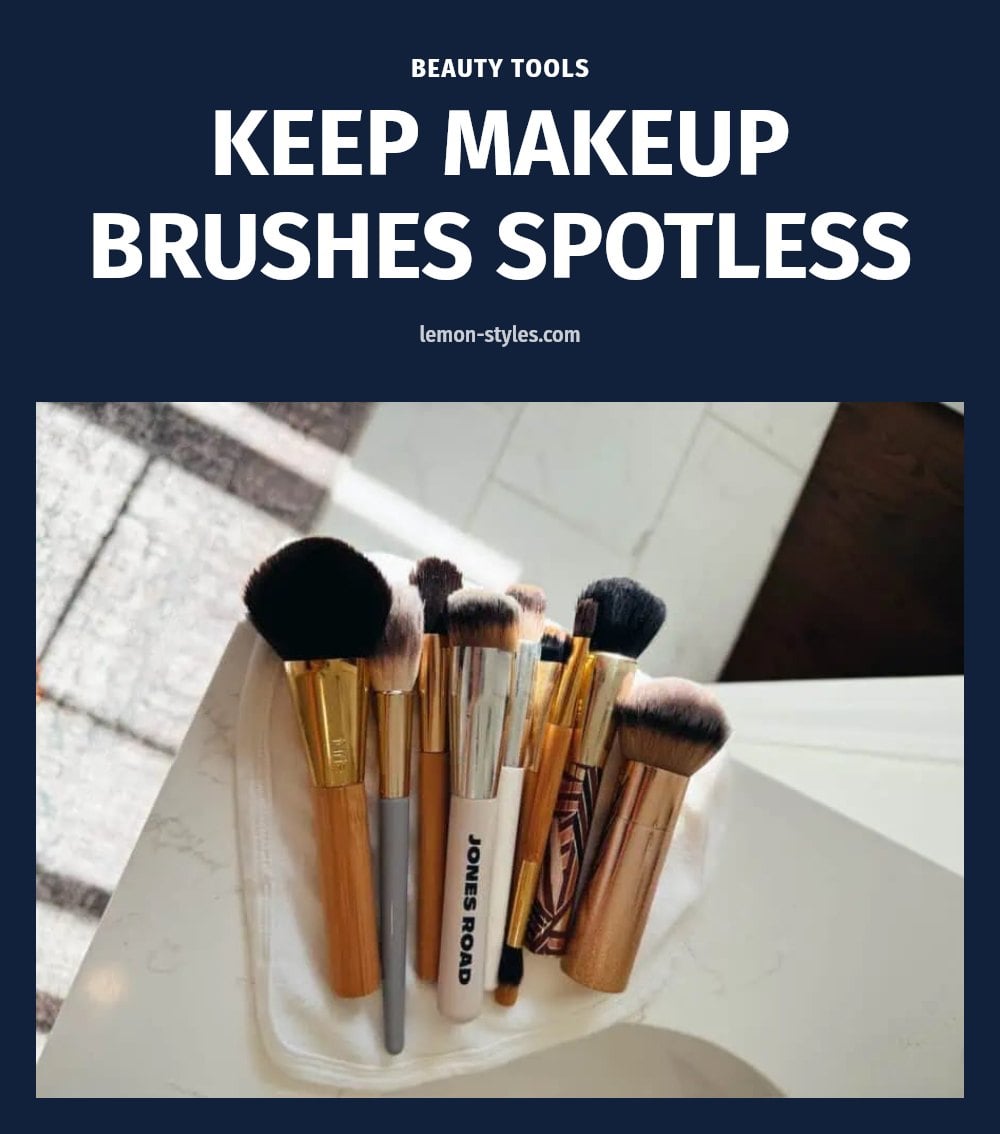
Makeup brushes are a magnet for old makeup, oil, and bacteria, which transfers to your skin every time you use them. Wash them weekly with a gentle cleanser or brush shampoo, then let them air dry completely. Clean tools mean a cleaner canvas for your skin, so make this a Sunday habit.
14. 13. Get Sufficient Sleep
Quality sleep, 7-9 hours for adults, is when your body repairs and regenerates, and your skin is no exception. During sleep, your skin works to repair damage and produce new cells. Good to know: set a consistent sleep schedule, even on weekends, to maximize the benefits.
15. 14. Patch Test New Products
Before applying a new product to your face, patch test it on a small area like behind your ear or on your jawline. This helps you spot irritation or allergic reactions before they spread. Apply a small amount and wait 24-48 hours to see how your skin reacts.
16. 15. Don’t Pick or Squeeze Pimples
Picking or squeezing pimples can push bacteria deeper, worsen inflammation, and lead to scarring or infection. Let your skincare routine and time do the work, or use a targeted spot treatment instead. Pro move: keep your hands busy with something else when you feel the urge!
17. 16. Remove All Makeup Before Bed
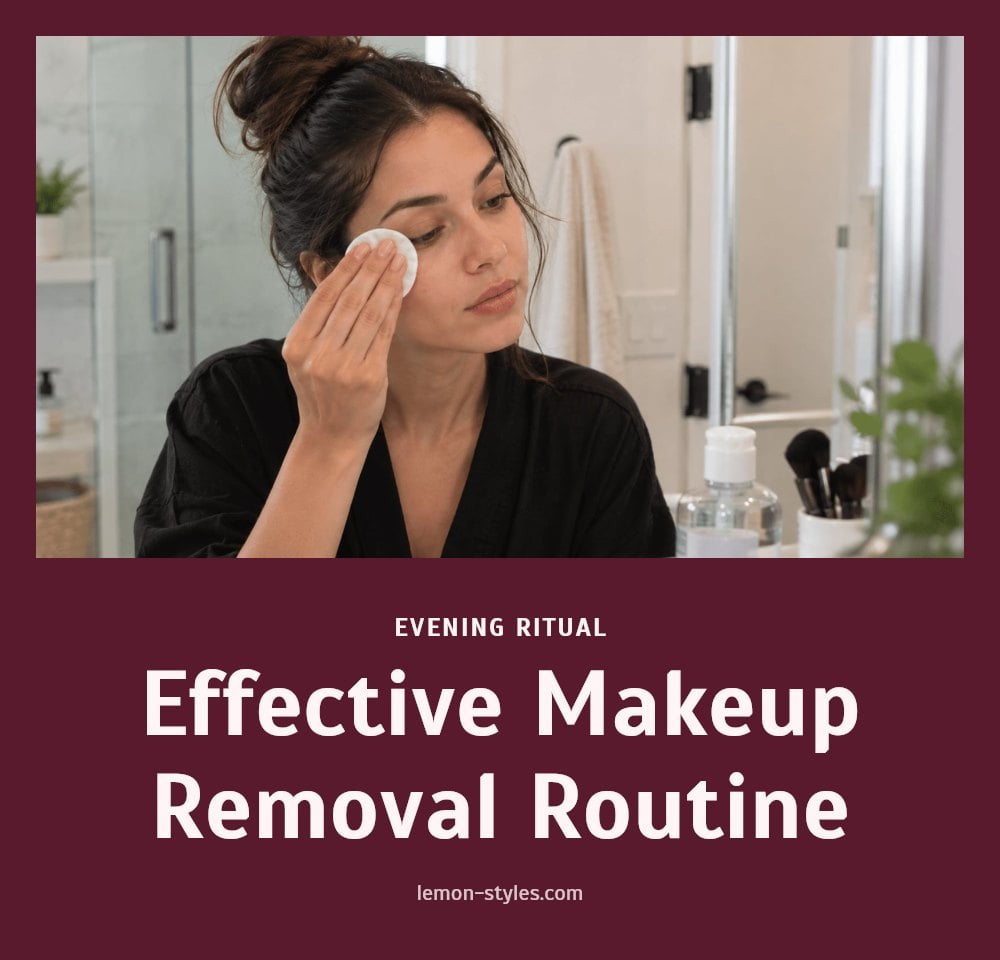
Never go to bed with makeup on. Makeup clogs pores, traps dirt and oil, and can lead to breakouts and dullness by morning. Use micellar water, a cleansing balm, or your regular cleanser to thoroughly remove every trace, including along your hairline and jaw.
This step is non-negotiable for clear skin. If you’re exhausted, keep makeup remover wipes by your bedside as a backup, but aim for a full cleanse whenever possible.
18. 17. Avoid Harsh Scrubs and Tools
Abrasive physical scrubs and harsh cleansing brushes can create micro-tears in your skin, compromising its barrier and leading to irritation, redness, and even more breakouts. Your skin is delicate, so treat it kindly.
Opt for gentle chemical exfoliants like AHAs or BHAs, or use a soft washcloth with light pressure. If a scrub feels gritty or leaves your skin tight, it’s too harsh.
19. 18. Don’t Overuse Active Ingredients
Active ingredients like retinoids, acids, and benzoyl peroxide are powerful, but using too many at once or applying them too frequently can irritate your skin, causing redness, dryness, and even more breakouts. Introduce new actives one at a time and follow product instructions carefully.
Quick tip: Less is often more when it comes to potent ingredients. Give your skin time to adjust before adding anything else.
20. 19. Be Patient with Your Routine
Skincare is a marathon, not a sprint. It takes time for products to work and for your skin to respond, so don’t expect overnight results. Initial improvements typically appear within 4-6 weeks, with more significant changes taking 2-3 months or longer.
Consistency is key, so stick with your routine even when you don’t see immediate changes. Your future skin will thank you.
21. 20. Consider Dairy or Sugar Reduction
If you suspect dairy or high-glycemic foods are affecting your skin, try cutting one category at a time for a few weeks and watch for changes. Some people notice fewer breakouts when they reduce these, but it’s not a universal fix.
My tip: Listen to your body and how your skin reacts. Keep a simple food diary if you want to track patterns without overcomplicating it.
22. 21. Use Clean Towels
Use a fresh, clean towel for your face each time you cleanse, or dedicate a separate small towel just for your face. Towels, like pillowcases, collect bacteria and leftover product residue that can transfer back onto your skin.
Gently pat your skin dry instead of rubbing. Rubbing creates friction that can irritate your skin and disrupt your barrier.
23. 22. Shower After Sweating
Shower promptly after exercise or any activity that causes significant sweating. Sweat mixes with oil and bacteria on your skin, which can lead to body acne or breakouts on your face.
Use a gentle body wash, especially on areas prone to breakouts like your back, chest, and shoulders. Don’t let sweat sit on your skin while you cool down.
24. 23. Choose Non-Comedogenic Products
Look for the words “non-comedogenic” or “non-acnegenic” on labels for everything from cleansers to moisturizers to makeup. These products are formulated specifically not to clog pores, which is essential for preventing breakouts.
This simple filter should be your first check when building a clear skin routine. It applies to every product that touches your face, not just treatment items.
25. 24. Don’t Skip Sunscreen on Cloudy Days
UV rays can penetrate clouds and even windows, so your skin is exposed to damage even on overcast days or when you’re mostly indoors. This exposure can worsen hyperpigmentation and undo the work of your other skincare steps.
Tip: Apply sunscreen as part of your morning routine every single day, no matter the forecast. Think of it as your daily skin insurance, a simple habit that protects all the effort you put into your complexion.
26. When to Consult a Dermatologist
If your acne is severe, painful, or persistent despite consistent use of over-the-counter treatments, it’s time to see a dermatologist. They can assess your skin and discuss prescription-strength options like oral medications or stronger topical retinoids.
If you experience severe redness, burning, itching, or swelling after using a product, discontinue use immediately and consult a professional. Pregnant or breastfeeding individuals should always check with a doctor before using active ingredients like retinoids or salicylic acid.
27. Frequently Asked Questions
How long does it take to get clear skin?
Consistent use of a suitable routine usually shows initial improvements within 4 to 6 weeks, with more significant changes taking 2 to 3 months or longer. Patience and consistency are key.
Can diet really affect my skin clarity?
Some people find that reducing dairy or high-glycemic foods helps improve acne, but this isn’t universally proven. A balanced diet rich in fruits, vegetables, and whole grains is generally beneficial for skin health.
Is it okay to use multiple active ingredients for clear skin?
Using too many active ingredients at once can cause irritation, redness, and more breakouts. Introduce new actives one at a time and follow product instructions carefully. Always patch test first.
What if my skin gets worse before it gets better?
Some active ingredients like retinoids can cause initial irritation or purging. If your skin becomes severely red, burning, or swollen, discontinue use immediately and consult a dermatologist.
Do I still need sunscreen if I’m indoors all day?
Yes. UV rays can penetrate clouds and windows, so your skin is exposed even indoors or on overcast days. Daily sunscreen helps prevent hyperpigmentation and protects the results of your other skincare steps.
28. Final Thoughts
My tip is to start with the basics: gentle cleansing, daily moisturizing, and sunscreen every morning. Expect initial improvements within 4 to 6 weeks, with more noticeable changes taking 2 to 3 months. Stick with it, and your skin will thank you.
This article provides general information for educational purposes and is not a substitute for professional medical advice. If you have persistent or severe skin concerns, please consult a dermatologist or healthcare provider.