You want to save money on groceries and everyday purchases, but the idea of couponing feels overwhelming. It doesn’t have to be. This article breaks down exactly how to start couponing for beginners, from where to find coupons to how to stack them for the biggest savings. I’ll share my personal tips for organizing and planning so you can keep more cash in your wallet without spending hours clipping.
Key Takeaways
- Start with one or two stores to learn their coupon policies and sales cycles.
- Combine manufacturer coupons with store coupons and sale prices for the biggest discounts.
- Only use coupons for items you actually need to avoid wasting money.
- Check newspaper inserts, store apps, and manufacturer websites for coupon sources.
- Organize coupons by expiration date or category to stay ready for shopping trips.
1. What is Couponing and How Can It Help You Save?
Couponing is the habit of using discounts to pay less for things you were going to buy anyway. It’s not just clipping: it’s finding coupons, organizing them, and matching them to sales so each one actually gets used. The payoff is biggest on groceries, where the same items come up week after week. Many people find that a few minutes of planning before a store run cuts the household bill noticeably, and the skill gets easier the more you practice it.
2. Essential Tools for Your Couponing Journey
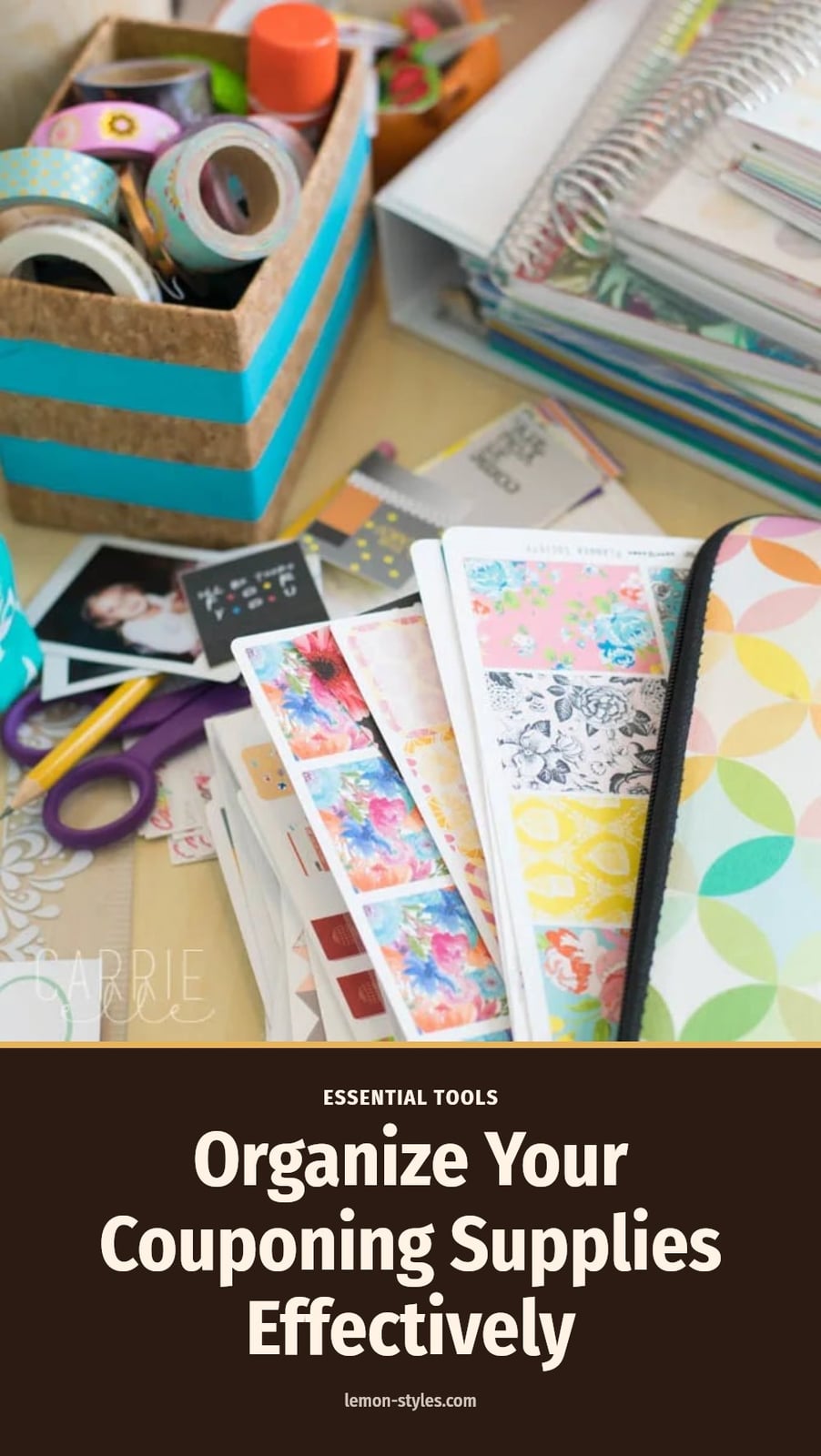
You don’t need much to start, and most of what you do need is already in the house.
- Newspaper inserts: the free-standing inserts (FSIs) carry most paper manufacturer coupons.
- A printer: for printable coupons you find online.
- Scissors: plain ones are fine for cutting inserts.
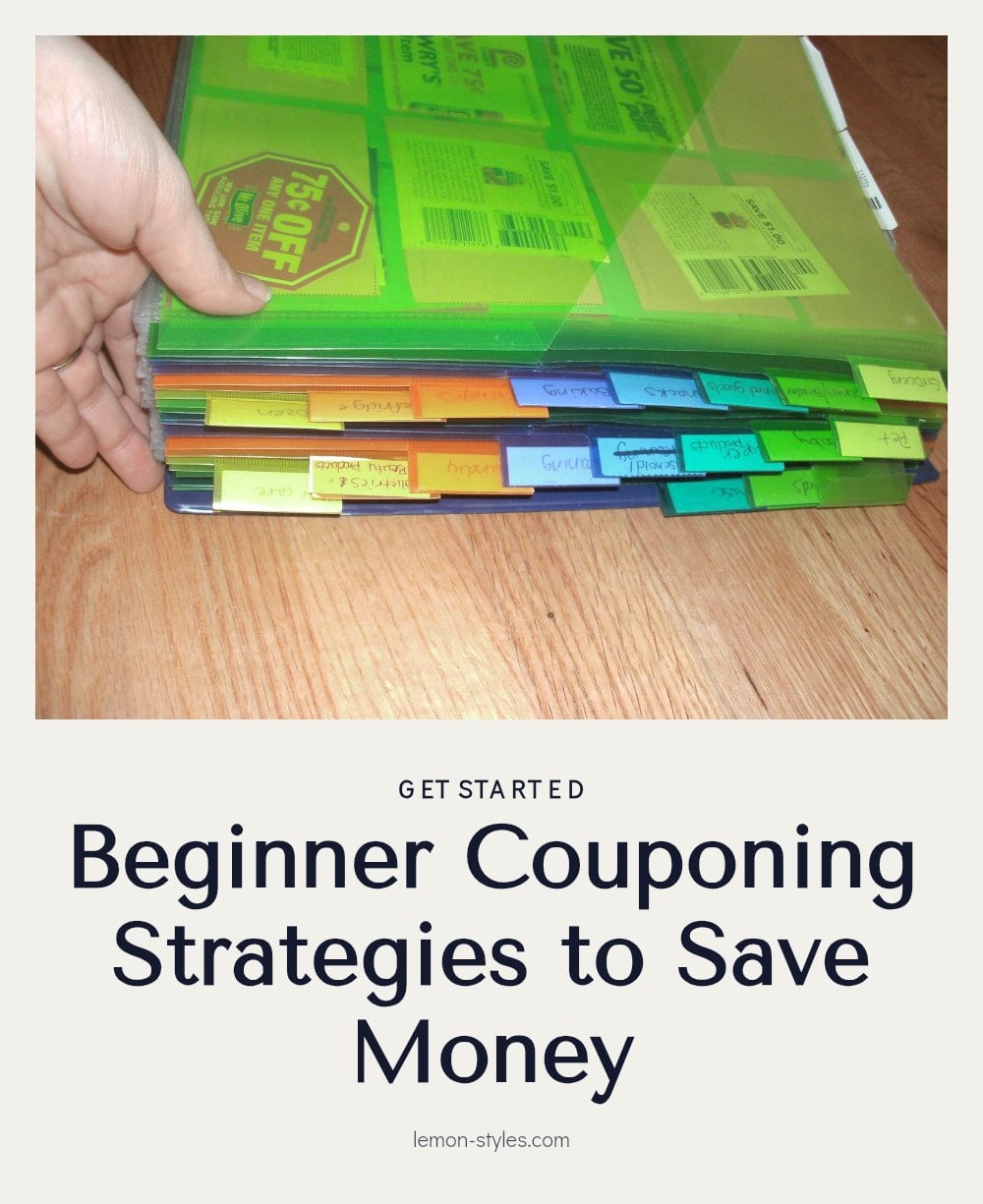
- A coupon binder or accordion file: keeps coupons sorted so you can find one at checkout.
- Store loyalty cards and apps: digital coupons attach to these and apply when scanned.
- A smartphone or computer: for loading digital offers and checking store apps.
3. Your Step-by-Step Guide to Smart Couponing

Start with one or two stores rather than every store in town. Learning a single policy and sales cycle is faster than spreading yourself thin.
- Gather coupons from every source: newspaper inserts, printable coupons from manufacturer sites, store apps, and in-store flyers. Digital offers are the easiest to miss, so check the app weekly.
- Read the store’s coupon policy: look for limits on quantities, rules on stacking, and whether the store doubles coupons. Policies differ from store to store, so don’t assume the rules you learned elsewhere apply.
- Organize by category and expiration date: sort into sections like dairy, snacks, and household, and keep the soonest expiring coupons in front. Expired coupons are not accepted, so the date is the one detail worth checking twice.
- Match coupons to the sales flyer: build your list around items that are already discounted and have a coupon to go with them. This pairing is where the real savings come from.
- Redeem at checkout: hand over paper coupons before the cashier finishes scanning, and scan your loyalty card or enter your phone number so digital coupons apply automatically.
- Review your savings: check the bottom of the receipt against what you planned to spend. Note which coupons didn’t apply and why, then adjust your list for next time.
4. Understanding Different Types of Coupons
Not all coupons work the same way, and knowing which kind you’re holding decides where you can use it.
The three main types
- Manufacturer coupons: issued by the brand, so they usually work at any store that accepts coupons for that product.
- Store coupons: issued by a specific retailer and only valid there.
- Digital coupons: loaded to your loyalty account and applied at checkout when your card is scanned.
Stacking means using more than one coupon on a single item, most commonly a manufacturer coupon plus a store coupon. Many stores allow this pairing but not two manufacturer coupons on the same item, so check the policy before you count on it. Some stores also run double or triple coupon days that multiply a manufacturer coupon’s value up to a set amount.
5. Pro Tips for Maximizing Your Coupon Savings
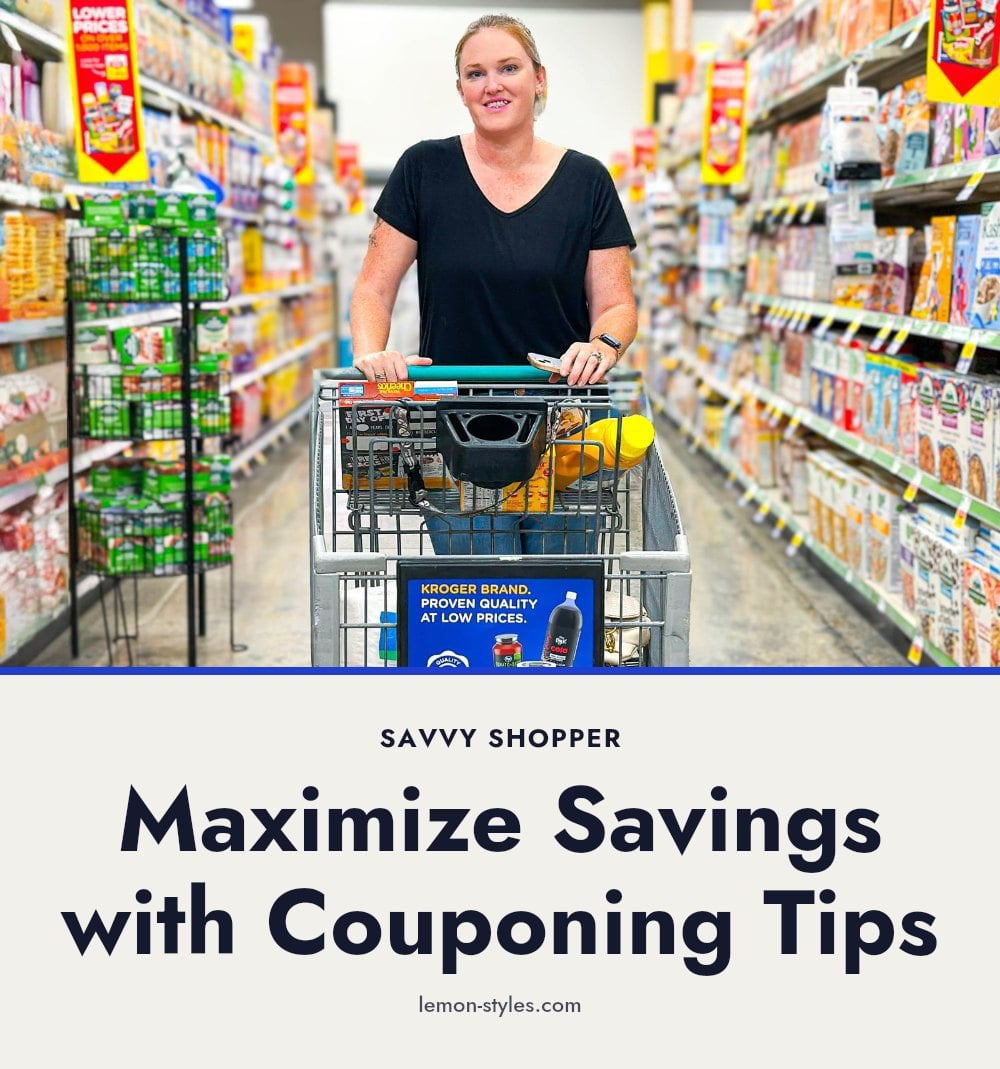
Read Store Policies: Every store has different rules on coupon stacking, quantity limits, and expiration dates. Know them before you shop to avoid surprises at checkout.
Combine with Sales: The biggest savings happen when you use a coupon on an item already marked down. Stack a manufacturer coupon on a sale price and you can cut the cost in half or more.
Build a Stockpile: Buy non-perishable staples like pasta, soap, and canned goods when they are deeply discounted with a coupon. Store them at home so you don’t have to pay full price later.
Check Online Databases: Sites like Coupons.com and store apps update digital offers weekly. Load them to your loyalty card before you head out.
Consider Rain Checks: If a sale item is out of stock, ask for a rain check. It locks in the sale price so you can combine it with a coupon when the item comes back.
6. Common Couponing Mistakes to Avoid
Not Knowing Policies: Each store has its own rules on coupon use. Read them online or ask customer service so you aren’t turned away at the register.
Buying Unneeded Items: A coupon for something you don’t need is not a deal. Stick to your shopping list and only buy what you will actually use.
Letting Coupons Expire: Expired coupons are worthless. Sort your coupons by expiration date and plan to use the soonest ones first.
Missing Digital Offers: Store apps and coupon sites have digital deals that require zero clipping. Check them weekly and load offers to your loyalty card.
Falling for Scams: Be cautious of websites that promise extremely high-value coupons for a fee. Only use coupons from reputable sources like manufacturer websites or trusted coupon databases.
7. Time Commitment and Potential Savings with Couponing
Initial Setup: Expect to spend a few hours learning the basics, finding your first coupons, and setting up a simple filing system.
Weekly Effort: Ongoing time ranges from 30 minutes to a couple of hours per week for clipping, organizing, and planning trips.
Potential Savings: Beginners often save 20-50% on groceries. Dedicated couponers who combine sales and stockpiling can see 50% or more off their regular bills.
Cost: The main investment is your time. Scissors, a binder, and printer ink are minimal, and many coupons are free from newspaper inserts or online sources.
8. Frequently Asked Questions
Can I use multiple coupons on one item?
Yes, if your store allows coupon stacking. This means using a manufacturer coupon together with a store coupon on the same item. Check your store’s coupon policy to see if stacking is permitted and if there are any limits on the number of coupons per item.
What’s the difference between manufacturer and store coupons?
Manufacturer coupons are issued by the product brand and can be used at any store that accepts coupons for that product. Store coupons are issued by a specific retailer and can only be used at that store. Knowing the difference helps you decide where to shop for the best deal.
Do stores accept expired coupons?
No, stores do not accept expired coupons. Coupon expiration dates are strict, and using an expired coupon will result in it being rejected at checkout. Always check the expiration date before you plan your shopping trip.
How much time does couponing take each week?
After the initial setup, which takes a few hours, ongoing weekly effort is about 30 minutes to a couple of hours. This includes clipping coupons, organizing them, and planning your shopping trips. The time commitment depends on how many stores you shop and how deeply you want to save.
Where are the best places to find coupons?
You can find coupons in newspaper inserts (FSIs), printable coupons from manufacturer websites, digital coupons loaded to store loyalty apps, and in-store flyers. Checking online coupon databases and store apps regularly helps you catch new offers. Avoid paying for coupons, as many legitimate sources are free.
9. Final Thoughts
My best advice is to pick one store, read its coupon policy online, and practice with a few small trips. Realistic results: you can expect to save 20 to 50 percent on your grocery bill once you get the hang of matching coupons to sales. It takes a few weekends to learn the ropes, but the savings add up quickly. Start small, stay organized, and watch your budget stretch further.
This article is for general informational purposes only and does not constitute professional financial or shopping advice. Coupon policies vary by store, and savings depend on individual shopping habits. If you have a serious budgeting concern or need personalized help, consider consulting a financial advisor.