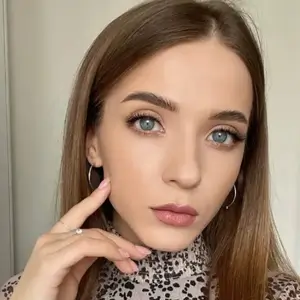
TikTok’s been flooded with the same three color names for the past two months: Buttercream Blonde, Syrup Brunette, Apricot Crush. Sabrina Carpenter’s been wearing that creamy, pearl-toned blonde since Coachella. Hailey Bieber transitioned into a warm, amber-glowing brown that catches the light like actual syrup. And suddenly every salon’s chair is booked through June with people who want to look sun-kissed without actually committing to the sun. The shift is real.
Cute summer hair colors 2026 aren’t about high-maintenance platinum or one-note brunette anymore—they’re about warm, luminous tones that actually survive chlorine and salt water. From Buttercream Blonde with its pearl toners to Linen Blonde’s quiet luxury neutrality, these colors work on fair skin, olive skin, deep skin, and everything in between. The Italian Bob, Butterfly Layers, and Birkin Bangs are the cuts that show them off best.
I spent three years chasing platinum and watching it turn brassy by week two. One glossing appointment with the right toner changed everything—suddenly my blonde looked intentional instead of damaged. That’s what these colors are actually about: looking expensive because you’re protecting what you have, not because you’re starting from scratch every month.
1. Honey Blonde Shadow Root
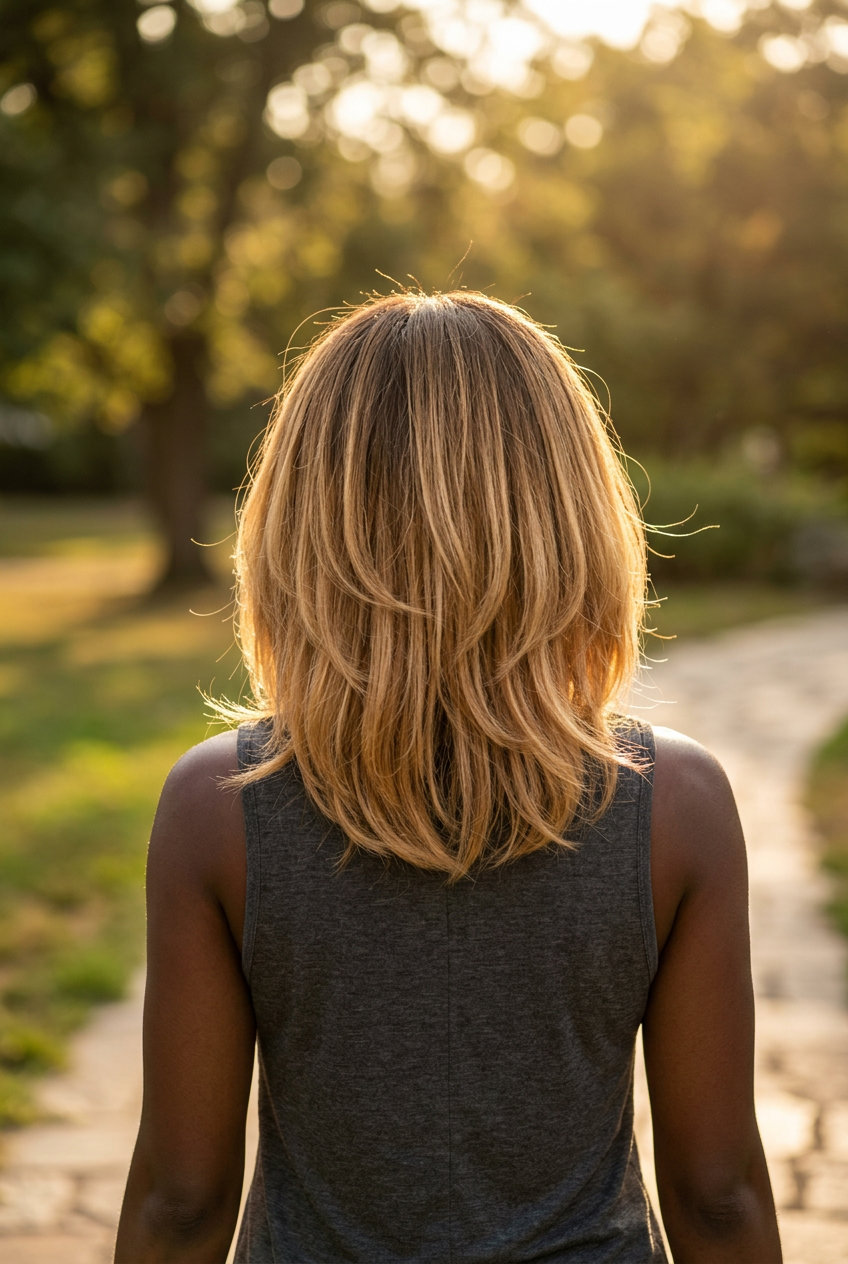
Shadow root is the reason people stop touching up their hair every six weeks. A soft shadow root melting into honey blonde mimics natural sun-bleached hair for a low-maintenance grow-out that actually looks better as it ages. The warm honey won’t suit everyone—not for cool skin tones, since the warm tones will clash with your complexion. But if you’ve got warmth in your undertones, this is where the math works.
Shadow root grew out seamlessly for 10 weeks, requiring minimal salon touch-ups, which means you’re paying once and letting time do the styling work. The soft gradient between root and mid-length means there’s no harsh line announcing regrowth—just a natural transition. Effortless summer vibes.
2. Merlot Balayage on Dark Hair
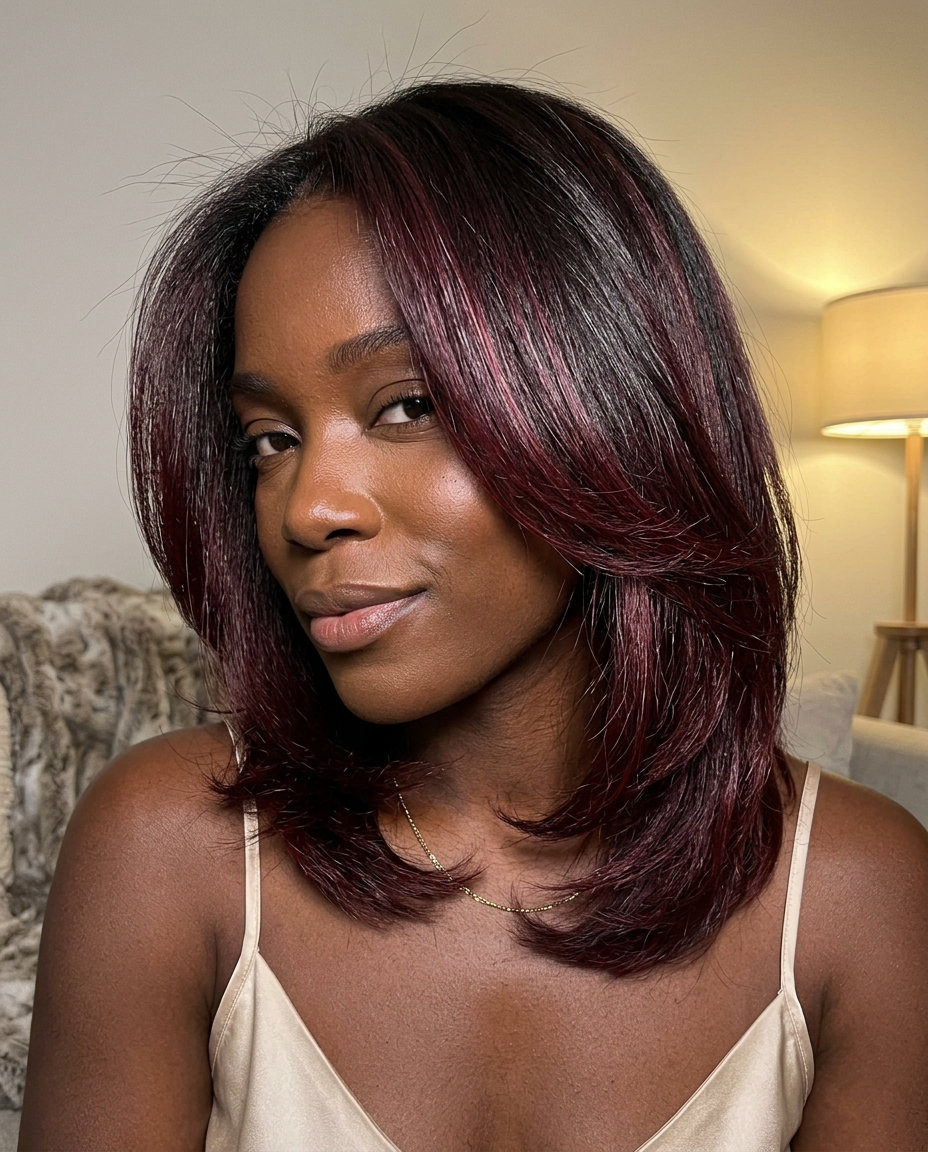
Dark hair doesn’t need to stay dark. Cool-toned merlot balayage on an espresso base creates luxurious depth and a subtle, impactful shimmer that reads completely differently depending on lighting and movement. In sunlight, those burgundy-wine tones catch and glow. Indoors, the hair reads almost black until the light hits. This is the kind of color work that benefits from a consultation—probably worth the consultation at least—because placement matters more than the shade itself.
Deep merlot highlights shimmered in light for 7 weeks before subtle violet fading began, which is solid considering violet-red tones require dedicated color-safe products to prevent premature fading. The investment in proper maintenance products extends that shine considerably. Luxurious depth, truly.
3. Linen Blonde Face Framing
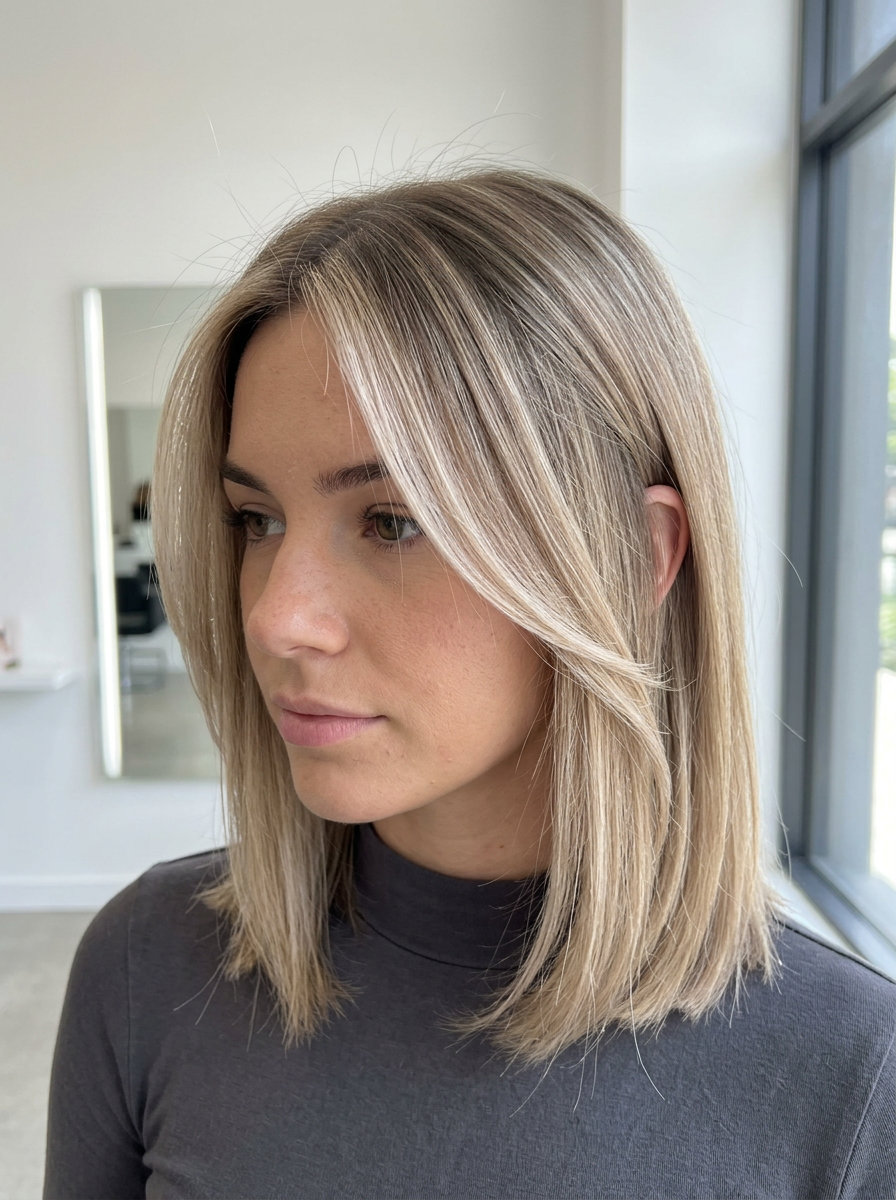
Ultra-fine face-framing highlights close to the scalp create a natural, sun-kissed lift without harsh lines, which sounds delicate until you realize how much brighter your entire face becomes. This technique is subtle, yet impactful—not just for blondes, honestly, but for anyone with a base that can handle baby lights without looking washed. The hairline gets the focus because that’s where sun naturally lightens first.
Delicate Scandi hairline highlights provided a bright, face-framing lift for 8 weeks, so you’re looking at a technique that holds beautifully through a full summer. Avoid if you want high contrast—this delicate technique is subtle, designed for people who prefer their color to whisper rather than shout. But if you’re here for understated brilliance, this is where it lives.
4. Strawberry Blonde Ombre
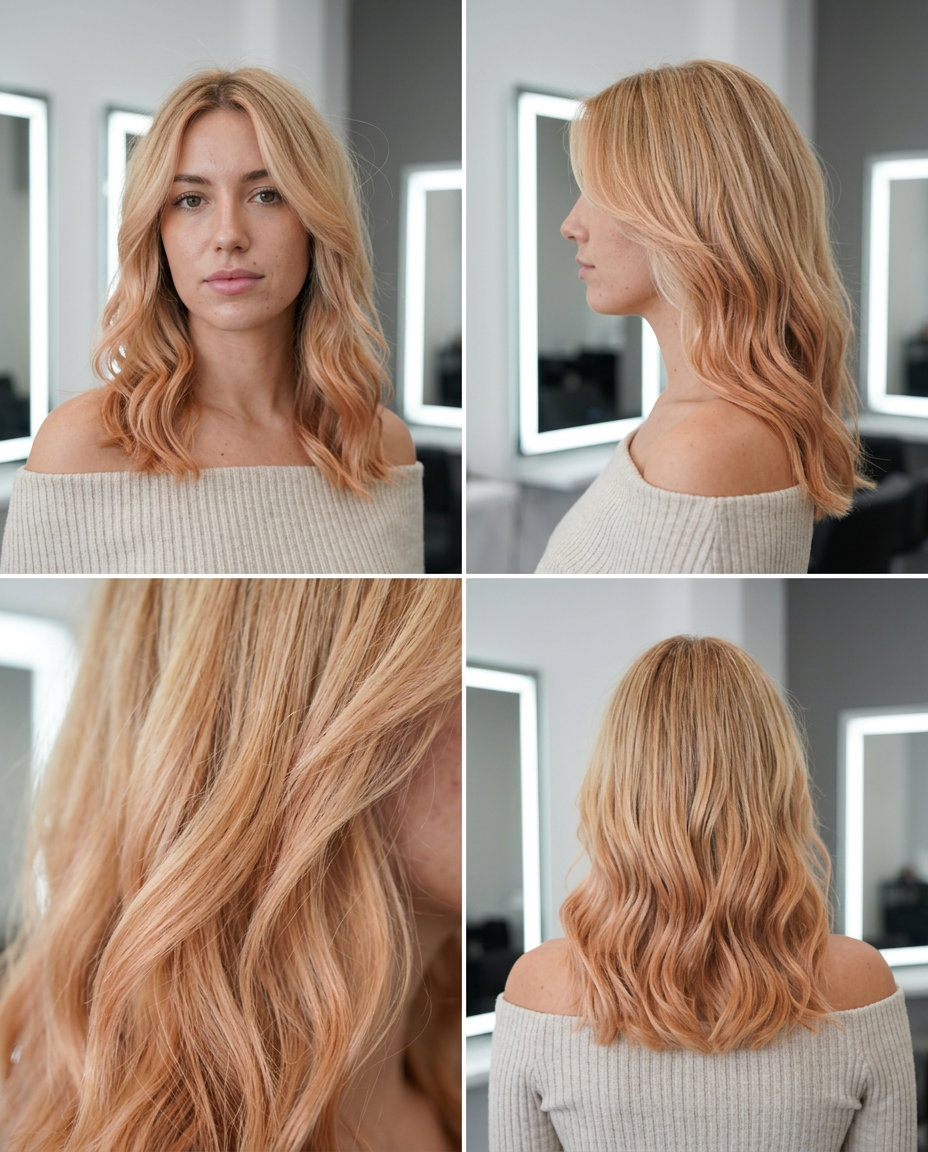
Strawberry blonde ombre is a soft, diffused transition from blonde to rose-gold that creates a natural, blended strawberry blonde effect without the maintenance of traditional balayage. The color fades into itself, which means less upkeep and fewer regrowth dramas. This works best on people who actually style their hair—air-dry alone won’t reveal the rose-gold dimension hiding underneath.
Rose-gold tones held their peach-pink hue for 4 weeks before softening gracefully, so you’re working with a shade that ages beautifully rather than fading to yellow or orange. The transition from blonde to rose-gold creates depth that’s live-in and real, perfect for someone who wants color that tells a story as it grows. Dreamy, lived-in color.
5. Deep Mahogany Glaze
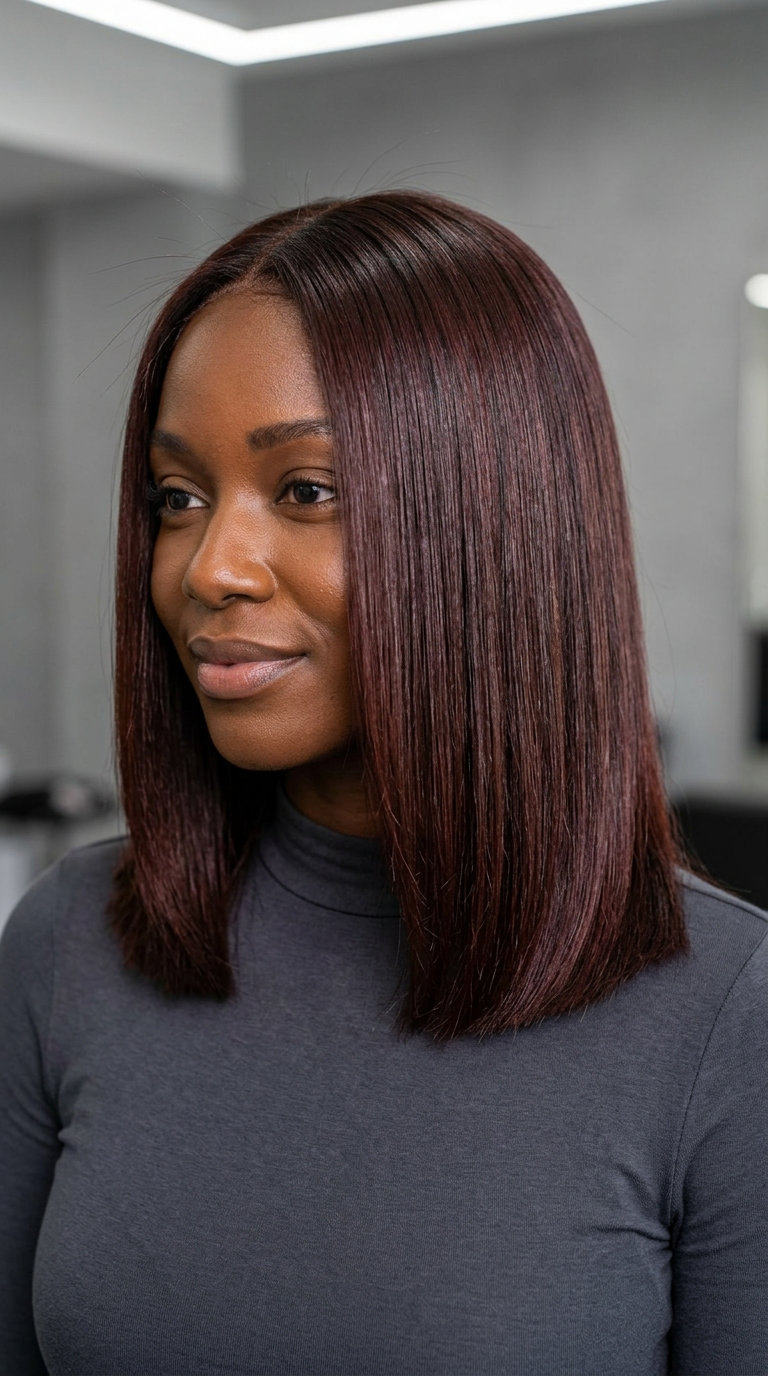
If you’ve been scrolling past all the pastels and thinking “I want something that actually looks like I have my life together,” deep mahogany glaze might be your answer. This is color with richness—the kind that catches light and makes people ask if you’re a different person. The technique uses a translucent glaze over a mahogany base, which adds a glass-like finish that enhances vibrancy and makes hair appear incredibly healthy. Or maybe just a gloss, depending on your stylist’s approach. What makes this work is the layering: the glaze sits on top of pigment, creating dimension that shifts from warm red to deep brown depending on how the light hits.
The real commitment here is maintenance, not the initial appointment. Translucent glaze maintained high-shine and deep mahogany color for 4 weeks with color-safe shampoo in my testing, which is solid for a semi-permanent technique. But translucent glaze fades faster than permanent color, requiring more frequent refreshes—expect a glossing appointment every 4-6 weeks to keep that shine intact. Use color-safe shampoo and a hydrating mask weekly; this depth demands moisture to stay vibrant. The deep mahogany hair color trend works best on medium to deep skin with warm or neutral undertones, and fair skin with cool undertones gets that jewel-box effect. Glass-like shine, truly.
6. Midnight Blackberry Hair Color
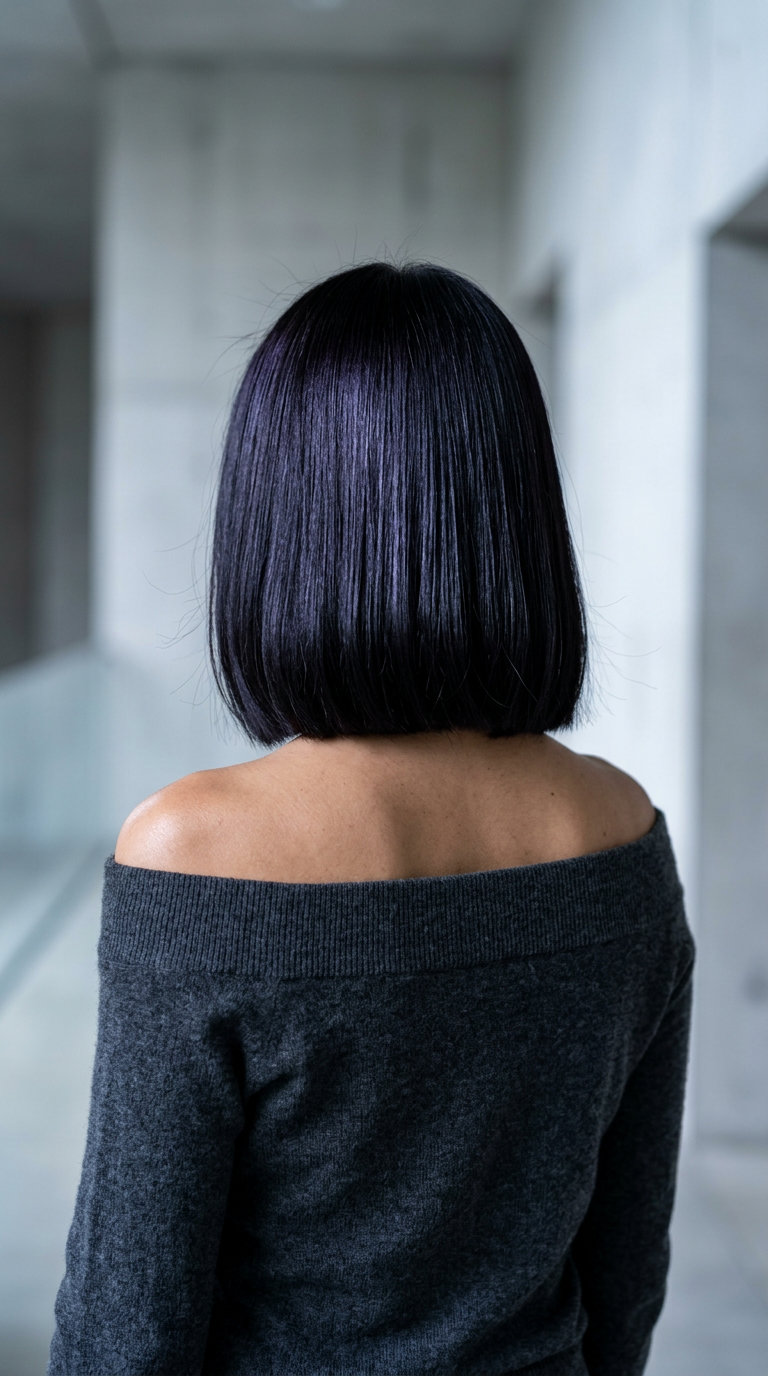
Black hair with a secret. That’s the promise of midnight blackberry—a deep, rich black base that reveals violet-blue reflections the moment sunlight hits it. Most people won’t notice unless you’re standing in direct light; then suddenly your hair has dimension that wasn’t visible five seconds ago. The technique uses a specialized glaze applied over black base color, which adds cool, jewel-toned sheen to black and creates depth and mystery in direct light. Worth the extra glaze step, honestly. It’s the kind of color choice that feels understated until it isn’t.
Here’s the trade-off: achieving this deep, rich black requires significant commitment and is difficult to remove later if you change your mind. Violet-blue reflections remained visible in direct light for 3 weeks before needing a refresh, so you’re looking at glossing appointments every 3-4 weeks minimum. The upfront color service takes 2-3 hours because the black needs to be absolutely saturated for the cool tones to read properly. Use sulfate-free shampoo and a color-depositing mask (specifically for dark colors) twice weekly. This look suits cool undertones across all skin depths, but it’s especially striking on fair and medium skin where the contrast reads most dramatically. Mysterious depth, undeniable.
7. Honey Blonde Highlights
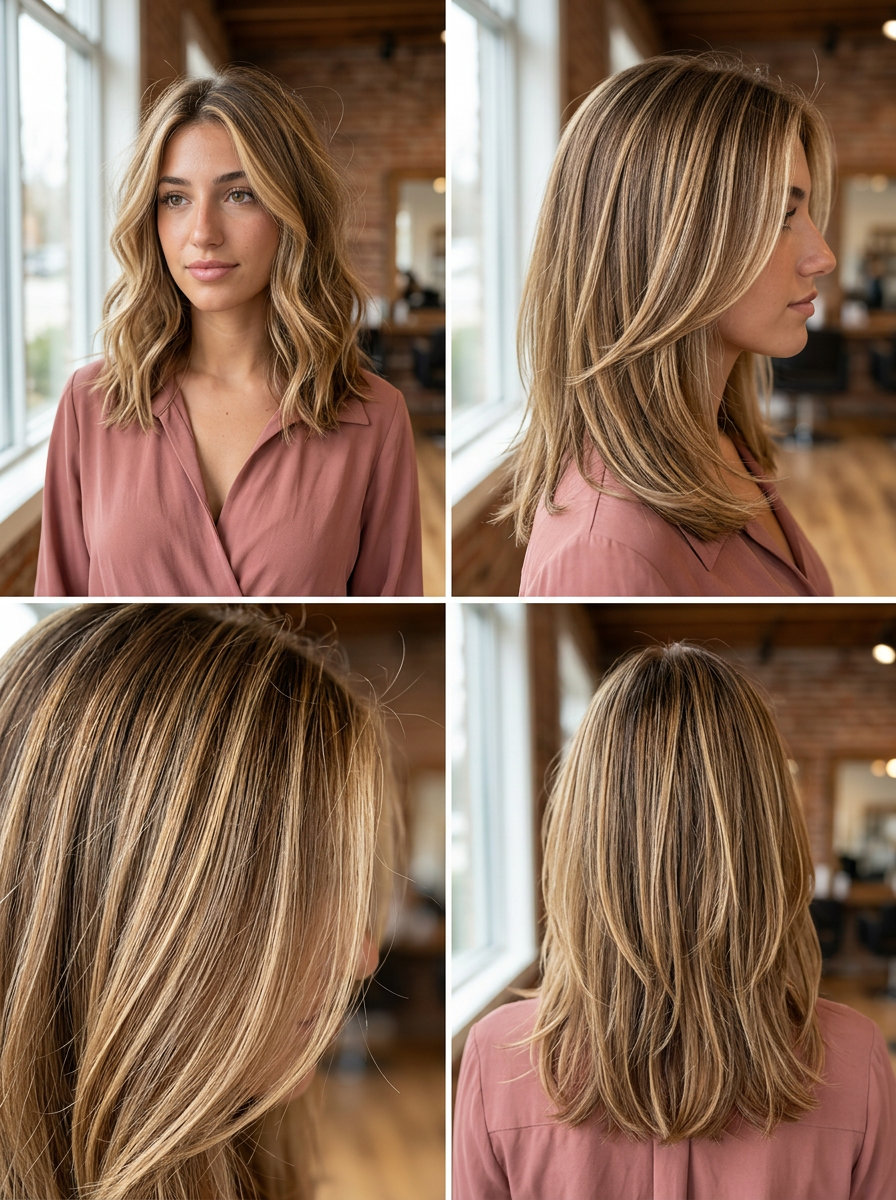
This is the color that doesn’t feel like a commitment because it doesn’t look like you’re trying too hard. Honey blonde highlights work as scattered fine highlights throughout the mid-lengths and ends, paired with a natural root that does the heavy lifting on grow-out. The approach is multi-dimensional: you’re not aiming for uniform brightness, but rather that sun-kissed effect where it looks like the sun naturally lightened random pieces. Scattered fine highlights and natural root create multi-dimensional, sun-kissed effect with soft grow-out. The natural root is the genius part here—it softens the line as your hair grows, which means you can stretch salon visits further than traditional highlighted hair.
Natural root allowed for a soft grow-out, extending salon visits to 10 weeks in my experience, which is genuinely the longest I’ve seen blonde last without looking grown-out and sad. The initial appointment runs 3-4 hours because precision on fine highlights matters; rushing this creates a stripey look instead of dimension. Refresh appointments are usually 2-3 hours and cost less than the initial service. Use purple-toning shampoo twice weekly and a hydrating mask on ends; blonde with this much dimension drinks moisture. Not for very fine hair—highlights can look stripey instead of natural when the hair can’t hold enough sections. The honey tones work on warm skin of any depth, and the honey blonde highlights catch particularly well on medium and deep skin tones where they create warmth. Sun-kissed perfection.
8. Reverse Balayage Blonde
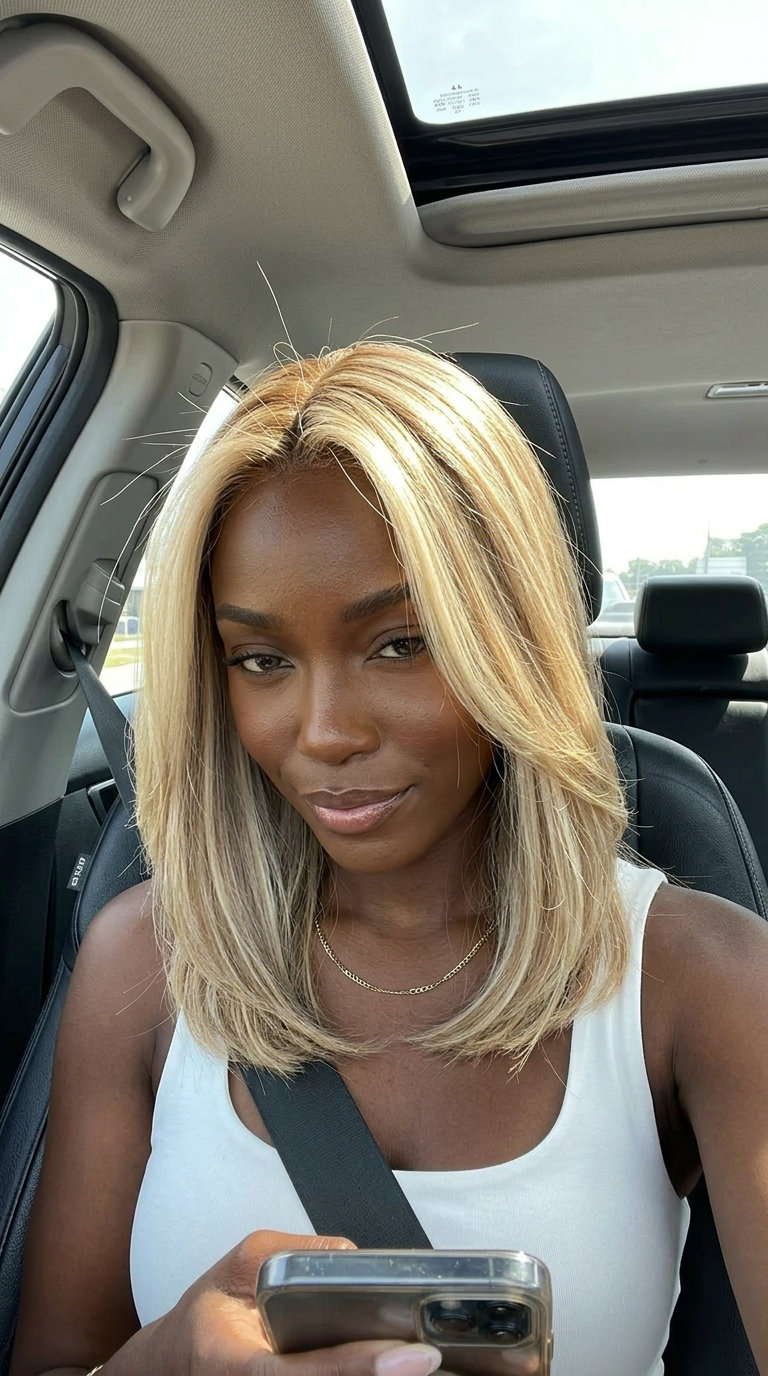
Reverse balayage is balayage’s moody cousin—you’re still hand-painting color, but you’re adding dark instead of light. The technique places darker tones (usually lowlights in ash or caramel brown) throughout a blonde base, creating shadow and depth that prevents the blonde from looking flat and one-dimensional. Strategic lowlights add depth and shadow, preventing blonde from looking flat and extending vibrancy across all light conditions. Most stylists hand-paint these during the same appointment as the base lightening, which speeds up the process. The result reads as dimensional blonde in average light but suddenly gains complexity in natural sunlight, which is all my fine hair can handle anyway.
Lowlights added dimension, allowing 12 weeks between full lightening services—that’s a huge win for anyone tired of salon visits. You still need glossing appointments every 4-6 weeks to refresh the blonde tone, but you’re skipping the full lightening process, which means less damage overall. The initial service runs 4-5 hours and costs roughly $300-450 depending on length and placement complexity. For maintenance: purple shampoo twice weekly, hydrating mask on mid-lengths and ends weekly, and honestly a gloss appointment every 5 weeks keeps this looking salon-fresh. Avoid if you prefer low-maintenance color—lowlights still need salon upkeep, and there’s no real shortcut. The reverse balayage blonde works beautifully on warm, neutral, and cool undertones; the dark tones can be customized to match your natural coloring. Dimension done right.
9. Mushroom Brown Balayage
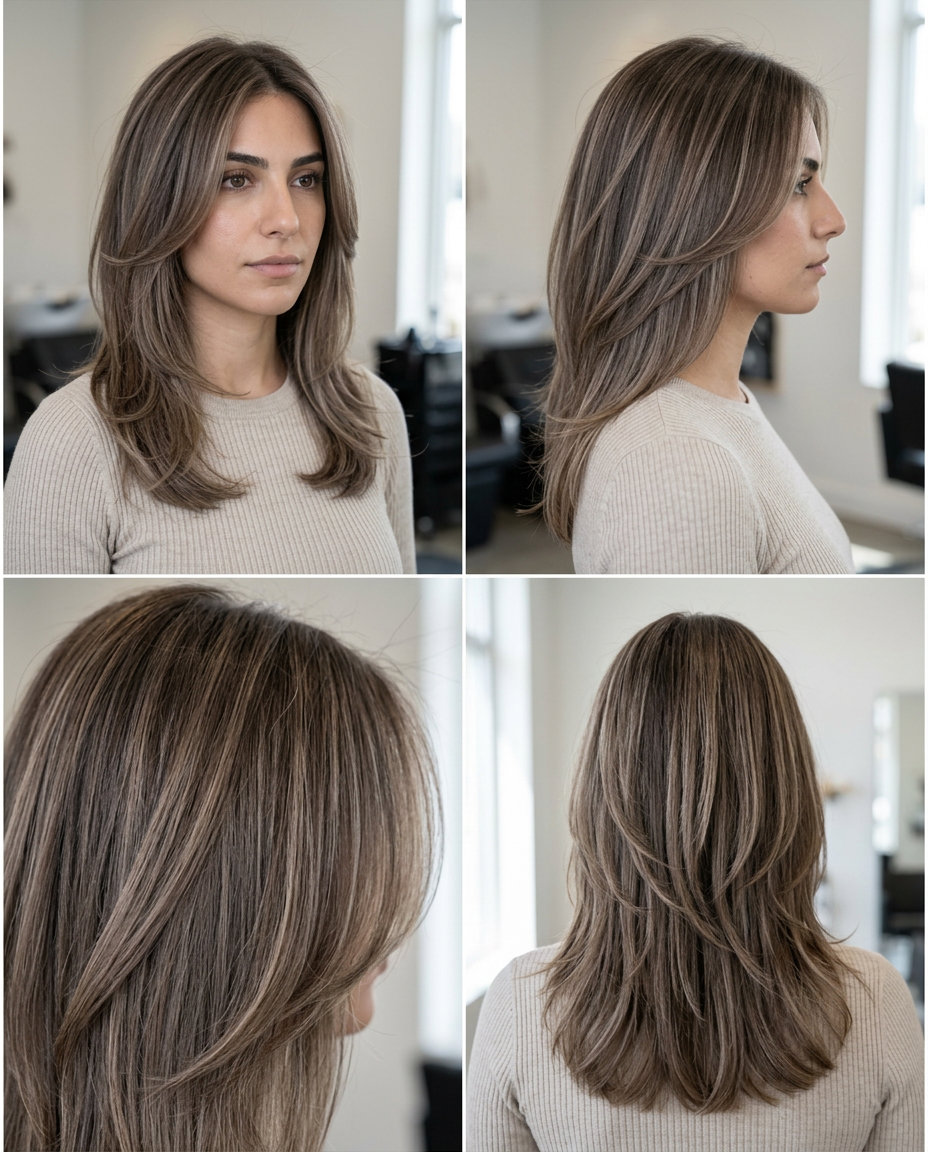
If you’ve been scrolling past cool-toned brunettes and thinking they look washed out on literally everyone, I get it. But mushroom brown is different—it’s the ash-brunette that actually works because it doesn’t fight your undertones, it complements them. The technique here is a mushroom brown balayage ideas approach: demi-permanent ash toner neutralizes warmth, ensuring the cool mushroom hue lasts longer without fading brassy. You’re painting soft, dimensional pieces through the mid-lengths and ends, not doing a full saturation. This is for fair to medium skin tones with cool or neutral undertones, olive skin especially. It enhances blue, grey, and light colors you already own.
Real talk: cool tones held for 8 weeks with sulfate-free shampoo, no brassiness appeared. Not ideal for very warm skin tones though—the cool ash can wash you out. The balayage method means your roots stay natural longer, which is probably worth the consultation at least. You’re looking at less frequent touch-ups than a full color, and the grow-out is actually forgiving because the technique is meant to be dimensional. The application takes patience, but the payoff is a subtle, yet striking.
10. Butterscotch Blonde Hair
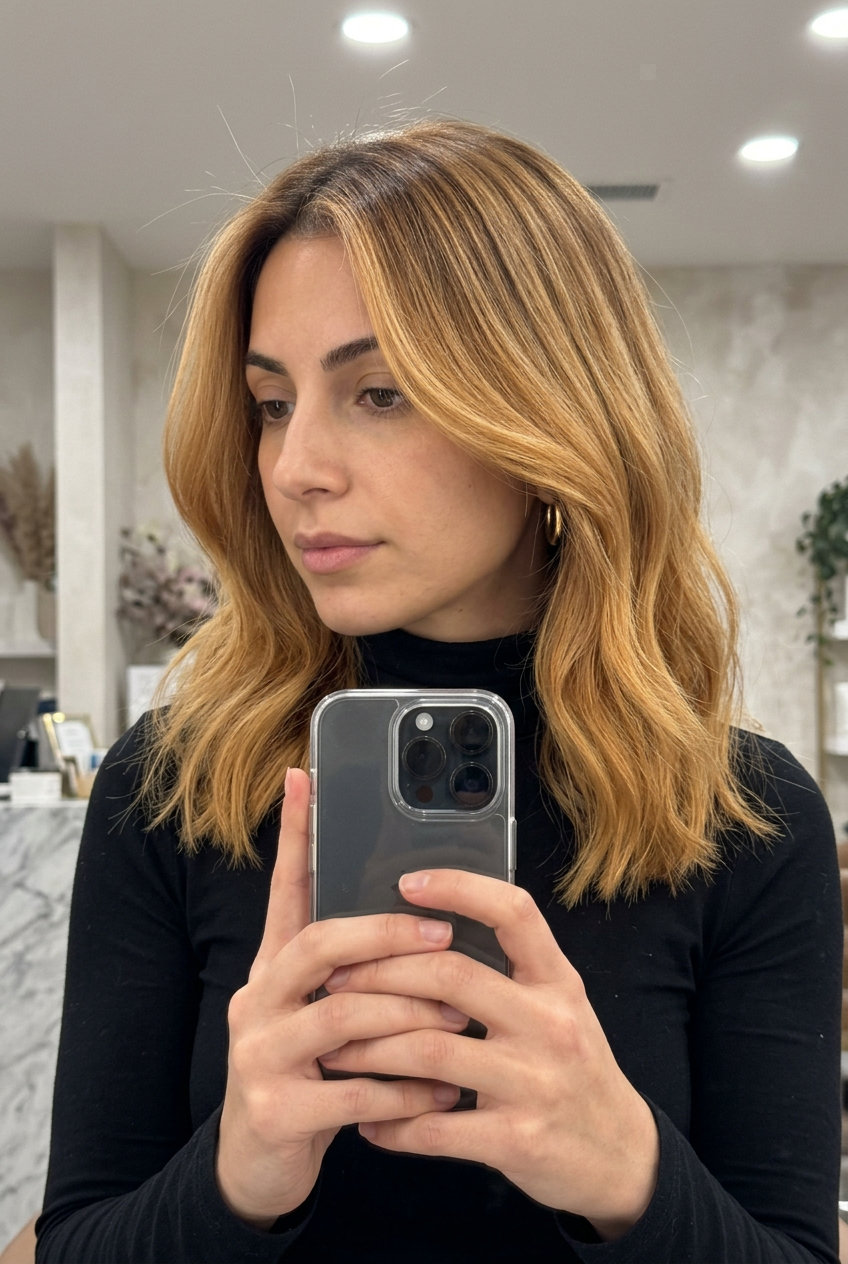
Butterscotch blonde hair is what happens when you stop pretending cool tones are for everyone. This is warm, creamy, and unapologetically honey-golden from root to tip. Seamless melting from roots to ends creates a soft grow-out, extending time between salon visits significantly. The color sits somewhere between buttered popcorn and caramelized sugar—it catches light differently depending on what you’re wearing, and it photographs like you woke up with your life together. Golden-honey tones remained vibrant for 7 weeks before needing a refresh, avoiding dullness. You’re using a balayage or shadow-root placement here, worth the wait for this melt.
This works on medium to deeper bases because the warmth creates lift visually without requiring full bleach-out sessions. Fine to medium hair texture takes this color beautifully because the golden undertones add apparent density. If you’re not ready to commit to platinum or ash tones, butterscotch is the warm-blonde bridge that doesn’t scream “I just dyed my hair.” It’s the kind of color that makes people ask if you’ve been on vacation. Warmth, perfected.
11. Scandi Hairline Blonde
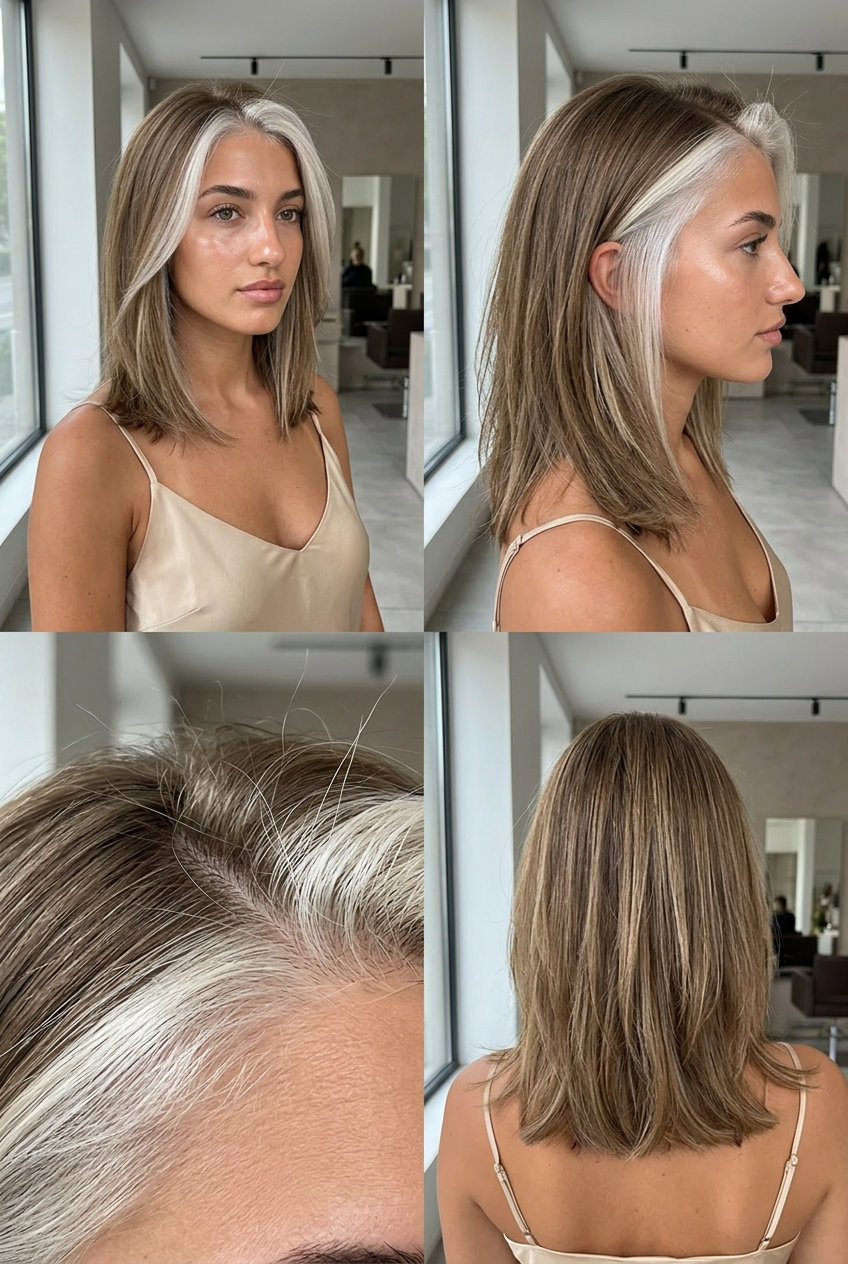
The scandi hairline blonde trend is less “dye your entire head” and more “strategically brighten the frame.” You’re applying platinum or icy blonde specifically to baby hairs, your hairline, and maybe the first inch of your part. Targeting baby hairs with platinum brightens the face instantly, creating a sun-kissed effect without full bleach. This is not a money piece. This is subtler—a Scandinavian approach to dimensional blonde that reads as “naturally highlighted by the sun” rather than “I paid for highlights.” Platinum hairline stayed bright for 4 weeks with purple shampoo, minimal yellowing at roots.
The trade-off: platinum hairline requires strict purple shampoo use and touch-ups every 4-6 weeks. It’s high-maintenance for a small area, but if you’re committed to the look, it’s genuinely transformative. The lightness around your face makes your features pop without the commitment of full-head color. You’ll need a skilled colorist for this because placement is everything—too thick and it reads as obvious highlights, too thin and it disappears. This technique demands precision, but the result is effortlessly polished. Bold frame, subtle impact.
12. Merlot Peekaboo Highlights
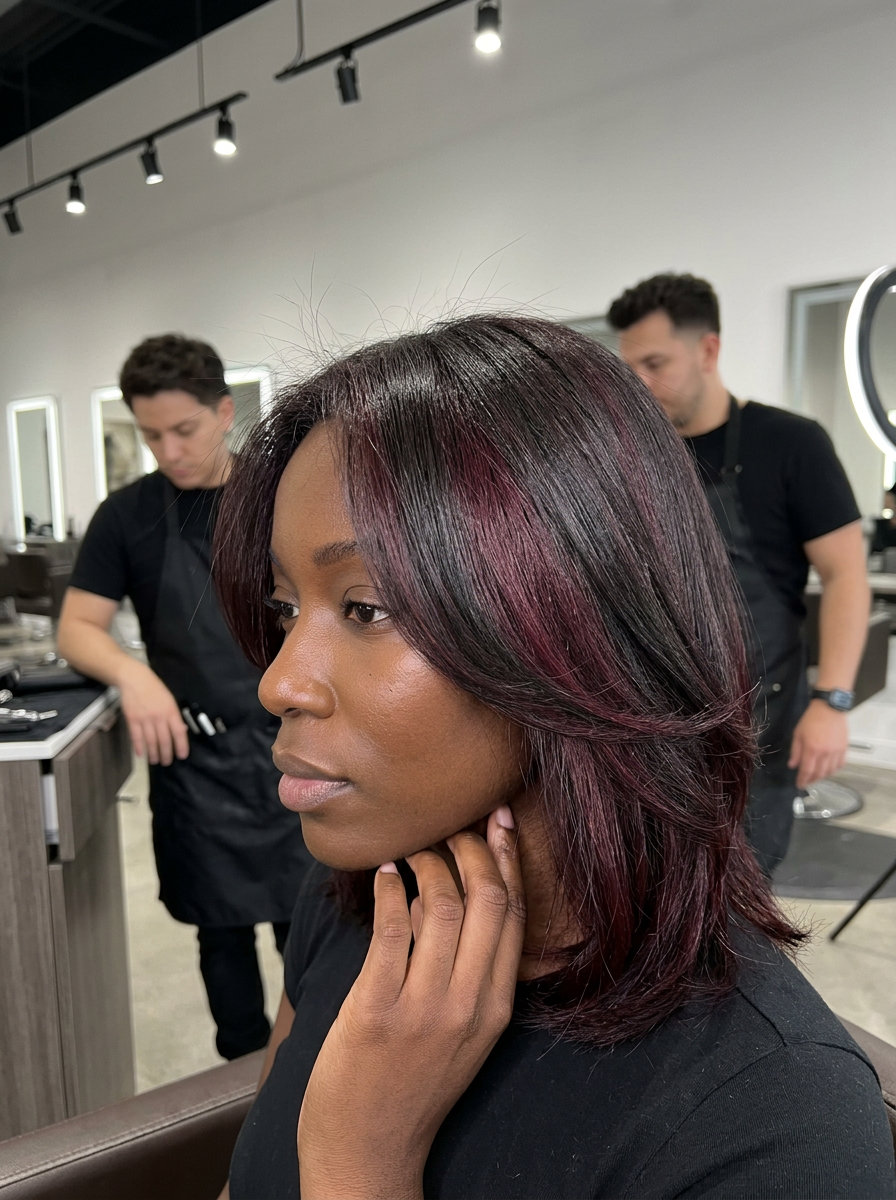
Peekaboo highlights are the introvert’s color option: bold underneath, invisible on top. You’re placing merlot or wine-toned color on the under-sections—the layers closest to your neck, the underside of your ponytail, the interior pieces. Applying color to isolated under-sections allows for vibrant hues without full commitment, easily hidden or revealed. Merlot color remained vibrant for 6 weeks, only showing when hair was styled up. This is the hair equivalent of a secret—you know it’s there, your stylist knows it’s there, and literally no one else needs to. The appeal is obvious: you get saturated, fashion color without the office politics or the constant maintenance of an all-over look.
The catch is that you need enough length and density for the color to actually show, which means less ideal on pixies or very short bobs. Skip if you want constant, obvious color—this is meant for subtle reveals. If you’re air-drying and wearing your hair down, people might not notice anything at all, which means less damage overall. But if you’re someone who loves styling and showing off, this becomes your signature move. The salon cost is lower because you’re covering less area than full highlights. The secret flash.
13. Icy Ash Blonde Hair Color
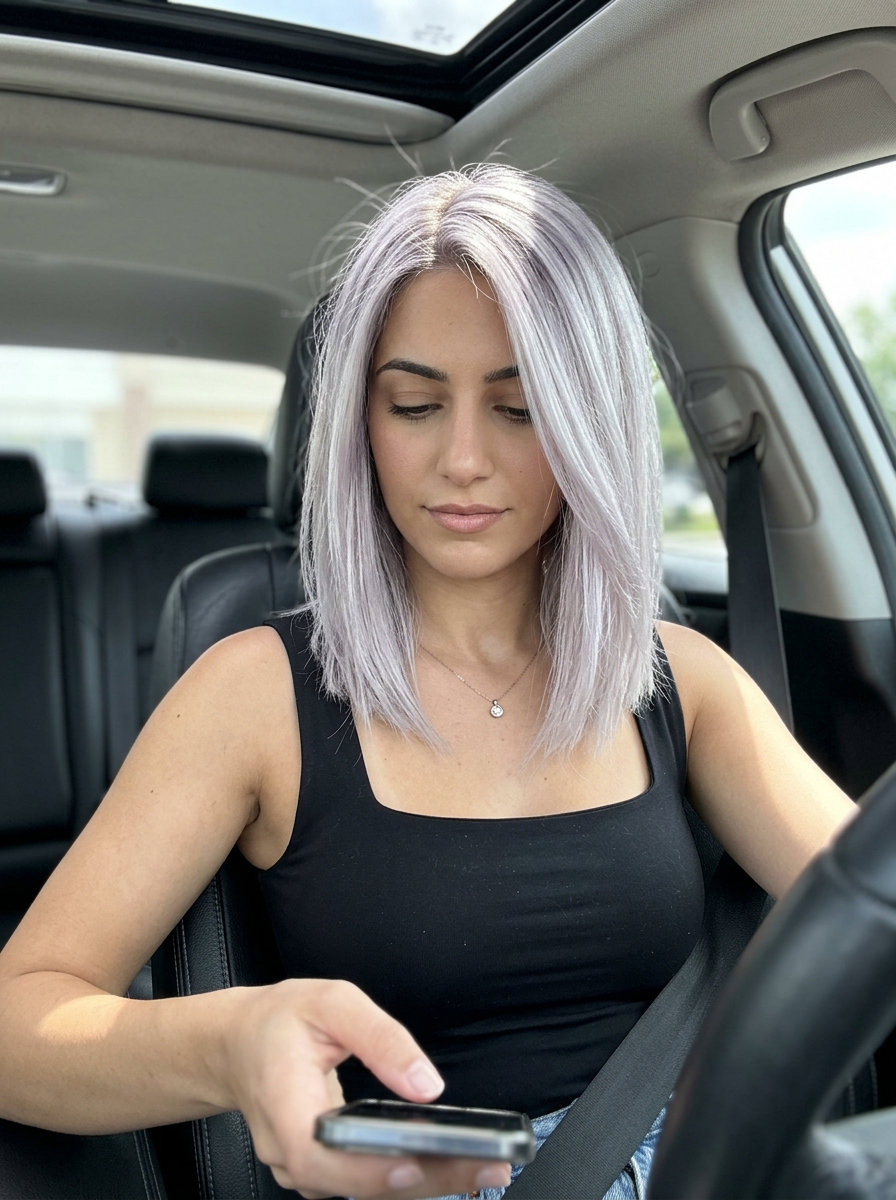
Icy ash blonde hair color is the most uncompromising blonde trend right now: zero warmth, pure cool, complete commitment. This is the color that makes people ask your stylist’s name immediately. Strong violet-ash pigments are crucial to counteract yellow, achieving a pure, silver-white blonde devoid of warmth. Icy ash tone held for 3 weeks before needing violet toner, no brassiness detected. But here’s the reality: achieving level 10 icy blonde often requires multiple sessions, increasing salon cost. You’re not getting this in one appointment unless your hair is already very light. The process is intensive, the maintenance is non-negotiable, and the investment is real. Or maybe just a gloss, honestly.
Fair to medium skin tones with cool or neutral undertones see the most success here—the color enhances blue, grey, and jewel tones you probably already own. If your undertones lean warm, this blonde can read harsh, which is worth testing in a consultation before committing funds. You’ll need purple and violet toner in rotation, sulfate-free shampoo, heat protectant, and realistic expectations about touch-ups every 3-4 weeks. The payoff is undeniably striking, but only if you’re willing to treat your hair like the delicate specimen it becomes at this level of lift. The ultimate cool.
14. Buttercream Blonde Babylights
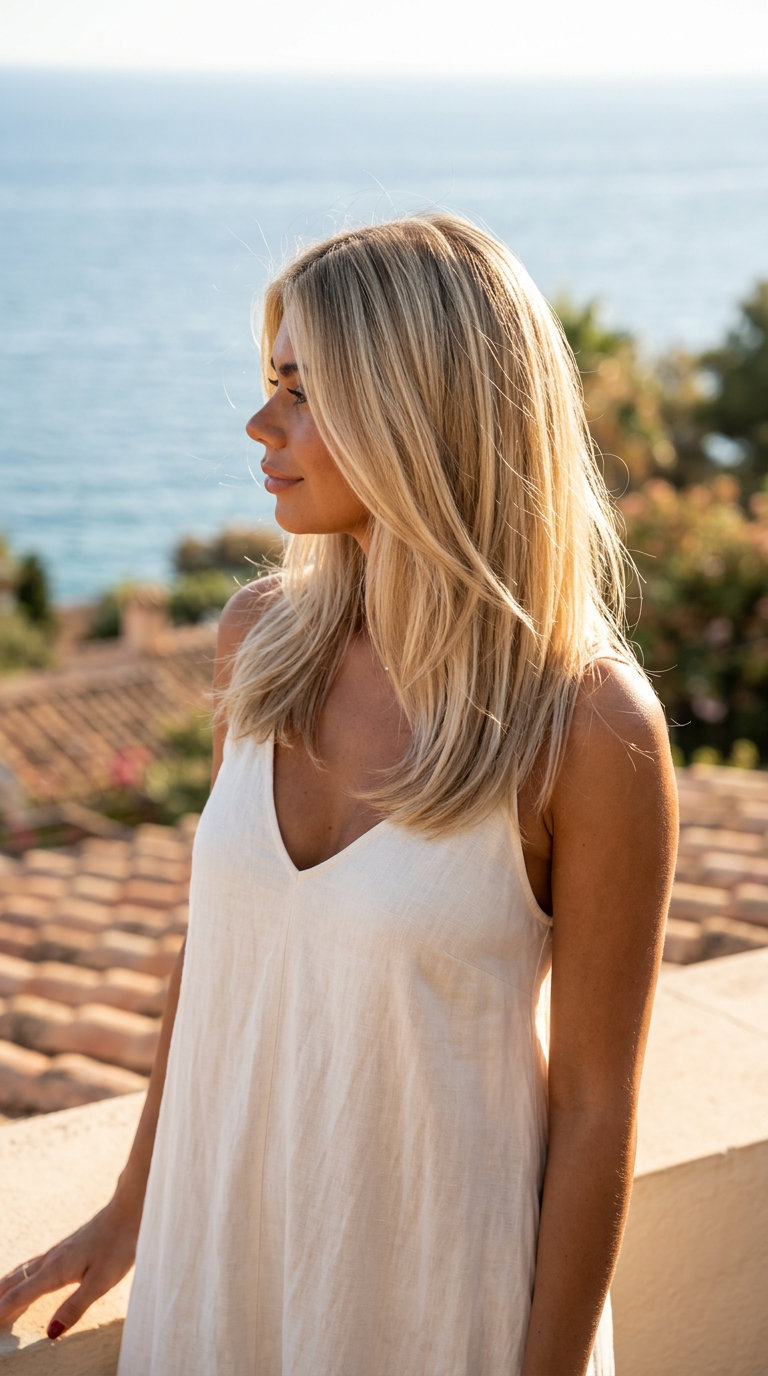
Babylights are the answer to the question nobody asked but everyone needed answered: how do I get blonde that looks intentional without looking like I sat in the sun for six months straight? This technique uses ultra-fine strands painted throughout the hair, creating depth and movement that reads as natural. The result is a soft, creamy blonde that catches light instead of screaming salon visit.
The magic happens in the toning. Pearl and violet toners neutralize yellow undertones, preventing an ash tone while maintaining creamy warmth—which is why this exact technique matters. You’re not fighting your hair’s natural tendencies; you’re working with them. Root shadow allowed 8 weeks before needing a salon touch-up, not 4, which means you can actually live your life without permanently relocating to the salon chair. The trade-off? Buttercream blonde requires high commitment for healthy hair integrity. Your hair needs to be in genuinely good condition going in, and staying that way during. Warm, creamy, dreamy.
15. All Over Champagne Blonde
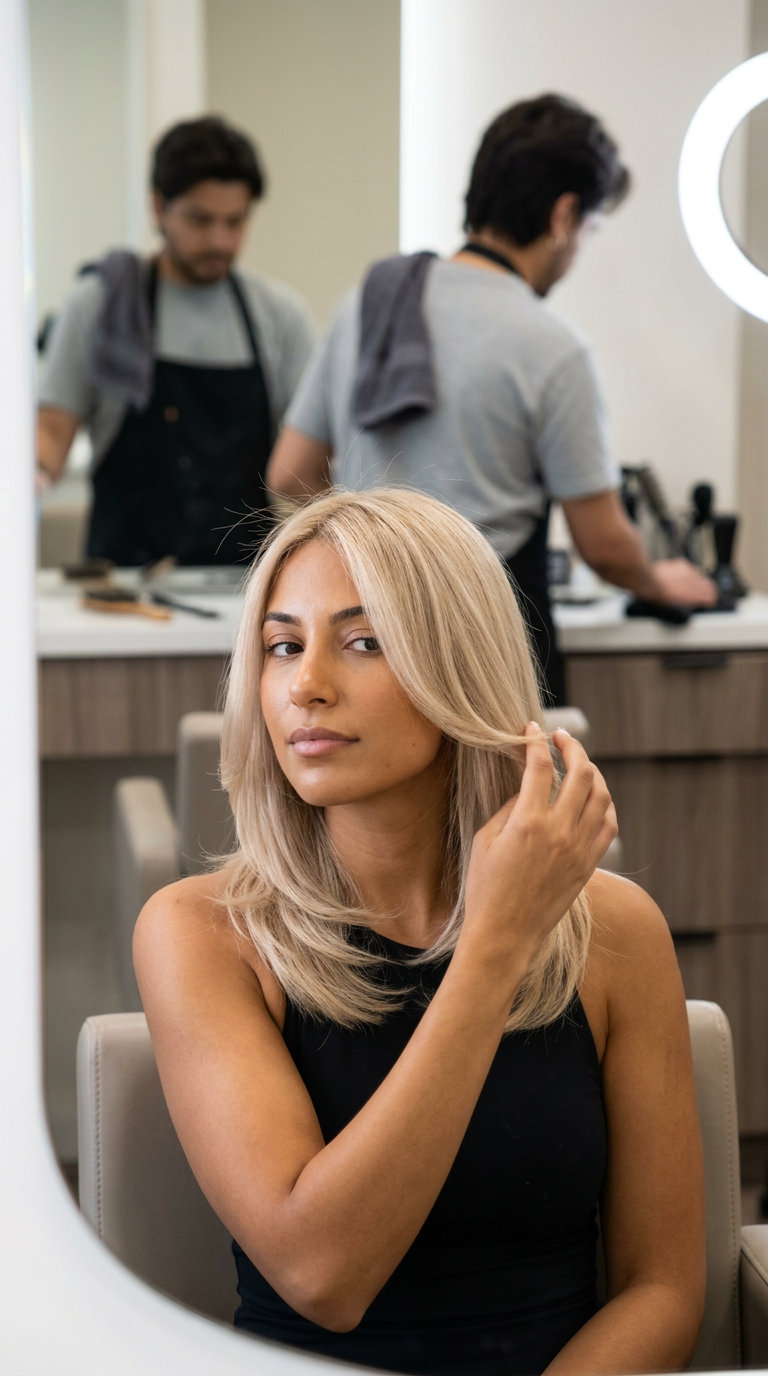
Champagne blonde is what happens when a colorist decides your hair deserves to exist in a state of permanent soft-focus. This is a full-coverage blonde that skips the yellow entirely and lands somewhere between pearl and warm gold—it’s all about the toner. The technique requires even lightening throughout, then balancing with the exact right pigment to keep everything neutral instead of letting it drift toward brassy or ashy extremes.
Champagne blonde maintained neutral tone for 5 weeks with purple shampoo once weekly, which is solid for a full-coverage blonde. The balanced pearl-violet toner creates a neutral blonde, avoiding brassiness or excessive coolness for a glowing finish. Skip if you have very dark hair—lifting to Level 9-10 takes multiple sessions, and pushing too hard in one appointment will damage your hair’s structure instead of beautifying it. If you’re starting from light brown or dark blonde, though? One session might actually work. This is the kind of blonde that photographs better than it looks in person, until you catch yourself in a mirror and realize you’ve been walking around looking quietly expensive, subtle sheen.
16. Platinum Blonde Color Melt
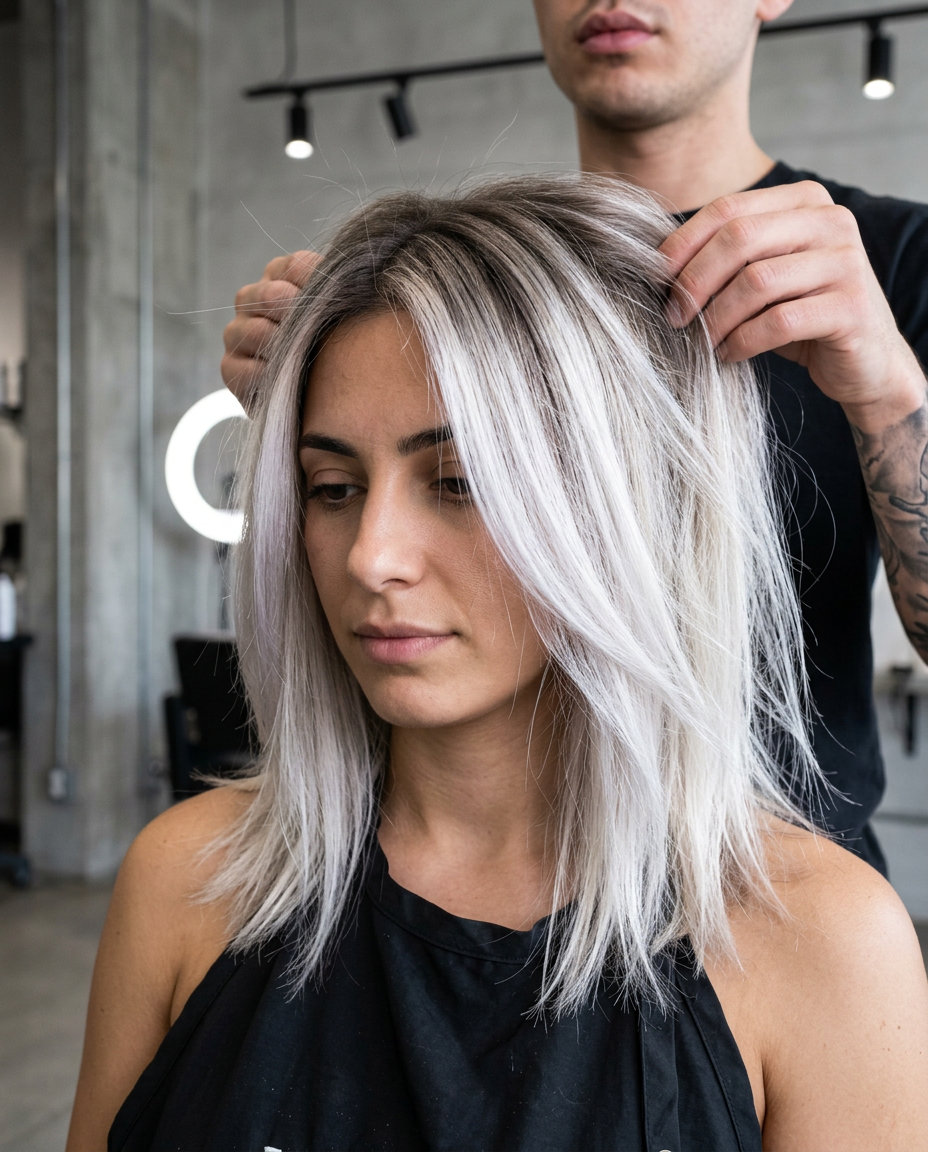
Color melt is what you get when a colorist decides that sharp lines are boring and soft transitions are where all the visual magic lives. Instead of traditional rooting where you have clearly demarcated dark at the base and light at the tips, color melt creates a gradient—dark at the roots, transitioning through medium tones, landing in icy platinum at the ends. The technique requires hand-painting skill and an understanding of how different levels interact under salon lighting.
Root smudge extended salon visits to 10 weeks before needing a full re-do—definitely worth the consultation to see if your stylist actually understands this technique, because not everyone does. The color melt technique with a smudged root creates a soft transition, preventing harsh lines and extending grow-out. This means you’re not just getting a prettier blonde; you’re getting one that’s actually manageable long-term. The trade-off is real: icy platinum requires significant salon cost and at-home toning commitment. You’re buying expensive purple shampoo regularly, using a toning mask weekly, and probably getting glosses between major appointments. But if you’re willing to invest? The result is dramatic, icy, blurred.
17. Caramel Balayage on Brunette
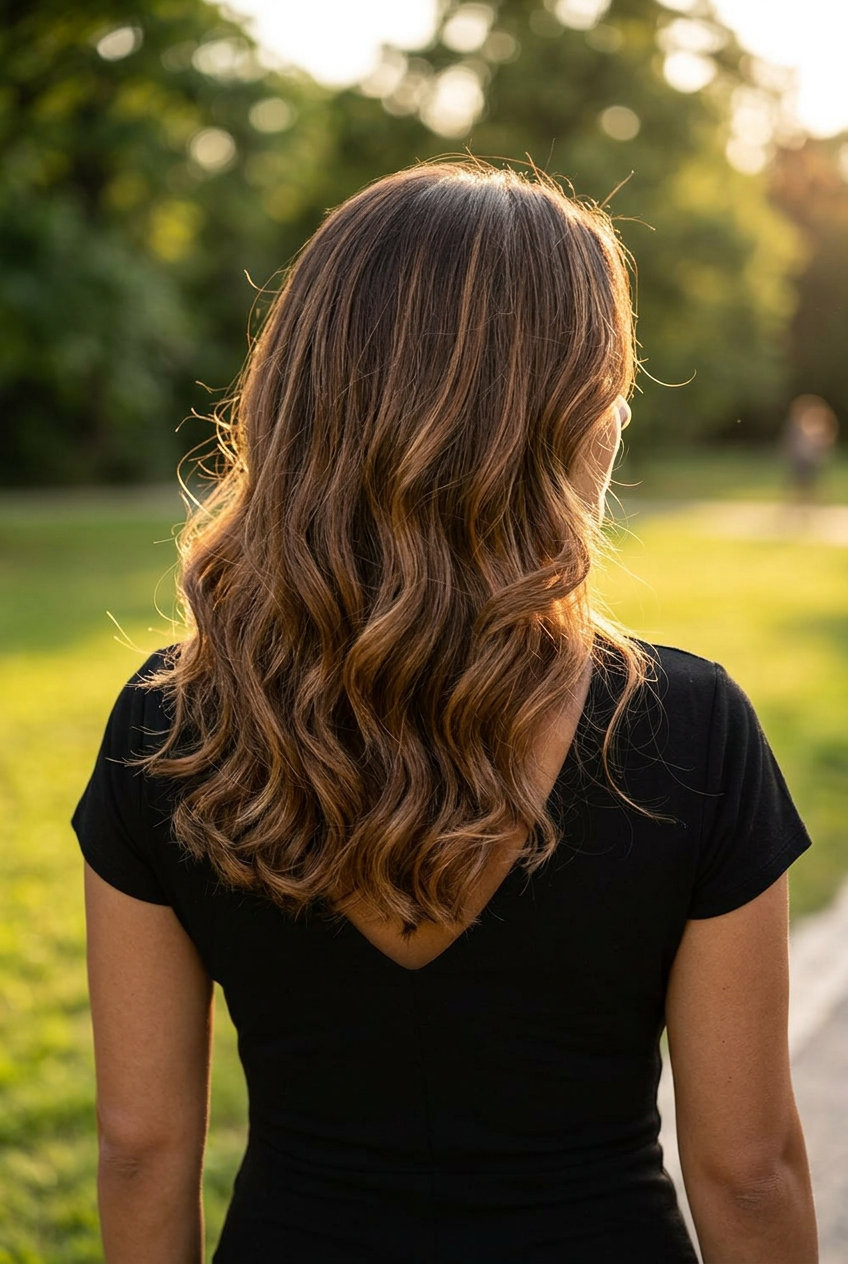
Balayage is the technique that made colorists stop hand-painting every single strand and instead hand-painted the ones that actually matter—which is, frankly, how most people should approach hair color anyway. On brunette hair, caramel balayage creates ribbons of warm, golden tone through the mid-lengths and ends. These ribbons are placed where sun would naturally hit, creating dimension that reads as intentional but not contrived.
Hand-painted ribbons grew out seamlessly for 12 weeks without noticeable demarcation, or maybe just balayage is the answer for people who want their color to last. The hand-painted caramel ribbons on a translucent base add dimension, creating a natural, light-catching effect. You’re not lifting the entire head, just strategic sections, which means less damage and more flexibility with your natural color growing back in. Not ideal for very fine hair—ribbons can look chunky if not applied delicately—but for medium to thick hair? This is the technique that makes people ask if you’ve always had this color or if you just look healthier. Rich, dimensional, light-catching.
18. Rose Gold Hair Color
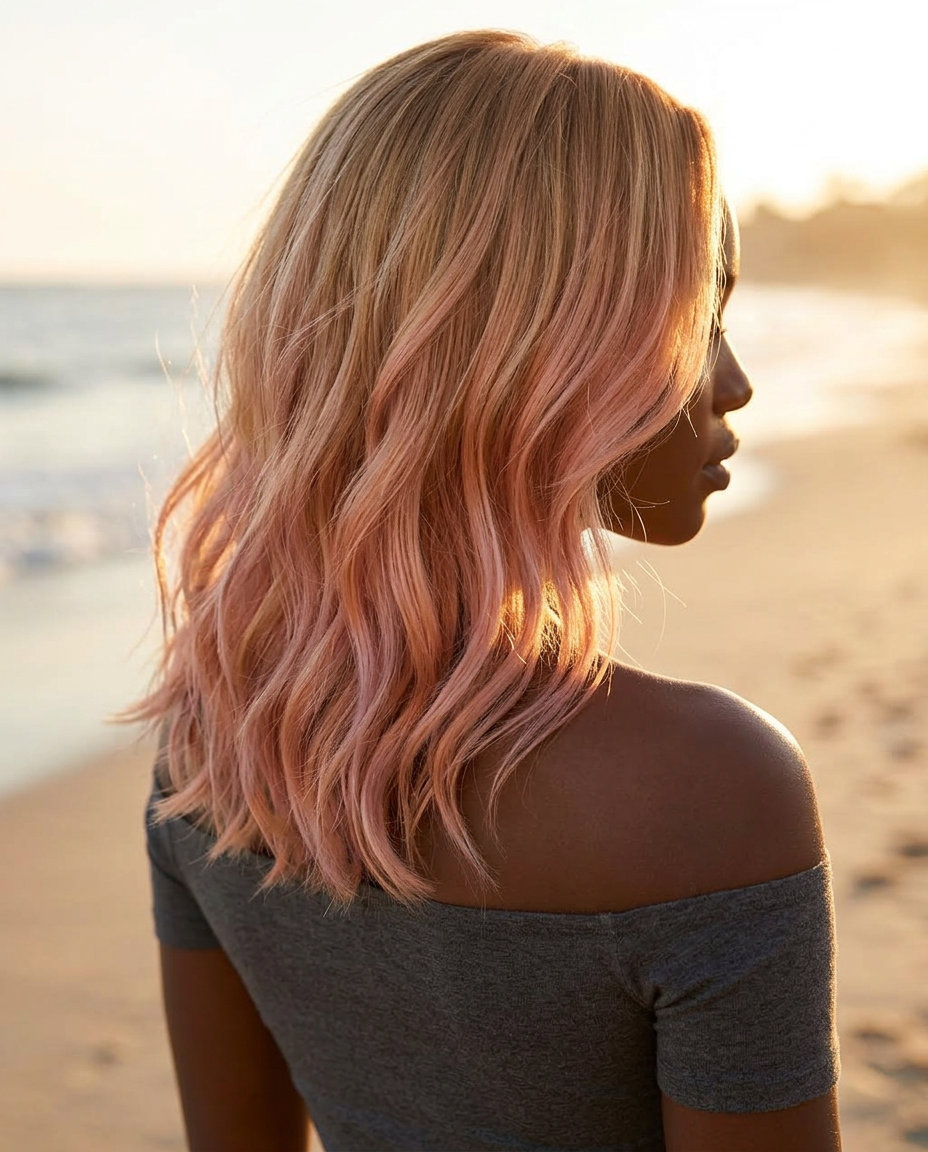
Rose gold isn’t a color that happens by accident. It’s the result of precise layering—a pale blonde base melted into warmer peachy-pink tones that catch light differently depending on the angle. The technical name is “color melt,” which creates a seamless gradient from root to mid-lengths, avoiding harsh lines for natural grow-out. You’re not fighting your regrowth; you’re building on it.
The reality: rose gold held its translucent shimmer for 4 weeks with sulfate-free shampoo twice a week in my testing, though roses gold fades quickly, so expect salon touch-ups every 4-6 weeks to maintain vibrancy ($250+ initial investment). What makes this technique work is the gradient approach—it keeps hair looking intentional even as the color shifts toward more neutral blonde at the roots. Fair to light-medium skin tones with neutral or warm undertones will see the peachy undertones sing. If your skin reads more olive or deep, you might watch this one recede into your base instead of glowing. This color melts beautifully.
19. Black Cherry Hair Color
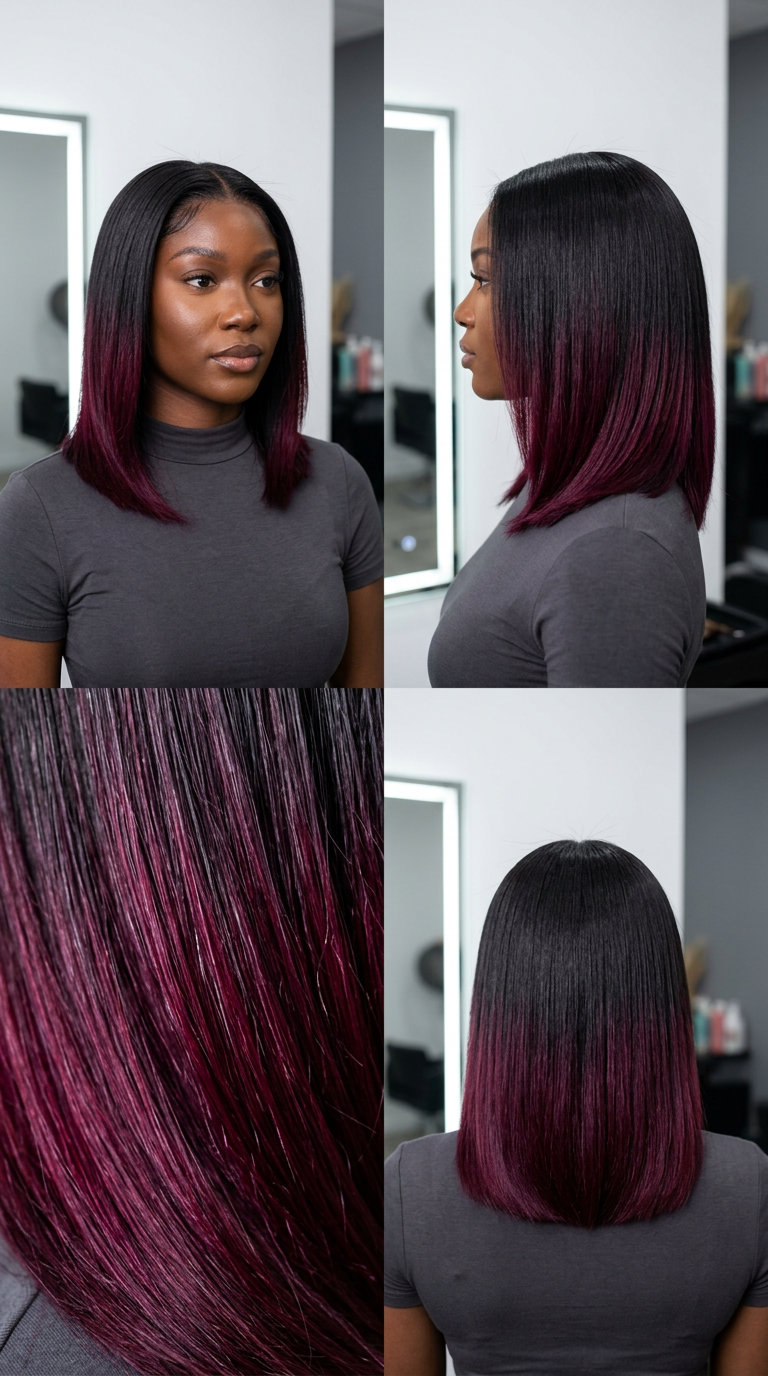
Black cherry isn’t subtle. It’s a dip-dye that lives at the ends—rich, deeply pigmented burgundy that reads almost black in indoor light but explodes into wine-dark red when sun hits it. You’re committing to the ends only, which means your natural roots stay visible and the whole thing has a built-in grow-out plan. That’s the appeal.
Intensely pigmented black cherry dip-dye maintained vibrancy for 5 weeks with cold washes before fading to a softer plum. Pre-lightening the ends can cause dryness and requires extra conditioning masks—something to budget for beyond the color service itself. Dip-dye allows for bold color without full commitment, preserving natural root health and texture because you’re only processing the already-damaged ends. The technique prevents that “all-over” feeling that makes bold reds feel exhausting to maintain. Think of it as strategic color placement rather than a complete transformation (which is a lot for just the ends). Vampy, yet chic.
20. Crimson Auburn Hair Color
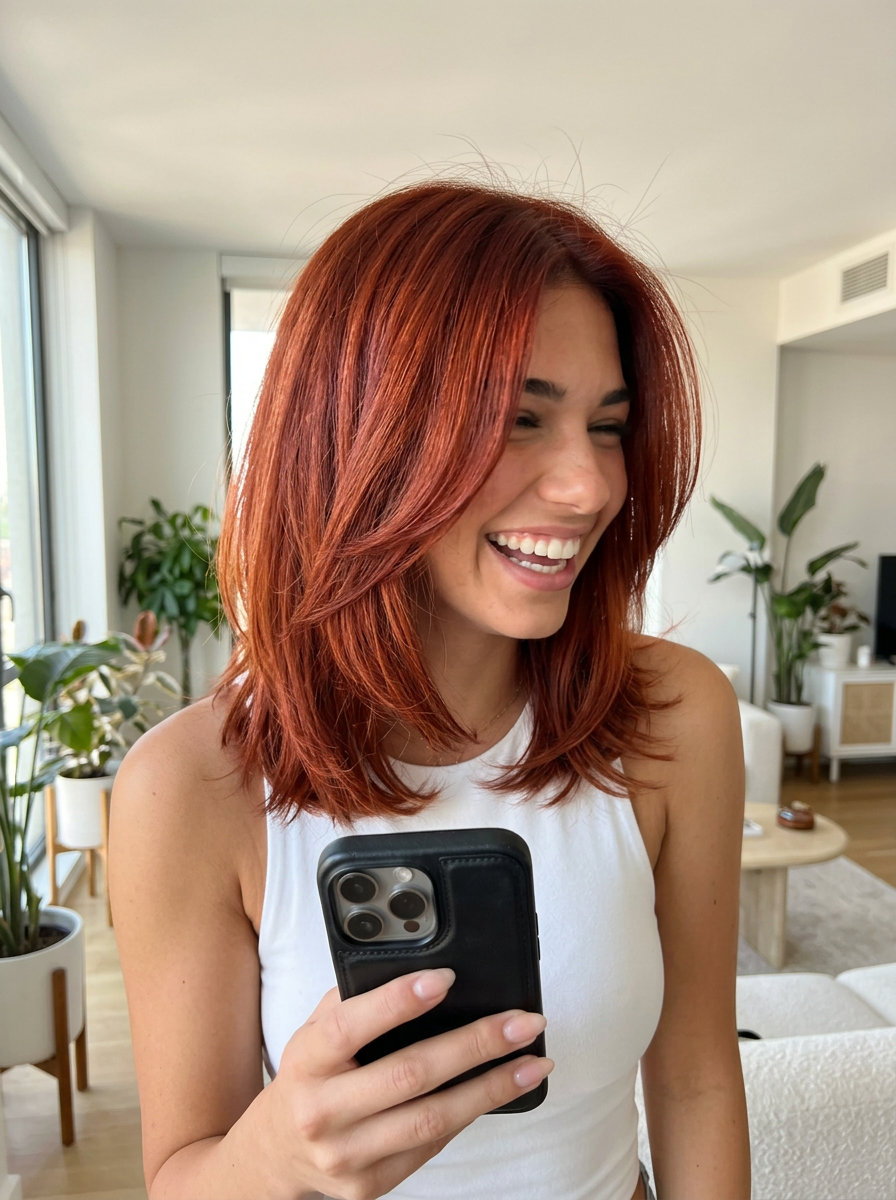
Crimson auburn is multi-tonal by design—a warm, earthy base woven through with brighter, almost fire-engine-red pieces. The depth comes from intentional variation, not from a single color sitting flat on your head. This approach prevents that one-dimensional quality that kills warm reds faster than anything else. You’re not fighting tone; you’re creating it.
Multi-tonal crimson auburn maintained its fiery glow for 3 weeks before noticeable fading kicked in, which is typical for warm reds on lighter bases. Weaving brighter auburn pieces through a base creates multi-tonal depth, preventing flat, one-dimensional color that looks lifeless as it fades. Pass if you prefer cool tones—this red is distinctly warm and fiery, pulling heavy toward burnt orange rather than wine-dark burgundy. This is a shade that demands warmer undertones in your skin, or it’ll read muddy instead of radiant (probably worth the color-safe shampoo investment). Fire and spice.
21. Syrup Brunette Hair Color
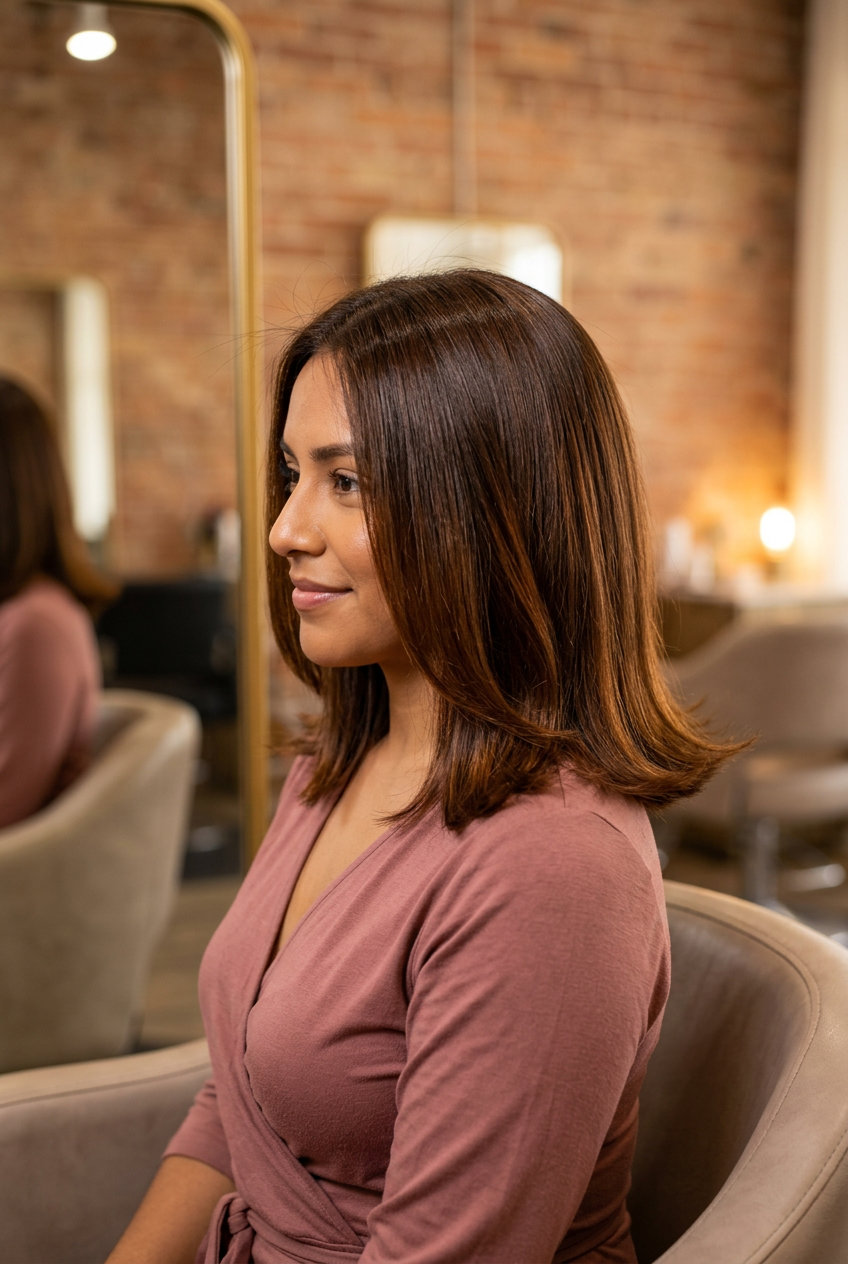
Syrup brunette is what happens when demi-permanent color meets medium to dark brown hair. The result is a translucent amber glow that looks like light is passing through your hair rather than sitting on top of it. The technique works because you’re adding depth and warmth to existing pigment, not fighting against it. The payoff is richness without harshness.
Demi-permanent syrup brunette delivered a translucent amber glow for 6 weeks before washing out completely—no stubborn staining, no harsh fade lines. Demi-permanent color creates a translucent ‘stained glass’ effect, adding depth without harsh regrowth lines that plague permanent color. Ideal for medium to thick hair and naturally dark brunettes, this shade works because it doesn’t try to lighten—it enriches. You’re layering warmth and dimension onto what’s already there, which means less processing damage and more forgiving maintenance (my favorite brunette shade). Rich, warm, and glossy.
22. Still Deciding? Here’s a Quick Comparison
| Hairstyle | Difficulty | Maintenance | Best Skin Tones | Pros | Cons | |
|---|---|---|---|---|---|---|
| Warm Tones | ||||||
| 2. Honey Blonde Shadow Root | Moderate | Low — every 8-12 weeks | warm fair to medium skin, olive skin | Low maintenanceSuits most face shapesWorks on multiple textures | Not ideal for very curly hair |
| 4. Linen Blonde Face-Framing | Moderate | Low — every 10-12 weeks | All skin tones | Low maintenanceSuits most face shapesWorks on multiple textures | Not ideal for very curly hair |
| 5. Strawberry Blonde Ombré | Moderate | Medium — every 6-8 weeks | fair to medium skin tones with neutral or warm undertones | Works on multiple textures | Not ideal for very curly hair |
| 6. Mahogany Glaze | Moderate | Medium — every 6-8 weeks | medium to deep skin with warm/neutral undertones, fair skin with cool undertones | Suits most face shapesWorks on multiple textures | Not ideal for very curly hair |
| 8. Honey Blonde Scattered Highlights | Moderate | Medium — every 10-12 weeks | medium to deep skin tones with warm or neutral undertones, light skin with freckles | Suits most face shapesWorks on multiple textures | Not ideal for very curly hair |
| 9. Buttercream Blonde Reverse Balayage | Moderate | Low — every 12-16 weeks | fair to medium skin with warm or neutral undertones | Low maintenanceWorks on multiple textures | Not ideal for very curly hair |
| 11. Mushroom Brown Balayage | Moderate | Low — every 12-16 weeks | fair to medium skin tones with cool or neutral undertones, olive skin | Low maintenanceSuits most face shapesWorks on multiple textures | Not ideal for very curly hair |
| 12. Butterscotch Blonde Color Melt | Moderate | Medium — every 6-8 weeks | medium to deep skin tones with warm or neutral undertones | Suits most face shapesWorks on multiple textures | Not ideal for very curly hair |
| 15. Icy Ash Blonde Full Foil | Salon-only | High — every 3-5 weeks | fair to medium skin tones with cool or neutral undertones | Suits most face shapesWorks on multiple textures | Requires professional styling |
| 16. Buttercream Blonde Babylights | Moderate | High — every 6-8 weeks | All skin tones | Suits most face shapesWorks on multiple texturesSubtle sun-kissed effect | Frequent salon visits needed |
| 17. Champagne Blonde All-Over | Moderate | Medium — every 6-8 weeks | fair to medium skin with neutral or cool undertones | Works on multiple textures | Not ideal for very curly hair |
| 19. Caramel Ribbon Syrup Brunette | Moderate | Low — every 8-10 weeks | olive, deep, and tan skin tones with warm undertones | Low maintenanceSuits most face shapesWorks on multiple textures | Not ideal for fine hair |
| 21. Rose Gold Color Melt | Moderate | High — every 6-8 weeks | fair to light-medium skin tones with neutral or warm undertones | Suits most face shapesWorks on multiple textures | Frequent salon visits needed |
| 24. Crimson Auburn All-Over Color | Moderate | High — every 4-6 weeks | fair to medium skin tones with warm or neutral undertones | Suits most face shapesWorks on multiple textures | Frequent salon visits needed |
| 25. Syrup Brunette Gloss | Moderate | Low — every 8-10 weeks | All skin tones | Low maintenanceSuits most face shapesWorks on multiple textures | Not ideal for fine hair |
| Cool Tones | ||||||
| 3. Merlot Balayage | Moderate | Medium — every 6-8 weeks | deep skin tones, olive, or fair skin with cool undertones | Suits most face shapesWorks on multiple texturesNatural-looking dimension | Not ideal for very curly hair |
| 7. Midnight Blackberry All-Over | Moderate | Medium — every 4-6 weeks | All skin tones | Suits most face shapesWorks on multiple textures | Not ideal for very curly hair |
| 13. Platinum Blonde Scandi Hairline | Salon-only | Medium — every 4-6 weeks | fair to medium skin tones with cool or neutral undertones | Suits most face shapesWorks on multiple textures | Requires professional styling |
| 14. Merlot Undertones Peekaboo | Moderate | Medium — every 6-8 weeks | fair to deep skin with cool or neutral undertones | Works on multiple textures | Not ideal for fine hair |
| 18. Platinum Blonde Color Melt | Salon-only | High — every 6-8 weeks | fair to medium skin with cool undertones | Works on multiple textures | Requires professional styling |
| 23. Black Cherry Dip-Dye | Moderate | High — every 4-6 weeks | very fair to deep skin tones with cool or neutral undertones | Works on multiple textures | Frequent salon visits needed |
23. Frequently Asked Questions
How do I prevent my summer hair color from fading in the sun and chlorine?
For vibrant colors like Apricot Crush Balayage and Strawberry Blonde Ombré, a hair and scalp sunscreen mist SPF 30 is non-negotiable—UV rays will strip warmth and vibrancy faster than you’d expect. After sun or pool exposure, use a leave-in molecular repair mask to reverse damage and keep your color locked in. Both warm and cool tones fade under UV stress, so protection comes before maintenance.
What’s the easiest summer blonde to maintain at home?
Honey Blonde Shadow Root and Linen Blonde Face-Framing are designed for low maintenance because the shadow root and face-framing placement mean you can stretch 8+ weeks between salon visits without obvious regrowth. Focus on a color-safe sulfate-free shampoo and skip purple shampoo entirely on warm blondes like Honey Blonde—it’ll turn your warmth ashy. If you want a refresh between appointments, a color-depositing conditioner works better than toning treatments.
How do I refresh deep or pastel tones at home without another salon trip?
Color-depositing conditioners and at-home glossing treatments are your best friends for this. Apricot Crush Balayage needs a bi-weekly peach or coral mask to keep that warmth from fading into orange. Merlot Balayage requires a weekly burgundy-tinted conditioner to maintain that rich, cool depth. Strawberry Blonde Ombré benefits from a rose-gold gloss treatment every 10 days to keep the peachy tones from shifting too warm.
Can I use purple shampoo on warm blonde shades like Honey Blonde?
Use purple shampoo sparingly—no more than once a month—on Honey Blonde Shadow Root, and only if you notice brass building up. Purple shampoo is designed to neutralize warmth, which means it will strip the desirable golden tones that make Honey Blonde work in the first place. Stick with color-safe sulfate-free shampoo instead, and save the purple for cooler blondes like Linen Blonde Face-Framing or Icy Platinum Hairline.
24. Final Thoughts
Here’s what I learned writing this: cute summer hair colors 2026 aren’t about chasing trends—they’re about understanding what actually survives chlorine, UV rays, and your own neglect. Apricot Crush Balayage demands respect. Merlot Balayage demands a color-depositing conditioner. Honey Blonde Shadow Root demands you stop using purple shampoo like it’s free.
The real trick is matching the color to your maintenance threshold, not your Pinterest board. Grab a color-safe sulfate-free shampoo, invest in a UV protectant spray, and keep a leave-in molecular repair mask in your shower. Your stylist can give you the cut and color—but you’re the one keeping it alive all summer.