You might feel stuck or just ready for a change, and that’s exactly where personal growth begins. This article covers 11 daily habits that can help you build a more fulfilling life, from boosting self-awareness to stepping out of your comfort zone. Think of it as a practical guide to becoming a better version of yourself, one small step at a time.
Key Takeaways
- Personal growth is a lifelong process, not a destination you reach once.
- Start with self-awareness: check in with your thoughts and feelings for just two minutes daily.
- Set SMART goals (Specific, Measurable, Achievable, Relevant, Time-bound) to turn vague wishes into action.
- Prioritize physical well-being with sleep, nutrition, and exercise to support mental and emotional growth.
- Seek constructive feedback from trusted people to uncover blind spots you can’t see alone.
1. What is Personal Growth and Why Does It Matter?
Personal growth is a continuous journey of self-improvement: developing new skills, enhancing well-being, and understanding yourself better. It is intentional work toward becoming a better version of yourself across mental, emotional, physical, and spiritual parts of life. It’s a lifelong process, not a destination.
Embracing it helps you navigate challenges, build resilience, and live a more fulfilling life, especially when you feel stuck. Good to know: consistent daily habits tend to show gradual results over weeks and months, so expect progress, not instant change.
2. 1. Cultivate Self-Awareness
Take time each day to check in with your thoughts and feelings, even for two minutes. This foundational step helps you understand your reactions and motivations instead of just reacting on autopilot.
My tip: Try asking yourself “Why did I react that way?” or “What am I truly feeling right now?” to dig deeper into your inner workings.
- Name the feeling in one word first, then the trigger.
- Notice patterns across a week, not a single day.
- Write the answer down so you can compare later.
3. 2. Practice Daily Mindfulness
Engage in mindfulness practices like meditation or deep breathing for even a few minutes daily. This enhances your ability to be present and regulate emotions, which makes the rest of your growth work easier to sustain.
Tip: Free guided meditation apps are widely available for beginners. Start with a 3-minute session instead of 20 to build consistency.
- Anchor mindfulness to an existing habit, such as your morning coffee.
- Skip the streak guilt; a missed day is just a missed day.
- Focus on the sensation of your breath or sounds around you for a quick reset.
4. 3. Set SMART Goals
Define Specific, Measurable, Achievable, Relevant, and Time-bound goals for different areas of your life: personal, professional, health. A vague aim like “get healthier” gives you nothing to act on; “walk 20 minutes, three days a week, for a month” does.
Breaking down big aspirations into smaller, actionable steps makes them less daunting and easier to track. This is how I’ve seen the most progress in my own life.
- Write the goal so you can measure it.
- Set a deadline you can actually keep.
- Ask whether it matters to you, not to someone else.
5. 4. Journal Your Thoughts

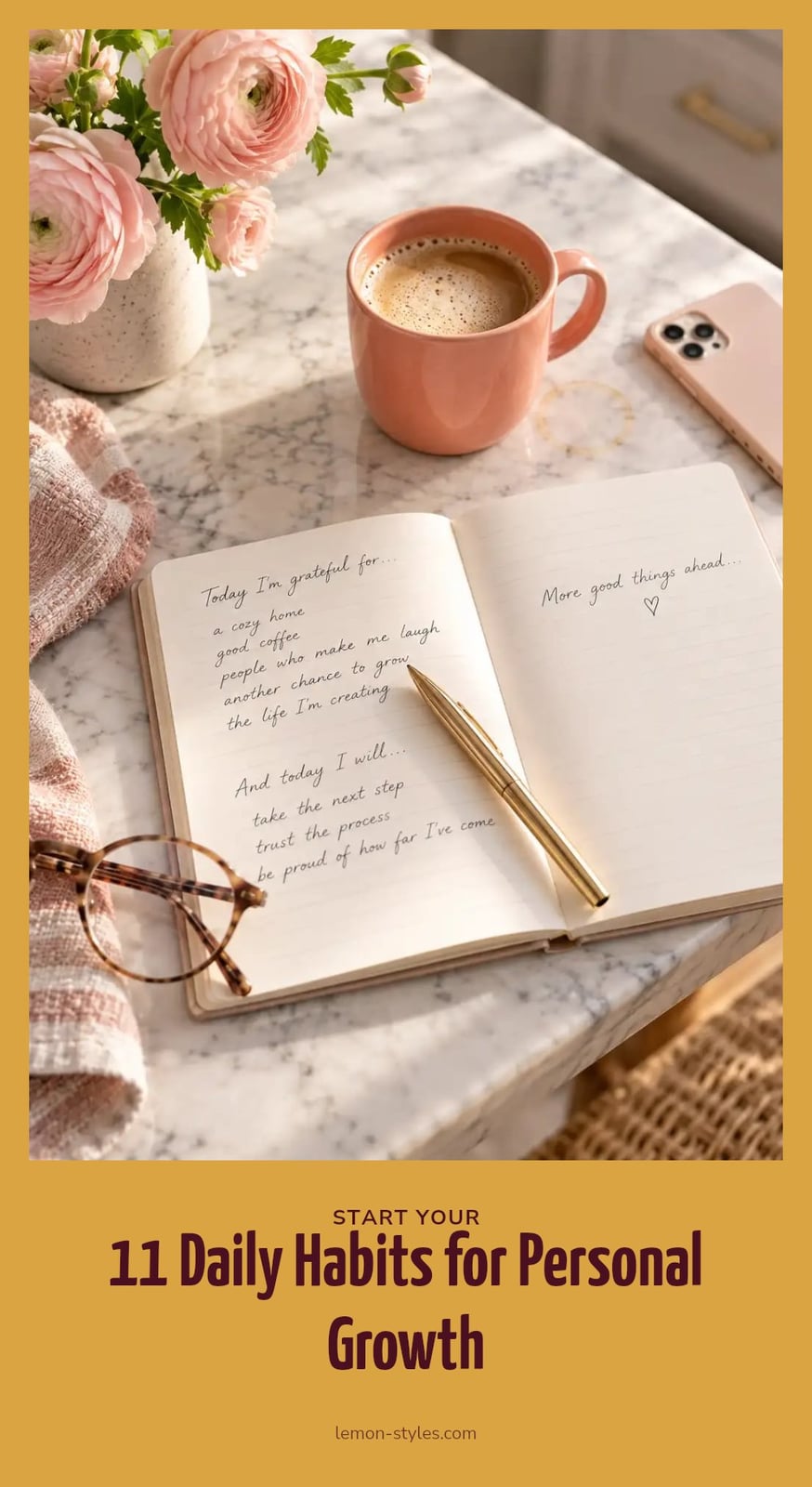
Dedicate 10 minutes each day to write in a journal. This simple habit helps you reflect on experiences, process emotions, and track your progress and insights over time. You will start noticing patterns in your reactions that you missed before.
My tip: Do not worry about perfect grammar or spelling. Let your thoughts flow freely, even if they feel messy. This is a private space for self-discovery, not a performance. A plain notebook and pen work just as well as a fancy journal.
6. 5. Learn Something New

Actively seek out new knowledge or skills, whether that means reading a book, taking an online course, or picking up a new hobby. Learning something unfamiliar stimulates cognitive growth and broadens your perspective, keeping your mind engaged and curious.
Pick one topic you have been curious about and commit 15 minutes a day to it. You might try a language app, watch a documentary, or sign up for a local workshop. The point is consistent exposure to new ideas, not perfection.
7. 6. Prioritize Physical Well-being

Prioritize adequate sleep, nutritious foods, and regular physical activity. Your physical health directly impacts your mental and emotional capacity for growth. When you are exhausted or running on processed meals, patience and focus drop fast.
My tip: Even a short walk outdoors can clear your head and boost your mood, making it easier to tackle personal development tasks. Aim for 20 minutes of movement most days, and keep a consistent sleep schedule. Small daily choices compound into real energy for change.
8. 7. Step Outside Your Comfort Zone
Intentionally try new things that push your boundaries, even if they feel uncomfortable at first. Significant development often happens right at the edge of what you already know. Start small: try a new recipe, speak up once in a meeting, or volunteer for a task at work that scares you a little.
Growth rarely happens in your comfort zone. Each small risk builds evidence that you can handle uncertainty, which makes the next step easier. Set one boundary-pushing action per week and reflect on what you learned from it.
9. 8. Practice Gratitude
Make gratitude a daily habit by acknowledging what is going well in your life. This shifts your focus toward the positive, which many people find improves overall well-being and makes setbacks feel less overwhelming.
My tip: keep a small notebook by your bed or simply list three things you are thankful for before you fall asleep. It takes about two minutes and trains your brain to notice the good stuff, not just the problems.
10. 9. Seek Constructive Feedback
Ask trusted friends, family members, or mentors for honest feedback on behaviors you want to improve. Choose people who genuinely care about your growth, not those who will just tell you what you want to hear.
Constructive criticism can sting, but it reveals blind spots you cannot see on your own. Frame your request specifically, like “What is one thing I could do better in team meetings?” This makes the feedback actionable and keeps the conversation productive.
11. 10. Build a Supportive Network
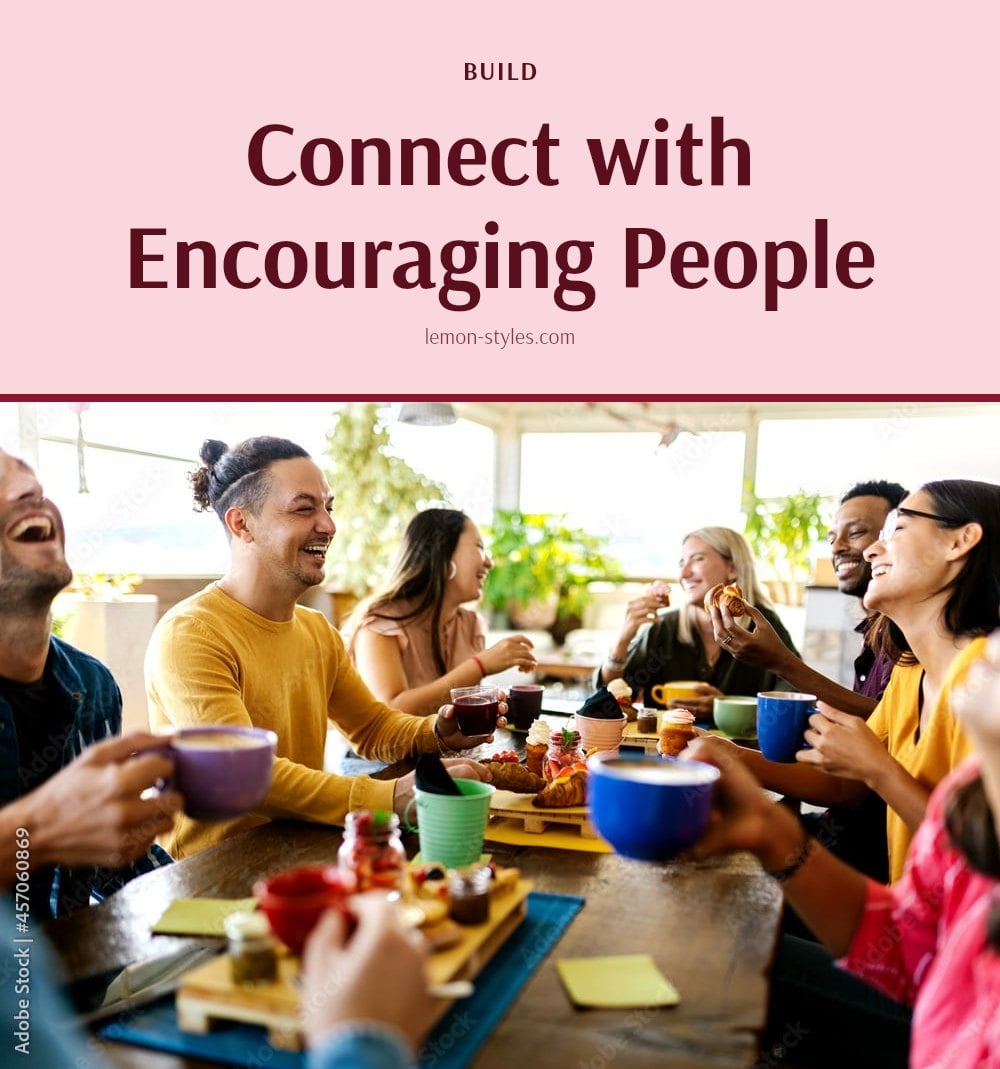
Surround yourself with people who lift you up, challenge you in healthy ways, and support your goals. A strong network provides encouragement when you feel stuck and offers perspectives you would never come up with alone.
Look for communities around shared interests: a book club, a fitness class, or a professional group. Even one or two reliable connections can make the difference between giving up and pushing through. We are not meant to do this alone.
12. 11. Practice Self-Compassion
Treat yourself with the same kindness you would offer a close friend who is struggling. Personal growth is about progress, not perfection, so expect missteps along the way.
When you make a mistake or face a setback, skip the harsh self-criticism. Acknowledge what happened, identify what you can learn, and move forward with gentleness. This approach builds resilience and keeps you motivated instead of defeated.
13. When to Seek Professional Support
If feelings of stagnation, self-doubt, or sadness are persistent and overwhelming, or if they significantly impact your daily functioning, consider consulting a mental health professional. A therapist or counselor can provide personalized strategies and support to navigate deeper challenges that might be hindering your personal growth journey.
My tip: There’s absolutely no shame in seeking professional help. It’s a sign of strength and a commitment to your well-being.
14. Frequently Asked Questions
How long does personal growth take?
Personal growth is a lifelong, continuous process, not something you finish in a set time. You may notice small shifts in your mindset or habits after a few weeks of consistent practice, but deeper changes often unfold over months and years. The key is to focus on daily habits rather than a finish line.
Can personal growth be painful?
Yes, it can be uncomfortable at times, especially when you step outside your comfort zone or confront difficult emotions. That discomfort is often a sign of growth happening. If the pain becomes overwhelming or persistent, consider talking to a mental health professional for support.
What is the difference between personal growth and self-help?
Personal growth is an ongoing, internal process of self-improvement across mental, emotional, physical, and spiritual areas. Self-help is a broader category of tools, books, and resources that can support that process. Think of personal growth as the journey and self-help as one possible map or guide.
How do I know if I’m growing personally?
Look for signs like increased self-awareness, better emotional regulation, or a willingness to try new things. You might notice patterns in your journal or hear feedback from trusted friends. Small, consistent changes in your reactions and choices are often the clearest indicators.
Is personal growth only about career or success?
Not at all. Personal growth covers mental, emotional, physical, and spiritual development, not just career achievements. It includes things like building resilience, practicing gratitude, improving relationships, and taking care of your health. It’s about becoming a more well-rounded person, not just a more successful one.
How can I stay motivated on my personal growth journey?
Focus on small, consistent habits rather than big, overwhelming goals. Celebrate small wins, like journaling for a week or stepping outside your comfort zone once. Build a supportive network of people who encourage you, and remember that setbacks are learning opportunities, not failures.
15. Final Thoughts
Start with just one habit from this list, like journaling for ten minutes or taking a short walk, and build from there. Expect gradual progress over weeks and months, not overnight transformation. Personal growth is about consistent effort, not perfection, so give yourself grace along the way.
This article is for general informational purposes only and does not constitute professional medical or mental health advice. If you experience persistent feelings of stagnation, self-doubt, or sadness that affect your daily life, please consult a qualified mental health professional.