Dry, cracked cuticles and brittle nails can be frustrating, but the solution is simpler than you might think. A homemade cuticle oil delivers deep hydration right where you need it, using natural oils you can trust. This article walks you through an easy DIY recipe, how to apply it for the best results, and common mistakes to skip so your nails look and feel healthier fast.
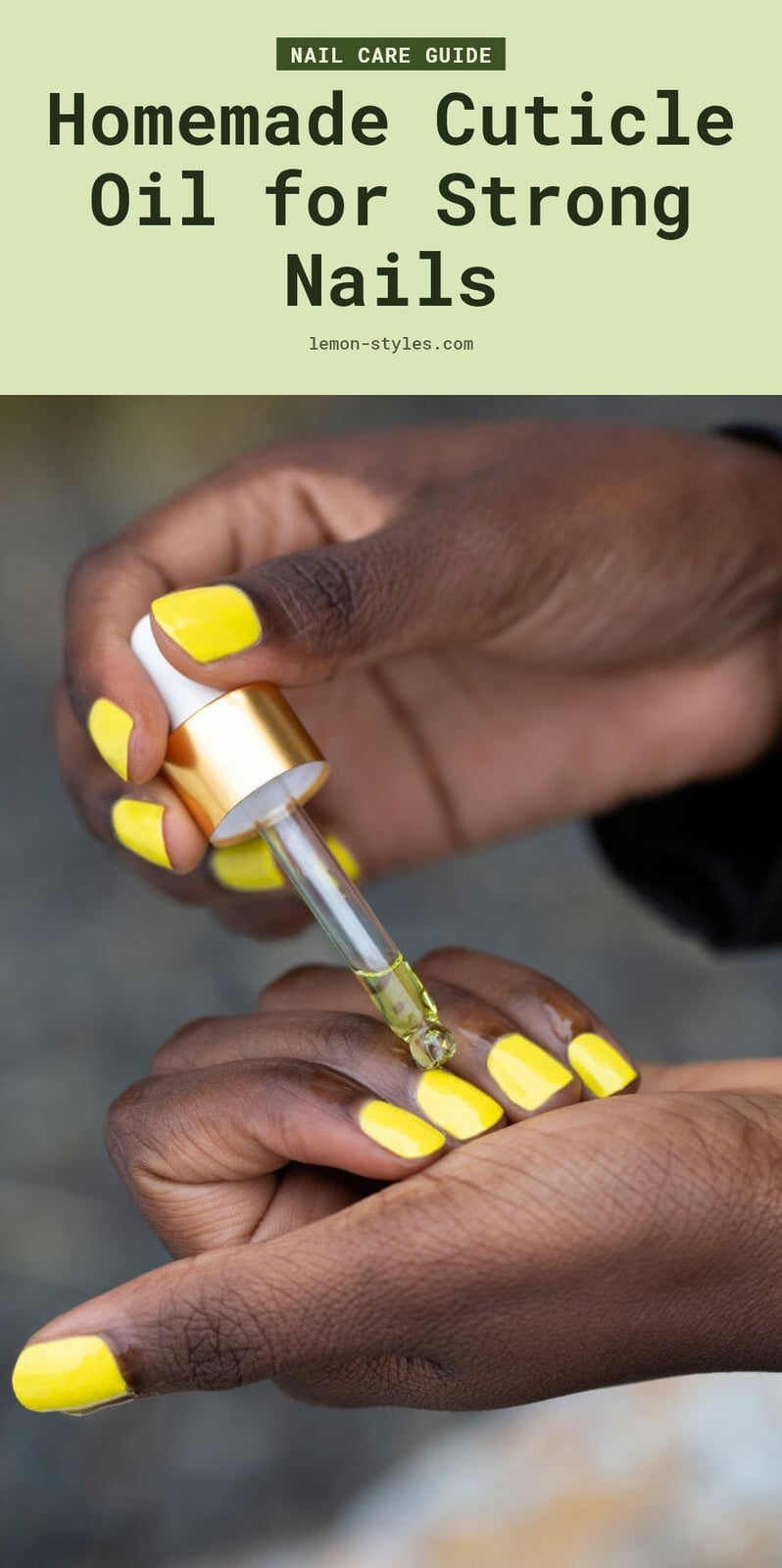
Key Takeaways
- Apply homemade cuticle oil daily, especially after washing hands or showering, to lock in moisture.
- Jojoba oil mimics your skin’s natural sebum for deep, effective hydration.
- Visible improvements in nail flexibility and cuticle health often appear within a few weeks of consistent use.
- Store your oil in a dark, cool place to preserve its potency and shelf life.
- Do not use undiluted essential oils on your skin; always mix them with a carrier oil first.
1. Why This Homemade Cuticle Oil Works Wonders
Homemade cuticle oil relies on natural, nourishing ingredients that deeply hydrate the cuticle and nail plate. Regular use prevents dryness, cracking, and hangnails, while promoting stronger, more flexible nails that resist breakage. Because you control the recipe, you can choose oils that match your skin’s needs, whether that means extra moisture, soothing properties, or a fresh scent. The result is a simple, effective treatment that outperforms many store-bought options.
2. Your Nourishing DIY Cuticle Oil Recipe
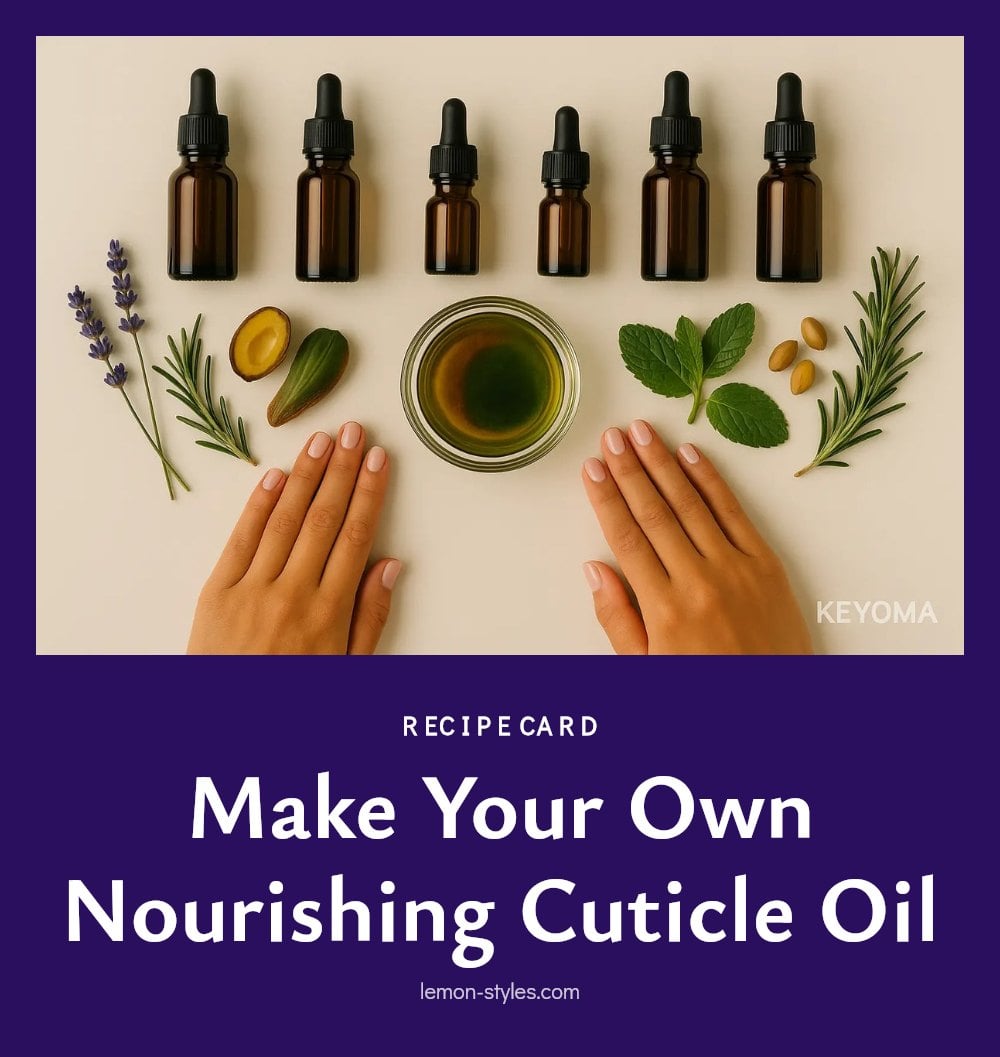
This recipe makes a small, effective batch. Use high-quality, cold-pressed oils for the best results.
- 1 tablespoon jojoba oil: Closely mimics your skin’s natural sebum for deep hydration.
- 1 tablespoon sweet almond oil: Rich in vitamins and minerals to nourish and soften.
- 1/2 teaspoon vitamin E oil: Provides antioxidant benefits and supports skin repair.
- 3-5 drops of essential oil (optional): Adds fragrance and extra benefits, always diluted.
Combine these in a small bowl, then transfer to a rollerball or dropper bottle.
3. Step-by-Step: Crafting Your Own Cuticle Oil

Making your own cuticle oil takes about five minutes. Follow these steps for a safe, effective blend.
- Sanitize your tools: Clean your mixing bowl, funnel, and bottles with rubbing alcohol and let them air dry completely to prevent contamination.
- Measure carrier oils: Combine 1 tablespoon jojoba oil and 1 tablespoon sweet almond oil in the bowl. These are your base oils that provide the main hydration.
- Add vitamin E oil: Stir in 1/2 teaspoon of vitamin E oil. It acts as a preservative and adds nourishing antioxidants.
- Incorporate essential oils: Add 3-5 drops of your chosen essential oil. Never use more than this, and always dilute in the carrier oils to avoid skin irritation.
- Transfer to a bottle: Use a small funnel to pour the mixture into a clean rollerball or dropper bottle. Seal tightly and label with the creation date.
Your cuticle oil is ready to use. Shake gently before each application.
4. Best Tips for Using and Benefiting from Cuticle Oil
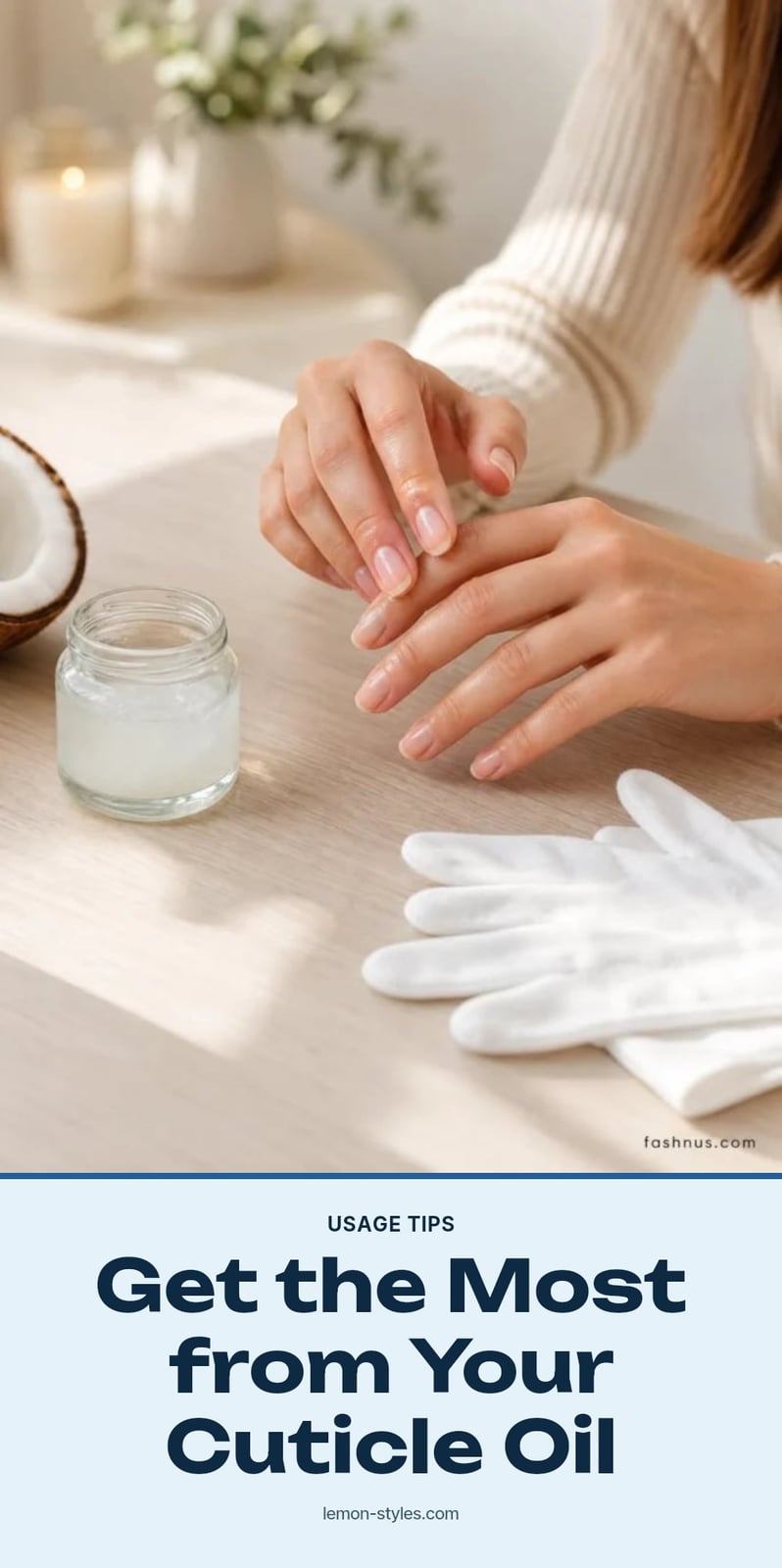
To get the most from your cuticle oil, follow these simple habits.
- Apply daily: Use it after washing your hands or showering to lock in moisture, and always after doing dishes or using harsh cleaners.
- Massage gently: Rub the oil into your cuticles and the skin around your nails for a few seconds. This stimulates blood flow, which may support nail growth.
- Use a precise applicator: A rollerball or dropper bottle lets you apply just the right amount without waste or mess.
- Don’t cut your cuticles: Cutting can lead to infection. Moisturizing keeps them soft and healthy, so pushing them back gently is enough.
- Don’t forget toenails: Your toenails benefit from the same hydration and protection, so give them a drop after your shower.
5. Customizing Your Cuticle Oil: Oil Variations and Benefits

Choosing the right carrier oil is the first step in customizing your blend. Jojoba oil is excellent because its structure closely resembles your skin’s natural sebum, so it absorbs easily and provides deep hydration. Sweet almond oil is a good all-rounder for moisture, rich in vitamins and minerals that keep the skin around your nails soft.
For a more nourishing option, try olive oil or avocado oil. Both are deeply moisturizing and work well if your cuticles are very dry or prone to peeling. You can even use a mix of two carrier oils to combine their benefits.
Essential oils add fragrance and extra properties, but always dilute them in the carrier oil. Lavender essential oil offers calming properties, making it a relaxing addition for an evening routine. Tea tree essential oil has purifying qualities, though use it sparingly because it can be strong on sensitive skin. Lemon essential oil provides a fresh scent and a brightening effect, but avoid it before sun exposure, as it can make your skin more sensitive to UV rays.
6. Common Mistakes to Avoid When Using Cuticle Oil
Even with a great DIY oil, a few habits can undermine your results. The most common mistake is not applying it frequently enough. Consistency is key: daily use, especially after washing hands, makes a visible difference within a few weeks.
Using too much oil is another error. A small drop per nail is effective; excess just leaves your hands greasy and can attract dirt. Don’t forget your toenails, they need hydration and protection too, especially if you wear closed shoes often.
Cutting your cuticles is a habit to break. Trimming them can lead to infection, so moisturize instead and gently push them back with a soft cloth. Finally, don’t expect immediate dramatic changes. Give your nails a few weeks of regular care to see improvement in flexibility and strength.
7. Storing Your Homemade Cuticle Oil for Longevity

To keep your homemade cuticle oil fresh and effective, store it in a dark, cool place away from direct sunlight. Light and heat can degrade the oils, reducing their potency. Dark glass bottles are ideal because they block UV rays that cause oxidation.
Before making your batch, check the expiration dates on your carrier and essential oils. Write the creation date on the bottle with a permanent marker so you know when to replace it. If you notice any change in smell, color, or consistency, discard the oil and make a new batch.
8. When to Seek Professional Advice for Nail Concerns
Cuticle oil is for maintenance, not for treating infections or serious conditions. If you suspect a nail infection, such as redness, swelling, pain, or pus around the nails, consult a doctor promptly. Cuticle oil will not cure an infection and may even worsen it if applied over broken skin.
If you experience a severe allergic reaction to any ingredient, discontinue use immediately and seek professional advice. Persistent symptoms that don’t improve with regular moisturizing also warrant a medical check to rule out underlying issues.
9. Frequently Asked Questions
How often should I apply homemade cuticle oil?
Apply it at least once daily, ideally after washing your hands or showering when your skin is still slightly damp. For very dry hands or frequent exposure to water, you can use it two to three times a day. Consistency matters more than quantity.
Can I use this cuticle oil over gel polish?
Yes, cuticle oil can be applied over gel polish or regular nail polish. It penetrates the nail plate and surrounding skin without damaging the polish, helping to keep your cuticles hydrated and your nails flexible.
What if I don’t have all the essential oils?
You can skip the essential oils entirely. The carrier oils (jojoba, sweet almond, and vitamin E) provide the main moisturizing and nourishing benefits. Essential oils add fragrance or optional properties, but the blend still works well without them.
Does cuticle oil help nails grow faster?
Cuticle oil itself doesn’t directly speed up nail growth, but massaging it into the nail area can stimulate blood flow, which may support healthier growth. Well-hydrated cuticles also reduce breakage, so nails can grow longer without splitting.
Can I use cooking olive oil for my cuticles?
Yes, you can use olive oil from your kitchen as a carrier oil. It’s moisturizing and rich in antioxidants. However, cold-pressed, extra-virgin olive oil is best, and it may feel heavier than lighter oils like jojoba or sweet almond. Perform a patch test first.
10. Final Thoughts
For the best results, make applying cuticle oil a daily habit. Use it after every hand wash or shower to seal in moisture, and don’t skip your toenails. Expect to see softer cuticles and stronger nails within a few weeks of consistent use. Stick with your homemade blend, and your nails will thank you.
This article is for informational purposes only and is not a substitute for professional medical advice. If you have a persistent nail or skin concern, redness, swelling, or signs of infection, consult a doctor or dermatologist. Always perform a patch test before using new oils on your skin.