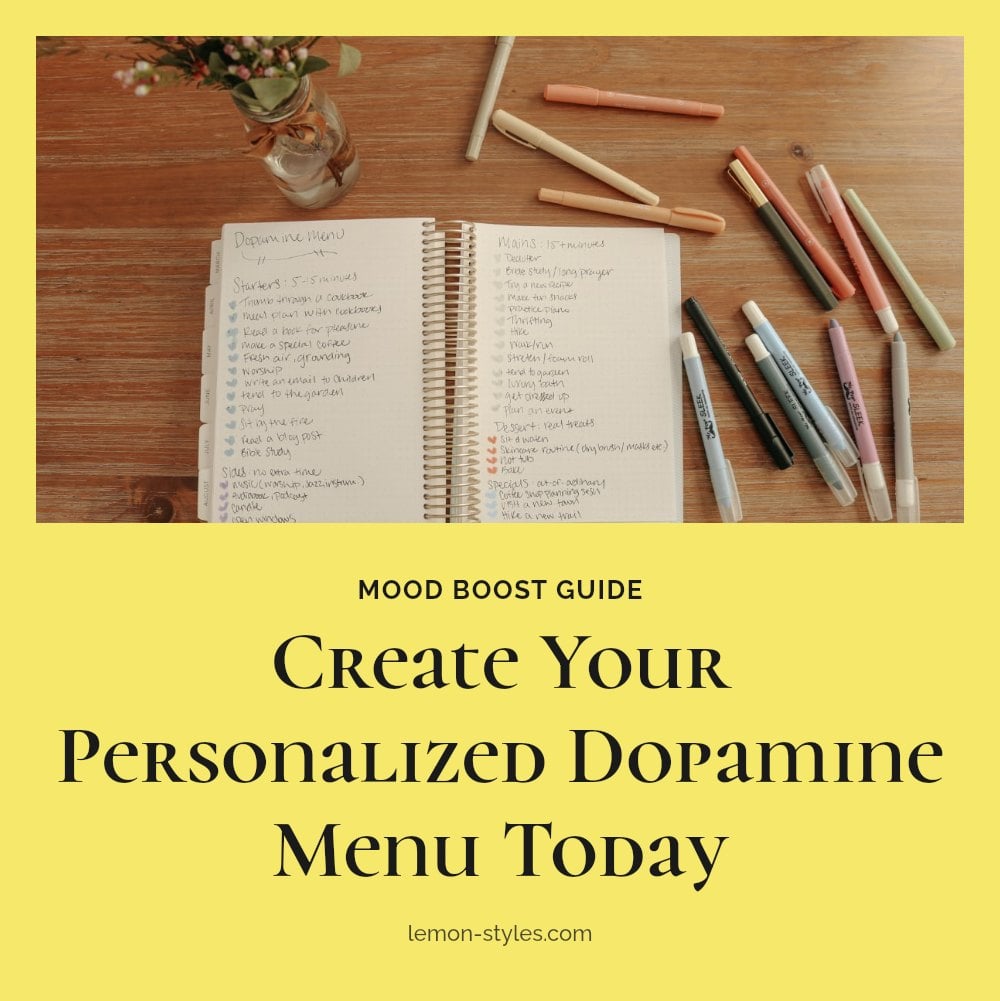
You know those days when nothing sounds good and everything feels like too much effort? A dopamine menu is a simple tool that can help. It’s a personalized list of low-barrier activities that reliably bring you joy or a sense of accomplishment, ready when you need a mood boost.
This article explains what a dopamine menu is, why it works, and how to build one that fits your life. You’ll also get practical ideas and tips to make the most of it.
Key Takeaways
- Keep your dopamine menu personal and low-barrier, with activities that require minimal effort to start.
- Include a mix of quick wins, creative outlets, physical movement, social connection, and relaxation.
- Make your menu easily accessible, like on your phone or a whiteboard, and review it periodically.
- Avoid relying on passive activities like endless scrolling, which can have diminishing returns.
- Use the menu as a flexible resource, not a rigid to-do list, and be present while engaging in activities.
1. What Exactly Is a Dopamine Menu?
A dopamine menu is a personalized list of low-barrier activities that reliably bring you joy or a sense of accomplishment. It’s a self-help strategy, not a medical tool, designed to help you intentionally engage in behaviors that naturally stimulate dopamine release. The goal is to combat lethargy, boost motivation, and improve overall well-being by encouraging consistent positive experiences. Think of it as your go-to reference for mood lifts, built around what genuinely works for you, not artificial highs or fleeting distractions.
2. Why Your Brain Loves a Dopamine Menu
Dopamine is a key neurotransmitter in your brain’s reward system, influencing motivation, pleasure, and motor control. When you do something that feels rewarding, your brain releases dopamine, which reinforces that behavior and makes you want to repeat it.
Certain types of activities naturally trigger this release:
- Accomplishment: Finishing a small task, like tidying a drawer, gives a sense of achievement.
- Novelty: Trying something new, even a different route on a walk, sparks interest.
- Social connection: A quick chat with a friend or family member boosts mood.
- Physical movement: Even a short stretch or walk stimulates dopamine.
Regularly engaging in these small, positive activities helps build momentum and improves mood regulation over time. The key is consistency, not intensity.
3. Tools to Create Your Personalized Dopamine Menu
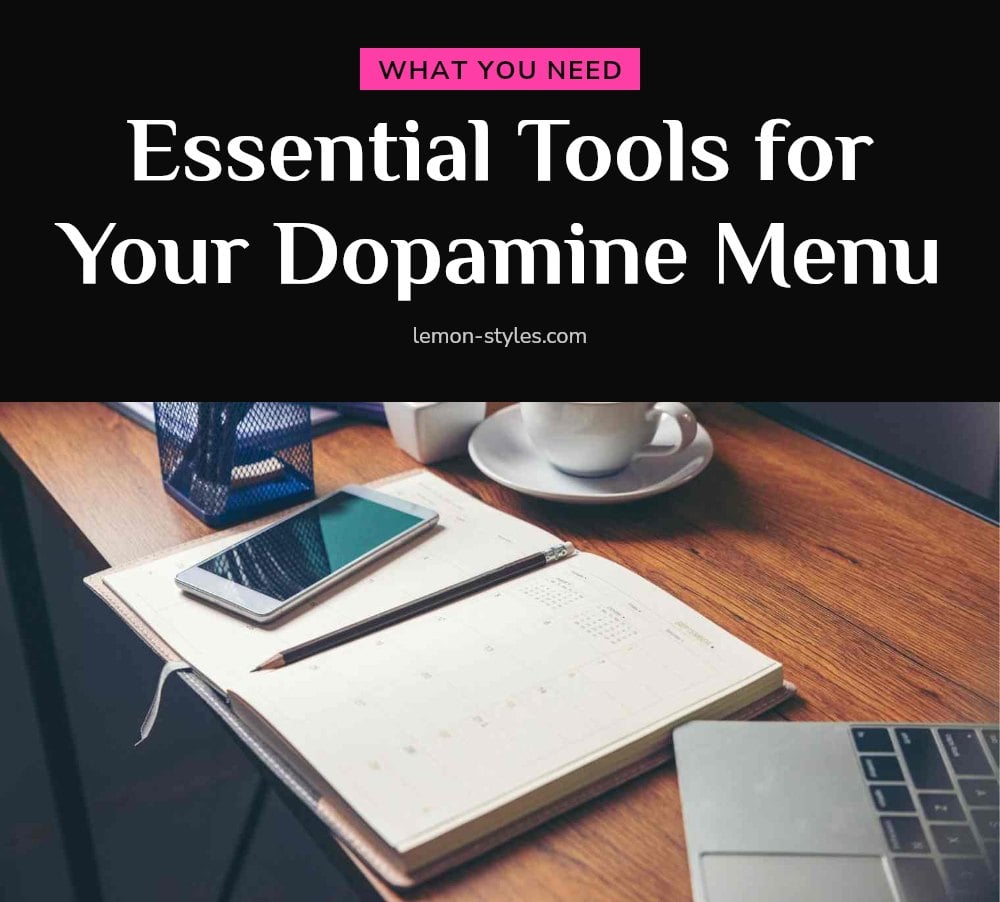
You don’t need anything fancy to start your dopamine menu. Simple, accessible tools work best:
- Notebook or journal: Great for brainstorming and jotting down ideas as they come.
- Pen or marker: For writing and editing your list easily.
- Whiteboard or chalkboard: Perfect for a visible, changeable list you can update weekly.
- Digital note-taking app: Keeps your menu on your phone, so it’s always handy.
- Smartphone or tablet: The main device to store and access your digital menu.
My tip: I keep mine in a notes app on my phone. It’s the most accessible when I feel a dip in motivation, and I can edit it on the go.
4. How to Build Your Own Dopamine Menu, Step-by-Step

Building your dopamine menu takes a little planning, but the payoff is worth it. Follow these steps to create one that actually works for you.
- Brainstorm freely: Write down every activity that genuinely brings you joy or a sense of accomplishment. Don’t filter yet, just list. Think about what you’ve enjoyed in the past, no matter how small.
- Categorize your list: Group your ideas by need. Quick boosts, creative outlets, social connection, physical movement, and relaxation are common categories. This helps you pick the right activity for the moment.
- Prioritize low-barrier options: Choose activities that require minimal effort or planning to start. A 2-minute stretch beats a 20-minute workout when motivation is low. Aim for things you can begin within seconds.
- Write it down: Transfer your menu to your chosen format, whether that’s a notebook, whiteboard, or digital app. Make sure it’s somewhere you’ll see it regularly, like your phone’s home screen or your fridge.
- Use it when needed: Start using your menu, especially when you feel a dip in motivation. Pick one activity, do it, and notice how you feel afterward. Don’t overthink it, just act.
- Review and update: Set a reminder to revisit your menu every few weeks. Your interests evolve, so swap out activities that no longer resonate and add new ones you want to try.
Pro move: keep a few “emergency” items on your menu, like a playlist of your favorite songs or a list of people you can text, for days when you need an instant lift.
5. Dopamine Menu Ideas: What to Include on Your List
Quick Wins: These are tasks you can finish in under two minutes. Make your bed, water a plant, or listen to one favorite song. The sense of completion gives you a small but real dopamine hit.
Creative Outlets: Doodle for five minutes, write a short journal entry, or knit a few rows. Creative work taps into novelty and self-expression, both of which stimulate dopamine pathways.
Physical Movement: Take a 10-minute walk, stretch, or dance to one song. Physical activity is a well-known natural dopamine booster, even in short bursts.
Social Connection: Text a friend, call a family member, or wave to a neighbor. Social interaction releases both dopamine and oxytocin, amplifying the reward.
Learning and Novelty: Watch a short documentary, learn one new word, or try a new recipe. New experiences directly trigger dopamine release because your brain is wired to seek novelty.
Sensory Pleasures: Light a candle, enjoy a warm drink, or listen to calming sounds. These low-effort activities ground you in the present moment and can quickly shift your mood.
6. Common Dopamine Menu Mistakes to Avoid
Choosing overly complex activities: If an item on your menu requires too much effort or planning, you won’t start it when motivation is low. Stick to tasks that take five minutes or less.
Relying on fleeting pleasures: Activities like excessive junk food or endless social media scrolling provide a temporary high but often leave you feeling worse. Focus on sustainable well-being instead.
Not personalizing your menu: What works for others may not work for you. If an activity doesn’t genuinely spark joy, leave it off your list.
Treating it as a rigid to-do list: Your menu is a flexible tool, not another chore to feel guilty about missing. Use it when you need it, not because you have to.
Expecting instant, dramatic results: Benefits often accumulate over time. Be patient with yourself and the process.
7. Pro Tips for Maximizing Your Dopamine Menu’s Impact

Be present: Engage mindfully with your chosen activity. If you’re stretching, focus on how your muscles feel. If you’re drinking tea, notice the warmth and aroma. Presence enhances the positive effects.
Vary your choices: Don’t always pick the same activity. Rotating through different options keeps things fresh and helps you discover new triggers.
Stack habits: Pair a dopamine menu activity with an existing routine. For example, listen to music while making coffee or stretch while waiting for your morning brew to steep.
Track your mood: Briefly note how you feel before and after an activity. Over a few days, you’ll see patterns that tell you what works best.
Share your journey: Tell a trusted friend or family member about your menu. Accountability and support can keep you consistent.
8. When to Seek Professional Help
A dopamine menu is a self-help tool, not a substitute for medical advice or treatment. If you experience persistent low mood, lack of pleasure, or other symptoms of depression, consult a healthcare professional. Seek help if your lack of motivation or enjoyment significantly impacts your daily life, work, or relationships. Also consider professional support if you find yourself relying on unhealthy coping mechanisms despite using your menu.
9. Frequently Asked Questions
How quickly can a dopamine menu help?
Many people feel a boost right after doing an activity from their menu, and with regular use, the positive effects on mood and motivation can build over days and weeks. It’s not an instant fix, but a tool to support your well-being.
Can a dopamine menu cure depression?
No, a dopamine menu is not a treatment for depression or any mental health condition. It’s a self-help strategy to add more positive moments to your day. If you’re experiencing persistent low mood, consult a healthcare professional.
What if I don’t feel motivated to do anything on my menu?
When motivation is low, start with the smallest, easiest item on your list, even if it feels silly. The goal is to build momentum with a tiny win. If you consistently feel unmotivated, consider talking to a professional.
How often should I update my dopamine menu?
Review your menu every few weeks or whenever your interests change. What brings you joy can shift, so keep it fresh and relevant. Regular updates ensure it stays a useful tool.
Is a dopamine menu the same as self-care?
Not exactly. While self-care is a broad practice of taking care of your well-being, a dopamine menu is a specific list of activities designed to stimulate dopamine and boost mood. It can be part of your self-care routine, but it’s more focused.
10. Final Thoughts
My tip: start small and be kind to yourself. Pick just a few activities that genuinely feel good and keep them where you can see them. The benefits can be felt immediately after an activity, and with consistent use, you may notice cumulative positive effects on mood and motivation over days and weeks.
Remember, a dopamine menu is a self-help tool, not a cure for clinical conditions. If you’re struggling with persistent low mood or lack of pleasure, reach out to a healthcare professional. For everyday slumps, a personalized menu can be a simple, effective way to give yourself a gentle push.
This information is for general educational purposes only and is not a substitute for professional medical advice. Always consult a healthcare professional for any persistent mood or health concerns.