
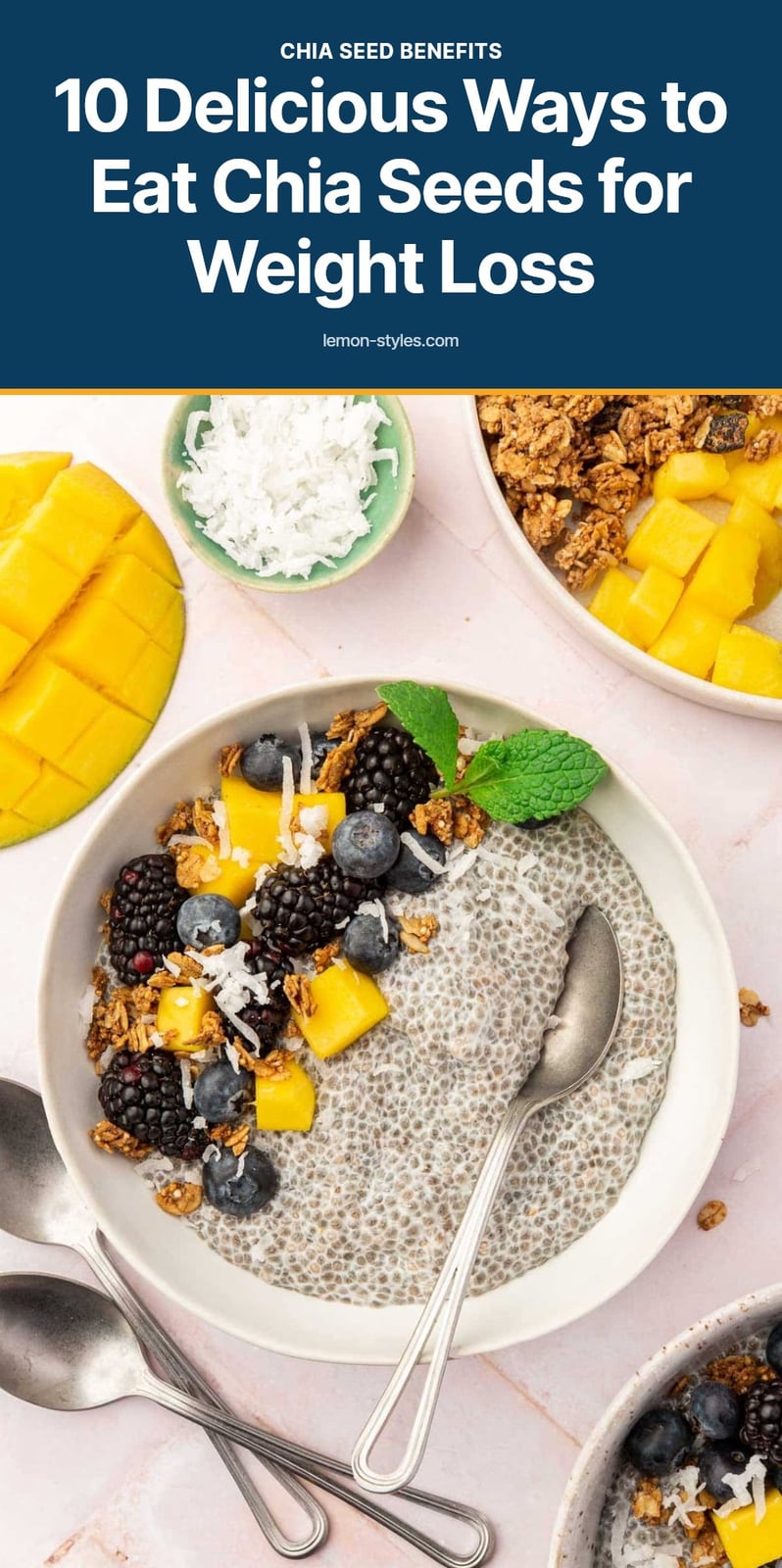
You’ve probably heard that chia seeds are a superfood, and they can be a helpful tool if you’re looking to manage your weight. The secret is in their fiber and protein, which help you feel full longer. This article covers 10 easy, practical ways to add chia seeds to your daily meals and snacks, from puddings to jams, so you can start using them right away.
These tiny seeds are packed with nutrients and can absorb up to 12 times their weight in liquid, creating a gel that expands in your stomach. That feeling of fullness is what makes them a great addition to a balanced diet, but remember, they work best alongside other healthy habits, not as a magic fix.
Key Takeaways
- Start with 1 teaspoon of chia seeds per day and gradually increase to 1-2 tablespoons to avoid digestive discomfort.
- Always soak chia seeds in liquid for at least 15-30 minutes before eating to prevent a choking hazard.
- Drink plenty of water when consuming chia seeds, especially if you haven’t soaked them first.
- Use chia seeds as a supplement to a healthy diet and exercise, not as a standalone weight loss solution.
- Combine chia seeds with other nutrient-dense foods like yogurt, oatmeal, or smoothies for best results.
1. Chia Seeds for Weight Loss: The Quick Answer
Chia seeds can support weight management because their high fiber and protein content promote satiety, helping you feel full longer and potentially reduce overall calorie intake. When they absorb liquid and expand, they create a gel-like volume in your stomach that curbs hunger between meals. They are not a magic bullet for weight loss, but incorporating them into a balanced diet is a valuable tool for your healthy weight journey.
2. 1. Make a Chia Seed Pudding
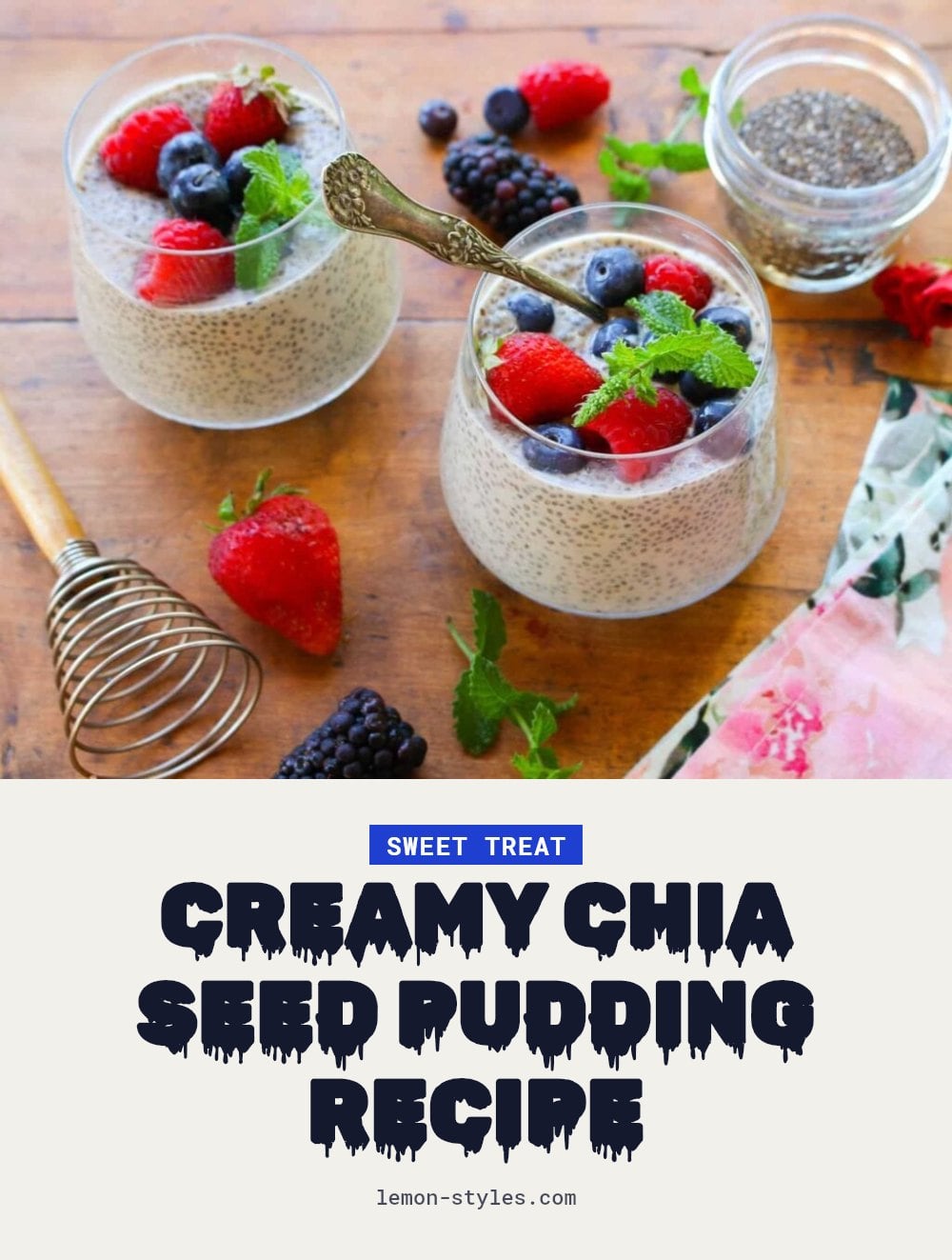
Combine 2 tablespoons of chia seeds with 1/2 to 3/4 cup of your favorite milk, dairy or non-dairy. Stir well and let it sit in the refrigerator for at least 2 hours, preferably overnight, until it forms a thick gel. This makes a satisfying breakfast or snack that keeps you full for hours thanks to its fiber and protein.
- Tip: For a thicker pudding, use less milk; for a thinner one, add more liquid before refrigerating.
- Caution: Stir again after 10 minutes to prevent clumps from forming.
3. 2. Boost Your Morning Smoothie
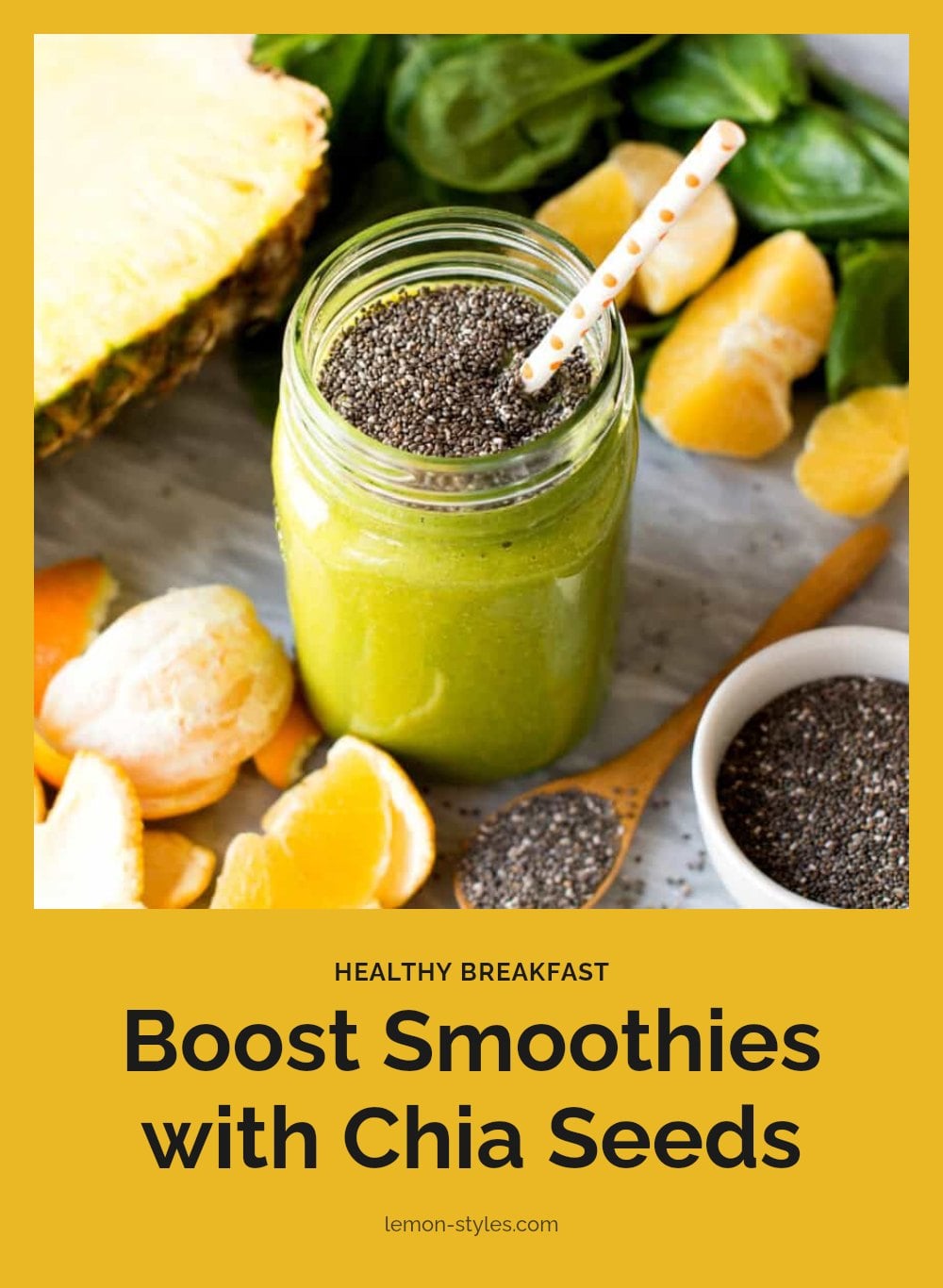
Add 1 to 2 tablespoons of chia seeds to your regular fruit or vegetable smoothie. The seeds will thicken the smoothie and add a significant boost of fiber, protein, and omega-3s, making it more filling. My tip: Blend them in with your other ingredients for a smoother texture, or sprinkle them in after for a slight textural crunch.
- Pro move: Soak the seeds in a splash of milk for at least 15 minutes before blending for extra creaminess and to aid digestion.
4. 3. Stir into Yogurt or Oatmeal
Mix 1 tablespoon of chia seeds into your morning yogurt or bowl of oatmeal. They will absorb some of the liquid, adding volume and a pleasant texture. This simple addition increases the fiber and protein content, helping you feel fuller longer and potentially reducing mid-morning snacking.
- Tip: Stir them in right before eating to keep a slight crunch, or let them sit for 5 minutes for a softer gel.
5. 4. Create a Hydrating Chia Fresca

Whisk 1 to 2 tablespoons of chia seeds into a glass of water, coconut water, or diluted fruit juice. Let it sit for 10-15 minutes until the seeds swell and create a refreshing, hydrating drink. The gel-like texture makes it more satisfying than plain water, which can help you feel fuller before meals and potentially reduce overall food intake.
Tip: Prepare a batch in the morning and sip it throughout the day to stay hydrated and curb hunger between meals.
6. 5. Sprinkle Over Salads
Sprinkle 1 teaspoon of whole or ground chia seeds over your salads for an added nutritional crunch. They blend seamlessly with other ingredients and provide extra fiber and healthy fats without altering the flavor. This small addition can make your salad more satisfying, helping you feel full longer and potentially reducing the urge to snack later.
7. 6. Use as an Egg Substitute
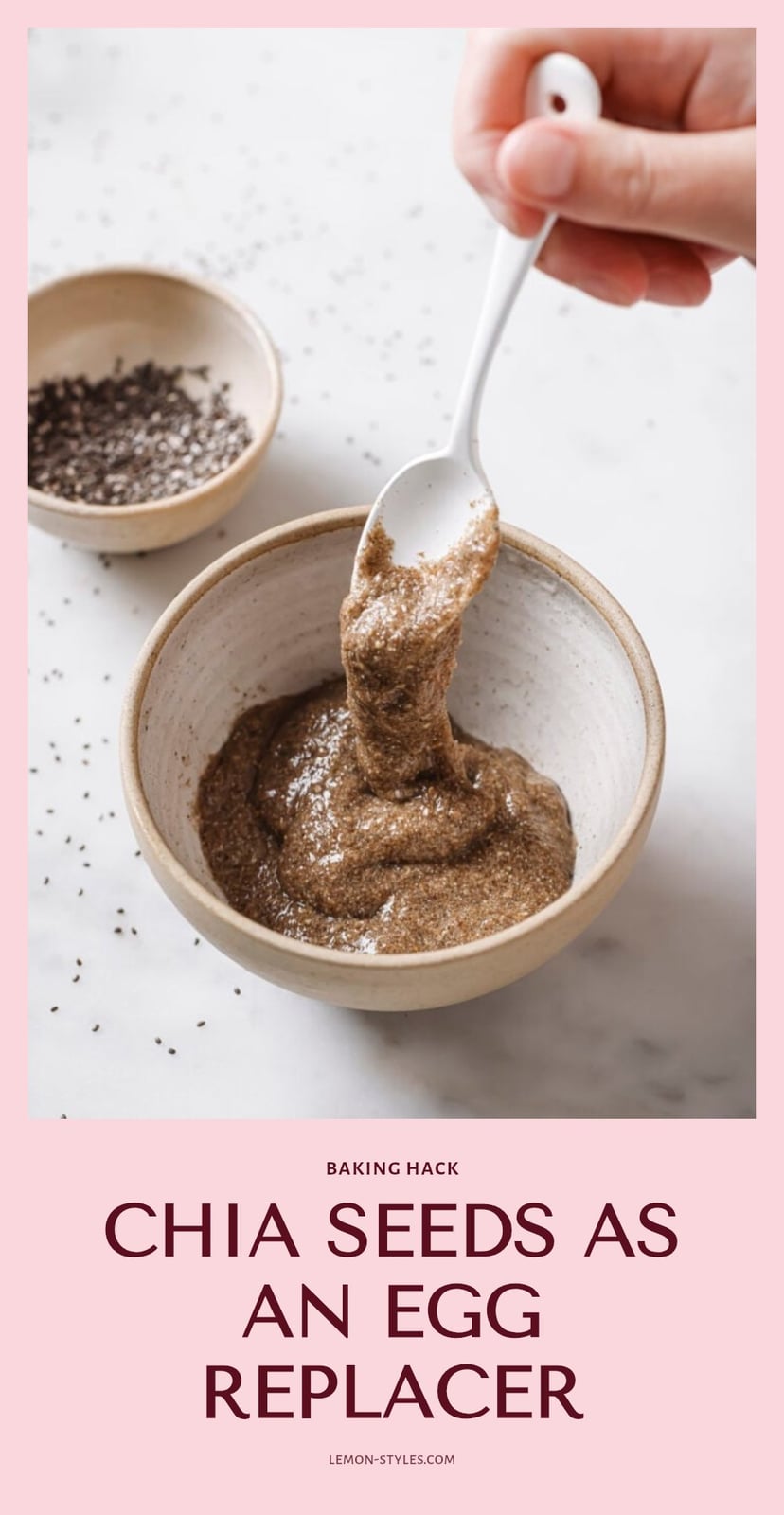
For baking, combine 1 tablespoon of ground chia seeds with 3 tablespoons of water and let it sit for at least 15 minutes until it forms a gel. This ‘chia egg’ can replace one egg in recipes, adding fiber and omega-3s to your baked goods. It’s a fantastic way to incorporate chia seeds into muffins, breads, or cookies while reducing the need for eggs.
Good to know: This works best in recipes that call for one or two eggs; for larger batches, adjust the ratio accordingly.
8. 7. Mix into Homemade Energy Bars
When making your own energy bars or granola, include 1-2 tablespoons of chia seeds in the mix. They help bind ingredients together and significantly boost the fiber and protein content, making your homemade snacks more filling and nutritious. This is a great way to control ingredients and avoid added sugars while getting your chia seed benefits.
Pro move: Combine chia seeds with oats, nuts, and dried fruit for a balanced, energy-sustaining snack that supports your weight management goals.
9. 8. Thicken Soups and Sauces
Add a teaspoon or two of ground chia seeds to soups, stews, or sauces as they simmer. The seeds release soluble fiber that thickens the liquid naturally, much like a cornstarch slurry, without changing the flavor noticeably. This adds a nutritional punch of fiber, protein, and omega-3s to your savory dishes.
Tip: Stir the ground seeds in slowly to prevent clumping. Start with 1 teaspoon per 2 cups of liquid, then adjust based on how thick you want it. The effect is subtle enough that no one will guess you added them.
10. 9. Add to Bread or Muffin Batter

Stir 1 to 2 tablespoons of whole or ground chia seeds into your homemade bread, muffin, or pancake batter. They add a subtle nutty flavor and a significant amount of fiber, which can help regulate blood sugar levels and keep you full longer. The seeds also absorb moisture, so you may need to add a tablespoon or two of extra liquid to the batter.
My tip: If you are new to chia seeds, start with 1 teaspoon per batch to let your digestive system adjust, then work up to a full tablespoon. This is an easy way to sneak extra nutrients into family favorites. I usually add ground seeds to pancake batter for a smoother texture that kids don’t notice.
11. 10. Make Chia Jam
Instead of traditional sugar-laden jam, mash fresh fruit (like berries) and stir in 1 to 2 tablespoons of chia seeds. Let it sit in the fridge for 30 minutes to an hour, and the chia seeds will thicken it into a delicious, nutrient-dense jam. The result is a low-sugar, high-fiber alternative perfect for toast, yogurt, or oatmeal.
Tip: Use very ripe fruit for natural sweetness. If you prefer a smoother texture, blend the fruit before adding the seeds. This jam keeps in the fridge for up to a week.
12. Common Mistakes When Eating Chia Seeds
Eating too many too quickly: Start with 1 teaspoon per day and gradually increase to 1 to 2 tablespoons. Jumping in with large portions can cause bloating, gas, or other digestive upset.
Not drinking enough water: Chia seeds absorb up to 12 times their weight in liquid. Without enough fluid, especially if you eat them dry, you risk constipation or intestinal blockage. Drink a full glass of water with any serving.
Expecting a magic bullet: Chia seeds support weight loss by promoting fullness, but they are not a standalone solution. Combine them with a balanced diet and regular exercise for real results.
Consuming dry seeds without caution: Dry chia seeds can expand in the esophagus and become a choking hazard. Always soak them in liquid for at least 15 minutes or consume them with plenty of fluid.
Forgetting their calorie count: A 1 to 2 tablespoon serving contains about 60 to 120 calories. This amount is a snack, not a meal replacement, so pair it with other nutrient-dense foods. Be mindful of portions so they fit within your daily intake goals without sabotaging your progress.
13. Frequently Asked Questions
Can I eat dry chia seeds?
It is not recommended to eat dry chia seeds because they can expand in your throat and esophagus, posing a choking hazard. Always soak them in liquid for at least 15-30 minutes before consuming, or stir them into moist foods like yogurt or oatmeal.
How long does it take for chia seeds to work for weight loss?
You may notice increased fullness and digestive regularity within a few days of consistent use. However, weight loss benefits are gradual and depend on your overall diet and lifestyle. Chia seeds are a supportive tool, not a quick fix, so give it several weeks to see changes on the scale.
Are there any side effects of eating too many chia seeds?
Yes, eating too many chia seeds too quickly can cause bloating, gas, or constipation. Start with a small amount like 1 teaspoon per day and increase gradually to 1-2 tablespoons. Also, make sure you drink plenty of water to help the fiber move through your digestive system.
Do chia seeds need to be ground for better absorption?
Grinding chia seeds can make their nutrients, such as omega-3s, more accessible for some people, but it is not necessary. Whole chia seeds still provide fiber and protein. If you have digestive issues, grinding may help, but soaking whole seeds is usually sufficient.
Can chia seeds replace a meal?
Chia seeds alone should not replace a meal because they lack sufficient calories, protein, and other essential nutrients. However, they can be part of a balanced meal, such as a chia pudding with fruit and nuts, to help you feel full and satisfied. Use them as a supplement, not a substitute.
14. Final Thoughts
My tip: Start with the chia fresca or a simple sprinkle on your oatmeal to see how your body handles the extra fiber. Expect to feel more satisfied after meals within a few days, but weight management is a gradual process that takes weeks or months of consistent use. Listen to your body and adjust your intake as needed, and always pair chia seeds with a balanced diet and regular physical activity for the best results.
This article is for general informational purposes only and does not constitute medical or professional advice. Chia seeds can be a healthy addition to a balanced diet, but they are not a treatment or cure for any condition. Consult a doctor or registered dietitian before making significant dietary changes, especially if you have a medical condition, are pregnant or nursing, or take medication.

