
You know the feeling: a sudden “hic” that won’t quit, and suddenly you’re holding your breath or chugging water while your friends offer advice. Most hiccups are harmless and fade within minutes, but that doesn’t make them any less annoying. This article gives you nine practical ways to stop them, from breath-holding to a spoonful of sugar, plus clear signs for when to see a doctor.

Key Takeaways
- Try holding your breath for 10 to 20 seconds to help relax your diaphragm.
- If hiccups last more than 48 hours, consult a doctor.
- Never use a plastic bag over your head when breathing into a bag.
- Simple remedies like sipping water or swallowing sugar can interrupt the reflex.
- Seek medical attention if hiccups come with pain, shortness of breath, or difficulty swallowing.
1. What Are Hiccups and Why Do They Happen?
Hiccups are involuntary spasms of the diaphragm, the muscle that separates your chest from your abdomen. Each spasm is followed by a quick closure of the vocal cords, which produces the familiar “hic” sound. The medical term is singultus.
They are usually harmless and short-lived, often triggered by eating or drinking too quickly, overeating, carbonated drinks, or sudden excitement. Many remedies work by stimulating nerves or altering your breathing to interrupt the reflex.
2. 1. Hold Your Breath

Take a deep breath and hold it for 10 to 20 seconds. Holding your breath builds up carbon dioxide in your lungs, which can help relax the diaphragm and interrupt the hiccup reflex.
My tip: Release your breath slowly rather than letting it out in a rush, and repeat once more after a short break if the hiccups are still going.
3. 2. Drink Water Continuously
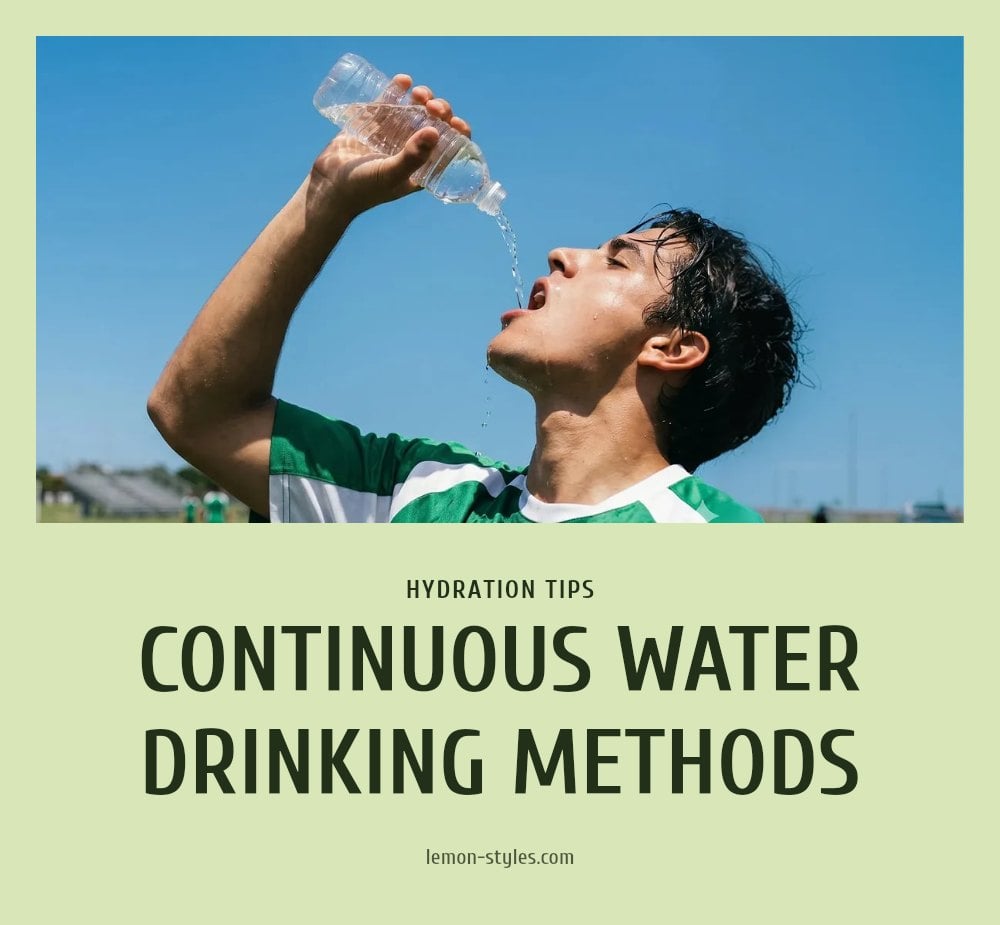
Drink a full glass of water quickly and continuously, without pausing to take a breath in between swallows. The continuous swallowing can stimulate the vagus nerve, which plays a role in the hiccup reflex.
For an extra challenge, try drinking from the “wrong” side of the glass: bend over and sip from the far rim. The awkward angle forces you to swallow differently, which some people find helps.
4. 3. Gargle with Ice Water
Gargle with ice-cold water for about 30 seconds. The cold sensation and the act of gargling can stimulate the vagus nerve in your throat, which may help reset the diaphragm.
If the hiccups persist, repeat a few times, giving yourself a short pause in between.
5. 4. Breathe into a Paper Bag

Place a small paper bag over your mouth and nose, then breathe slowly and deeply into it. This increases the carbon dioxide in your bloodstream, which can help relax the diaphragm and interrupt the hiccup reflex.
Caution: Never use a plastic bag, and never place the bag over your head. Only cover your mouth and nose, and stop if you feel lightheaded.
6. 5. Swallow a Teaspoon of Sugar
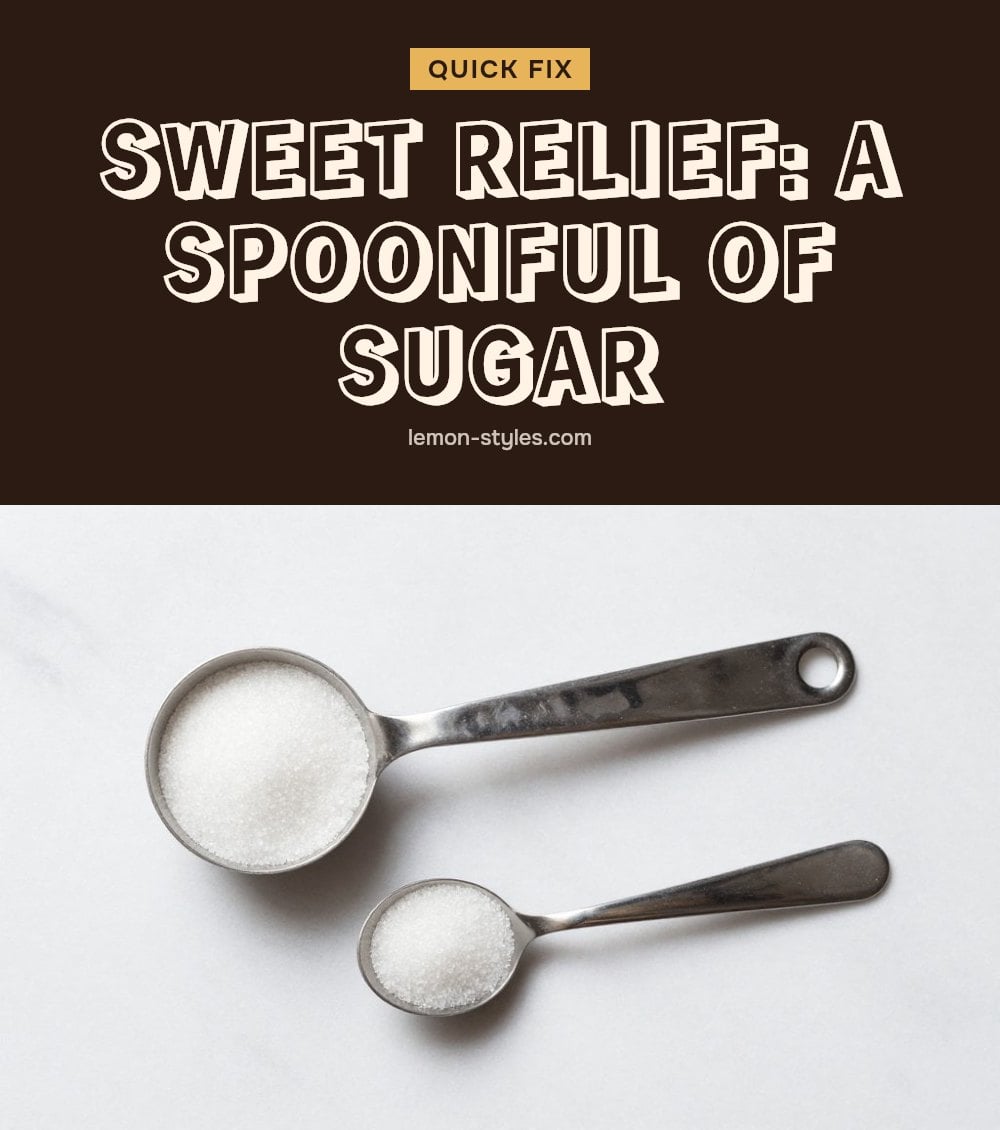
Swallow a teaspoon of granulated sugar dry. The granular texture and sweetness are thought to stimulate nerves in the mouth and throat, which can interrupt the hiccup reflex. Let the sugar sit on your tongue for a few seconds before swallowing to give it more time to work.
My tip: Keep a small sugar packet in your bag or desk drawer so you have it ready the next time hiccups strike. If the sugar doesn’t work after one try, wait a minute before attempting it again.
7. 6. Suck on a Lemon or Vinegar
Suck on a lemon wedge or take a small sip of vinegar. The intense sour taste can distract your nervous system and stimulate the vagus nerve, which often stops hiccups in their tracks.
Caution: This might not be pleasant for everyone, but it can be surprisingly effective. If you try vinegar, start with a tiny sip and keep water nearby.
8. 7. Bend Forward to Compress Your Chest
Bend forward at the waist as if you are trying to touch your toes, compressing your chest and diaphragm. This physical pressure can help reset the diaphragm and interrupt the spasms. Hold the position for a few seconds while taking slow, shallow breaths. You can repeat this a couple of times if the hiccups continue.
9. 8. Distract Yourself
Sometimes, simply distracting your mind can be enough to break the hiccup cycle. The theory is that focusing on something else can interrupt the involuntary reflex by shifting your brain’s attention away from the spasm pattern.
Try a task that requires real concentration, like solving a puzzle, reading aloud, or having an engaging conversation. The more mental effort it takes, the better the chance your hiccups will fade into the background.
10. 9. Pull Your Knees to Your Chest
Sit down and pull your knees up to your chest, wrapping your arms around them and leaning slightly forward. This position compresses your diaphragm, similar to bending forward, which can help stop the spasms.
Hold the position for a minute or two while breathing gently and steadily. The gentle pressure against your abdomen can interrupt the hiccup reflex without requiring any special tools or preparation.
11. When to See a Doctor for Hiccups
Most hiccups fade within a few minutes, but if yours last longer than 48 hours, it is time to consult a doctor. You should also seek medical attention if your hiccups come with pain, shortness of breath, difficulty swallowing, or a fever.
Hiccups that persist for over a month are called intractable and can sometimes signal an underlying condition affecting the brain, nerves, or digestive system. A doctor can help identify the cause and recommend appropriate treatment, so do not wait it out if the episodes keep going.
12. Frequently Asked Questions
What causes hiccups?
Hiccups are caused by involuntary contractions of the diaphragm, the muscle that separates your chest from your abdomen. Each spasm is followed by a quick closure of the vocal cords, which creates the “hic” sound. Common triggers include eating too quickly, drinking carbonated beverages, overeating, sudden excitement or stress, and changes in temperature.
Why do babies get hiccups?
Newborns and infants frequently experience hiccups, and they are usually harmless. Their digestive systems are still developing, and feeding can sometimes trigger hiccups. Ensuring they are burped frequently during feedings can help reduce them. If you’re ever concerned about your baby’s hiccups, talk to your pediatrician.
Can stress cause hiccups?
Yes, sudden excitement or stress is a known trigger for hiccups. Emotional spikes can affect your breathing patterns and diaphragm, leading to spasms. If stress seems to bring on hiccups for you, calming techniques like slow breathing might help prevent them.
Are there medications that cause hiccups?
Some medications can cause hiccups as a side effect. If you notice a connection between a new medication and persistent hiccups, talk to your doctor or pharmacist. They can help you understand whether the medication might be responsible and discuss alternatives if needed.
How long is too long for hiccups to last?
Hiccups lasting longer than 48 hours are considered persistent and warrant a doctor’s visit. Those lasting more than a month are called intractable, and both types need medical attention. Also seek care if hiccups come with pain, shortness of breath, difficulty swallowing, or fever.
13. Final Thoughts
My tip: start with the simplest remedy, like holding your breath or sipping water continuously, and give it a minute before trying another. Most hiccups resolve on their own within a few minutes to a few hours, so patience is part of the process. If you’ve tried a few methods and they still won’t stop, or if they keep coming back, that’s your cue to check in with a doctor.
This information is for general educational purposes only and is not a substitute for professional medical advice. If you have persistent or severe hiccups, or if they are accompanied by other symptoms, consult a doctor or other qualified health professional.

