You already know that sitting at a desk or standing all day can leave your muscles feeling tight and achy. A short daily stretching routine is one of the simplest ways to release that tension, improve your flexibility, and move more freely. In this article, I’ll walk you through a gentle 10-minute routine you can do at home, covering the key stretches for your whole body and the best practices to stay safe.
Key Takeaways
- Hold each static stretch for 20-30 seconds to improve flexibility.
- Always warm up your muscles with light activity before static stretching.
- Stop immediately if you feel sharp pain during a stretch.
- Stretch both sides of your body equally to maintain balance.
- Consistency matters more than intensity; aim for a daily 10-minute session.
1. Why Daily Stretching Is a Game-Changer for Your Body
A consistent 10-minute daily stretching routine can significantly improve flexibility, reduce muscle tension, and enhance your range of motion. It is crucial to understand different stretching types and proper form to maximize benefits and prevent injury. Regular stretching, especially after muscles are warmed up, contributes to overall physical well-being and can even improve posture.
2. 1. Gentle Neck Tilts

Sit or stand tall. Gently tilt your head to bring your right ear towards your right shoulder. Hold for 20-30 seconds, feeling the stretch on the left side of your neck. Slowly return to center and repeat on the other side. Keep your shoulders relaxed and down.
- Time: 20-30 seconds each side
- Form cue: Keep your shoulders relaxed and down, not hunched
- Make it easier or harder: Use your hand to gently guide your head for a deeper stretch
3. 2. Shoulder Rolls and Arm Circles
Stand tall with feet hip-width apart. Roll your shoulders up towards your ears, then back and down in a circular motion. Perform 5-10 rolls forward, then 5-10 rolls backward. This warms up the shoulder joint. Follow with small arm circles, gradually increasing the size. Do 5-10 forward and 5-10 backward.
- Sets and reps: 5-10 rolls each direction
- Form cue: Keep your core engaged and avoid leaning
- Make it easier or harder: For a bigger challenge, hold a light object in each hand
4. 3. Standing Quadriceps Stretch
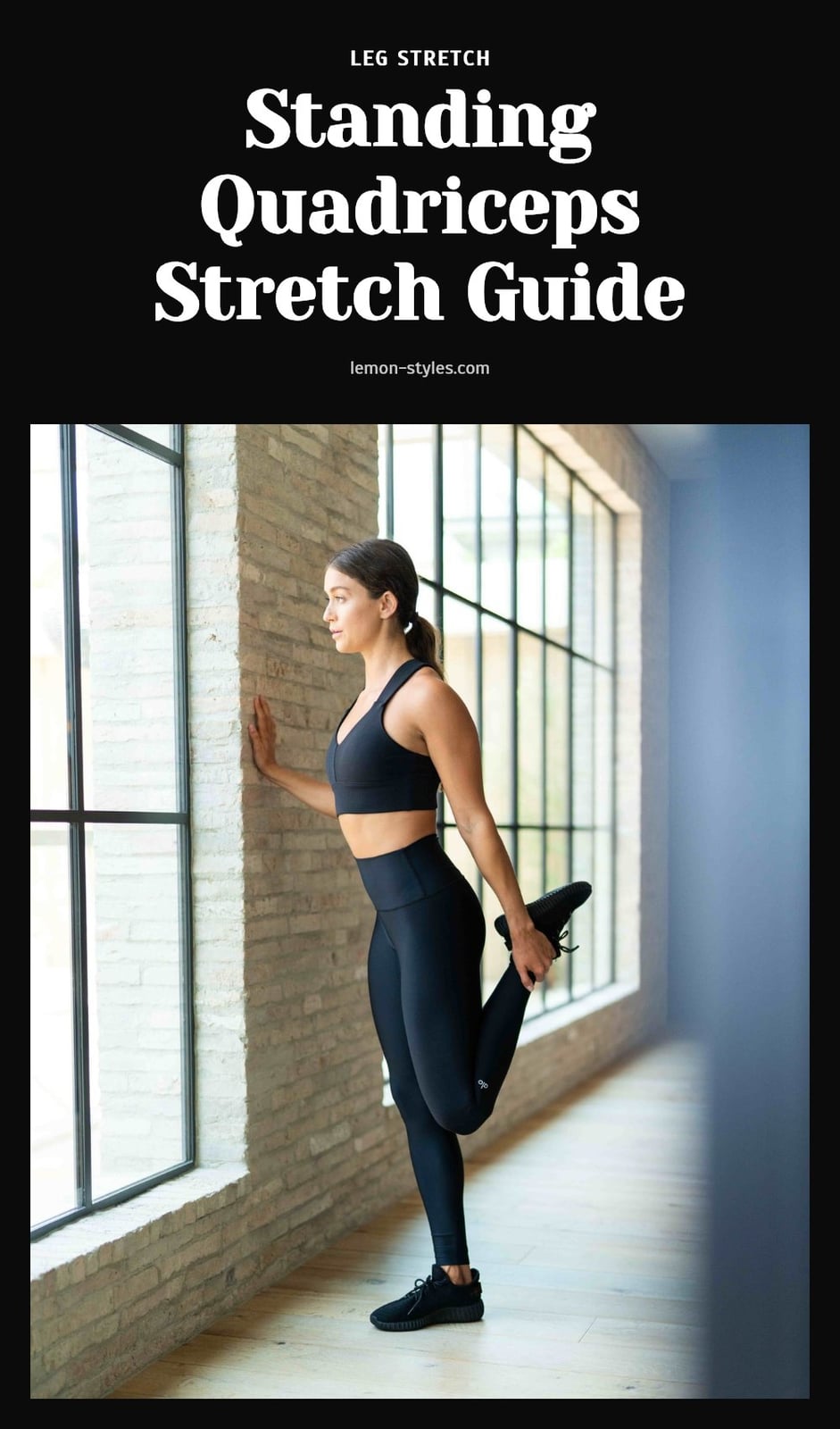
Stand tall, holding onto a wall or chair for balance if needed. Bend your right knee and grab your right ankle with your right hand. Gently pull your heel towards your glutes, keeping your knees close together. Feel the stretch in the front of your thigh. Hold for 20-30 seconds, then release and switch legs. Keep your core engaged.
- Time: 20-30 seconds each side
- Form cue: Keep your knees close together and your core tight
- Make it easier or harder: Use a wall for extra balance; for a deeper stretch, pull your foot closer
5. 4. Hamstring Stretch (Seated or Standing)
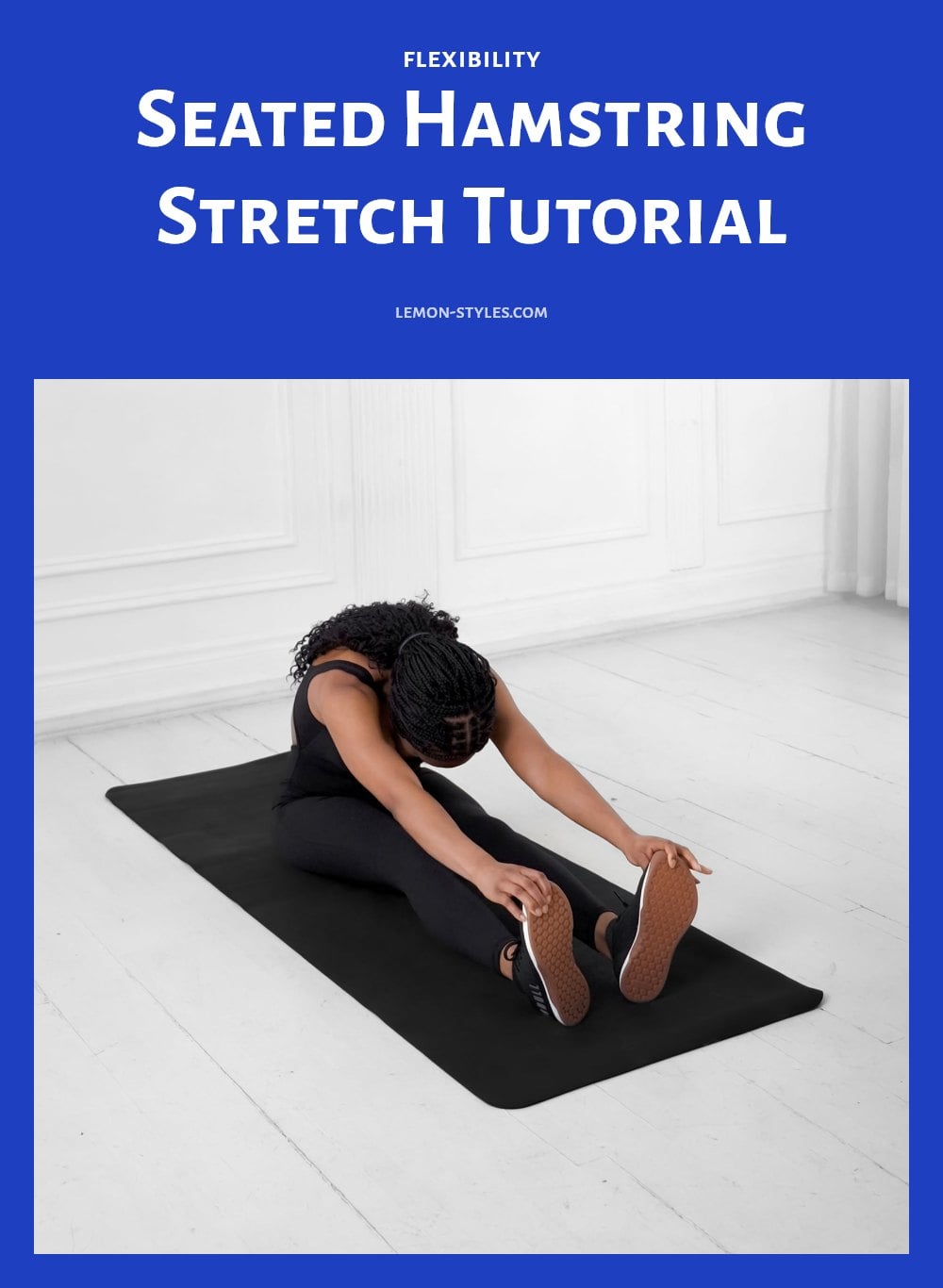
Sit on the floor with one leg extended straight and the other bent, placing the sole of your bent foot against your inner thigh. Hinge forward from your hips, keeping your back straight, and reach toward your toes. For the standing version, place one heel on a low step or stool, keep your leg straight but not locked, and hinge forward from your hips. Hold either variation for 20-30 seconds, then switch legs.
- Time: 20-30 seconds per side
- Form cue: Keep your spine long; imagine lifting your chest as you hinge forward
- Make it easier or harder: Use a towel looped around your foot to pull gently if you can’t reach your toes, or straighten your bent knee for a deeper stretch
6. 5. Calf Stretch Against a Wall
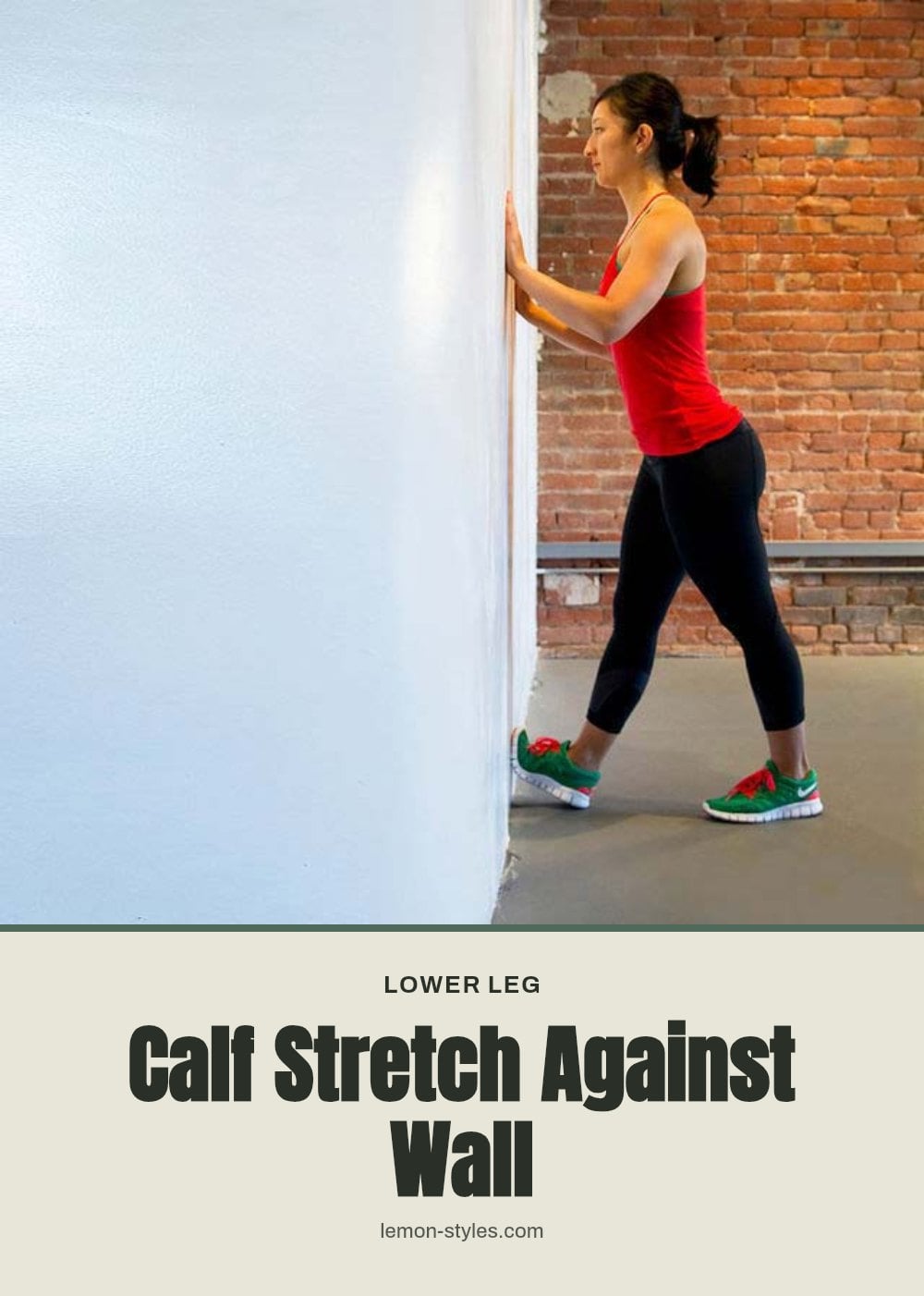
Stand facing a wall about an arm’s length away and place your palms on it at shoulder height. Step your right foot back, keeping your heel flat on the floor and your leg straight. Lean your body forward into the wall until you feel a stretch in your right calf. Hold for 20-30 seconds, then switch legs. To target a different part of the calf, bend your back knee slightly while keeping the heel down.
- Time: 20-30 seconds per side
- Form cue: Keep both hips facing the wall and your back heel pressed into the floor
- Make it easier or harder: Move your back foot closer to the wall for a gentler stretch, or step it farther back for more intensity
7. 6. Triceps Stretch
Raise your right arm overhead, then bend your elbow so your hand drops behind your head, aiming for your upper back. Use your left hand to gently push down on your right elbow until you feel a stretch in the back of your upper arm. Keep your core engaged and avoid arching your lower back. Hold for 20-30 seconds, then repeat on the other side.
- Time: 20-30 seconds per side
- Form cue: Keep your head and neck neutral; don’t pull your elbow too far forward
- Make it easier or harder: Use a towel or strap to hold your hand behind your head if you can’t reach, or reach your hand lower down your back for a deeper stretch
8. 7. Figure-Four Stretch (Glutes and Hips)
Lie on your back with both knees bent and your feet flat on the floor. Cross your right ankle over your left knee, forming a figure-four shape with your legs. Gently pull your left thigh toward your chest, keeping your head and shoulders relaxed on the mat, until you feel a stretch in your right glute and hip. Hold for 20-30 seconds, breathing deeply, then release and repeat on the other side.
- Time: 20-30 seconds per side
- Form cue: Keep your lower back pressed into the floor; don’t let it arch
- Make it easier or harder: Place a folded towel under your head for support, or pull your thigh closer to your chest for a deeper hip stretch
9. 8. Child’s Pose (Full Body Release)
Kneel on your mat with your big toes touching and your knees wide apart. Sit your hips back toward your heels and extend your arms forward, resting your forehead on the mat. Breathe deeply, allowing your chest to sink toward the floor.
- Hold for: 30-60 seconds, focusing on relaxation.
- Form cue: Keep your arms active, press your palms into the mat to lengthen your spine.
- Make it easier or harder: Bring your knees together for a deeper back stretch, or place a pillow under your forehead for comfort.
10. Gather Your Stretching Essentials
You don’t need much to start stretching effectively. A yoga mat provides cushioning and grip for floor stretches, especially on hard surfaces. Wear comfortable clothing that lets you move freely without restriction. A towel or strap can help you deepen stretches, like reaching your toes in a hamstring stretch or pulling your leg closer in a quad stretch.
11. Your Weekly Stretching Schedule
Consistency matters more than intensity when building flexibility. A short 10-minute daily session is more effective than longer, infrequent sessions. Aim to stretch every day, even if it’s just a few moves before bed or after a walk.
| Day | Focus |
|---|---|
| Monday | Full body (all 8 stretches) |
| Tuesday | Lower body (quads, hamstrings, calves, glutes) |
| Wednesday | Upper body (neck, shoulders, triceps) |
| Thursday | Full body (all 8 stretches) |
| Friday | Lower body (quads, hamstrings, calves, glutes) |
| Saturday | Upper body (neck, shoulders, triceps) |
| Sunday | Full body (all 8 stretches) or rest |
12. Frequently Asked Questions
How long does it take to see results from stretching?
Most people begin to feel a difference in muscle tightness within a few weeks of consistent daily stretching. Noticeable improvements in flexibility, such as being able to reach farther or move more easily, typically take several weeks to a few months of regular practice.
Can I stretch every day?
Yes, stretching every day is safe for most people and is actually recommended for best results. A short 10-minute daily session is more effective than longer, infrequent sessions. Just be sure to listen to your body and avoid pushing into sharp pain.
Is stretching good for back pain?
Stretching can help relieve tension in muscles that contribute to back pain, such as the hamstrings and hips. However, if you have persistent or severe back pain, it is important to consult a doctor or physical therapist before starting a new routine to ensure you are using safe movements.
What is the best time of day to stretch?
There is no single best time; it depends on your schedule and what feels good for your body. Many people find stretching in the evening helps them relax, while others prefer a morning routine to loosen up. The key is to stretch when your muscles are slightly warm, such as after a short walk or a warm bath.
What are the benefits of daily stretching?
Daily stretching can improve your flexibility, reduce muscle tension, and enhance your range of motion. It may also help improve your posture over time by lengthening tight muscles that pull your body out of alignment. Regular stretching can also be a calming, mindful break in your day.
13. Final Thoughts
My tip: pick one or two stretches from this routine that target your tightest areas and do them every day, even if you skip the rest. You will likely notice a difference in how your body feels within a few weeks. Remember, flexibility builds slowly, so be patient with yourself and focus on your own progress. Make stretching a non-negotiable part of your day, just like brushing your teeth.
This article is for general informational purposes only and does not constitute medical or professional advice. Always consult your doctor or a qualified healthcare provider before starting any new exercise program, especially if you have a medical condition, injury, or chronic pain. Stop immediately if you experience sharp pain during any stretch.