
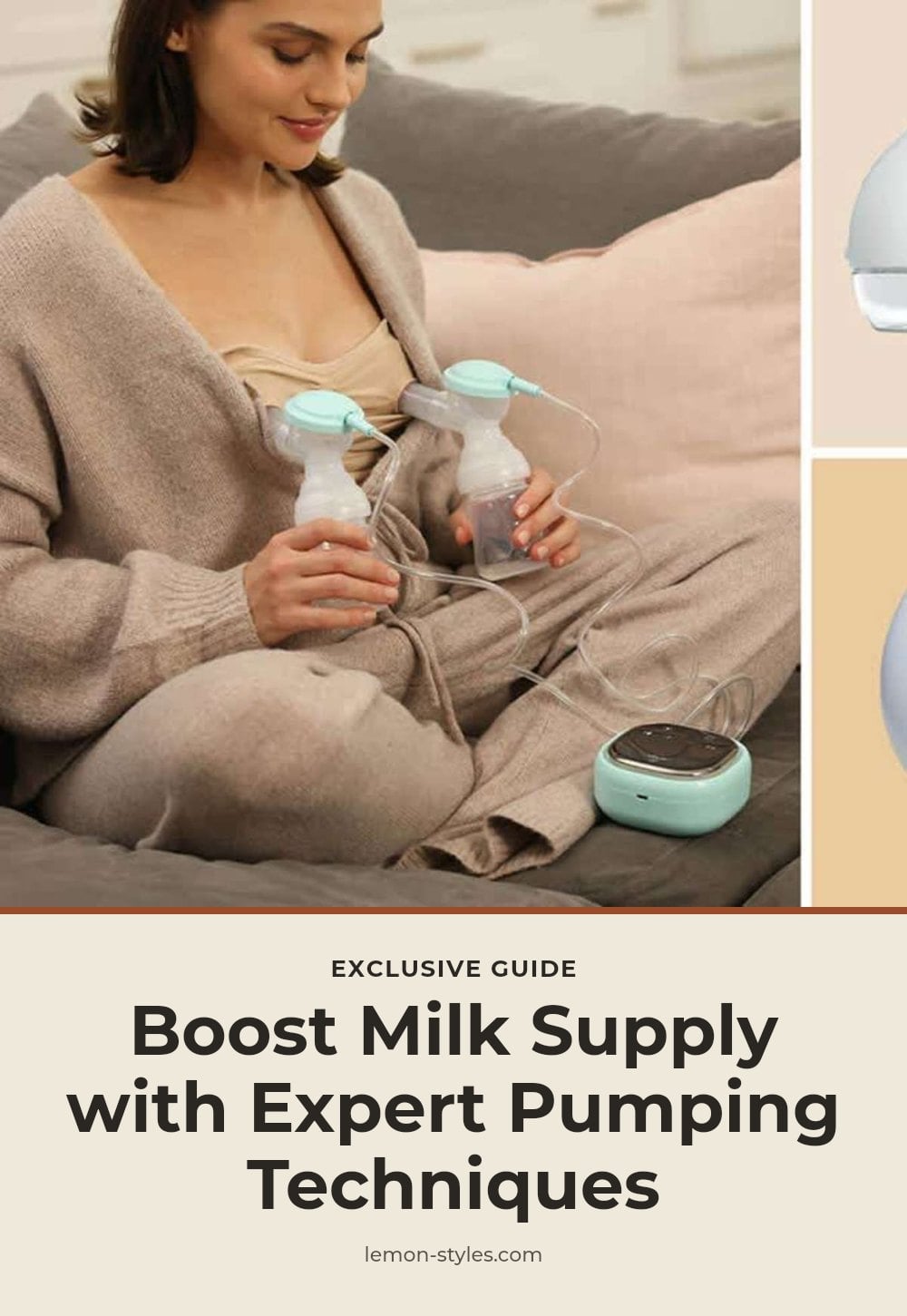
Pumping enough milk for your baby can feel like a full-time job, especially when you’re exclusively pumping and every drop counts. I’ve broken down the most effective strategies to help you maximize your output, from getting the right flange fit to scheduling power pumping sessions. This article covers the key techniques that make a real difference in your daily milk supply.
Key Takeaways
- Pump 8-12 times in 24 hours, especially in the early weeks, to establish and maintain supply.
- Use a hospital-grade double electric pump and ensure your flanges fit correctly to avoid pain and boost output.
- Try power pumping for 1-2 sessions daily to mimic cluster feeding and stimulate more milk.
- Replace pump parts like membranes and valves regularly per manufacturer guidelines to keep suction strong.
- Focus on total daily output, not individual session volumes, and be patient, increases can take days to weeks.
1. What is Exclusive Pumping?
Exclusive pumping means your baby gets all of their milk from expressed breast milk, with no direct feeding at the breast. It’s a demanding but rewarding path, and it only works if you put in consistent effort to establish and then maintain your supply.
The key is understanding how milk production works: your body makes milk on a supply-and-demand basis, so the amount you remove tells it how much to make next. Get the pumping strategies right from the start and you give yourself the best shot at a steady supply.
2. 1. Pump Frequently to Build Supply
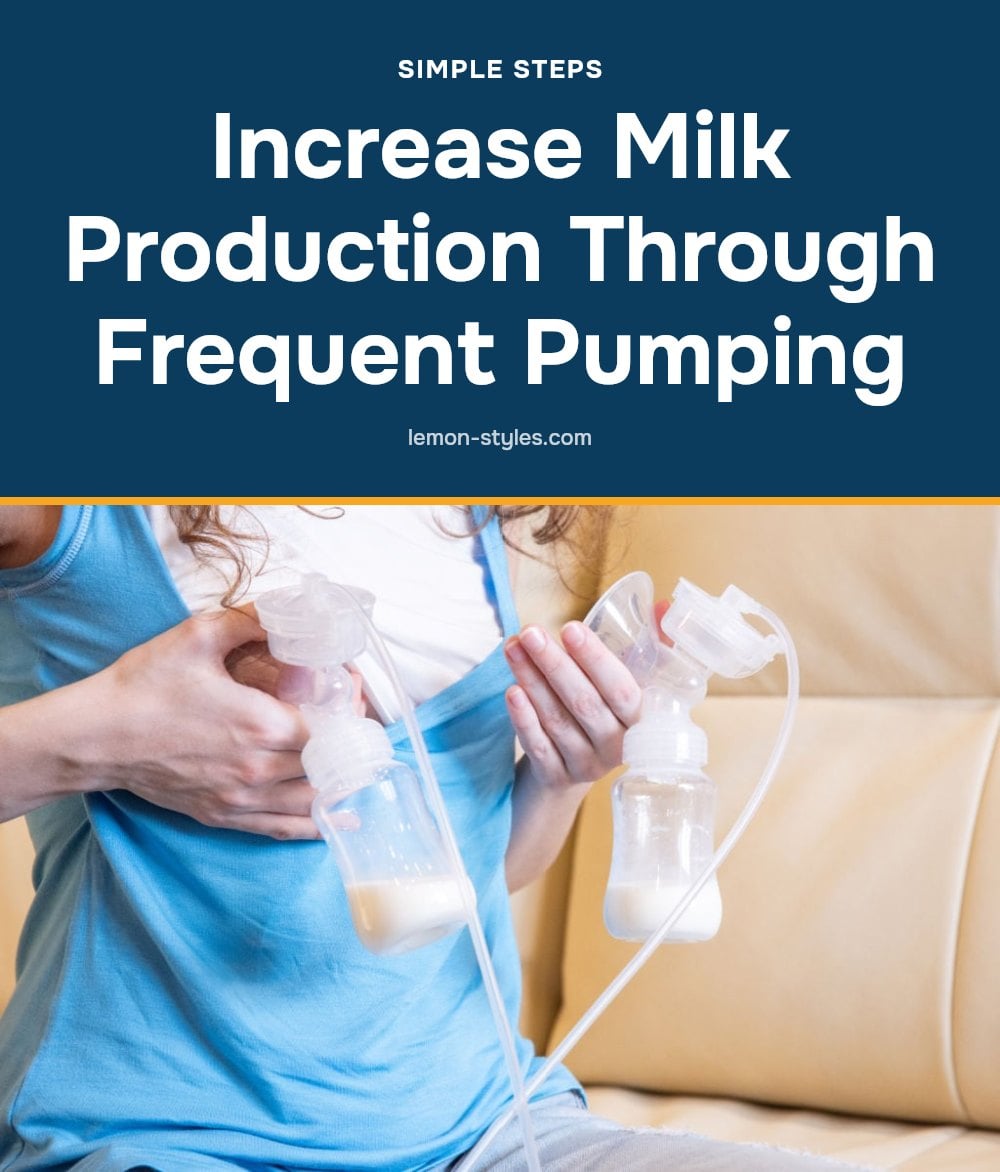
In the early weeks, aim for 8-12 pumping sessions in 24 hours. That number isn’t random: a newborn typically feeds 8-12 times a day, and pumping at that frequency tells your body to build a full supply from scratch.
Milk supply is driven by demand. Every time you remove milk, you signal your body to produce more, so frequency matters more than any single long session.
- Consistency: skipping sessions, especially in the first few weeks, can signal your body to produce less over time.
- Plan around it: set alarms or block time in your day so a session doesn’t quietly slide.
3. 2. Choose the Right Breast Pump
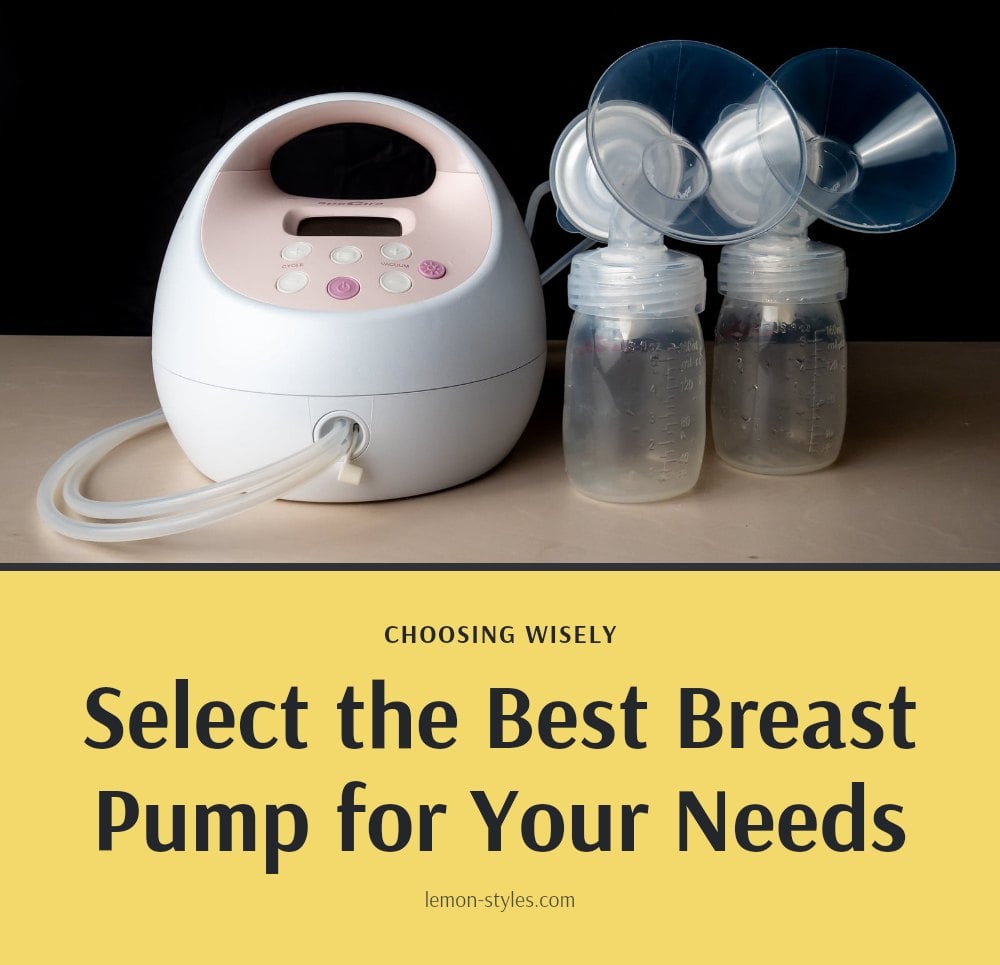
For exclusive pumping, a hospital-grade or high-quality double electric pump is generally recommended. These pumps are built for efficiency and stimulate milk production effectively, which is what you need when the pump is doing all the work of feeding your baby.
A double pump empties both breasts at once, so each session takes less time and you get more total sessions into a day.
My tip: manual pumps and single pumps have their place, but they typically aren’t enough to meet the demands of exclusive pumping. If you’re planning to pump for all of your baby’s feeds, start with a double electric.
4. 3. Ensure Correct Flange Fit

Flange size is critical for comfortable, effective expression. A flange that’s too small or too large can cause pain, damage your nipple, and cut down how much milk you get out, which over time affects supply.
You may need to try a few sizes before you find your fit. Your nipple should move freely inside the tunnel without rubbing against the sides.
- Watch for: pinching, pulling, or soreness during a session. That’s a sign to size up or down.
- My tip: if you’re unsure, a lactation consultant can help you measure and pick the right size.
5. 4. Pump for 15-20 Minutes
Pump for 15-20 minutes: Aim for sessions that last 15-20 minutes, or until your milk flow significantly slows, even if your breasts feel empty. Stopping too soon can prevent adequate breast emptying. Over time, that signals your body to produce less milk. It’s not about the visible volume in the bottle; it’s about fully emptying the breast to tell your body to keep making more.
6. 5. Incorporate Hands-On Pumping

Incorporate hands-on pumping: This technique involves breast massage and compression during your sessions. Gently massage from your chest wall toward the nipple while pumping, and compress your breast when milk flow slows. It can significantly increase output and improve breast emptying. Tip: I’ve found this really helps get out that extra milk that the pump might miss.
7. 6. Try Power Pumping
Try power pumping: Power pumping mimics cluster feeding, a baby feeding frequently over a short period to boost supply. The typical schedule: pump for 20 minutes, rest for 10, pump for 10, rest for 10, and pump for another 10 minutes, for a total of one hour. Good to know: Try doing 1-2 power pumping sessions a day for a few days to a week to see if it helps boost your supply.
8. 7. Hydrate and Nourish Your Body

Hydrate and nourish your body: Staying well-hydrated and eating a balanced, nutritious diet is important for your overall health and energy, which indirectly supports milk supply. While no specific foods or drinks are scientifically proven to dramatically increase supply, taking care of yourself is paramount. Don’t forget that stress and lack of sleep can negatively impact milk supply due to hormonal influences, so prioritize rest when you can.
9. 8. Pump During Early Morning Hours
Milk production is often highest between 1 AM and 5 AM. Including a pumping session during these early morning hours can maximize your daily output and signal your body to produce more. Even a quick session during this window can make a real difference in your overall supply.
10. 9. Replace Worn Pump Parts
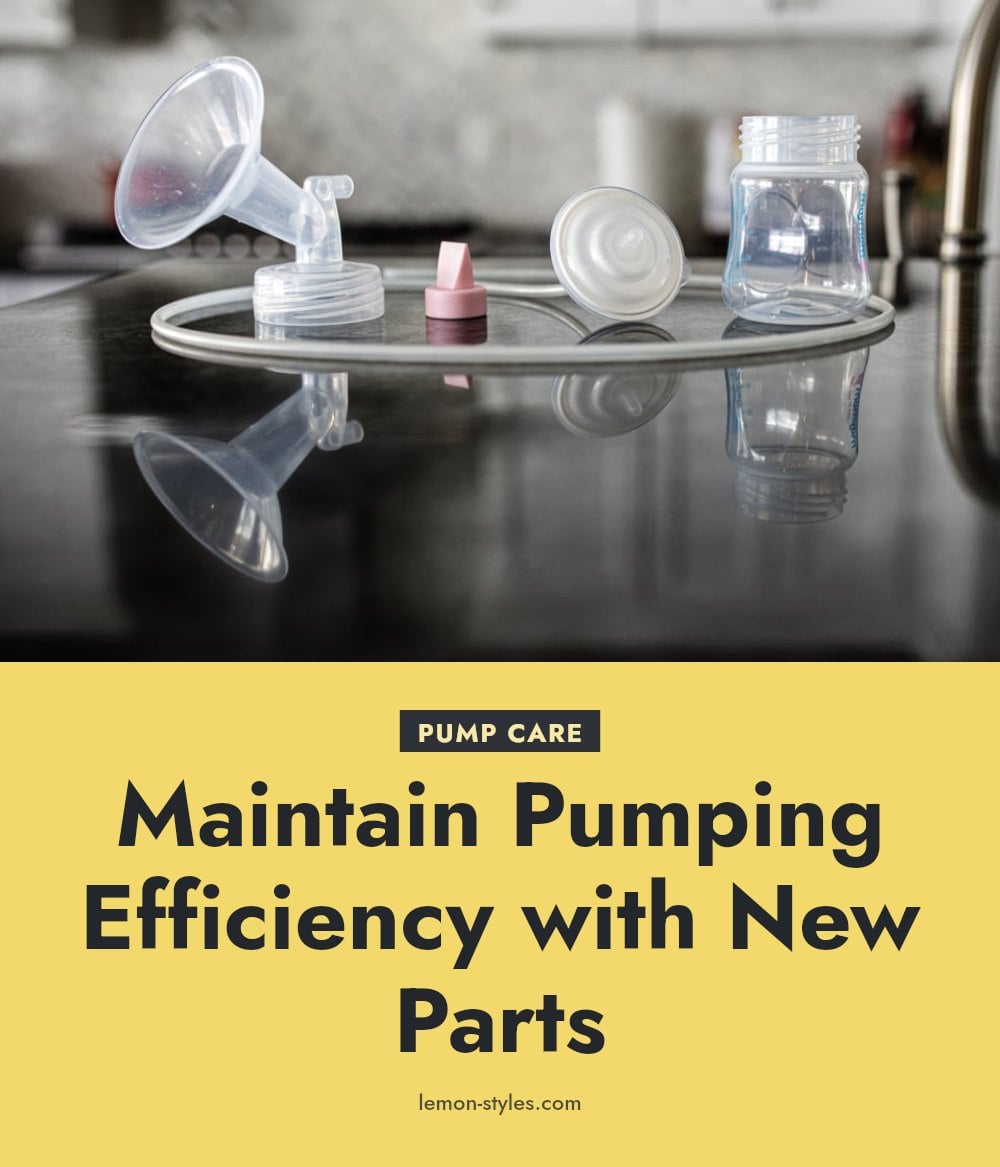
Over time, pump parts like membranes, valves, and tubing wear out, reducing suction and efficiency. Replace them regularly according to your pump manufacturer’s guidelines to maintain optimal performance and milk output. Pro move: Replacing parts on schedule makes a noticeable difference in how much milk you collect per session.
11. 10. Practice Proper Sanitation
Clean your pump parts after each use to prevent bacterial contamination of your breast milk. This usually means washing with hot, soapy water or sterilizing, depending on your baby’s age and health. Quick tip: A hands-free pumping bra can also make cleaning easier by freeing up your hands during sessions.
12. 11. Be Patient and Consistent
Increasing an established milk supply can take several days to a few weeks of consistent effort. Don’t get discouraged if you don’t see immediate results. Focus on your total daily output rather than comparing individual session volumes, as these can vary. Every person’s supply is unique, so try not to compare your output to others. Celebrate your progress.
13. When to Consult a Professional
If you experience persistent pain, nipple damage, or have concerns about your milk supply or baby’s weight gain, it’s time to reach out. A lactation consultant or healthcare provider can offer personalized advice, check your flange fit, and help troubleshoot any issues.
Caution: Seek medical attention promptly if you notice signs of mastitis, such as redness, pain, or fever. Don’t wait, early treatment makes a difference.
14. Frequently Asked Questions
How long does it take to establish a full milk supply with exclusive pumping?
It typically takes 2-4 weeks postpartum to establish a full milk supply. For increasing an already established supply, consistent effort over several days to a few weeks is usually needed. Patience and sticking to your pumping schedule are key during this time.
Can stress really affect my milk supply?
Yes, stress and lack of sleep can negatively impact milk supply due to hormonal changes. Finding ways to relax during pumping sessions, like listening to music or deep breathing, may help. If stress is persistent, consider talking to a healthcare provider or lactation consultant.
What is power pumping and how does it help?
Power pumping mimics a baby’s cluster feeding by using short, frequent pumping bursts over an hour. A common schedule is pump for 20 minutes, rest 10, pump 10, rest 10, and pump another 10 minutes. Doing this 1-2 times a day can help boost your milk supply by signaling your body to produce more.
How often should I replace my pump parts?
Replace pump parts like membranes, valves, and tubing according to your pump manufacturer’s guidelines, typically every 3-6 months or sooner if you notice a drop in suction. Worn parts reduce efficiency and can lower your milk output, so keeping them fresh is important.
Is it normal for my milk output to vary throughout the day?
Yes, it’s completely normal for milk output to vary from session to session and throughout the day. Many parents find their highest output in the early morning hours. Focus on your total daily volume rather than comparing individual pump sessions.
15. Final Thoughts
My tip: Stick with a consistent schedule of 8-12 pumping sessions a day, and don’t skip the early morning pump when your milk production is naturally highest. Realistically, it can take several days to a few weeks of dedicated effort to see a noticeable increase in your supply. Keep your focus on the total daily amount, and remember that every drop you express is a huge win for you and your baby.
This article is for general informational purposes only and does not constitute medical or professional advice. Every parent’s situation is unique, and if you have concerns about your milk supply, pain, or your baby’s health, please consult a lactation consultant or healthcare provider for personalized guidance.

