Feeling stuck can creep up on you when you least expect it, leaving you unsure of your next move. It’s not a sign of failure, but a signal that something in your life needs attention. In this article, I’ll share 10 practical steps to help you understand why you feel this way and start moving forward, one small step at a time.

Key Takeaways
- Feeling stuck is a common experience and does not mean you are failing.
- Start with self-reflection and journaling to uncover root causes like unmet needs or limiting beliefs.
- Break large goals into tiny, manageable steps to make progress feel achievable.
- Practice mindfulness, learn a new skill, or review your values to shift your perspective.
- Seek support from trusted people and celebrate small wins to maintain momentum.
1. What to Do When You’re Feeling Stuck
Feeling stuck is something almost everyone goes through, and it doesn’t have to last. The trick is to acknowledge the feeling without letting it take over, then take small, intentional steps to figure out what’s going on and start moving forward. My tip: break that overwhelming sensation into manageable actions like self-reflection and setting tiny goals. That approach has consistently worked for me to regain momentum.
2. Understand Why You’re Feeling Stuck
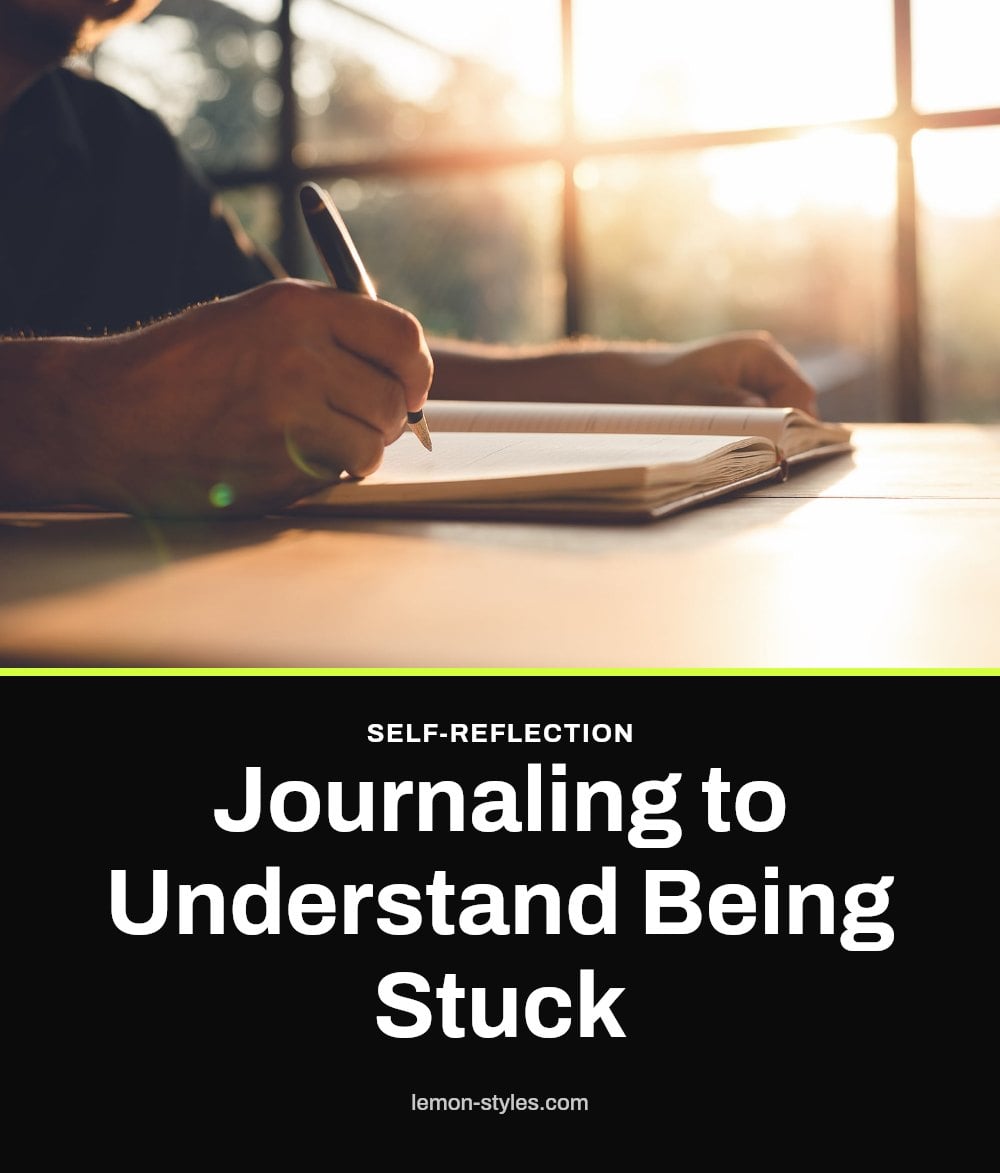
Before you can move forward, you need to understand what’s holding you back. Start with these two steps.
- Self-reflect to uncover unmet needs or limiting beliefs
- Journal to explore your thoughts and feelings
- Identify external pressures that may be contributing
3. Take Small, Intentional Steps
Once you know what’s going on, it’s time to act. Keep it simple and small.
- Break down large goals into tiny, manageable steps
- Set one small, achievable goal for today or this week
- Establish a routine to create structure and control
4. Shift Your Perspective and Engage

Try something new to shake up your routine and reconnect with what matters.
- Learn a new skill: Take a class or try a hobby that interests you.
- Review your values: Reflect on what truly matters and align actions with it.
- Practice mindfulness: Spend a few minutes daily to notice your thoughts without judgment.
5. Seek Support and Celebrate Progress
You don’t have to figure this out alone, and you also deserve credit for what you’ve already done.
- Reach out: Talk to a trusted friend, family member, or professional for perspective and accountability.
- Celebrate wins: Acknowledge small progress to keep your motivation going.
6. Frequently Asked Questions
How long does it take to stop feeling stuck?
There is no set timeline because it varies for everyone. With consistent effort and self-reflection, many people notice changes over weeks or months. Be patient with yourself and focus on small steps rather than a quick fix.
What if I don’t know why I feel stuck?
That’s completely normal. Start by journaling or trying a new hobby to explore your feelings. Sometimes the reason emerges as you take small actions. It may also help to talk with a trusted friend or a professional for guidance.
Can feeling stuck be a sign of something serious?
If feeling stuck is accompanied by persistent sadness, hopelessness, or inability to function in daily life, it could indicate a deeper issue. In that case, it’s important to consult a mental health professional for proper support.
How can I stay motivated when I feel stuck?
Motivation often follows action, not the other way around. Set one small, achievable goal and celebrate completing it, no matter how minor. Revisit your values and connect with supportive people to keep going.
What is the first step when you feel stuck?
The first step is to acknowledge your feelings without judgment. Then, take a moment for self-reflection to identify what might be holding you back. A simple journal entry can help clarify your thoughts and point you toward your next move.
Is it normal to feel stuck at times?
Yes, feeling stuck is a normal part of the human experience. It can happen during transitions, after setbacks, or when life feels routine. Recognizing it as a temporary state can help you approach it with self-compassion and curiosity.
7. Final Thoughts
My tip: pick just one small goal for today, something like journaling for five minutes or calling a friend. Progress is gradual, but consistent effort over weeks and months will likely bring noticeable shifts. Remember, feeling stuck is temporary, and you have the tools to move through it.
This article is for general informational purposes only and is not a substitute for professional medical or mental health advice. If you are experiencing persistent sadness, hopelessness, or thoughts of self-harm, please consult a qualified mental health professional.