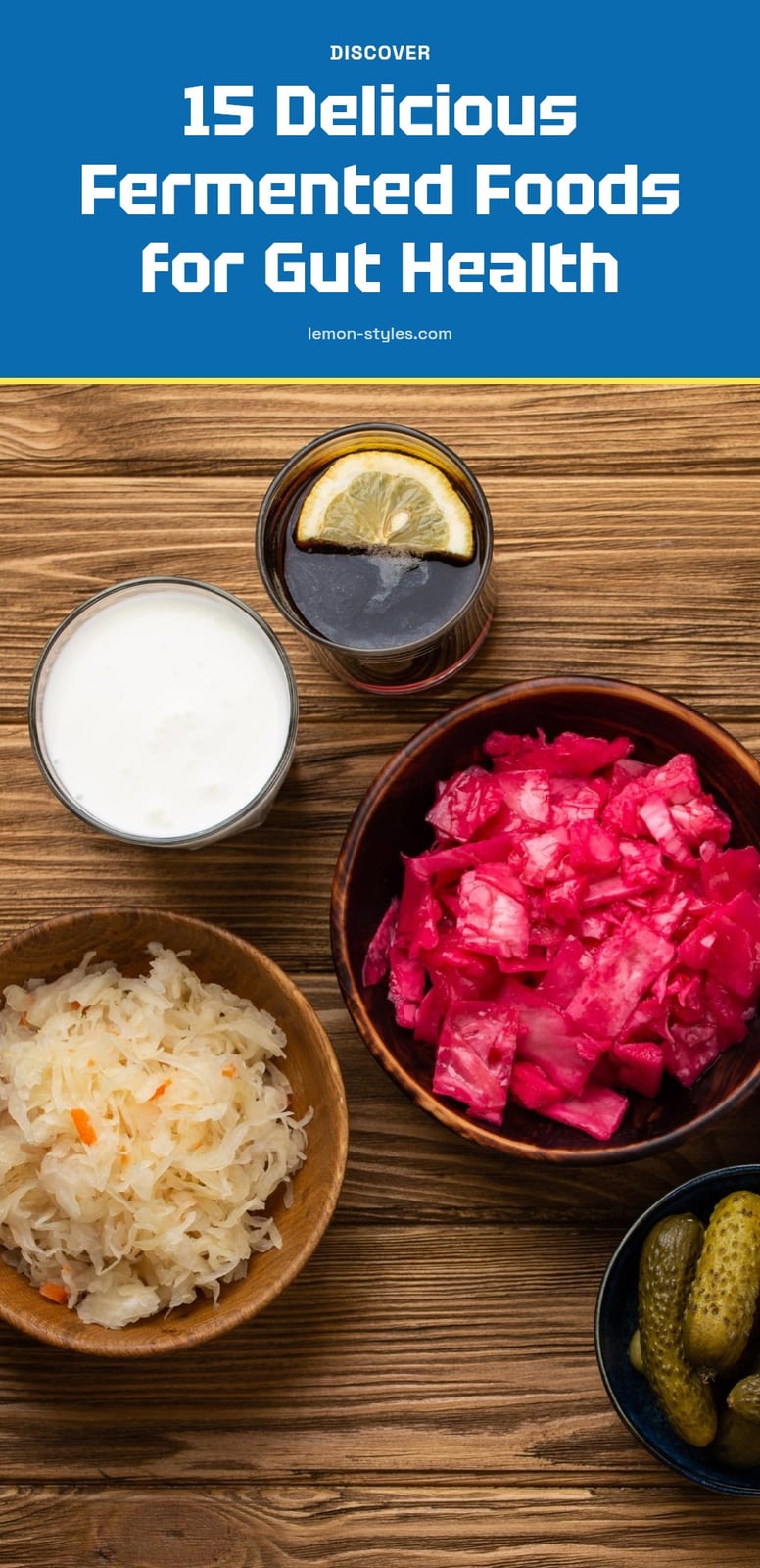
You’ve probably heard that a happy gut is key to feeling your best, and fermented foods are one of the most delicious ways to get there. These foods go through a natural process that creates beneficial bacteria, which can help with digestion, nutrient absorption, and even immune support. This article covers 14 fermented foods you can easily add to your diet, plus tips on choosing the right ones and avoiding common pitfalls.
Key Takeaways
- Look for labels that say ‘live and active cultures’ or ‘unpasteurized’ for probiotic benefits.
- Start with small portions and gradually increase to let your digestive system adjust.
- Choose a variety of fermented foods to get a diverse range of beneficial bacteria.
- Store fermented foods in the refrigerator to maintain their probiotic content.
- Don’t heat fermented foods excessively, as high temperatures can kill beneficial bacteria.
1. What Are Fermented Foods and Why Eat Them?
Fermented foods are created through controlled microbial growth that transforms sugars into beneficial compounds like lactic acid and probiotics. This ancient preservation method can aid digestion, enhance nutrient absorption, and support immune function by balancing your gut microbiome. Tip: Not all fermented foods contain live cultures, so look for ‘live and active cultures’ or ‘unpasteurized’ labels to get the probiotic benefits.
2. 1. Yogurt

Yogurt is a classic, accessible fermented dairy product rich in beneficial bacteria like Lactobacillus and Bifidobacterium. My tip: Choose plain, unsweetened varieties with ‘live and active cultures’ to avoid added sugars and maximize probiotic intake.
- Great for breakfast, smoothies, or as a sour cream substitute.
3. 2. Kefir

Kefir is a fermented milk drink, similar to a thin yogurt, made with ‘kefir grains’ that contain a wider variety of bacteria and yeasts than yogurt. It is excellent for those who are lactose sensitive, as the fermentation process breaks down much of the lactose.
- Enjoy it as a drink, in smoothies, or over cereal.
4. 3. Sauerkraut

Sauerkraut is fermented cabbage, a powerhouse of lactic acid bacteria and vitamins C and K. It is incredibly easy to make at home, but if buying, always look for ‘unpasteurized’ or ‘raw’ varieties in the refrigerated section.
- Serve it as a side dish, on sandwiches, or with savory meals.
5. 4. Kimchi

This spicy Korean staple starts with fermented napa cabbage and other vegetables, seasoned with chili, garlic, and ginger. The fermentation gives it a vibrant, tangy kick and a diverse array of beneficial bacteria that can support your gut microbiome.
- Serve it: as a side dish, in stir-fries, or even with eggs for a quick flavor boost.
- Store it: keep it refrigerated to maintain its live cultures and crisp texture.
6. 5. Tempeh
Tempeh is a fermented soybean product from Indonesia, known for its firm texture and nutty flavor. The fermentation process breaks down the soybeans, making them easier to digest and enhancing nutrient absorption, so your body can use more of what you eat.
It is a solid plant-based protein source. Slice it thin for stir-fries, crumble it into sandwiches, or grill it whole. A quick marinade helps it soak up flavor before cooking.
7. 6. Miso
Miso is a traditional Japanese seasoning made from fermented soybeans, salt, and kōji, a fungus, sometimes with rice or barley. It delivers a deep, umami flavor and a dose of probiotics that can aid digestion.
- Use it: in miso soup, salad dressings, or marinades.
- Caution: do not boil it. High heat can kill the beneficial bacteria, so stir it in at the end of cooking.
8. 7. Kombucha
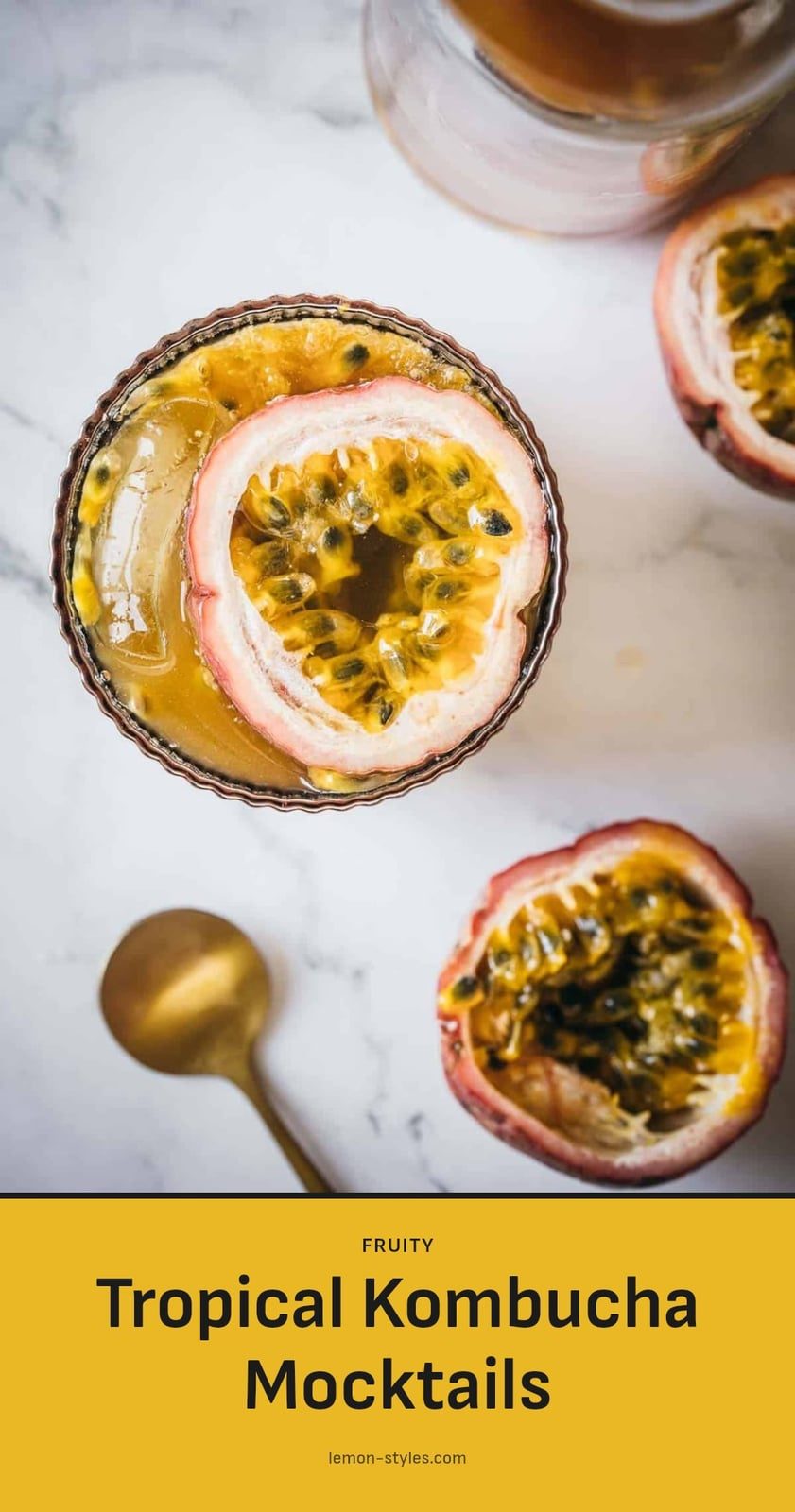
Kombucha is a fizzy, fermented tea beverage made with a SCOBY, a Symbiotic Culture of Bacteria and Yeast. It is a refreshing alternative to sugary sodas, but the label matters.
Check the nutrition facts for added sugar, since some commercial brands pack in sweeteners. My tip: start with small portions, as its effervescence and acidity can be potent for some people, especially when you are new to fermented drinks.
9. 8. Sourdough Bread
Sourdough bread starts with a ‘starter’ of wild yeast and lactic acid bacteria that ferments the flour before baking. That fermentation breaks down some of the gluten and phytic acid, which can make the loaf easier to digest and may even lower its glycemic index compared to regular white bread.
- What you get: improved digestibility from the fermentation, not live probiotics.
- Why no probiotics: the high heat of baking kills the live bacteria and yeast, so the cultures don’t survive to your plate.
- How to use it: treat sourdough as a gentler bread choice, and get your live cultures from unpasteurized or ‘live and active cultures’ foods instead.
My tip: pair a slice with a spoonful of sauerkraut or a glass of kefir if you want both the easier-to-digest bread and a probiotic boost in one meal.
10. 9. Fermented Pickles
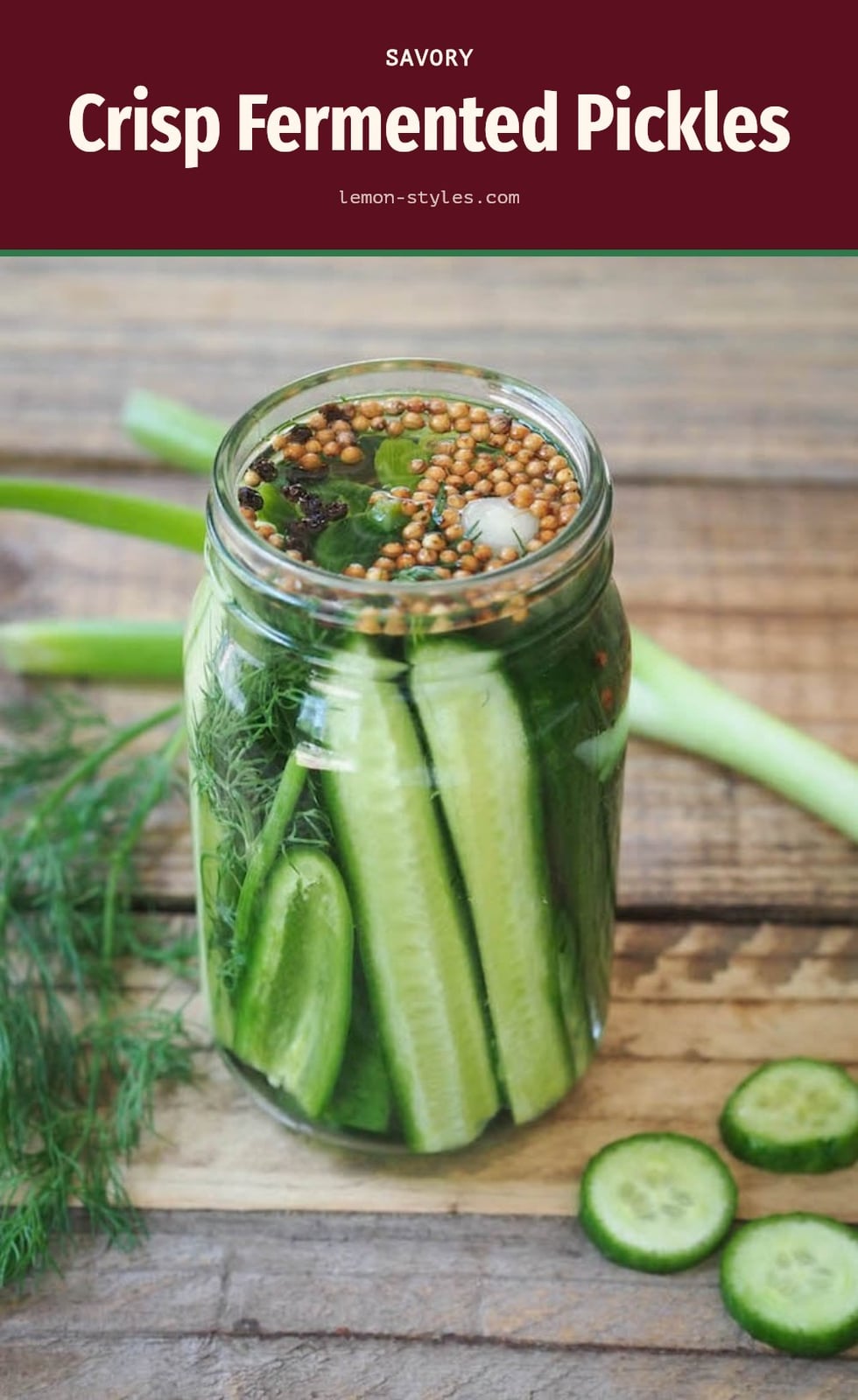
True fermented pickles are brined, not just soaked in vinegar, which allows lactic acid bacteria to flourish and create probiotics. Vinegar-only pickles skip that step, so they don’t offer the same gut benefits. When buying, check the label for ‘fermented’ or ‘live cultures’ and grab them from the refrigerated section to ensure the cultures are still active.
- Check the brine: Look for cloudy liquid, a sign of active fermentation.
- Skip the shelf: Shelf-stable jars are usually pasteurized, killing the good bacteria.
11. 10. Natto
Natto is a traditional Japanese dish of fermented soybeans, known for its strong flavor, sticky texture, and high vitamin K2 content. It’s made using Bacillus subtilis, a unique bacterial strain that sets it apart from other fermented foods.
While it’s an acquired taste for some, natto is incredibly nutritious and a potent source of probiotics. Enjoy it over rice, with a bit of soy sauce and mustard, or mixed into salads for a gut-friendly boost.
12. 11. Some Aged Cheeses
Certain aged cheeses like Gouda, Swiss, and aged cheddar can contain beneficial bacteria from their fermentation and aging process. However, the probiotic content varies widely depending on the cheese type and how it’s processed.
While not a primary probiotic source, they can contribute to a diverse intake. Tip: Check labels for ‘live cultures’ or ‘raw’ to increase your chances of getting some benefit.
13. 12. Apple Cider Vinegar (with ‘The Mother’)
Unpasteurized apple cider vinegar with ‘the mother’ contains beneficial bacteria and enzymes from its fermentation. While it is not a strong probiotic source like yogurt, many people find it supports digestion and gut health.
My tip: Dilute it with water before consuming to protect tooth enamel and ease digestion. Start with a small amount, like a teaspoon in a glass of water, and see how your body responds.
14. 13. Lacto-Fermented Vegetables
Beyond sauerkraut and kimchi, you can lacto-ferment almost any vegetable at home, from carrots and beets to green beans and radishes. The process is simple: submerge chopped vegetables in a saltwater brine and let them sit at room temperature for a few days to weeks. This DIY approach lets you control the ingredients, salt level, and flavorings like garlic, dill, or peppercorns.
Each batch introduces a different mix of lactic acid bacteria, so rotating your vegetables adds variety to your gut microbiome. Start with a small jar to test the process, then scale up once you find a combination you like.
15. 14. Rejuvelac
Rejuvelac is a fermented grain drink, often made from wheat or rye berries, that’s rich in enzymes and beneficial bacteria. The light, tangy beverage is simple to prepare at home by soaking and fermenting the grains in water.
You can drink it on its own as a refreshing, gut-friendly option, or use it as a base for raw food recipes like vegan cheeses and dressings. Since it’s mild, it pairs well with other flavors.
- Tip: Start with a few tablespoons to see how your digestive system responds.
- Good to know: Keep it refrigerated and use within a few days for the best quality.
16. Common Missteps When Enjoying Fermented Foods
The biggest mistake is assuming every fermented food on the shelf is probiotic-rich. Many commercially processed options are pasteurized after fermentation, which kills the beneficial bacteria. Check for labels that say ‘live and active cultures’ or ‘unpasteurized,’ and look in the refrigerated section for the best picks.
Another common error is starting too fast. Introducing large amounts of fermented foods all at once can cause bloating or gas as your gut adjusts. Start with a small portion, like a tablespoon of sauerkraut, and gradually increase over several days.
Don’t confuse pickled with fermented. Many pickles are simply preserved in vinegar and offer no probiotic benefits. Choose options labeled ‘fermented’ or ‘live cultures’ to get the real deal.
Overheating is another misstep. High temperatures destroy the live bacteria in fermented foods. If you’re cooking with miso or kimchi, add them at the end of cooking or enjoy them raw to preserve their benefits. For stir-fries, stir in kimchi just before serving off the heat.
Finally, watch the sugar content. Some fermented drinks, especially kombucha, can be loaded with added sugars. Always read the nutrition label to make an informed choice.
17. Frequently Asked Questions
Are all pickled foods fermented?
No. True fermented pickles are brined and rely on lactic acid bacteria to create probiotics. Many store-bought pickles are simply preserved in vinegar, which skips the fermentation step and does not offer the same gut benefits. Check the label for ‘fermented’ or ‘live cultures’ to be sure.
How quickly will I see benefits from eating fermented foods?
Benefits can vary, but many people notice improvements in digestion and energy within a few weeks to a few months if they eat fermented foods consistently. Your individual gut health and the variety of foods you choose play a big role. Be patient and start small.
Can I get probiotics from store-bought fermented foods?
Yes, but only if the product is unpasteurized and labeled with ‘live and active cultures’ or ‘unpasteurized.’ Many commercial fermented foods are pasteurized after fermentation, which kills the beneficial bacteria. Always check the label and look for refrigerated options.
What if I experience bloating after eating fermented foods?
Some bloating or gas is common when you first introduce fermented foods, especially if you eat too much too quickly. Start with a small serving, like a tablespoon of sauerkraut or a few sips of kefir, and gradually increase over a week or two. If discomfort persists, consult a healthcare provider.
Can I make fermented foods at home safely?
Yes, making fermented foods at home is safe if you follow proper hygiene and a reliable recipe. Use clean jars, fresh vegetables, and the right salt-to-water ratio for brines. Avoid mold or off smells, and if you have a compromised immune system, talk to your doctor before trying homemade ferments.
18. Final Thoughts
My tip: Start with one or two fermented foods you already enjoy, like yogurt or sourdough bread, and gradually add others over a few weeks. You may notice improvements in digestion and overall well-being within a few weeks to a few months, but consistency matters more than quantity. A little goes a long way toward a happier gut.
This article is for general informational purposes only and does not constitute medical advice. Fermented foods may affect individuals differently, especially those with histamine intolerance or compromised immune systems. Consult a healthcare provider before making significant dietary changes or if you have a persistent health concern.