Chapped lips can be painful, unsightly, and hard to ignore. The good news is that with the right approach, you can soothe them quickly and keep them soft for good. This article breaks down why lips get dry, the best balms and habits to heal them fast, and the common mistakes that make chapping worse.
Key Takeaways
- Apply a thick occlusive balm like petroleum jelly or lanolin frequently throughout the day.
- Avoid lip balms with menthol, camphor, or salicylic acid if your lips are sensitive.
- Use a humidifier in dry indoor air to help prevent moisture loss from lips.
- Always wear lip balm with SPF 30 or higher when going outside.
- Stop licking or picking at your lips; reach for balm instead for lasting moisture.
1. How to Get Rid of Chapped Lips Quickly
Reach for a thick balm built on petroleum jelly or lanolin and reapply it often, including in the morning before heading out. Those occlusive ingredients sit on the surface and hold moisture in instead of letting it escape. Put on a heavy layer before bed and again before you go outside. Skip licking and resist peeling flakes, since both slow healing. With steady application, most chapped lips look better within a few days and heal fully in one to two weeks.
2. Why Your Lips Get Chapped and Dry
Your lips are thin, delicate, and missing the oil glands that keep the rest of your face supple. No sebaceous glands means no natural oil supply, so moisture leaves faster than it can be replaced.
What makes it worse
- Weather: Cold, dry air, wind, and sun all pull moisture from lip skin, and winter air indoors is just as dry.
- Dehydration: Drinking too little water shows up on your lips early, because there is less fluid to go around.
- Licking: Saliva feels wet for a second, then evaporates and takes your own oils with it, so the dryness deepens.
- Harsh ingredients: Camphor, menthol, and salicylic acid in some balms can irritate and dry sensitive lips further.
3. Essential Tools for Healing Chapped Lips
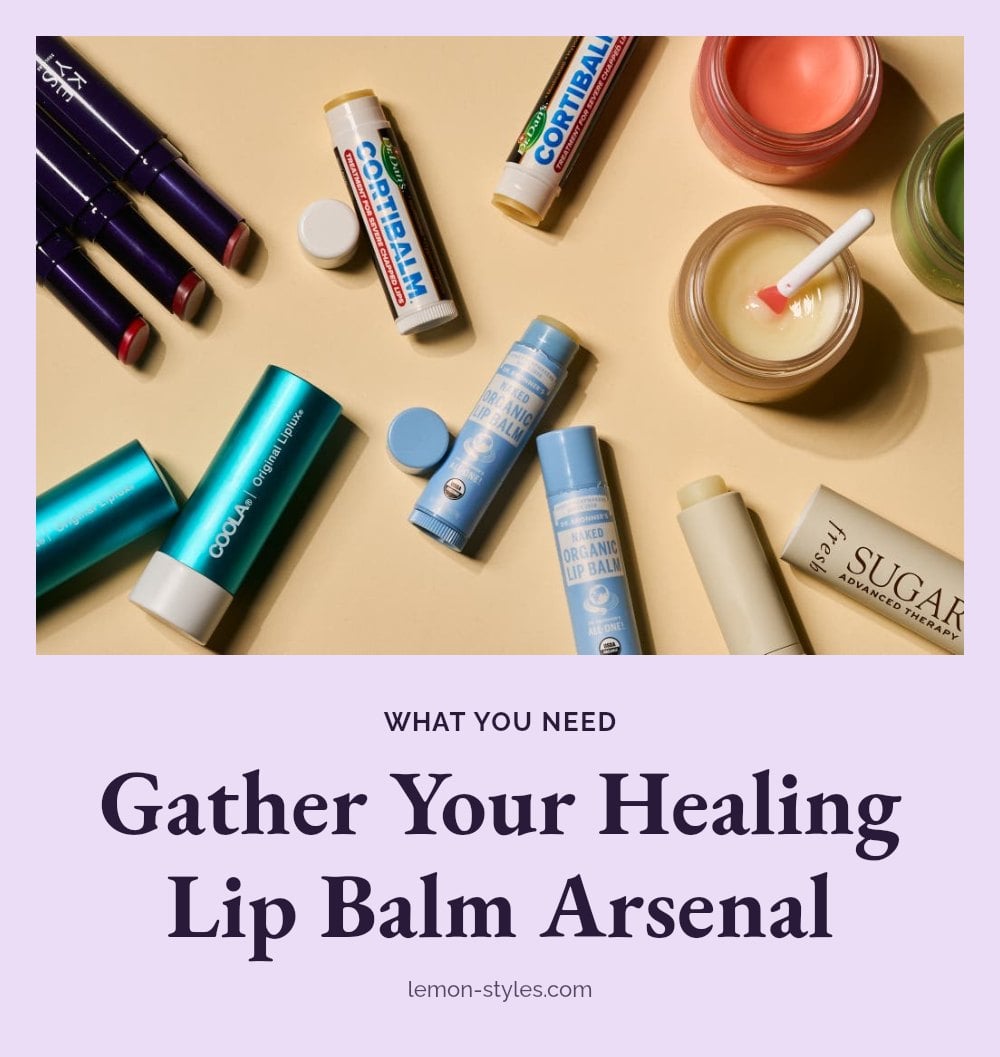
You need a few key items to treat chapped lips effectively, and two types of balm are essential, not just one.
- Occlusive balm: Petroleum jelly or lanolin creates a seal over the lips so moisture stays where it belongs.
- Emollient balm: Shea butter, beeswax, or ceramides soften rough texture and smooth the surface while the barrier holds.
- SPF 30+ lip balm: Sun damage causes and worsens chapping, so protection belongs in your daily routine, not just at the beach.
- Humidifier: Adds moisture to dry indoor air, especially in heated rooms and arid climates.
- Water bottle: Keeps water within reach so sipping stays consistent through the day.
4. Effective Methods to Soothe and Heal Your Lips
Healing comes down to four habits you repeat daily until the skin recovers. Improvement usually shows within a few days, with full healing in one to two weeks.
Intensive hydration
Apply a thick layer of balm, not a thin swipe, and reapply every couple of hours and after every meal or drink. A generous coat before bed does the most work, since you are not talking, eating, or licking for hours.
Protection from the elements
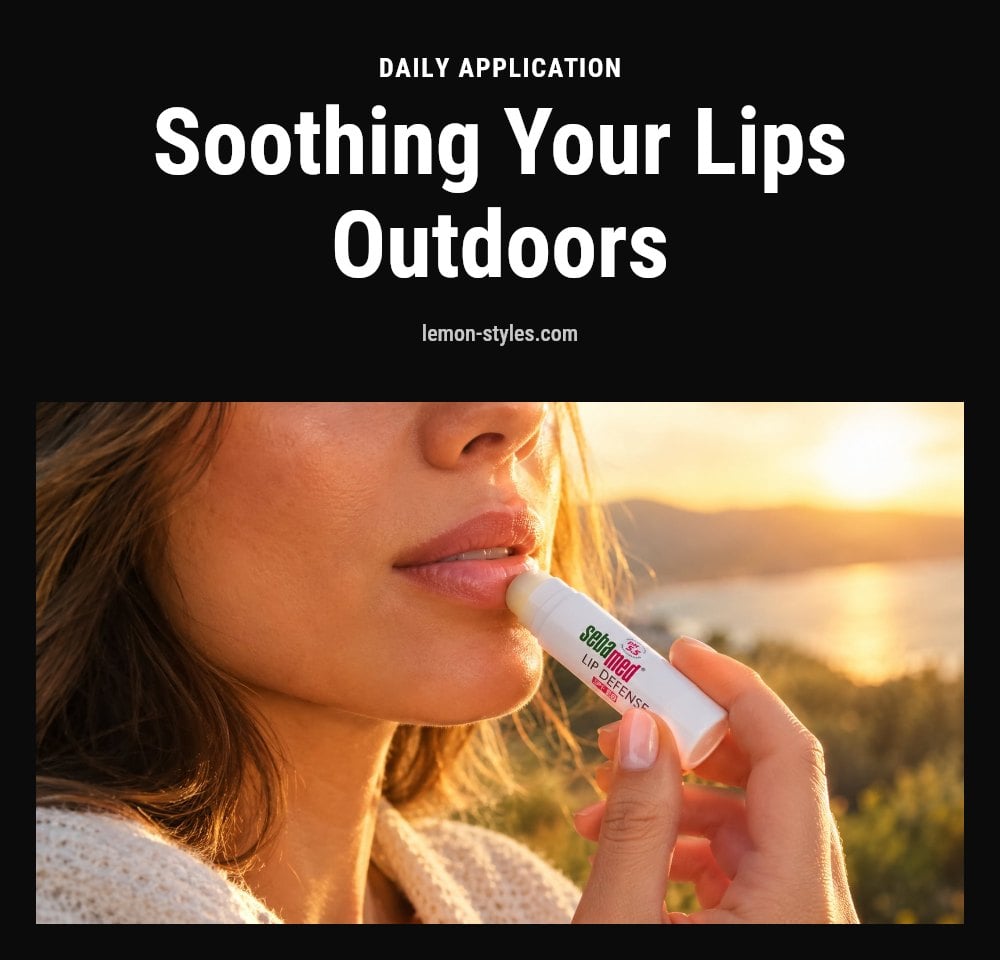
Wrap a scarf over your mouth in cold, windy weather and use an SPF 30+ balm whenever you are outside, including cloudy days. UV rays reach lip skin year round and break down the barrier you are trying to rebuild.
Address internal causes
Drink water steadily rather than in one big glass, and run a humidifier in the rooms where you sleep and work. Dry indoor air undoes a good balm overnight.
Avoid irritants
Read labels and set aside balms with camphor, menthol, eucalyptus, or salicylic acid while your lips heal. Keep your tongue off your lips, and if you want to smooth flakes, wait until the skin has healed and use a mild, fragrance-free scrub.
My tip: Keep one balm in your bag, one by the bed, and one at your desk. The biggest predictor of fast healing is how often you reapply.
Here is the method in action: Doctorly demonstrates it in about 12 minutes. The how-to part starts at 0:35.
5. Common Mistakes That Worsen Chapped Lips
Licking your lips: It feels like quick relief, but as the saliva evaporates it pulls natural oils away, leaving lips drier than before. Reach for balm instead.
Using irritating lip balms: Ingredients like menthol, camphor, and salicylic acid create a cooling tingle but actually strip moisture. Switch to a balm with petroleum jelly, shea butter, or beeswax.
Picking at flaky skin: Tearing off loose bits can cause bleeding, infection, and a longer healing time. Let the flakes soften with balm and slough off naturally.
Skipping sun protection: UV rays damage the thin skin on lips just as they do the rest of your face, worsening chapping. Always use a lip balm with SPF 30 or higher.
Ignoring dehydration: Not drinking enough water shows up on your lips first. Keep a water bottle at your desk and sip throughout the day.
6. How to Prevent Chapped Lips from Returning
Make lip balm a non-negotiable habit. Keep applying a thick layer as often as you did during healing, every couple of hours and after every meal or drink, and don’t stop just because your lips feel fine. That frequency is what keeps moisture locked in once the surface has recovered.
Always use an SPF 30+ lip balm when you go outside, no matter the season. UV rays reach your lips through clouds and winter sun.
Drink water consistently throughout the day. Hydration supports your skin from the inside and reduces the chance of dryness.
Run a humidifier in your bedroom or office during dry months or in arid climates. It adds moisture to the air and helps your lips retain theirs.
Check ingredients in all lip products, toothpaste, and even foods. Avoid anything with camphor, menthol, eucalyptus, or salicylic acid if your lips are sensitive.
7. When to See a Doctor for Persistent Chapped Lips
If your chapped lips do not improve after two to three weeks of consistent care, or if they become severely swollen, painful, or develop open sores, see a doctor or dermatologist. These symptoms can point to an underlying condition, infection, or allergic reaction that needs medical attention.
8. Frequently Asked Questions
How long does it take for chapped lips to heal?
With consistent use of the right balms and protective habits, you can see improvement within a few days. Full healing typically takes one to two weeks, depending on how severe the chapping is and how well you avoid irritants like licking or harsh weather.
Can I use regular body lotion on my lips?
It’s best to stick with products made for lips. Body lotions often contain fragrances, alcohols, or other ingredients that can sting or dry out the delicate skin on your lips. A dedicated lip balm with occlusive or emollient ingredients is safer and more effective.
Is it bad to exfoliate chapped lips?
Yes, exfoliating chapped lips can strip away protective layers and make dryness and sensitivity worse. Wait until your lips have healed before trying a gentle, fragrance-free scrub. Even then, exfoliate no more than once a week to avoid overdoing it.
What ingredients should I look for in a lip balm?
For healing, look for occlusive ingredients like petroleum jelly or lanolin that seal in moisture. Emollients such as shea butter, beeswax, or ceramides help soften and smooth lips. For daily protection, choose a balm with SPF 30 or higher.
Why do my lips get chapped even when I drink water?
Staying hydrated helps, but it’s not a complete fix. Environmental factors like cold air, wind, sun, and indoor heating can still pull moisture from your lips. You also need a protective balm to lock hydration in and shield lips from the elements.
9. Final Thoughts
For the fastest relief, stick with a thick petroleum jelly or lanolin balm applied generously every few hours and before bed. Expect noticeable improvement within a few days, with full healing in one to two weeks. Make lip care a daily habit, and your lips will stay comfortable and smooth year-round.
This article is for general informational purposes only and does not constitute medical advice. If your chapped lips persist for more than two to three weeks, become severely swollen, painful, or develop sores, please consult a doctor or dermatologist for a proper diagnosis and treatment.