You want a flatter stomach, and you’re probably wondering which foods actually help. The truth is, no single food can target belly fat, but certain foods can support your efforts by reducing bloating, keeping you full, and helping your metabolism. In this article, I’ll share 12 foods that can be part of a belly-flattening strategy when combined with overall healthy habits.
You’ll learn how these foods work, from fiber-rich berries to probiotic-packed yogurt, and get practical tips for including them in your meals.

Key Takeaways
- Spot reduction is a myth; you need overall fat loss through diet and exercise to flatten your stomach.
- Foods high in fiber, protein, and probiotics can reduce bloating and support a healthy metabolism.
- Stay hydrated, manage stress, and get 7-9 hours of sleep to help keep belly fat in check.
- Avoid added sugars, refined carbs, and excess sodium, which contribute to bloating and fat storage.
1. How to Get a Flatter Stomach
You can’t flatten your stomach by targeting it directly. Spot reduction isn’t possible, so a flatter stomach comes from lowering overall body fat across your whole body. The practical formula is a balanced diet built on whole foods, regular exercise that mixes cardio and strength work, steady hydration, and sleep plus stress management, since chronic stress is linked to more abdominal fat storage. Certain foods can support metabolism, ease bloating, and aid digestion, which helps your stomach look flatter, but they work alongside the basics rather than instead of them.
2. 1. Lean Protein Sources
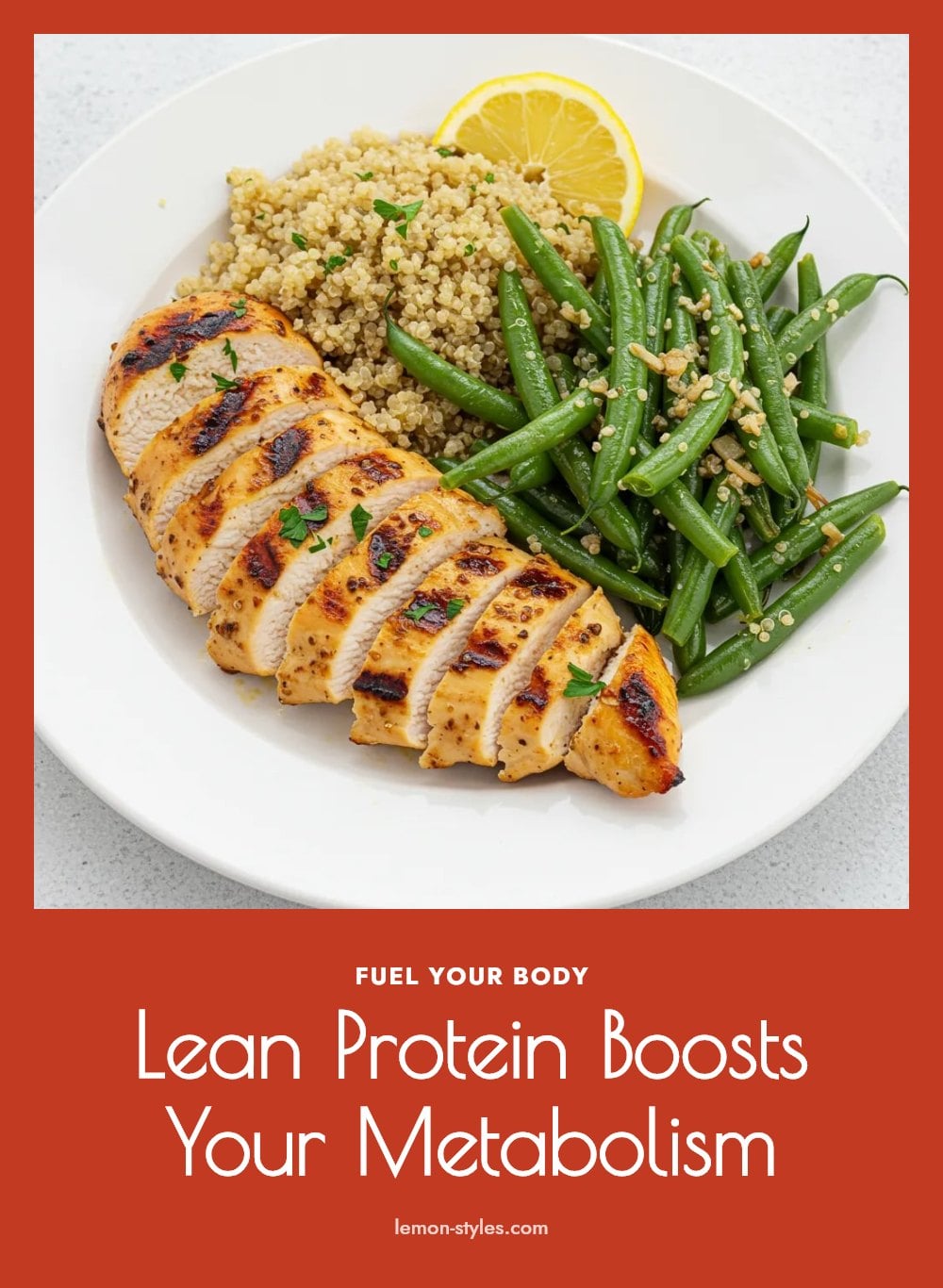
Lean protein such as chicken breast, fish, beans, and lentils does two jobs at once. It has a higher thermic effect than fat or carbs, meaning your body burns more calories digesting it, and it keeps you full longer, so you eat less without counting every bite. Protein also protects muscle mass while you lose fat, and muscle is what keeps your metabolism running.
Build each plate around a palm-sized portion: eggs at breakfast, lentils in a salad at lunch, fish or chicken at dinner.
- Good to know: Beans and lentils count as protein and fiber in one, which is why they show up on so many fat-loss plates.
My tip: aim to include a lean protein source with every meal to maximize satiety and metabolic benefits.
3. 2. Fiber-Rich Berries

Raspberries, blueberries, and blackberries deliver a lot of fiber and antioxidants for very few calories. That fiber slows digestion and promotes satiety, which helps you eat less overall, and it feeds the gut bacteria tied to healthy digestion. A cup of raspberries carries around 8 grams of fiber, more than most fruits per serving.
Keep a bag of frozen mixed berries on hand so you never run out.
My tip: add a handful of mixed berries to your morning oatmeal or yogurt for a fiber boost that also sweetens the bowl without added sugar.
4. 3. Avocado and Healthy Fats
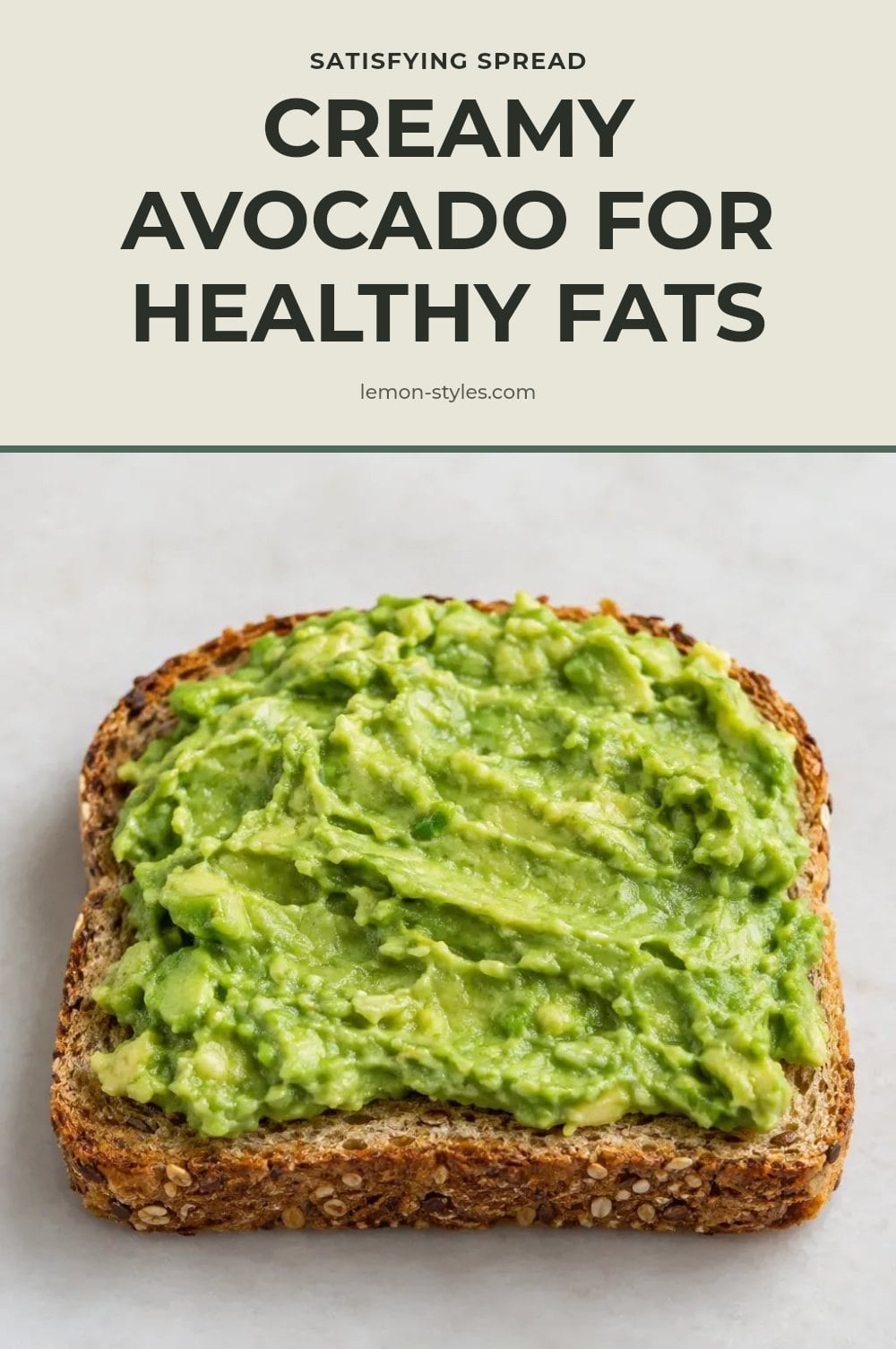
Avocado is rich in monounsaturated fats, the same healthy fat type found in olive oil. Fat digests slowly, so it keeps you full and satisfied and lowers the odds of reaching for a snack an hour later. Half an avocado also brings several grams of fiber, so it works on satiety from two directions.
- Watch the portion: avocado is calorie-dense, so measure it rather than eating a whole one by habit.
My tip: enjoy a quarter to half an avocado with a meal or as a snack, mashed on whole grain toast or cubed into a salad, to add healthy fats and fiber.
5. 4. Leafy Greens
Spinach, kale, and other leafy greens pack a lot of fiber and nutrients for almost no calories. The fiber promotes regular digestion, which can visibly reduce bloating and help your stomach appear flatter.
My tip: Aim for a generous serving of leafy greens in at least two meals each day. Add a handful of spinach to your smoothie or use kale as the base for your lunch salad. The volume fills you up without adding many calories, making it easier to stick to your overall calorie goals.
6. 5. Whole Grains
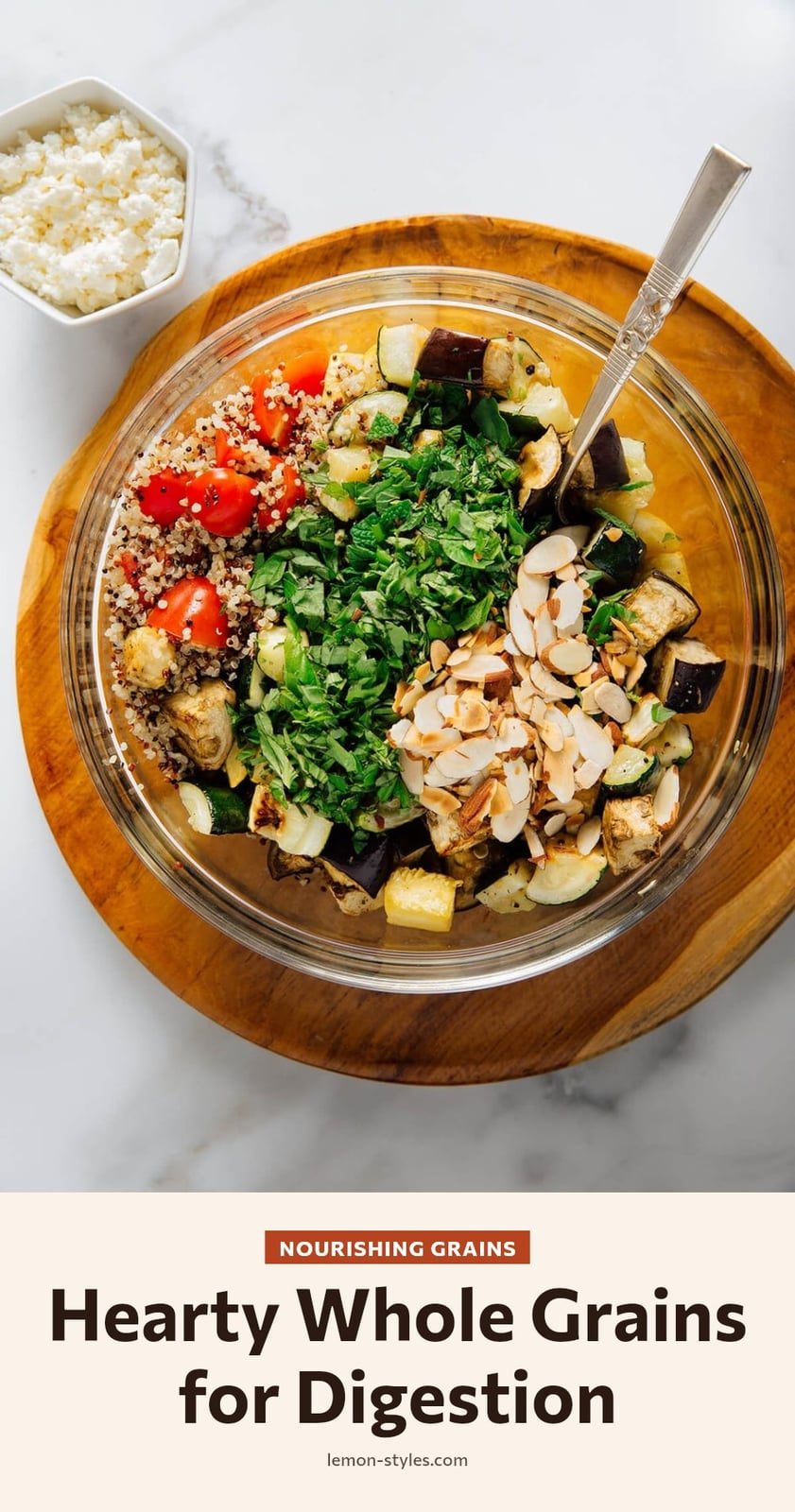
Refined grains like white rice and white bread are stripped of most of their fiber during processing. Whole grains such as quinoa, brown rice, and oats keep that fiber intact, along with more vitamins and minerals. The fiber helps you feel full longer, which can lower your overall calorie intake and support gradual belly fat reduction over time.
My tip: Swap refined grains for whole grain options in your meals to boost your fiber intake and support digestion. For example, use brown rice instead of white in stir-fries or choose whole grain bread over white.
7. 6. Nuts and Seeds
Almonds, chia seeds, and flax seeds combine healthy fats, fiber, and protein in one small package. That trio keeps you full for hours and supports a steady metabolism, which helps with overall fat reduction over time.
Tip: A small handful of almonds or a tablespoon of chia seeds stirred into yogurt makes a satisfying snack that stops mindless eating later. For flax seeds, grind them fresh or buy ground flax to get the most nutrients.
8. 7. Plain Unsweetened Yogurt

Plain, unsweetened yogurt is a direct source of probiotics, the beneficial bacteria your gut needs to stay balanced. A healthy gut microbiome directly reduces bloating and improves digestion because it helps break down food more efficiently and reduces gas production.
Good to know: Buy plain, unsweetened yogurt and add your own fresh fruit or a drizzle of honey. Pre-sweetened yogurts often contain added sugars that feed less helpful gut bacteria and can undo the probiotic benefits.
- Look for “live active cultures” on the label to confirm it contains probiotics.
- Greek yogurt is thicker and often higher in protein, which also supports satiety.
9. 8. Fermented Foods
Kimchi and sauerkraut are fermented foods packed with probiotics, the same beneficial bacteria found in yogurt. These live cultures help balance your gut microbiome, which directly supports digestion and can significantly reduce the discomfort of bloating. Pro move: Start with a small serving of fermented vegetables a few times per week to let your digestive system adjust. Add them as a tangy side to rice bowls, salads, or scrambled eggs.
10. 9. Ginger

Ginger has a long history of use for calming digestive upset, thanks to its anti-inflammatory compounds. It can help reduce gas and bloating, making your stomach feel noticeably flatter after a meal. Quick tip: Grate fresh ginger into stir-fries or smoothies for a warming kick. For a quick digestive aid, steep a few thin slices in hot water for 5 minutes to make a soothing tea.
11. 10. Peppermint
Peppermint is a gentle herb that can relax the muscles of the digestive tract, which helps relieve trapped gas and bloating. This makes it a simple, effective option when your stomach feels heavy or puffy. Tip: A cup of unsweetened peppermint tea after a large meal is one of the easiest ways to calm your digestive system and reduce that uncomfortable full feeling.
12. 11. Green Tea
Green tea contains catechins, a type of antioxidant that may give a small, temporary boost to your metabolism and fat oxidation. It is not a weight loss solution on its own, but it supports your other efforts without adding calories. Good to know: Swap your afternoon soda or juice for a cup of unsweetened green tea. You cut out empty calories and get a mild metabolic nudge at the same time.
13. 12. Plenty of Water
Plain water does more than quench your thirst. Every cell depends on it, including the ones running your metabolism and digestion. When you are even slightly dehydrated, your body holds onto water, which shows up as puffiness and bloating. Drinking enough helps flush out excess sodium and keeps your digestive system moving regularly.
Pro move: Carry a reusable water bottle with you and sip throughout the day. Aim for pale yellow urine as a simple sign you are hydrated enough. If plain water bores you, add a few slices of cucumber or a splash of lemon.
14. Common Mistakes When Trying to Flatten Your Stomach
Believing in spot reduction: Hundreds of crunches will strengthen your abs but won’t erase the fat covering them. Only overall fat loss through diet and exercise reveals the muscle underneath.
Ignoring lifestyle factors: Diet and exercise are only part of the equation. Chronic stress raises cortisol, which encourages belly fat storage, and poor sleep disrupts hunger hormones. Both can undo your efforts.
Excessive sodium intake: Processed foods and restaurant meals often pack far more sodium than you realize. That extra salt makes your body retain water, leaving you bloated and your stomach looking larger than it is.
Expecting instant results: Sustainable changes take weeks to months to show. If a diet promises a flat stomach in days, it is likely relying on water loss or extreme restriction, neither of which lasts.
15. Frequently Asked Questions
Can I get a flat stomach in a week?
No, it’s not realistic to achieve a flat stomach in a week. Noticeable results typically take several weeks to months of consistent effort in diet and exercise. Quick fixes may reduce bloating temporarily, but lasting fat loss requires sustained healthy habits.
Do certain exercises target belly fat?
No, spot reduction is not possible. Exercises like crunches strengthen your abdominal muscles but won’t specifically burn fat from your belly. To reduce belly fat, you need overall fat loss through a combination of cardio, strength training, and a healthy diet.
Is bloating the same as belly fat?
No, bloating is temporary swelling from gas or water retention, while belly fat is stored adipose tissue. Bloating can make your stomach look larger for a short time, but it’s not the same as fat. Reducing sodium, staying hydrated, and eating probiotic foods can help with bloating.
What role does sleep play in stomach fat?
Sleep is important for managing stress and hormones that affect fat storage. Getting 7-9 hours per night can help regulate cortisol, which is linked to abdominal fat. Poor sleep may also increase appetite and cravings, making it harder to stick to healthy eating habits.
How much water should I drink for a flatter stomach?
There’s no exact amount that works for everyone, but aiming for adequate hydration throughout the day can help reduce water retention and support digestion. A common guideline is to drink when you’re thirsty and aim for pale yellow urine. Individual needs vary based on activity level and climate.
16. Final Thoughts
My advice: focus on adding these foods to your meals consistently rather than expecting overnight changes. A realistic expectation is that you’ll start noticing less bloating within a few weeks, but visible fat loss typically takes a couple of months of steady effort. Remember, there’s no magic food, but a balanced diet with these options can make a real difference over time.
Keep it simple: fill half your plate with vegetables, include a protein source, and stay hydrated. Your stomach will thank you.
This information is for general educational purposes only and is not a substitute for professional medical advice. Always consult a healthcare provider or registered dietitian before making significant dietary changes, especially if you have underlying health conditions. If you experience persistent digestive issues or unexplained weight changes, seek medical advice.