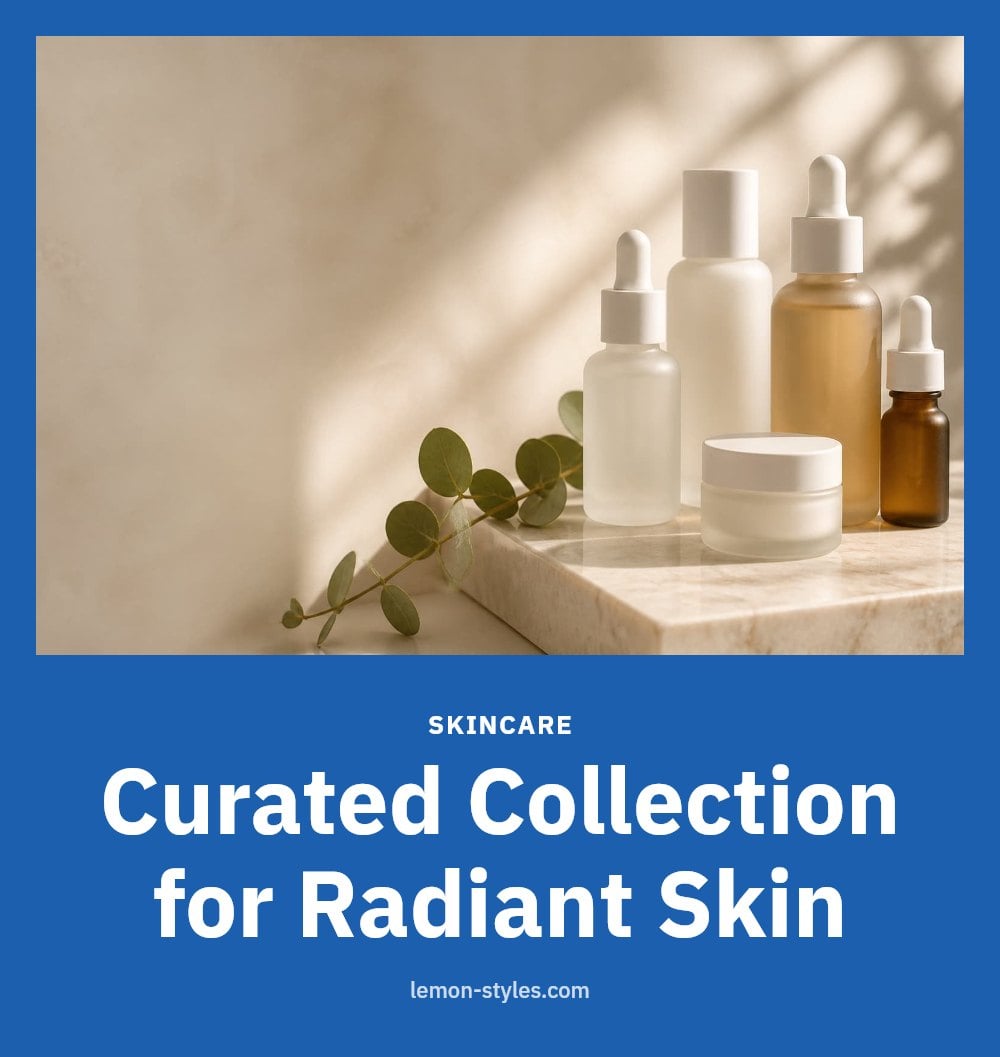
You’ve probably seen the term glass skin floating around and wondered what it actually takes to get that ultra-smooth, luminous look. It’s not about one miracle product, but a consistent routine focused on deep hydration, gentle exfoliation, and barrier support. This article breaks down the complete glass skin routine and shares expert tips to help you achieve and maintain that radiant glow.

Key Takeaways
- Double cleanse daily with an oil-based cleanser followed by a water-based one.
- Exfoliate 2-3 times a week to keep skin smooth and even.
- Layer hydrating toners or essences for a plumping, light-catching finish.
- Apply broad-spectrum SPF 30 or higher every single day.
- Consistency over weeks to months is key for visible results.
1. What is Glass Skin?
Glass skin is a Korean beauty trend built around a complexion that looks intensely hydrated, smooth, and almost translucent, like a pane of glass. The look comes from a multi-step routine, not from one product: deep hydration, regular gentle exfoliation, and nourishment that keeps the skin barrier healthy. When that barrier works well, it reflects light evenly, which is what reads as the dewy, poreless glow. Expect weeks to months of daily care, not an overnight result.
2. 1. Double Cleanse Daily
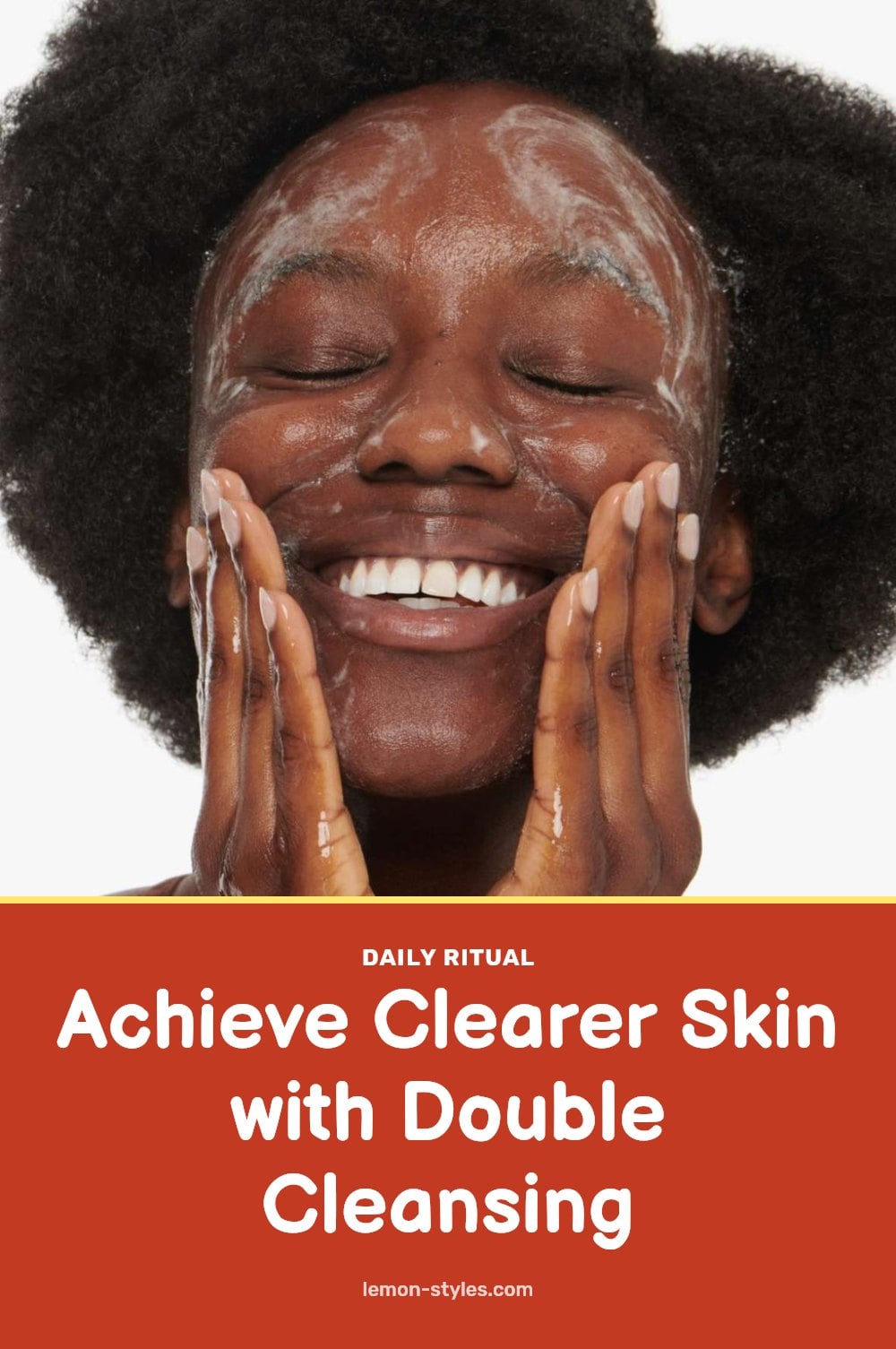
Start with an oil-based cleanser and massage it over dry skin to dissolve makeup, sunscreen, and the oily buildup of the day. Rinse, then go in with a water-based cleanser to lift whatever residue the oil left behind.
My tip: the two steps exist for different jobs. Oil breaks down oil and sunscreen; water cleanses the skin itself. Skipping either leaves a film that blocks the layers that follow, so your toner and serum sit on top instead of sinking in.
- Oil cleanser first, on dry skin, 30 to 60 seconds
- Water-based cleanser second, then lukewarm rinse
3. 2. Exfoliate Regularly, Gently
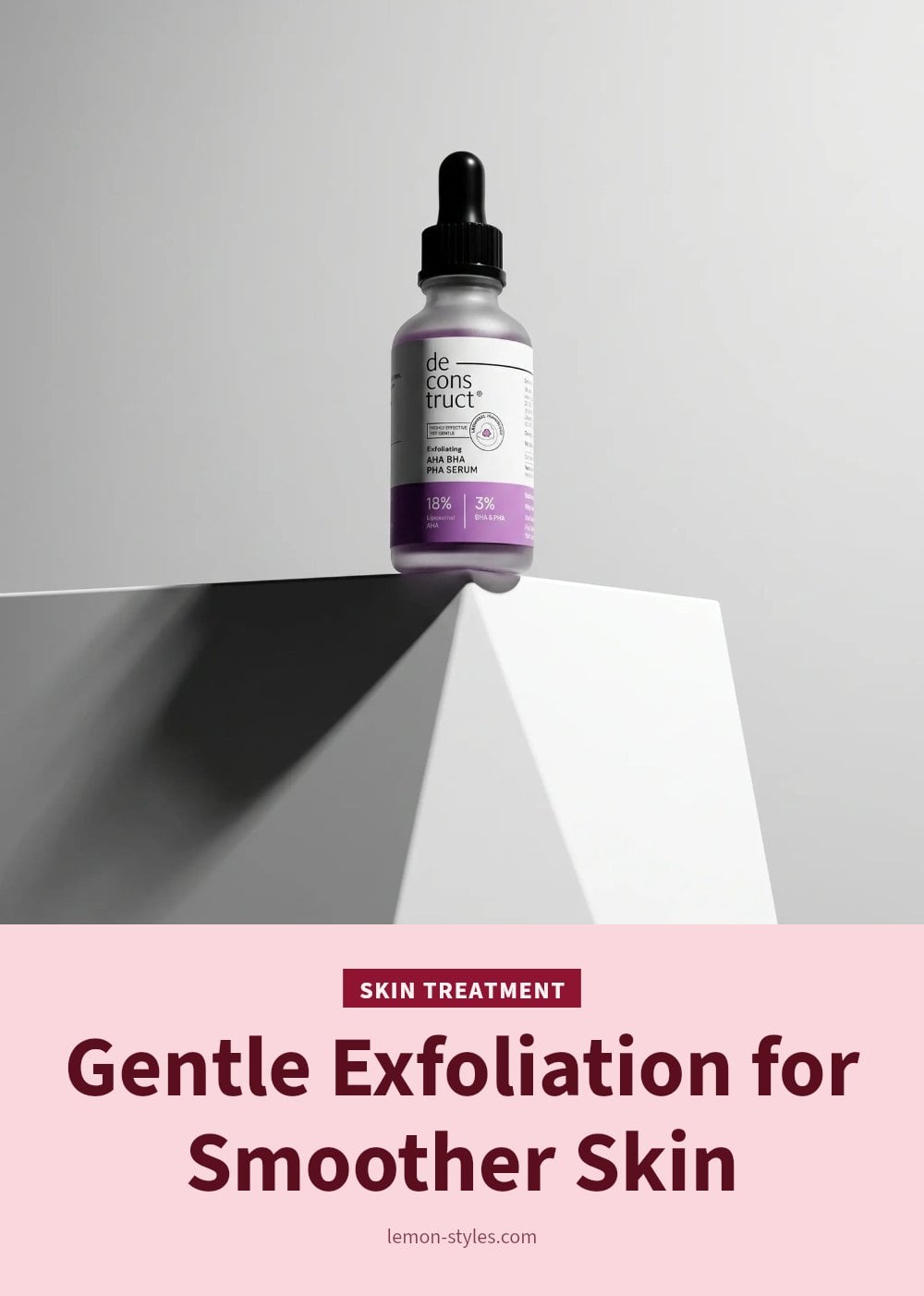
Two to three times a week is the sweet spot: it clears dead cells so light reflects more evenly and the next products absorb better. Pick one method, a gentle chemical exfoliant with AHAs or BHAs, or a very fine physical scrub, and keep the pressure light.
Caution: over-exfoliating damages the skin barrier, and the redness and tightness that follow undo the glow you are working for. If your skin stings when you apply a hydrating toner, you have exfoliated too often. Drop to once a week and build back up.
4. 3. Layer Hydrating Toners

Instead of one swipe, apply two to four thin layers of hydrating toner or essence, patting each one in with your palms until it absorbs before starting the next. The layers plump the outer skin with water, which is what gives that bouncy, light-catching finish.
My tip: look for hyaluronic acid, glycerin, or ceramides on the label. Watery, alcohol-free formulas layer best; anything that dries down fast or stings is not meant to go on three times.
5. 4. Incorporate a Potent Essence
Essences are lightweight, concentrated liquids that deliver active ingredients deeper than a toner can. They prep your skin so the serums and moisturizers that follow absorb better and work harder.
- Choose by concern: brightening essences with niacinamide or vitamin C, soothing ones with centella or green tea.
- Apply after toner: press 2-3 drops into damp skin with your palms, then follow with serum.
Tip: pick one essence that targets your main issue, not five different ones.
6. 5. Target Concerns with Serums
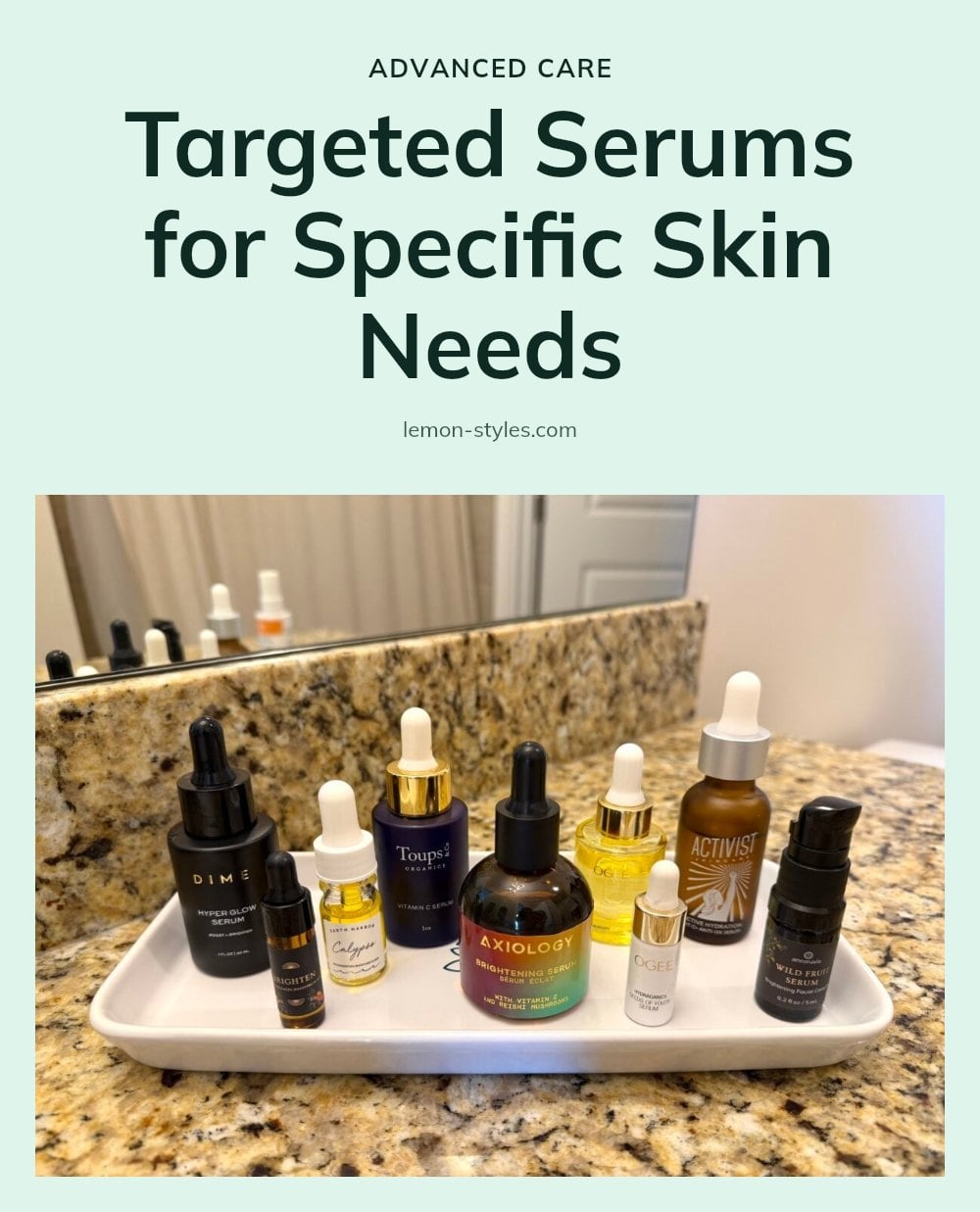
Serums are highly concentrated treatments aimed at specific skin concerns, so they are the workhorses of a glass skin routine. For that luminous, even look, choose formulas with vitamin C for brightening, niacinamide to refine pores, or hyaluronic acid for intense hydration.
- Layer correctly: apply serum after essence, while skin is still damp.
- Use a few drops: warm them between your fingers and pat over your face and neck.
- Don’t mix too many actives: start with one serum and add others slowly.
7. 6. Seal with a Rich Moisturizer

A rich moisturizer locks in all the hydration from your toners, essences, and serums, and it strengthens your skin barrier so that moisture stays put. Look for ceramides, fatty acids, or cholesterol in the formula, as these mimic your skin’s natural lipids.
- Apply while damp: this traps extra water in your skin.
- Oily skin? choose a gel-cream instead of skipping this step.
Good to know: if your skin feels tight by midday, your moisturizer might be too light.
8. 7. Daily Broad-Spectrum SPF

Sunscreen is non-negotiable if you want an even, glass-like glow. Daily broad-spectrum SPF 30 or higher protects against UV damage that causes dark spots, redness, and premature aging, undoing all your other efforts.
- Apply last: after moisturizer, before makeup.
- Use enough: about a nickel-sized amount for your face and neck.
- Reapply: every two hours when outdoors or sweating.
Pro move: keep a travel-size SPF in your bag so you never skip the midday reapplication.
9. 8. Patch Test New Products
Before you commit a new product to your whole face, test it on a small patch of skin first. This matters most for active ingredients like acids, retinoids, or vitamin C, which can trigger reactions even if they work well for others.
Apply a pea-sized amount to your inner forearm or behind the ear, then wait 24 to 48 hours. If you see redness, itching, or bumps, skip that product entirely.
Quick tip: The inner forearm or behind the ear are good spots for a patch test.
10. 9. Listen to Your Skin
Your skin changes with the seasons, stress, hormones, and even your diet, so treat its feedback as the final word. If a product leaves you red, itchy, or excessively dry, stop using it right away, regardless of how well it performed for someone else.
Pay attention to how your skin feels after each step: comfortable and bouncy means you are on track, tight or stinging means something is off. Adjust frequency or swap products accordingly.
Tip: Don’t force products that don’t feel right, even if they’re popular. Your skin’s reaction is the only review that matters.
11. 10. Consistency is Key
Glass skin is not a weekend project. It takes several weeks to months of consistent daily and nightly routines before you see the full effect, because your skin needs time to turn over cells and repair its barrier.
Stick with the same products and steps long enough to judge them fairly, and resist the urge to switch things up every few days. That kind of churn only confuses your skin.
Good to know: Make your routine a relaxing ritual you look forward to, not a chore. Play music, breathe, and enjoy the few minutes you give yourself.
12. 11. Hydrate Internally

Topical hydration gets most of the credit, but drinking enough water supports your skin from the inside out. Aim for at least 8 glasses a day, and more if you are active or in a dry climate.
Well-hydrated skin looks plumper and more even, while chronic dehydration can leave it dull and tight. Water alone won’t create glass skin, but it is a cheap, easy layer of support.
Pro move: Keep a water bottle handy to remind yourself to sip regularly, and you will hit your daily target without thinking about it.
13. 12. Eat a Balanced Diet

What you eat shows up on your skin, so build meals around fruits, vegetables, and healthy fats. These foods deliver the vitamins and minerals your skin needs to stay supple and luminous, and antioxidant-rich options help shield your skin from environmental damage.
My tip: add berries, leafy greens, and omega-3s from fish or flaxseed to your regular rotation. A colorful plate supports that glow from the inside out.
14. 13. Prioritize Quality Sleep
Sleep is when your skin does its repair work, regenerating cells and rebuilding your barrier while you rest. Skimping on it shows up as dullness, dark circles, and more visible pores.
Aim for 7 to 9 hours of quality sleep each night. My tip: build a relaxing bedtime routine, like dimming lights and putting your phone away an hour before bed, so you fall asleep faster and wake up looking refreshed.
15. 14. Incorporate Antioxidants
Antioxidants like vitamin C, vitamin E, and green tea extract defend your skin against free radical damage from UV rays and pollution. Over time, that protection keeps your tone even and helps prevent premature aging, which matters when you are chasing a glass-like finish.
My tip: look for serums or essences that combine several antioxidants, so you get broader protection in one step. Apply them in the morning after your moisturizer and before your SPF.
16. 15. Use Sheet Masks Weekly
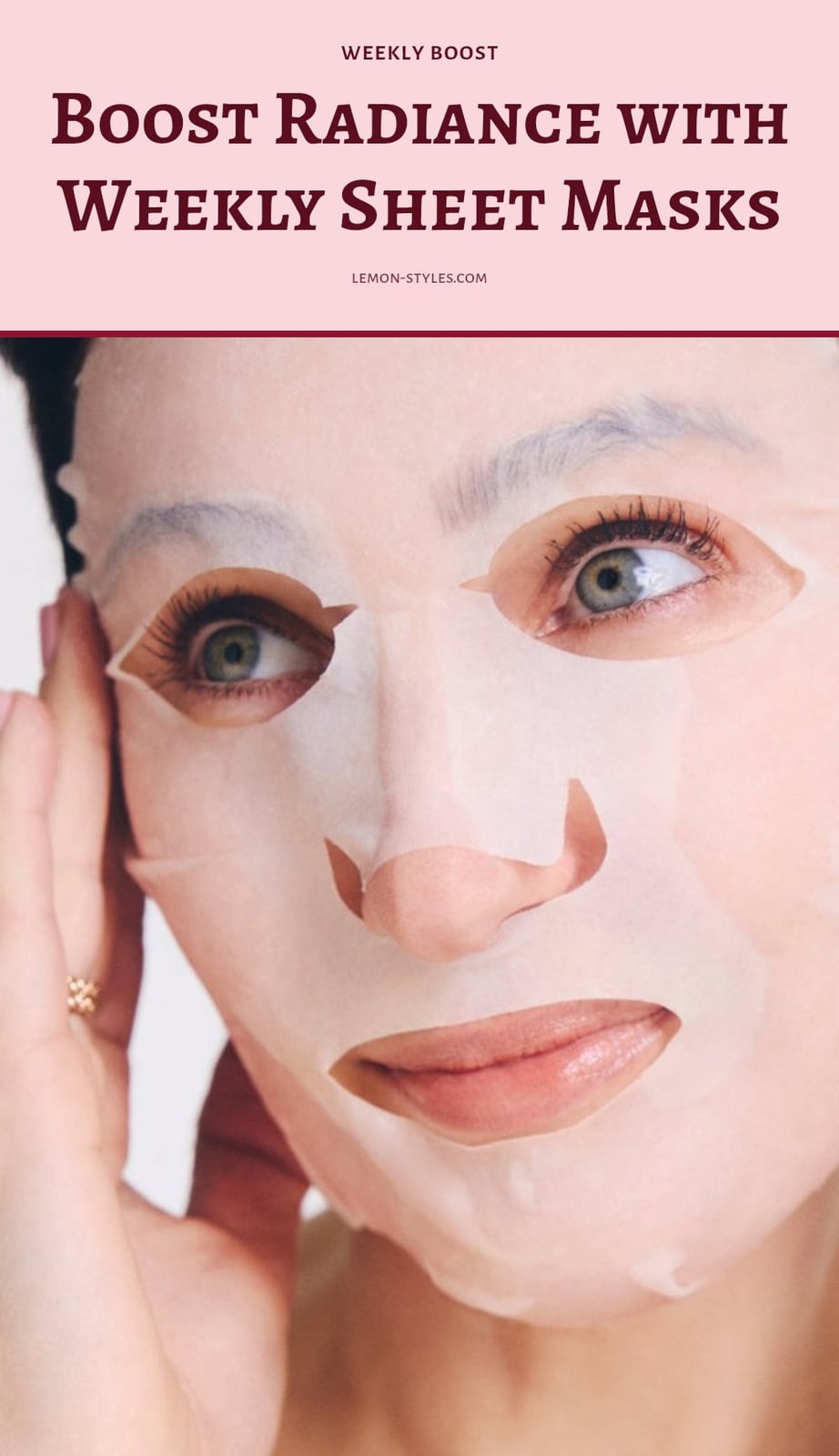
Sheet masks are a fast way to flood your skin with hydration and concentrated actives when it needs a pick-me-up. The mask holds the formula against your skin, which boosts absorption and gives you an instant dewy finish.
Use them once or twice a week as a treatment, not a daily step. My tip: choose masks with hyaluronic acid or ceramides for hydration, or brightening ingredients like niacinamide, and leave them on for the time printed on the pack, usually 15 to 20 minutes.
Caution: if you already use strong actives such as retinoids or acids, drop to one sheet mask a week or skip brightening formulas, so you do not stack too many actives at once.
17. 16. Don’t Pick Blemishes
Resist the urge to pick or squeeze a blemish. Every squeeze pushes bacteria deeper into the pore, which worsens inflammation and often turns a small spot into a larger, angrier one that takes far longer to heal.
Picking also damages the surrounding skin, which can leave behind permanent scarring and dark spots, or hyperpigmentation, that take months to fade. That is the opposite of the smooth, even tone you are working toward.
Caution: This is one of the quickest ways to undo your progress. Let your cleansers, exfoliants, and spot treatments do their job instead.
18. 17. Cleanse Thoroughly but Gently
Double cleansing works best when both steps are gentle. Skip harsh sulfates and strong foaming agents, which strip your skin’s natural oils and compromise your barrier, leaving you more prone to irritation and dullness.
Look for cleansers with a creamy or gel texture that rinse clean without that squeaky feeling. Your skin should feel clean and soft, not tight or dry, after washing.
19. 18. Consider an Eye Cream
The skin around your eyes is thinner and more delicate than the rest of your face, so it needs its own care. A targeted eye cream helps with hydration, fine lines, and dark circles, which a regular moisturizer often can’t address.
Apply it morning and night after your serum but before your moisturizer. Use your ring finger to gently tap the product along the orbital bone, not directly on the eyelid.
Quick tip: Tapping, not rubbing, prevents tugging on that fragile skin, which can worsen fine lines over time.
20. 19. Introduce Actives Slowly
New active ingredients like retinoids or strong acids are powerful, so your skin needs time to adapt. Start by using them just a few nights a week, then gradually increase the frequency as your skin builds tolerance.
Caution: Piling on too many actives at once is a fast track to irritation and barrier damage, which sets your glass skin goal back. If you are layering actives, introduce them one by one and watch how your skin responds over two weeks before adding another.
21. 20. Facial Massage for Circulation
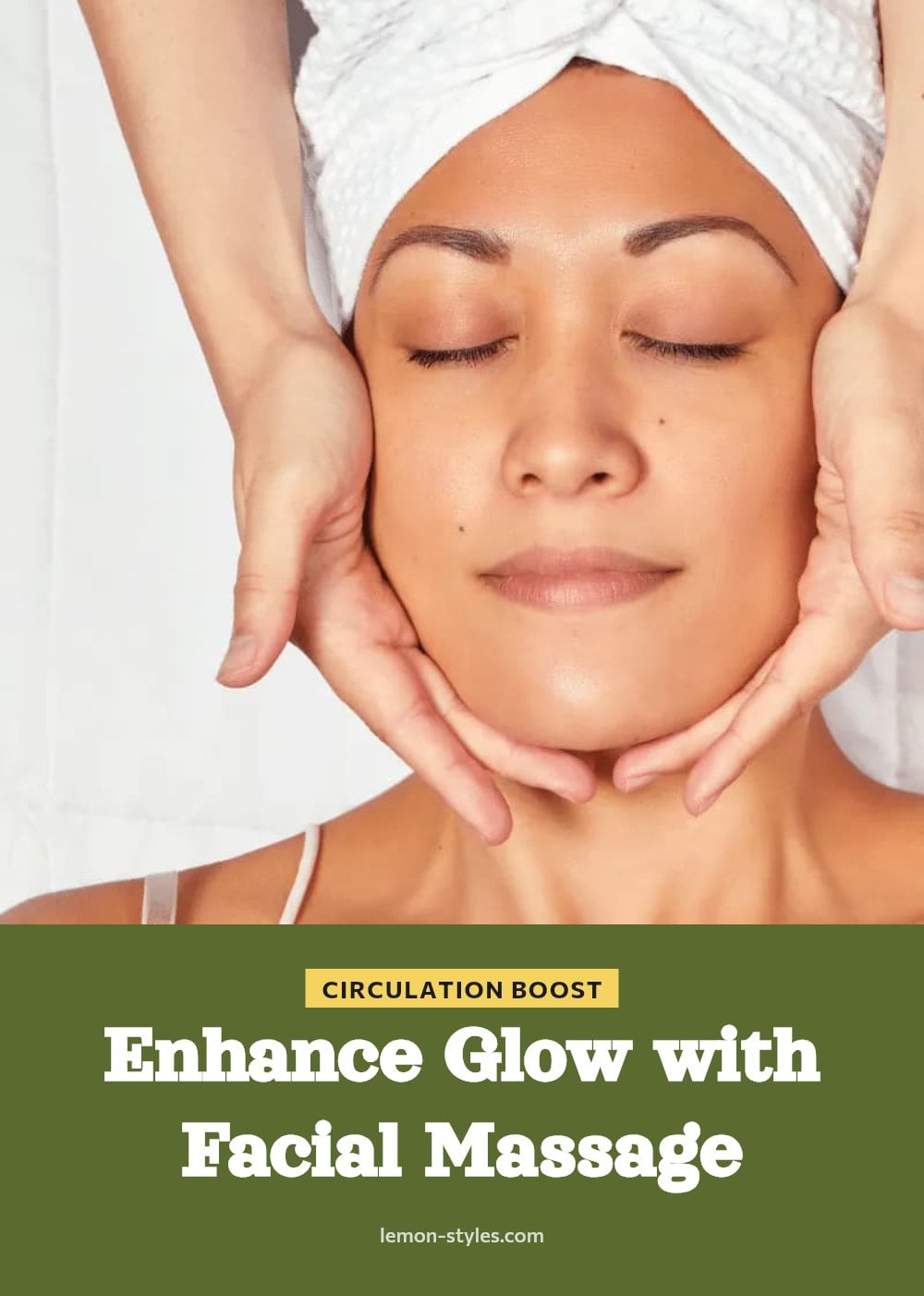
Gentle facial massage is a quick way to boost blood circulation and give your skin a temporary healthy glow. You can use your fingers, a facial roller, or a gua sha tool while applying your serum or moisturizer, working in upward and outward strokes for about one minute.
Tip: Always use an oil or serum to provide slip and prevent tugging on your skin. Massage with bare hands creates friction that can irritate your barrier, so never skip the product underneath.
22. 21. Control Stress Levels
High stress shows up on your skin as breakouts, dullness, or increased sensitivity, because stress hormones can disrupt your skin barrier and oil production. Incorporate stress-reducing activities like meditation, yoga, or a daily walk outside to keep your cortisol levels in check.
Good to know: A calm mind often translates to calmer, clearer skin. Even five minutes of deep breathing before bed can make a difference over time.
23. 22. Clean Your Pillowcases
Dirty pillowcases harbor bacteria, oil, and leftover product residue that transfers to your skin while you sleep, which can clog pores and cause breakouts. Change your pillowcase at least once a week, and more often if you have oily or acne-prone skin.
Pro move: Silk pillowcases reduce friction and are gentler on your skin and hair, so they are worth considering if you wake up with creases or irritation. Keep a spare set on hand to make swapping quick.
24. 23. Use Lukewarm Water
Use lukewarm water when you cleanse or rinse your face, because hot water strips your skin of natural oils and cold water does not remove products effectively. Lukewarm water keeps your barrier intact while still dissolving dirt and makeup.
Quick tip: Aim for a temperature that feels comfortable and neutral on your skin, not warm enough to steam or cool enough to shock. Test the water on your wrist first if you are unsure.
25. 24. Don’t Skip Your Neck
Your neck and décolletage are an extension of your face, and they age just as fast, so they deserve the same care. Extend every step, from cleansing and exfoliating to serums and moisturizer, all the way down to your collarbone. And do not forget sunscreen there, it is a common spot for sun damage and uneven tone.
Tip: This keeps your skin tone and texture consistent across your entire upper body, so your face never looks like a different color than your neck.
26. 25. Consider a Humidifier
If you live in a dry climate or your home gets stuffy in winter, a humidifier adds moisture back into the air, which helps prevent your skin from drying out overnight. Dry air pulls water from your skin, making it look dull and tight, and it can undermine all the hydrating layers you just applied.
Good to know: Place a humidifier in your bedroom and run it while you sleep, that is when your skin repairs itself and needs the most moisture support.
27. 26. Avoid Harsh Towel Drying
After cleansing, pat your face dry with a clean, soft towel instead of rubbing. Rubbing creates friction that can irritate your skin and disturb your barrier, which defeats the purpose of a gentle routine.
Use a dedicated facial towel that you wash regularly, or let your skin air dry for a few seconds. Pro move: Air drying is the gentlest option, but if you prefer a towel, choose a microfiber one and press, never drag.
28. 27. Be Patient with Results
Glass skin is a journey, not a sprint, so do not expect a mirror-worthy glow after a few applications. Your skin cells need time to turn over, and your barrier needs weeks to strengthen before the full effect of your routine shows.
Stick with your products for several weeks to months and judge results on progress, not perfection. Quick tip: Enjoy the ritual of caring for your skin, because consistency and patience are what actually deliver that luminous look.
29. 28. Consult a Dermatologist
If you have persistent skin concerns, severe acne, or unusual reactions that don’t improve with your routine, it’s time to see a dermatologist. They can give you personalized advice based on your skin type and prescribe stronger treatments that aren’t available over the counter.
Professional guidance is especially valuable if you’re dealing with conditions like rosacea, eczema, or hormonal acne that need a medical approach. A dermatologist can also help you identify which ingredients are actually worth your money and which ones are causing irritation.
Tip: Book a consultation before you invest in a whole new routine, so you know exactly what your skin needs and what to avoid.
30. 29. Maintain a Clean Environment
Your phone screen, sunglasses, and makeup brushes touch your face constantly, and each one collects oil, dead skin, and bacteria throughout the day. When you press your phone to your ear or swipe on foundation with a dirty brush, you transfer all of that directly onto your freshly cleansed skin, which can lead to breakouts and dullness.
Wipe down your phone screen daily with an alcohol wipe, and clean your sunglasses and makeup brushes at least once a week with a gentle cleanser. Let brushes dry completely before using them again, since damp bristles are a breeding ground for bacteria.
Good to know: Keep a pack of alcohol wipes near your desk or in your bag so wiping your phone becomes a quick habit, not a chore.
31. Common Mistakes to Avoid on Your Glass Skin Journey
Expecting Immediate Results: Glass skin takes time and consistency. Your skin cells need several weeks to turn over, so don’t get discouraged if you don’t see changes overnight. Stick with your routine for at least a month before judging it.
Over-Exfoliating: Too much exfoliation damages your skin barrier, leading to irritation, redness, and increased sensitivity. Stick to 2-3 times a week, and if your skin feels tight or stings, cut back.
Skipping Sunscreen: Neglecting SPF undermines all your efforts to achieve an even tone and protect your skin from damage. UV exposure causes dark spots and premature aging, so apply broad-spectrum SPF 30 or higher every morning, even on cloudy days.
Using Too Many Actives at Once: Introducing several strong ingredients like acids, retinoids, and vitamin C simultaneously can overwhelm and irritate your skin. Introduce them one by one, waiting a few weeks between each, so you know what works.
Not Hydrating Enough: The core of glass skin is intense hydration. If your skin feels dull or looks flat, you might need more hydrating layers, like an extra toner or a more substantial moisturizer.
Ignoring Your Skin’s Signals: If a product causes discomfort, stop using it. Your skin knows best, so listen to it and adjust your routine before you cause real damage.
32. Frequently Asked Questions
How long does it take to achieve glass skin?
It typically takes several weeks to months of consistent daily and nightly routines to see the full glass skin effect. Your skin needs time to turn over cells and repair its barrier, so patience is essential.
Can I get glass skin with sensitive skin?
Yes, you can, but you need to be extra careful. Choose gentle, fragrance-free products, patch test new items, and avoid over-exfoliating. Focus on hydrating and soothing ingredients like ceramides and centella asiatica.
Is glass skin only for certain skin types?
No, glass skin can be adapted for most skin types. Oily skin may need lighter layers and gel-based moisturizers, while dry skin benefits from richer creams. The key is to tailor the routine to your specific needs without compromising the barrier.
What is the most important step for glass skin?
While all steps matter, daily broad-spectrum sunscreen is non-negotiable. Without it, UV damage can undo your efforts, causing dark spots and uneven tone. Sunscreen protects your skin and maintains that even, luminous finish.
Do I need to use K-beauty products for glass skin?
No, you don’t need specific K-beauty brands. The glass skin routine is about the method and ingredients, not the origin of the products. Look for hydrating, gentle formulas with ingredients like hyaluronic acid, niacinamide, and ceramides from any brand.
33. Final Thoughts
To get glass skin, focus on a gentle, hydrating routine that includes double cleansing, regular exfoliation, layering toners, and daily sunscreen. Expect it to take several weeks to months of consistent effort before you see the full effect. Stick with your routine and your skin will thank you with a healthy, luminous glow.
This article is for general informational purposes only and does not constitute medical or professional advice. Individual skin types and conditions vary. Always consult a dermatologist or skincare professional for persistent or serious skin concerns.