Flirting can feel like a high-stakes performance, but it works best when you drop the act and focus on making the other person feel seen. That is the whole idea behind the approach here: words and actions that make someone feel special and acknowledged, not a script you recite to impress them.
This article walks through five practical steps, from grounding yourself before you speak to giving compliments that actually land, plus the non-verbal cues, conversation starters, and mistakes that can sink an otherwise good interaction. My tip: read it once, then pick one thing to practice next time you are out.

Key Takeaways
- Treat flirting as a way to make someone feel seen, not as a performance to impress them.
- Hold eye contact for about 2-4 seconds, glance away, then look back.
- Ask open-ended questions and listen actively instead of dominating the conversation.
- Give specific, sincere compliments about personality or style, never a stranger’s body parts.
- If someone shows disinterest or discomfort, stop immediately and respect their space.
1. What is Flirting, Really?
Flirting is not about manipulation or just having fun. It is a playful form of communication that signals interest and builds connection, whether romantic or platonic. The core of effective flirting is making someone else feel seen, special, and acknowledged. It combines verbal and non-verbal cues to create positive, engaging interactions where both people feel valued.
2. Five Steps to Unlock Your Flirting Superpowers

I used to think flirting was about being witty or impressive, but I’ve learned it works better when it’s about the other person. Here are the five steps that changed how I approach it.
- Redefine flirting: See it as words and actions intended to make another person feel seen, special, and acknowledged. This shift removes pressure and focuses on genuine connection.
- Practice presence: Take a few deep breaths to ground yourself, especially if you are nervous. Keep your phone down and your eyes up to signal that you are open and available.
- Cultivate enthusiasm: Smile genuinely and appreciate shared moments. Aim to leave the other person feeling good after interacting with you. A warm smile goes a long way.
- Experiment with curiosity: Ask open-ended questions that inspire interesting conversations. Try something like, “If money were no object, what would you do for a year?” Then make eye contact, lean in, and listen actively.
- Give sincere compliments: Focus on specific qualities, like “You have a great sense of style” or “Your perspective is really interesting.” The goal is to make the person feel seen and acknowledged.
- Incorporate playfulness: This can be a subtle wink, a lighthearted joke, or even expressive eyebrows. Always read the room to gauge whether your playful gesture lands well.
Prefer to watch? TED walks through the whole method in this 11-minute video. The how-to part starts at 5:55.
3. The Power of Non-Verbal Cues in Flirting

The Power of Non-Verbal Cues in Flirting
Non-verbal cues often speak louder than words in the early stages of flirting. They signal interest and comfort without you having to say a thing. Sustained eye contact for about 2-4 seconds, followed by a brief glance away and back, shows interest without being too intense. Mirroring the other person’s posture or gestures subtly builds rapport and a sense of connection.
A genuine smile, known as a Duchenne smile, involves the eyes and is universally recognized as warm and approachable. Light, appropriate physical touch, like a brief touch on the arm, can increase intimacy when the moment feels right. Open body language, such as facing the person directly and keeping your arms uncrossed, signals that you are engaged and receptive.
4. Best Tips for Confident and Effective Flirting

Confidence in flirting comes from knowing yourself and your intentions. Here are my best tips for making it work.
- If you are single: Use flirting to build genuine connections and see where they lead, rather than focusing only on getting dates.
- If you are partnered: Use flirting to reignite or maintain the spark in your relationship.
- If you are an introvert: You may feel nervous, but focusing on presence and genuine connection can make your interactions effective and memorable.
- If you are nervous: Take a few deep breaths, focus on the other person, and proceed anyway.
- Confidence is built: It comes from knowing yourself, reading the room, discerning reactions, and adapting accordingly.
- Practice is key: The more you practice, the better you become at rising to the occasion.
5. Conversation Starters That Show Genuine Curiosity
Good conversation starters are open-ended and invite the other person to share something real. Instead of “Did you have a good weekend?” try “What did you do this weekend that you actually enjoyed?” The video suggests asking, “If money was no object and you could do any job in the world for one year, what would you do?” That kind of question sparks imagination and shows you’re curious about their passions.
- Ask about experiences: “What’s the best trip you’ve ever taken and why?”
- Dig into opinions: “What’s a book or show that changed how you see something?”
- Focus on feelings: “What made you laugh recently?”
Listen actively, nod, lean in, and ask follow-ups. When you make them feel heard, the connection builds naturally.
6. Common Flirting Mistakes to Avoid
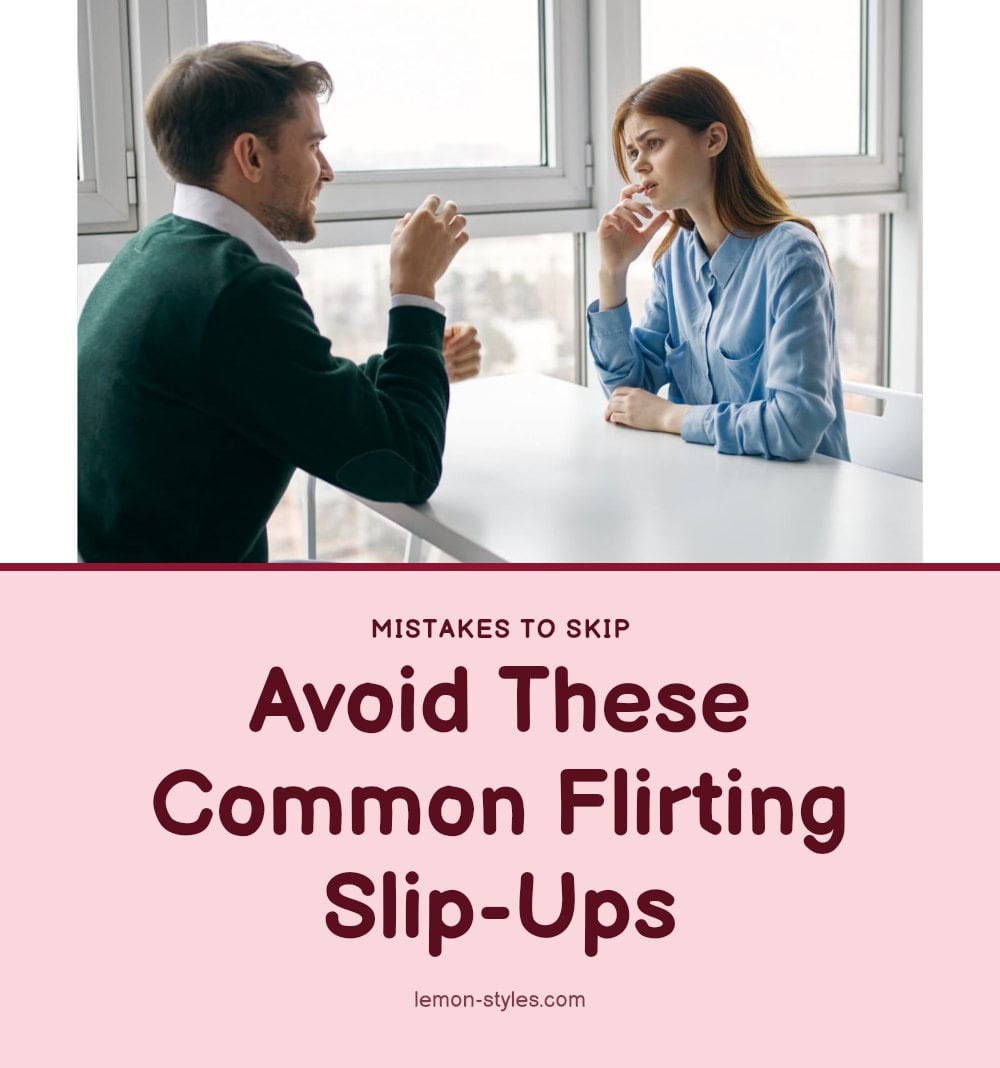
Even well-intentioned flirting can backfire if you make these common errors. Avoid them to keep interactions positive and respectful.
- Objectifying comments: Never comment on a stranger’s body parts or demand they smile. It makes people feel creeped out or unsafe.
- Unimaginative compliments: “You’re hot” is lazy and forgettable. Be specific instead.
- Self-centered compliments: Saying “You’re just my type” centers your taste, not the other person. Keep the focus on them.
- Backhanded compliments: Avoid lines like “How is someone who looks like you still single?” They undermine and insult.
- Ignoring cues: If someone looks away, crosses their arms, or gives short answers, stop. Pushing past discomfort damages trust.
- Being too aggressive: Overly direct or pushy behavior, like interrupting or insisting, makes others uncomfortable and signals disrespect.
Reading the room and adjusting keeps flirting fun for both sides.
7. Respecting Boundaries and Ensuring Safety
Flirting should always feel safe and consensual for everyone involved. Start by respecting personal space, keep at least an arm’s length of distance unless invited closer. If someone expresses disinterest, whether verbally or through body language like turning away or not engaging, stop immediately. Never pressure someone into continuing a conversation or interaction they don’t want.
Cultural awareness matters
Flirting norms and acceptable personal space vary across cultures. What feels playful in one context may feel intrusive in another. Pay attention to local cues and adjust your approach.
If you ever feel unsafe or threatened, for example, if someone ignores your boundaries or becomes aggressive, remove yourself from the situation. Your comfort and safety come first.
8. Frequently Asked Questions
What are some non-verbal cues for flirting?
Eye contact, a genuine smile that reaches your eyes, and open body language are the big ones. Facing the person, keeping your phone down, and subtly mirroring their posture all build rapport. A brief, light touch on the arm can add warmth, but only if the other person seems comfortable and receptive.
Can introverts be good at flirting?
Yes, often better than they expect. Quieter people tend to listen more and make their openness feel genuine and specific, which reads as special to the other person. If nerves are the issue, take a few deep breaths, focus on them rather than yourself, and proceed anyway.
How do I know if someone is flirting back?
Look for reciprocity. They hold eye contact back, smile genuinely, lean in, ask you questions, and keep the conversation going without you carrying it. If they turn away, give short answers, or seem disengaged, that is your cue to ease off rather than push harder.
What if I’m nervous about flirting?
Nerves are normal, so don’t wait for them to disappear. Take a few deep breaths to ground yourself, put your attention on the other person instead of your own performance, and start the conversation anyway. Confidence tends to build through practice, not before it.
Is it okay to flirt if I’m in a relationship?
Yes, and it can be useful. Flirting with your partner is a way to reignite or maintain the spark rather than something reserved for single people. The key is that it stays respectful and mutual, and that you are both comfortable with the tone of the interaction.
9. Final Thoughts
My recommendation is to pick just one step and run with it for a while. Presence is the easiest place to start: deep breaths, phone down, eyes up. Once that feels natural, layer in curiosity and a sincere compliment. Realistically, expect a few awkward moments before it clicks. Give it a handful of conversations over a few weeks rather than judging it after one try.
Pay attention to how people respond and adjust from there. The goal is not a perfect line; it is leaving someone feeling good after talking to you. Do that consistently, and the confidence follows.