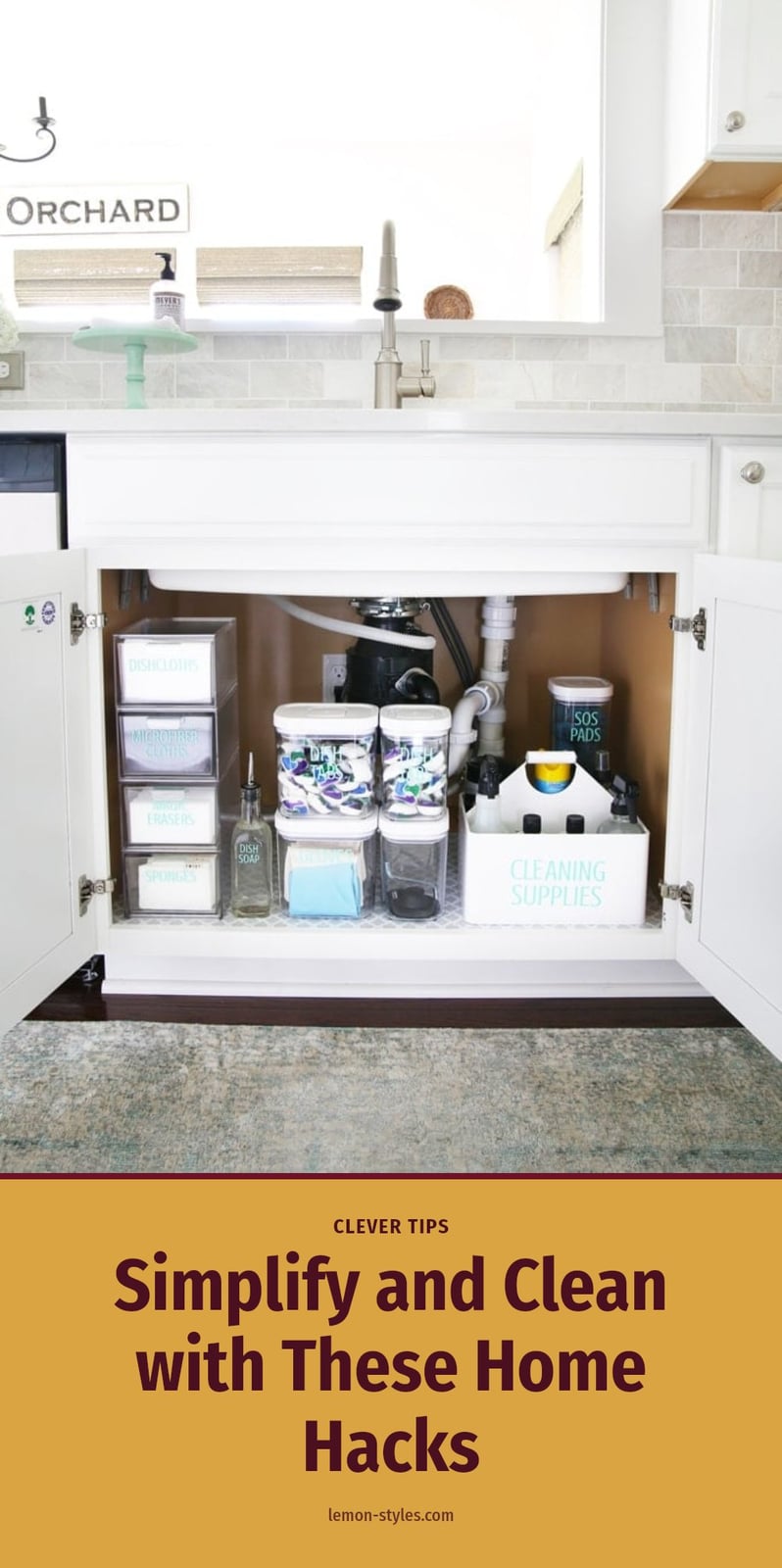
You probably have a cabinet full of cleaners, but some of the best solutions are already in your kitchen or closet. Home hacks use items like vinegar, baking soda, and lemon to tackle everyday messes, often faster and cheaper than specialty products. This article covers 25 practical tricks for cleaning, organizing, and quick fixes around the house, each one simple enough to try today.
Key Takeaways
- Test any new hack on a hidden spot first to avoid damage.
- Use vinegar, baking soda, and lemon for many cleaning tasks.
- Repurpose old toothbrushes, dryer sheets, and rubber gloves.
- Never mix bleach with ammonia-based cleaners; it creates toxic fumes.
- Keep a hack kit with microfiber cloths, spray bottles, and baking soda.
1. What Are Home Hacks and Why Do They Matter?
Home hacks are clever, often unconventional tips and tricks that simplify household tasks, improve organization, and solve everyday problems using items you already own. A lint roller for lampshades, vinegar for a showerhead, baking soda for a mattress: the supplies are usually in your closet, not a specialty aisle.
They matter because they save time, effort, and money by repurposing what you have and applying simple principles instead of buying another product. That makes home maintenance more efficient and less daunting, which is the real payoff: a calmer living space you can keep up with.
2. 1. Clean Lampshades with a Lint Roller
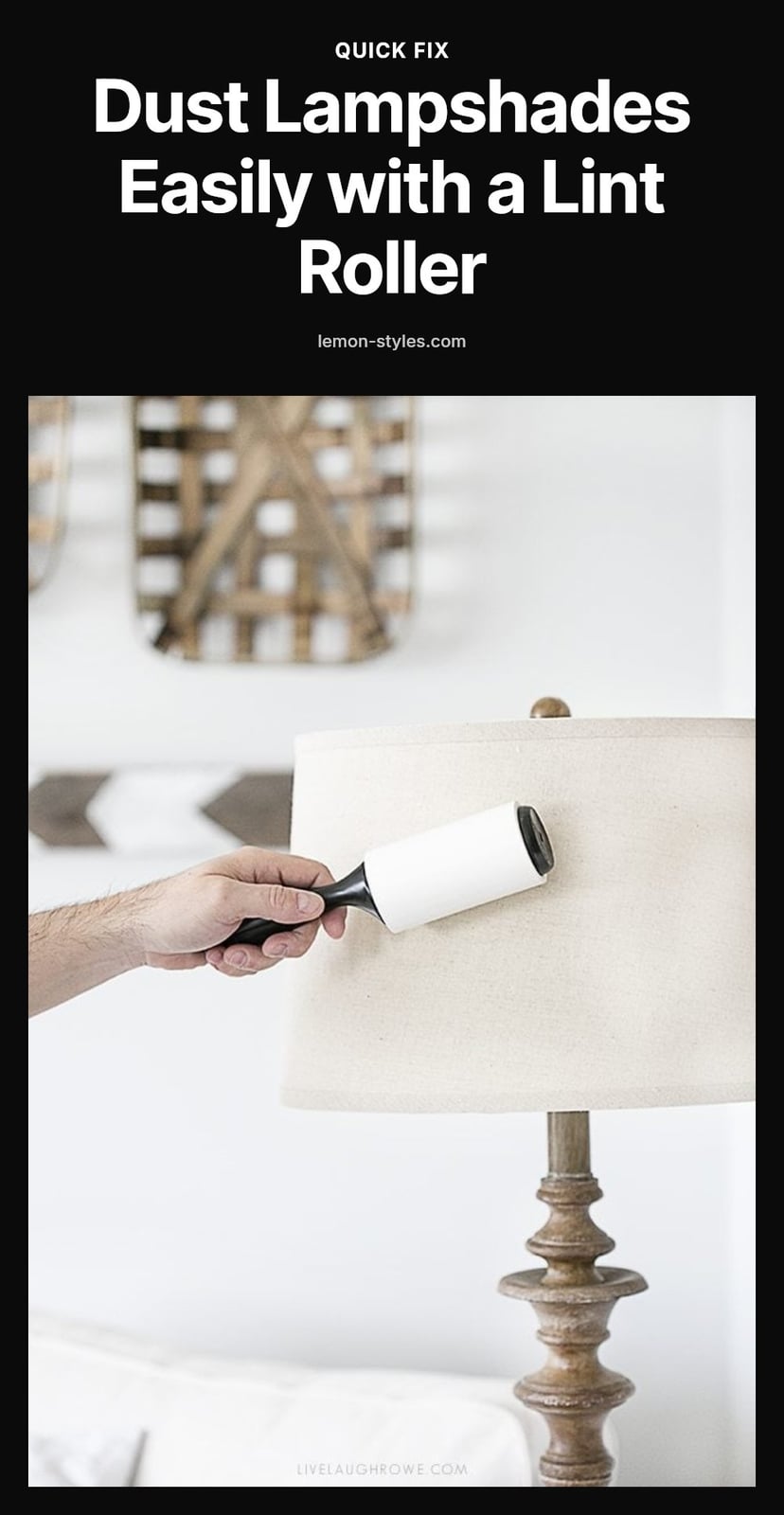
Run a lint roller over lampshades to lift dust and pet hair in seconds. The same sticky sheet works on fabric furniture, upholstered headboards, and spilled glitter on a counter or rug. Press lightly and roll in one direction so you do not push dust deeper into the weave.
Because the adhesive grabs each particle instead of spreading it around, you skip the dust cloud that comes with a cloth. Change the sheet when it stops feeling tacky.
My tip: This is so much faster than wiping, and it grabs every tiny particle.
3. 2. Steam Clean Your Microwave
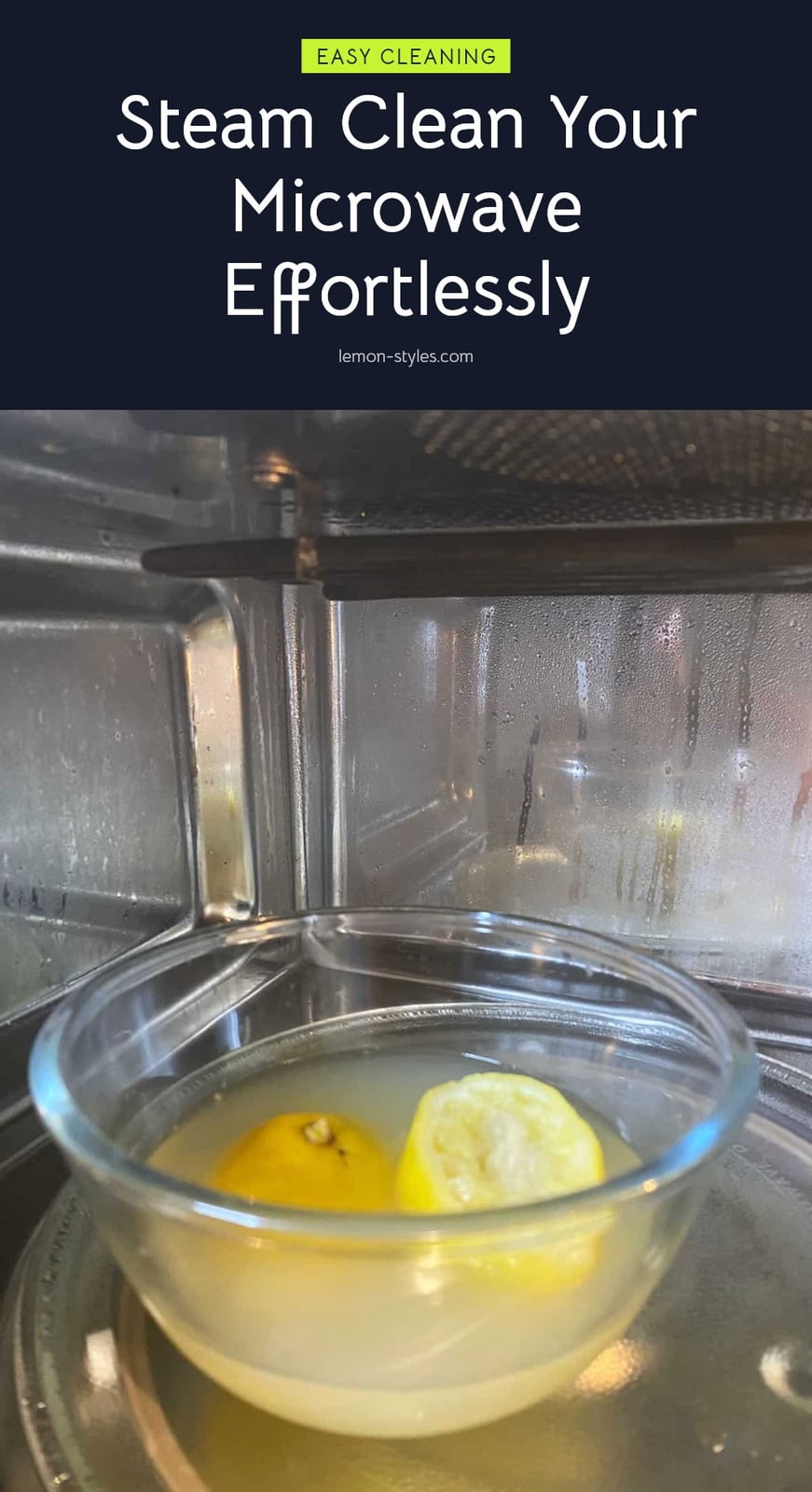
Fill a microwave-safe bowl with water and add a few lemon slices. Heat it for 2-3 minutes, then leave the door closed for another minute or two so the steam keeps working on the walls and ceiling.
The steam loosens baked-on grime, so you can wipe the interior with a cloth instead of scrubbing. Start at the top and work down, since condensation collects there.
My tip: The lemon also helps neutralize odors, leaving a fresh scent instead of the smell of last night’s leftovers.
4. 3. Remove Water Stains from Wood
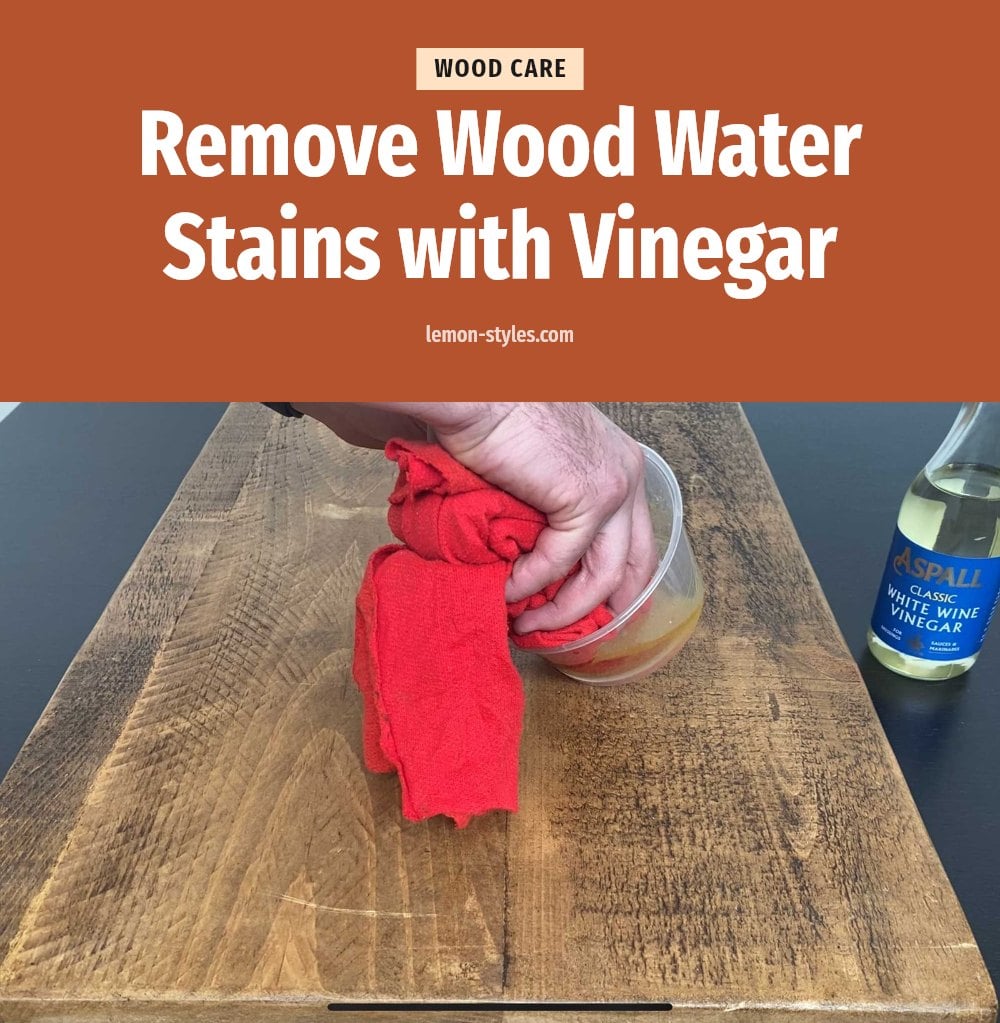
Mix equal parts white vinegar and olive oil, then rub the mixture gently into water stains on wooden furniture, following the grain. The vinegar lifts the stain while the olive oil nourishes the wood, so the surface does not dry out.
Wipe off any excess with a clean cloth and let the piece sit. For older rings, you may need a second pass.
Tip: Always test this on an inconspicuous area first, like the underside of a tabletop, to make sure it does not damage the finish.
5. 4. Shine Stainless Steel with Olive Oil
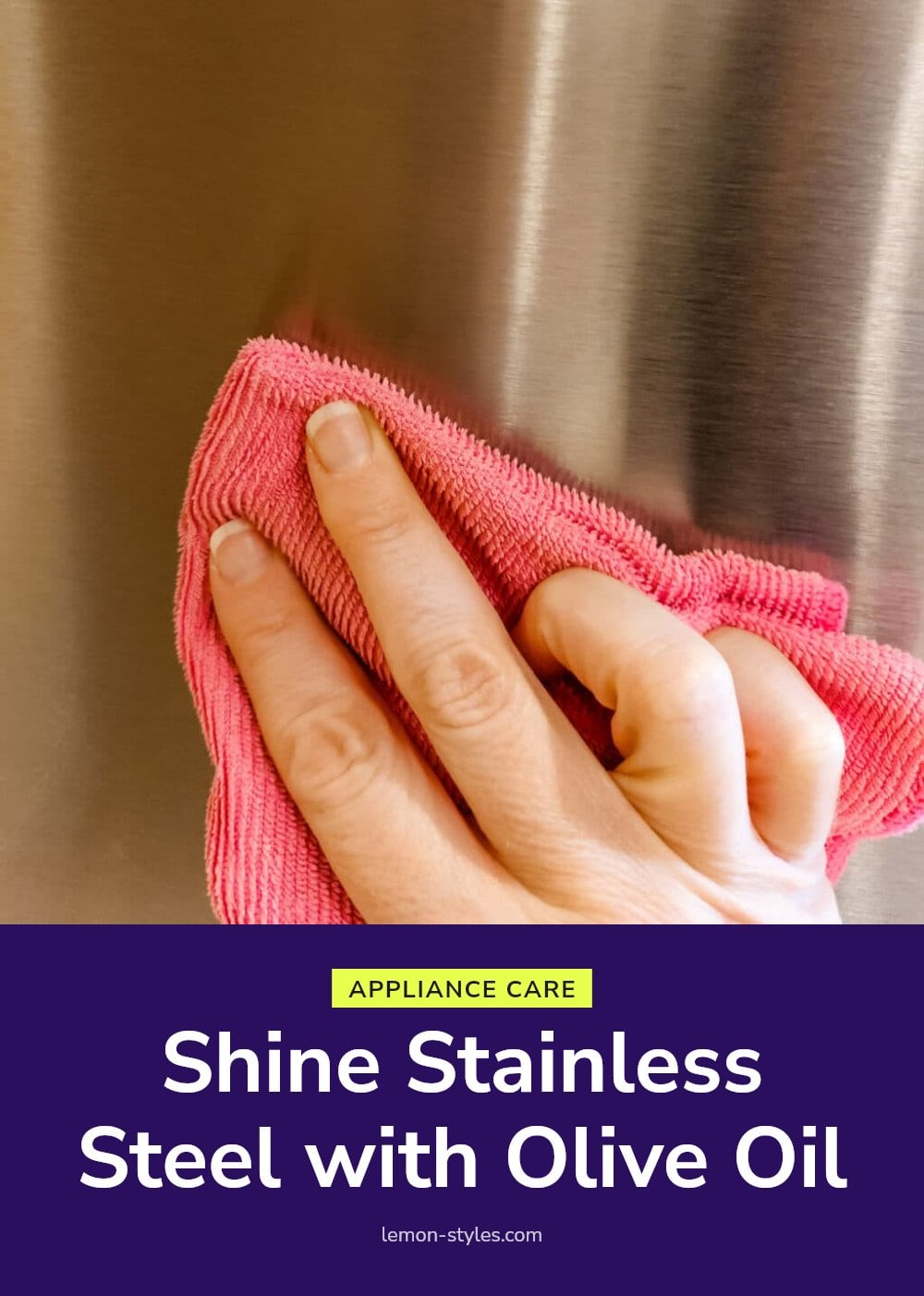
Apply a small amount of olive oil to a microfiber cloth and buff stainless steel appliances in the direction of the grain. The oil removes smudges while creating a streak-free, shiny finish. Good to know: Use just a few drops; too much leaves a greasy layer. This method works instantly and avoids the streaks that spray cleaners often leave behind.
6. 5. Deodorize Your Garbage Disposal
Grind citrus peels: Toss lemon or orange peels into the garbage disposal and run it with cold water. The oils neutralize odors and the rinds help clean the blades.
Or use baking soda and vinegar: Pour ½ cup baking soda followed by ½ cup white vinegar down the disposal. Let it fizz for a few minutes, then run cold water.
My tip: Always flush with cold water after any method to clear residue and prevent clogs.
7. 6. Pick Up Pet Hair with Rubber Gloves
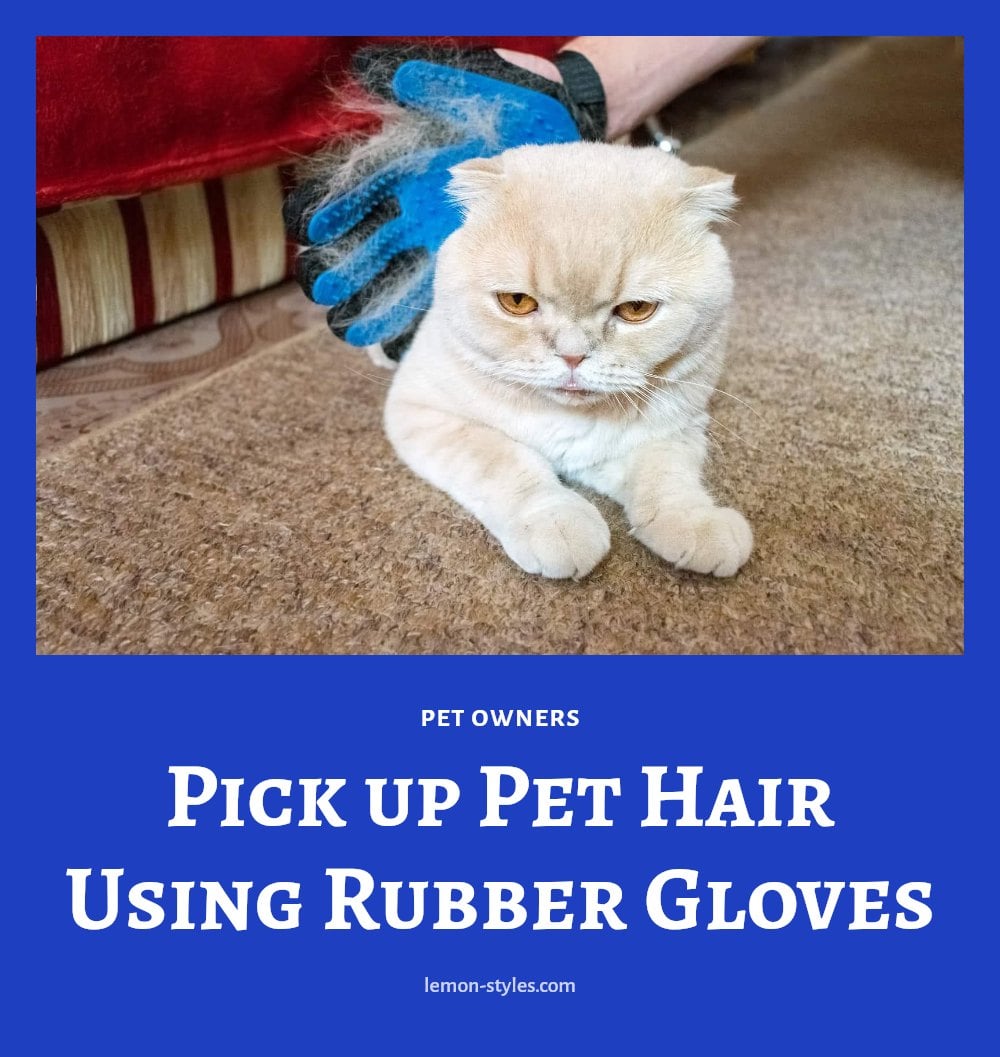
Dampen a rubber glove and run your hand over carpets, couches, and car upholstery. The static electricity plus the textured surface pulls pet hair into clumps you can easily pick up and throw away. I swear by this for quick clean-ups between vacuuming. It works best when the glove is slightly wet, not dripping.
8. 7. Clean Showerheads with Vinegar
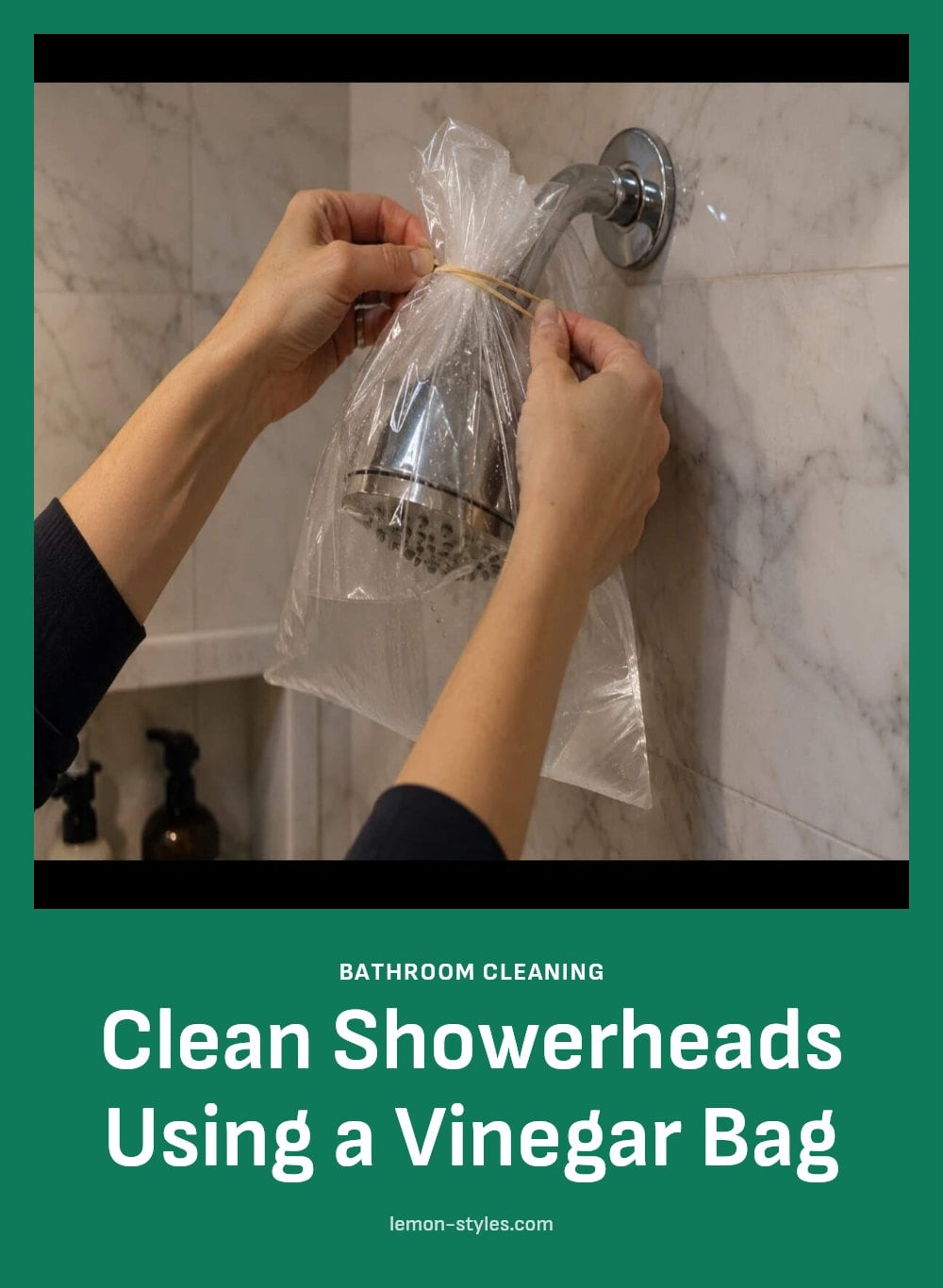
Fill a plastic bag with white vinegar, then secure it around your showerhead so the head is fully submerged. Leave it overnight to let the vinegar dissolve mineral deposits that reduce water pressure. My tip: Use a rubber band or zip tie to keep the bag tightly in place. Remove in the morning and run the shower briefly to rinse.
9. 8. Restore Scratched Dinner Plates
Make a paste from baking soda and a small amount of water, then gently scrub the scratched area on your dinner plate. The mild abrasive quality of baking soda helps buff away minor scratches without damaging the surface.
Pro move: This works best on ceramic or porcelain plates. Avoid using it on plates with delicate patterns or gold trim, as the gentle abrasion could wear them down.
10. 9. Prevent Dust on Electronics
After cleaning your TV screen or computer monitor, wipe it with a dryer sheet. The anti-static properties of the dryer sheet repel dust, keeping surfaces cleaner for longer between cleanings.
I love this for my TV screen and computer monitor. It cuts down on dust buildup noticeably.
11. 10. Organize Tangled Cords Easily

For tangled cords, wrap each cord and tuck it into an empty toilet paper roll, then write what the cord is for on the roll with a marker. Alternatively, use bread tags to label each cord near the plug end.
This keeps cords organized and prevents them from becoming a messy knot in drawers or behind furniture. Quick tip: Write on the toilet paper roll what the cord is for to save future headaches.
12. 11. Clean Windows with Newspaper
Crumple newspaper into a ball and use it to clean windows with your usual glass cleaner or a vinegar-water solution. The ink acts as a mild abrasive, and the paper doesn’t leave lint, giving you a streak-free shine.
Caution: Avoid using newspaper on white window frames, as the ink might transfer and stain them.
13. 12. Freshen Mattresses with Baking Soda
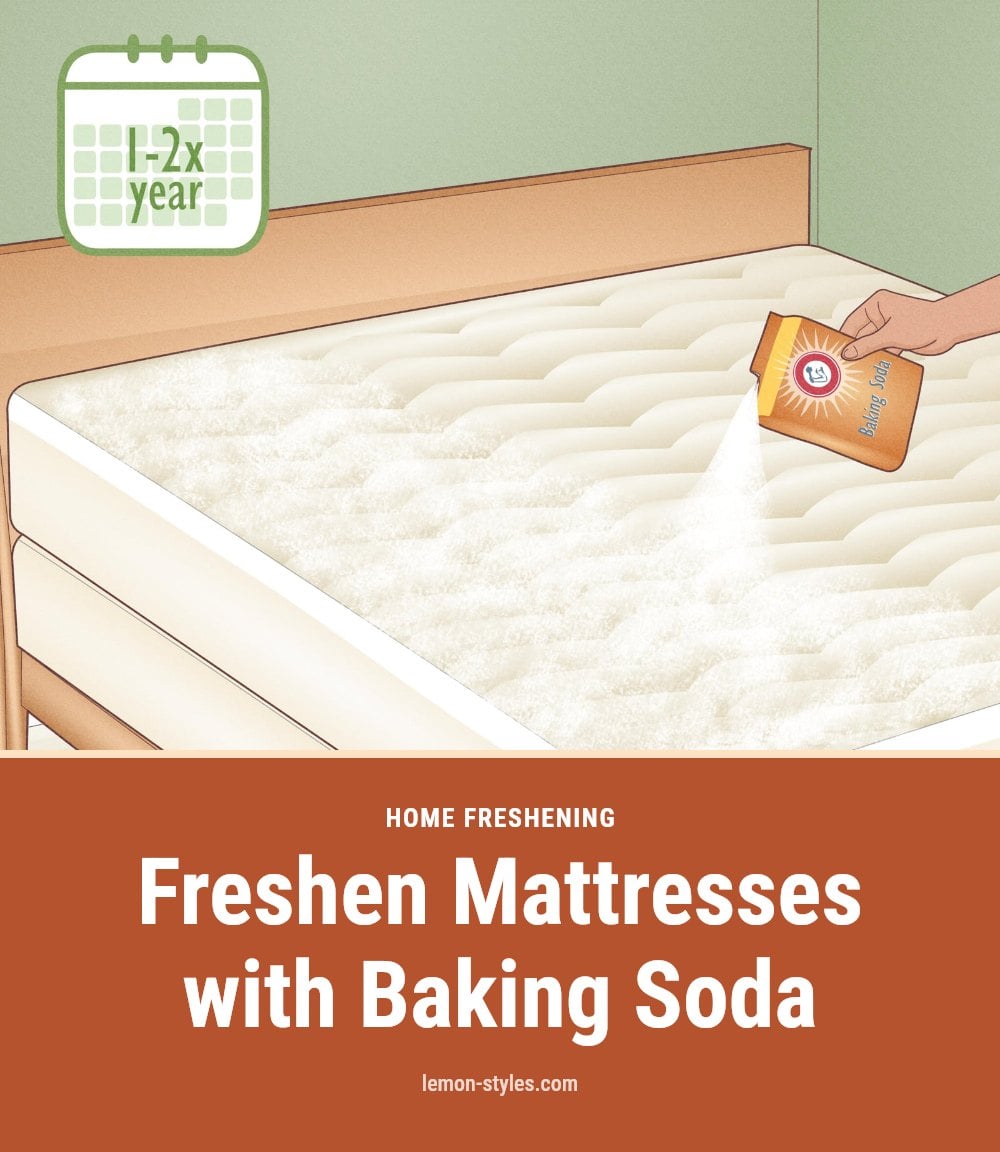
Sprinkle baking soda evenly over your mattress and let it sit for 15-30 minutes. The baking soda absorbs odors and moisture from deep within the fabric, leaving the surface fresher. Vacuum thoroughly to remove all powder.
Tip: Mix a few drops of essential oil (like lavender or tea tree) into the baking soda before sprinkling it. This adds a light, natural scent.
14. 13. Clean Grout with Baking Soda Paste
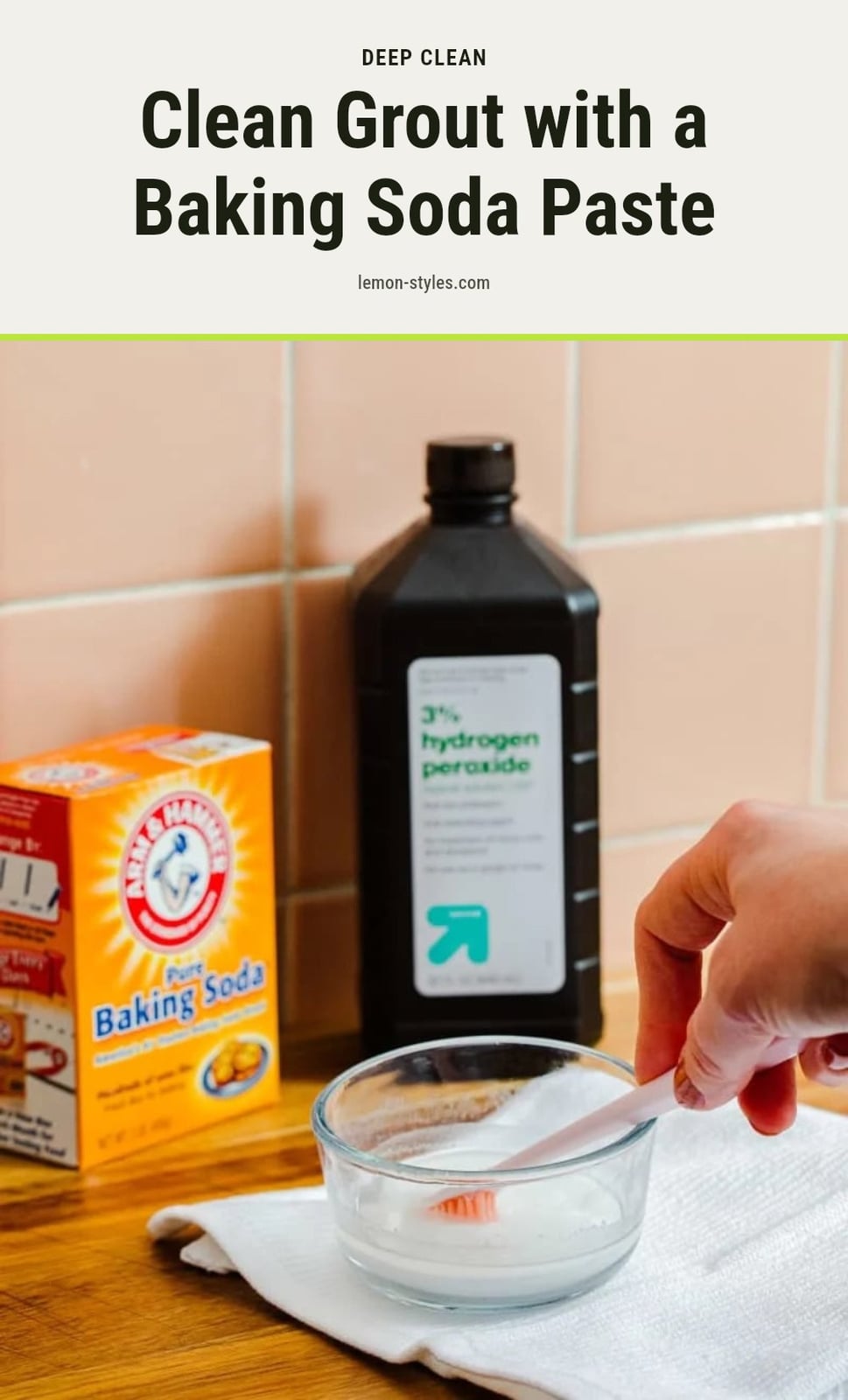
Mix baking soda and hydrogen peroxide into a thick paste, then apply it to grout lines using an old toothbrush. Let the paste sit for 10-15 minutes so it can break down grime and discoloration. Scrub gently, then rinse with water.
The hydrogen peroxide acts as a mild bleach, while baking soda provides gentle abrasion. I have seen amazing results with this simple solution. Caution: Wear gloves and ensure good ventilation, as the mixture can irritate skin and eyes.
15. 14. Remove Crayon Marks from Walls
Dampen a cloth and dip it into a small amount of baking soda, then gently rub the crayon mark on the wall. The baking soda’s mild abrasive lifts the wax away without damaging the paint. Alternatively, a magic eraser works well for tougher marks on flat or semi-gloss paint.
Good to know: Always test in an inconspicuous spot first, especially on delicate paint finishes, to check for any color fading.
16. 15. Secure Trash Bags in Place
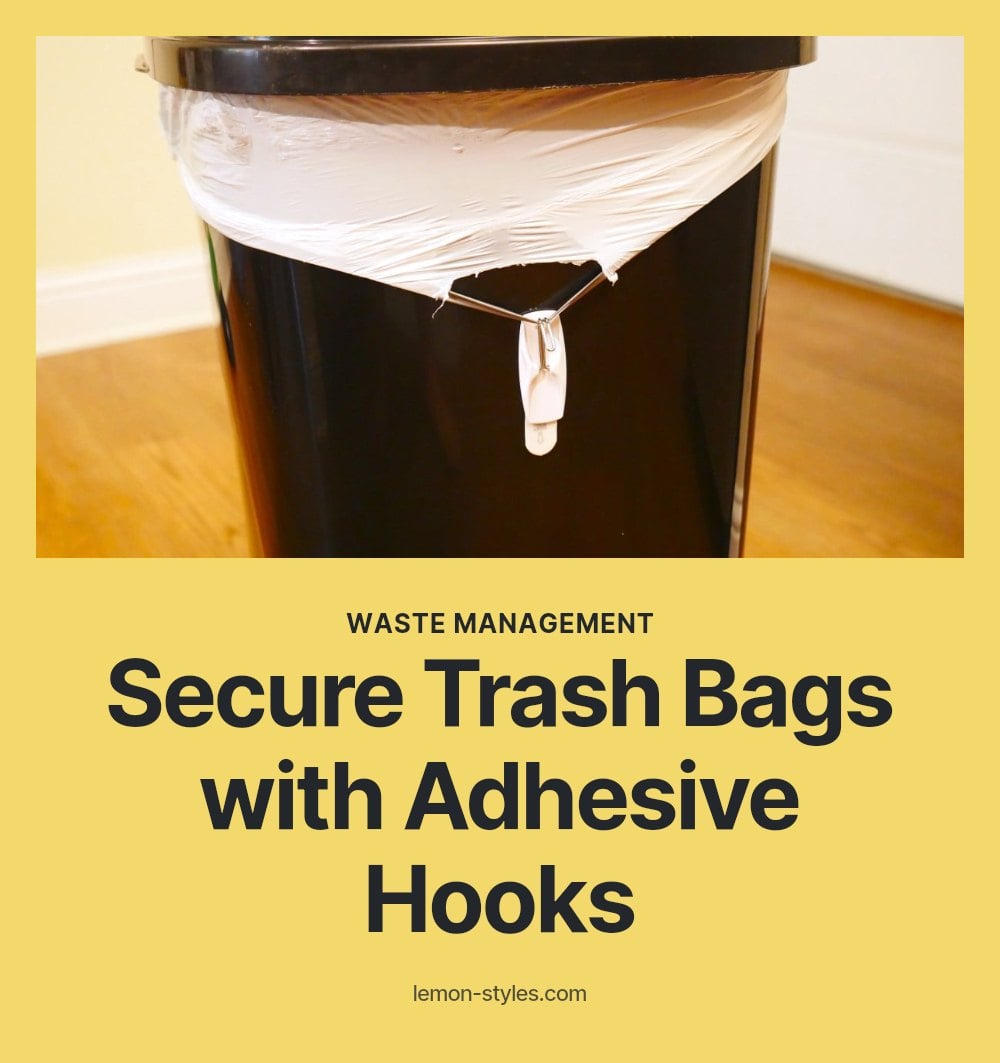
Attach self-adhesive hooks to the inside rim of your trash can, positioning them opposite each other. Hook the trash bag handles over the hooks to keep the bag from slipping down. The hooks hold the bag securely in place even when it gets heavy.
I can’t believe I didn’t think of this sooner. It makes taking out the trash so much less frustrating.
17. 16. Clean Cloudy Headlights with Toothpaste
Apply a small amount of non-gel toothpaste to a cloth and rub it onto cloudy car headlights. The mild abrasives in toothpaste help remove oxidation and improve clarity. Pro move: Rinse thoroughly afterward and buff dry for the best results.
18. 17. Freshen Drains with Baking Soda and Vinegar
Pour ½ cup of baking soda directly down the drain, then follow it with ½ cup of white vinegar. The mixture will fizz and bubble as it reacts, which helps loosen minor clogs and break down odor-causing buildup. Let it work for 15-30 minutes, then flush the drain with cold water for about 30 seconds. This routine keeps drains flowing freely and smelling fresh without harsh chemicals.
19. 18. Polish Chrome Fixtures with Aluminum Foil
Crumple up a piece of aluminum foil and use it to scrub rust spots and water stains from chrome fixtures. The foil is softer than chrome but abrasive enough to remove buildup. Quick tip: It works like magic on faucets and shower caddies.
20. 19. Remove Permanent Marker from Surfaces
Dab rubbing alcohol or hand sanitizer directly onto the permanent marker stain on a non-porous surface like plastic, metal, or glass. Let it sit for about 30 seconds to break down the ink, then wipe it away with a cloth. Caution: Always test in an inconspicuous area first, especially on painted or delicate finishes, since alcohol can strip paint or damage some coatings.
21. 20. Clean Blinds with a Sock
Put an old sock on your hand, dampen it slightly with a vinegar and water solution (half and half), and run your fingers over each blind slat. The sock’s fabric grips dust without scratching the surface, and the vinegar cuts through grease and grime. This method cleans both sides of the slat in one pass, making the job much faster than using a cloth or duster.
I used to dread cleaning blinds, but this hack changed everything. Pro move: designate a pair of socks just for this purpose and keep them with your cleaning supplies.
22. 21. Silence Squeaky Doors with Olive Oil
Apply a small amount of olive oil to a cotton swab or cloth and rub it into the hinge’s moving parts. The oil lubricates the metal-on-metal contact that causes the squeak. My tip: a little goes a long way, so don’t overdo it. One or two drops per hinge are enough. Open and close the door a few times to work the oil in, then wipe away any excess with a clean cloth.
23. 22. Clean Toaster Crumb Trays Easily
Unplug your toaster, remove the crumb tray, and empty the loose crumbs into the trash. Use an old toothbrush to brush out any stubborn crumbs or stuck-on bits from the tray grooves and corners. The small, stiff bristles reach places a cloth can’t. My tip: a quick wipe with a damp cloth after brushing removes any dust, leaving the tray spotless.
24. 23. Refresh Cutting Boards with Lemon and Salt
Sprinkle coarse salt over your wooden cutting board, then use half a lemon (cut side down) to scrub the surface in a circular motion. The lemon’s acidity cuts through food odors and stains, while the salt acts as a mild abrasive to lift stuck-on particles. I do this once a week to keep my boards fresh and odor-free. Rinse with water and dry immediately to prevent warping.
25. 24. Remove Sticky Residue with Peanut Butter
Apply a small amount of peanut butter to sticky residue from price tags or labels on non-porous surfaces. Let it sit for a few minutes so the oils can break down the adhesive. Wipe away with a cloth. Good to know: The oils in peanut butter dissolve the glue without harsh chemicals. Clean up any oily residue afterward with soap and water.
26. 25. Clean Coffee Grinders with Rice
Grind a small handful of uncooked rice in your coffee grinder until it becomes a fine powder. The rice absorbs leftover oils and odors from coffee grounds, leaving the grinder clean. Discard the rice powder and wipe the chamber with a dry cloth. Tip: This trick works for spice grinders too, especially after grinding something strong like cloves or cumin.
27. Common Home Hack Mistakes to Avoid
Even the best home hacks can backfire without a little caution. Here are five mistakes to avoid.
Not Testing First: Always test a new hack on an inconspicuous area before applying it broadly. This is especially important on delicate surfaces, painted walls, or expensive finishes where damage or discoloration can happen unnoticed.
Mixing Chemicals: Never combine bleach with ammonia-based cleaners, vinegar with hydrogen peroxide, or other cleaning products. Doing so can produce dangerous toxic fumes. Stick to one method or natural ingredients used separately.
Using Too Much Product: Applying excessive amounts of baking soda, oil, or cleaning solution often leads to residue buildup, stickiness, or staining. A small amount usually works just as well, so start light.
Ignoring Surface Compatibility: Not every hack suits every surface. Vinegar can etch natural stone countertops, and abrasive scrubbers can scratch stainless steel or non-stick cookware. Know your material before you start.
Expecting Miracles: Hacks are clever shortcuts, not guarantees. Some problems, like deep-set stains or damaged finishes, may need a professional tool or service. A hack is worth trying first, but don’t count on it to fix everything.
28. Frequently Asked Questions
Are natural home hacks always effective?
No, natural hacks are not always effective. They work well for many common messes, but some stains or odors may need a different approach. Always test first and adjust as needed.
How do I keep my home organized after using hacks?
To stay organized, designate a spot for each item and return things after use. Use labels and containers, and do a quick tidy daily. Consistency matters more than big cleanups.
Can I use home hacks on all surfaces?
No, not all hacks are safe for every surface. Avoid vinegar on natural stone, and skip abrasive scrubbers on stainless steel or non-stick pans. Always test in a hidden area first.
What are the most common household items for hacks?
Common items include white vinegar, baking soda, lemon, olive oil, microfiber cloths, old toothbrushes, and rubber gloves. You likely have most of these already.
How often should I use cleaning hacks?
Use them as needed for routine cleaning, like weekly dusting or monthly showerhead soaking. Some hacks, like freshening a mattress, can be done every few months. Adjust to your household’s needs.
29. Final Thoughts
My tip: start with one or two hacks that match your biggest annoyance, like pet hair or cloudy showerheads, and see how they work for you. Most take just a few minutes, and some, like soaking a showerhead, need overnight. Expect small improvements rather than miracles, and always test on a hidden spot first. With a little practice, these tricks can make your routine a bit easier.
This article provides general information only and is not professional advice. For persistent or serious cleaning or health issues, consult a professional. Always follow safety precautions and test products first.