Breakups hurt, and the ache can feel like it will never fade. The path forward is not about rushing past the pain but about moving through it with intention. This article walks you through seven practical steps to help you heal, from allowing yourself to grieve to rediscovering who you are on your own terms.
Healing takes time, and there is no fixed timeline. What matters is that you give yourself permission to feel, create healthy distance, and slowly rebuild a life that feels like yours again.

Key Takeaways
- Allow yourself to grieve without judgment; the loss is real.
- Implement a no-contact rule for the first weeks to create space.
- Prioritize sleep, regular meals, and daily movement for emotional steadiness.
- Lean on friends and family instead of isolating yourself.
- Reflect on lessons learned to turn pain into personal growth.
1. How to Start Healing After a Breakup
Getting over someone comes down to four moves: naming what you feel, putting real distance between you and your ex, taking care of your body and mind, and slowly rebuilding a life that is yours again. It is not a straight line. Some days you feel fine by noon and wrecked by dinner, and that is normal. The work is to process the emotions, not bury them. Suppressing feelings tends to stretch the pain out; sitting with them, even briefly, tends to shorten it.
2. 1. Allow Yourself to Grieve
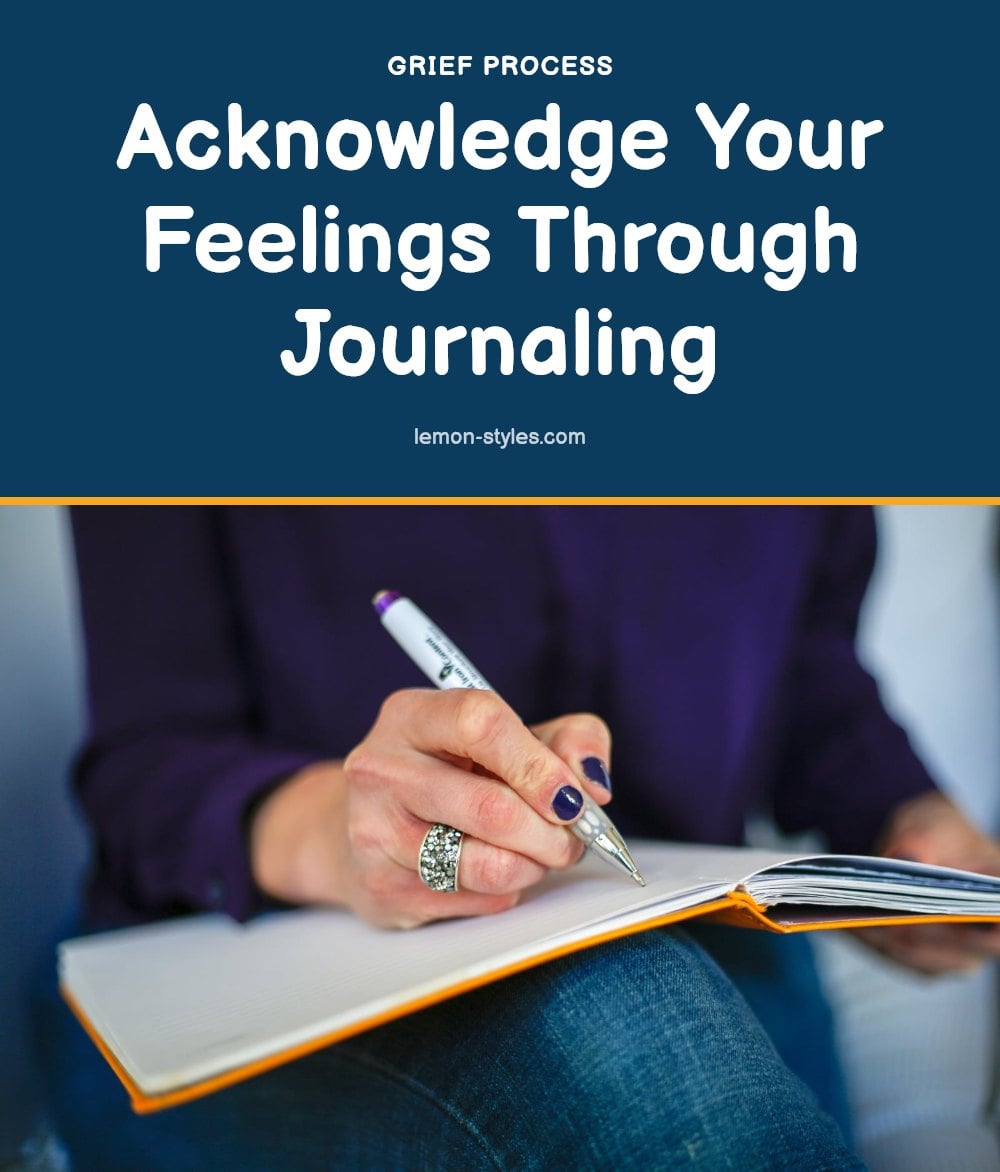
Grief is the natural response to a relationship ending, and it works much like grieving a death: the loss is real even if the person is still alive. Give yourself permission to feel sadness, anger, confusion, and yes, relief, without judging any of it. Relief does not mean you never cared.
- Name the emotion out loud or on paper instead of arguing with it.
- Expect the feelings to come in waves rather than a steady decline.
My tip: Don’t rush this part or pretend you’re fine when you’re not. Journaling helps here, even three messy sentences at night, because it gets the feelings out of your head where they loop.
3. 2. Implement a ‘No Contact’ Rule
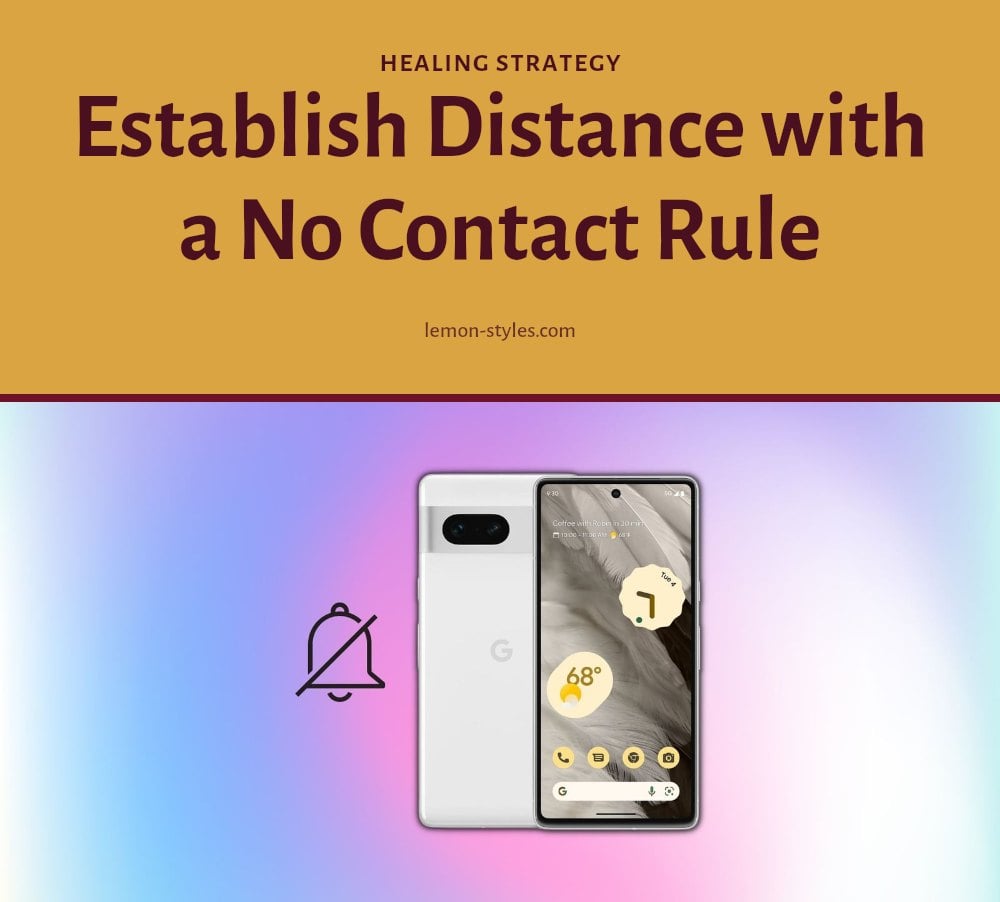
Cutting off contact in the first weeks is what creates the emotional space your healing needs. No calls, no texts, no checking their social media, and no asking mutual friends for updates. Every peek resets the clock.
- Mute or unfollow so you have to actively search to see them.
- Tell one friend you’re doing this so they can hold you to it.
My tip: Set clear boundaries. If contact is truly unavoidable, like co-parenting, keep every exchange short and business-like, and move it to one channel so it stays contained.
4. 3. Prioritize Self-Care

Self-care is not a reward for handling the breakup well. It is what keeps your body steady enough for your emotions to settle. Aim for adequate sleep, regular meals, some daily movement, and things that bring you comfort.
- Pick one exercise you will actually do, even a 15-minute walk.
- Keep a simple sleep routine so late nights don’t turn into scrolling.
Tip: Treat your body and mind kindly. Small acts count, like a warm bath or your favorite music on the drive home, and they add up faster than one big gesture.
5. 4. Lean on Your Support System
Reconnecting with friends and family gives you a support system that can carry some of the emotional weight. Isolation makes the pain feel bigger than it is, so share what you’re going through with trusted people who can offer comfort and perspective.
Good to know: Tell your friends exactly what you need from them. Sometimes it’s a listening ear without advice; other times it’s a distraction like a movie night. They want to help but may not know how unless you say it.
6. 5. Rediscover Your Identity

A breakup is a chance to rediscover who you are outside of the partnership. Pick up a hobby you dropped during the relationship, or try something completely new that you’ve always been curious about. This shifts your focus from what you lost to what you can build.
Pro move: This is your time to focus on yourself. What have you always wanted to try? Sign up for that pottery class, start running, or learn a language. Now’s the time.
7. 6. Practice Self-Compassion
Healing doesn’t follow a timeline, and comparing your progress to someone else’s only adds unnecessary pressure. Setbacks are normal and don’t mean you’re failing. Treat yourself with the same patience you’d offer a close friend going through the same thing.
Quick tip: Talk to yourself like you would a dear friend. You wouldn’t tell a friend to ‘just get over it,’ so don’t say that to yourself. Replace self-criticism with kind, realistic statements like ‘This is hard, and I’m doing my best.’
8. 7. Reflect and Learn
Once the initial pain settles, take time to reflect on what the relationship taught you. Think about what you learned about your own needs, boundaries, and what you want in future partnerships. This turns a painful experience into something useful.
Tip: Frame this as growth, not blame. Ask yourself: What positive takeaways can I carry forward? Maybe you learned you need more alone time, or that you value clear communication. Those insights are gifts for your next chapter.
9. Common Mistakes When Getting Over Someone
Trying to be friends with an ex too soon: This blurs the boundaries you need for healing. Give yourself several months of distance before considering friendship. The emotional space is what allows you to let go.
Suppressing emotions: Bottling up sadness or anger only makes the grief last longer. Let yourself cry, journal, or talk it out. Feelings that get pushed down tend to surface later, often stronger.
Stalking on social media: Checking your ex’s profiles or asking mutual friends for updates keeps your brain locked on the past. Every new post can trigger another wave of pain. Block or mute their accounts for now.
Rushing into a rebound relationship: A new partner can distract you temporarily, but it does not heal the underlying loss. Rebound relationships often end quickly and leave you with more hurt.
Isolating yourself: Alone time is fine in small doses, but complete withdrawal cuts you off from the support that helps you process the breakup. Call a friend even when you feel like hiding.
Blaming yourself entirely: Breakups are almost never one person’s fault. Taking sole responsibility keeps you stuck in guilt rather than moving forward. Acknowledge your part without carrying the whole weight.
10. Frequently Asked Questions
How long does it take to get over someone?
There is no fixed timeline; it varies for each person. Some people feel significantly better in a few months, while others take longer. What matters is that you allow yourself to grieve and take steps toward healing without comparing your progress to others.
Is it okay to cry a lot after a breakup?
Yes, crying is a natural way to release emotions and is part of the grieving process. Letting yourself feel sadness without judgment is healthy. If crying becomes constant and interferes with daily life, consider seeking professional support.
What if I still miss my ex after a long time?
Missing your ex after months or even years is common, especially if the relationship was significant. It doesn’t mean you’re not healing. Acknowledge the feeling, but avoid revisiting old memories or ‘what-ifs’. If the longing persists and affects your well-being, a therapist can help.
Can I ever be friends with an ex?
Friendship with an ex is possible, but usually only after you’ve had several months of distance and have fully processed the breakup. Trying to be friends too soon blurs boundaries and can delay healing. Give yourself time first.
How do I stop thinking about my ex?
Stopping thoughts isn’t realistic, but you can reduce their frequency. Implement a no-contact rule, mute or unfollow on social media, and engage in new activities that shift your focus. When thoughts arise, gently redirect your attention to the present moment.
What if I feel completely stuck in my grief?
Feeling stuck can be a sign that you need extra support. If your sadness is persistent, overwhelming, or interferes with daily functioning, consult a mental health professional. They can help you work through emotions that feel impossible to move past on your own.
11. Final Thoughts
Getting over someone is a process, not a race. The most practical step you can take today is to name what you feel and commit to a no-contact period, even if it’s just for a few weeks. Expect setbacks and good days mixed together; that’s normal. Be patient with yourself, and remember that healing is not linear.
If the pain becomes overwhelming or you feel stuck, reach out to a mental health professional. You don’t have to do this alone, and with time, the weight will lift.
This article is for general informational purposes only and is not a substitute for professional medical or mental health advice. If you are experiencing persistent or severe emotional distress, or if you have thoughts of self-harm, please seek help from a qualified professional or a crisis hotline.