Gray hair is a color and a texture story, and the cut decides how it reads. Soft face-framing layers and curtain bangs are everywhere right now, and they do more for silver than any root touch-up. That shift is why so many people are growing out the dye and reaching for shape instead.
These 19 gray haircuts run from blunt bobs to textured pixies, with lengths from collarbone to mid-back and density from fine to thick and curly. Find the one that solves your real problem: fine hair that collapses by noon, a grow-out line you can see from across the room, or a fringe that refuses to sit. Gray Hair, finally treated like a color worth cutting for.
1. Mid-Back Length Waves With Curtain Bangs
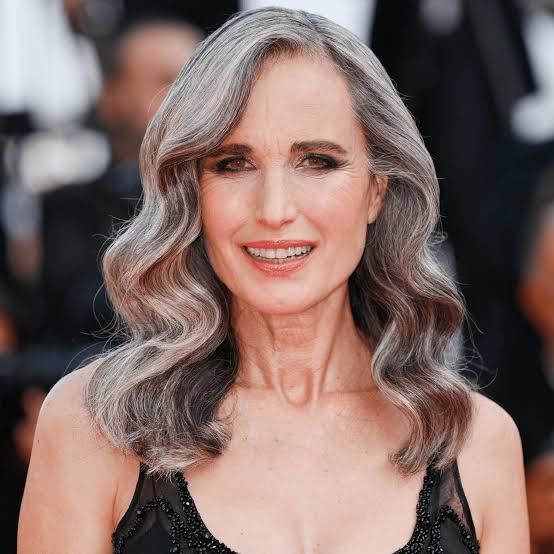
Ever wondered how to make silver gray look full and face-framing? This cut answers with voluminous loose waves cascading to the mid-back, finished with a glossy shine and darker roots for contrast. The curtain bangs part in the middle and soften round and oval faces, while the long layers give the wavy, medium-density texture room to move.
Ask your stylist for: mid-back layers with voluminous loose waves and curtain bangs. To recreate the look, wrap sections around a large barrel curling iron, then break up the curls with your fingers. A medium-hold spray keeps the waves intact without stiffness. This is a salon cut that works for everyday wear and special events, and it showcases the full potential of mid-back length gray hair.
2. Thick Curly Mid-Back Gray Hair
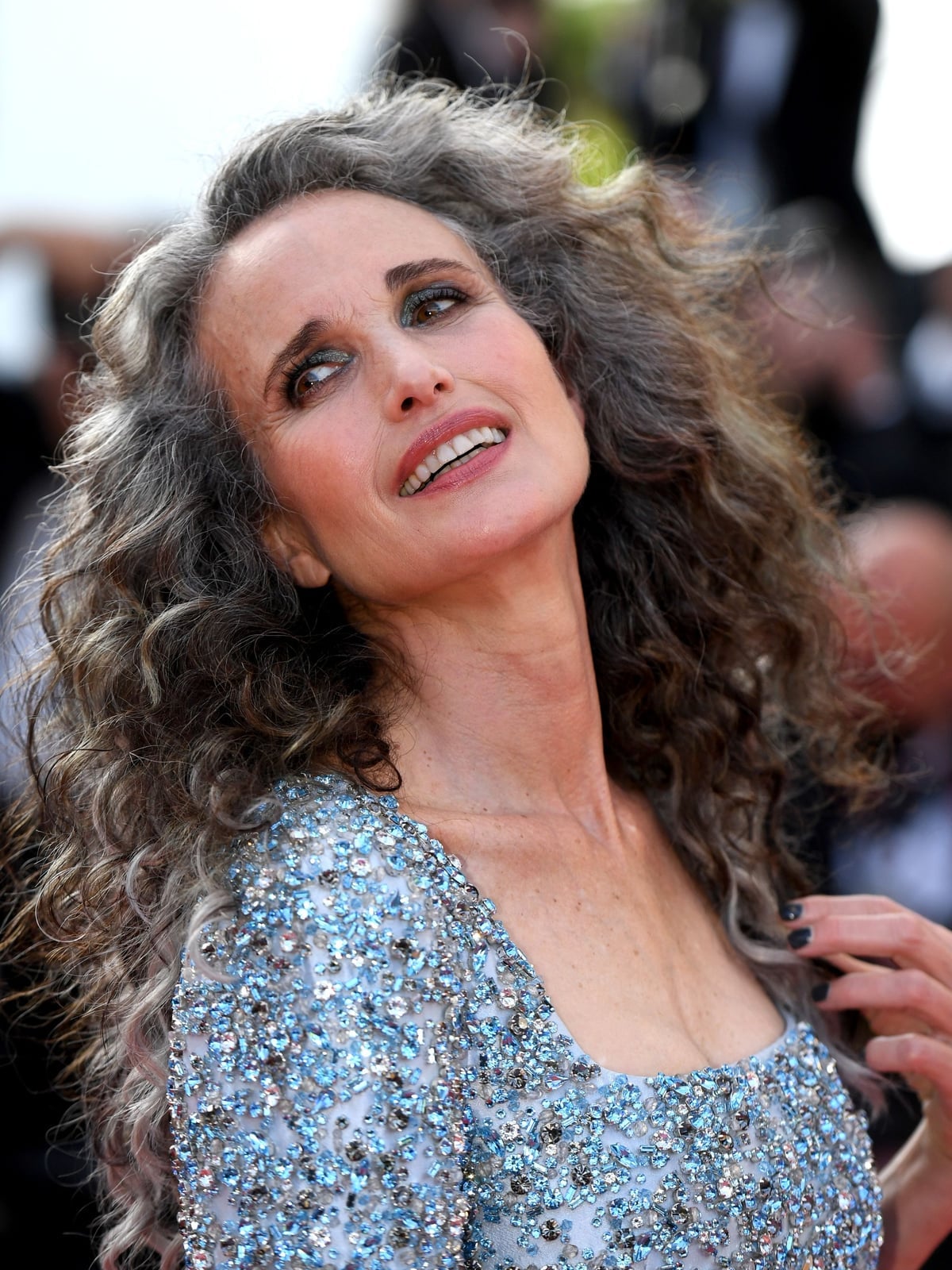
Thick, curly gray hair often fights against gravity, but this cut works with it. The layers are cut to reduce bulk while preserving the natural volume, letting the glossy curls fall to the mid-back with an air-dried finish. The side part balances the fullness, making it a flattering choice for oval and heart faces.
Ask your stylist for: mid-back length layers for curly hair, side part. To keep the definition, apply a curl-defining cream or mousse to damp hair and let it air dry. Avoid brushing once dry, as that breaks up the curl pattern and invites frizz. This is a low-maintenance, salon-cut style that thrives on its own texture.
3. Layered Bob With Side-Swept Bangs
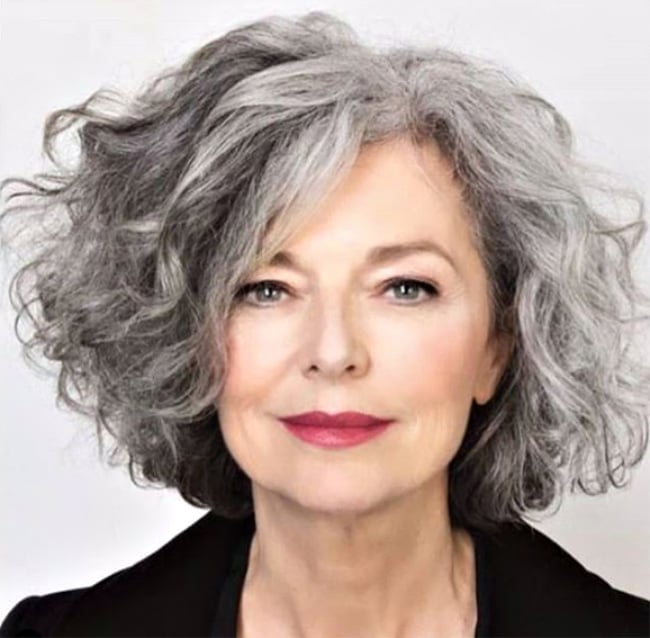
Compared to a sleek, one-length bob, this layered version adds movement and softness. The collarbone length is forgiving, and the side-swept bangs blend into the loose waves, making it a great pick for square and round faces. The salt and pepper gray adds depth, while the medium-density texture holds a soft blowout with volume around the face.
Ask your stylist for: layered bob to collarbone with side-swept bangs. Use a round brush during blow-drying to lift the roots and bend the ends under. A trim every six to eight weeks keeps the shape from losing its line.
4. Shoulder-Length Straight Gray Blowout
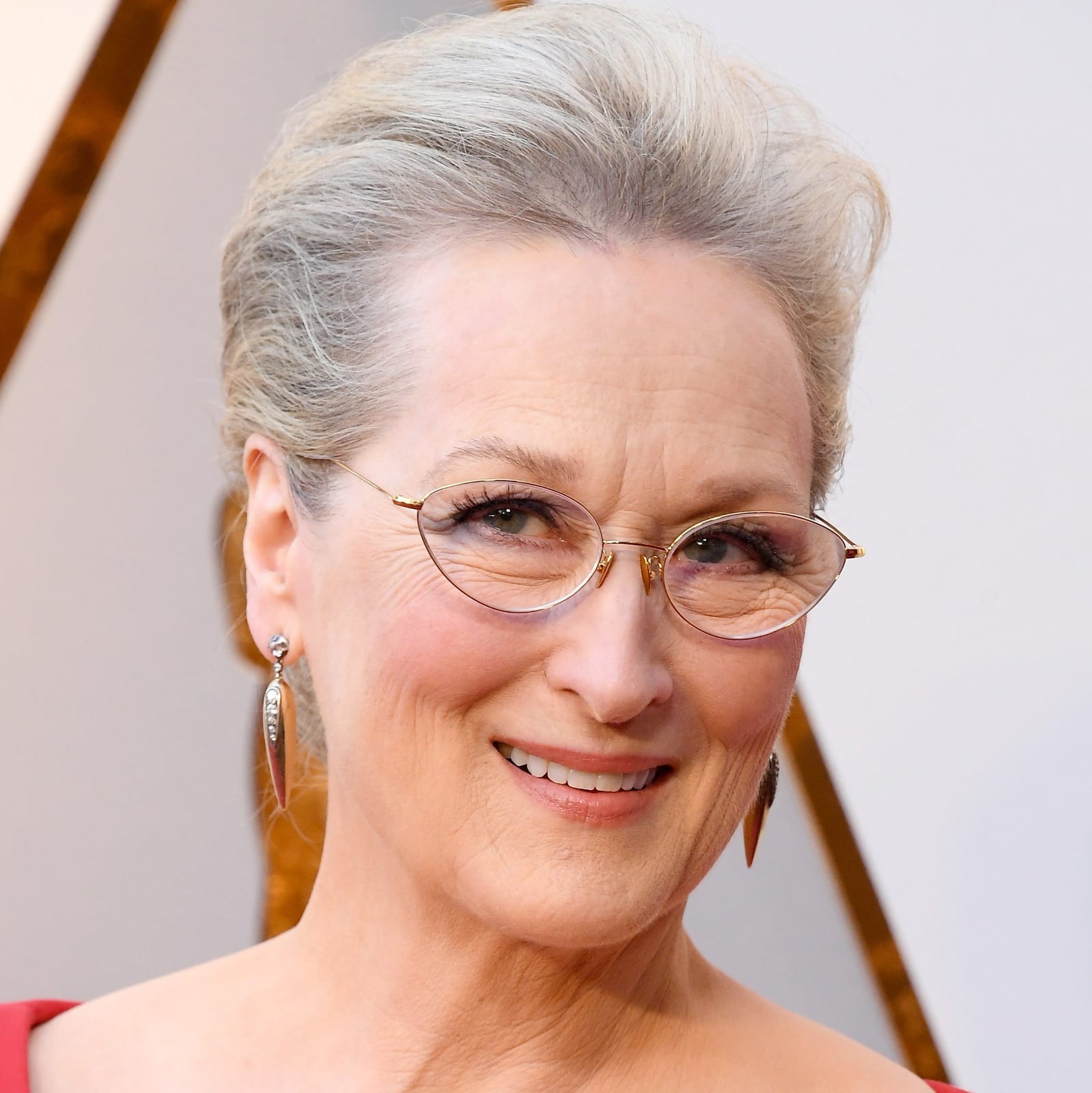
Fine, straight gray hair can look flat by midday, but this smooth blowout shows another result. The shoulder-length cut with subtle layers and a side parting gives the hair movement, while the swept-back style opens up the face and elongates narrow face shapes. The even, soft lighting highlights the natural shine of the gray.
Ask your stylist for: shoulder-length straight cut, smooth blowout, side parting. To maintain the sleekness, use a boar bristle brush while blow-drying, then set with a light-hold hairspray. One drawback: fine hair needs regular washing to keep that polished look, since it tends to show oil and product buildup faster.
5. Textured Pixie With Curly Bangs
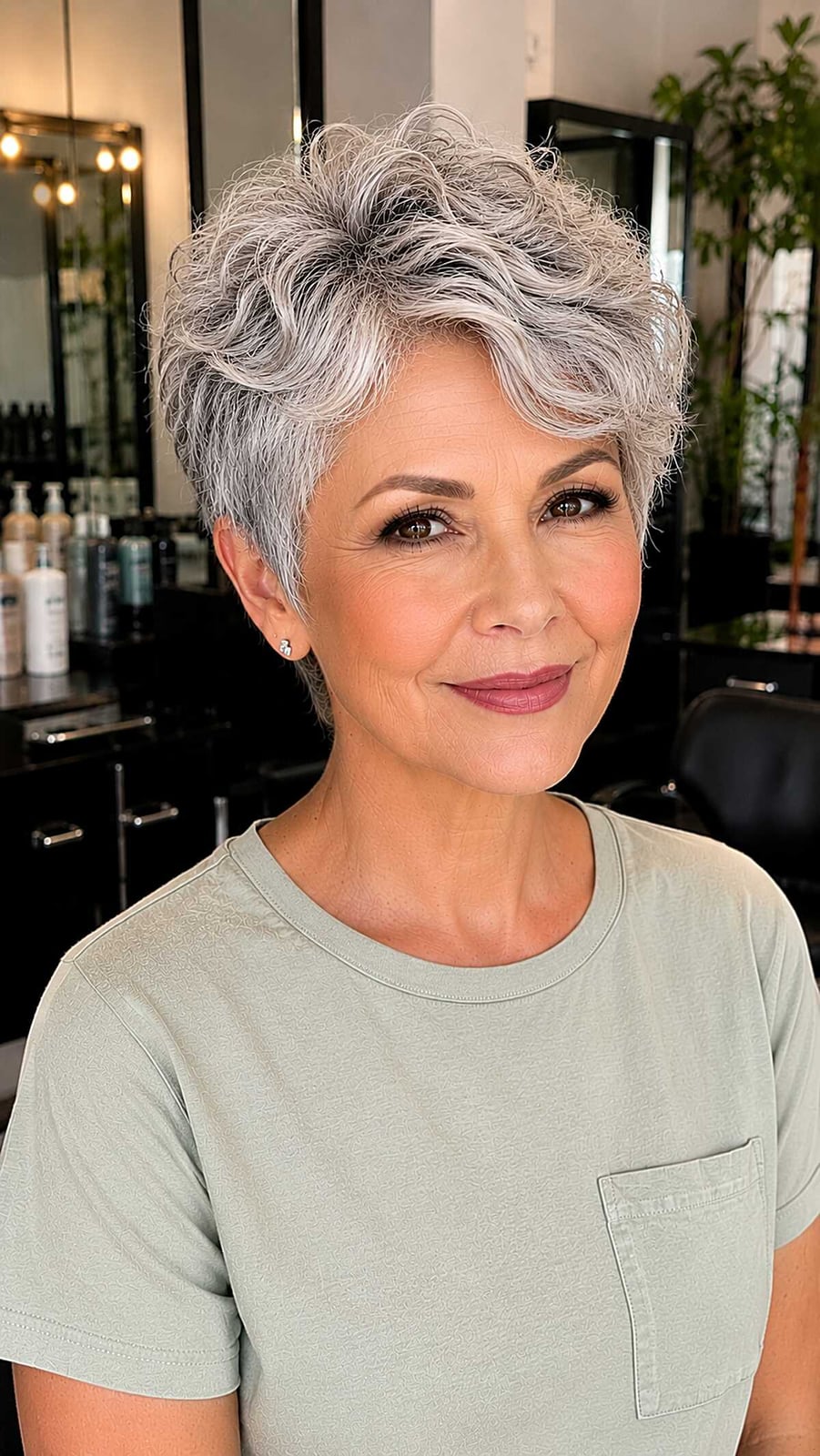
The textured pixie is a masterclass in precision cutting. Short, curly bangs frame the face, while the ear-length crop is layered to give fine, curly salt and pepper gray hair volume without bulk. The side parting adds asymmetry, making it work for most face shapes.
Ask your stylist for: textured pixie cut with short curly bangs. To style, work a small amount of styling paste through the ends to piece out the texture. A trim every four to six weeks keeps the shape sharp, and the cut is low-maintenance for everyday wear.
6. Collarbone Layers With Curtain Bangs

Wondering if fine, straight gray hair can hold its own past a certain length? Soft, face-framing layers add the lift that a one-length cut refuses to give. These collarbone-length layers, paired with curtain bangs and a side part, create the illusion of density without any teasing. Ask your stylist for: collarbone length layers with curtain bangs. The subtle graduation means the ends don’t thin out, a common complaint with fine texture. Blow-dry the bangs with a round brush and finish with a texture spray for a lived-in look that doesn’t read as flat. A trim every eight weeks keeps the layers from turning into shapeless wisps.
7. Short Bob With Finger Waves
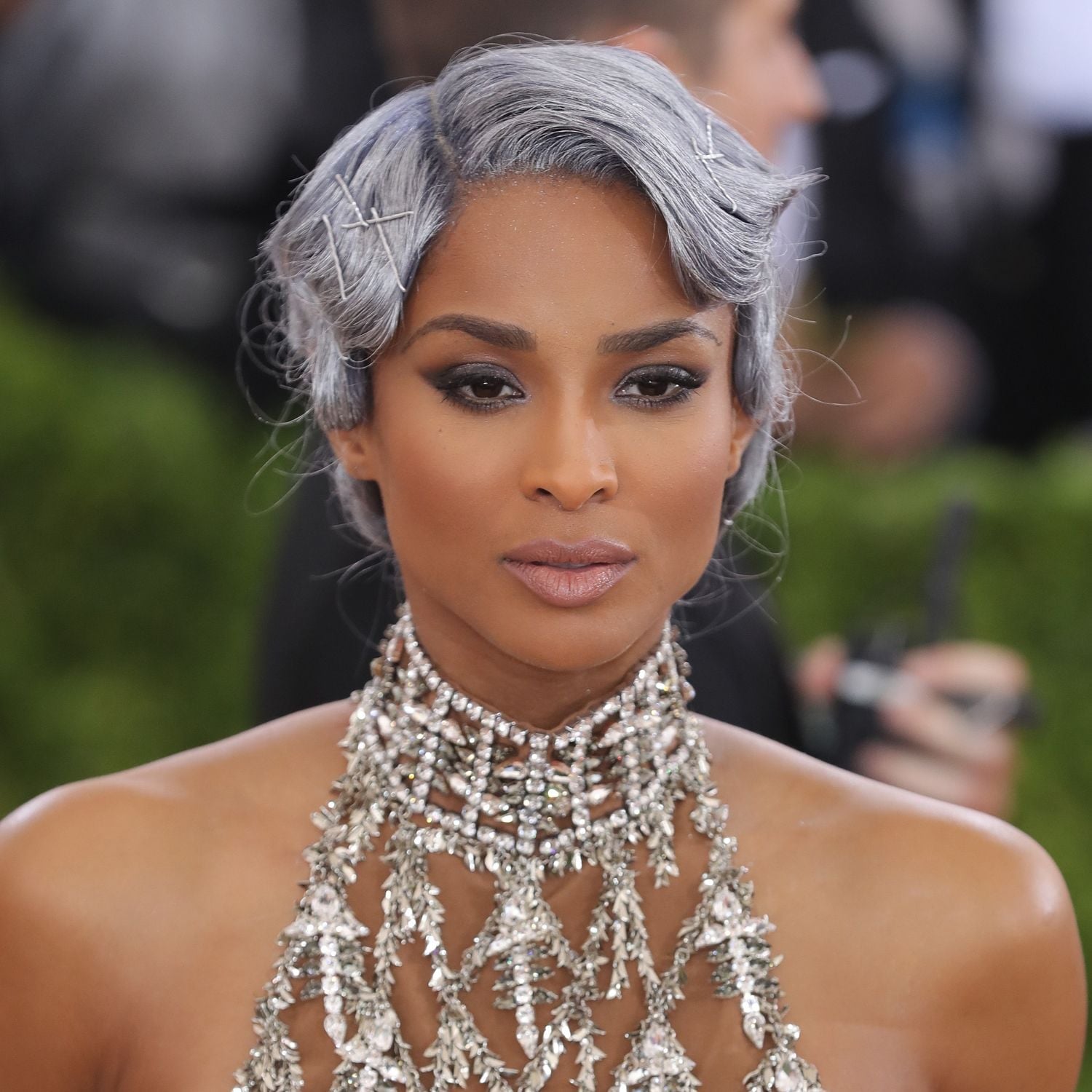
This is a short bob with a difference. The ear-length cut with side-swept bangs is sculpted into finger waves, a vintage technique that gives the hair a defined, sculptural finish. The silver-grey shade with darker roots adds contrast, making each wave more visible. Ask your stylist for: short bob with finger waves, side swept. This style suits events where the hair is part of the conversation. A setting lotion and a few clips hold the waves in place, and the result stays polished through dinner.
8. Light Grey Lob With Curtain Bangs

The lob hits the collarbone, the curtain bangs soften the face, and the light grey base with subtle highlights sets the color. A blowout with a round brush gives it that smooth, polished finish. Ask your stylist for: lob with curtain bangs, soft blowout. Here is the trade-off: light grey tones need regular maintenance. A purple shampoo every other wash keeps brassiness away, and a toning appointment every four to six weeks is standard. You can touch up the highlights at home with a gloss, but the base color is a salon job. The result is worth the calendar space, but only if you are ready for the rhythm.
9. Short Textured Pixie Crop

A short pixie with fine, curly texture benefits from a simple rule: keep the weight off the top. The ear-length crop with short, textured bangs swept to the side lets the natural curl pattern show. Ask your stylist for: short textured pixie with side-swept bangs. To style at home, work a matte paste through damp hair and shape with your fingers. That is it: no round brush, no heat. The styling steps are short: apply product, tousle, walk away. A trim every six weeks keeps the shape from puffing out, and the salt and pepper color needs no root touch-up.
10. Silver Grey Dreadlocks
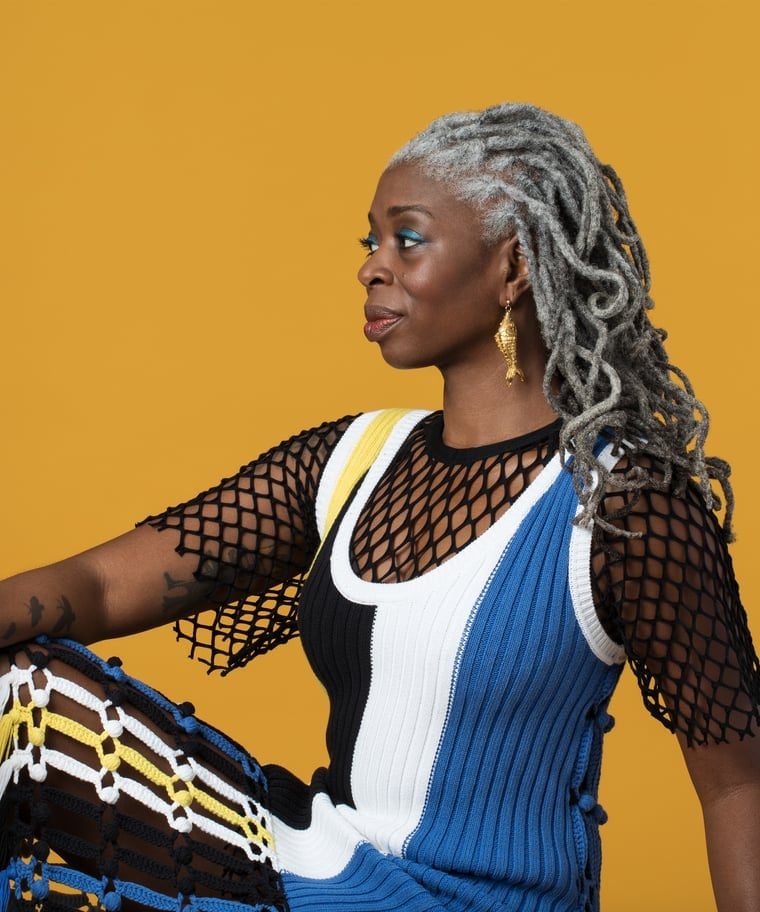
Thick, coily hair at mid-back length gains a sculptural quality when formed into neat dreadlocks. The silver-grey color runs from root to tip, with a side parting that breaks up the weight. Ask your stylist for: mid-back length silver gray dreadlocks. The process is not quick, sectioning, palm-rolling and tightening take several hours in the chair. Upkeep focuses on the scalp: regular washing with a residue-free shampoo and occasional retwisting to keep the roots tidy. The payoff is a low-daily-styling routine that asks for nothing more than a silk scarf at night. A trim every three months prevents fraying at the ends.
11. Short Layered White Blowout
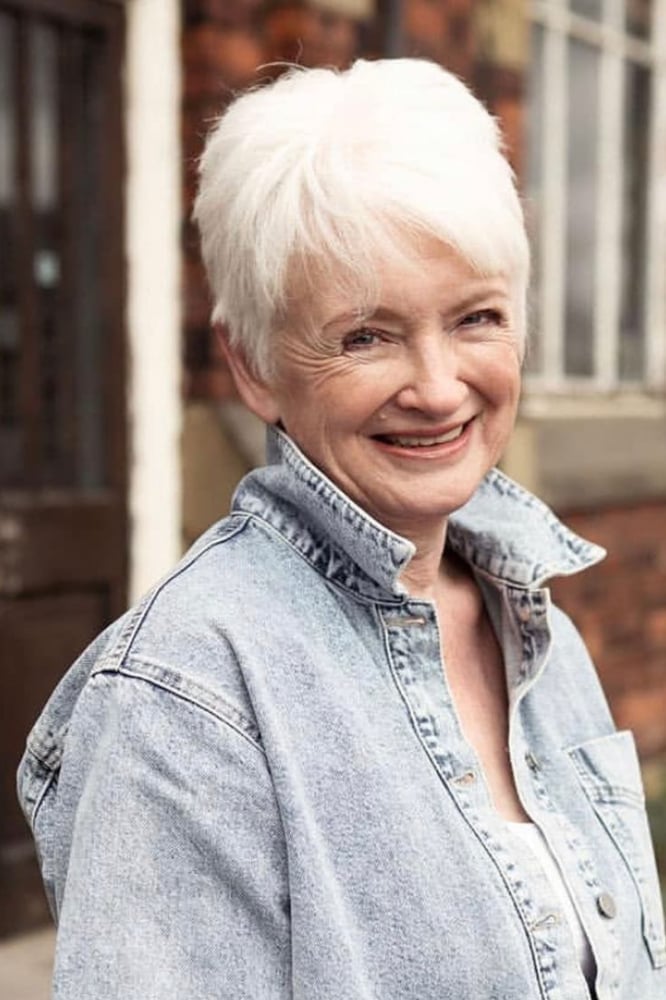
Can fine, straight hair hold a blowout at ear length? It can, but the volume is borrowed, not built in. A short layered cut with side-swept bangs gives a round brush something to grab, and bright white hair shows every bit of lift you create. The catch: fine hair collapses faster than any other texture, so this shape needs a blow dryer and a round brush most mornings. Ask your stylist for: short layered cut with voluminous side-swept bangs.
12. Mid-Back Silver Gray Waves
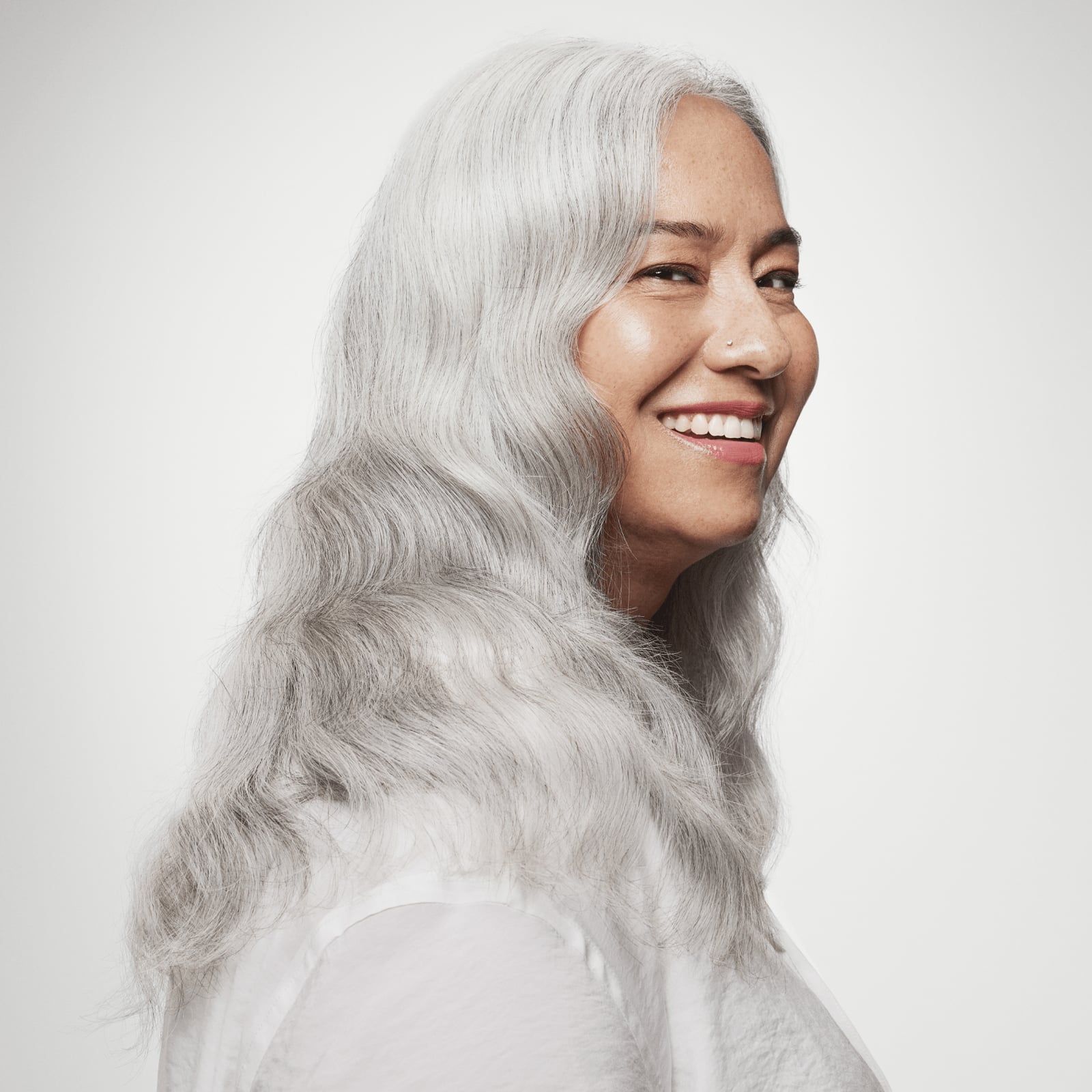
Mid-back length hair in loose, glossy waves shows the grow-out as part of the design. Silver gray with darker roots gives you a natural blend instead of a hard line, and side-swept bangs keep the front soft against a side parting. The length is the commitment here: mid-back hair takes a large barrel iron and real time to wave, and the darker roots need a plan.
Ask your colorist for: silver gray with darker roots. As the gray grows in, the darker base absorbs the transition for roughly six weeks before a root touch-up is due. Long layers keep the waves from collapsing into one mass, and medium density hair holds the bend better than fine hair does. Book a trim every eight to ten weeks to keep the ends from thinning out, and a salon toning service every six to eight weeks to keep the silver from drifting warm.
13. Asymmetrical Blunt Bob With Purple Undertones
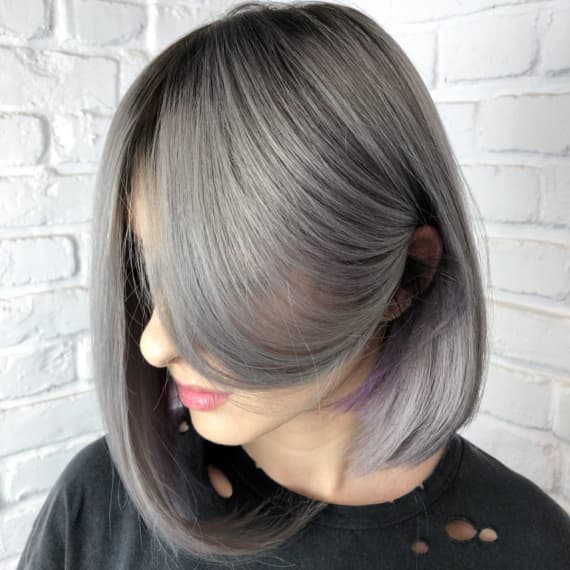
What do you actually say to get a blunt bob that is not boring? Start with the shape, then the color, then the finish. The cut is a chin length blunt bob, and the edge comes from asymmetrical curtain bangs and one side tucked behind the ear. Straight, fine hair holds the sleek line best. Ask your stylist for:
- chin length asymmetrical blunt bob
- asymmetrical curtain bangs, middle parting
- sleek finish, one side tucked
Then ask your colorist for an ash gray with subtle purple undertones. Subtle is the word to repeat: purple shows up as a cool cast, not a color block.
14. Short Textured Gray Pixie, Appearing Fine And Straight
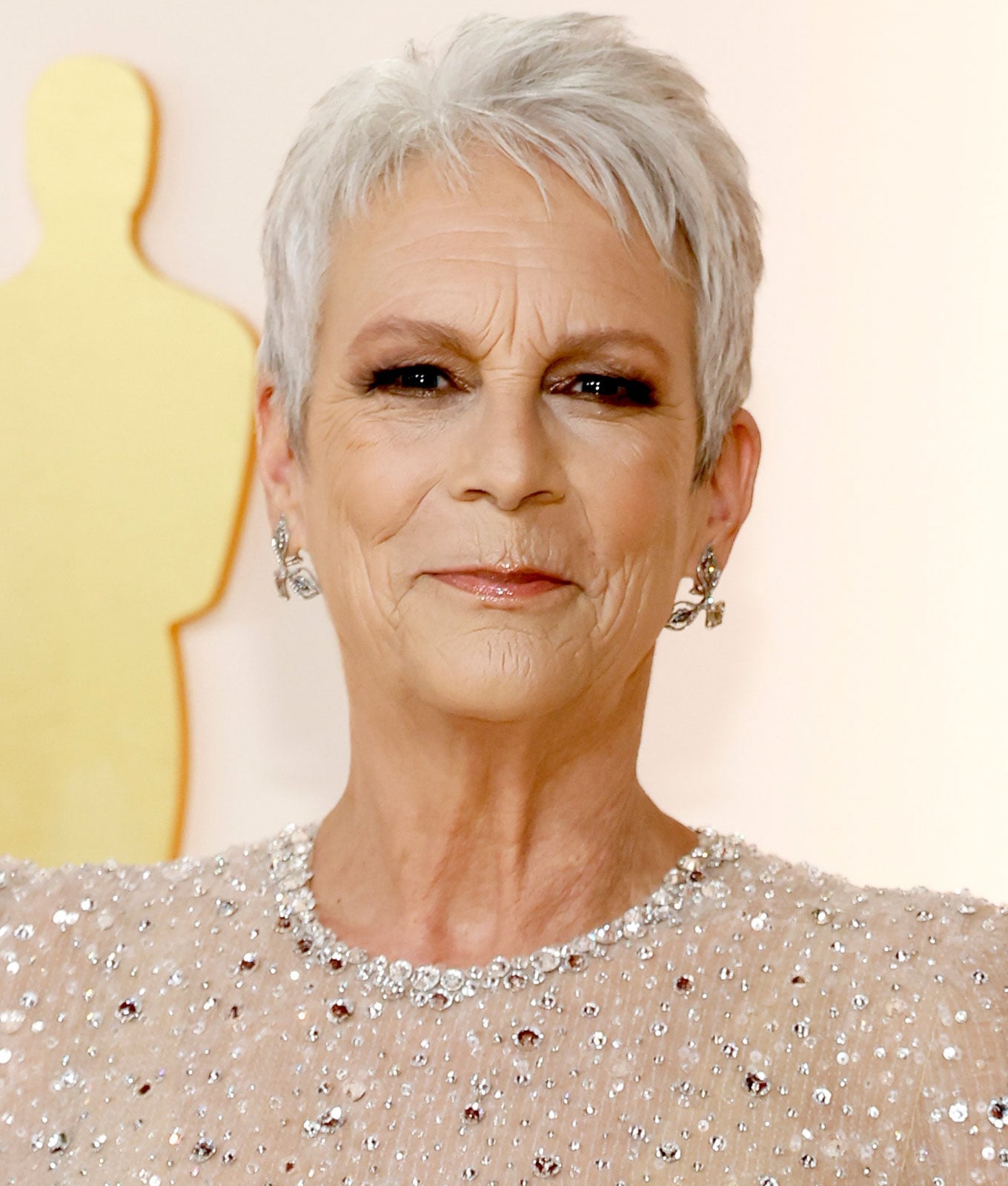
A short pixie at ear length, styled away from the face with short textured bangs swept to the side, lives or dies on one assumption: that fine, straight hair will hold texture on its own. It will not. The mistake is skipping product and expecting the cut to do the work. A small amount of texturizing wax or paste defines the pieces, and this is a salon cut, not a kitchen-sink trim. Ask your stylist for: short textured pixie with swept bangs.
15. Sleek Ash Gray Blunt Bob
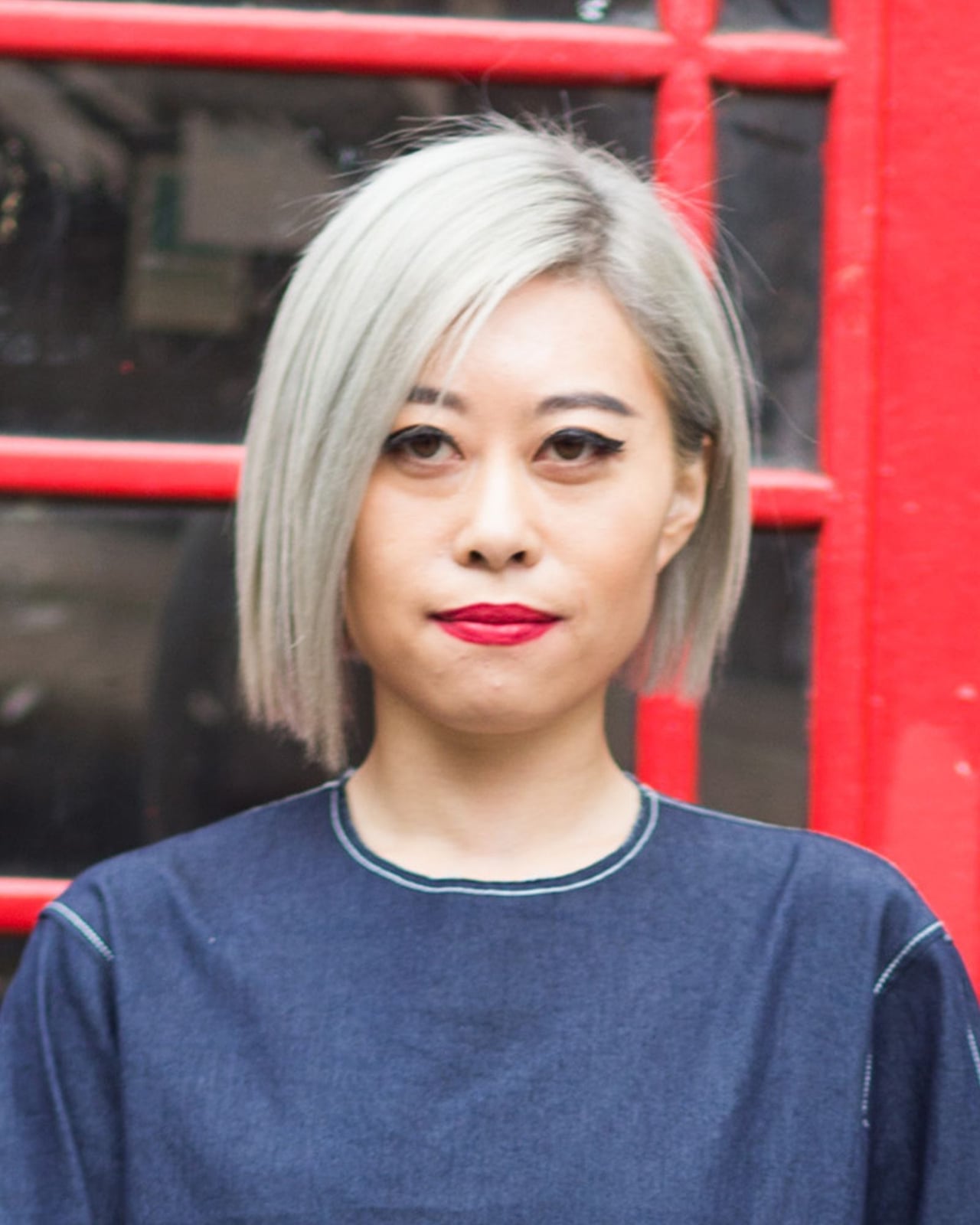
A blunt bob at chin length with a side parting and no bangs is a silhouette decision before it is a color one. The straight, sleek finish in a uniform ash gray depends on the cut line staying sharp, which means a trim every six to eight weeks. Ask your colorist for: uniform ash gray. Getting there usually takes a double process: lift the old pigment, then tone to ash, which is about three hours at the salon and a commitment to a toning session every six to eight weeks as the ash fades. Fine, straight hair keeps the sleek finish with a flat iron and a smoothing serum. Skip the trim and the blunt edge goes soft, and soft is the one thing this cut cannot be.
16. Shoulder Length Layers With Natural Streaks
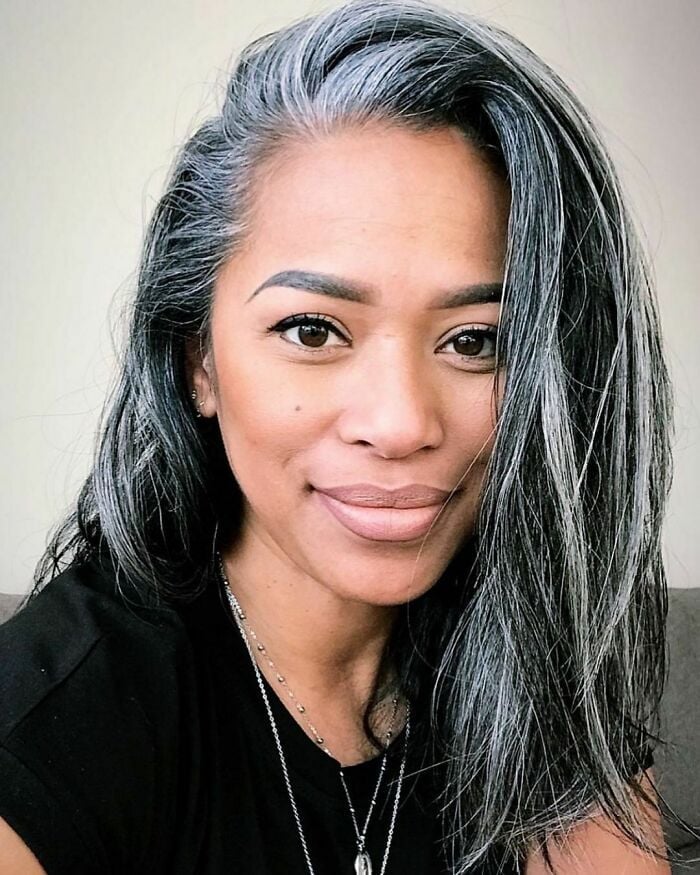
The trick to making natural gray streaks look deliberate is a cut that lets them fall where they want. Shoulder-length long layers do exactly that, giving wavy, medium-density hair enough movement so the lighter grey pieces catch the eye without a salon technique. A side parting helps, too, since it breaks up the uniformity. Ask your stylist for: shoulder length layers, natural gray with lighter streaks. Air dry with a scrunching motion and a light texturizing spray, and the waves will separate on their own, showing off every shade the medium gray has to offer.
17. Shoulder Length Updo With Face-Framing Pieces
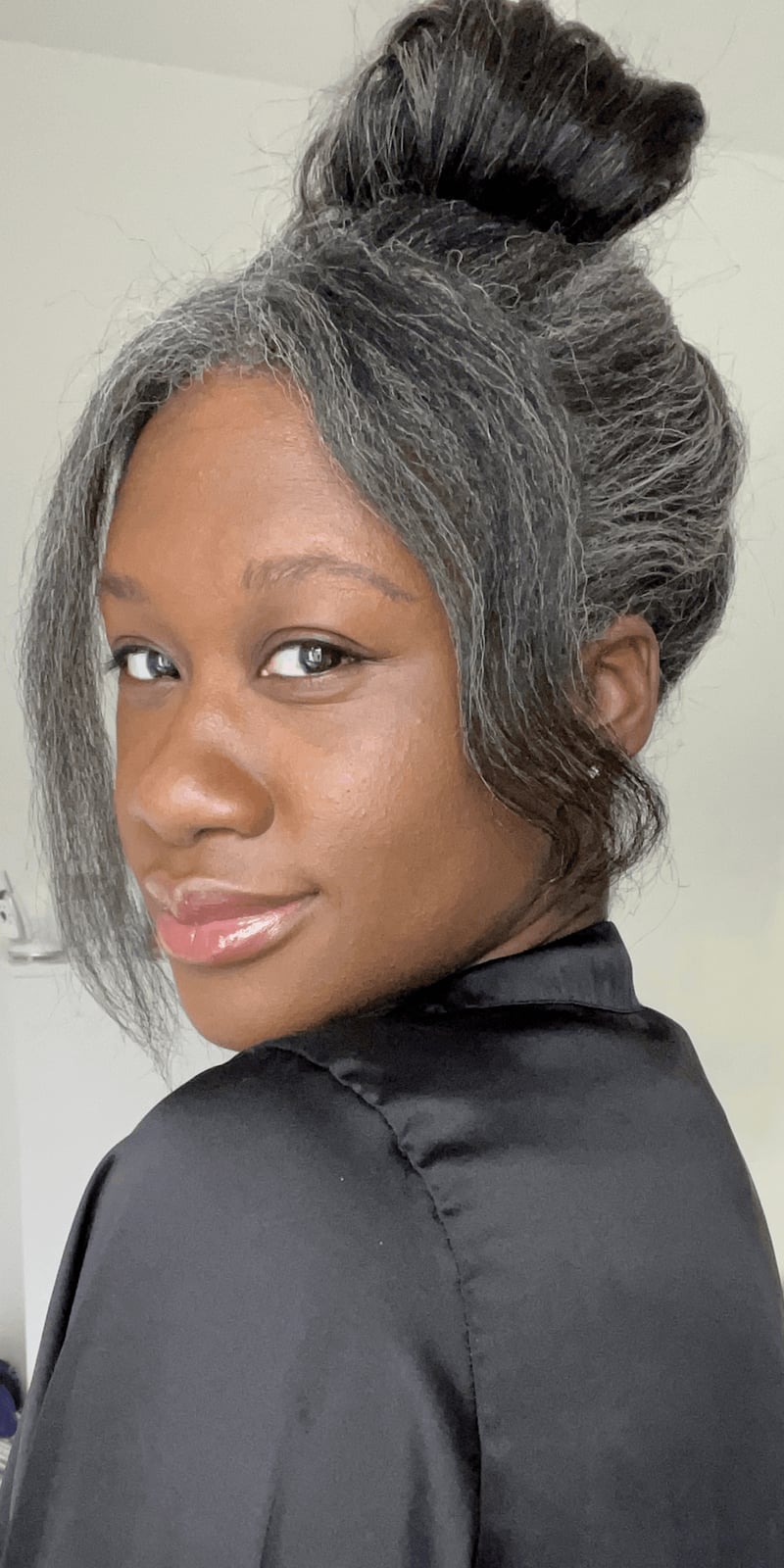
The design relies on contrast: a gathered updo against soft, loose strands around the face. On fine, shoulder-length gray hair, those face-framing pieces keep the style from reading as severe. They also soften most face shapes. Ask your stylist for: soft updo with face-framing pieces. This is a salon-leaning situation, not a bathroom-mirror project, because getting the balance between loose strands and messy takes practice.
The real drawback shows up about an hour in. Those face-framing strands tend to drift, and pinning them back ruins the undone effect. A texturizing spray before styling helps, but plan on checking a mirror every so often to nudge things back into place.
18. Shoulder Length Thick Curly Gray
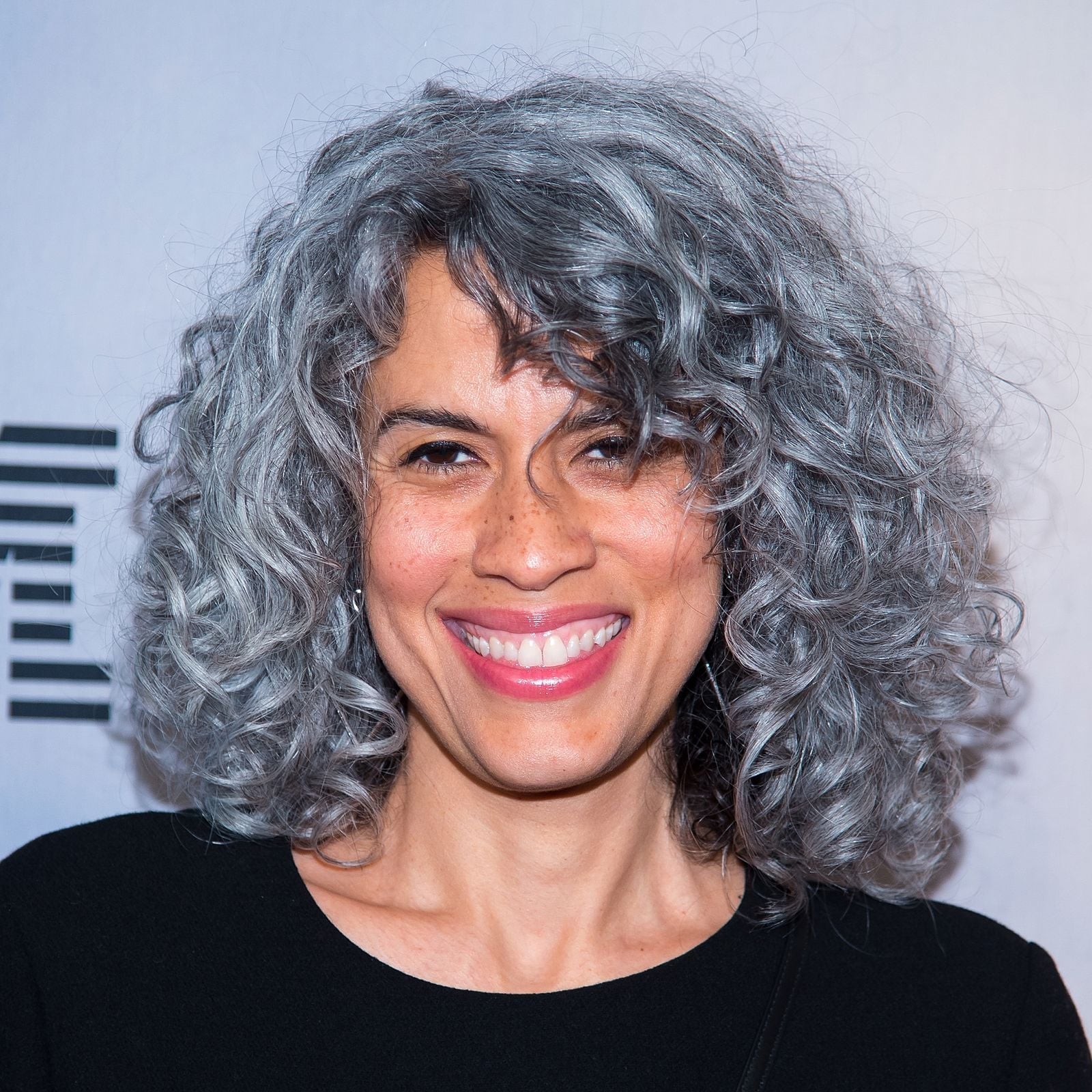
Thick, curly hair at shoulder length is a density negotiation, and the way to win is layers. A layered cut removes enough bulk so the curls stack instead of spreading, keeping the shape compact and the volume under control. The middle part lets each side fall symmetrically, which balances the visual weight. Ask your stylist for: shoulder length thick curly cut, natural gray. A gentle scrunch on damp hair is all the styling this needs.
Upkeep is straightforward: a trim every eight weeks to keep the layers from growing into a single heavy triangle. The medium gray with lighter silver shows dimension on its own, so toning visits are optional, not required.
19. Long Silver Gray With Blunt Bangs
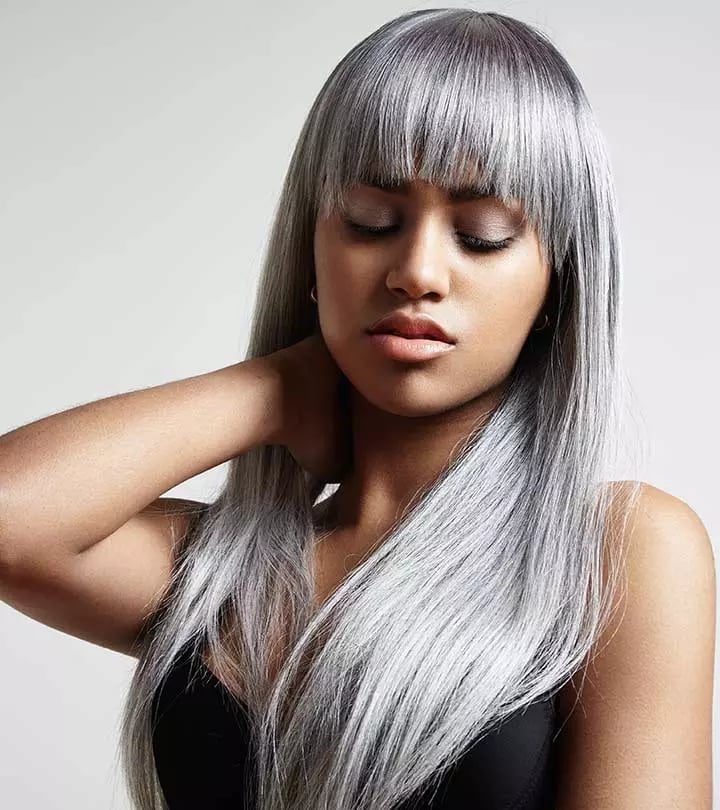
A blunt cut on long, fine hair is the opposite of forgiving, and adding blunt bangs raises the stakes. The payoff is a graphic, polished line that makes the silver gray look glossy and deliberate. A middle parting keeps the symmetry intact, which helps the uniform blunt edge look intentional. Ask your stylist for: long blunt cut with blunt bangs, poker straight. A flat iron and a shine serum are required for the finish.
The drawback is the trim schedule. Blunt bangs on fine hair show every millimeter of regrowth, so plan on a bang trim every two to three weeks. The long length means the cut itself needs a refresh every six weeks to keep the hemline sharp. If you are not ready for that rhythm, this is one to skip.
20. Final Thoughts
Fine or thinning hair: keep one blunt baseline and strategic layers for visual weight, and skip heavy thinning. Thick or coarse hair: let a layered bob or textured pixie manage the volume instead of fighting it.
- Trim the shape every six to ten weeks.
- Tone at week six, not week ten.
- Deep condition once a week.
- Use a heat protectant before any hot tool.
- Air-drying? Add a curl cream or sea salt spray.
Embrace your gray with confidence and style.