
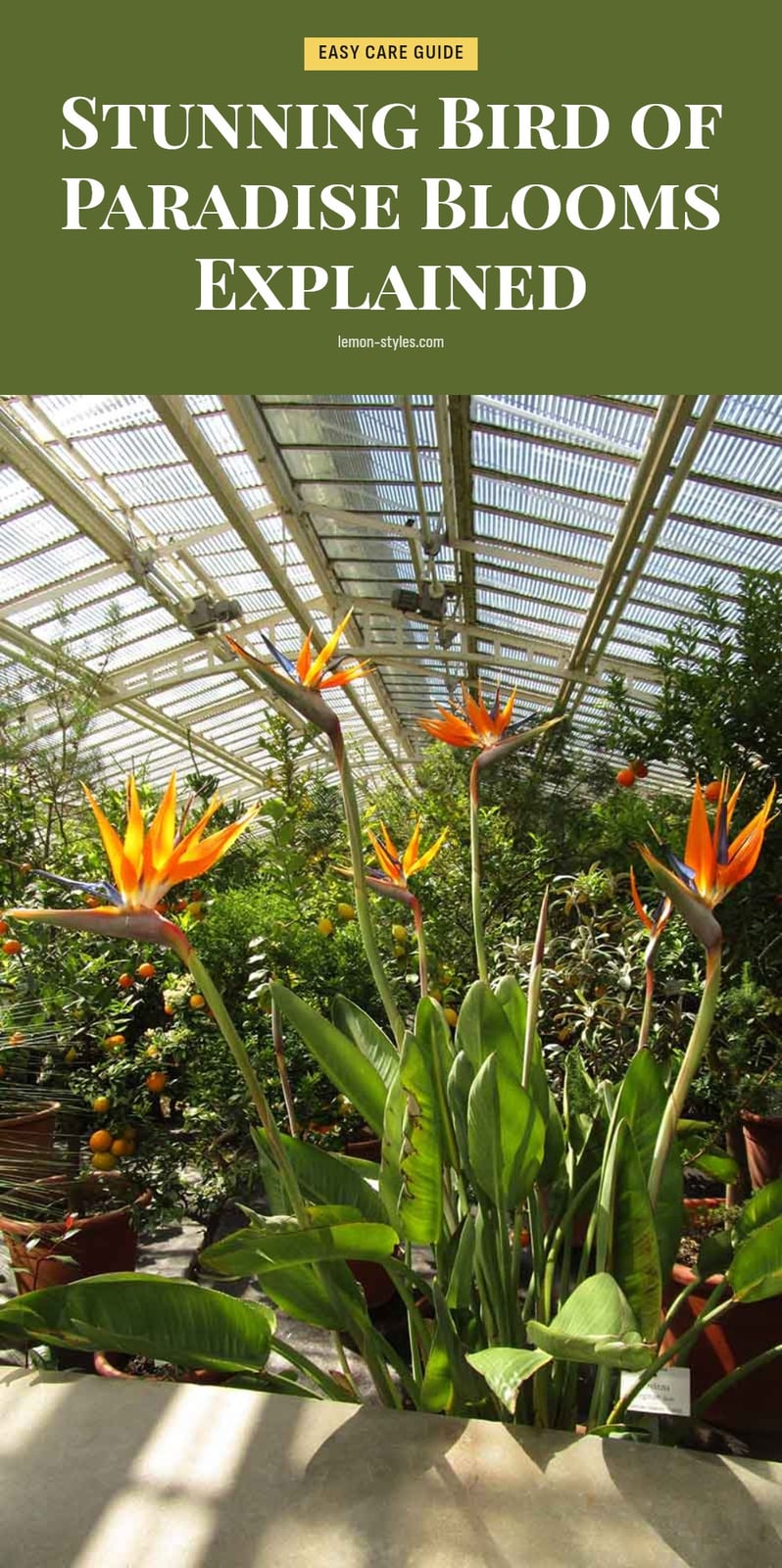
If you’re dreaming of a tropical corner in your living room or garden, the Bird of Paradise plant is a stunning choice with its crane-like blooms and oversized leaves. But it’s not a set-it-and-forget-it plant: it demands bright light, consistent moisture, and a little patience to reward you with its iconic flowers. This article walks you through the essentials of growing and caring for a Bird of Paradise, from choosing the right spot to troubleshooting common issues.
Key Takeaways
- Provide at least 5-6 hours of direct sunlight daily for flowering.
- Water when the top 1-2 inches of soil feel dry.
- Keep daytime temperatures between 65-80°F (18-27°C).
- Repot every 2-3 years into a pot only slightly larger.
- Expect blooms only after the plant is 3-5 years old.
1. Growing a Bird of Paradise Plant: The Essentials
Bird of Paradise plants need at least 5-6 hours of direct sunlight daily to thrive and flower. Water consistently, letting the top 1-2 inches of soil dry out between waterings. Well-draining soil and daytime temperatures between 65-80°F (18-27°C) are critical for healthy growth.
2. Gather Your Supplies for Bird of Paradise Care
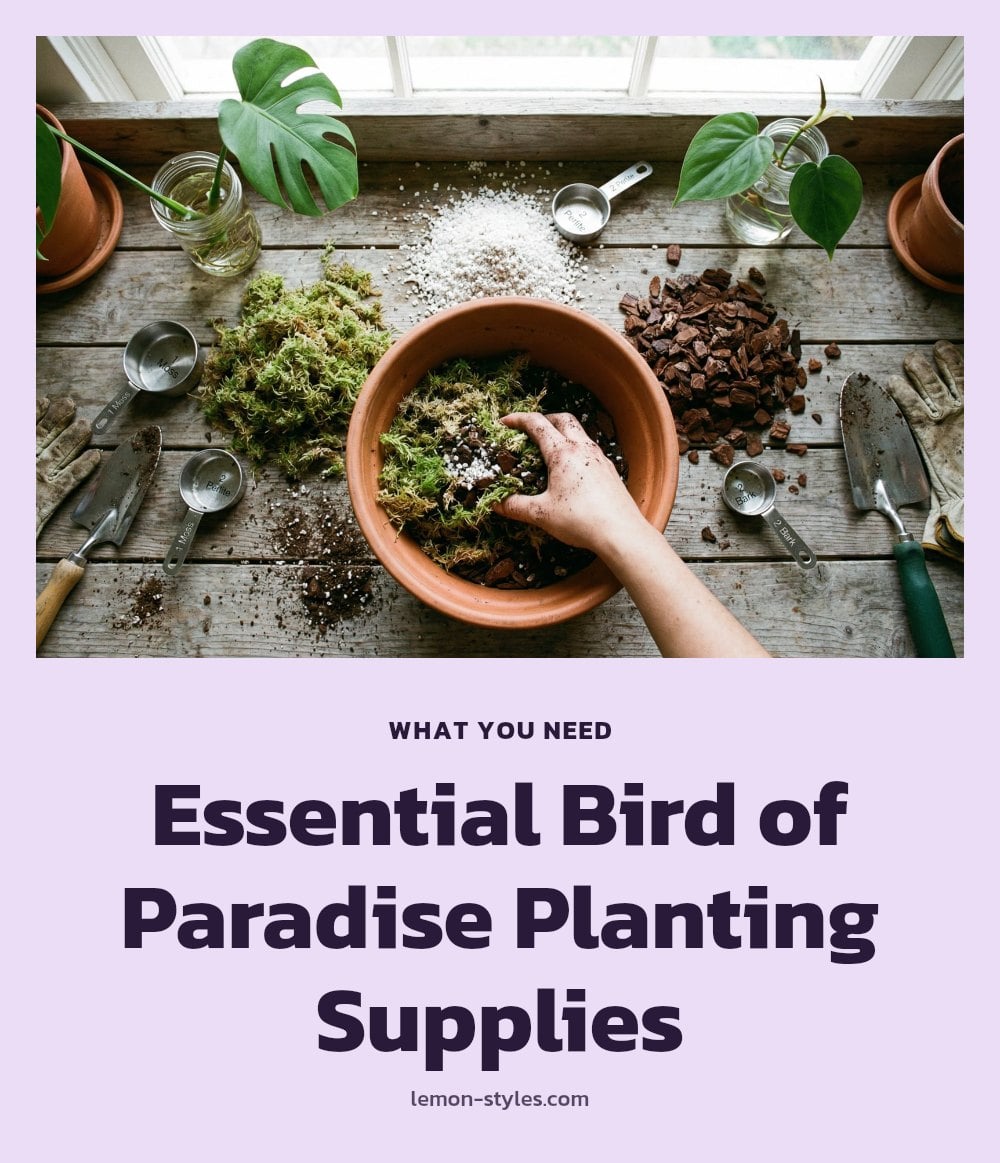
Here’s what you’ll need to keep your Bird of Paradise healthy and growing:
- Well-draining potting mix: Prevents root rot by allowing excess water to flow through.
- Pot with drainage holes: Non-negotiable for proper water management.
- Balanced liquid fertilizer: Supports vigorous growth and encourages flowering during spring and summer.
- Pruning shears: For removing dead leaves and spent flower stalks cleanly.
- Pebble tray or humidifier (optional): Helps increase humidity indoors.
3. Step-by-Step: Cultivating a Thriving Bird of Paradise
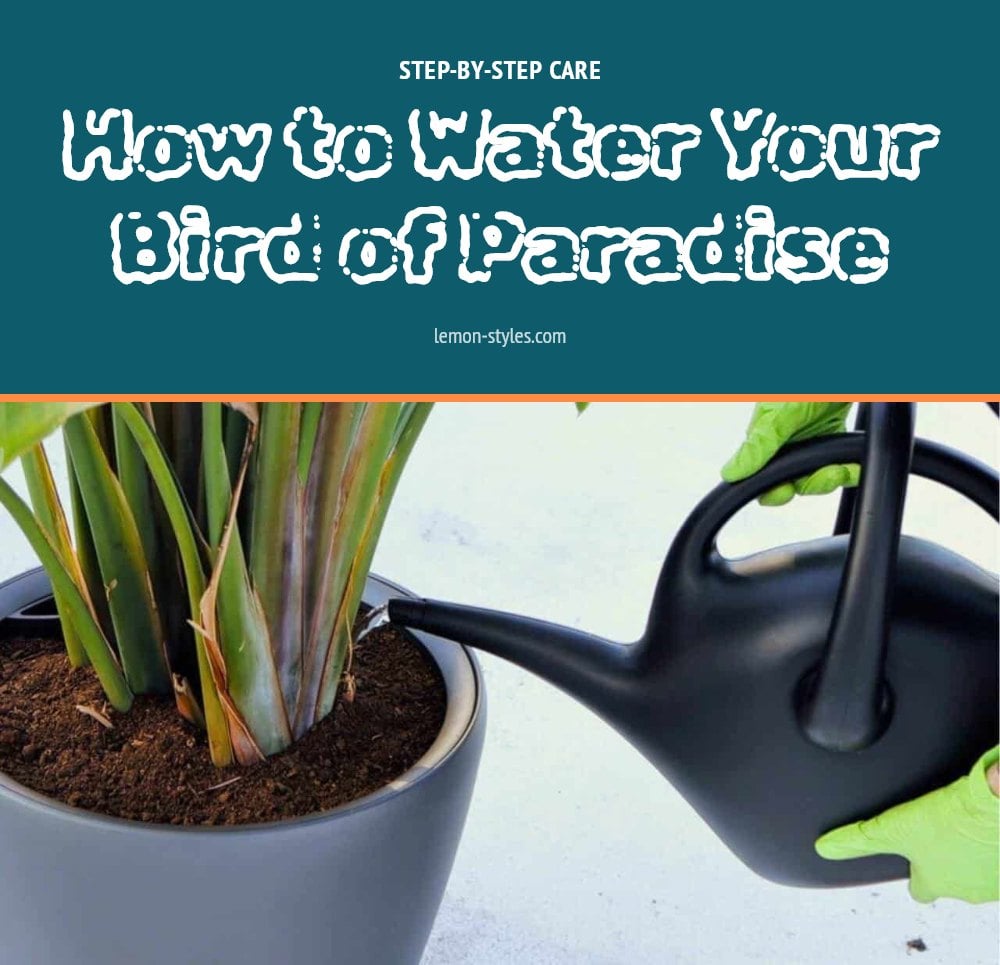
Follow these steps for a thriving Bird of Paradise:
- Choose the right spot: Place your plant in a location with abundant bright, direct sunlight, ideally an east or south-facing window. This is non-negotiable for flowering.
- Prepare the soil mix: Combine potting soil, perlite, and peat moss in roughly equal parts. This ensures good drainage and aeration for the roots.
- Water correctly: Check the soil by sticking your finger about 2 inches deep. Water thoroughly only when the top feels dry, and let all excess water drain out of the pot.
- Maintain the temperature: Keep daytime temperatures between 65-80°F (18-27°C) and never let it drop below 50°F (10°C) at night. Avoid cold drafts.
- Fertilize during growth: Apply a balanced liquid fertilizer every 2-4 weeks from spring through summer. Reduce feeding in fall and winter.
- Prune as needed: Use clean shears to cut off dead or yellowing leaves and spent flower stalks at the base. This redirects energy to new growth.
4. Ongoing Maintenance for Your Bird of Paradise
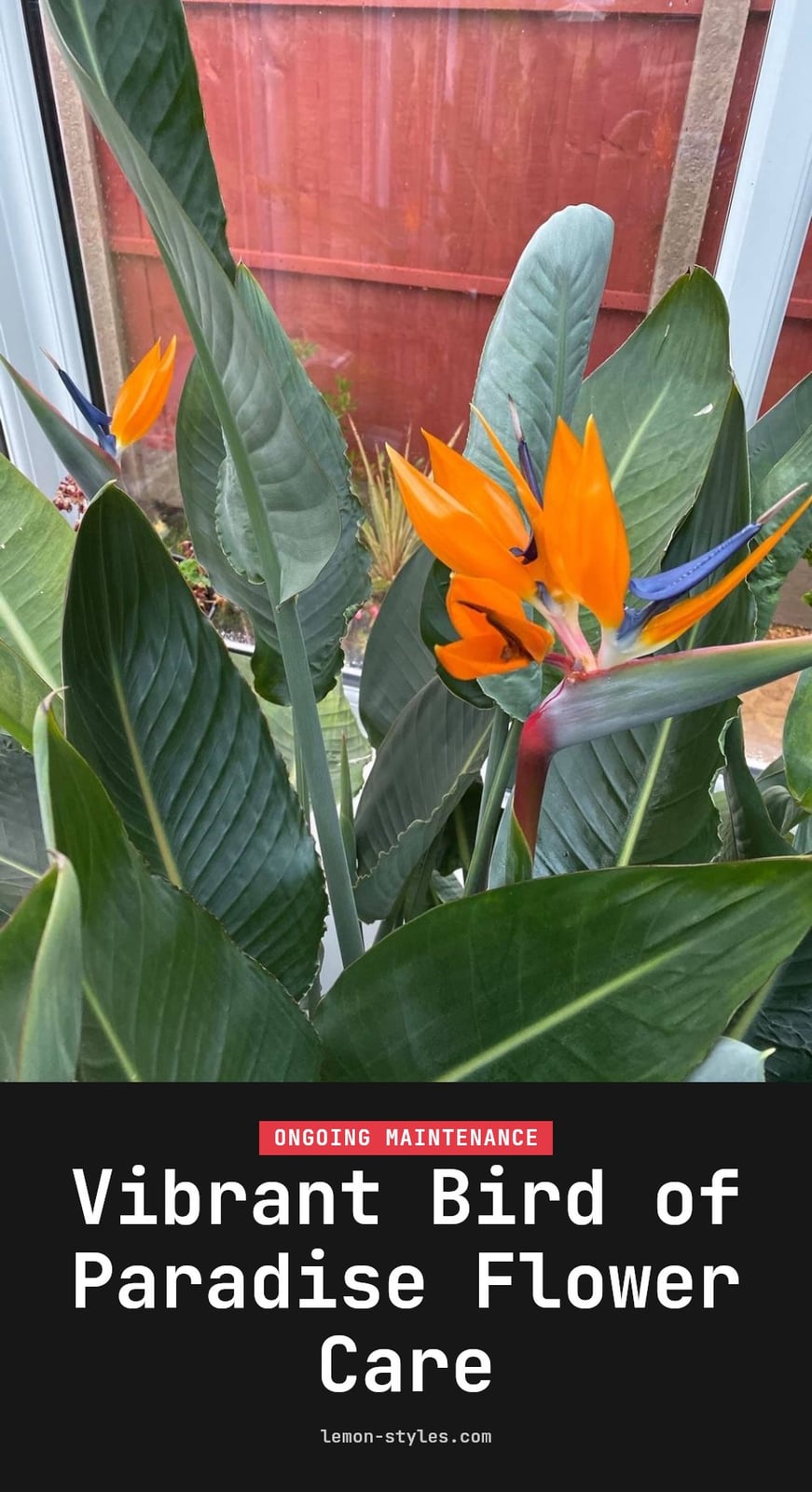
Long-term care keeps your Bird of Paradise looking its best:
- Repot every 2-3 years: Do this when the plant becomes root-bound. Move it to a pot only 1-2 inches larger in diameter to avoid overpotting.
- Boost humidity: Indoors, use a pebble tray filled with water or a humidifier. This mimics its tropical native environment.
- Watch for pests: Inspect leaves regularly for spider mites, mealybugs, or scale insects. Treat promptly with insecticidal soap or neem oil at the first sign of infestation.
5. Common Mistakes to Avoid When Growing Bird of Paradise
Insufficient light: This is the number one reason your Bird of Paradise won’t bloom. If you see leggy growth and no flowers, move the plant to a brighter spot with more direct sun.
Overwatering: Too much water leads to root rot, which is often fatal. Always check the top 1-2 inches of soil before watering, and never let the pot sit in standing water.
Under-fertilizing: Without enough nutrients, growth stalls and flowering stops. Stick to a regular feeding schedule with a balanced liquid fertilizer during spring and summer.
Ignoring pests: Spider mites, mealybugs, and scale can multiply quickly. Inspect leaves regularly and treat infestations immediately with insecticidal soap or neem oil.
Repotting into an oversized pot: A too-large container holds excess moisture, which can cause root rot and slow growth. Choose a pot only slightly larger than the current one.
6. Pro Tips for Encouraging Bird of Paradise Blooms
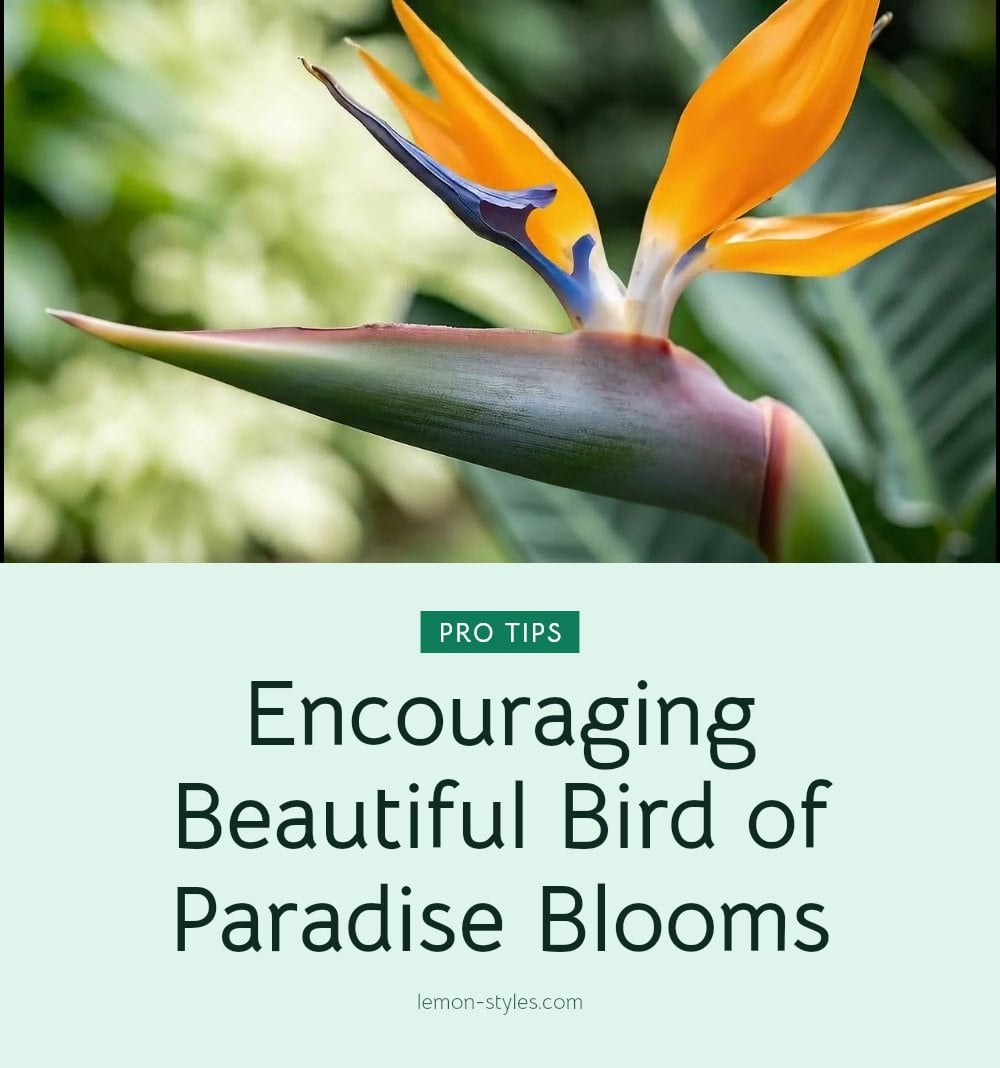
Patience is key: Your plant typically needs to be 3-5 years old before it starts flowering. Don’t give up if you don’t see blooms in the first couple of years.
Mimic its natural habitat: Consistent warmth, bright light, and high humidity are crucial. Keep temperatures between 65-80°F (18-27°C) and use a pebble tray or humidifier indoors.
Don’t be afraid to prune: Removing dead leaves and spent flowers redirects energy to new growth and blooms. Cut at the base of the stem with clean shears.
Consider outdoor summering: If possible, move your potted plant outdoors to a sunny, sheltered spot during warm months. The extra light and airflow give it a real boost.
7. Bird of Paradise Growth Timeline and Care Frequency
Flowering Timeline: Blooms typically begin when the plant is 3-5 years old, and each flower can last for several weeks.
Watering Frequency: Water when the top 1-2 inches of soil are dry, usually every 1-2 weeks depending on light, temperature, and humidity.
Fertilization Schedule: Feed every 2-4 weeks during spring and summer with a balanced liquid fertilizer. Reduce or stop in winter.
Repotting Interval: Repot every 2-3 years, or when the plant is significantly root-bound. Choose a pot only slightly larger.
Cost Tiers: Small starter plants run $15-$30, while mature, blooming specimens can range from $50-$150 or more.
8. Frequently Asked Questions
Why isn’t my Bird of Paradise plant blooming?
The most common reason is insufficient light. Your plant needs at least 5-6 hours of direct sunlight daily to trigger flowering. If it’s not blooming, move it to a brighter spot, like an east or south-facing window. Also, check that it’s mature enough: plants typically start blooming only after 3-5 years of growth.
Can Bird of Paradise plants live outdoors year-round?
Yes, but only in warm climates where nighttime temperatures stay above 50°F (10°C). If your area experiences frost or prolonged cold, it’s safer to keep the plant in a pot and bring it indoors during cooler months. Outdoors, place it in full sun to partial shade, but ensure it gets enough direct light to flower.
Is Bird of Paradise plant toxic to pets?
Yes, the Bird of Paradise is considered mildly toxic to both humans and pets if ingested. It can cause digestive upset, such as nausea or vomiting. To keep your furry friends safe, place the plant out of reach or choose a non-toxic alternative if you have curious chewers.
How much sun does a Bird of Paradise plant need?
Your Bird of Paradise needs at least 5-6 hours of direct sunlight each day to grow well and produce flowers. Indoors, an east or south-facing window is ideal. Without enough sun, you’ll see leggy growth and no blooms, so make light a top priority.
9. Final Thoughts
For a thriving Bird of Paradise, prioritize light above all else: place it in the brightest spot you have, ideally an east or south-facing window. Then, stick to a consistent watering routine, letting the topsoil dry slightly between waterings, and feed it every 2-4 weeks during spring and summer. Be patient with blooming, as it can take 3-5 years, but once mature, each flower lasts for several weeks. With these conditions, your tropical beauty will reward you with its striking presence.
This article is for general informational purposes only and is not a substitute for professional gardening or medical advice. If your plant shows signs of serious disease or pest infestation, consult a local nursery or extension service. If you or a pet ingests any part of the plant, seek medical or veterinary attention as needed.

