If your String of Pearls is looking thin or leggy, you can turn it around with the right care. The key is giving it bright but indirect light, watering only when the soil is bone dry, and pruning regularly to encourage branching. This article walks you through the exact steps to get a fuller, healthier plant.
Key Takeaways
- Place your plant in bright, indirect light and rotate it weekly for even growth.
- Water only when the soil is completely dry, about every 2 to 4 weeks.
- Prune leggy strands and coil the cuttings on top of the soil to fill in gaps.
- Use a pot with drainage holes and a well-draining succulent or cactus mix.
- Bring the plant indoors when nighttime temperatures drop to 40°F or below.
1. Achieving a Fuller String of Pearls Plant
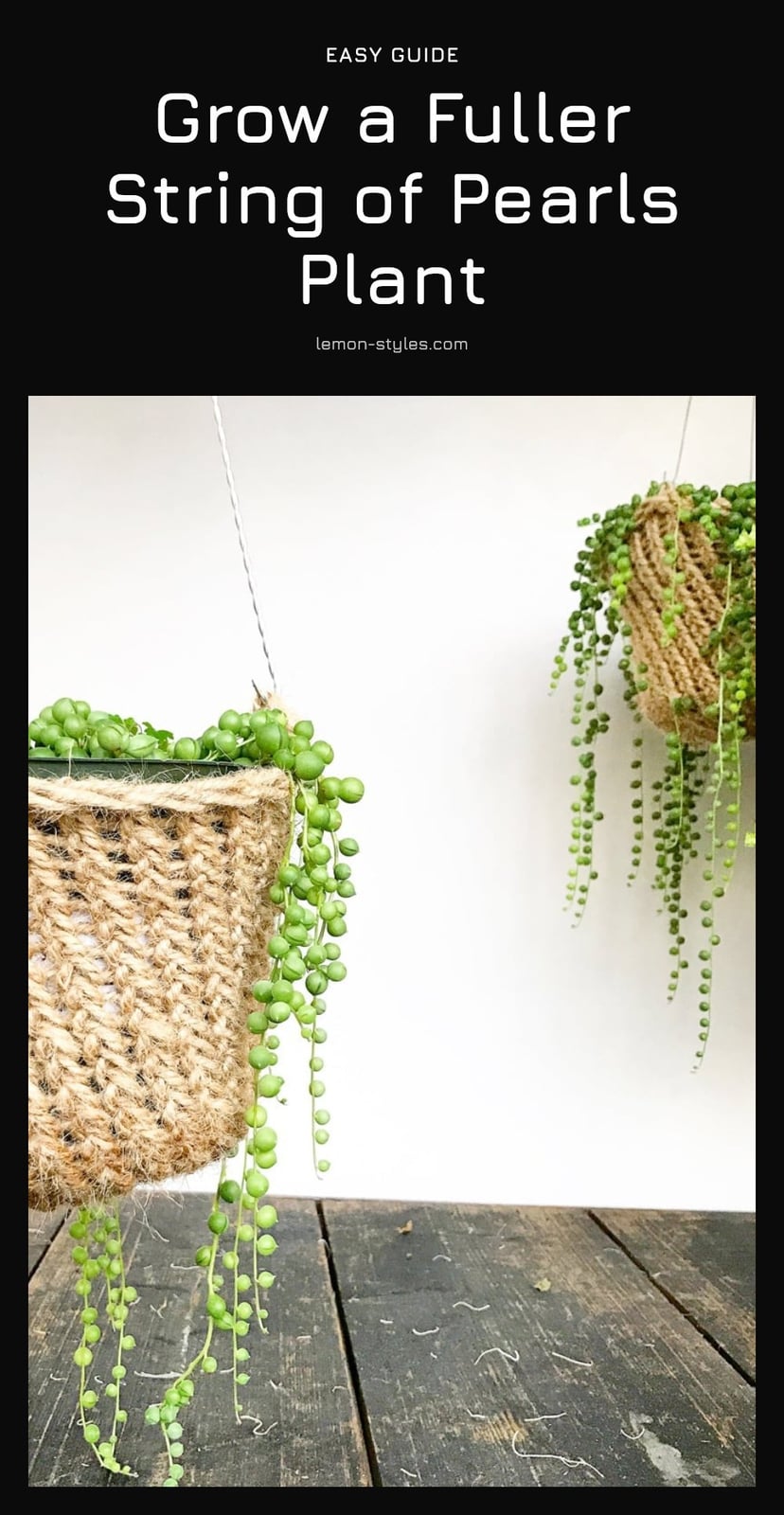
To grow a fuller String of Pearls, start with bright, indirect light and a pot that drains well. Water only when the soil is completely dry, overwatering is the fastest way to lose your plant. Regular pruning keeps strands from going leggy, and coiling those cuttings back on top of the soil fills in bare spots. Strategic placement near an east- or west-facing window and repotting every few years with fresh succulent mix round out the routine for a bushy, robust look.
2. Essential Tools for String of Pearls Care

Having the right tools on hand makes care and propagation straightforward.
- Succulent or cactus potting mix vital for drainage and preventing root rot.
- Pots with drainage holes no standing water allowed.
- Sharp, clean pruning shears or scissors clean cuts protect the plant.
- Watering can with a narrow spout lets you water the soil, not the pearls.
- Diluted succulent fertilizer use sparingly during spring and summer only.
3. Step-by-Step Guide to a Thriving String of Pearls
Follow this method to keep your String of Pearls thick and healthy year-round.
- Choose the right light: Give the plant filtered, diffuse light, such as under an awning on a south-facing deck or in a southeast-facing window in winter. Bring it indoors when nighttime temperatures drop to about 40°F, since this soft succulent cannot handle frost.
- Read the leaves: Brown, crispy leaves or pearls mean too much sun. Pale, upward-growing stems mean too little. Adjust the spot until the pearls stay plump and green.
- Rearrange stems: Rotate the pot or use an overhead grow light so all parts of the plant get light exposure. The stems tend to cluster on the side that gets the most light.
- Use proper soil and pot: Plant in a pot with drainage holes and a well-draining mix rich in mineral grit, like a cactus blend. Standard potting soil holds too much moisture and invites rot.
- Water thoroughly: Water until it drains from the bottom, then let the soil dry completely. Look for slightly wrinkled pearls as a sign of thirst. This plant often needs more frequent watering than other succulents because its stems are thin.
- Fertilize lightly: Apply a diluted succulent fertilizer a couple of times in spring, or repot with fresh soil every few years. Skip feeding in winter, when growth slows.
- Prune and propagate: Snip off long, leggy strands and coil them on top of the soil in the same pot or a new container. Any leaves that fall off can also be propagated.
- Be patient when repotting: Untangle strands gently and take your time. The plant will reward your patience with fuller growth.
Prefer to watch? Mountain Crest Gardens walks through the whole method in this 12-minute video. The how-to part starts at 4:21.
4. Common Mistakes to Avoid with String of Pearls
Avoid these common pitfalls to keep your String of Pearls thriving.
- Overwatering: The most common killer. Always let the soil dry out completely between waterings to prevent root rot.
- Harsh direct sun: Bright light is good, but direct scorching sun burns the pearls. Choose filtered or indirect light instead.
- Poorly draining soil: Heavy, moisture-retentive potting soil leads to waterlogging. Stick with a succulent or cactus mix.
- Lack of pruning: Skipping trims results in leggy, sparse growth. Regular cutting back encourages new growth and a fuller plant.
- Ignoring pests: The dense foliage hides pests. Inspect the plant regularly to catch problems early.
5. Pro Tips for a Lush String of Pearls
Rotate Your Plant: Turn the pot a quarter each week so every side gets equal light. Stems naturally cluster toward the brightest side, and rotating prevents lopsided growth.
Observe Pearl Wrinkles: My tip: skip the moisture meter and look at the pearls. When they develop slight wrinkles or deflate a bit, that is the plant telling you it is ready for water. Dry soil alone is not always a reliable sign.
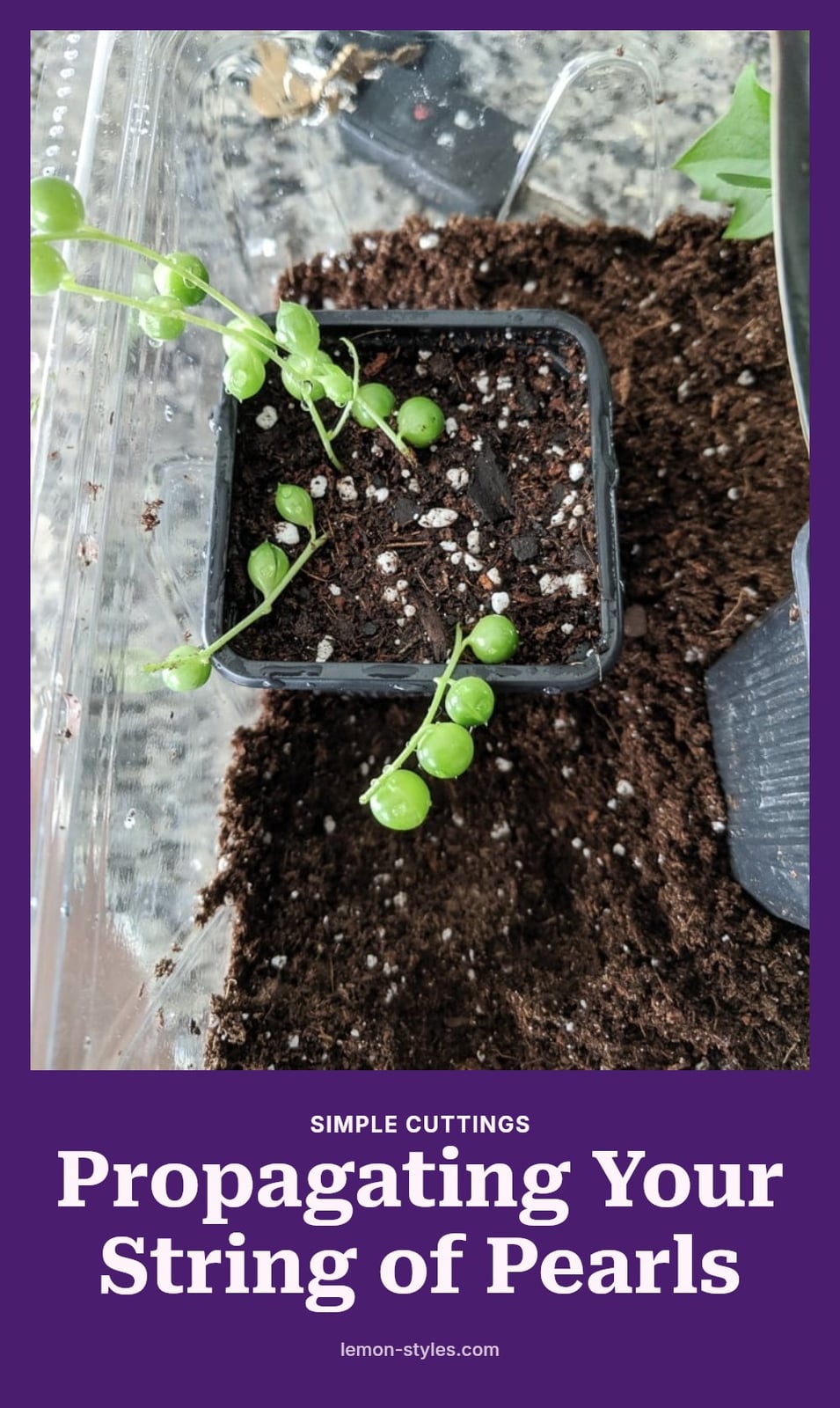
Propagate for Fullness: After pruning, do not throw away the cuttings. Coil them on top of the soil in the same pot. Each node can root and send up new strands, filling bare spots and creating a denser look over time.
Winter Care: In the dormant months, cut watering to once every 4-6 weeks and stop fertilizing completely. The plant is not actively growing, so extra moisture and nutrients only stress it.
Understand the ‘Windows’: The translucent tissue on each pearl acts like a tiny skylight, channeling light into the leaf interior. This adaptation lets the plant handle slightly lower light than most succulents, though bright indirect light still gives the best fullness.
6. Frequently Asked Questions
How often should I fertilize my String of Pearls?
Fertilize sparingly during spring and summer using a diluted succulent fertilizer at half strength. A couple of applications during the growing season is usually enough. Avoid fertilizing in winter when the plant is dormant.
Can String of Pearls tolerate low light conditions?
String of Pearls can survive in lower light, but it will become leggy and the pearls will be smaller. It does best in bright, indirect light. If you notice pale, upward-growing stems, move it closer to a window or add an overhead grow light.
What are the signs of an overwatered String of Pearls?
Look for mushy, translucent, or yellowing pearls that fall off easily. The stems may also turn brown and soft. Overwatering is the most common cause of death, so always let the soil dry completely between waterings.
Is String of Pearls safe for pets?
The plant is mildly toxic if ingested by cats, dogs, or humans. It can cause nausea, vomiting, or diarrhea. Keep it out of reach of pets and children, and wash your hands after handling the sap, which may irritate sensitive skin.
How do I encourage my String of Pearls to flower?
String of Pearls can produce small white, pom-pom-like flowers with a subtle cinnamon or clove scent. To encourage blooming, give it bright, indirect light and keep it slightly root-bound. Flowers are more likely when the plant is happy and unstressed, usually in late summer or fall.
7. Final Thoughts
For a fuller String of Pearls, focus on light and watering consistency. Move it outdoors in summer for filtered light, but bring it inside before temps hit 40°F. Prune and propagate cuttings back into the pot every few months. With steady care, you can expect noticeable new growth within a few weeks and a significantly denser plant in 6 to 12 months.
This article is for general informational purposes only and does not constitute professional botanical or medical advice. Always consult a plant specialist or veterinarian for persistent issues or if ingestion occurs. Individual results may vary based on your specific growing conditions.