
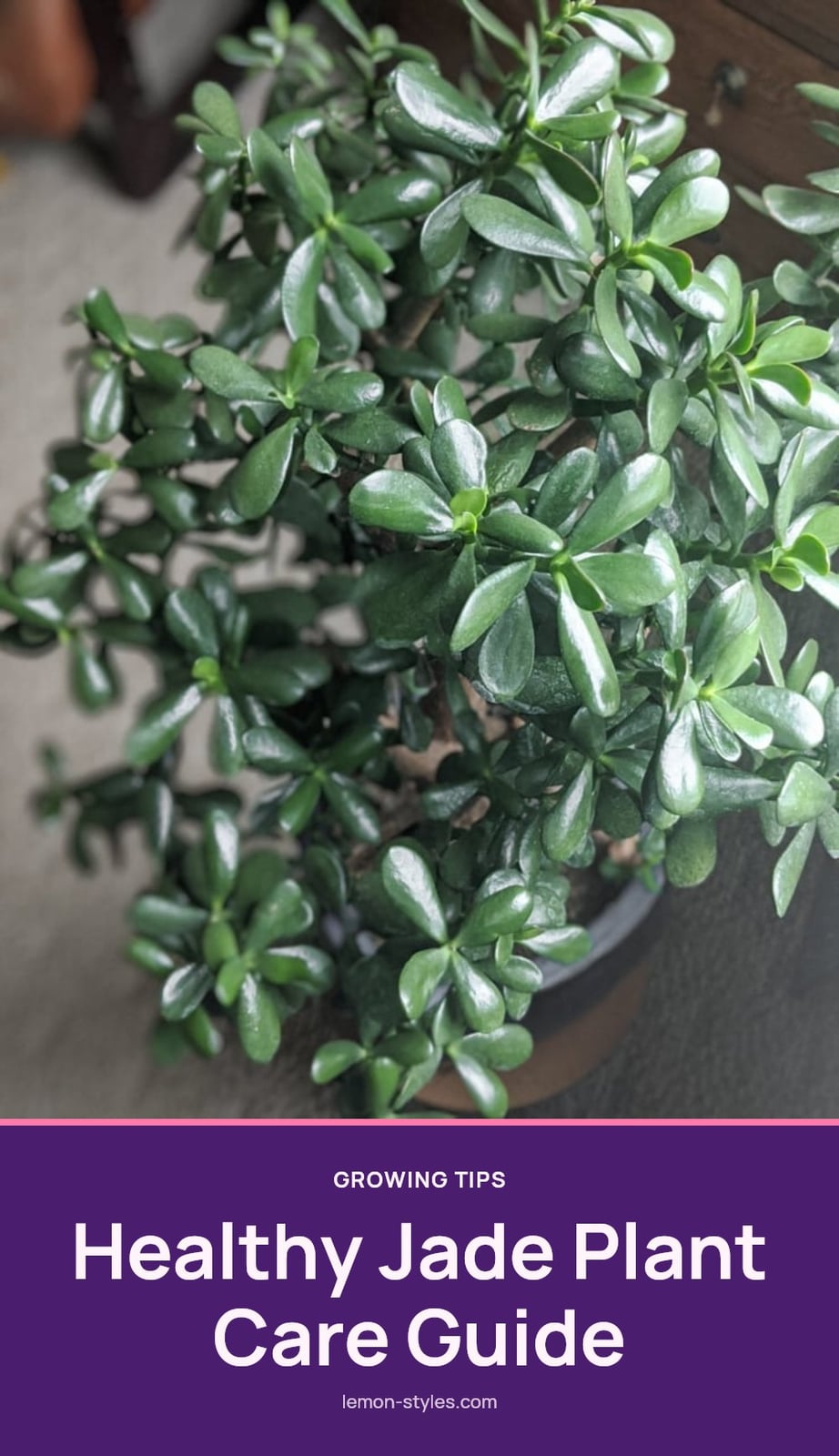
Jade plants are the kind of houseplant that almost takes care of itself, but they do have a few non-negotiables. If you’ve ever lost one to mushy stems or watched it stretch into a leggy mess, the fix is usually in the basics: light, water, and soil. This guide walks you through the entire process, from picking a healthy plant at the store to keeping it thriving for years. You’ll learn the right watering rhythm, the best spot in your home, and how to fix common issues before they become fatal.
Key Takeaways
- Place jade plants in bright, indirect light for at least 4-6 hours daily.
- Water only when the soil is bone dry and leaves look slightly thin.
- Use a pot with drainage holes and a cactus or succulent potting mix.
- Fertilize every 4-6 weeks in spring and summer with half-strength balanced fertilizer.
- Repot every 2-3 years in early spring, only slightly larger pot.
1. Essential Tools for Jade Plant Care

Before you bring a jade plant home, gather a few essentials. A pot with drainage holes is non-negotiable, standing water is the fastest way to kill a succulent. Pair it with a specialized cactus or succulent potting mix that drains quickly and doesn’t hold moisture. For shaping and maintenance, keep a pair of pruning shears or sharp scissors on hand. During the growing season, feed your plant with a balanced liquid fertilizer, but always dilute it to half strength. That’s the short list, and it covers everything your jade plant will need to thrive.
2. Step-by-Step: Growing a Thriving Jade Plant
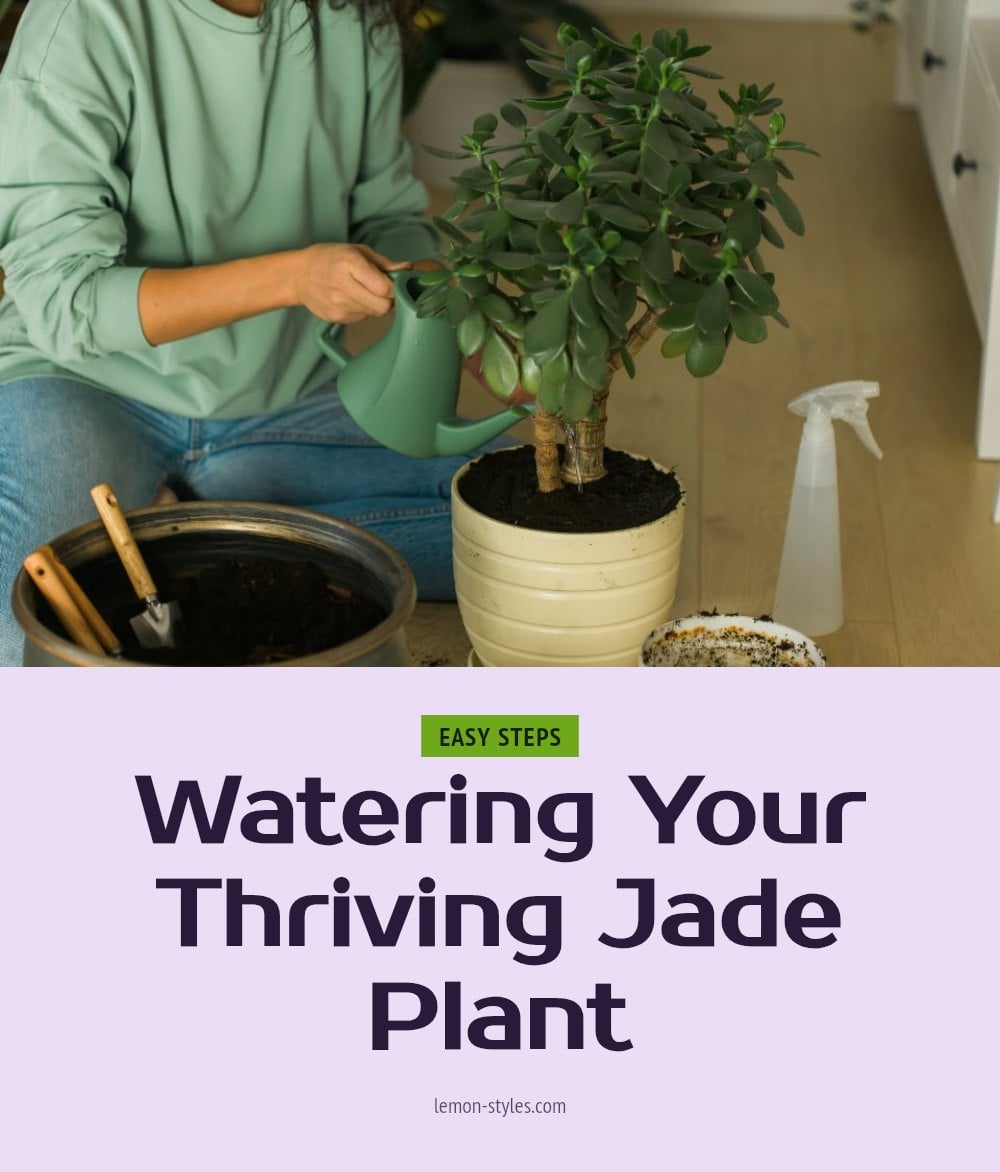
Follow these steps in order, and your jade plant will reward you with sturdy growth and glossy leaves.
- Select a healthy plant: Look for a jade plant with vibrant green, firm, plump leaves and sturdy, upright stems. Check that it’s securely rooted in its pot and that the soil isn’t soggy or moldy. Avoid any plant with yellowing, wrinkled, or drooping leaves, thin leggy stems, or signs of pests.
- Place in bright, indirect light: Set your jade plant in a south-facing window or another spot that gets at least 4-6 hours of bright, indirect sunlight daily. Keep temperatures between 65 and 75°F (18-24°C) and avoid sudden temperature swings. Protect from harsh midday sun, which can scorch the leaves, and keep it away from cold drafts, heating vents, or frost.
- Water only when bone dry: Wait until the soil is completely dry and the leaves look thin, bend easily, or lose their luster. Use a moisture meter or wooden dowel to confirm dryness. Then water thoroughly using the Totum method: place the pot in a sink or bowl, water until it runs out the drainage holes, and let it drain completely. Never let the plant sit in standing water.
- Fertilize during active growth: From early spring to late summer, feed your jade plant every 4 to 6 weeks with a balanced water-soluble fertilizer (like 10-10-10 or 20-20-20) diluted to half strength. Skip fertilizing entirely during the dormant winter months.
- Prune in spring or early summer: Use clean, sharp scissors or pruning shears to make cuts just above a leaf node. Pruning encourages bushier growth, thicker stems, and a tidy shape. You can also remove any dead or leggy parts at this time.
- Repot every 2 to 3 years: When roots start growing out of the drainage holes, the soil dries out too quickly, or growth slows, it’s time to repot. Do this in early spring, moving your plant to a pot that is only slightly larger than the current one. Use fresh, well-draining cactus or succulent mix.
Tip: If your jade plant’s leaves develop red edges, it’s usually harmless, caused by high temperature, underwatering, or too much sun. Following proper care should return them to their natural green color.
If you learn better by watching, this 10-minute video from MonstroFarm shows every step. The how-to part starts at 0:36.
3. Propagating Your Jade Plant for New Growth
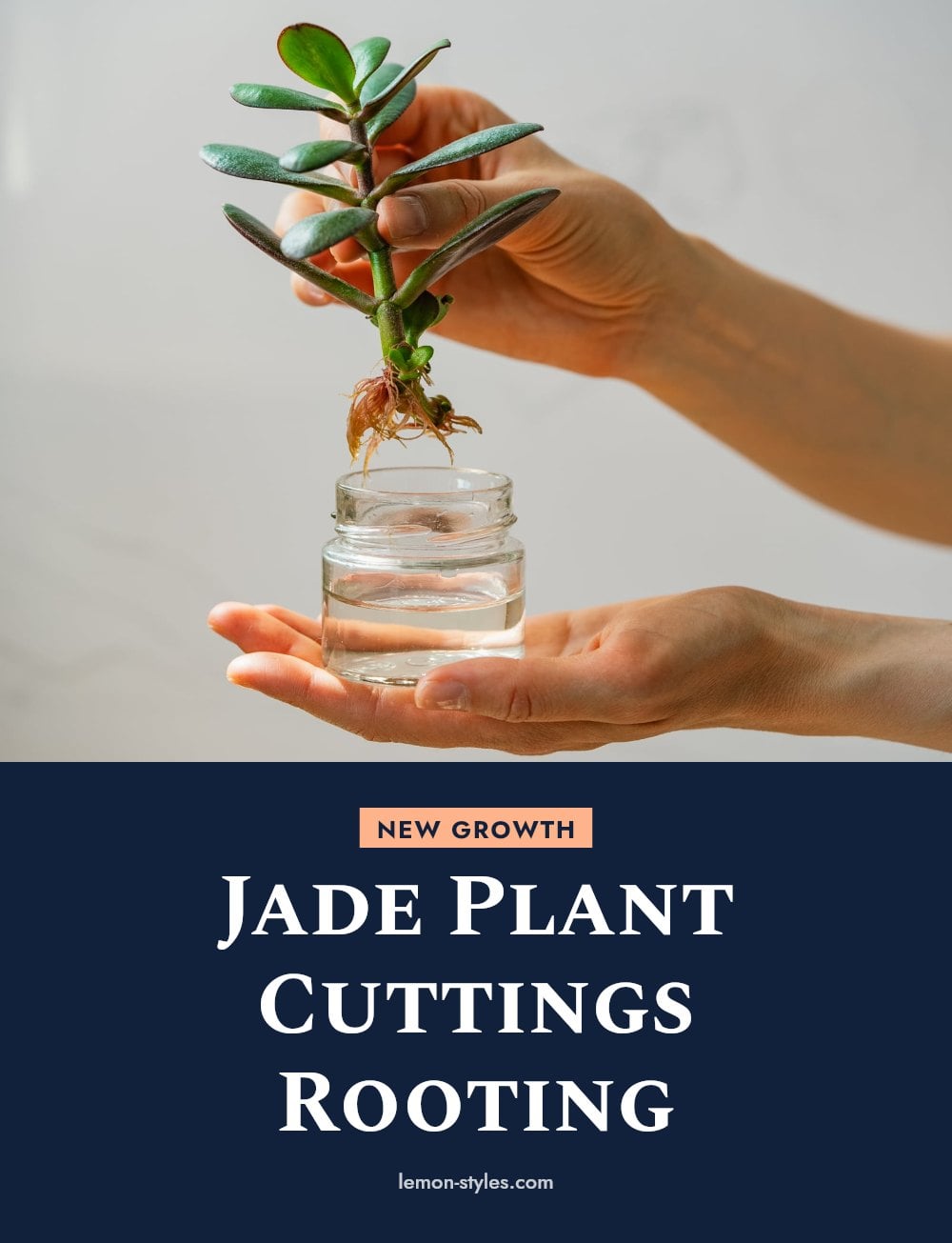
Propagating from Stem Cuttings
Take a 3-4 inch cutting from a healthy stem using clean scissors. Remove the lower leaves so the bottom inch of the stem is bare. Let the cutting sit in a dry spot for a few days until the cut end calluses over. This prevents rot. Then plant the callused end in a small pot filled with cactus or succulent mix. Water very lightly, just enough to moisten the soil, and place the pot in bright, indirect light. Roots should form within a few weeks.
Propagating from Leaf Cuttings
Gently twist off a plump, healthy leaf from the stem. Let it callus for a day or two, then lay it on top of well-draining soil, don’t bury it. Keep the soil barely moist by misting very lightly only when the surface begins to dry. After a few weeks, tiny roots and a new rosette will appear at the leaf base. Once the new plant is about an inch tall, you can transplant it to its own pot.
4. Common Jade Plant Care Mistakes to Avoid
Even experienced plant owners make these errors. Here’s what to avoid:
- Overwatering: This is the number one killer of jade plants. It leads to root rot, mushy stems, and yellowing leaves. Only water when the soil is bone dry.
- Insufficient light: Without enough bright, indirect sunlight, jade plants grow leggy and pale. Leaves stretch out and lose their compact shape.
- No drainage holes: A pot without drainage traps water at the bottom, causing roots to rot. Always use a pot with holes.
- Harsh direct sun: While jade plants love light, direct afternoon sun can scorch their leaves, leaving brown or white patches. Stick to bright, indirect light.
- Ignoring pests: Mealybugs and other pests can quickly become a severe infestation if you don’t inspect your plant every couple of weeks. Catch them early by wiping leaves and checking the undersides.
5. Expert Tips for a Happy Jade Plant
Rotate your jade plant a quarter turn every few weeks so all sides get equal light, which keeps the stem straight and the canopy full. While you’re at it, give the leaves a quick once-over every couple of weeks, mealybugs and scale like to hide in the leaf joints.
Switch to distilled, filtered, or rainwater for watering. Tap water leaves mineral salts in the soil that build up over time and can brown the leaf tips. Keep the pot away from cold drafts, frosty windows, and heating vents, sudden temperature swings stress the plant.
Tip: Skip fertilizer entirely from late fall through winter. The plant rests during shorter days, and feeding then can cause weak, soft growth that flops over.
6. Long-Term Care and Maintenance for Your Jade Plant
As your jade plant matures, keep the same watering rhythm: only when the soil is bone dry and leaves look slightly thin. Maintain that bright, indirect light spot, and rotate the pot a quarter turn each month so growth stays even.
Keep pruning in spring or early summer, removing dead or leggy stems just above a leaf node to preserve the shape. Watch for roots poking out of the drainage holes or soil drying out fast, both signs it’s time to repot into a slightly larger container.
Adjust fertilization by season. Feed every 4 to 6 weeks during active growth, but skip it entirely in winter when the plant rests.
7. Frequently Asked Questions
How often should I water my jade plant?
Water only when the soil is completely dry, which typically means every 2 to 4 weeks depending on your home’s temperature and humidity. Check the soil with your finger or a wooden dowel, and also look at the leaves: if they feel thin or bend easily, it’s time to water. When you do water, do it thoroughly and let all excess drain out.
Can jade plants tolerate direct sunlight?
Jade plants can handle some direct sun, especially in the morning, but harsh afternoon sun can scorch their leaves. Bright, indirect light is best, like a south-facing window with a sheer curtain. If you notice brown or bleached spots, move it a few feet away from the window.
What kind of soil is best for jade plants?
A well-draining cactus or succulent mix is ideal because it prevents water from pooling around the roots. You can also make your own by mixing regular potting soil with perlite or coarse sand. The key is that the soil dries out quickly after watering, which protects against root rot.
Why are my jade plant leaves turning yellow?
Yellowing leaves are usually a sign of overwatering, which leads to root rot. Check if the soil is soggy or if the stems feel mushy. If so, stop watering, let the soil dry out completely, and consider repotting in fresh, dry mix. Yellow leaves can also appear from too little light, so make sure your plant gets enough bright, indirect sun.
Is it normal for jade plants to have red edges on their leaves?
Yes, red edges are usually harmless and can be caused by high temperature, underwatering, nutrient imbalance, or excessive sunlight. If you follow proper watering and light care, the leaves should return to their natural green color. It’s often a sign the plant is stressed, but not in danger.
8. Final Thoughts
My tip: keep a wooden dowel or moisture meter handy and check the soil before you ever reach for the watering can. That single habit prevents the overwatering that kills more jade plants than anything else. Expect your plant to grow slowly, about 2 to 4 inches per year, so don’t worry if it doesn’t shoot up overnight. With consistent light and a dry-wet watering cycle, your jade will reward you with thick stems and glossy leaves for decades.
This article is for general informational purposes only and is not a substitute for professional advice. If your jade plant shows severe issues like persistent pests or disease, or if you have concerns about your health or your pet’s health after contact with the plant, please consult a veterinarian or a local plant specialist.

