
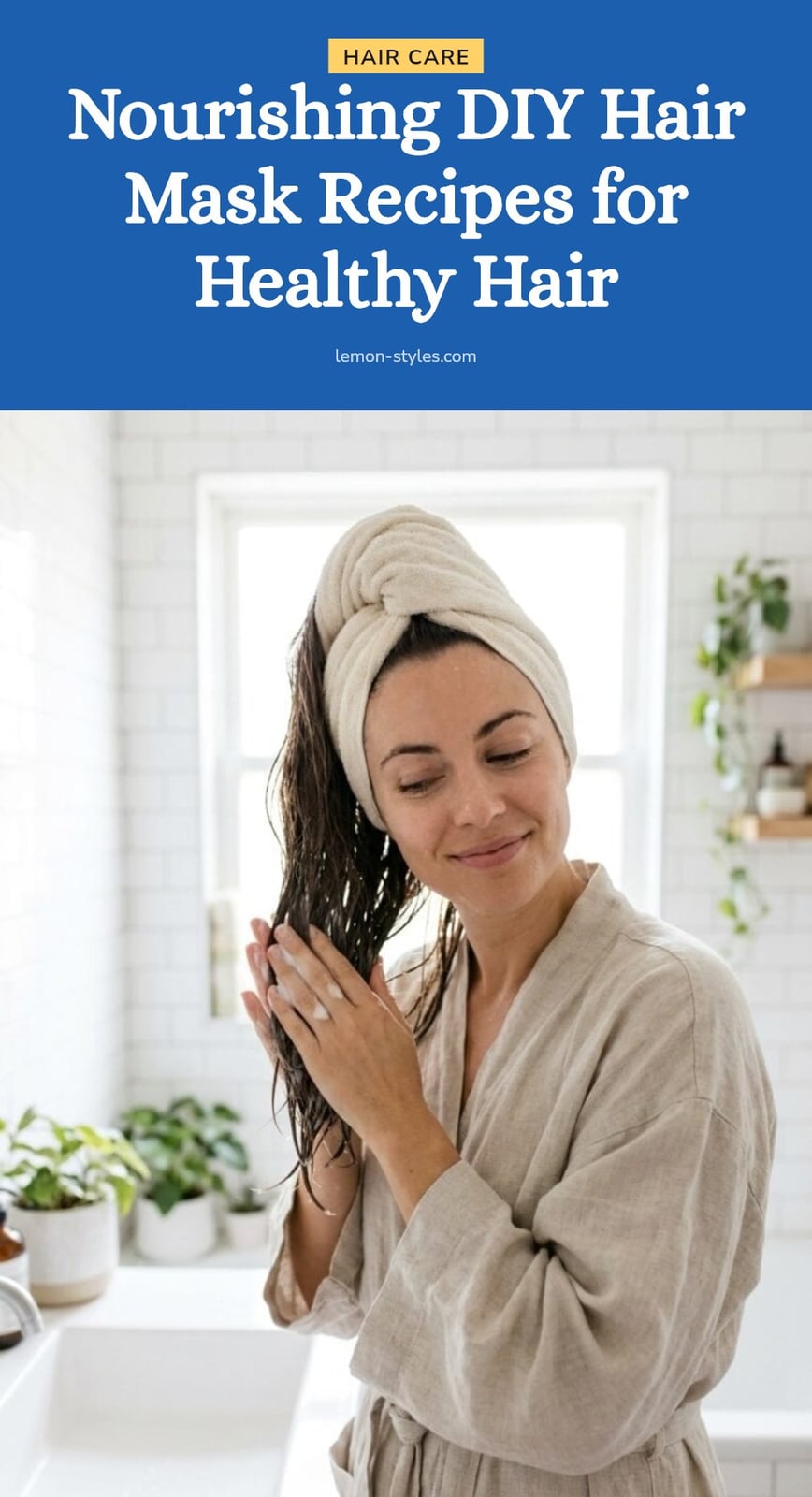
If your hair is feeling dry, brittle, or just not as shiny as you’d like, a hair mask might be exactly what it needs. These deep conditioning treatments deliver concentrated nourishment to your strands, and you can easily make one at home with ingredients you probably already have in your kitchen. In this article, I’ll walk you through 9 DIY hair mask recipes for different hair concerns, plus tips on how to apply them and what to avoid.
Key Takeaways
- Hair masks penetrate deeper than regular conditioners, providing concentrated nourishment.
- Choose ingredients based on your hair type: avocado and honey for moisture, eggs for strength.
- Apply masks to clean, damp hair and leave on for 10 to 30 minutes for best results.
- Rinse thoroughly with lukewarm water to avoid greasy buildup.
- Use once or twice a week; you’ll see noticeable improvements after several consistent applications.
1. What Exactly Is a Hair Mask?
A hair mask is a deep conditioning treatment that penetrates the hair shaft more effectively than your everyday conditioner. It packs a higher concentration of beneficial ingredients like oils, butters, proteins, and humectants, which are designed to target specific concerns such as dryness, damage, or dullness. Unlike a quick rinse-out conditioner, a mask is meant to sit on your hair for a longer duration, typically 10 to 30 minutes, giving those concentrated ingredients time to deliver real nourishment. Think of it as a weekly treatment that works harder and deeper.
2. Essential Ingredients for Your DIY Hair Masks
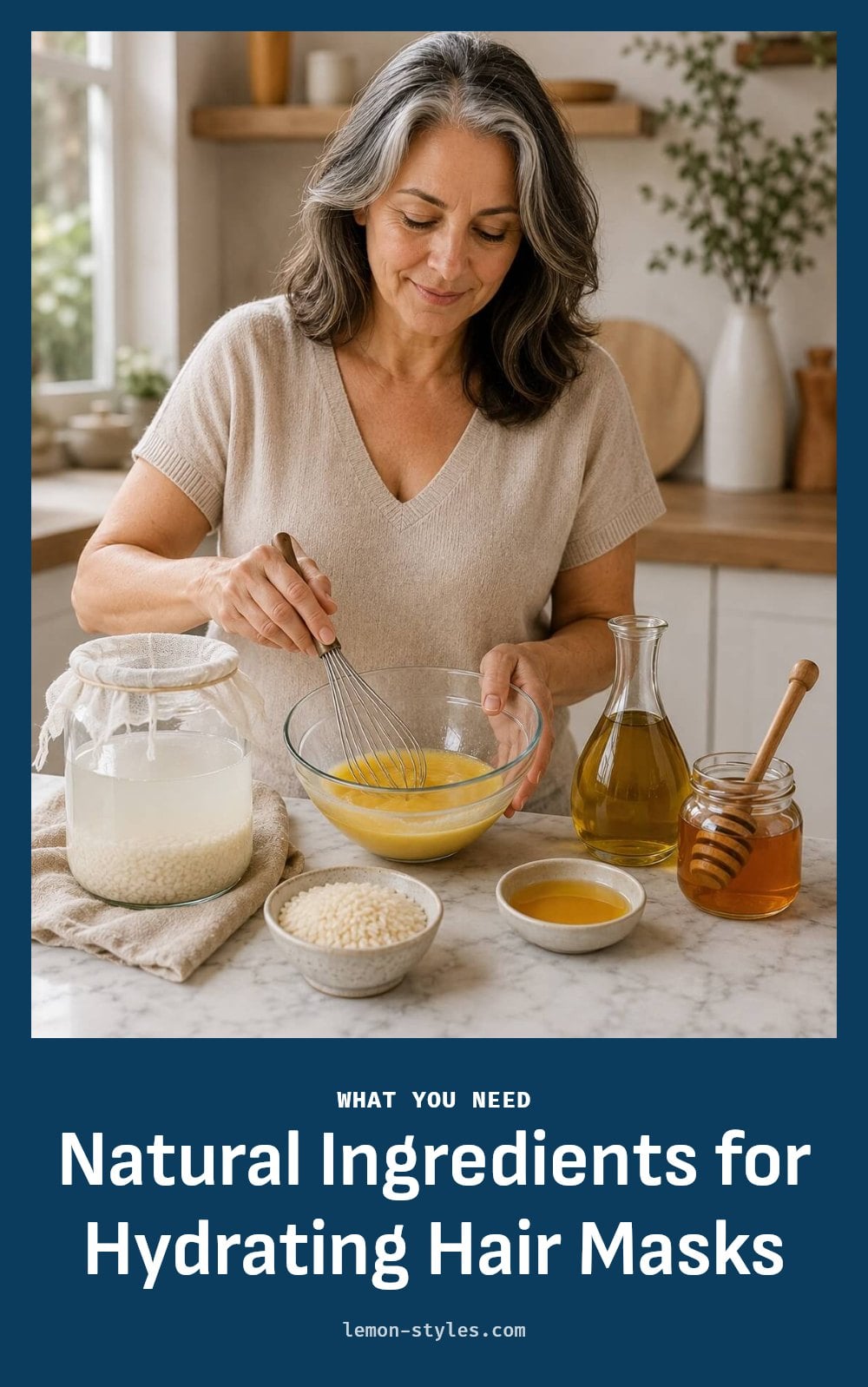
Before you start mixing, gather the right tools: a bowl, a spoon or whisk, and a shower cap. Now, let’s stock your DIY pantry with ingredients that target different hair needs.
- Avocado: Rich in fatty acids and vitamins, it deeply moisturizes dry strands.
- Honey: A natural humectant, it draws moisture from the air into your hair.
- Olive oil and coconut oil: Both penetrate the shaft for deep conditioning; coconut oil is especially good for protein loss.
- Eggs (especially the yolk): Packed with proteins and fats, they strengthen and add shine.
- Plain yogurt: Lactic acid adds shine, while proteins reinforce strength.
- Banana: Potassium, vitamins, and natural oils soften hair and improve elasticity.
- Aloe vera gel: Soothes and hydrates both scalp and hair.
3. 9 DIY Hair Mask Recipes for Every Hair Concern
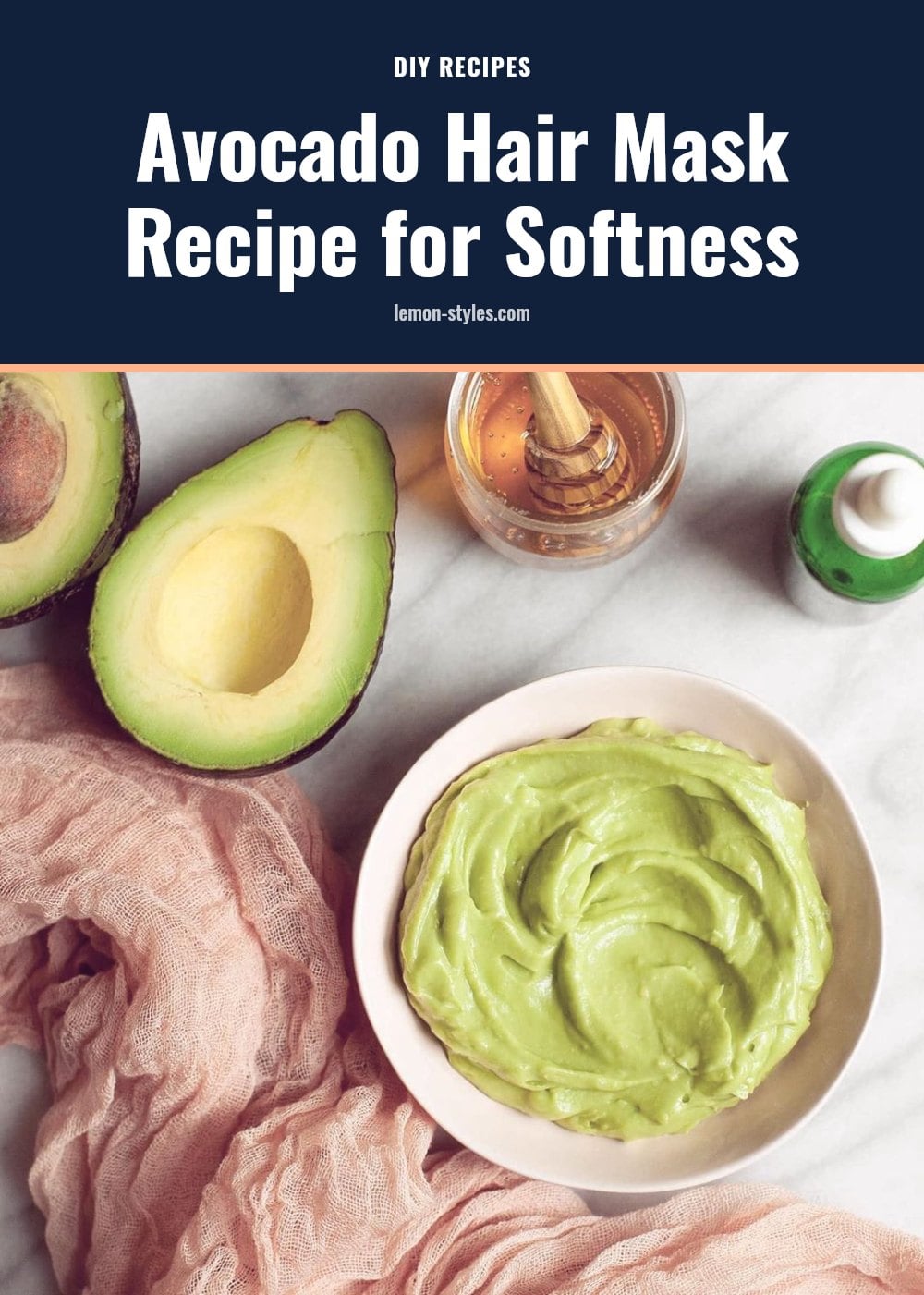
1. Avocado & Olive Oil for Dry, Damaged Hair
Mash half a ripe avocado with 1 tablespoon of olive oil. Apply to damp hair, focusing on the ends. My tip: Warm the olive oil slightly before mixing to boost absorption.
2. Honey & Coconut Oil for Shine and Hydration
Mix 2 tablespoons of coconut oil with 1 tablespoon of honey. Massage into hair from mid-length to ends. Caution: Honey can be sticky, so rinse thoroughly.
3. Egg Yolk & Olive Oil for Strengthening
Whisk 1 egg yolk with 1 tablespoon of olive oil. Apply to damp hair, leave on for 15 minutes. My tip: Use lukewarm water to rinse, as hot water can cook the egg.
4. Yogurt & Honey for Scalp Health and Shine
Combine 3 tablespoons of plain yogurt with 1 tablespoon of honey. Apply to scalp and lengths. Tip: The lactic acid gently exfoliates the scalp.
5. Banana & Honey for Softening and Elasticity
Blend 1 ripe banana with 1 tablespoon of honey until smooth. Apply to hair, avoiding the roots if you have fine hair. Caution: Blend well to avoid chunks that are hard to rinse out.
6. Aloe Vera & Coconut Oil for Soothing Scalp and Hydration
Mix 2 tablespoons of aloe vera gel with 1 tablespoon of coconut oil. Massage into scalp and through hair. Tip: This combination calms an itchy scalp.
7. Avocado & Banana for Intense Moisture
Mash half an avocado with half a banana. Apply to damp hair, cover with a shower cap, and leave for 20 minutes. Pro move: Add a splash of water or an extra teaspoon of oil if the mixture is too thick.
8. Egg White & Lemon for Oily Scalp and Volume
Whisk 1 egg white with the juice of half a lemon. Apply to scalp and roots only. Caution: Lemon can be drying, so use it sparingly and skip it entirely if your hair is already dry.
9. Honey, Olive Oil & Banana for All-Around Nourishment
Blend 1 banana, 1 tablespoon of honey, and 1 tablespoon of olive oil. Apply to damp hair, leave on for 20 minutes. Tip: This is a great all-in-one mask for normal hair.
4. How to Apply Your DIY Hair Mask for Best Results
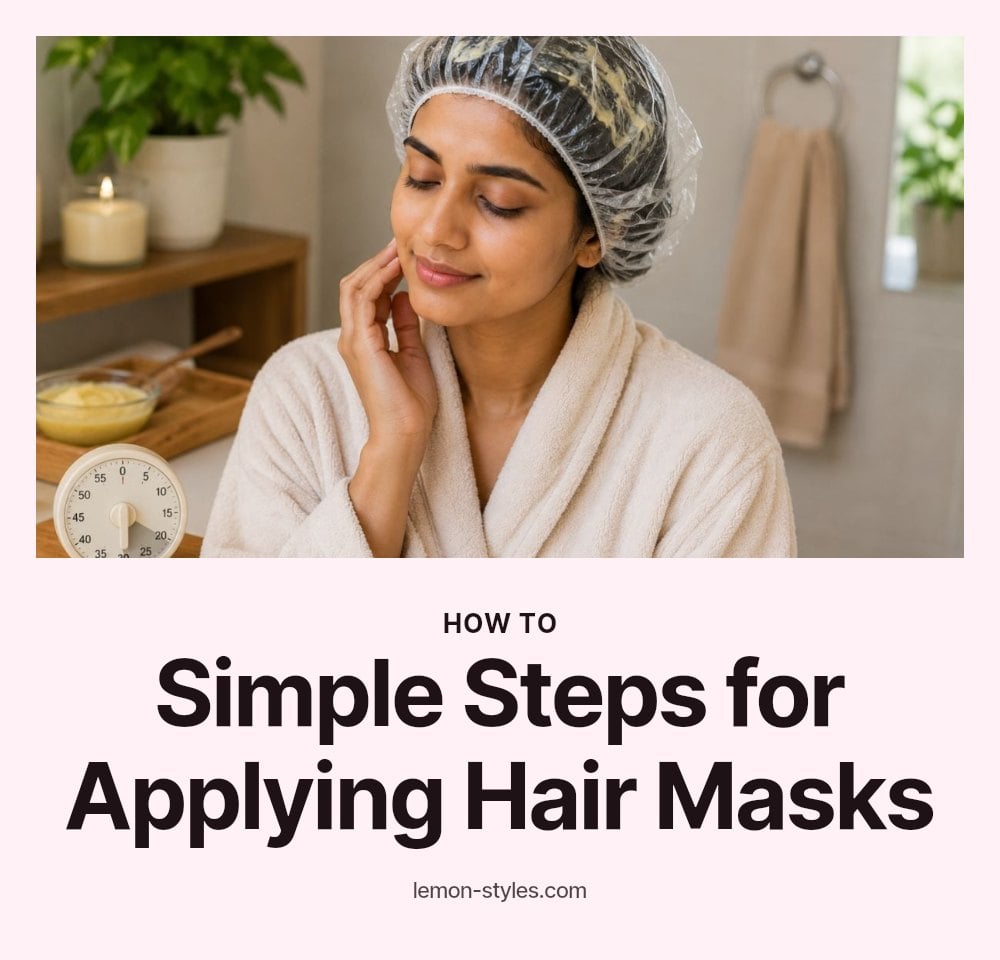
Follow these steps to get the most out of any DIY mask.
- Start with clean, damp hair: Shampoo and towel-dry your hair until it’s damp, not soaking wet. This ensures the mask can penetrate the shaft without being diluted.
- Distribute the mask evenly: Section your hair and apply the mask from roots to ends, or focus on the areas that need it most. Use a wide-tooth comb to ensure even coverage.
- Cover your hair: Put on a shower cap or wrap a warm towel around your head. The heat helps the ingredients penetrate deeper.
- Leave it on: Set a timer for 10 to 30 minutes, depending on the recipe. Don’t leave it longer, as it can weigh hair down.
- Rinse thoroughly: Use lukewarm water to rinse until every trace of the mask is gone. Finish with a cool water rinse to seal the cuticle.
5. Common Hair Mask Mistakes to Avoid
Even the best DIY mask can backfire if you make one of these common mistakes. Here’s how to avoid them.
- Applying to soaking wet hair: Water dilutes the mask and reduces its effectiveness. Always towel-dry until damp before application.
- Not rinsing completely: Leftover residue makes hair greasy and heavy. Rinse thoroughly with lukewarm water until the water runs clear.
- Using too much product: Heavy oils can weigh down fine hair. Start with a small amount and add more only if needed.
- Expecting instant fixes: One application won’t repair severe damage. Consistency is key, so stick with a weekly routine for several weeks.
- Ignoring hair type: Heavy oils on oily hair can worsen the problem. Choose lighter ingredients like aloe vera or yogurt for oily scalps.
6. Top Tips for Maximizing Your Hair Mask Benefits
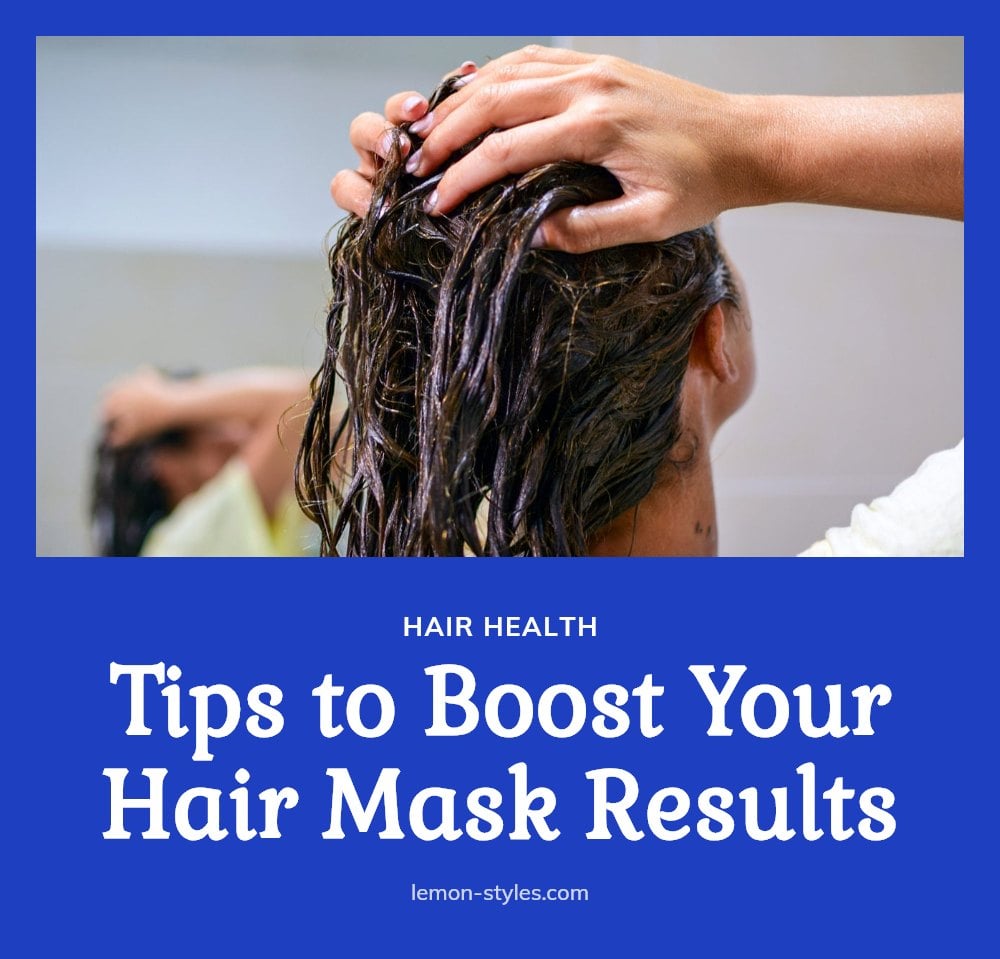
Before you slather anything on your scalp, do a patch test. Apply a small amount of the mask behind your ear or on your inner arm, wait 15 minutes, and rinse. If there’s no redness or itching, you’re good to go.
Warm your oils gently before mixing. Coconut oil solidifies at room temperature, so a quick 5-second zap in the microwave or a bowl of warm water makes it liquid and easier to blend. Just make sure it’s not hot, you don’t want to burn your scalp.
Target your application by concern. Dry ends? Focus the mask there. Oily roots? Keep it off the scalp entirely, apply only from mid-length down. This prevents weighing down fine hair and keeps oil production in check.
Always use fresh ingredients. Masks with old fruit or yogurt can harbor bacteria, which is the last thing you want on your hair. Mix only what you need for one session.
If the mask feels too thick to spread, add a splash of water or an extra teaspoon of oil. A runny consistency is easier to distribute evenly.
Caution: Some ingredients, like banana or avocado, can stain light fabrics. Rinse your sink and wipe up spills right away, and wear an old towel around your shoulders.
7. How Often to Mask and What to Expect
Apply a hair mask once or twice a week, depending on how dry or damaged your hair feels. Oily or fine hair can stick to once weekly, while thick or very dry hair may benefit from twice. Leave the mask on for 10-30 minutes; longer is not better and can weigh hair down.
Don’t expect a miracle after one use. Noticeable improvements in texture and appearance typically show up after several consistent applications, so keep a weekly rhythm for a month. The cost is a plus: DIY masks use common kitchen ingredients like avocado, honey, and yogurt, so each treatment costs just pennies compared to store-bought options.
8. Frequently Asked Questions
Can I leave a DIY hair mask on overnight?
It’s not recommended to leave a DIY hair mask on overnight. Leaving it on for longer than 30 minutes doesn’t provide extra benefits and can weigh hair down or cause irritation, especially with ingredients like eggs or essential oils. Stick to the 10-to-30-minute window for best results.
What’s the best DIY hair mask for oily hair?
For oily hair, choose lighter ingredients that won’t add extra grease. A mask with plain yogurt and honey works well: yogurt’s lactic acid helps cleanse the scalp and adds shine, while honey hydrates without heaviness. Avoid heavy oils like coconut or olive oil, which can weigh down fine or oily strands.
Do hair masks help with hair growth?
Hair masks primarily target the health of existing hair, not growth from the scalp. They can improve moisture, strength, and shine, which may reduce breakage and help hair appear longer over time. For actual hair growth, focus on scalp health and a balanced diet; no mask directly stimulates growth.
Can I use store-bought ingredients in my DIY masks?
Yes, you can use store-bought ingredients like pre-made aloe vera gel or plain yogurt. Just check labels for additives: choose unsweetened yogurt and pure aloe vera without alcohol or fragrances. Fresh, ripe ingredients (like avocado and banana) are best for texture and effectiveness.
What is a hair mask?
A hair mask is a deep conditioning treatment that penetrates the hair shaft more effectively than everyday conditioner. It contains a higher concentration of nourishing ingredients like oils, butters, proteins, and humectants, targeting specific concerns such as dryness, damage, or dullness. DIY masks use common kitchen ingredients for a natural approach.
9. Final Thoughts
My tip: Start with a simple avocado and olive oil mask if your hair is dry. It’s a safe bet that delivers real moisture. Don’t expect a miracle after one use; consistency is what makes the difference. Apply a mask once or twice a week, and over a few weeks, you’ll likely notice softer, shinier, and stronger hair.

