
You’ve probably heard that fiber is good for you, but if you’re not sure which foods to reach for, this list is for you. I’ve rounded up the top high-fiber foods, from legumes and berries to whole grains and avocados, so you can start adding them to your meals today.
We’ll cover why each food earns its spot, how to use it, and a few simple tips to make the switch without the bloating. My tip: pick one or two foods from this list to try this week, and build from there.
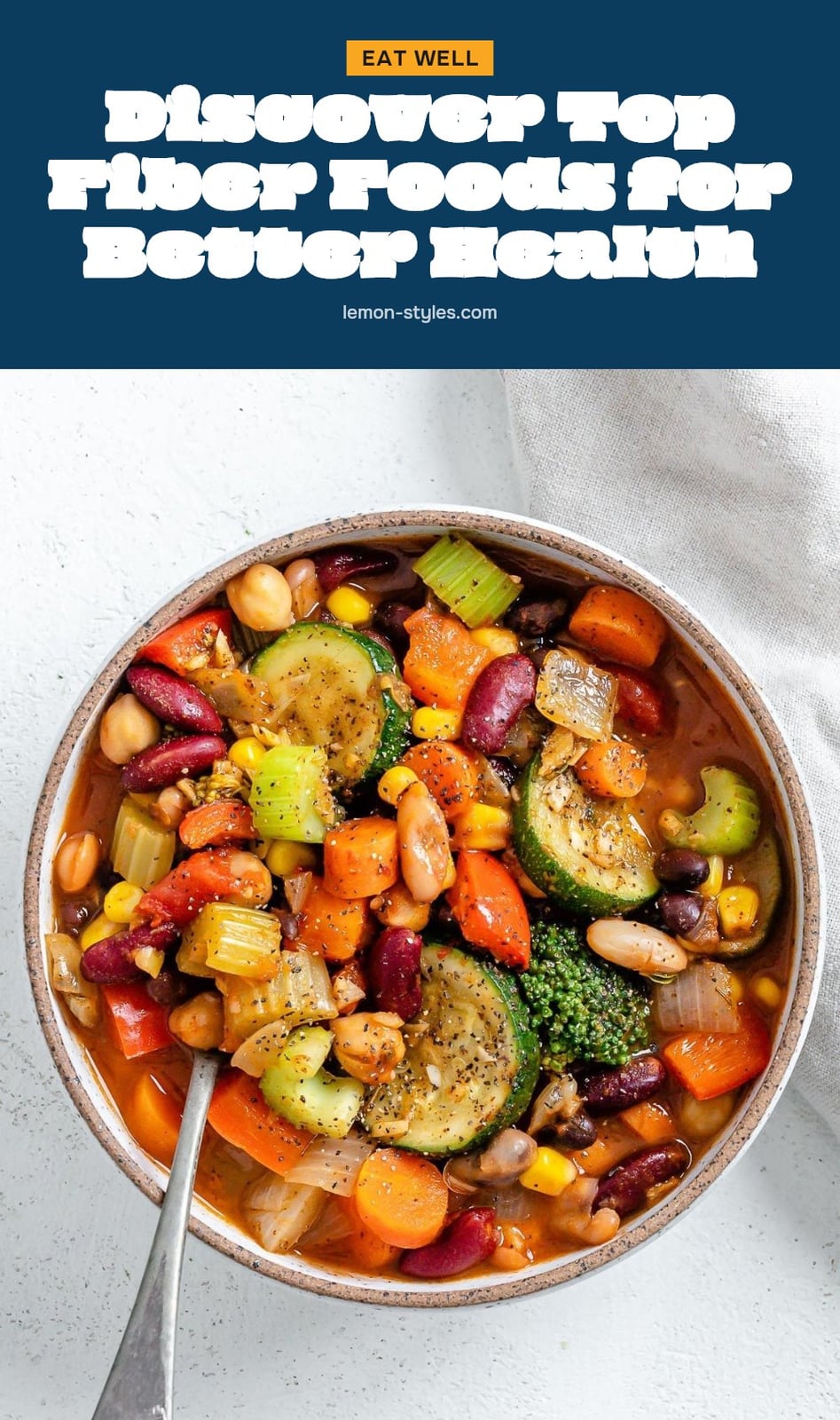
Key Takeaways
- Adult women need around 25 grams of fiber daily; men need around 38 grams.
- Legumes like beans, lentils, and peas are top sources of both soluble and insoluble fiber.
- Increase fiber gradually over several weeks and drink plenty of water to avoid gas and bloating.
- Choose whole fruits with skin and whole grains over refined versions to maximize fiber.
- If you have a digestive condition or take regular medications, talk to your doctor before making big changes.
1. What Are Fiber Foods and Why Do They Matter?
Fiber foods are plant-based powerhouses your body can’t digest, yet they’re essential for how you feel day to day. They come in two main types: soluble fiber, which dissolves in water and can help manage blood sugar and cholesterol, and insoluble fiber, which adds bulk to stool and keeps you regular. You’ll find both in fruits, vegetables, whole grains, legumes, nuts, and seeds. Most adults need roughly 25 to 38 grams a day, and building meals around these foods is the simplest way to get there.
2. 1. Legumes (Beans, Lentils, Peas)
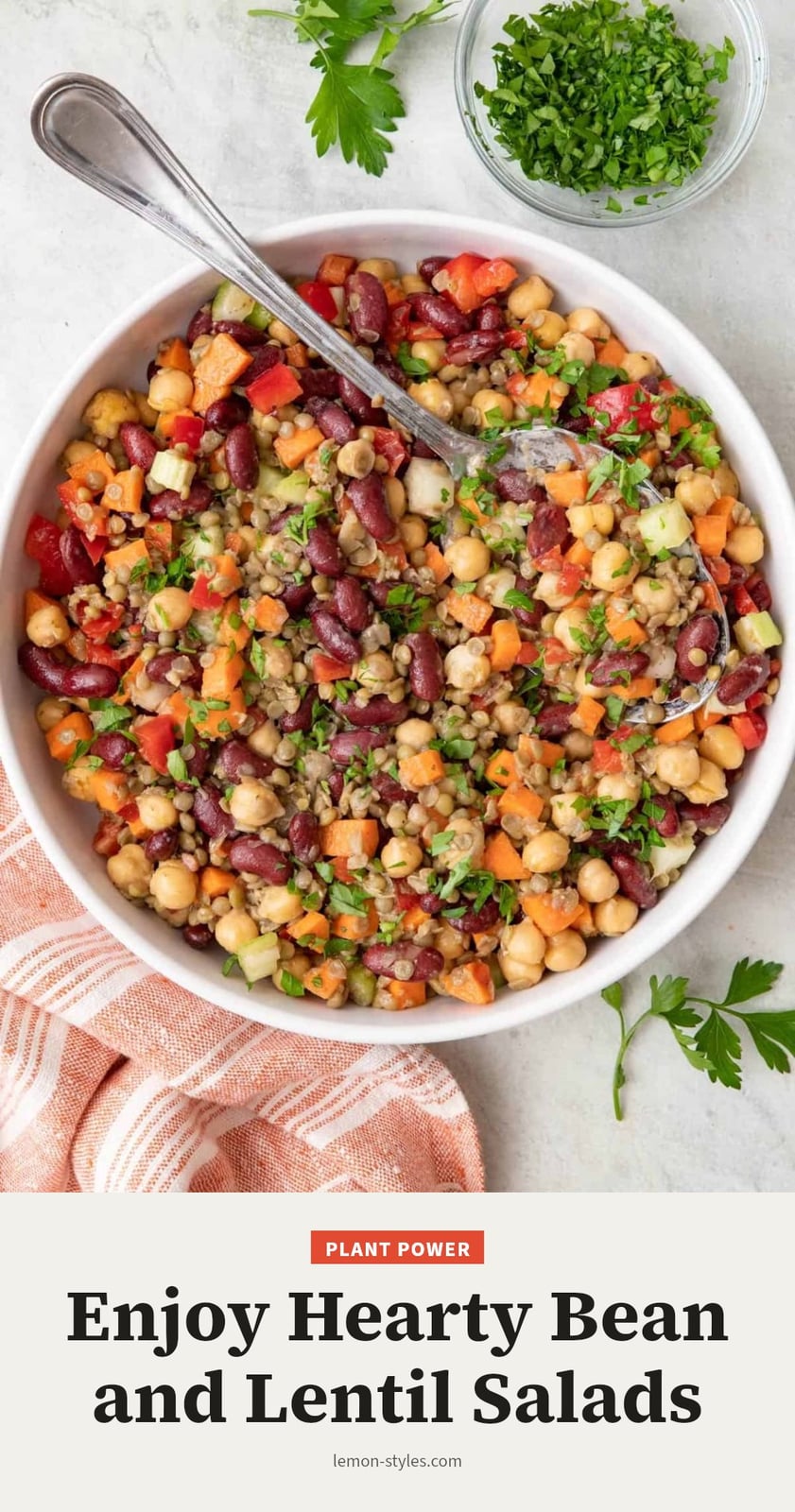
Beans, lentils, and peas are true fiber superstars, offering a blend of both soluble and insoluble fiber in one cheap, shelf-stable package. That combination is why they support regularity and cholesterol at the same time.
They’re also incredibly versatile. I add them to soups, salads, and chili, or mash them with olive oil and lemon for a hearty dip.
- My tip: Canned beans are perfectly fine. Just rinse them well to wash away some of the added sodium.
3. 2. Berries (Raspberries, Blackberries)

Among fruits, berries earn their spot near the top, and raspberries and blackberries pack an especially impressive fiber punch. Their tiny seeds are part of the reason: they add fiber along with the flesh.
They’re not just delicious, they’re one of the easiest fiber upgrades you can make to breakfast.
- Tip: Enjoy them fresh, frozen in smoothies, or sprinkled over yogurt and oatmeal for an easy boost.
4. 3. Whole Grains (Oats, Brown Rice, Quinoa)

Swapping refined grains for whole grains is one of the easiest ways to up your fiber intake, because you’re not adding a new food, just trading up. Oats are particularly rich in soluble fiber, which can help with cholesterol, while brown rice and quinoa provide a good mix of both types.
The switch matters most at the store: whole-wheat bread instead of white, brown rice instead of white rice.
- My tip: Start your day with oatmeal, choose whole-wheat bread, and opt for brown rice or quinoa as a side dish.
5. 4. Avocados

Yes, avocados are a fruit, and they’re surprisingly high in fiber. Beyond the healthy fats everyone talks about, a single avocado can contribute a significant amount of fiber to your day. The creamy texture makes it easy to add anywhere.
My tip: Add sliced avocado to salads, sandwiches, or even blend it into smoothies for a creamy texture and fiber boost. Try it mashed on whole-grain toast for a quick breakfast.
6. 5. Nuts and Seeds (Almonds, Chia, Flax)
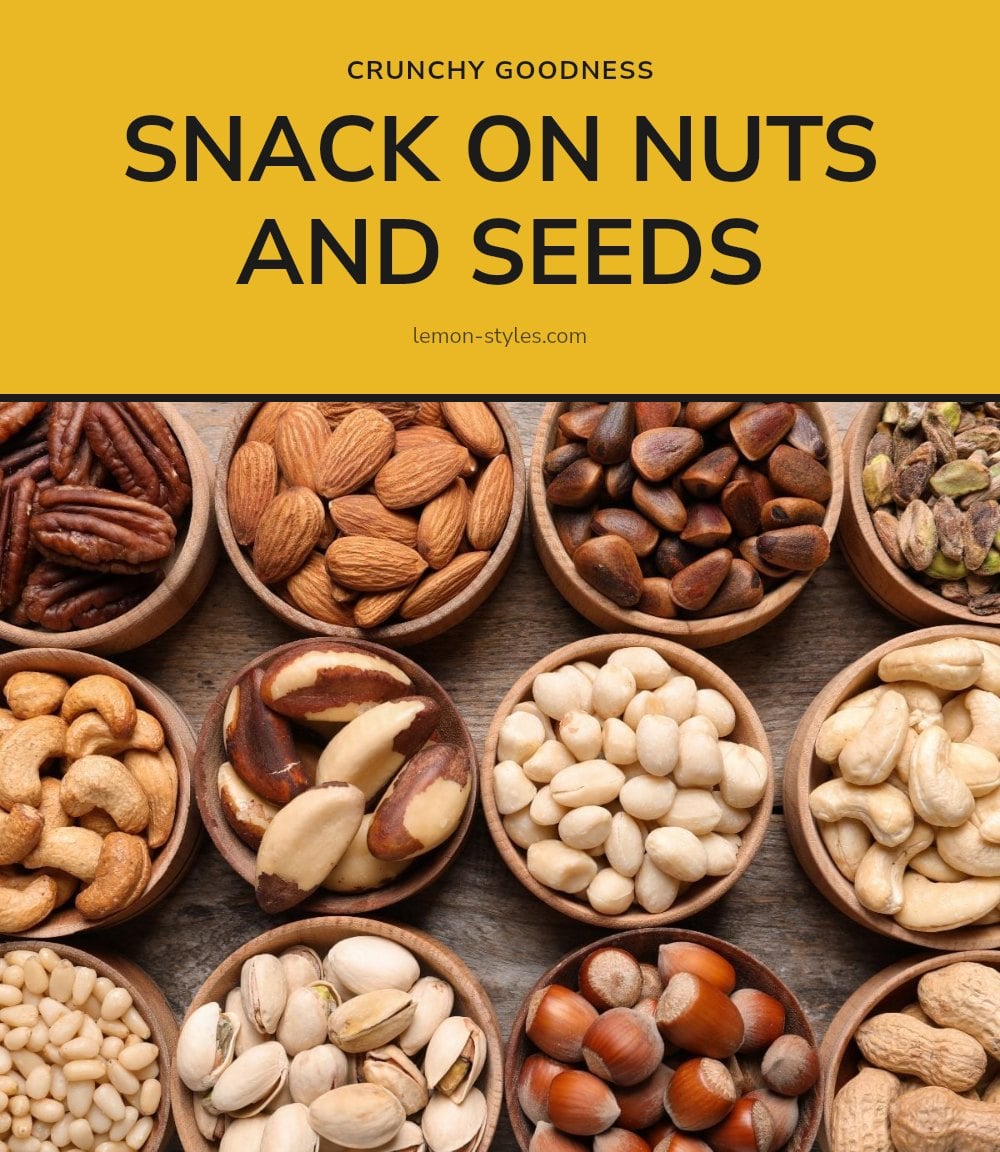
Don’t underestimate the power of nuts and seeds for fiber, plus they offer healthy fats and protein. Almonds, chia seeds, and flax seeds are particularly high in fiber, making them a concentrated source in small portions.
My tip: Sprinkle chia or flax seeds into your yogurt, oatmeal, or smoothies. Snack on a handful of almonds for a satisfying, fiber-rich treat that also helps keep you full between meals.
7. 6. Cruciferous Vegetables (Broccoli, Brussels Sprouts)
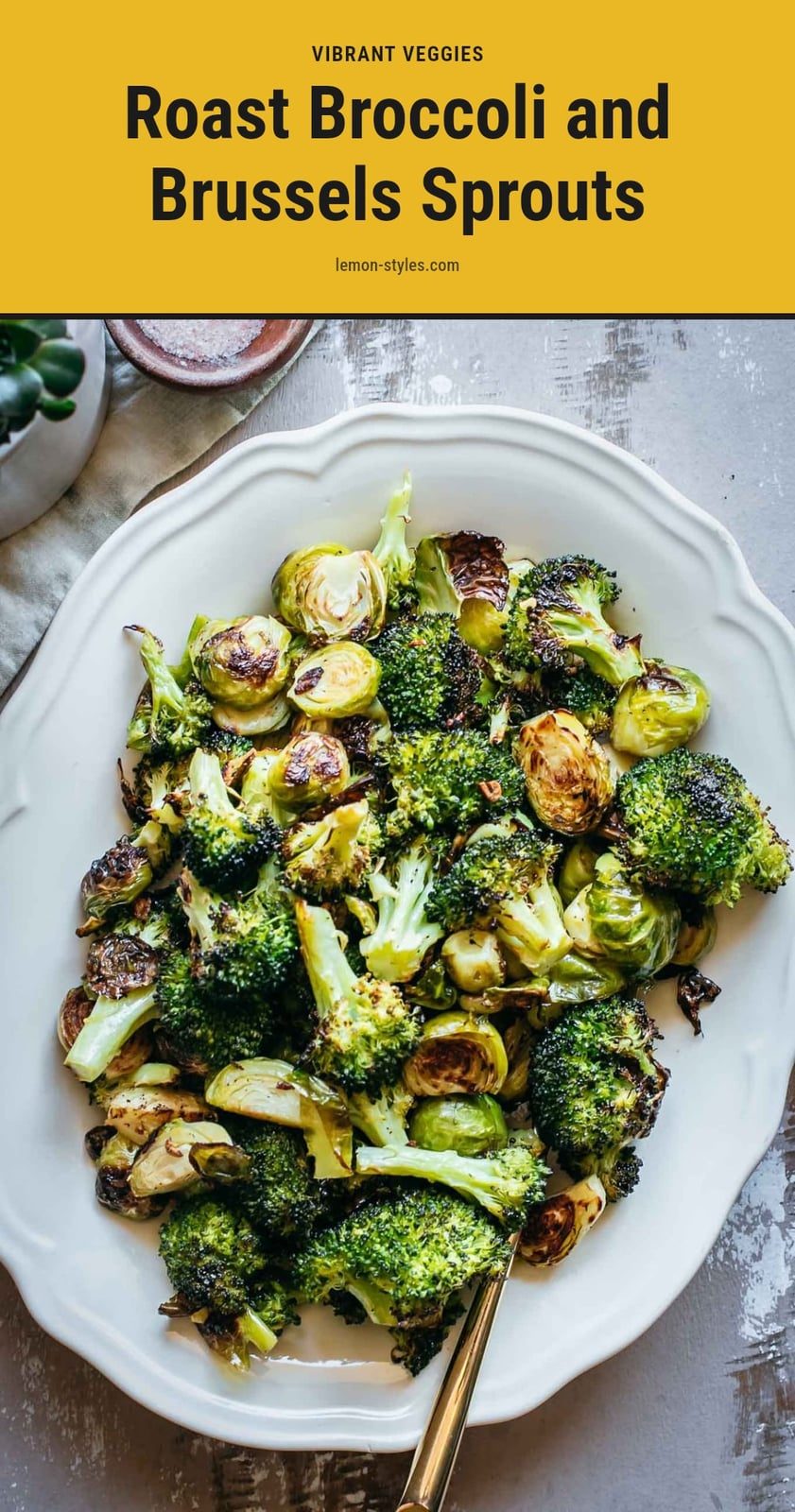
These green powerhouses are not only packed with vitamins but also a good source of fiber. Broccoli and Brussels sprouts, in particular, offer a significant amount of fiber per serving, especially when you eat the stalks and leaves.
My tip: Roast them with a little olive oil and seasoning for a delicious and fiber-rich side dish. The high heat brings out natural sweetness, which even picky eaters might enjoy.
8. 7. Root Vegetables (Carrots, Sweet Potatoes)
Don’t forget about root vegetables. Carrots and sweet potatoes are not just tasty but also good sources of fiber. They offer a balance of soluble and insoluble fiber, contributing to both digestive health and satiety.
My tip: Enjoy them raw as snacks, roasted, or mashed for a naturally sweet and fiber-rich addition to any meal. Leave the skin on after a good scrub to keep the fiber intact.
9. 8. Apples and Pears (with Skin)
Apples and pears are excellent sources of fiber, especially when you eat them with the skin on. The skin contains a significant amount of insoluble fiber, which adds bulk to stool, while the flesh offers soluble fiber that can help manage cholesterol and blood sugar.
Tip: Always wash your apples and pears thoroughly and enjoy them whole for maximum fiber benefits. They make a perfect on-the-go snack that requires no prep.
10. 9. Flaxseed
Flaxseed is a tiny but mighty seed known for its high fiber content, particularly soluble fiber that helps lower cholesterol and stabilize blood sugar. It’s also a great source of omega-3 fatty acids, making it a nutrient-dense addition to your diet.
Good to know: Always opt for ground flaxseed, as your body can absorb its nutrients much better than whole seeds. Add a tablespoon to your morning smoothie or oatmeal for an easy fiber boost.
11. 10. Chia Seeds
Chia seeds are another small but incredibly potent fiber source, absorbing liquid to form a gel-like consistency. This gel-forming property, thanks to their soluble fiber, helps you feel full longer and supports healthy digestion by slowing down the digestive process.
Pro move: Make a quick chia pudding by mixing them with your favorite milk and letting it sit overnight, or simply stir them into water or juice for a hydrating fiber boost.
12. 11. Artichokes
Artichokes are an often-overlooked vegetable that is incredibly high in fiber, especially insoluble fiber that promotes regular bowel movements. They’re also packed with prebiotics, which feed the good bacteria in your gut and support overall digestive health.
Quick tip: Steamed artichokes are delicious with a little lemon and olive oil, or you can find canned or jarred artichoke hearts for easy addition to salads and pastas.
13. Common Fiber Mistakes and How to Avoid Them
Increasing fiber too quickly: This is a classic. Going from zero to hero overnight can lead to uncomfortable gas, bloating, and cramps. Instead, gradually add fiber-rich foods over several weeks, allowing your digestive system to adjust.
Not drinking enough water: Fiber needs water to do its job effectively. Without enough fluid, increased fiber can actually cause constipation. My tip: When you up your fiber, make sure you’re also upping your water intake significantly.
Peeling fruits and vegetables unnecessarily: Much of the beneficial insoluble fiber is found in the skins of produce. Whenever possible, eat fruits and vegetables with their skins on (after a good wash, of course).
Relying solely on fiber supplements: While supplements can be helpful, they don’t offer the full spectrum of nutrients and antioxidants found in whole foods. Prioritize getting your fiber from a variety of plant-based sources first.
14. Frequently Asked Questions
How much fiber should I aim for daily?
Adult women should aim for around 25 grams of fiber per day, and adult men around 38 grams. These are general recommendations, and your exact needs can vary based on age, activity level, and health status. Most people fall short, so gradually increasing your intake is a smart goal.
Can I get too much fiber?
Yes, it’s possible to get too much fiber, especially if you increase your intake suddenly. Eating more than your body is used to can lead to gas, bloating, and abdominal cramps. In rare cases, excessive fiber without enough water can cause constipation. Stick to the recommended range and increase gradually.
Are fiber supplements as good as food sources?
Fiber supplements can help fill gaps, but they aren’t a replacement for whole foods. Whole foods provide a mix of soluble and insoluble fiber along with vitamins, minerals, and other beneficial compounds. Supplements may be convenient, but prioritize fiber-rich foods like fruits, vegetables, legumes, and whole grains.
What’s the difference between soluble and insoluble fiber?
Soluble fiber dissolves in water and forms a gel that can help lower cholesterol and blood sugar. Insoluble fiber doesn’t dissolve; it adds bulk to stool and promotes regularity. Both types are important, so aim for a variety of plant foods to get a balance of each.
Can fiber help with weight loss?
Fiber can aid weight management by promoting fullness, which may help you eat less overall. High-fiber foods also tend to be less calorie-dense. However, weight loss depends on many factors, including overall diet and activity. Including fiber-rich foods is a smart strategy, but it’s not a magic bullet.
15. Final Thoughts
My advice: start by adding one high-fiber food to a meal you already eat, like tossing beans into a soup or sprinkling chia seeds on your yogurt. Do that consistently for a week or two, and you’ll likely notice better regularity and fewer cravings. Just remember to increase gradually and drink enough water, because going too fast can cause bloating and gas.
Most people see improvements in digestion within a few days to weeks of steady changes. Keep it simple, focus on whole foods, and your body will thank you.
This article is for general information only and is not medical advice. If you have a digestive condition, take regular medications, or experience persistent symptoms after changing your diet, consult a healthcare professional or dietitian for personalized guidance.

