
Thinking about homeschooling your child but not sure where to start? You’re not alone. It’s a big decision that comes with a lot of questions, from legal requirements to choosing the right curriculum. This article walks you through the first steps you need to take, common mistakes to avoid, and tips for a smooth experience, so you can feel confident as you begin this journey.

Key Takeaways
- Research your state’s specific homeschooling laws before you start.
- Choose a curriculum that fits your child’s learning style and your family’s values.
- Establish a consistent routine, but allow for flexibility in your schedule.
- Actively seek out socialization opportunities through co-ops and community groups.
- Keep thorough records of your child’s progress and educational activities.
1. What is Homeschooling and How Do You Begin?
Homeschooling means educating your children at home, outside of the traditional school system. It is legal in all 50 US states, but regulations vary significantly. To begin, you’ll need to research your state’s specific legal requirements, notify the proper authorities, choose a curriculum that fits your child, and establish a learning routine.
2. Your First Steps to Homeschooling Success
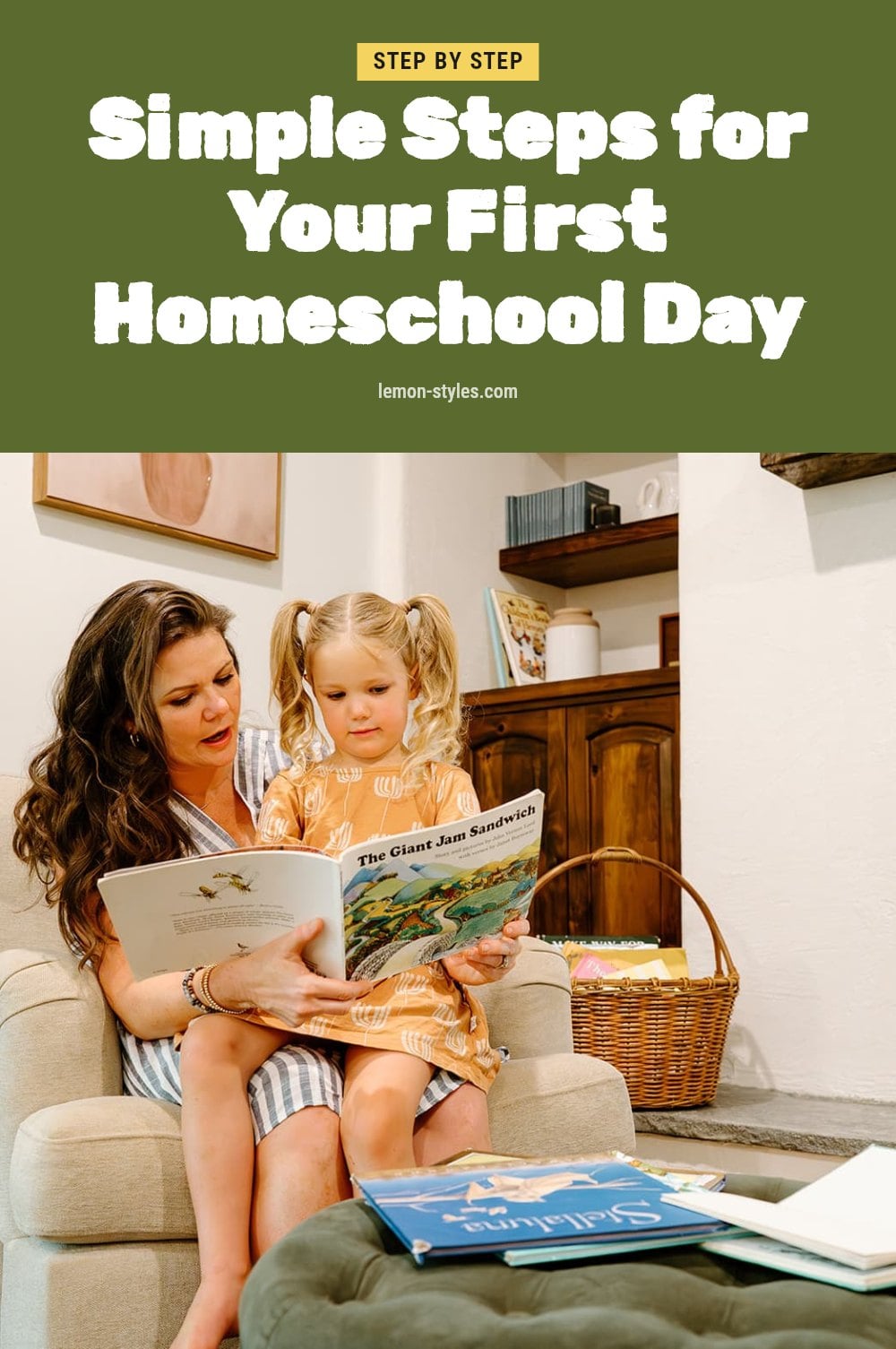
Starting homeschooling can feel overwhelming, but breaking it into clear steps makes it manageable.
- Research your state’s laws: This is your first and most critical step. Each state has different requirements for notification, subjects, and assessments. Visit your state’s department of education website for accurate information.
- Notify the proper authorities: Most states require you to officially inform your local school district or state education agency of your intent to homeschool. Follow the specific process outlined by your state.
- Choose your approach and curriculum: Explore different homeschooling methods like traditional, Charlotte Mason, Montessori, or unschooling. Select a curriculum that matches your child’s learning style and your family’s values.
- Set up a learning space: Create a dedicated area in your home, even if it’s just a corner of a room. Keep it organized with essential supplies to help your child focus.
- Establish a routine: Build a flexible yet consistent daily or weekly schedule. Direct instruction time varies by child age and learning style, so leave room for exploration and breaks.
- Start record-keeping: Set up a system for tracking attendance, grades, and work samples. Many states require these records, and they are helpful for monitoring progress.
3. Essential Materials for Your Homeschool Setup
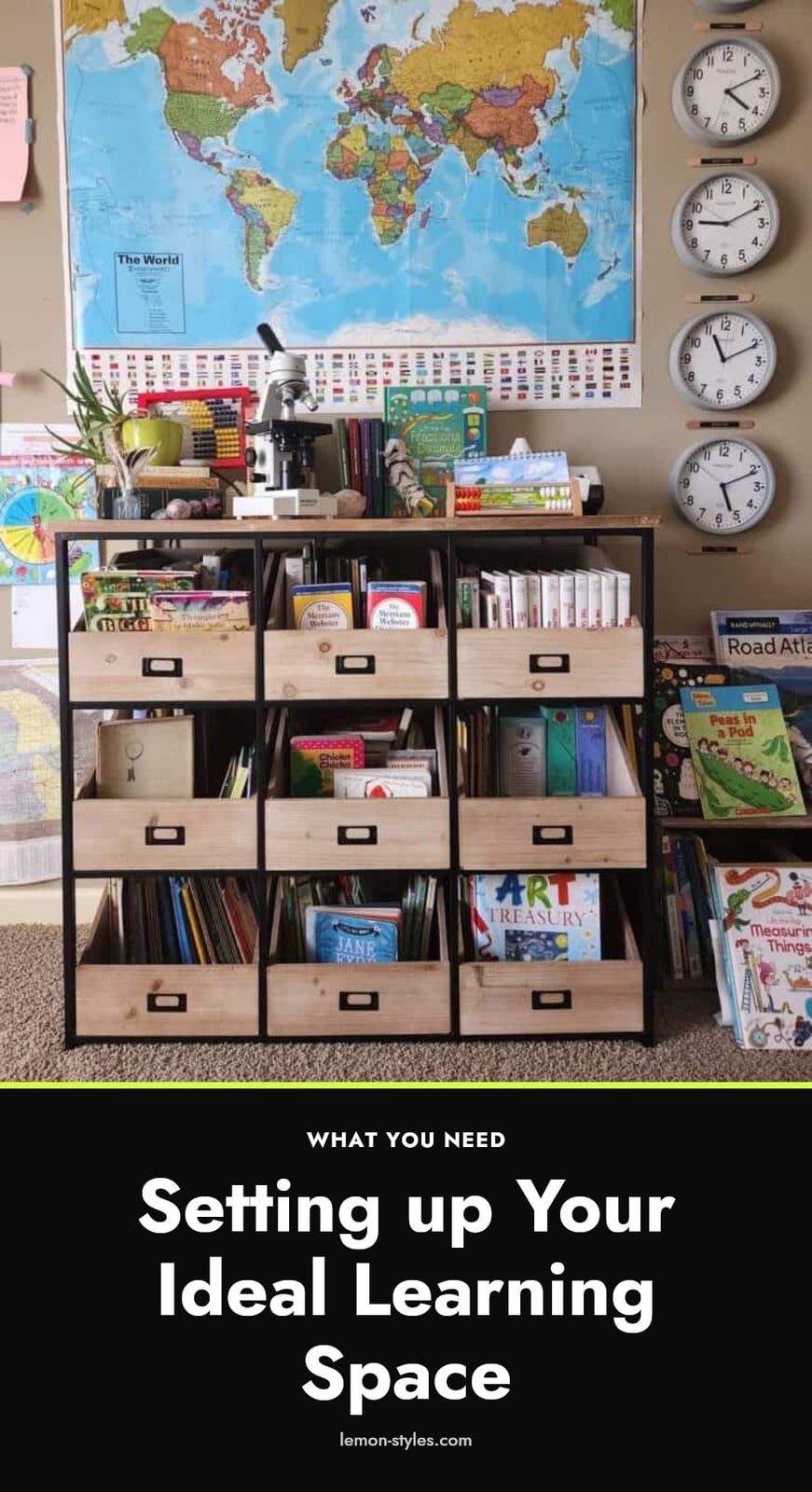
You don’t need to buy everything at once. Start with these essentials and add as you go.
- Textbooks and Workbooks: Core materials for subjects like math, reading, and science.
- Online Learning Platforms: Digital resources for interactive lessons and extra practice.
- Library Books: A free, vast resource for reading and research on any topic.
- Art Supplies and Science Kits: For hands-on learning and creative expression.
- Educational Games: Fun ways to reinforce concepts in math, spelling, and logic.
- Notebooks and Writing Utensils: Basic tools for daily work, note-taking, and journaling.
- Computer or Tablet with Printer: For online research, virtual lessons, and printing worksheets.
4. Common Homeschooling Mistakes to Avoid
Knowing what to avoid can save you time, money, and frustration. Here are common pitfalls and how to steer clear.
- Ignoring State Laws: Always verify and comply with your state’s specific regulations before you start.
- Replicating Public School at Home: Embrace the flexibility of homeschooling. You don’t need to follow a rigid 8-hour schedule.
- Neglecting Socialization: Actively seek out co-ops, clubs, sports, and community groups for your child’s social development.
- Overspending on Curriculum: Start with essentials and use free resources like the library. You can add more later.
- Skipping Record-Keeping: Maintain thorough records for compliance and to track your child’s progress over time.
- Comparing Your Journey: Focus on what works best for your unique family and child. Every homeschool looks different.
5. Best Tips for a Smooth Homeschooling Experience
A smooth homeschool experience is about working smarter, not harder. Embrace flexibility: a routine helps, but if a science experiment runs long or a child wants to keep reading, let the schedule bend. That spontaneous learning often sticks best. Prioritize interests: if your child loves dinosaurs, use dinosaur-themed math problems and reading books. Engagement skyrockets when the material connects to what they care about.
Utilize community resources: libraries, museums, and parks are free classrooms. Many offer homeschool days or discount passes. Seek support: local co-ops and online groups provide curriculum swaps, field trip buddies, and a place to vent. Remember your own needs: schedule a 30-minute break for coffee or a walk. Burnout is real, and you can’t teach well when you’re exhausted. Focus on progress, not perfection: some days will be messy. Celebrate small wins and know that a good week makes up for a rough Tuesday.
6. When to Seek Professional Guidance for Homeschooling
Most homeschooling challenges are manageable on your own, but some situations call for outside help. Legal questions: if you are unsure about your state’s requirements or compliance steps, contact a legal professional who specializes in education law or your state’s homeschooling association. Academic struggles: if your child consistently hits a wall in one subject despite trying different methods, a tutor or educational specialist can offer fresh strategies.
Learning concerns: if you suspect a learning disability or need special accommodations, consult a pediatrician or educational psychologist for an assessment. Curriculum planning: for personalized advice on methods and materials, an experienced homeschooling consultant can save you time and money. There is no shame in getting expert input when it helps your child thrive.
7. Frequently Asked Questions
How many hours a day do you homeschool?
Direct instruction time often ranges from 2 to 5 hours per day, depending on your child’s age and learning style. Younger children typically need less time, while older students may require more. Remember, homeschooling allows for flexibility, so you can adjust the schedule to fit your family’s needs.
Can I homeschool my child if I don’t have a teaching degree?
Yes, in most states you do not need a teaching degree to homeschool your child. The requirements vary by state, but many parents successfully homeschool without formal teaching credentials. Check your state’s specific regulations to be sure.
How do homeschooled children socialize?
Homeschooled children have many opportunities for socialization. You can find local homeschooling co-ops, extracurricular activities, sports teams, and community groups. Many families also participate in field trips, library programs, and volunteer work to build social connections.
What are the different homeschooling methods?
Common homeschooling methods include traditional textbook-based learning, Charlotte Mason, Montessori, unschooling, and classical education. Each approach has a different philosophy on how children learn best. You can choose one method or blend elements from several to create a custom approach for your child.
Is homeschooling expensive?
The cost of homeschooling varies widely. You are responsible for purchasing all educational materials, but you don’t need to buy everything at once. Start with essentials like textbooks, workbooks, and library books, and add resources over time. Many families find it manageable by using free library resources and online platforms.
How do I know if homeschooling is right for my family?
Homeschooling works well for families who value flexibility and personalized learning. It requires significant parental involvement, organization, and a willingness to adapt. If you enjoy spending time with your children and are committed to their education, it may be a good fit. Start with a trial period to see how it feels for your family.
8. Final Thoughts
Start by researching your state’s laws, then pick a curriculum that feels right for your child. Expect the first few months to involve some trial and error as you find your rhythm. The flexibility and personalized learning make the effort worthwhile.
This article provides general information about homeschooling and is not a substitute for professional legal or educational advice. Laws and requirements vary by state, so consult with a legal professional or your state’s education department for specific guidance. If you have concerns about your child’s academic progress or special needs, seek advice from a qualified educator or specialist.

