
You already know the basics, but sometimes it helps to have a full checklist so nothing slips through the cracks. Good hygiene is more than just smelling fresh, it is the foundation of your health, confidence, and comfort every single day. This article covers the twelve hygiene habits every woman should make part of her routine, from handwashing to cleaning your phone, so you can feel your best without overthinking it.
Key Takeaways
- Wash your hands with soap and water for at least 20 seconds, especially after using the restroom and before eating.
- Shower daily with a mild soap or body wash to remove dirt, sweat, and dead skin cells.
- Change underwear every day and more often during menstruation or heavy sweating.
- Brush your teeth for two minutes twice a day and floss daily to protect oral health.
- Clean makeup brushes weekly for foundation and concealer, monthly for others.
1. Why Good Hygiene is So Important
Good hygiene does more than keep you looking put together. It is the first line of defense against germs, and it is what keeps body odor in check and skin and hair healthy. A steady routine also supports your overall well-being and confidence, which matters on the days you feel less than your best.
For women, intimate care deserves its own attention: plain water or a gentle, fragrance-free cleanser is usually enough, and scented products in that area can cause irritation. If you notice persistent odor, unusual discharge, or a rash that will not clear, see a doctor rather than guessing.
2. 1. Wash Your Hands Thoroughly
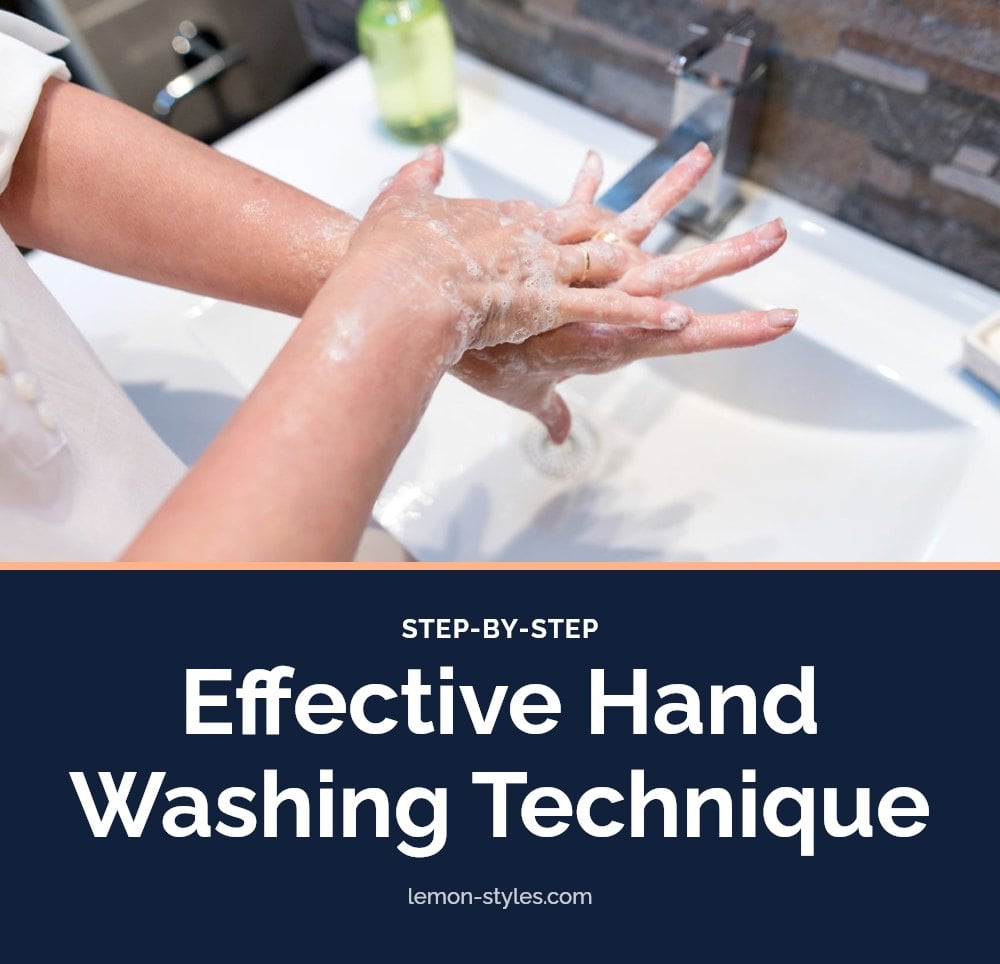
Soap and water for at least 20 seconds is the single most effective habit on this list. Germs spread through hands to your face, your food, and other people, and a quick rinse does not remove them.
Time it by humming a song twice, or count slowly. Wash at these moments:
- After using the restroom
- Before eating or handling food
- After coughing, sneezing, or blowing your nose
3. 2. Shower or Bathe Daily
A daily shower or bath clears away dirt, sweat, and dead skin cells, which is exactly what keeps body odor and clogged pores from building up. It does not need to be long or complicated.
My tip: reach for a mild soap or body wash. Harsh, heavily fragranced cleansers can strip your skin of its natural oils and leave it tight or itchy, which often backfires. Lukewarm water and a quick wash of the areas that sweat most are enough on a normal day.
4. 3. Apply Deodorant or Antiperspirant
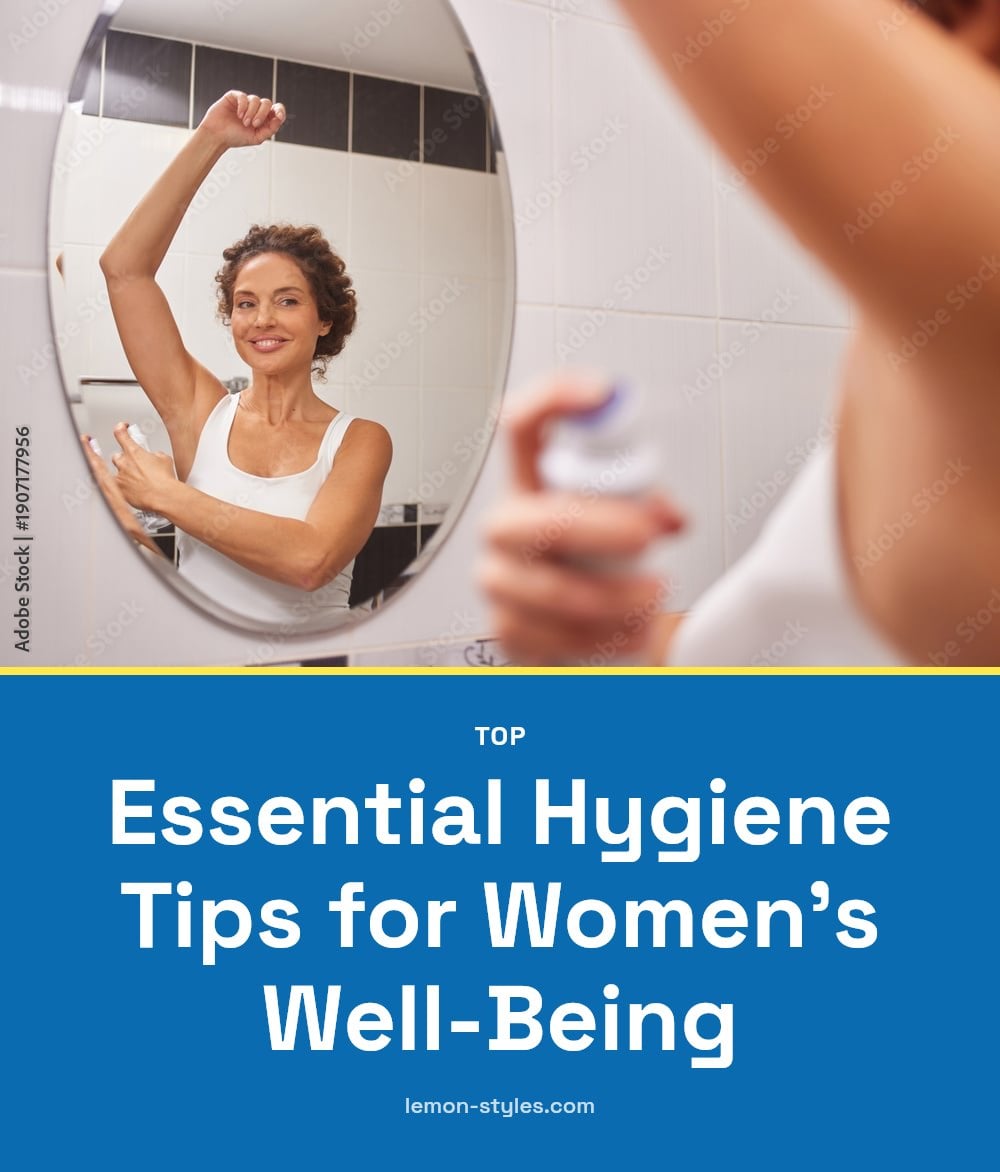
Swipe on deodorant or antiperspirant every day, even when you plan to stay home. Deodorant targets odor, while antiperspirant reduces wetness, so pick based on what bothers you more.
Apply it to clean, dry underarms after your shower, not over yesterday’s layer. If sweat or odor stays strong despite daily use, it is worth mentioning to a doctor.
5. 4. Prioritize Oral Hygiene
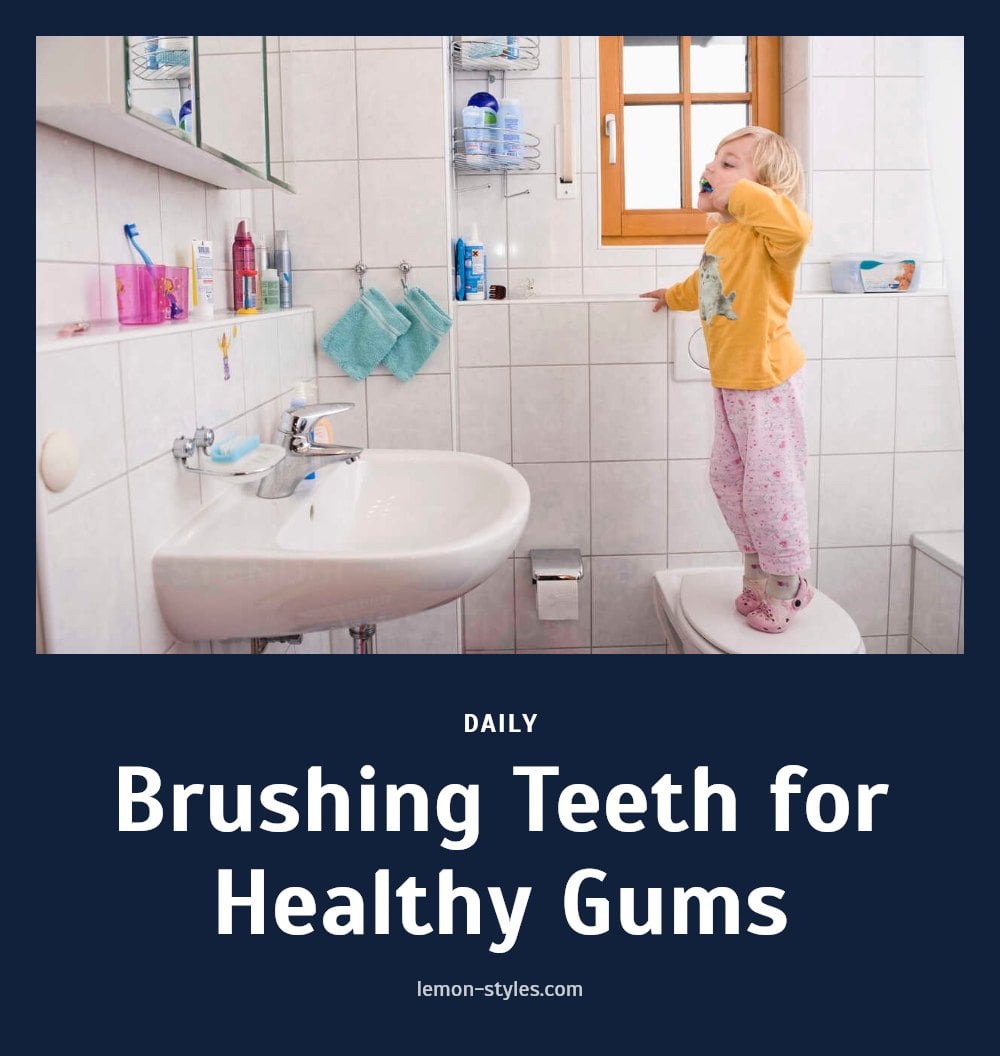
Two minutes, twice a day, with a soft-bristled brush and fluoride toothpaste. Most people cut that time in half, so set a timer on your phone or use an electric brush with a built-in one. Angle the bristles toward the gumline and move in small circles rather than sawing side to side.
Floss once daily, ideally before bed, to clear food and plaque from the spaces a brush cannot reach. Skipping it leaves plaque between teeth, which is where cavities and gum irritation often start.
6. 5. Change Underwear Daily
Fresh underwear every day is one of the simplest habits for intimate health. Change it more often when you are menstruating or sweating heavily, since moisture and warmth are what let irritation and odor build up.
My tip: Choose breathable fabrics like cotton for everyday wear. They let air circulate, and many people find that alone makes a difference by the end of a long day.
7. 6. Practice Menstrual Hygiene
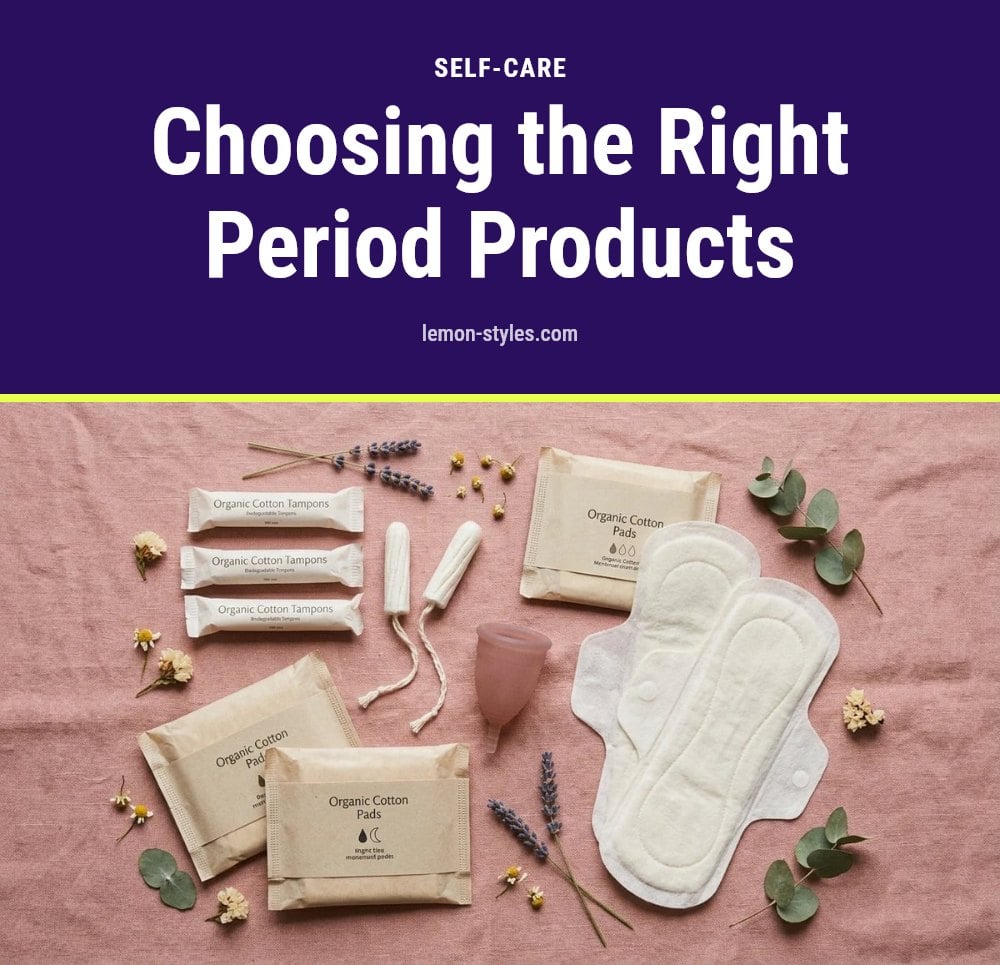
During your period, change pads, tampons, and menstrual cups on a regular schedule, not just when they start to feel full. Follow the product instructions, which usually means every 4 to 8 hours. That timing prevents leaks and keeps odor and irritation in check.
If you notice unusual discharge, itching, or a rash that does not settle, see a doctor rather than guessing at a fix.
8. 7. Wash Your Hair Regularly
Wash your hair every 2 to 3 days, or adjust to your hair type and how much you sweat. A clean scalp is the foundation for healthy hair growth, and buildup of oil and product can leave roots flat and flaky.
My tip: Experiment for a couple of weeks at a time to find your own rhythm. Fine or oily hair often needs more frequent washing, while thick or curly hair can stretch it longer.
9. 8. Maintain Nail Cleanliness
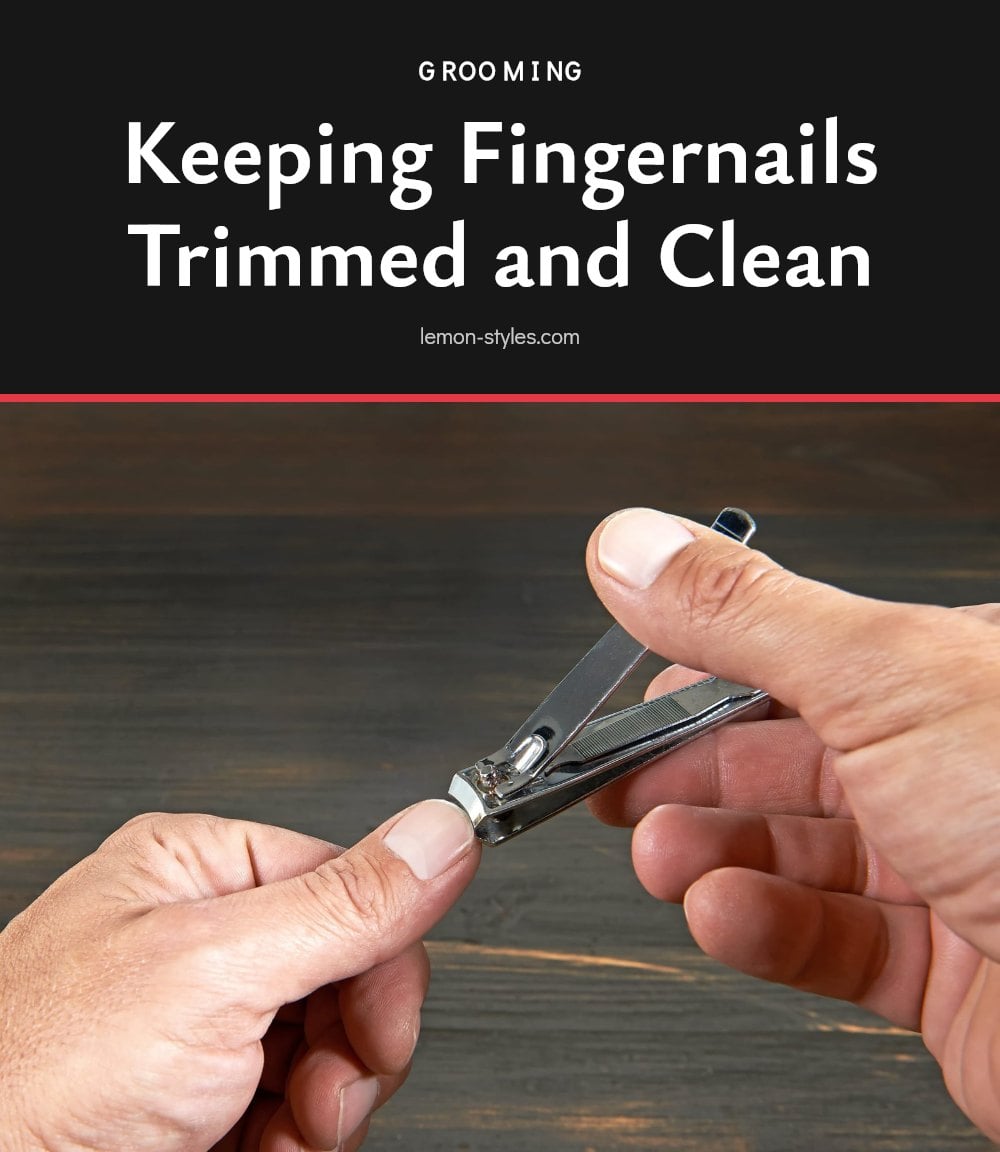
Trim your fingernails and toenails regularly, and scrub under them with a soft brush when you wash your hands. Dirt and germs collect in that space, and that buildup is what can lead to infections.
- Keep them short: shorter nails trap less debris and are easier to clean.
- Clean your tools: rinse clippers and files after each use.
10. 9. Wash Bedding Weekly
Strip the bed once a week. Sheets collect dead skin cells, dust mites, and allergens while you sleep, and washing them in hot water clears that load out. A clean sleeping environment can help with skin health and simply makes for better rest.
- Include the pillowcases: they touch your face for hours, so wash them weekly too.
- Wash two sets: keep a spare so a clean change is never a chore.
11. 10. Wear Clean Clothes Daily

Put on clean clothes every day, especially anything worn close to the skin. Fabric that has sat against sweat and body oils can irritate skin and hold odor, even when it looks fine.
- Wash after one wear: underwear, socks, and workout clothes.
- Air out outer layers: rewear sweaters and jeans only if they smell clean.
12. 11. Clean Makeup Brushes
Brushes pick up skin cells, oil, and bacteria with every use, and then you press all of it back onto your face. Clean foundation and concealer brushes weekly, since they hold the most product, and the rest about once a month.
- Wash with mild soap: swirl the bristles in your palm, rinse until the water runs clear.
- Dry flat: lay brushes on a towel with the tips over the edge so water does not sit in the ferrule.
13. 12. Sanitize Personal Items

Your reusable water bottle grows bacteria fast, because the inside stays damp all day. Wash it with hot soapy water every day, and let it air dry upside down with the cap off. If it has a straw or a silicone seal, pull those out too, since that is where the film builds up.
Phones, keys, and remote controls get the same treatment. Wipe them with a disinfectant wipe a few times a week, and skip the wipe on any port or speaker opening.
- Water bottle: wash daily, deep clean weekly.
- Phone: wipe the screen and case, not just the back.
14. Common Hygiene Mistakes to Avoid
Most hygiene problems are not from skipping the routine entirely, they come from small shortcuts that add up. These are the ones worth fixing first.
- Not washing hands thoroughly: Soap and water for at least 20 seconds, especially after the restroom and before eating. A quick rinse does not lift germs off the skin.
- Forgetting to clean often-touched items: Wipe down phones, keys, and door handles regularly, or you keep re-transferring what you just washed off your hands.
- Using harsh soaps or overwashing: Mild soaps clean without stripping natural skin oils. If skin feels tight and dry after washing, the product is too strong.
- Neglecting foot hygiene: Wash and dry feet thoroughly every day, between the toes included, and change socks. Damp socks and shoes create the warm, moist setting where athlete’s foot develops.
- Not changing sanitary products often enough: Follow the product instructions for how often to change during your period, even on a light day.
- Using scented products in intimate areas: Fragrance can irritate delicate skin. Plain water or a gentle, fragrance-free cleanser is enough.
Caution: If odor, itching, or discharge persists despite these habits, see a doctor rather than trying more products.
15. Frequently Asked Questions
Can I use regular soap for intimate areas?
No, regular soap can disrupt the natural pH balance and cause irritation. Stick to plain water or a gentle, fragrance-free cleanser made specifically for that area. If you notice any discomfort, see a doctor.
What causes body odor even after showering?
Persistent odor can come from diet, stress, certain medications, or an underlying medical condition. If you are showering daily and using deodorant or antiperspirant but still notice a strong smell, check with a healthcare provider to rule out an infection or hormonal issue.
Is hand sanitizer as good as washing hands?
Hand sanitizer with at least 60% alcohol works well when soap and water are not available, but it does not remove all types of germs or dirt. Wash with soap and water whenever you can, especially after using the restroom, before eating, and after touching raw food.
What are the most important daily hygiene habits?
Wash your hands thoroughly, shower or bathe daily, brush and floss your teeth, and put on clean underwear and clothes. These four habits cover the biggest sources of germs, odor, and skin irritation, and they take less than 15 minutes total.
How often should I shower?
Once a day is enough for most people. If you have very dry or sensitive skin, every other day may work better. Shower more often after heavy sweating or swimming to remove chlorine and salt.
16. Final Thoughts
Start with the habits that feel easiest to add, like washing your hands on a timer or swapping your pillowcases weekly. Most of these practices take less than five minutes a day, and they work together to keep you healthy and comfortable. My tip: pick one habit you tend to skip, set a phone reminder for a week, and watch how quickly it becomes automatic.
This article is for general informational purposes only and does not replace medical or professional advice. If you have a persistent skin condition, unusual discharge, or strong body odor that does not go away with good hygiene, please see a doctor or dermatologist for an evaluation.

