You’ve probably heard about intermittent fasting and wondered if it’s right for you. It’s an eating pattern that alternates between periods of eating and fasting, and many women use it to support weight management and metabolic health. This guide breaks down the basics, from popular methods to smart tips for getting started safely.

Key Takeaways
- Start with a 12-hour fast and gradually increase the duration as your body adapts.
- Stay hydrated with water, black coffee, or plain tea during fasting periods.
- Choose nutrient-dense foods during your eating window for the best results.
- Consult a healthcare professional before starting if you have health conditions or take medication.
1. What is Intermittent Fasting and How Does It Work?
Intermittent fasting (IF) is an eating pattern that cycles between periods of eating and voluntary fasting. It is not about starvation, but a structured approach to eating that can offer potential benefits like weight management and improved metabolic health. After 12-16 hours without food, your body shifts from burning glucose to stored fat for energy. This metabolic switch is thought to stimulate a process called autophagy, where the body cleans out damaged cells to regenerate newer, healthier ones. The key is that you still eat normally during designated windows, just on a timed schedule.
2. Popular Intermittent Fasting Methods to Consider
16/8 Method
This method involves fasting for 16 hours each day and eating all your meals within an 8-hour window. A common schedule is eating between noon and 8 p.m., then fasting overnight and through the morning. My tip: Start with a 12-hour fast first, then gradually shorten your eating window over a week or two. During the fasting period, water, black coffee, and plain tea are permitted.
5:2 Method
With the 5:2 method, you eat normally for five days of the week and restrict calories to 500-600 on two non-consecutive days. On those two days, you might have a small lunch and skip breakfast or dinner. Caution: Choose your two fasting days with at least one normal day in between to avoid back-to-back restriction. Stay hydrated with water and plain tea on low-calorie days.
Eat-Stop-Eat
This approach involves a full 24-hour fast once or twice per week. For example, you might finish dinner at 7 p.m. and not eat again until 7 p.m. the next day. Pro move: Plan your 24-hour fast to start after a substantial dinner so you sleep through the first 8-10 hours. Water, black coffee, and plain tea are fine during the fast, but heavy exercise may be challenging.
All methods allow water, black coffee, and plain tea during fasting periods. Choose the one that fits your lifestyle and energy needs.
3. Potential Benefits of Intermittent Fasting for Women
Potential benefits of intermittent fasting for women include weight loss, improved insulin sensitivity, and reduced inflammation. Fasting may also enhance autophagy, the body’s natural process of cleaning out damaged cells to regenerate newer, healthier cells. This cellular cleanup is thought to support overall health and longevity. However, these benefits depend on what you eat during your eating windows. Good to know: The eating window should still consist of nutrient-dense, balanced meals with plenty of vegetables, lean protein, and healthy fats. Without that foundation, you may not see the metabolic improvements you are hoping for. Many women find that IF helps them become more mindful of their food choices, but individual results vary.
4. Smart Tips for Starting Your Fasting Journey

Start with shorter fasting windows, like 12 hours, and gradually increase the duration as your body adapts. A 12-hour fast (say, 7 p.m. to 7 a.m.) is often manageable for beginners. Stay hydrated: Drink plenty of water, black coffee, or plain tea during fasting periods to prevent headaches and fatigue. Dehydration is a common cause of early side effects.
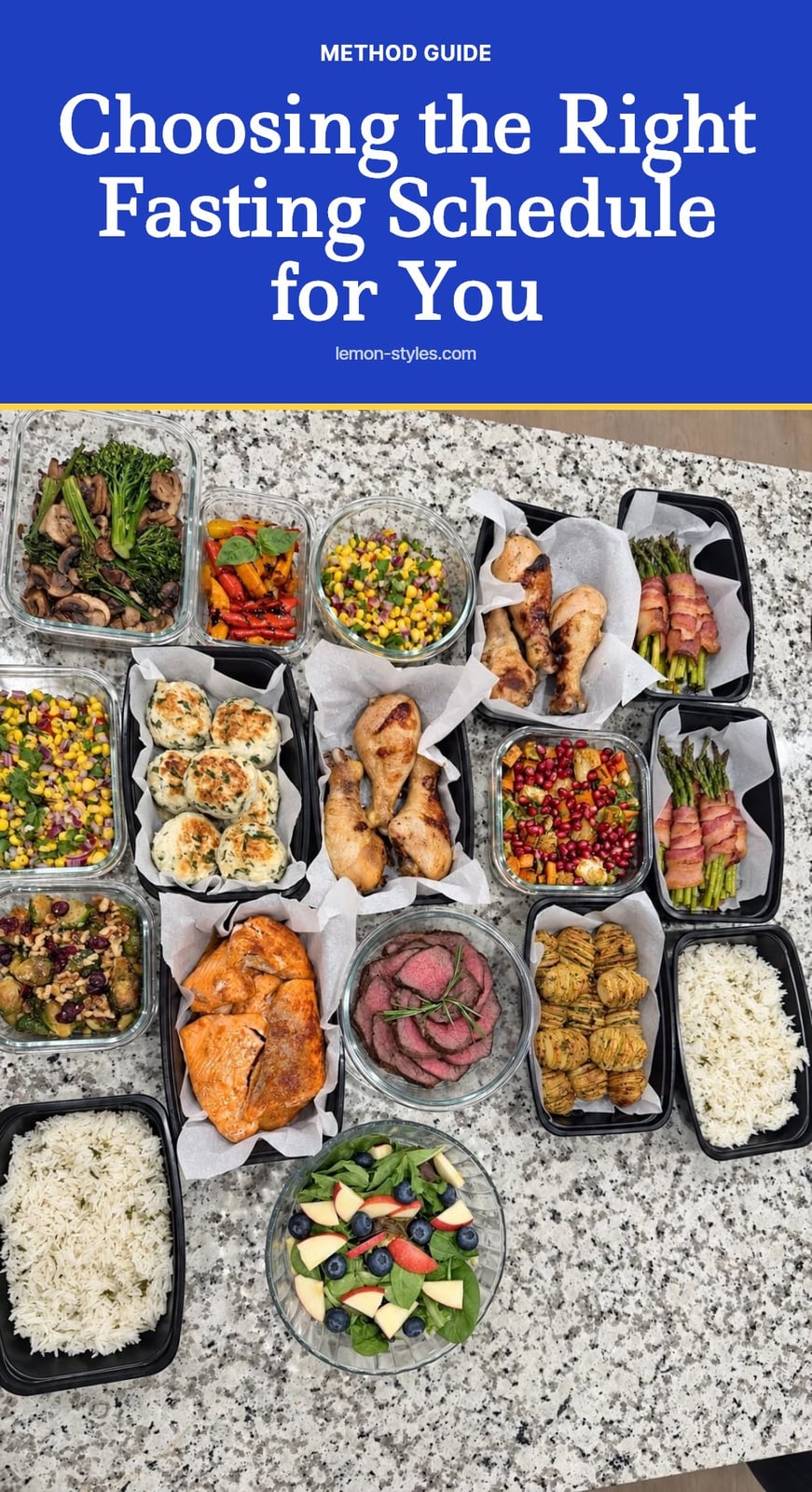
Prioritize nutrient-dense, whole foods during your eating windows to support your body and avoid overcompensating. A plate with protein, vegetables, and whole grains will keep you satisfied longer than processed snacks. Listen to your body: If you feel severe hunger, dizziness, or extreme fatigue, break your fast early. Adjust your schedule if needed.
Pro move: For longer fasts (over 24 hours) or intense exercise days, consider electrolyte supplements to maintain mineral balance. Start with one method at a time and track how you feel.
5. Common Intermittent Fasting Mistakes to Avoid
Jumping into long fasts too soon: Many people try a 16-hour fast on day one. Start with a 12-hour window and add an hour every few days as your body adjusts.
Neglecting hydration: Headaches and fatigue during fasting often come from dehydration. Drink water, black coffee, or plain tea regularly throughout the day.
Eating unhealthy during the window: A fast followed by a pizza and cookies won’t deliver results. Your eating window should focus on balanced, nutrient-dense meals with protein, fiber, and healthy fats.
Ignoring your body’s signals: Severe hunger, dizziness, or extreme fatigue are not signs to push through. Break your fast with a small, balanced meal if you feel unwell.
Failing to consult a doctor: Always talk to a healthcare professional before starting, especially if you have diabetes, low blood pressure, or take medication. Women with hormonal conditions need extra guidance.
6. When to Consult a Healthcare Professional About Fasting
Consult a healthcare professional before starting any fasting regimen if you have diabetes, low blood pressure, or take medication. Your doctor can help determine if fasting is safe for your situation.
Stop fasting immediately and seek medical advice if you experience severe dizziness, fainting, extreme weakness, or confusion. These symptoms may indicate a serious reaction.
If menstrual irregularities or other hormonal changes occur, discontinue fasting and consult a doctor. Women’s hormonal systems can respond differently to fasting, and prolonged restriction may affect cycles or fertility.
Pregnant or breastfeeding women, individuals with a history of eating disorders, and those who are underweight should avoid fasting altogether.
7. Frequently Asked Questions
How long does it take to see results from intermittent fasting?
Adaptation can take a few days to several weeks, and noticeable results for some women may appear within weeks to a few months. Consistency with your eating window and food choices matters more than speed. Focus on how you feel and adjust gradually.
Can I drink anything besides water during a fast?
Yes, black coffee and plain tea are generally allowed during fasting periods. They don’t contain calories and can help with hydration. Avoid adding sugar, milk, or cream, as these can break your fast.
Will intermittent fasting affect my workouts?
It can, especially if you’re new to fasting. Some women find exercising in a fasted state gives them energy, while others feel fatigued. Listen to your body and consider scheduling workouts during your eating window if you struggle.
Is intermittent fasting safe for women?
For most healthy women, intermittent fasting is considered safe when done sensibly. However, women with hormonal sensitivities, a history of eating disorders, or who are pregnant or breastfeeding should avoid it. Always consult a healthcare professional if you have concerns.
8. Final Thoughts
My tip: begin with a 12-hour overnight fast, like 7 p.m. to 7 a.m., and add an hour every few days if you feel good. Give your body a few weeks to adapt, and expect results like better energy or gradual weight changes over a few months. Listen to your body and adjust as needed.
This information is for general educational purposes only and is not medical advice. Intermittent fasting may not be suitable for everyone. Consult a doctor or registered dietitian before starting, especially if you have a health condition or persistent concerns.