You’ve probably heard that genetics play a role in how long you live, but your daily choices matter just as much. The good news is that you can take control of your health and happiness starting today. This article breaks down nine practical, science-backed habits that can help you live a longer, more fulfilling life. From what you eat to how you sleep and connect with others, these secrets are simple to understand and even easier to start incorporating into your routine.

Key Takeaways
- Aim for 150 minutes of moderate aerobic exercise weekly, plus strength training twice a week.
- Prioritize 7-9 hours of quality sleep each night for cellular repair.
- Manage chronic stress with mindfulness or meditation for at least 10 minutes daily.
- Schedule regular health screenings to catch issues early.
- Build strong social connections to support mental and physical well-being.
1. What is Longevity and How Can I Achieve It?
Longevity isn’t just about adding years to your life; it’s about living those years well. While genetics play a role, your daily choices have a powerful influence on how long and how healthfully you live. Achieving longevity means taking a holistic approach that covers diet, exercise, sleep, stress management, and social connections. Small, consistent habits, like choosing a walk over a nap or calling a friend instead of scrolling, accumulate over time. These choices don’t promise a specific number of years, but they can help you feel better now and build a foundation for a vibrant future.
2. 1. Fuel Your Body with Whole Foods

What you eat fuels every cell in your body. Prioritize a diet rich in fruits, vegetables, whole grains, and lean proteins, similar to a Mediterranean-style diet. This way of eating is linked to a lower risk of chronic diseases and a longer lifespan. Limit processed foods, sugary drinks, and unhealthy fats, as these can contribute to conditions that shorten life.
- Fill half your plate with colorful vegetables and fruits at each meal.
- Choose whole grains like oats, quinoa, and brown rice over refined white bread and pasta.
- Opt for lean proteins such as fish, poultry, beans, and lentils.
My tip: Focus on colorful plates and cooking at home to control ingredients. When you prepare meals yourself, you know exactly what’s in them and can boost your nutrient intake without extra salt or sugar.
3. 2. Move Your Body Regularly

Regular physical activity is one of the most powerful tools for a longer life. Aim for at least 150 minutes of moderate-intensity aerobic exercise per week, like brisk walking or cycling, plus strength training two days a week. This combination supports cardiovascular health and reduces the risk of chronic diseases. Consistency matters more than intensity, so find activities you enjoy and can stick with.
- Break it up: A 30-minute walk five days a week meets the aerobic goal.
- Add strength: Use resistance bands, dumbbells, or bodyweight exercises like squats and push-ups.
- Listen to your body: Start slowly if you’re new to exercise, and consult a professional if you have health concerns.
My tip: Find activities you genuinely enjoy to make exercise a sustainable habit. If you hate the gym, try dance classes, hiking, or swimming.
4. 3. Prioritize Quality Sleep
Sleep is when your body repairs itself. Adults need 7-9 hours of quality sleep per night for cellular repair, hormone regulation, and cognitive function. Skimping on sleep can disrupt these processes and may affect your long-term health. Prioritize sleep as a non-negotiable part of your routine.
- Set a schedule: Go to bed and wake up at the same time every day, even on weekends.
- Create a wind-down ritual: Dim lights, read a book, or practice gentle stretching an hour before bed.
- Optimize your room: Keep it dark, cool, and quiet. Consider blackout curtains or a white noise machine.
Tip: Create a consistent bedtime routine and a dark, cool sleep environment. Your body thrives on predictability.
5. 4. Manage Stress Effectively

Chronic stress doesn’t just make you feel worn down; it can accelerate aging on a cellular level. When stress hormones stay elevated, they increase inflammation and strain your cardiovascular system. To counter this, practice mindfulness or meditation for even 10 minutes a day, or immerse yourself in a hobby that fully absorbs your attention.
Good to know: Pinpoint your personal stress triggers, work deadlines, social media, financial worries, and build one small coping habit for each. For example, if morning emails spike your anxiety, start your day with a 5-minute breathing exercise before opening your inbox.
6. 5. Cultivate Strong Social Connections

Strong social ties are a consistent predictor of a longer, healthier life. People with close relationships tend to have lower blood pressure, better immune function, and less depression. Social isolation, on the other hand, can raise your risk of chronic disease as much as smoking does.
Pro move: Schedule a weekly phone call or coffee date with a friend, and consider volunteering for a cause you care about. Both actions build a sense of belonging and purpose that supports your overall health.
7. 6. Stay Mentally Active
Keeping your brain active may help preserve cognitive function as you age. Lifelong learning strengthens neural connections and builds what researchers call cognitive reserve. Simple activities like reading, doing crossword puzzles, or learning a new language can make a difference.
Quick tip: Challenge yourself with a new hobby that requires focused attention, such as playing an instrument, painting, or taking an online course in a subject you know nothing about. The novelty is what stimulates your brain most.
8. 7. Avoid Harmful Habits
Smoking is the single most preventable cause of early death, cutting life expectancy by an average of 10 years. It damages nearly every organ and increases your risk of lung cancer, heart disease, and stroke. Excessive alcohol consumption also shortens lifespan by harming the liver, heart, and brain.
Tip: If you smoke or drink heavily, don’t try to quit alone. Talk to a healthcare provider about cessation programs, nicotine replacement therapy, or counseling. Professional support dramatically improves your chances of success.
9. 8. Maintain a Healthy Weight
Carrying extra weight increases your risk for type 2 diabetes, heart disease, and certain cancers. A balanced diet and regular exercise are the foundation for reaching and staying at a healthy weight. Good to know: Focus on sustainable lifestyle changes rather than crash diets. Small shifts like swapping sugary drinks for water or adding a 20-minute walk to your day add up over time.
10. 9. Get Regular Health Check-ups
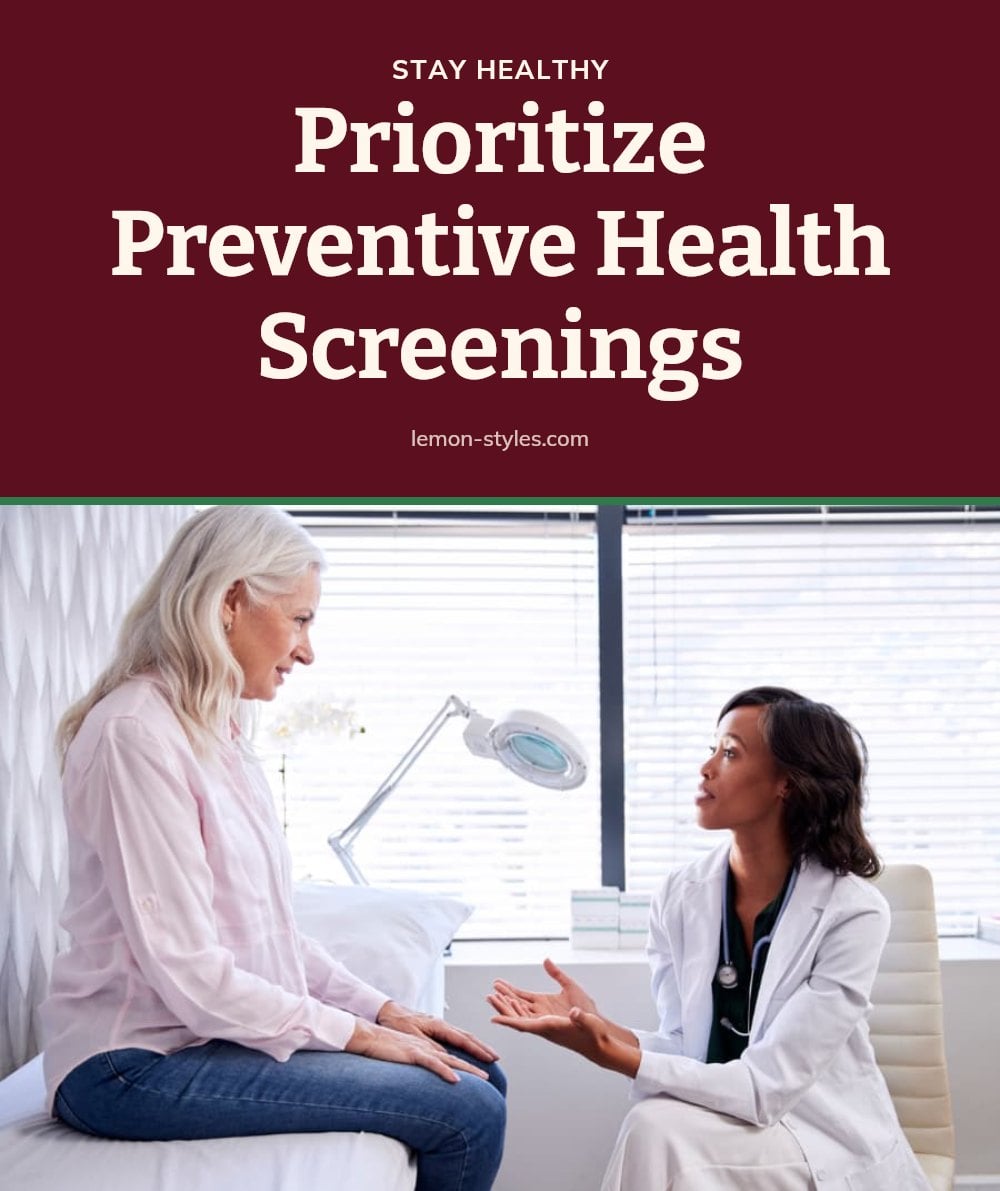
Preventive care catches potential issues early, when they are most treatable. Regular health screenings can detect high blood pressure, high cholesterol, and certain cancers before symptoms appear. Don’t ignore persistent symptoms like unexplained fatigue or changes in digestion; address them with a healthcare professional. Pro move: Schedule annual physicals and follow your doctor’s recommendations for age-appropriate screenings.
11. Common Longevity Mistakes to Avoid
Believing genetics are the sole determinant: While genetics play a role, lifestyle choices have a significant impact on longevity. Your daily habits matter more than your DNA.
Focusing only on physical health: Neglecting mental or social well-being can undermine efforts for a long, healthy life. Emotional health and relationships are equally important.
Expecting quick fixes: Longevity benefits accrue over years of consistent healthy habits, not from miracle solutions. No pill or detox replaces daily good choices.
Underestimating chronic stress: Chronic stress can significantly impact health and accelerate aging processes. Managing stress is as essential as eating well.
Delaying healthy changes: It’s never too late to start, but the earlier you adopt healthy habits, the greater the cumulative benefits. Start with one small change today.
12. Frequently Asked Questions
How much does genetics influence longevity?
While genetics do play a role in how long you live, your lifestyle choices have a significant impact. Studies suggest that factors like diet, exercise, sleep, and stress management can strongly influence your health span and lifespan. You can’t change your genes, but you can change your habits, and that’s where the power lies.
Can stress really shorten your lifespan?
Yes, chronic stress can negatively affect your health. When stress hormones stay elevated, they can increase inflammation and strain your cardiovascular system, potentially accelerating aging. Managing stress through techniques like mindfulness or engaging in hobbies can help protect your long-term health.
Is it ever too late to start healthy habits for longevity?
It is never too late to adopt healthier habits. Even if you’ve led a sedentary lifestyle or eaten poorly for years, making changes now can still improve your well-being and reduce your risk of chronic disease. Many benefits, like better energy and mood, can appear within weeks, and long-term gains accumulate over time.
What is the most important factor for a long life?
There isn’t one single factor; it’s a combination of habits that work together. Eating well, staying active, sleeping enough, managing stress, and maintaining social connections all contribute. Think of it as a balanced approach rather than chasing a single magic solution.
Are there any specific foods that boost longevity?
A Mediterranean-style diet, rich in fruits, vegetables, whole grains, and lean proteins, is linked to a lower risk of chronic diseases and a longer lifespan. Including healthy fats like olive oil and fish, along with plenty of plant foods, supports overall health. No single food is a miracle, but a pattern of whole foods makes a difference.
13. Final Thoughts
Living a longer, healthier life isn’t about one grand gesture; it’s about the small, consistent choices you make every day. Start with one or two habits you feel ready to adopt, like adding more vegetables to your plate or taking a brisk walk after dinner. You may notice improvements in your energy and mood within a few weeks, but the real payoff comes from sticking with these habits for years. Remember, it’s never too late to begin, and every healthy choice you make is a step toward a brighter future.
This article is for general informational purposes only and is not a substitute for professional medical advice. Always consult with a qualified healthcare provider before making significant changes to your diet, exercise routine, or lifestyle, especially if you have underlying health conditions. If you experience persistent symptoms or mental health concerns, seek guidance from a doctor or mental health professional.