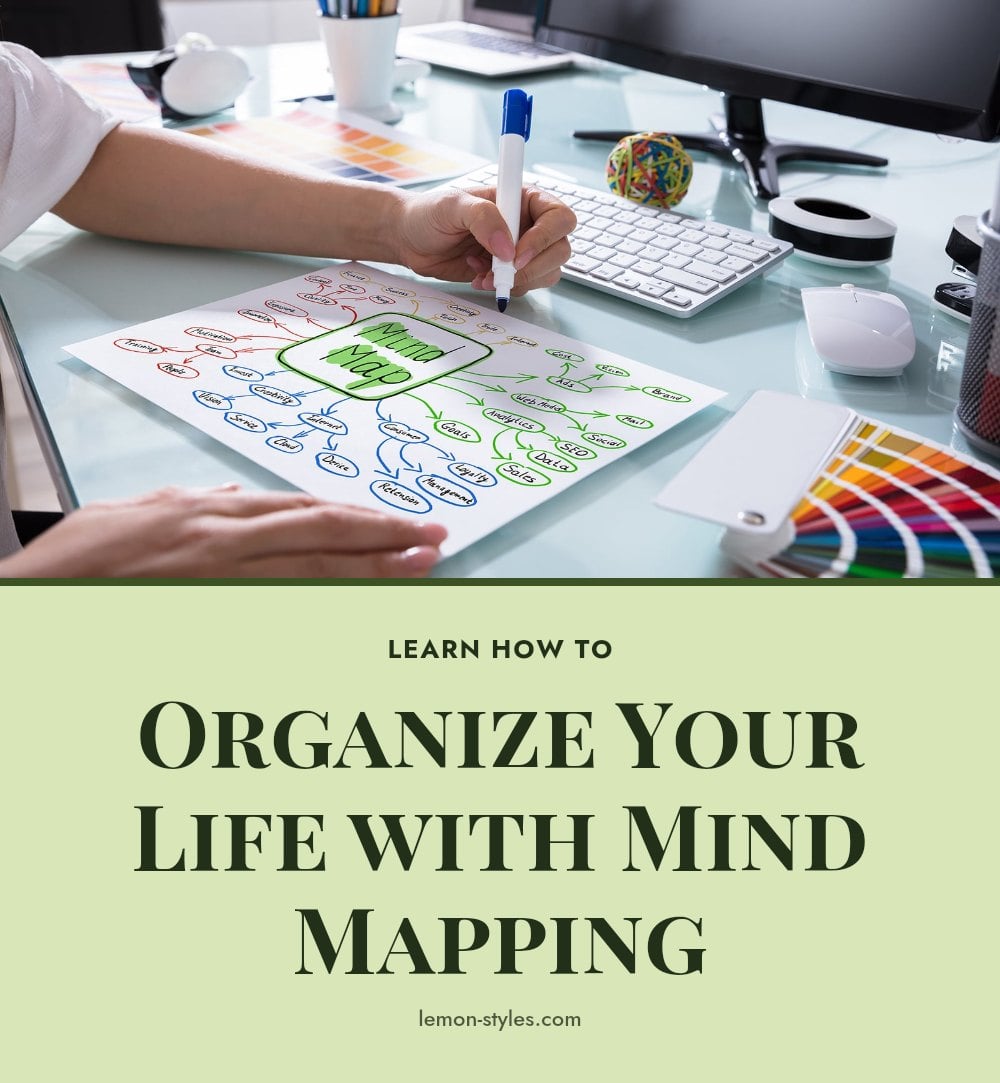
Feeling overwhelmed by scattered notes, half-formed ideas, and a to-do list that never seems to end? A mind map can help you see the big picture while keeping every detail in its place. This visual thinking tool organizes information around a central idea, using branches, keywords, and colors to mirror how your brain naturally connects concepts. In this article, I’ll walk you through the step-by-step method for creating an effective mind map, share common mistakes to avoid, and offer tips to make your maps work harder for you.
Key Takeaways
- Start with a clear central idea and branch out with single keywords.
- Use colors and images to group ideas and boost memory.
- Aim for no more than three to four branches from any point.
- Let ideas flow freely at first; refine and reorganize later.
- Mind maps work for brainstorming, note-taking, planning, and studying.
1. What is Mind Mapping and Why Should You Try It?
Mind mapping is a visual thinking tool that organizes information around a central concept, using branches, keywords, images, and colors. It engages both your logical and creative sides, boosting memory, creativity, and problem-solving. When you’re drowning in information, a mind map turns chaos into a clear, structured picture, making it easier to see connections and prioritize. That’s why it’s a go-to for brainstorming, planning, and studying.
2. Essential Tools for Your Mind Mapping Journey
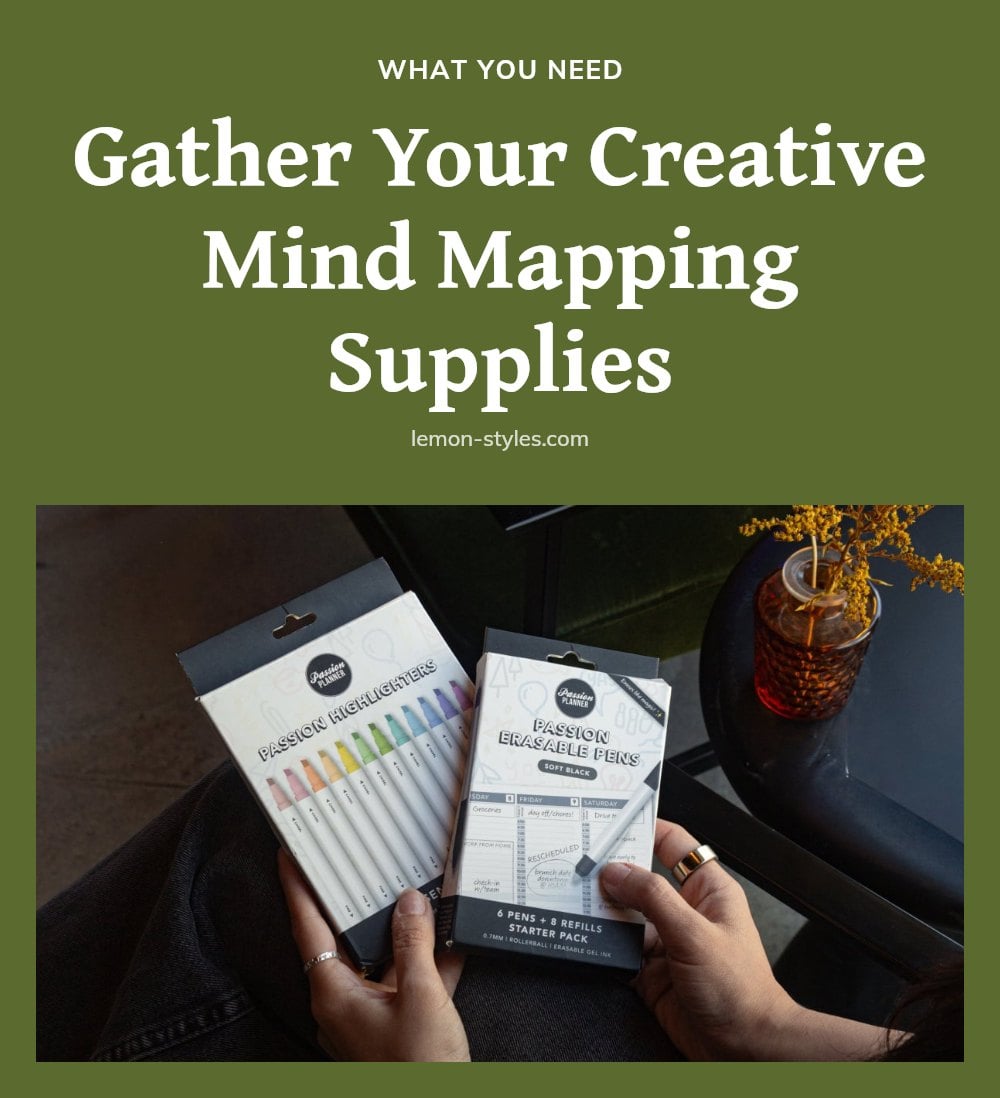
You don’t need much to start mind mapping. Here’s what I keep on hand:
- Plain paper: Blank or unlined gives you total freedom to grow branches in any direction without lines constraining you.
- Colored pens or markers: Use them to categorize ideas, highlight key points, and make the map visually engaging.
- Pencils: Great for sketching rough drafts when you expect to revise or reorganize.
- Digital tools: Apps and software offer easy editing, collaboration, and integration with other tools, perfect for team projects or frequent updates.
My tip: start with paper and colored pens. The tactile process helps many people think more creatively.
3. Step-by-Step: Creating an Effective Mind Map
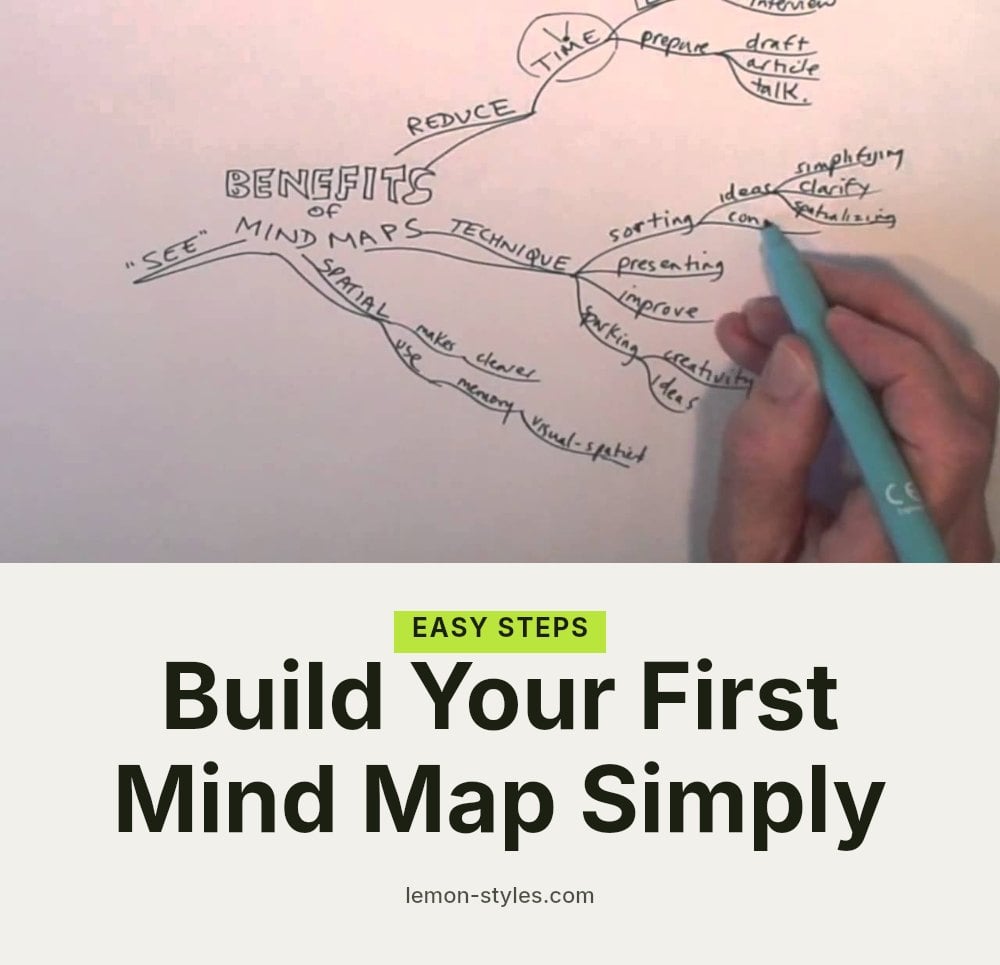
Follow this method to create a mind map that’s both clear and useful. Tony Buzan popularized this technique in the 1970s, and it still works because it mirrors how your brain naturally connects ideas.
- List key terms: Write down every term related to your topic, no matter how obvious or random. This gets the raw material out of your head.
- Outline to find structure: Review your list and group terms into main topics and subtopics. The main topics will form the trunk of your map, with subtopics branching off.
- Plot main topics: Place each main topic on the page, leaving generous space between them. You’ll need room for connections and details later.
- Connect with thought process: Ask how your main topics relate: are they similar, different, cause and effect, or parts of a whole? Draw lines to show these relationships and understand the big picture.
- Group subtopics: Look for commonalities among all terms, like timing or location. Cluster related subtopics under the same main branch to keep the map organized.
- Be expressive: Replace long text with visuals, analogies, or abstract symbols. A small drawing or icon can represent a whole concept, making the map faster to scan and easier to remember.
- Make it efficient: Ensure a clear flow and obvious relationships. Use color coding or highlighting to group ideas. Aim for no more than 3 to 4 branches coming off any single point. If you have more, look for further relationships to consolidate.
Here is the method in action: Mike and Matty demonstrates it in about 12 minutes. The how-to part starts at 1:50.
4. Understanding the Power of Visual Thinking
Why Visual Thinking Works
Mind maps are far more expressive than traditional linear notes because they use visuals, analogies, and associations. That expressiveness isn’t just decorative; it’s functional. When you draw a mind map, you’re forced to understand the topic, not just transcribe it. The act of figuring out how terms relate, whether they’re similar, different, or part of a cause and effect chain, deepens your grasp of the material.
Reviewing a mind map is also faster and more effective. Your brain processes images quicker than text, so a well-constructed map lets you recall information at a glance. That’s why mind maps work so well for studying: the process builds understanding, and the product becomes a powerful study guide.
5. Common Mind Mapping Mistakes to Avoid
Writing full sentences: Each branch should hold only one keyword or short phrase. Full sentences clutter the map and slow down review.
Making it too linear: A mind map isn’t a list. Let branches spread freely in any direction to mirror how your brain actually connects ideas.
Not using enough visuals or color: Images, symbols, and varied colors boost memory and make relationships pop. A monochrome map loses half its power.
Overthinking the structure: Your first draft doesn’t need to be perfect. Let ideas flow without judgment; you can refine later.
Trying to map everything at once: Break complex topics into smaller parts. Tackling too much in one go creates an overwhelming mess.
6. Top Tips for Maximizing Your Mind Map’s Potential
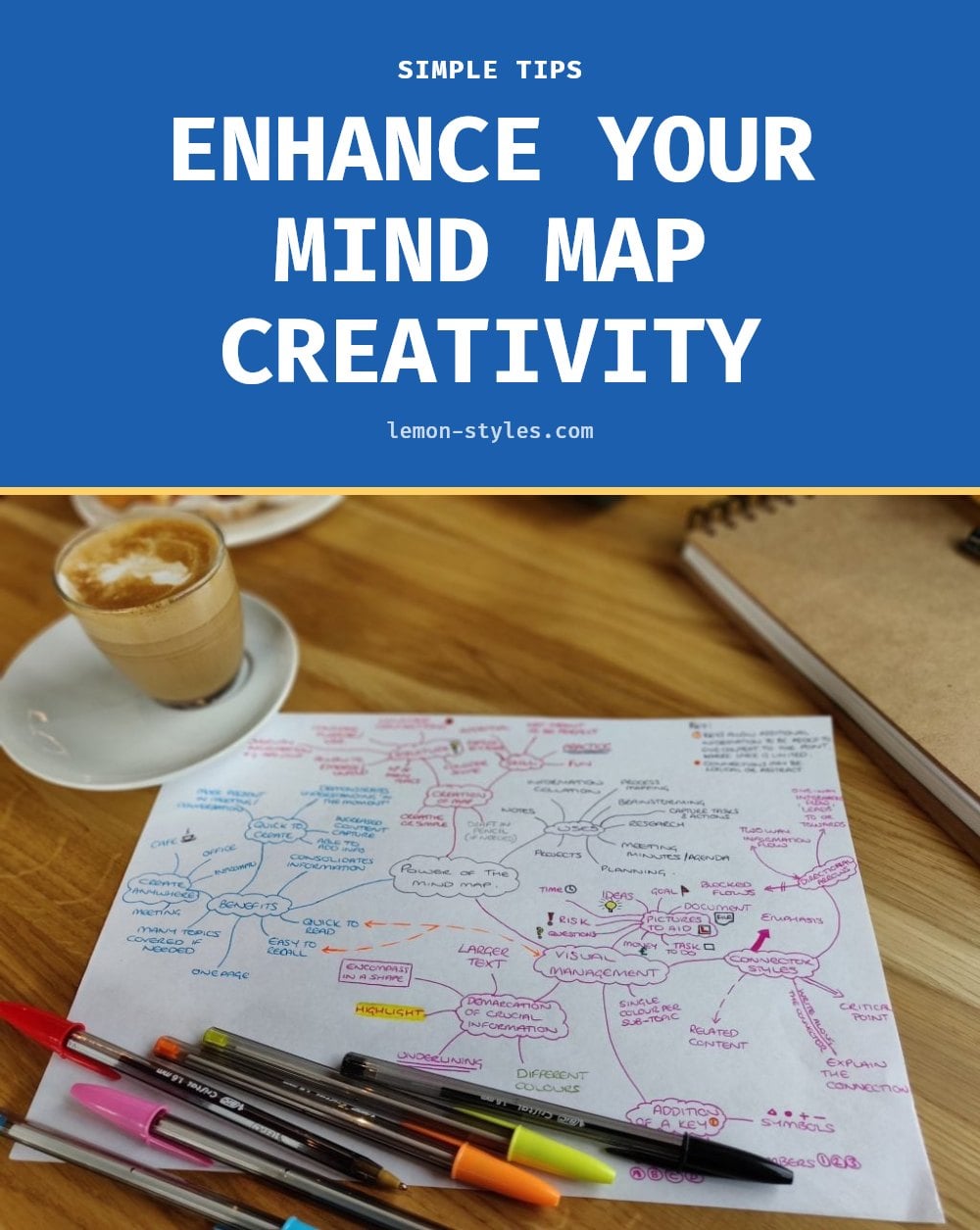
Embrace imperfection: Focus on getting ideas down first. You can always tidy up after the initial burst of creativity.
Review and refine: Once your map is complete, step back and check the flow. Make relationships clearer by adjusting branches or adding connectors.
Group information: If you have more than three or four branches off a single point, look for further connections to consolidate them. Tighter grouping makes the map easier to scan.
Use color coding: Assign a specific color to each theme or category. This lets you spot patterns instantly without reading every word.
Integrate images: A well-chosen image can pack a lot of information into one glance. It makes the map more memorable and faster to review.
7. How Long Does Mind Mapping Take?
Time: A simple mind map can take just a few minutes. A detailed project plan might take an hour or more.
Frequency: Use mind maps as needed for brainstorming, note-taking, planning, or studying. There is no set schedule.
Cost: Hand-drawn maps cost only paper and pens. Digital tools often have free versions, though some require a subscription for advanced features.
8. Frequently Asked Questions
What is the main benefit of mind mapping?
The main benefit is that it engages both your logical and creative sides, which can boost memory, creativity, and problem-solving. By visually organizing information around a central concept, you see connections you might miss in linear notes, making it easier to understand and remember the material.
Can I use mind mapping for daily tasks?
Absolutely. Mind maps are versatile and can be used for brainstorming, note-taking, planning, and studying. For daily tasks, you can map out your to-do list, plan a meal, or organize a project. There’s no set schedule; use them whenever you need to clarify your thoughts or see the big picture.
How long does it take to create a mind map?
It varies by complexity and your familiarity with the topic. A simple mind map for a basic idea might take just a few minutes, while a detailed project plan could take an hour or more. The key is to not aim for perfection on the first pass; you can refine it later.
Are digital mind maps better than hand-drawn ones?
Both have their strengths. Digital tools offer easy editing, collaboration, and integration with other software, which can be great for complex or shared projects. Hand-drawn maps, on the other hand, involve a tactile, creative process that some people find more engaging. It really comes down to personal preference and your specific needs.
What if my mind map looks messy?
Messy is okay, especially at the start. The goal is to get your ideas down without overthinking. Once you’ve captured everything, you can review and refine the map, adjusting branches, adding colors, or regrouping ideas to make it clearer. A rough first draft is a normal part of the process.
9. Final Thoughts
My tip: give mind mapping a try the next time you’re planning a project or studying a complex topic. Start simple, let your thoughts flow, and then refine the map to make relationships clear. You’ll likely find that the process itself deepens your understanding, and the finished map becomes a handy study or planning tool. Expect to spend anywhere from a few minutes for a basic idea to an hour or more for a detailed plan. The more you practice, the faster and more natural it becomes.