Mindfulness is one of those wellness buzzwords that can sound intimidating, but it really just means paying attention to the present moment without judging yourself for what you notice. I’ve found it to be the most practical tool for quieting the mental noise and feeling less scattered, even on hectic days. This article covers exactly what mindfulness is, how to start with tiny daily practices, and the common pitfalls to avoid so you can build a habit that actually sticks.
Key Takeaways
- Start with just 1-2 minutes of daily practice; consistency matters more than duration.
- Use your breath as an anchor when your mind wanders, gently bringing attention back.
- Incorporate mindfulness into everyday activities like eating, walking, or washing dishes.
- Notice thoughts without labeling them as good or bad; let them pass like clouds.
- Expect gradual benefits over weeks to months, not instant fixes or a blank mind.
1. What is Mindfulness and Why Should You Practice It?
Mindfulness is the practice of paying attention to the present moment without judgment. It helps reduce stress, improve focus, and regulate emotions by training your brain to stay anchored in the here and now. Many people think mindfulness means emptying your mind of all thoughts, but that’s not it. It’s actually about noticing your thoughts and feelings as they come and go, without labeling them as good or bad.
2. Essential Tools for Starting Your Mindfulness Journey
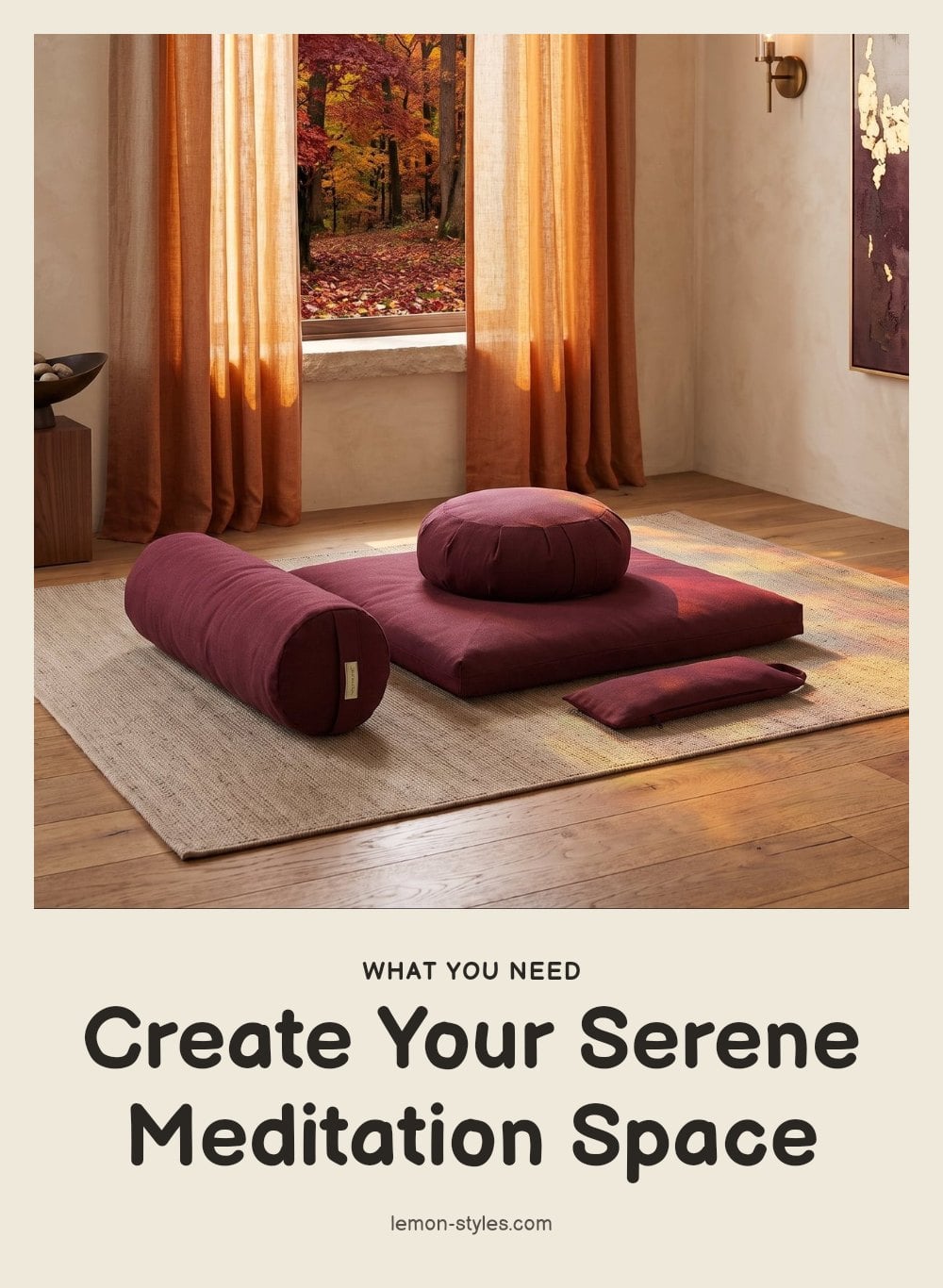
You don’t need much to start a mindfulness practice. Here’s what can help:
- A quiet space: Choose a spot where you won’t be interrupted for a few minutes.
- A comfortable cushion or chair: Sitting with good support keeps your body relaxed and your mind focused.
- An optional timer: Set it for your session length so you don’t keep checking the clock.
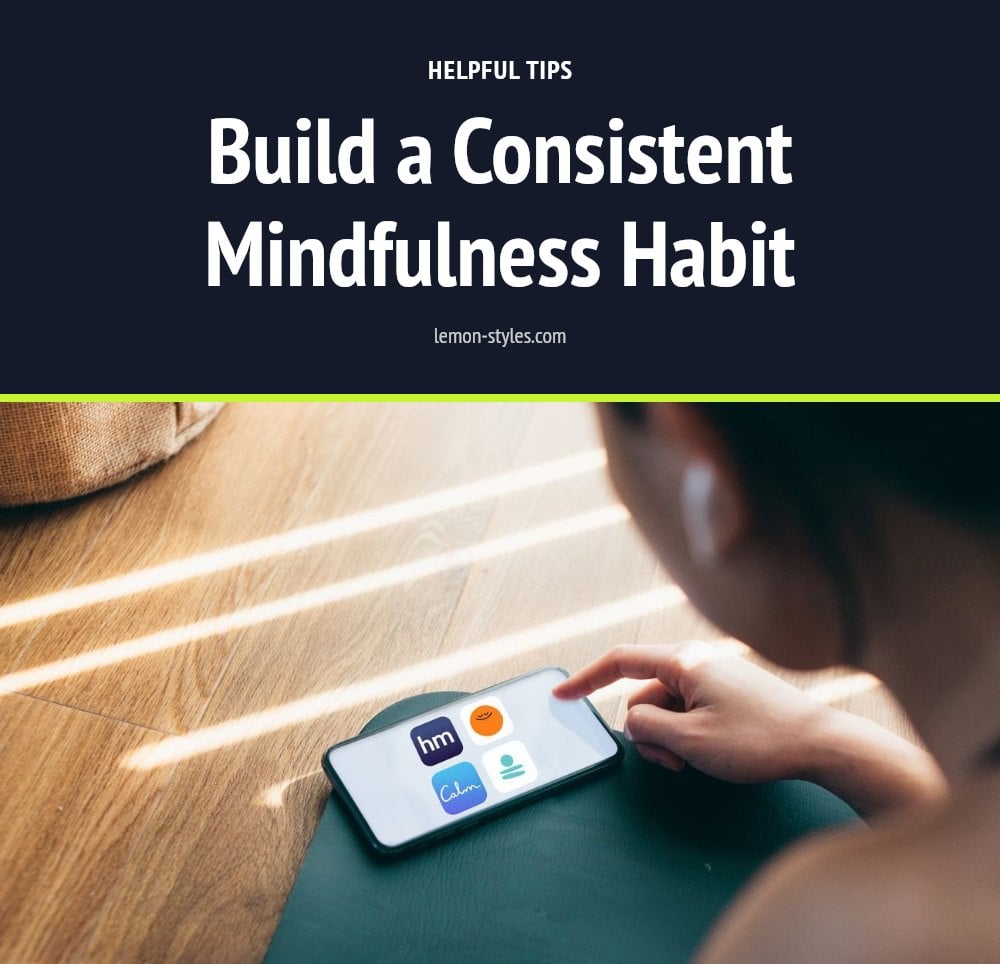
- A meditation app: Many apps offer guided sessions that walk you through the basics, which is perfect for beginners.
That’s really all you need. The most important tool is your willingness to show up and try.
3. Your First Steps to Practicing Mindfulness Daily
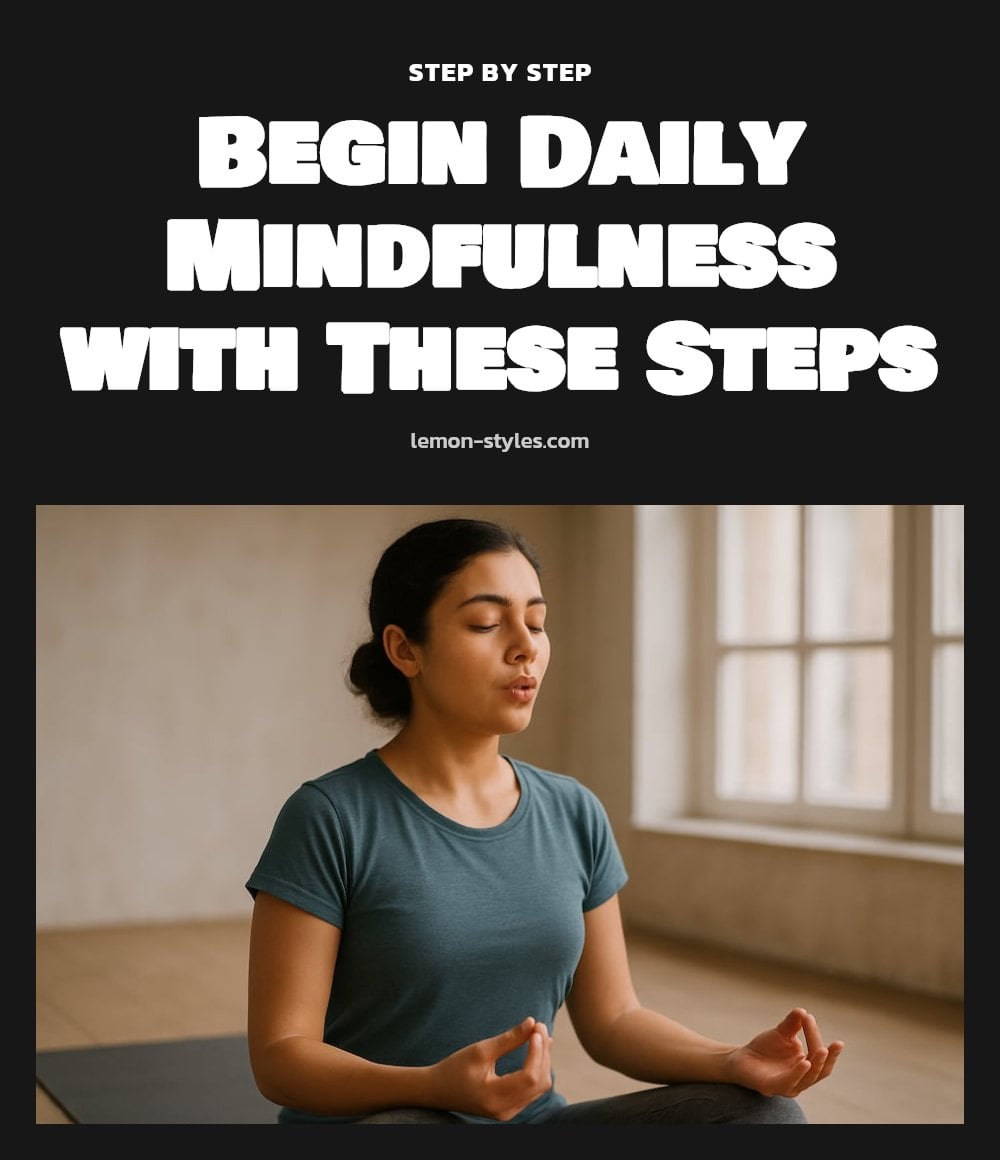
Starting a daily mindfulness practice is simpler than you might think. Here are the steps I recommend:
- Set a short time: Begin with just 1-2 minutes a day. Consistency matters more than duration when you’re new.
- Find your spot: Sit in a quiet place where you won’t be disturbed. A chair or cushion works fine.
- Anchor on your breath: Close your eyes and notice the sensation of air moving in and out of your body. Feel your chest rise and fall, or the air at your nostrils.
- Observe without judgment: Thoughts and feelings will arise. Instead of labeling them as good or bad, just notice them like clouds passing in the sky.
- Redirect gently: When your mind wanders, and it will, simply bring your attention back to your breath. No frustration, no self-criticism. That’s the practice.
My tip: Keep a small notebook nearby and jot down one word about how you feel after each session. It helps you see progress over time.
4. Mindfulness Beyond Meditation: Everyday Practices

Mindfulness doesn’t have to happen only on a cushion. You can weave it into everyday activities. Here are four simple methods I use regularly:
Mindful Eating
Pick one meal a day and eat without your phone or TV. Notice the color, smell, texture, and taste of each bite. Chew slowly and pause between bites. My tip: Try this with a single raisin or a square of chocolate first. It’s surprisingly eye-opening.
Mindful Walking
On your next walk, leave your earbuds at home. Feel your feet pressing into the ground, the air on your skin, and the rhythm of your steps. Notice the sights and sounds around you without analyzing them. Caution: If walking in a busy area, keep some attention on traffic for safety.
Body Scan
Sit or lie down and bring your attention to your toes. Slowly move your awareness up through your feet, legs, torso, arms, and head. Notice any tension or warmth without trying to change it. This takes about 5 minutes and works well before bed.
Mindful Listening
Choose a song or a natural sound like birds or rain. Close your eyes and listen as if you’re hearing it for the first time. Notice the layers, the pauses, and the way the sound fades. Pro move: Do this for 2 minutes during a break to reset your focus.
5. Common Mindfulness Misconceptions and How to Avoid Them
Mistake: Believing you need to clear your mind of all thoughts. The reality is that mindfulness is about noticing thoughts and letting them pass, not erasing them.
Mistake: Getting frustrated when your mind wanders. Instead, gently bring your attention back to your breath. Wandering is normal and part of the practice.
Mistake: Expecting instant, profound results. Benefits accumulate gradually with consistent practice, so patience is key.
Mistake: Judging your thoughts or feelings as ‘bad’ or ‘wrong’. The goal is to observe them with non-judgmental awareness, accepting whatever arises.
6. Best Tips for a Consistent Mindfulness Practice
Start small: Even 5-10 minutes daily can make a noticeable difference in stress and focus over time.
Be patient with yourself: Mindfulness is a skill that develops gradually. Don’t expect perfection.
Explore guided meditations: Apps and online resources can provide structure and support, especially for beginners.
Integrate into daily routines: Brush your teeth, drink your coffee, or wash dishes with full attention to the sensory experience.
Practice self-compassion: Don’t judge your progress. Each moment you bring your attention back is a success.
7. When to Seek Professional Guidance for Mindfulness
If mindfulness practice brings up overwhelming emotions or memories, it may be a sign to seek guidance. Individuals with conditions like severe trauma or psychosis should consult a healthcare provider before starting, as practice may need adaptation. If your practice causes more distress than calm, consider working with a qualified mindfulness instructor or mental health professional for personalized support.
8. Frequently Asked Questions
How long does it take to see results from mindfulness?
Many people notice a reduction in stress and improved focus after a few weeks of consistent daily practice, even if that practice is only 5-10 minutes. Benefits tend to accumulate gradually, so patience and regularity are more important than long sessions.
Can mindfulness help with anxiety?
Mindfulness can be a helpful tool for managing everyday anxiety by training you to observe anxious thoughts without getting caught up in them. However, it is not a substitute for professional treatment. If anxiety is significantly affecting your daily life, consider speaking with a mental health professional.
Is mindfulness a religious practice?
While mindfulness has roots in Buddhist meditation, the modern practice used in wellness settings is typically secular. Jon Kabat-Zinn’s Mindfulness-Based Stress Reduction program, for example, is widely used in hospitals and clinics without any religious framework.
What if I can’t stop thinking during mindfulness?
That is completely normal and expected. The goal is not to stop thinking but to notice when your mind has wandered and gently bring your attention back to your anchor, such as your breath. Each time you do that, you are strengthening your mindfulness muscle.
9. Final Thoughts
My recommendation is to pick one everyday activity this week, like your morning coffee or a short walk, and practice being fully present for it. Realistic expectation: with consistent practice of even 5 minutes a day, you may notice less reactivity and more focus within a few weeks. The key is to be kind to yourself when your mind wanders, because that is the practice itself.
This article is for general informational purposes only and does not constitute medical, psychological, or therapeutic advice. Mindfulness practices may not be suitable for everyone, especially individuals with certain mental health conditions. If you experience overwhelming emotions or have a history of trauma, please consult a qualified healthcare provider or mental health professional before beginning a new practice.