
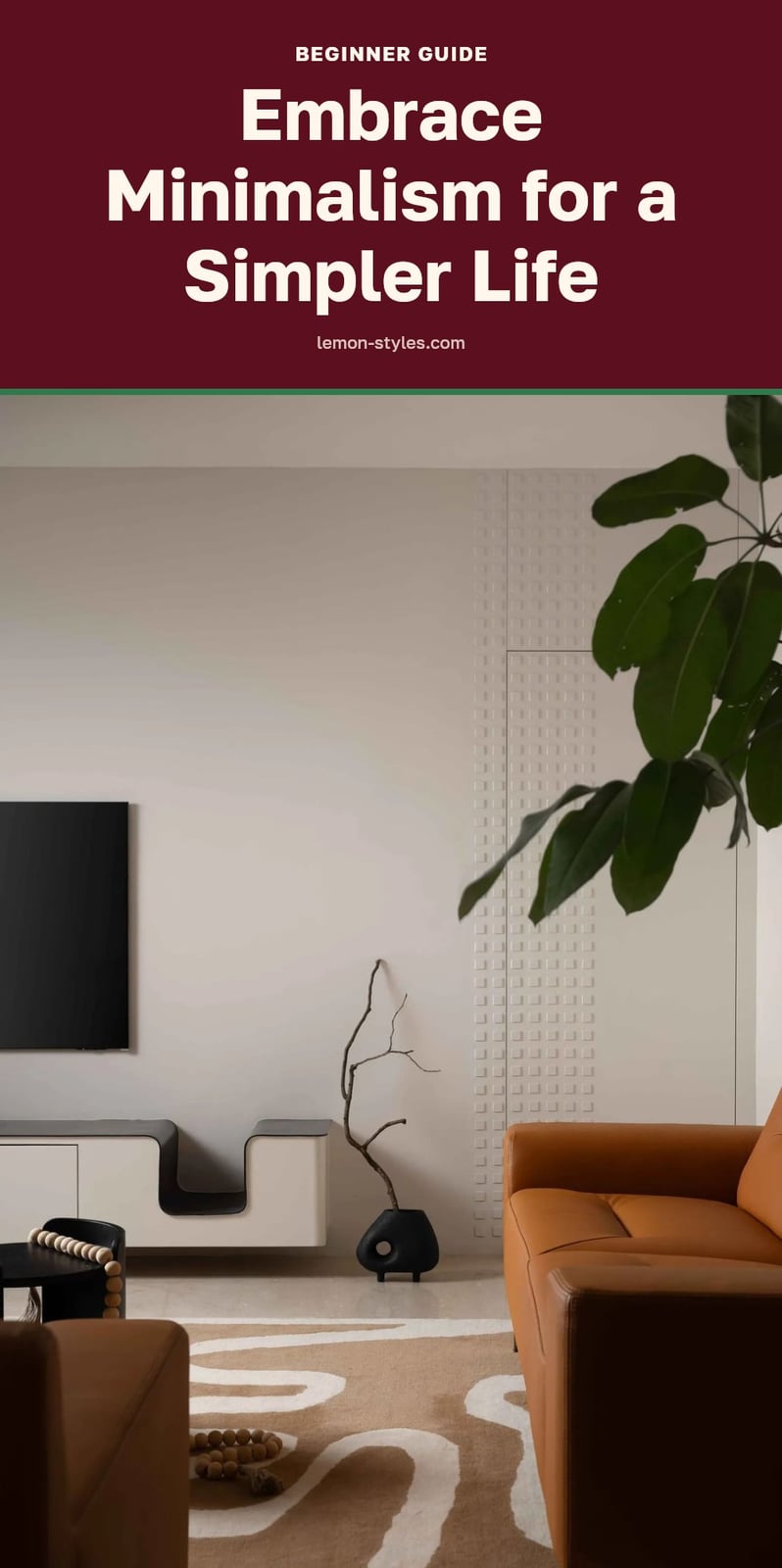
If you feel like your home or schedule is overflowing, minimalism might be the reset you need. It is not about living with nothing, but about intentionally keeping only what adds value to your life, so you can focus on what truly matters. This article walks you through the core ideas, seven practical decluttering habits, and common mistakes to avoid as you start simplifying.
Key Takeaways
- Start with the 10-10 rule: set a 10-minute timer and find 10 items to remove from your home.
- Before buying something just because it’s cute, add it to a wish list and check if you already own something similar.
- Use the 5-5-5 rule: ask if a purchase or declutter decision will matter in 5 minutes, 5 days, or 5 years.
- Break large tasks into smaller pieces with the Tetris theory, tackling one corner or category at a time.
- Define your ‘why’ for minimalism and revisit it regularly to stay motivated.
1. What Is Minimalism and How Can It Help You?
Minimalism is a lifestyle choice focused on intentionally living with less to make room for what truly matters. It acts as a tool to rid yourself of excess, helping you reduce stress, increase financial freedom, save time, and foster a greater sense of purpose. It’s not a strict set of rules but a spectrum of practices that vary from person to person. The core tenets include decluttering, reducing consumption, and prioritizing experiences over possessions.
2. Why Embracing Minimalism Can Transform Your Life
When you strip away the excess, life gets clearer. Minimalism removes the noise so you can see what actually matters, and that clarity brings happiness, fulfillment, and freedom. It is not about deprivation; it is about making room for the people, activities, and goals that genuinely enrich your days.
The benefits are tangible. With fewer possessions to manage, stress drops because there is less to clean, organize, and worry about. Spending less on things you do not need frees up money for savings or experiences, giving you financial breathing room. You also gain time, time once lost to shopping, sorting, and searching, and you develop a stronger sense of purpose as your choices align with your values.
Minimalism extends beyond your closet. It asks you to simplify commitments by saying no to obligations that drain you, to declutter your digital life by unsubscribing and deleting, and to clear mental space by letting go of constant comparison and craving. When you prioritize experiences and relationships over material goods, you invest in the things that create lasting satisfaction. That shift is the real transformation.
3. Essential Tools for Your Minimalism Journey
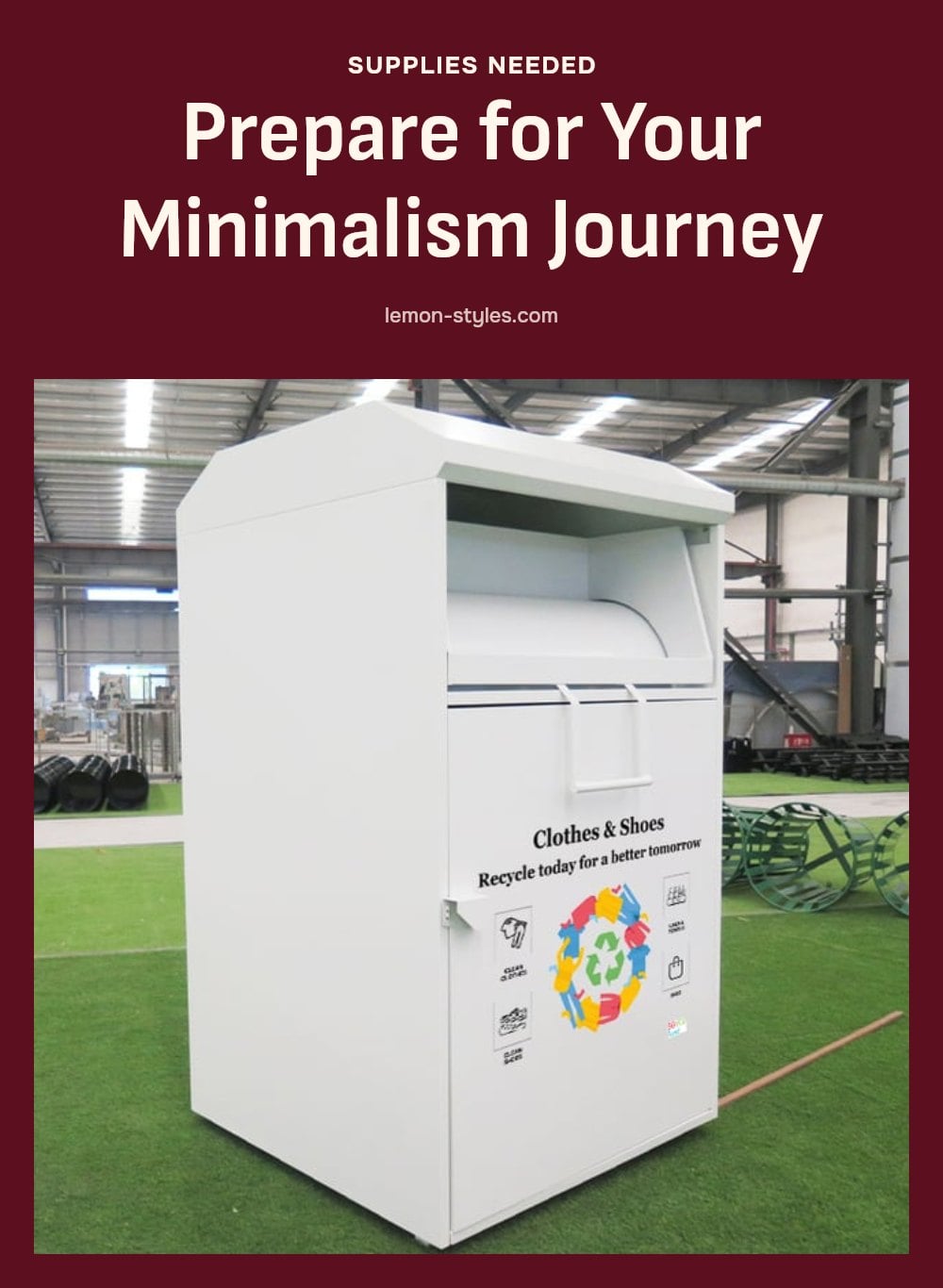
You don’t need much to start your minimalism journey, but having the right tools helps. Keep a few donation boxes handy for items you no longer need but are still usable. Set up recycling bins for environmentally responsible disposal of waste. Use selling platforms like online marketplaces or consignment shops to give items a new home and potentially recoup some cost.
4. 7 Decluttering Habits to Kickstart Your Minimalist Lifestyle
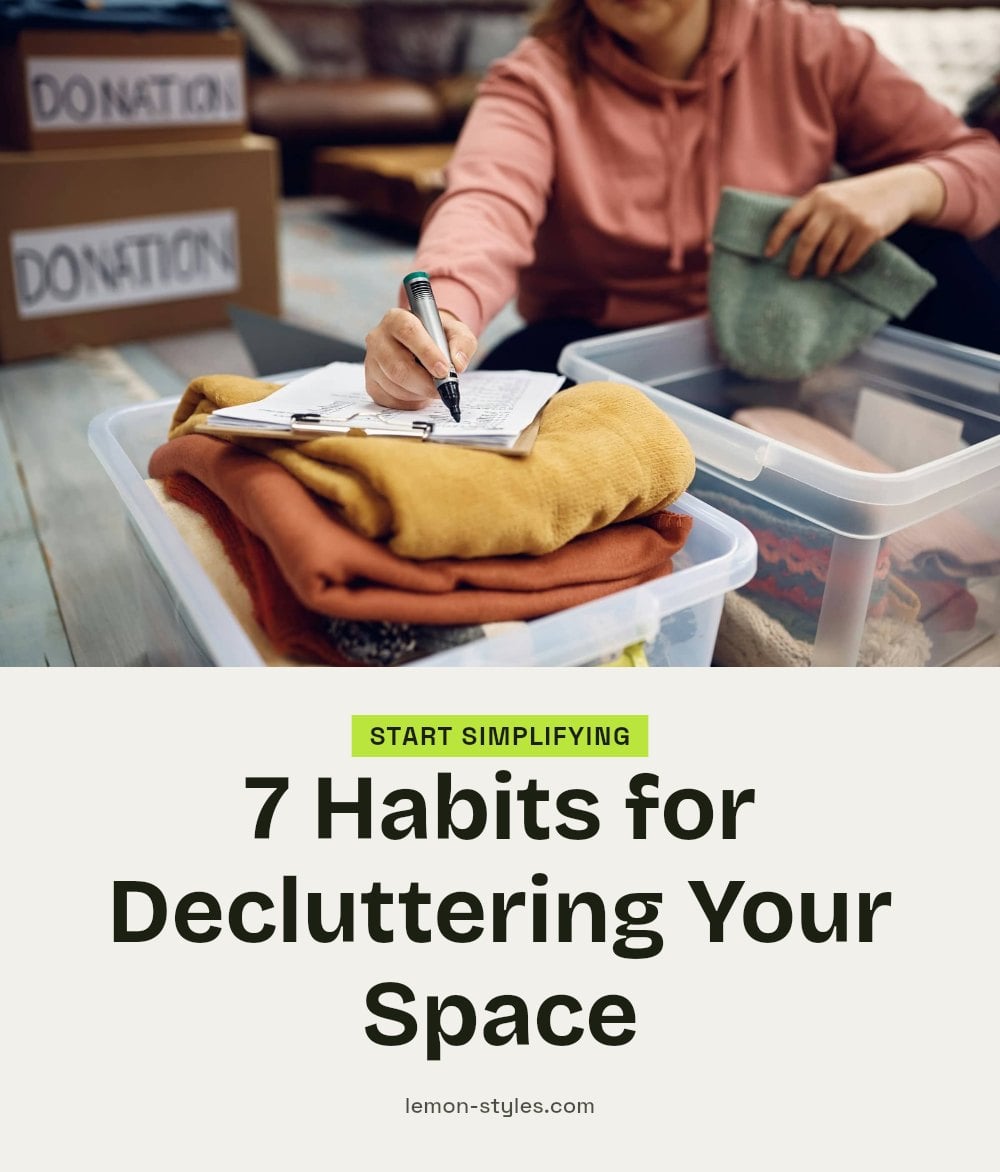
- Use the 10-10 rule: Set a 10-minute timer and find 10 items to remove from your home. They can be rubbish, items to declutter, or things to sell. The key is to actually take these items out of your home, not just move them to another room.
- Adopt the mindset that ‘cute doesn’t mean I need to own it’: Before buying something because it’s cute, put it on a wish list. Give yourself time to consider if you truly want it. Also, check your current wardrobe or belongings for similar items you already own.
- Implement the sock rule: Buy all socks of the same color and fit for yourself and your family. This simplifies laundry because you don’t have to search for matching pairs, and you always have a match.
- Practice ‘no credit, only debit’: Avoid credit cards and installment payments. Instead, save money to pay for items in full. This helps prevent impulse buying and reckless spending, and it simplifies your finances.
- Apply the four-corner rule for tidying: When you enter a room to declutter or tidy, start in one corner and work your way around the room. Complete each section before moving to the next until you are back at the door. This keeps you focused and productive.
- Utilize the 5-5-5 rule for decision-making: When overthinking whether to buy or declutter a non-sentimental item, ask yourself if this decision will matter in 5 minutes, 5 days, or 5 years. This puts things into perspective and helps you let go or hold back.
- Employ the Tetris theory: Break down large decluttering tasks into smaller, manageable pieces. Practice identifying patterns in your home to organize things better and create functional systems, like an entryway system for shoes and coats.
Here is the method in action: Madeline Hegedus demonstrates it in about 10 minutes. The how-to part starts at 0:54.
5. Common Minimalism Missteps and How to Avoid Them
Thinking minimalism means an empty space: Minimalism is about intentional living, not stark emptiness. Keep items that add value and joy, and embrace negative spaces without feeling pressured to fill every corner.
Impulsively getting rid of items: Avoid regret by giving yourself time to consider before letting go of non-essential items. A wish list or a waiting period helps you make thoughtful decisions.
Buying new ‘minimalist’ items: Don’t replace old possessions with new ones just because they fit a minimalist aesthetic. Focus on reducing consumption, not swapping one set of stuff for another.
Focusing only on physical possessions: Remember to simplify other areas of life like digital space, commitments, and mental clutter. Minimalism extends beyond your closet.
Believing there’s a ‘right’ way to be a minimalist: Your journey is personal; don’t compare yourself to others or adhere to rigid rules. The spectrum of practices is wide, and that’s fine.
Feeling guilty for owning things you enjoy: Minimalism isn’t about deprivation; it’s about keeping what truly serves you and brings happiness. If an item sparks joy or gets regular use, it belongs in your life.
6. Smart Tips for a Sustainable Minimalist Journey
Define your ‘why’: Clearly understanding your motivation for minimalism will help you stay committed when the process feels hard. Write it down and revisit it.
Start small: Begin with one category like clothes or a single room to make the process less overwhelming. A few focused sessions beat a weekend-long purge.
Be intentional about new purchases: Before bringing something new into your home, ask if you truly need it and if it adds value. A wish list gives you time to decide.
Regularly reassess: Periodically review your possessions and commitments to ensure they still align with your values. Life changes, and your minimalism can too.
Focus on experiences: Prioritize investing in experiences and relationships over accumulating material goods. Those tend to bring longer-lasting satisfaction.
Consider digital decluttering: Reduce screen time, unsubscribe from unnecessary emails, and organize digital files. A clean inbox and photo library reduce mental noise.
Be patient with yourself: Minimalism is a journey, not a destination, and progress is more important than perfection. Don’t force family members to adopt your practices, either.
7. The Timeline and Investment in a Minimalist Lifestyle
Timeline: Adopting minimalism is an ongoing process of intentional living, not a one-time event or a fixed timeline. It evolves with you as your needs and values shift.
Initial Time Investment: Starting can involve dedicated decluttering sessions, such as a few hours per room or category. Subsequent maintenance is quicker, often just a few minutes a day to keep things in order.
Financial Cost: Minimalist living generally leads to cost savings by reducing consumption, debt, and impulse buys. Initial costs might include donation boxes or selling fees, but these are often offset by the money you save from buying less.
8. Frequently Asked Questions
What is the main goal of minimalism?
The main goal is to intentionally live with less so you can focus on what truly matters to you, whether that is relationships, experiences, or personal growth. It is a tool for reducing clutter, stress, and distractions, making room for more happiness and freedom.
Can I be a minimalist if I have a family?
Yes, minimalism works for families, but it looks different for everyone. Start with your own belongings and spaces, and avoid forcing family members to adopt your practices. Focus on shared areas like the living room or kitchen, and involve others by asking what items they truly use or value.
How do I deal with sentimental items when decluttering?
Sentimental items can be the hardest to let go. Give yourself time to consider each piece, and keep only those that genuinely bring joy or hold meaningful memories. For the rest, take a photo to preserve the memory, then donate or pass them along to someone who will appreciate them.
Is minimalism just about decluttering possessions?
No, minimalism goes beyond physical stuff. It also includes simplifying your digital life (like reducing screen time and unsubscribing from emails), managing commitments, practicing conscious spending, and prioritizing experiences over material goods. It is a holistic approach to living intentionally.
How long does it take to become a minimalist?
There is no set timeline because minimalism is an ongoing process, not a destination. Some people see progress in a few weeks with dedicated decluttering, but the habits and mindset shift continue to evolve over months or years. Be patient and focus on steady, small steps rather than perfection.
9. Final Thoughts
Start with one small area, like a closet or a single room, and use the 10-10 rule to get moving without feeling overwhelmed. Remember that minimalism is an ongoing process, not a one-time event, so give yourself time to adjust. The goal is not perfection, but a life with more space for the people and experiences that bring you joy.

