November haircut ideas 2026 can be read as a study in outline, not just length. Across this collection, long face-framing layers sit beside curtain bangs, rounded curls, short bobs, straight lobs, blunt edges, airy waves, and butterfly-like shaping that changes how each cut moves around the head. The strongest comparison comes from watching where the line begins, how the ends fall, and whether color makes the layering quiet or sharply visible.
Some cuts here build softness through long waves and warm color, while others use cropped shape, curly volume, clean bluntness, or a short rounded bob to make the haircut feel more defined. The full range moves from copper and bronde lengths to silver bobs, pink waves, dark shaggy layers, and compact fringe shapes. That variety makes the article useful for comparing silhouette, parting, fringe, volume, and color placement without turning every style into the same general promise.
1. Copper Waves With Airy Face-Framing Layers
The first cut opens with long red-copper hair that falls well past the shoulders in loose, airy waves. A center part keeps the front balanced, while the face-framing pieces curve away from the cheeks and make the length feel lighter than a single heavy sheet. The warm color brings extra visibility to the bends, so the layers read through motion rather than through a hard outline.
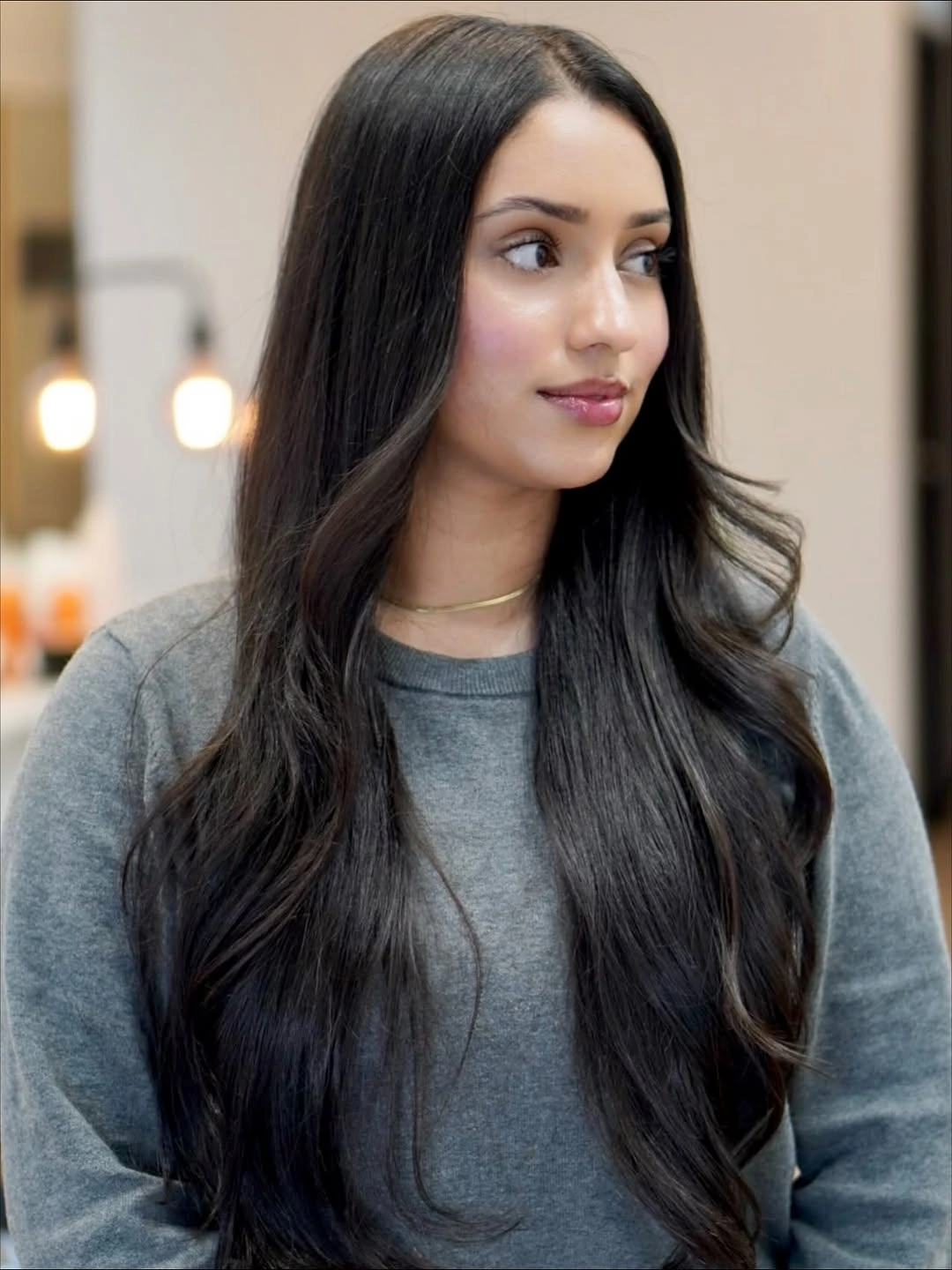
Photo via Instagram
Around the front, the layering is most noticeable where shorter pieces lift and separate from the longer lengths below. The waves do not form identical rows, which gives the cut a more relaxed shape while still keeping a clear direction down both sides. That mix of soft volume and uneven movement is what makes the haircut feel dimensional without needing a blunt or cropped edge.
The ends look slightly feathered and irregular, which supports the airy feeling of the long shape. Instead of making the copper color the only focus, the cut uses warmth to make every curve and shorter front piece easier to see.
2. Side-Parted Dark Waves With Polished Sweep
This long cut changes the mood through the side part, which sends the front section into a fuller sweep before the hair drops into dark, glossy waves. The length stays below the chest, but the opening at the top keeps it from reading as one flat curtain. The ash-brown tone deepens the overall outline and makes the broad curves look smoother and more continuous.
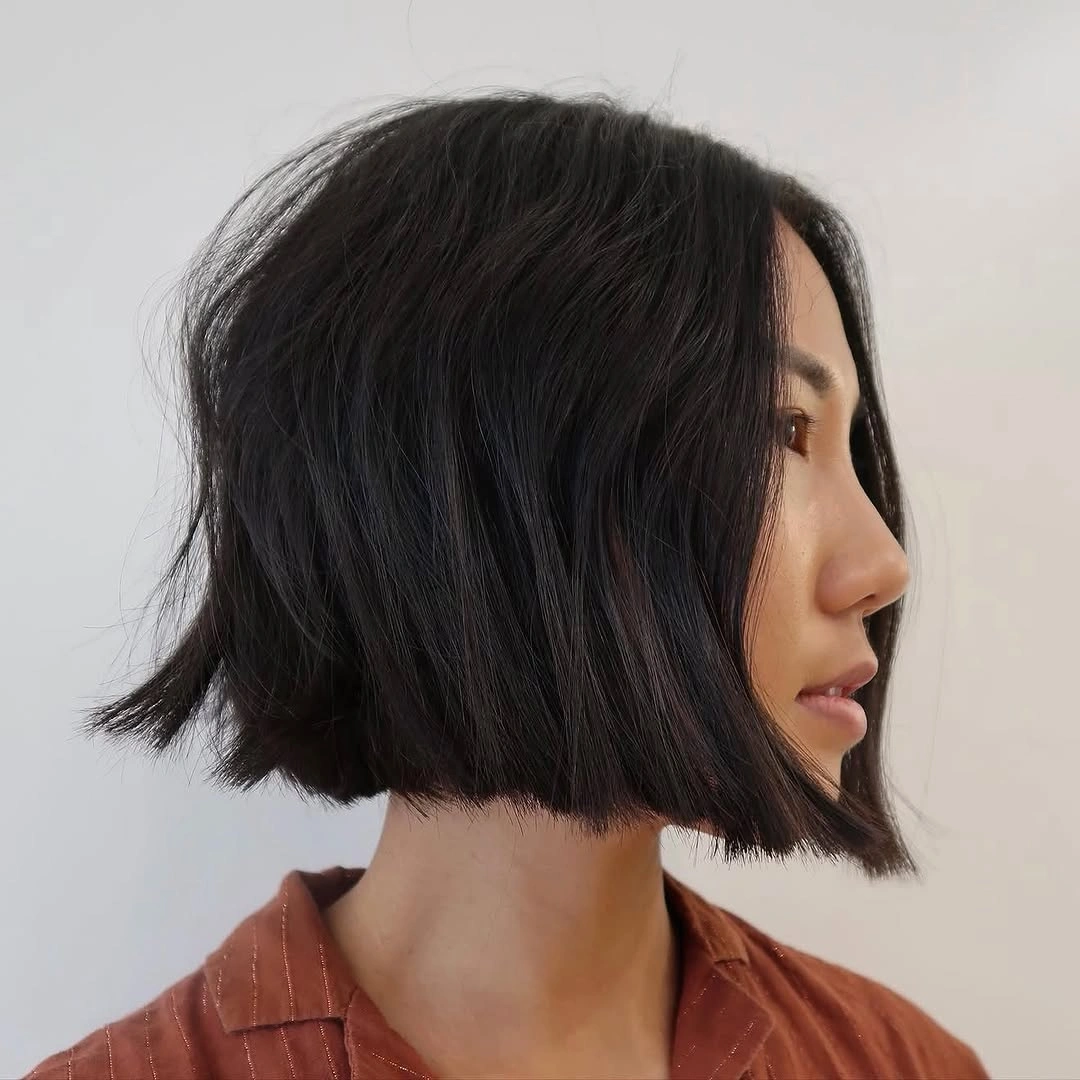
Photo via Instagram
The wave pattern is wider and more controlled here, with rounded bends traveling through the mid-lengths and lower sections. Because the part starts off-center, one side carries more weight, and that extra sweep becomes the main visible movement of the haircut. The front layers appear to blend into the longer body instead of stopping as a separate fringe, which keeps the shape polished.
The darker color sharpens the perimeter and gives the long waves a denser finish. What stands out most is not a dramatic cut line, but the way the side part directs the whole silhouette.
3. Bronde Waves Opened By Shorter Front Layers
This beige bronde cut sits in a medium-to-long range, with the ends falling around the shoulders and upper chest rather than stretching into very long length. The front pieces are shorter and lighter, so they open the shape around the face before the waves continue downward. The haircut feels structured because the sides have a clear frame, yet the loose bends keep the outline from looking severe.
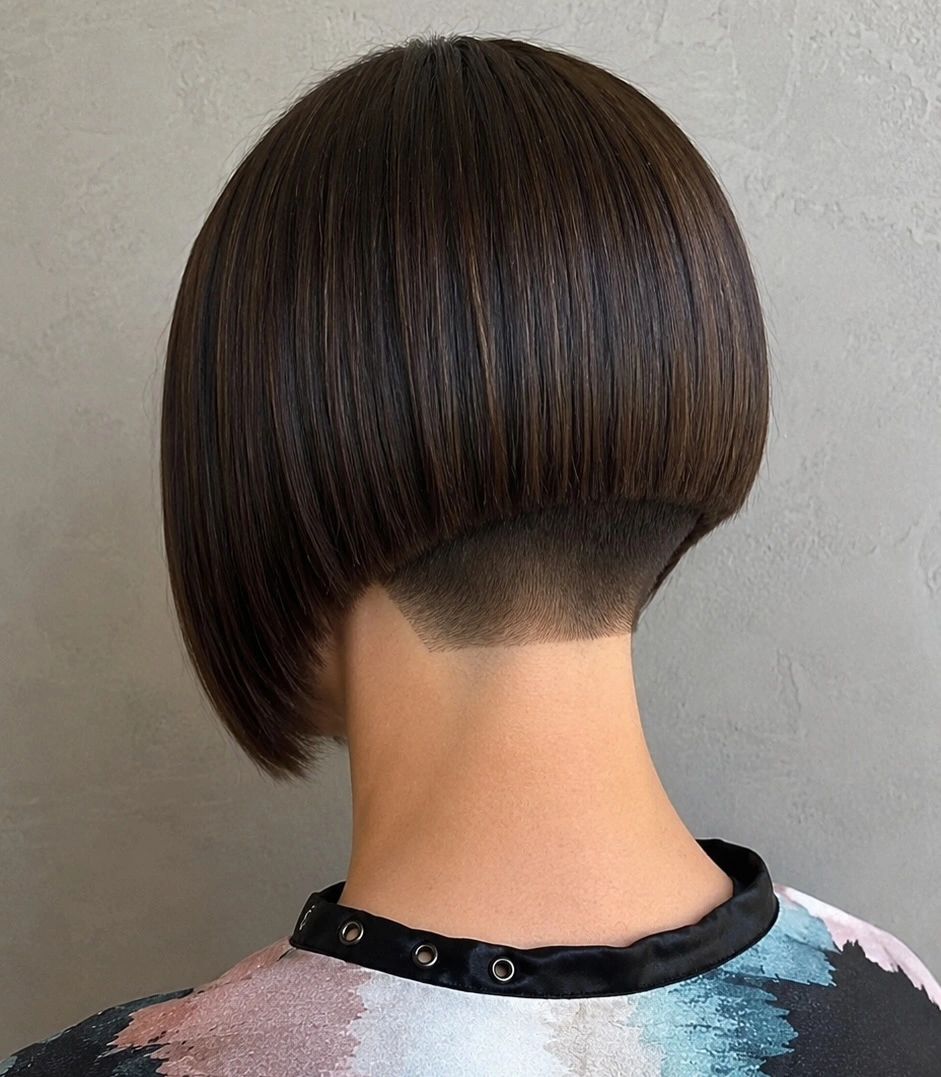
Photo via Instagram
The lighter strands make the layers easier to separate visually, especially where they curve along the front and break up the darker base. Instead of relying on a blunt bottom edge, the cut uses soft pieces and staggered length to create movement through the sides. The result is a bronde wave shape that feels open at the top and gently fuller near the bottom.
This section is strongest as a balance between softness and shape. The haircut does not need heavy volume to make its point because the shorter front pieces already guide the eye.
4. Rounded Curly Bob With Soft Fringe
The fourth cut shifts the article into a compact curly silhouette, where volume becomes the main haircut line. The curls form a rounded shape around the head, and the shorter fringe pieces sit forward instead of being brushed away from the face. Because the length stays close to the jaw and neck area, the outline feels full without depending on long movement.
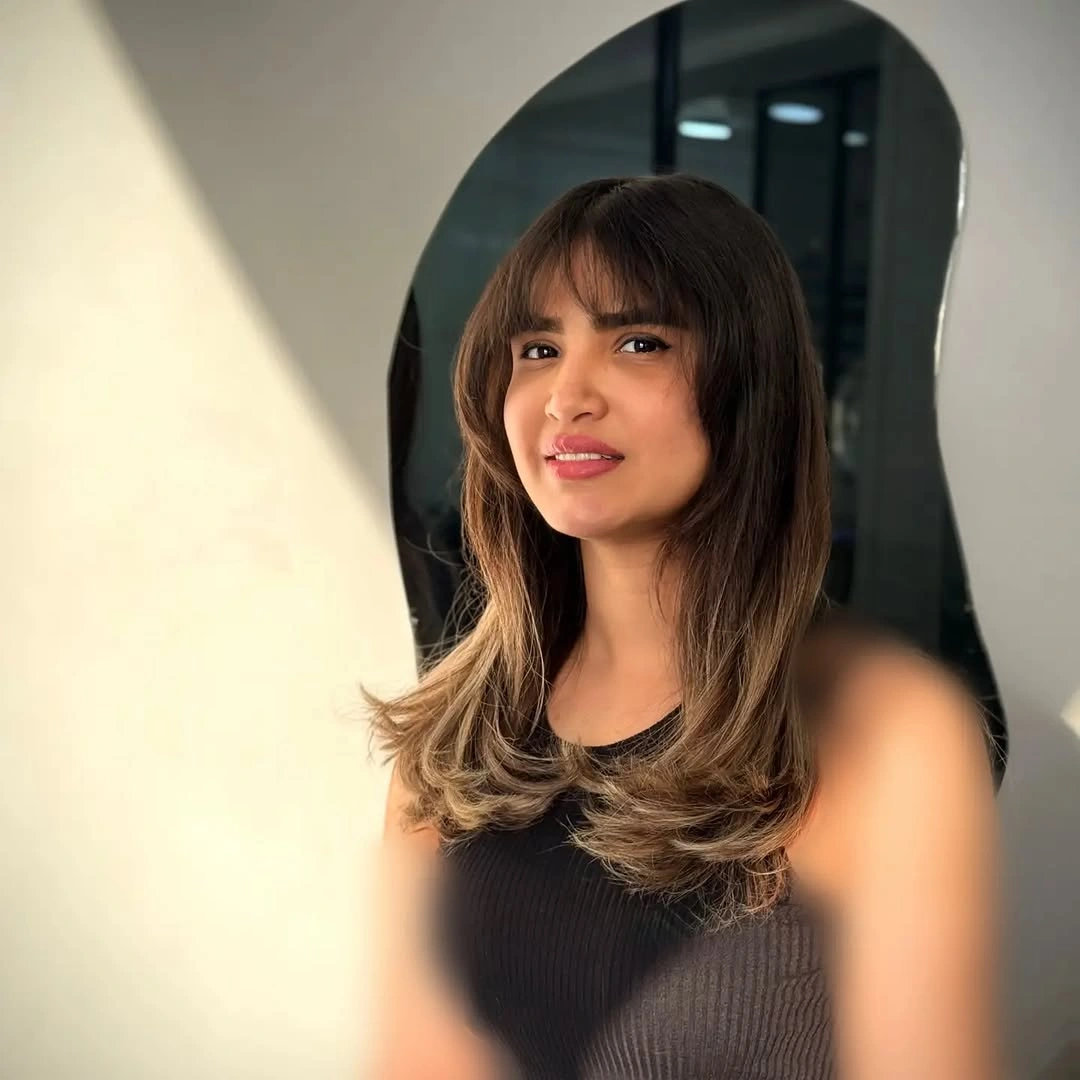
Photo via Instagram
The fringe blends into the side curls, so the front does not look separate from the rest of the cut. Small highlighted-looking curls are visible through the darker base, adding definition to the rounded mass and helping individual bends stand out. The perimeter is not a straight line, but the overall bob-shag shape stays clear because the volume gathers in a controlled circle.
This haircut’s energy comes from compact movement at every edge. The curls give the shorter length a lively surface, while the rounded outline keeps the shape readable.
5. Honey Blonde Layers With Curtain Bang Movement
This long honey-blonde cut places the curtain bangs at the center of the visual story. The front opens from a middle part, with shorter pieces falling near the eyes and cheeks before connecting to much longer layers below. The length continues past the chest, but the fringe and tapered sides keep the haircut from appearing as one uninterrupted block.
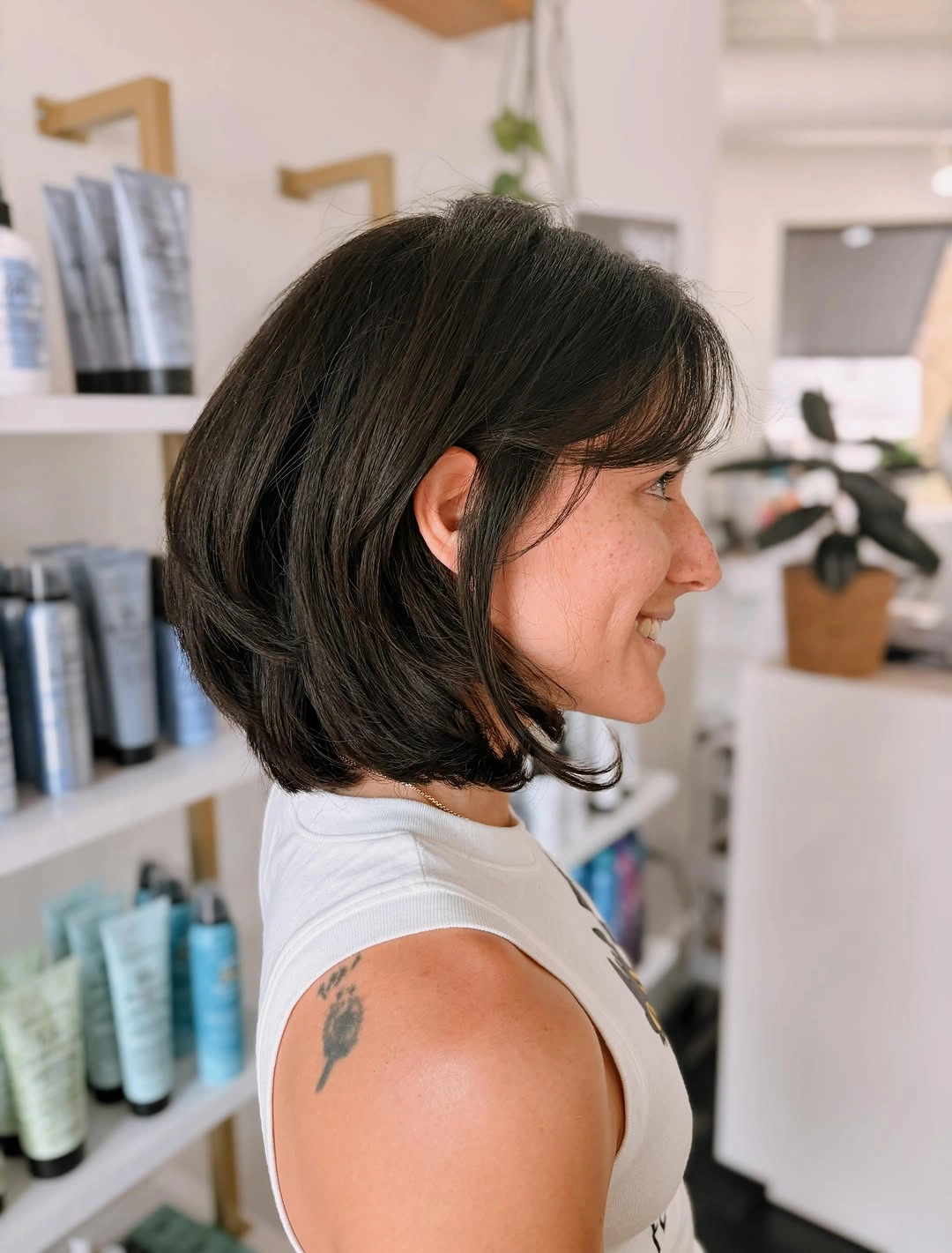
Photo via Instagram
The side layers pull the eye downward because they step gradually from the curtain bangs into the longer blonde ends. Light color makes those front cuts more visible, especially where the strands separate against the darker top and clothing. The bottom looks soft and tapered rather than blunt, which supports the vertical movement already started by the fringe.
The haircut works through a clear top-to-bottom flow, beginning with the parted bangs and ending in lighter, thinner-looking tips. Its main idea is not just long blonde hair, but long blonde hair shaped by visible front layering.
6. Burgundy Waves In A Back-View Outline
This burgundy-brown cut is read almost entirely from the back, so the outline becomes the strongest detail. The length falls past the shoulders with a smooth curve through the middle and a rounded lower edge that keeps the shape compact instead of wispy. Because the hair is turned away, the cut depends on visible width, wave placement, and the way the ends gather into a controlled finish.
Photo via Instagram
The waves form broad bands across the back, with each bend catching light differently against the deep brown-red color. The lower section turns under in a soft curve, giving the bottom a rounded look rather than a flat horizontal stop. That back-view rhythm makes the haircut feel sculpted through shape, not through fringe, parting, or face-framing pieces.
The deep color gives the waves a denser, more polished-looking surface. Its distinct point is the clean back outline, where length, curve, and color create one compact visual statement.
7. Beige Blonde Layers With A Soft Frame
This long beige-blonde cut uses a center part and soft side layers to frame the front without forming a hard fringe. The shorter pieces begin around the face and then blend into longer waves that fall well below the shoulders. The overall shape stays open and light because the front layers separate from the fuller lower length instead of sitting as one heavy curtain.
Photo via Instagram
Through the lower half, the waves widen and create a gentle sweep on both sides of the chest. The brighter beige-blonde pieces help the layered sections show clearly, especially where the front bends away from the center and the ends curve outward. That color contrast does not overpower the cut; it simply makes the different layer lengths easier to read.
The haircut’s main idea is a soft frame built from length rather than bangs. Its brightness gives the layers definition while preserving a loose, rounded movement through the ends.
8. Platinum Shoulder Cut With Blunt Softness
This pale platinum cut sits around the shoulders, and the back view makes the bottom edge easy to compare with the longer styles before it. The ends appear fairly blunt, forming a visible line even though the hair bends into loose waves. That shorter length gives the section a cleaner outline, while the pale color keeps every curve and end point highly visible.
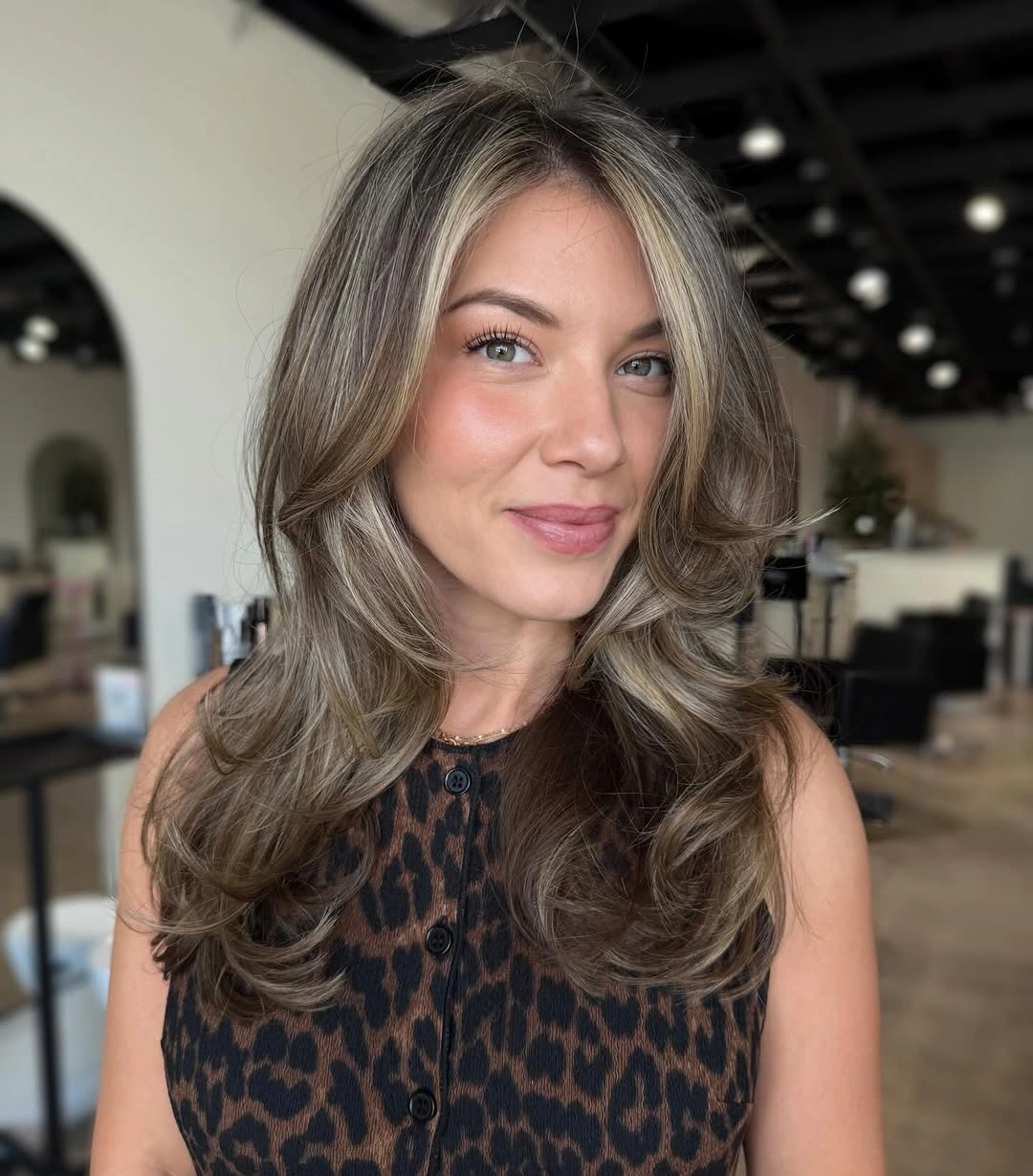
Photo via Instagram
The waves soften the bluntness by breaking the lower edge into small bends instead of letting it fall perfectly straight. Even with that movement, the overall perimeter still reads as compact and shoulder-length, not as a long layered cascade. The back view also shows how the paler strands create texture across the surface without requiring a strong fringe or front detail.
The crispness comes from the meeting of short length, pale color, and a clear bottom line. Compared with the flowing long cuts, this one makes its point through a controlled edge softened by wave.
9. Silver White Waves With Dark Contrast
This long cut turns silver-white color into the main way the wave pattern is seen from the back. The cool light sections spread across the upper and middle lengths, while darker pieces remain visible near the lower edges and underside. That contrast makes the hair read in layers of light and shadow, even before the exact end line becomes the focus.
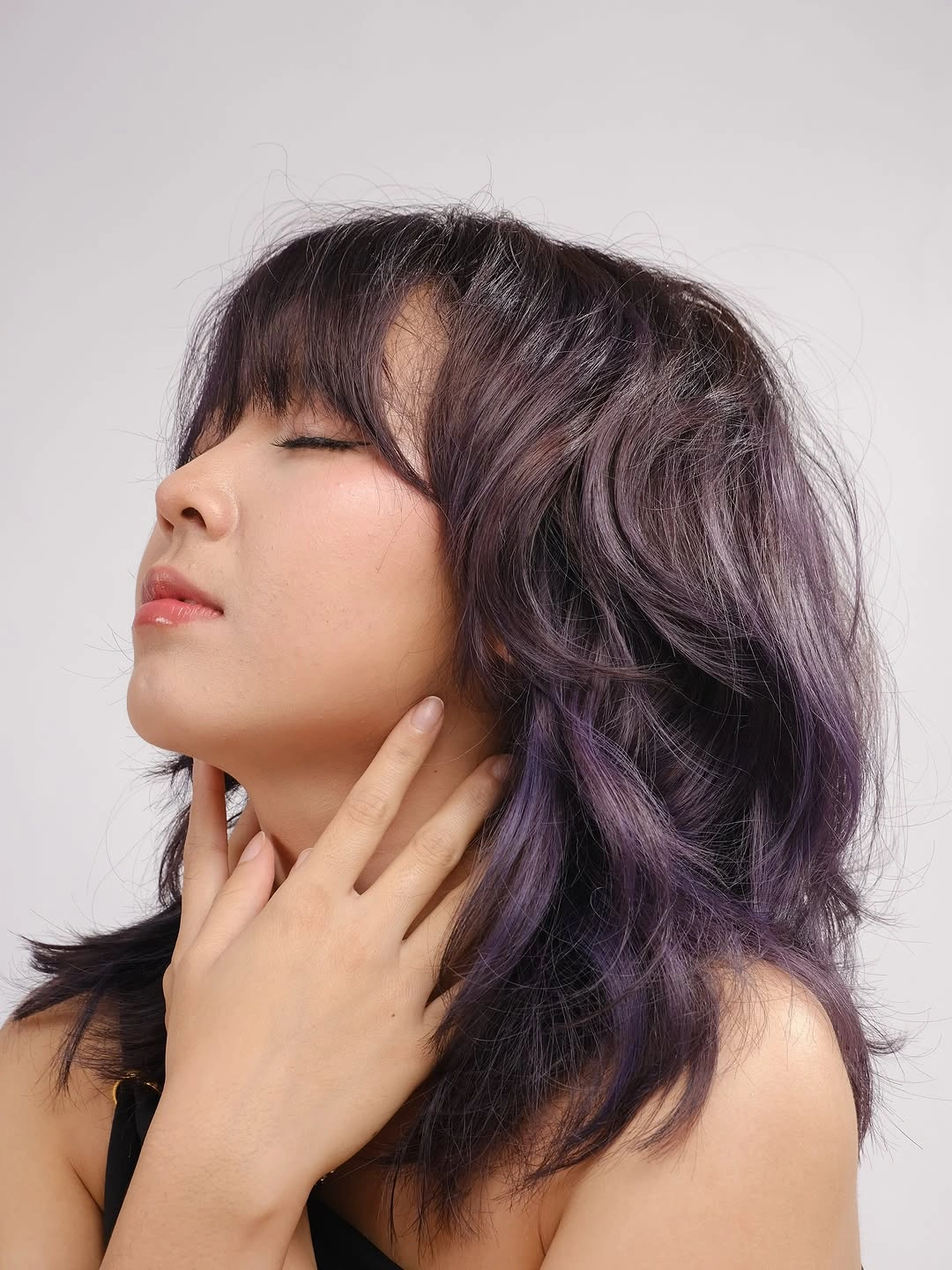
Photo via Instagram
The waves fall in loose vertical curves, with pale strands bending over darker sections and creating a stronger sense of movement. Because the view is from behind, the haircut is less about a face frame and more about how the length spreads across the back. The darker lower pieces keep the silver from looking flat, giving the shape a more graphic finish.
Contrast is the defining feature here, with cool brightness and deeper shadow working together through the waves. The length remains soft, but the color difference gives the haircut a sharper visual edge.
10. Dark Taupe Layers With Front Brightness
This long dark taupe-brown cut returns to a front view, where the center part and lighter face-framing pieces guide the first read. The length falls below the shoulders in loose waves, but the brighter front sections keep the shape from feeling too heavy. Instead of using a strong bang, the haircut opens through long side pieces that curve away from the face and blend into the darker body.
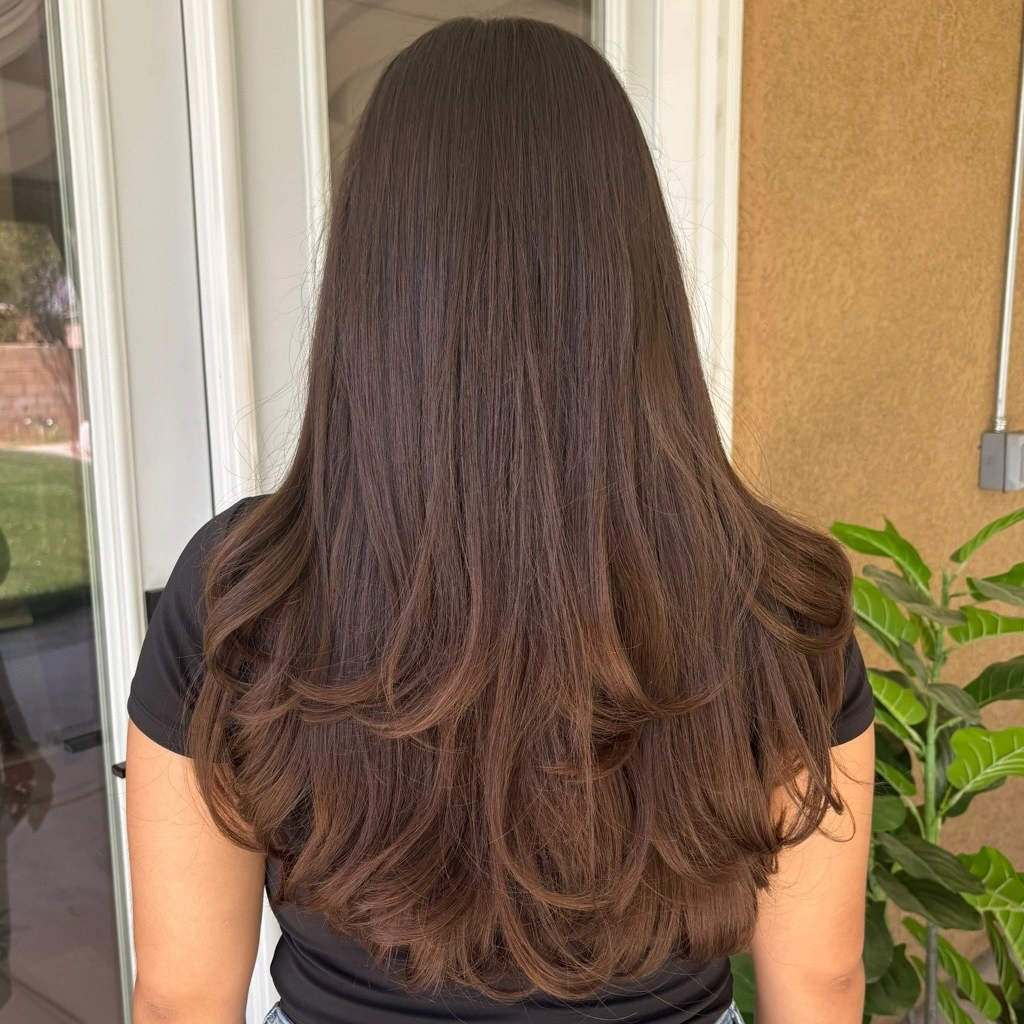
Photo via Instagram
The layered wave direction is clear on both sides, with the front pieces stepping into fuller bends through the lower half. The lighter taupe and beige-brown strands trace those layers, while the deeper base color gives the rest of the cut a soft shadowed background. That relationship between color and cut helps the front framing stay visible without making the whole style look sharply divided.
The taupe tones keep the shape gentle, while the darker length preserves definition. Its strongest detail is the quiet front contrast, where color makes the long layers easier to follow.
11. Highlighted Waves With Layered Depth
This long cut brings attention to length first, with waves falling below the chest and darker roots visible at the top. The center area looks deeper, while the lighter strands travel through the sides and lower pieces, giving the haircut more vertical movement. The front does not rely on a heavy fringe; instead, layered sections open softly beside the face.
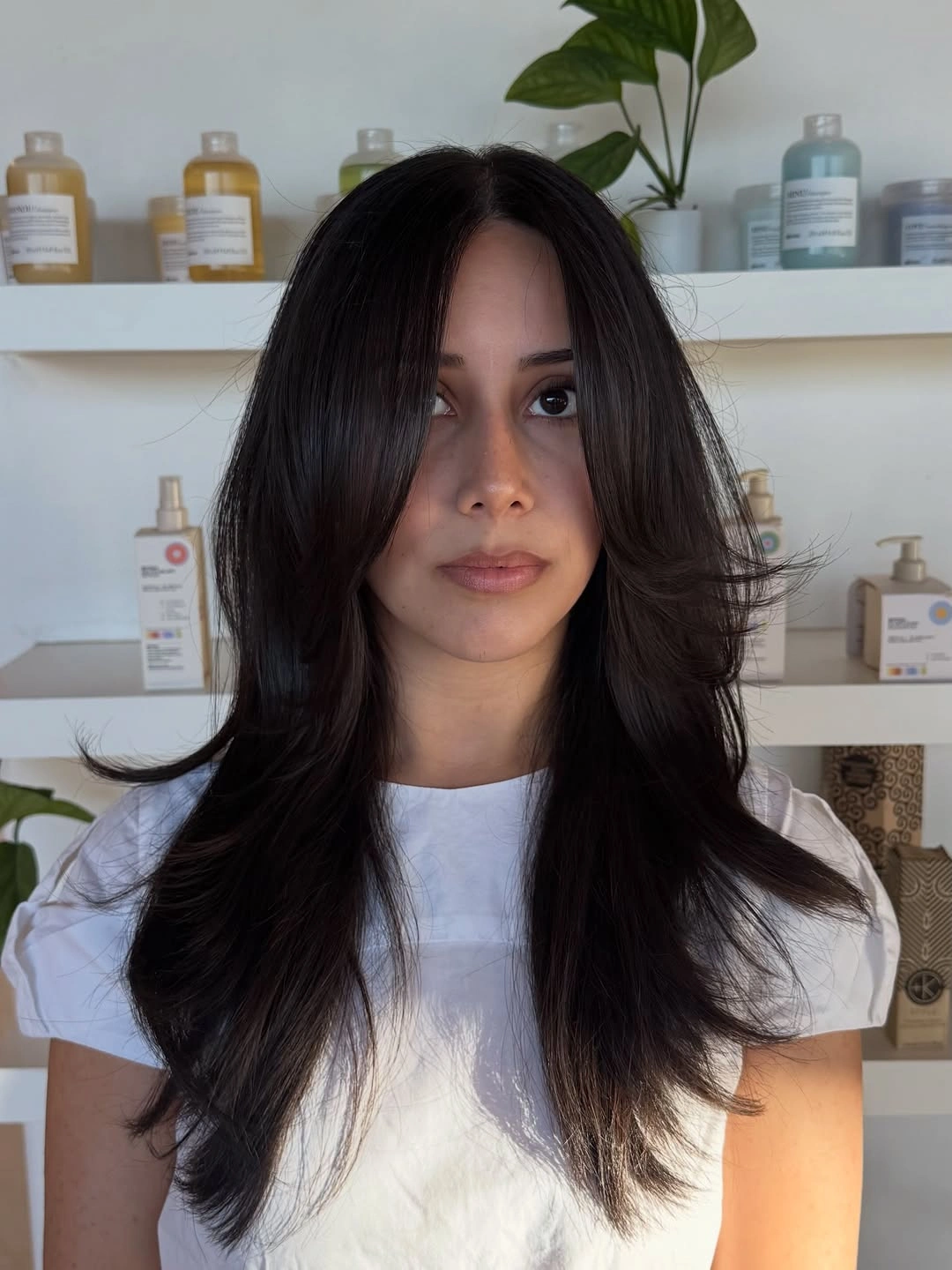
Photo via Instagram
The lighter blonde strands outline the wave pattern, especially where they curve over the darker base and separate into narrow ribbons. Those visible shifts in tone make the layers easier to follow from root area to ends, rather than letting the long hair read as one flat sheet. The waves also vary in width, which adds depth without making the perimeter look choppy.
The main idea here is layered depth inside a long highlighted shape. The darker top gives the lighter pieces a stronger frame, while the waves keep the length moving downward.
12. Short Silver Bob With Airy Bend
This short silver bob makes its impact through cropped length and a clearly visible lower edge. From the side and back angle, the hair sits around the neck with a compact outline that contrasts strongly with the longer cuts before it. The pale color brings attention to the perimeter, so even the softest bends still show against the clean shape.
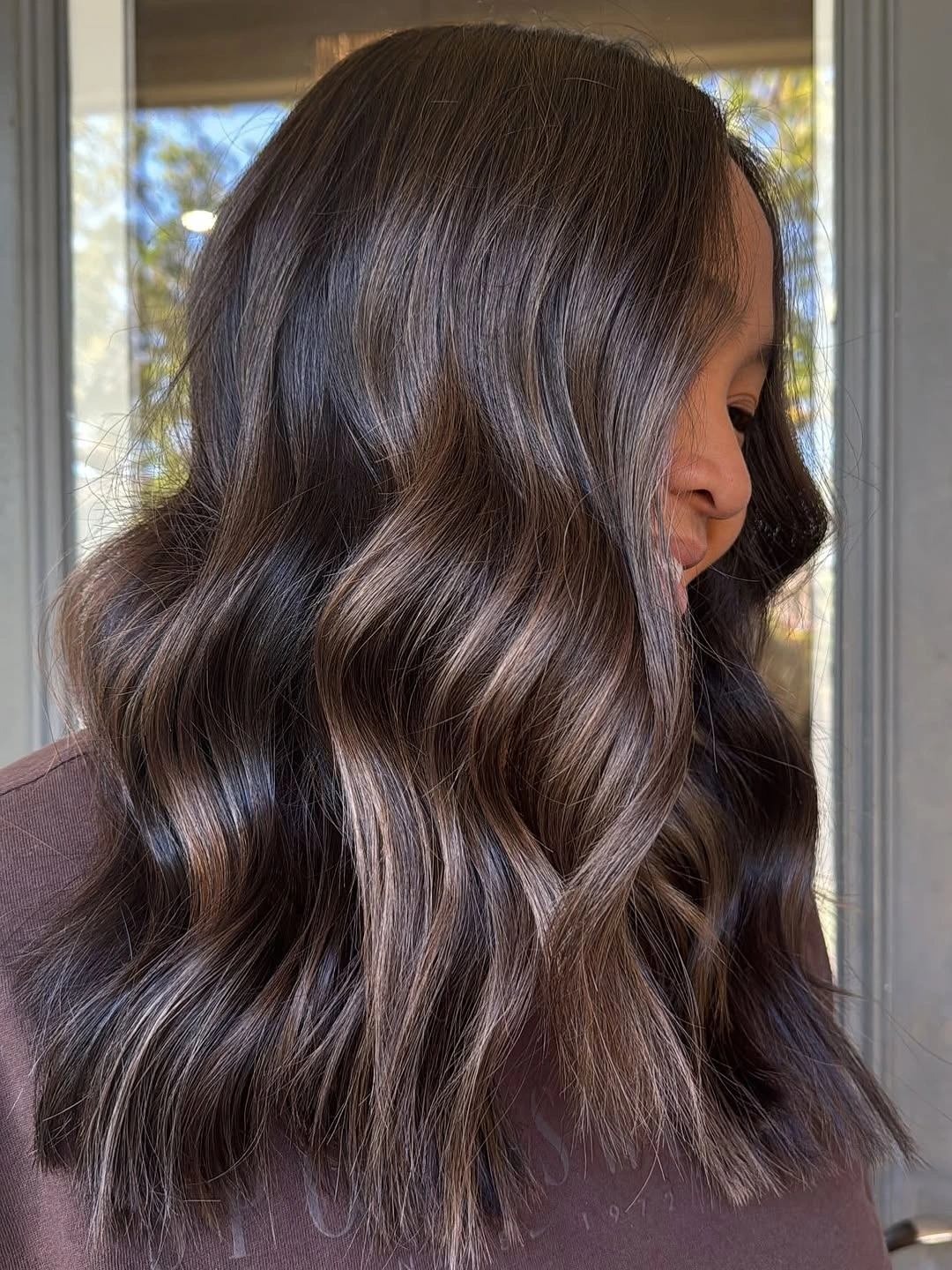
Photo via Instagram
The loose wave through the body keeps the bob from reading as a perfectly straight block. Small bends move across the surface, while the bottom still appears fairly blunt and contained near the neck. Because the hair is short, each change in direction feels more concentrated, and the pale tone makes the curve, edge, and interior texture easy to separate.
The haircut stands out because it is compact without looking flat. Its light color emphasizes the short structure, while the airy wave keeps the edge from feeling rigid.
13. Straight Copper Lob With Blunt Ends
This copper lob shifts the focus to straight fall and a smoother lower line. The back view shows a medium length that reaches past the shoulders, with the ends forming a blunt-looking finish rather than breaking into waves. The color is warm and even enough to make the surface of the cut easy to read from top to bottom.
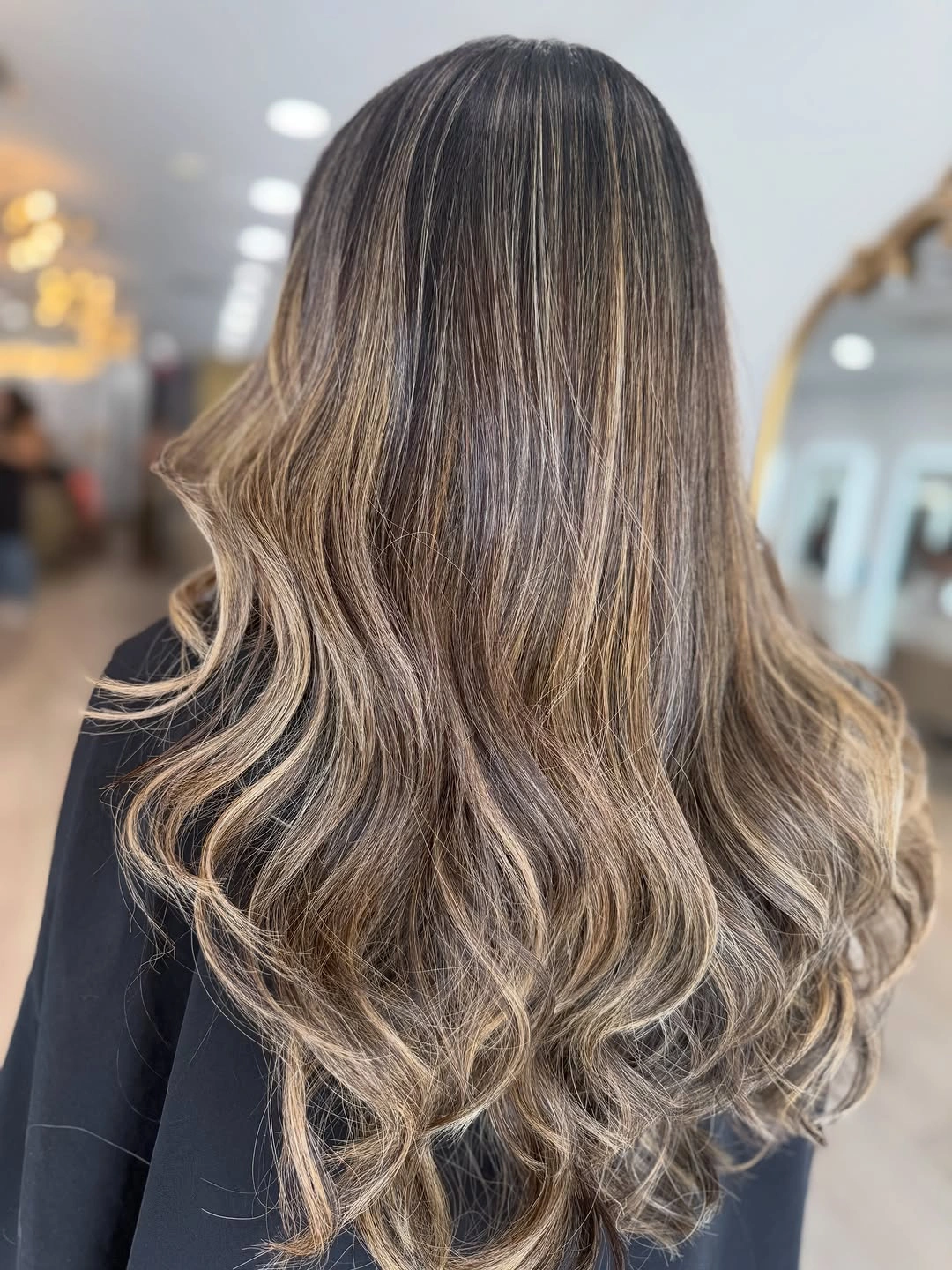
Photo via Instagram
Because the hair is mostly straight, the copper shade reveals the shape without much interruption from curl or bend. The strands fall in a close sheet, and the lower edge becomes the main point of comparison with the softer wave-heavy sections. A slight taper at the very ends keeps the outline natural, but the overall impression is still clean and controlled.
This cut is strongest as a bluntness study. After several wavy shapes, the straight copper length makes the lower line feel especially deliberate and clear.
14. Long Pink Waves With Cascading Shape
This long pink cut is led by color, with saturated pink taking the first visual read before the outline settles into place. The back view shows waves falling well below the shoulders, creating a cascading shape that stays soft despite the bold tone. The center area appears smooth at the top, then opens into wider bends through the middle and ends.
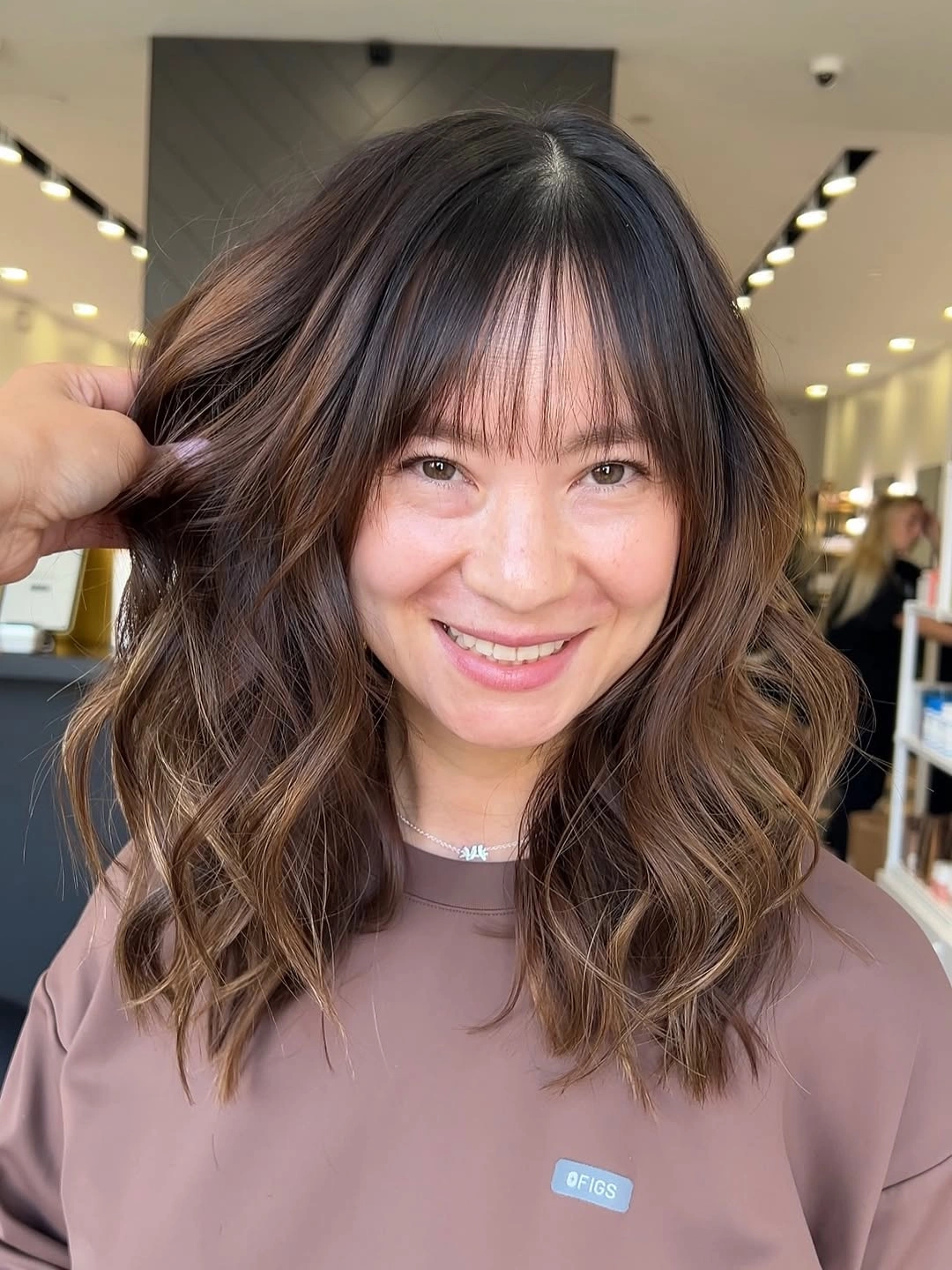
Photo via Instagram
The wave rows create movement down the back, with darker and lighter pink areas shifting as the hair curves. Because the length is generous, the color has enough space to move from the crown into the lower sections without feeling abrupt. The ends separate into softer pieces, which keeps the bright shade from becoming a hard block of color.
The drama here comes from the pink tone, but the loose outline softens it. The cut remains long and flowing, with the waves giving the color a rounded, wearable shape in the photograph.
15. Dark Butterfly Layers With Curtain Bangs
This dark layered cut builds its shape around curtain bangs and lifted front pieces. The fringe opens from the center, then blends into longer sections that curve along the sides before dropping into fuller length. The haircut has a butterfly-like feeling because the upper layers spread outward while the lower hair keeps a longer, heavier base.
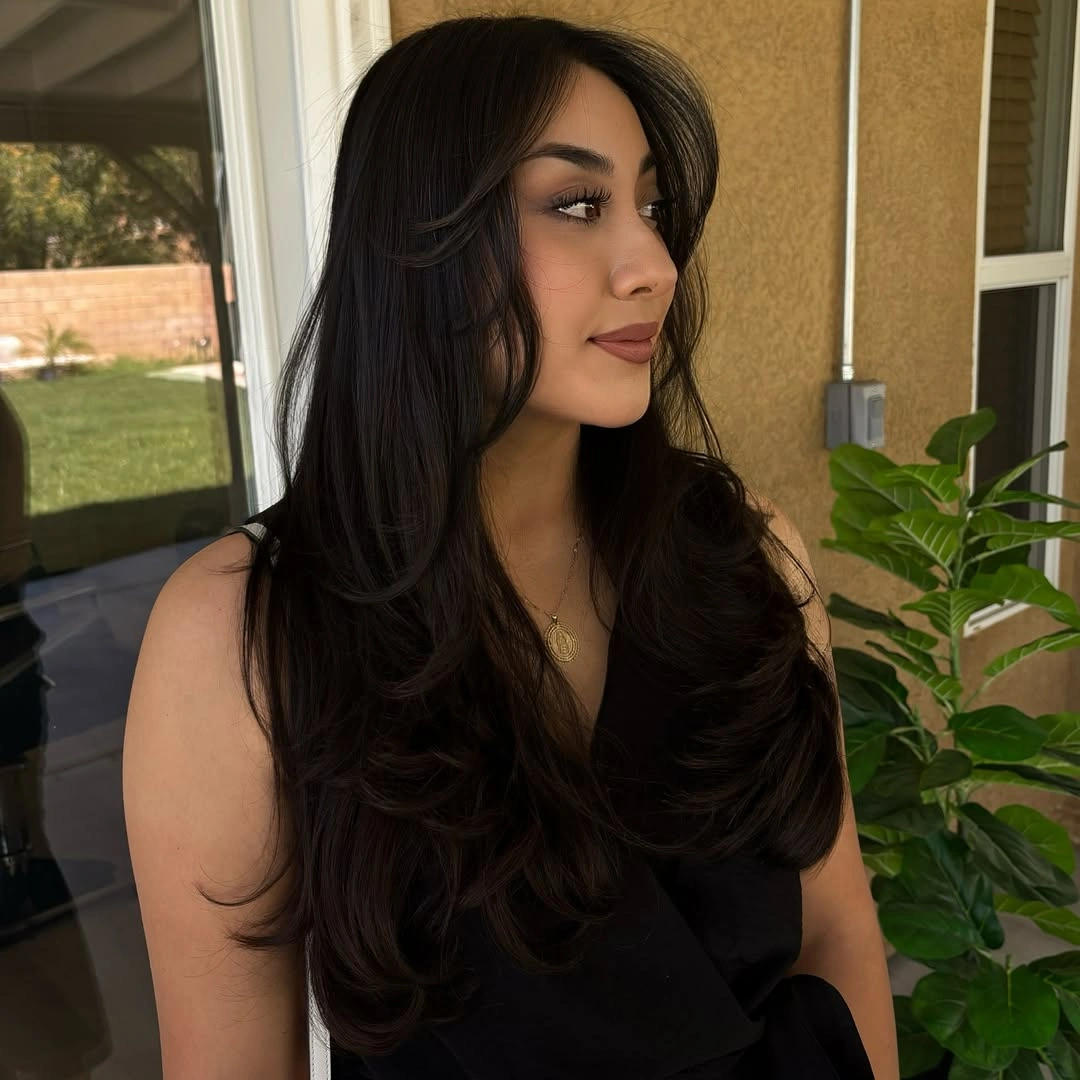
Photo via Instagram
The lower curves are broad and rounded, giving the cut a tiered look without relying on light color to show every separation. Dark brown tones make the silhouette read through shadow, shine, and shape, so the layered architecture appears in the way the ends bend rather than in obvious color contrast. The front pieces also add movement near the shoulders, where shorter layers turn away from the center.
The strongest feature is the relationship between the curtain bangs and the longer curved layers. The dark color keeps the look cohesive, while the cut itself creates the visible lift and sweep.
16. Deep Dark Layers With Shadowed Face Framing
This long dark cut uses shadow and direction as its main haircut story. The hair falls well below the shoulders, with a sweeping front section crossing near the face before blending into the longer body. Because the color is very deep, the shape is read through the curve of the layers, the angle of the front pieces, and the soft bend through the lower length.
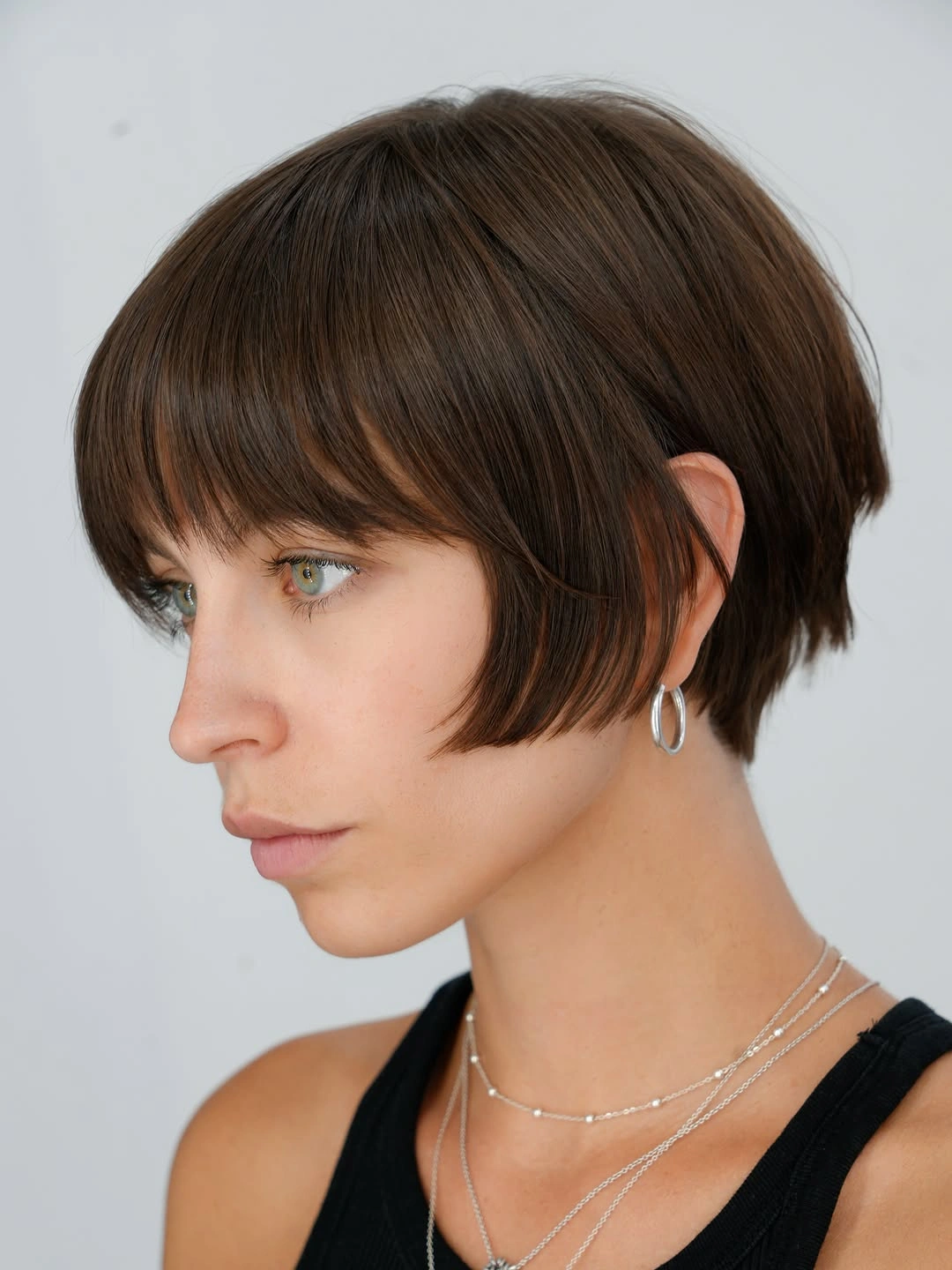
Photo via Instagram
The wave direction moves downward in a controlled way, with the front layer creating a strong diagonal before the rest of the hair settles into longer sections. The lower outline looks full and continuous, but the layered pieces prevent the dark length from becoming one solid block. Light catches only in narrow areas, so the haircut depends on silhouette more than bright contrast.
The dark color keeps the shape cohesive and dramatic without needing visible highlights. Its clearest detail is the face-framing sweep, which gives the long length movement at the front.
17. Warm Copper Layers With Lower Sweep
This warm copper cut returns to long layered waves, but its focus is fuller lower movement rather than the airy face frame seen earlier. The hair falls past the shoulders with a rich red-copper tone that makes the curved sections easy to follow. The front opens softly from the center, while the lower layers create the broadest and most visible sweep.
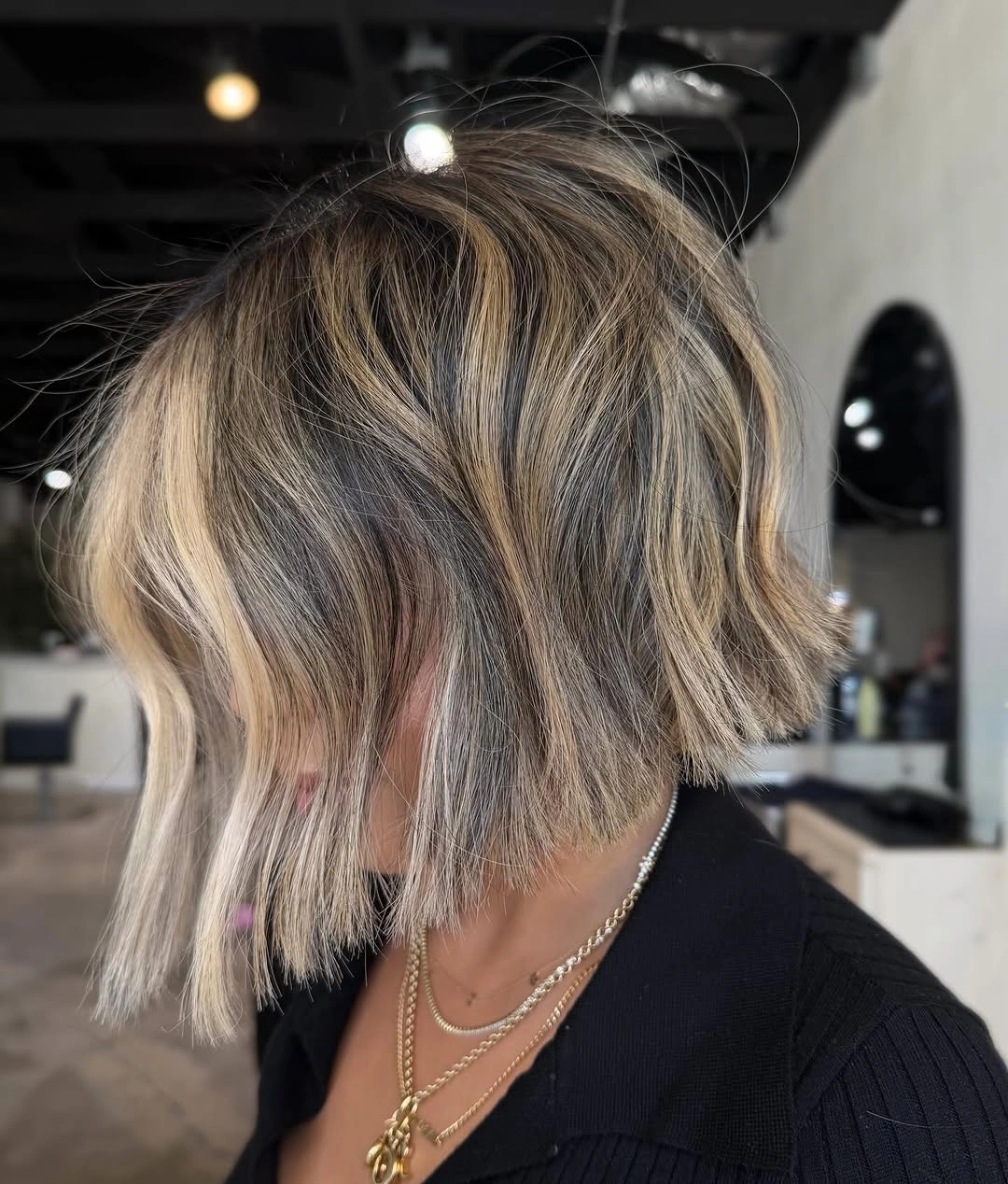
Photo via Instagram
The layered curves build volume through the mid-lengths and ends, where the waves turn outward and then settle back into the longer body. The color adds warmth across the whole shape, but the haircut still reads through the roundness of the layers and the way the ends stack visually. The lower half feels denser than the first copper look, giving this section a more grounded shape.
The distinction is in the fuller layered fall, not just the copper color. The cut uses long curves and a soft lower outline to make the length feel generous and rounded.
18. Dark Curtain Fringe With Broad Layers
This dark brunette cut uses curtain fringe to open the upper shape before the length drops into broad layers. The bangs part softly near the center and sit close to the eyes, then connect into side pieces that curve outward around the shoulders. The long body keeps a dense appearance, but the lifted front stops the shape from reading as one heavy mass.
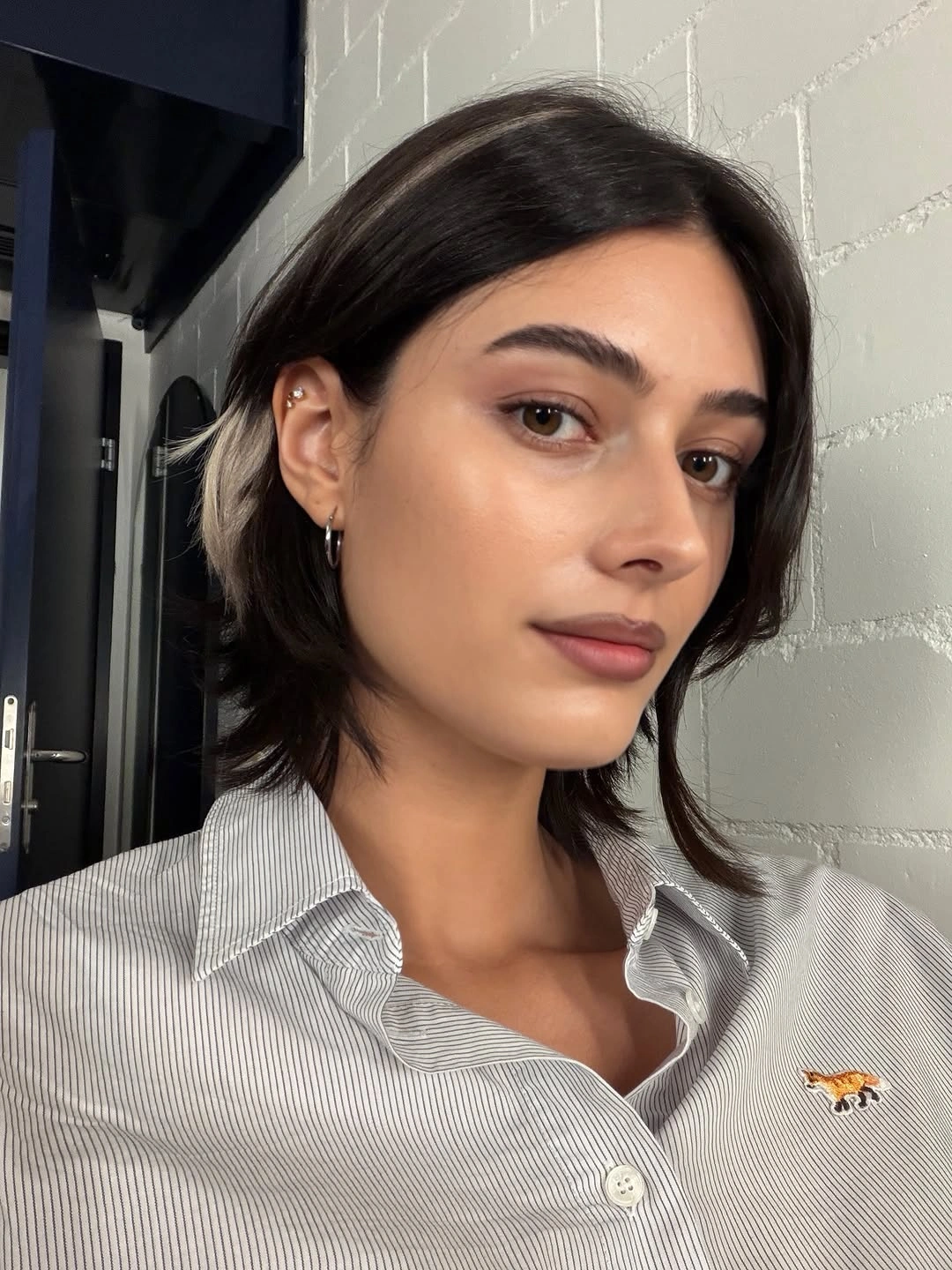
Photo via Instagram
The lower movement is wide and tiered, with curved ends forming a rounded frame below the collarbone. Unlike the earlier dark layered cut, this one feels more concentrated in the relationship between the fringe and the heavy brunette length beneath it. The side pieces guide the eye from the shorter front into the broader bottom, making the haircut read as an organized layered shape.
The darker brunette density gives the cut a strong, cohesive surface. Its main contrast comes from the soft curtain fringe against the fuller, curved lower layers.
19. Beige Blonde Volume In Rounded Layers
This long beige and dark blonde cut is built around volume, with the hair expanding outward before dropping into rounded layers. The front view shows a full shape on both sides, and the lighter pieces around the upper length make the movement more visible. Instead of depending on a clear fringe, the haircut reads through width, lift, and the curved way the layers sit around the shoulders.
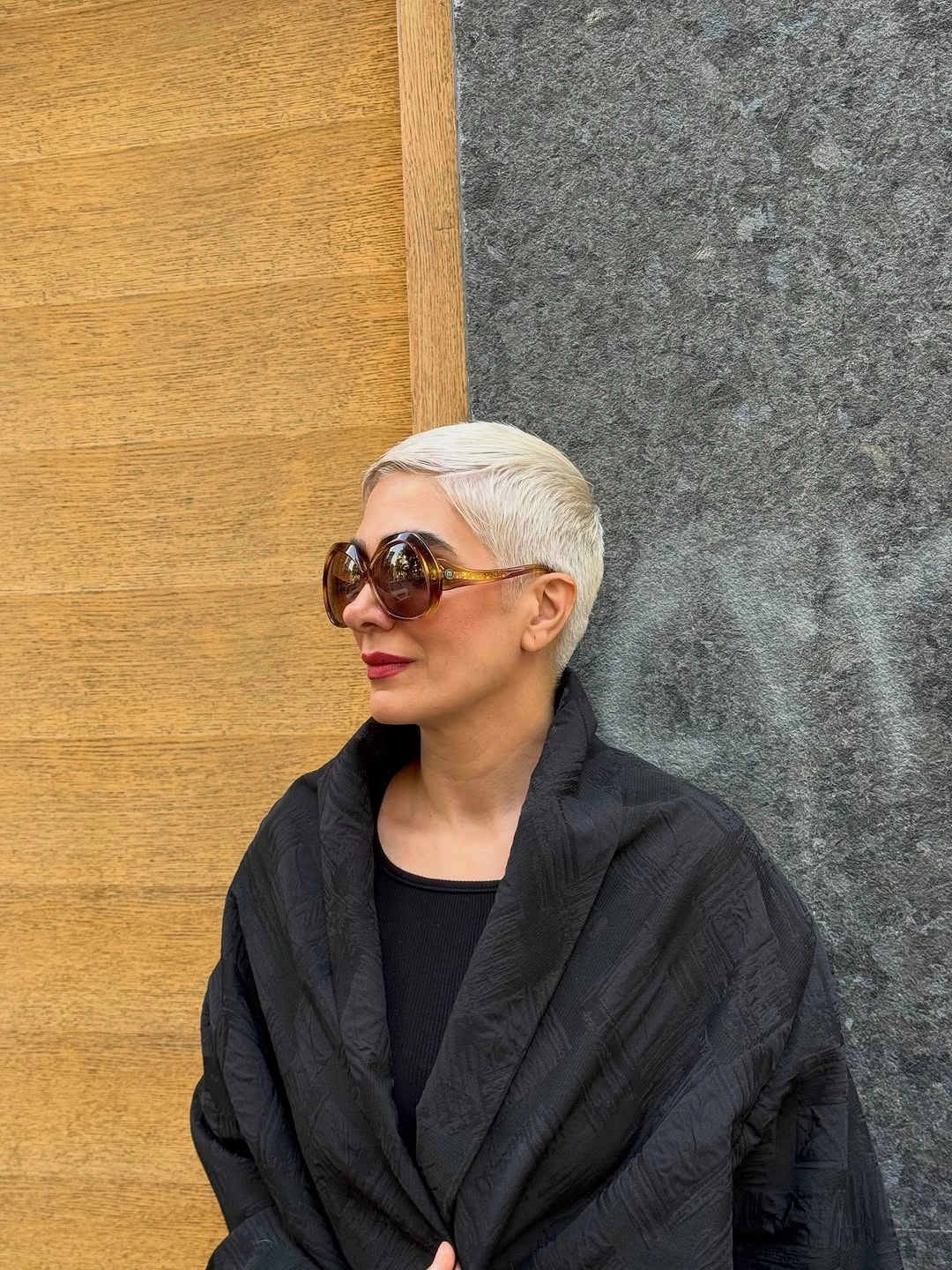
Photo via Instagram
The rounded layers create a soft, full outline, especially where the lighter beige strands bend over darker sections underneath. The color variation helps separate the pieces without turning the cut into sharp stripes, so the volume remains the strongest feature. Each side has a lifted shape near the front, then a fuller roll through the lower length.
This haircut’s structure comes from fullness rather than bangs or a blunt edge. The beige-dark blonde mix makes the layered curves visible while keeping the overall outline soft.
20. Peach Bob With Blue Gray Contrast
This short peach-copper bob is defined first by its compact edge and side-view shape. The length sits around the jaw and neck area, with a smooth outline that bends lightly at the ends instead of falling into long waves. The warm peach base gives the bob a bright surface, while the cropped length keeps the haircut visually contained.
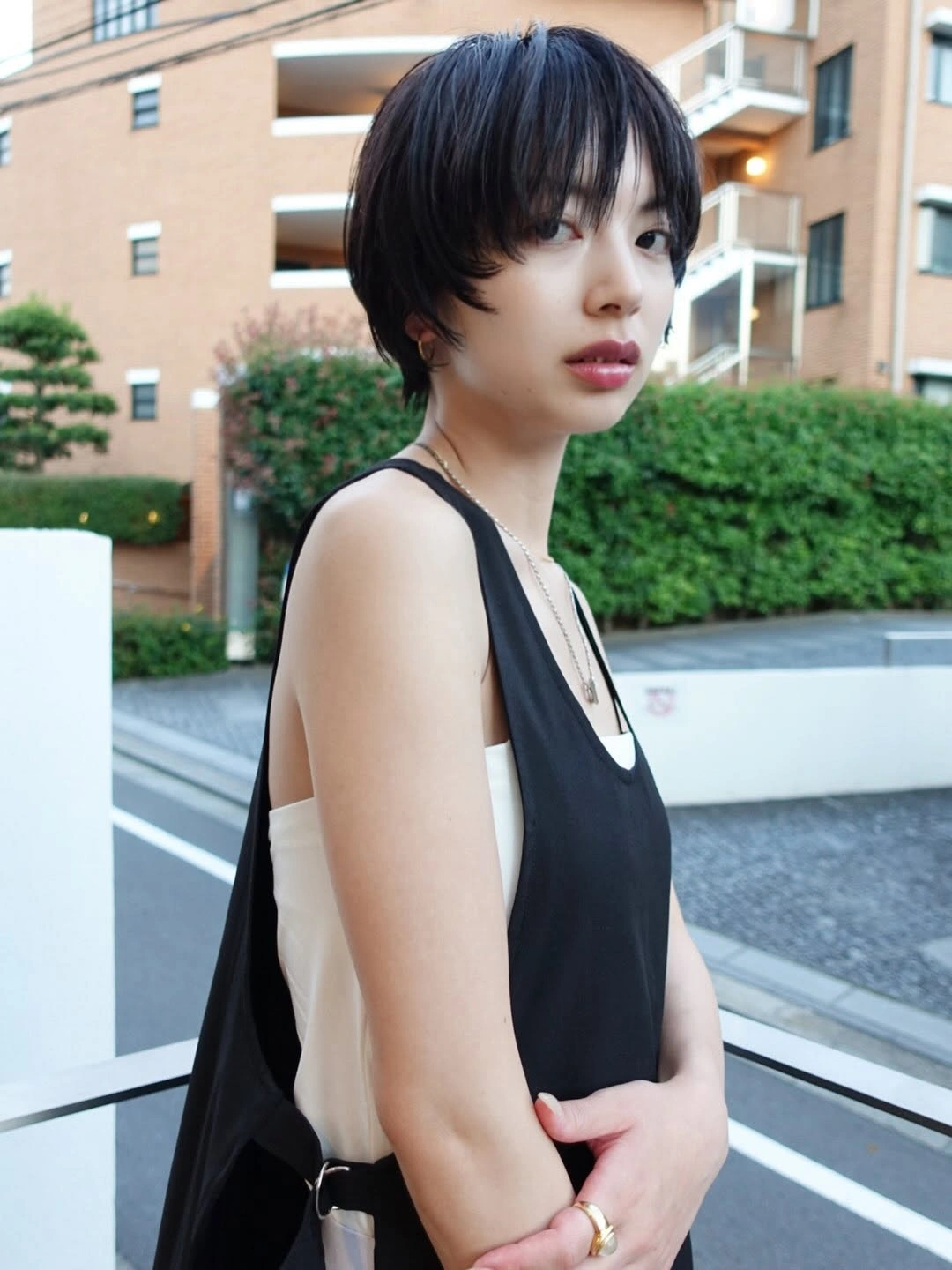
Photo via Instagram
The blue-gray contrast section changes how the haircut is read because it interrupts the peach color near the side and lower edge. That visible panel draws attention to the bob’s perimeter, making the short length and angled side view feel more graphic. The color difference also separates the front and side areas, so the cut’s compact shape becomes easier to notice.
The section is strongest as a factual cut-and-color relationship. The bob remains short and softly bent, while the blue-gray panel adds a clear visual break within the warm peach outline.
21. Warm Bronde Waves With Soft Layers
This long warm bronde cut closes the range with a calm layered shape rather than a sharper edge. The hair falls past the shoulders in soft waves, and the center part keeps both sides balanced as the lighter beige-brown pieces curve near the front. The tone is warm without becoming copper, so the length reads as gentle, rounded, and softly dimensional.
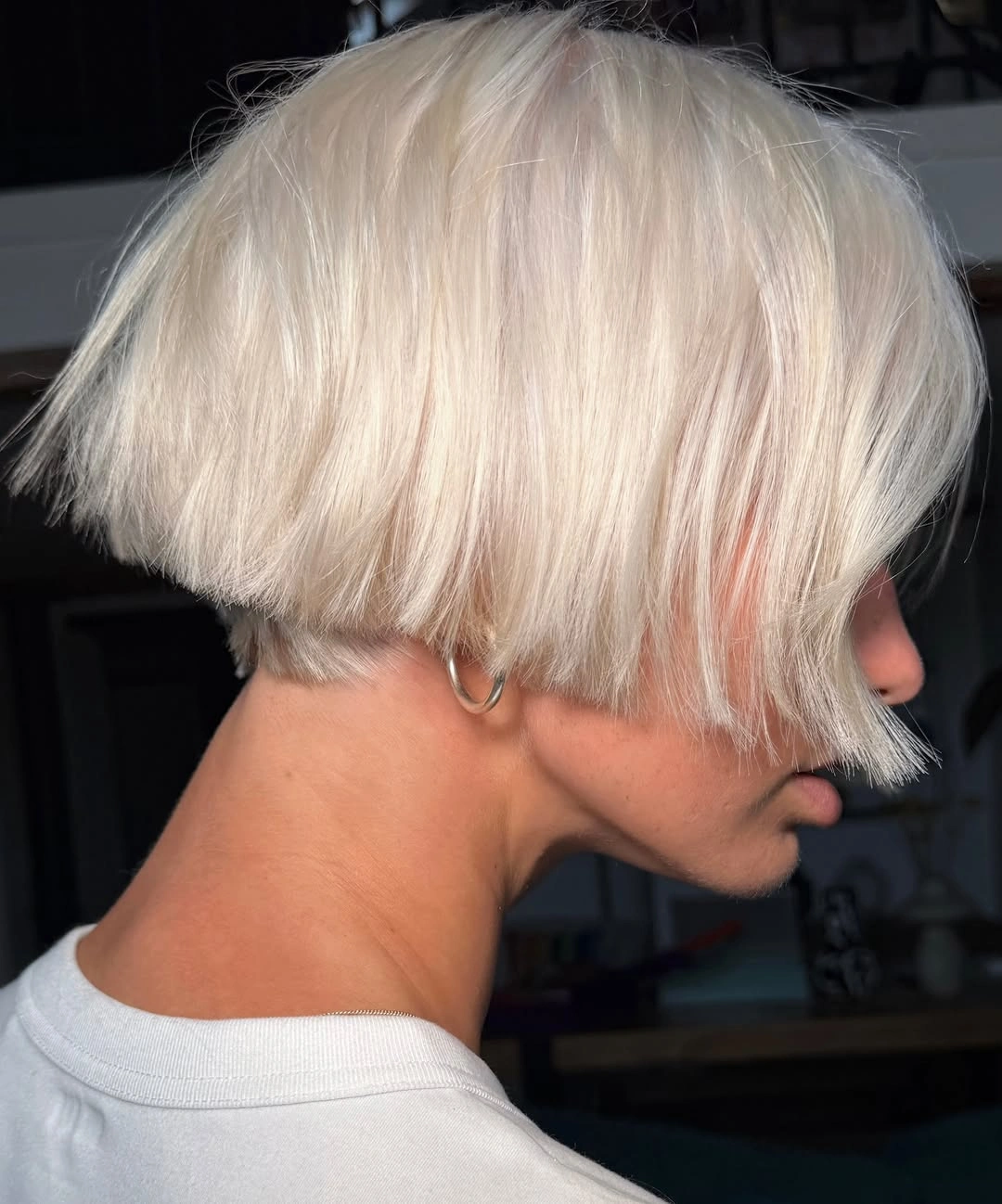
Photo via Instagram
The layers are most visible where the front pieces bend away from the face and then connect into fuller waves through the lower half. Each side has a smooth fall from the part into broader movement, with the ends turning slightly instead of forming a blunt line. The beige and brown variation helps separate the curves, but the overall haircut remains quieter than the high-contrast and brighter color sections.
Its distinct role is a softer long shape built on warmth, length, and controlled wave. The cut does not depend on bangs or a strong cropped perimeter, because the layered movement already gives the hair its outline.
22. Rounded Brunette Bob With Curtain Fringe
This short dark brunette bob finishes on compact structure, with the perimeter sitting close to the jaw and neck area. The side view shows a rounded outline that curves around the head, while the soft curtain fringe opens at the front and blends into the sides. The length is cropped enough for the shape to feel contained, but the fringe keeps the front from looking too solid.
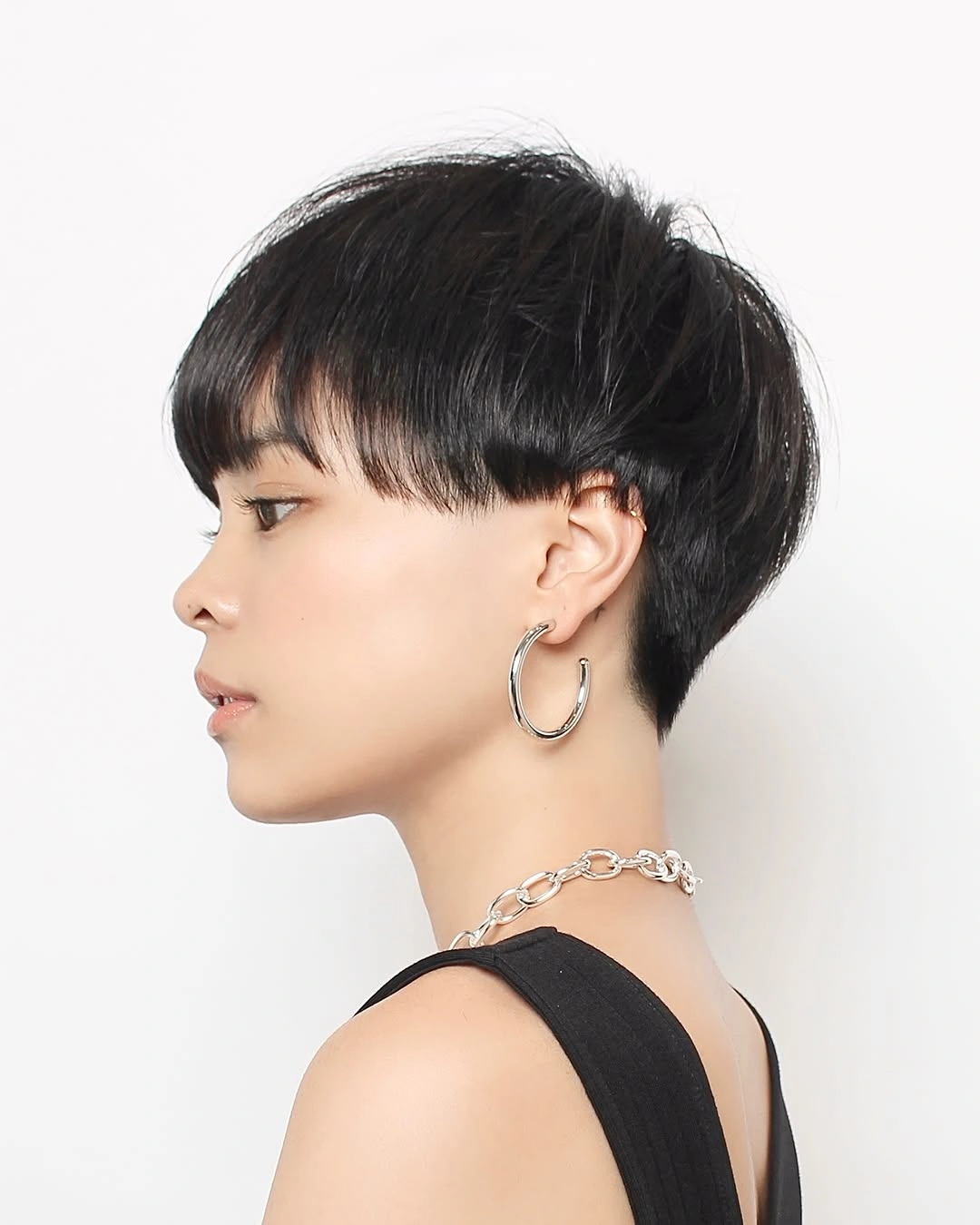
Photo via Instagram
Rounded volume is the main visual feature, especially through the crown and side where the dark hair forms a smooth curved surface. The fringe pieces fall lightly across the forehead and then sweep toward the cheek, connecting the front to the fuller side shape. Because the tone is deep brunette, the haircut reads through silhouette, shadow, and curve rather than through obvious color separation.
Against the longer layered range, this bob creates contrast through its compact perimeter and rounded body. The curtain fringe softens the short shape while still letting the bob remain clearly structured.