You know the feeling: a task sits on your to-do list, and the more you avoid it, the heavier it feels. Procrastination isn’t about being lazy. It’s a psychological response to tasks that feel overwhelming or unpleasant. This article breaks down why we procrastinate and walks you through practical, research-backed strategies to break the cycle and get moving again.

Key Takeaways
- Procrastination is driven by emotional regulation, not laziness or poor time management.
- Break large tasks into small, concrete steps to reduce the feeling of threat.
- Practice self-compassion after a slip-up to avoid deepening the procrastination cycle.
- Use the Pomodoro Technique (25 minutes work, 5 minutes break) to create structured focus.
- Identify your peak productivity hours and schedule important tasks during that time.
1. What is Procrastination and Why Do We Do It?
Procrastination is not laziness. It is delaying a task even when you know the delay will bring negative consequences, and it is driven by how you regulate your emotions, not by a lack of effort. Tasks that feel overwhelming, unpleasant, or ambiguous trigger a protective response, fear of failure or perfectionism, for example, that makes you avoid them. Recognizing this psychological root is the first step toward breaking the cycle and finding strategies that actually work.
2. The Psychology Behind Why We Procrastinate
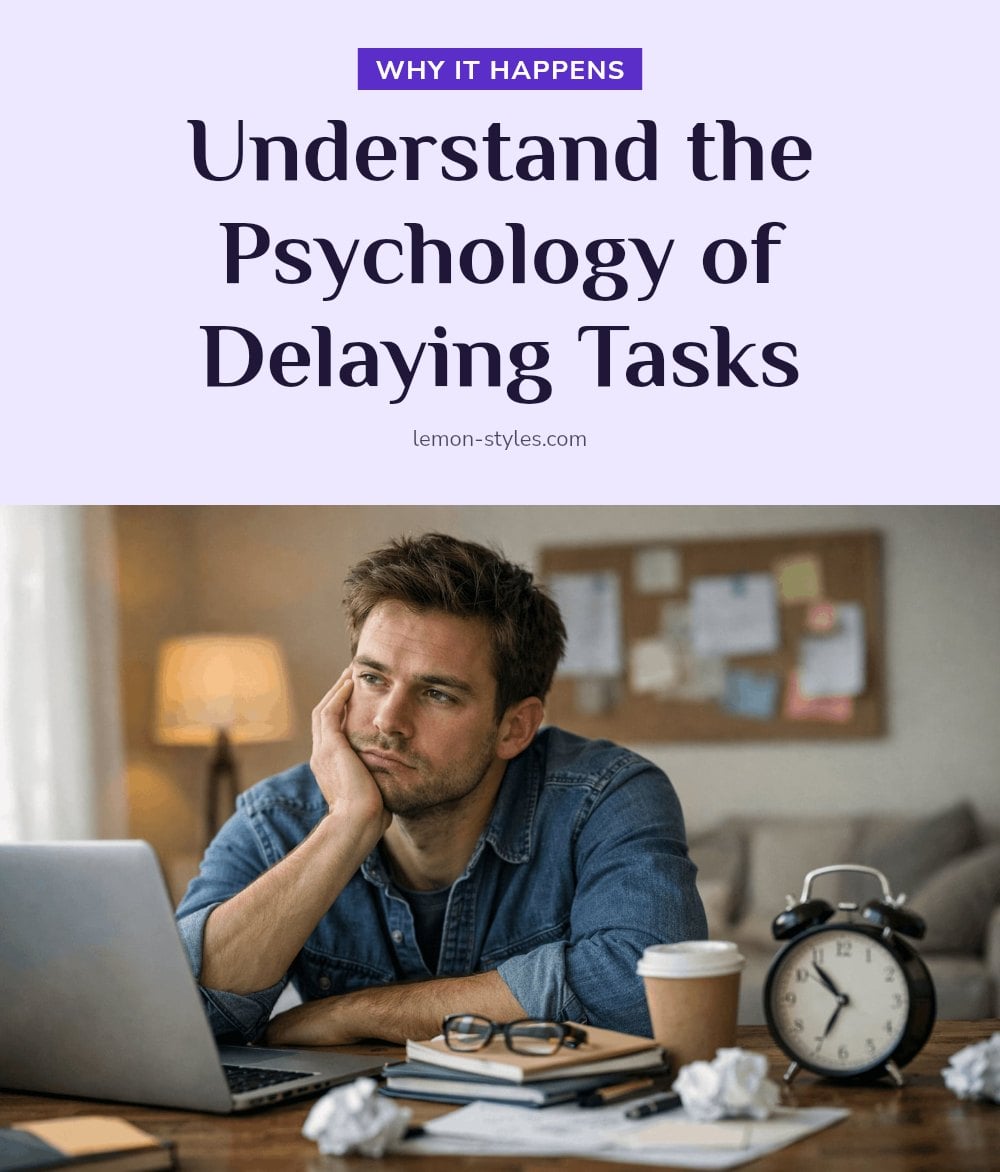
Procrastination often starts with poor emotional regulation. You delay a task to sidestep the negative feelings it stirs up, such as anxiety, boredom, or frustration. Perfectionism makes this worse: the fear of not meeting impossibly high standards can freeze you before you even begin.
Why your brain holds onto unfinished tasks
The Zeigarnik effect explains that unfinished tasks stick in your memory far more than completed ones. This constant mental reminder adds to the burden and keeps you in a loop of avoidance. Meanwhile, you tend to overestimate how motivated you will feel later and underestimate the distractions that will grab your attention right now. That gap between expectation and reality is where procrastination thrives.
3. Practical Methods to Conquer Procrastination
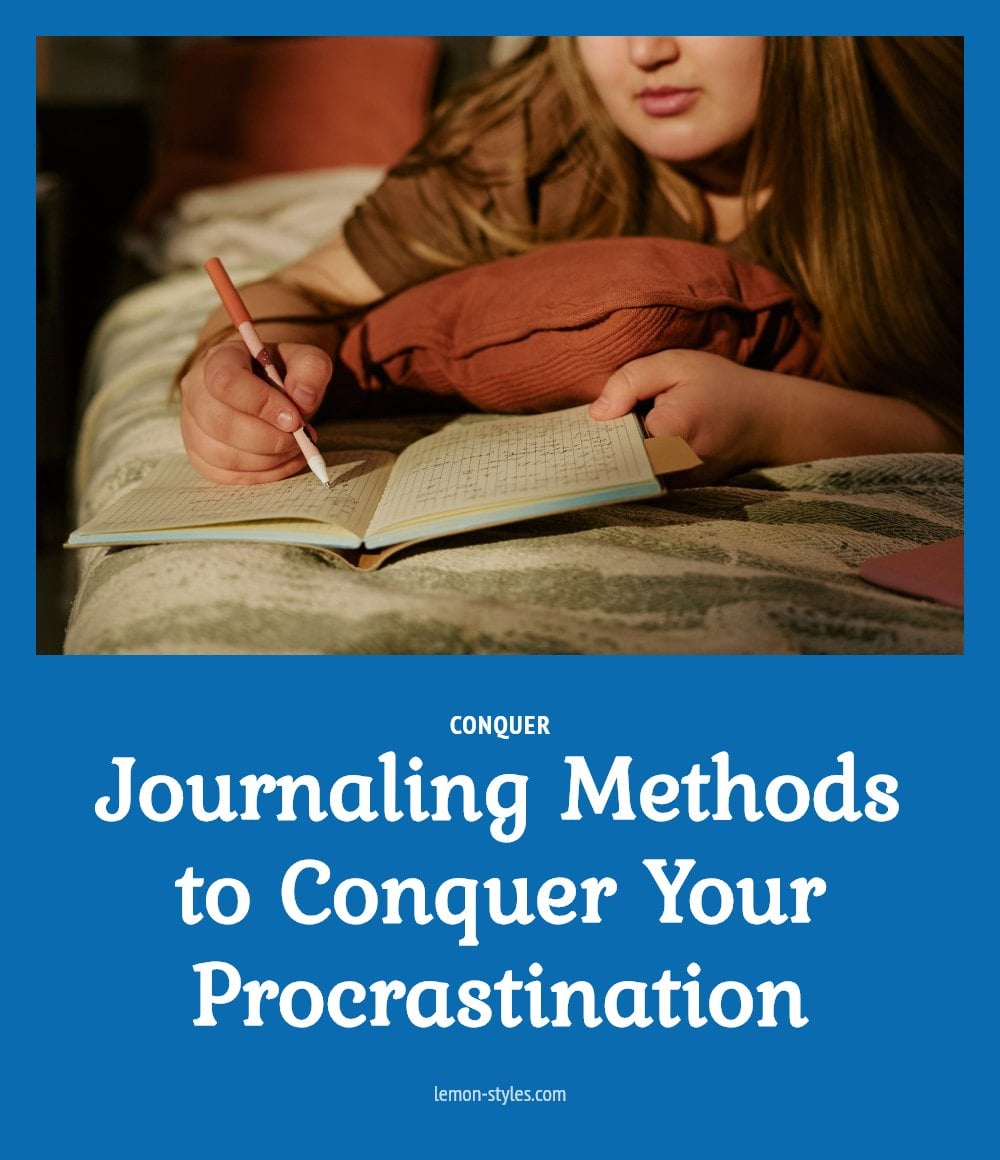
Breaking the cycle requires practical strategies that address the emotional and behavioral roots of procrastination. Here are the methods I have found most effective.
Break tasks into smaller pieces
A large, vague task feels threatening. Slice it into concrete, manageable steps, for example, “write outline” instead of “finish report.” Each small step lowers the perceived threat and makes starting easier.
Journal about the stress
Write down exactly why a task feels stressful. Is it fear of failure, boredom, or lack of clarity? Naming the specific concern helps you address it directly rather than avoid it.
Remove nearby distractions
Your phone, open browser tabs, and clutter all invite impulsive procrastination. Clear your immediate workspace of anything that competes for your attention before you begin.
Practice self-compassion
Forgive yourself for past delays. Self-criticism intensifies negative emotions and makes the task feel even more threatening. Instead, plan for improvement and move forward.
Use the two-minute rule
If a task takes less than two minutes, do it right away. Answering an email, putting away one item, or setting a timer, these small actions prevent postponement and build momentum.
4. Step-by-Step: Implementing Effective Strategies
- Identify your triggers: Spend a few days observing when and why you delay tasks. Notice patterns, certain times of day, types of tasks, or emotional states. This awareness is your starting point.
- Set SMART goals: Make each goal Specific, Measurable, Achievable, Relevant, and Time-bound. Instead of “work on project,” set “write 300 words of the introduction by 10 a.m.” Clear goals reduce ambiguity and make the task feel doable.
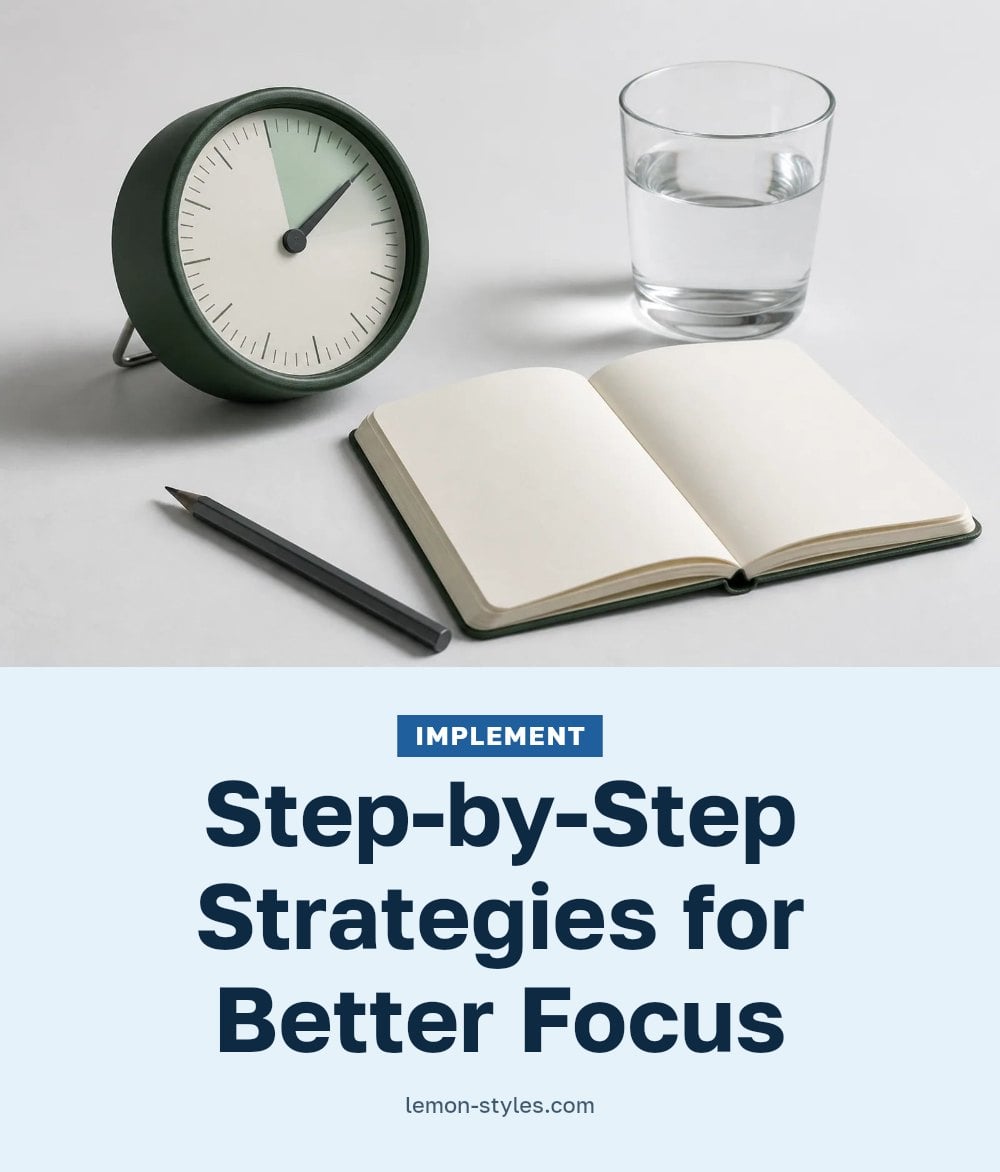
- Use the Pomodoro Technique: Work for 25 minutes, then take a 5-minute break. The short interval lowers resistance, and the timer creates a structured work rhythm that keeps you focused.
- Create a dedicated workspace: Set up a spot free from distractions, no phone, no TV, no clutter. Use it only for focused work so your brain associates that space with concentration.
- Reward yourself: After completing a task, especially a difficult one, give yourself a small reward. A short walk, a cup of tea, or a few minutes of a favorite podcast reinforces positive behavior and boosts motivation for the next task.
Prefer to watch? TED-Ed walks through the whole method in this 6-minute video. The how-to part starts at 0:44.
5. Common Procrastination Mistakes to Avoid
One of the biggest mistakes is believing procrastination is simple laziness. It is a complex psychological habit, often tied to emotional regulation or perfectionism, not a character flaw. Waiting for perfect motivation is another trap. Do not wait for inspiration; start with a small action to build momentum. Overestimating your future motivation is common. Recognize that present distractions are powerful and plan accordingly. Tackling overwhelming tasks all at once is counterproductive. Always break down large tasks into smaller, manageable steps. Being overly critical of yourself increases anxiety. Practice self-compassion to make tasks less daunting.
6. Boost Your Productivity: My Favorite Tips
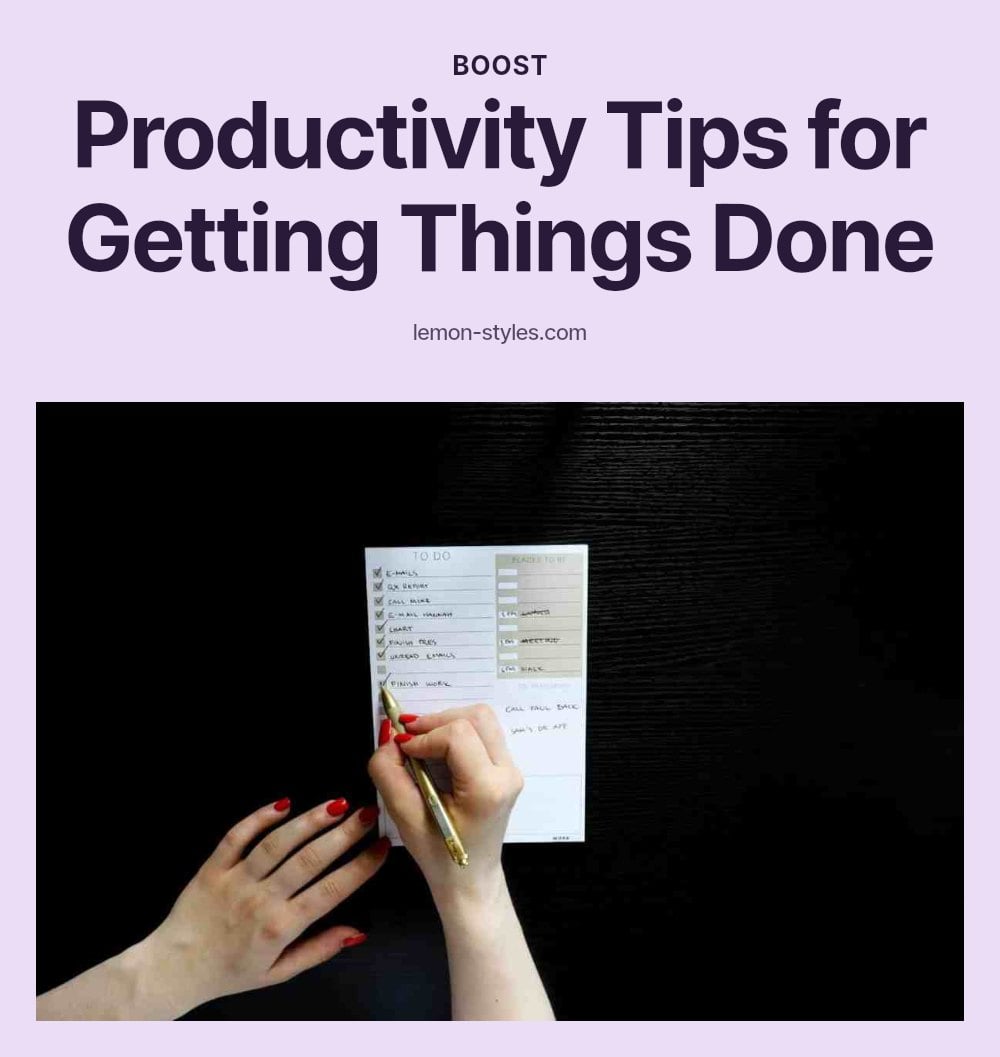
Identify your peak productivity times and schedule your most challenging tasks during those periods when your energy is highest. My tip: practice self-compassion. When you slip up, be kind to yourself rather than critical; it is more effective for getting back on track. Use accountability by sharing your goals with a friend or mentor to create external motivation and commitment. Tackle the hardest item on your list early to build momentum and reduce the dread that fuels procrastination.
7. When to Seek Professional Help for Procrastination
If procrastination severely impacts your daily life, relationships, or mental health, consider therapy or counseling. Persistent, debilitating procrastination can be a symptom of underlying issues like anxiety, depression, or ADHD. A professional can help you explore deeper psychological roots and develop personalized coping strategies that go beyond general advice.
8. Frequently Asked Questions
Is procrastination always a bad thing?
Not necessarily. Responsible time management, deciding which tasks are truly important and which can wait, is different from procrastination. The key difference is whether you are avoiding a task you committed to despite expecting negative consequences. If a delay is intentional and strategic, it’s not procrastination.
Can setting deadlines help with procrastination?
Yes, setting clear, specific deadlines can reduce ambiguity and create a sense of urgency, which helps counter procrastination. For best results, break larger deadlines into smaller intermediate ones for each step of the task. This makes the overall project feel less overwhelming and easier to start.
How can I stay motivated to avoid procrastinating?
Motivation often follows action, not the other way around. Instead of waiting to feel motivated, start with a tiny, easy step, even two minutes of work can build momentum. Rewarding yourself after completing a task, especially a difficult one, can also reinforce positive behavior and keep you going.
What if I procrastinate on fun activities too?
Procrastinating on enjoyable activities is less common but can happen when the activity feels pressured or when you’re overwhelmed by other tasks. It may also indicate burnout or a need to rest. In such cases, giving yourself permission to take a genuine break without guilt can help reset your energy.
Does diet or sleep affect procrastination?
Yes, poor sleep and an unbalanced diet can impair emotional regulation and cognitive function, making it harder to resist the impulse to delay tasks. Prioritizing consistent sleep and stable energy levels supports the self-control and focus needed to overcome procrastination. It’s one of several lifestyle factors that play a supporting role.
9. Final Thoughts
Start with one small, manageable step today, even just writing a single sentence or opening the file you’ve been avoiding. Expect to see reduced stress and improved productivity within a few weeks of consistent practice. Remember, the goal isn’t perfection; it’s progress, one small action at a time.
This article is for informational purposes only and does not constitute medical or professional advice. If procrastination is severely impacting your daily life, relationships, or mental health, please consult a therapist or counselor for personalized support.