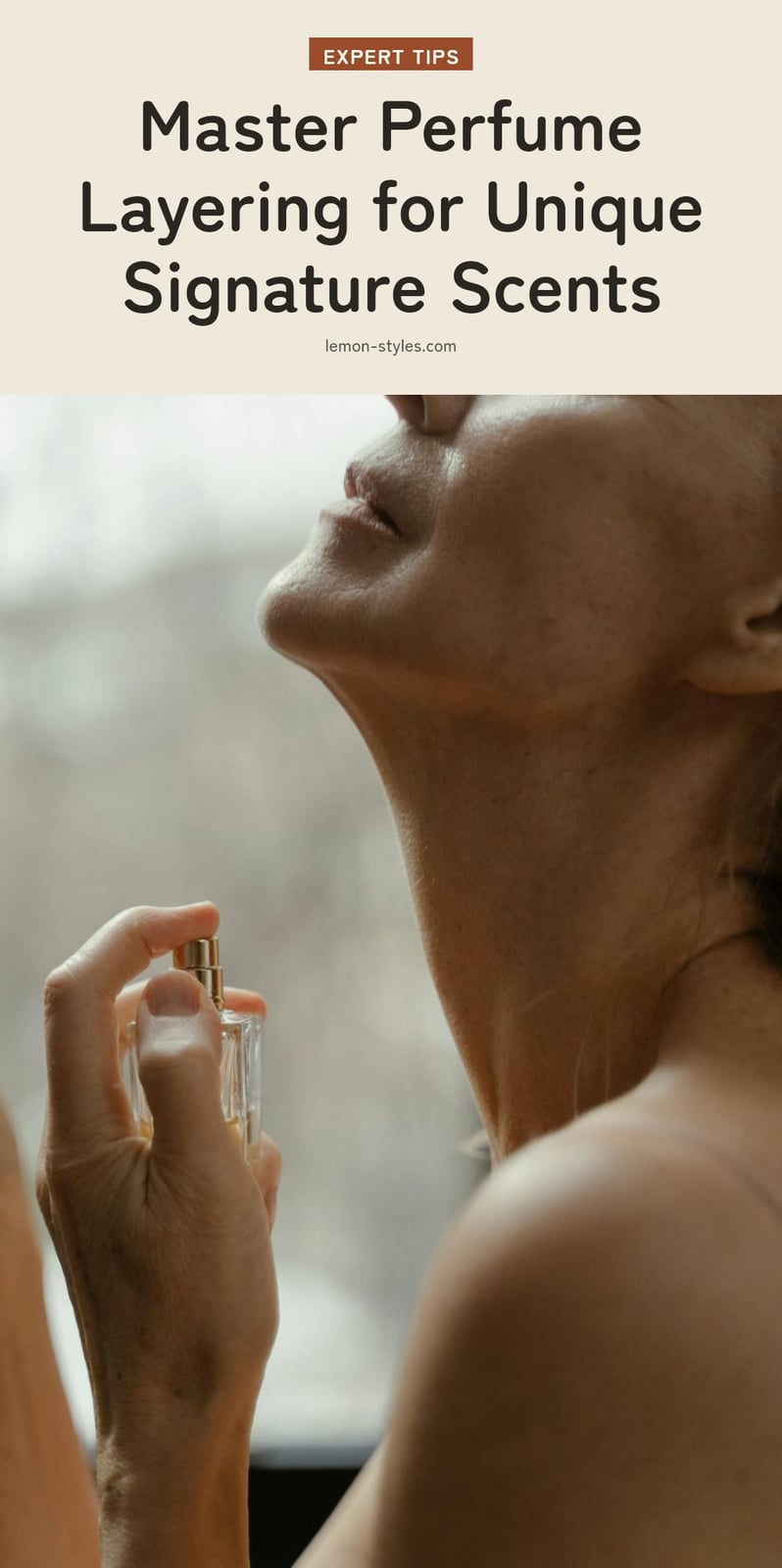
You have a perfume you love, but it fades too fast or feels a little plain on its own. Layering is the fix: combining two or more fragrances to make a scent that is entirely yours. I do it to stretch longevity and add depth, and it takes just a few minutes. This article walks you through the order, the base notes, and the mistakes to skip so your blend smells intentional, not muddled.
Key Takeaways
- Start with a simple base perfume: vanilla for warmth, wood for depth, or musk for a clean, sensual feel.
- Apply body lotion or oil to hydrated skin before perfume; dry skin does not hold scent well.
- Apply heavier, richer scents first, then lighter, fresher ones on top, and let each layer settle.
- Stick to 2-3 fragrances per session; more than that usually turns muddled and overwhelming.
- Test any new combination on a small patch of skin and wait a few minutes before full application.
1. What is Perfume Layering and Why Do It?
Perfume layering means combining two or more fragrances to build a scent that is entirely yours. I love it because it makes my perfumes last longer, adds complexity, and lets me play beyond what a single bottle offers. The trick is applying scents in a specific order: start with a moisturized base, then heavier notes, and finish with lighter ones on top.
2. Your Essential Perfume Layering Toolkit
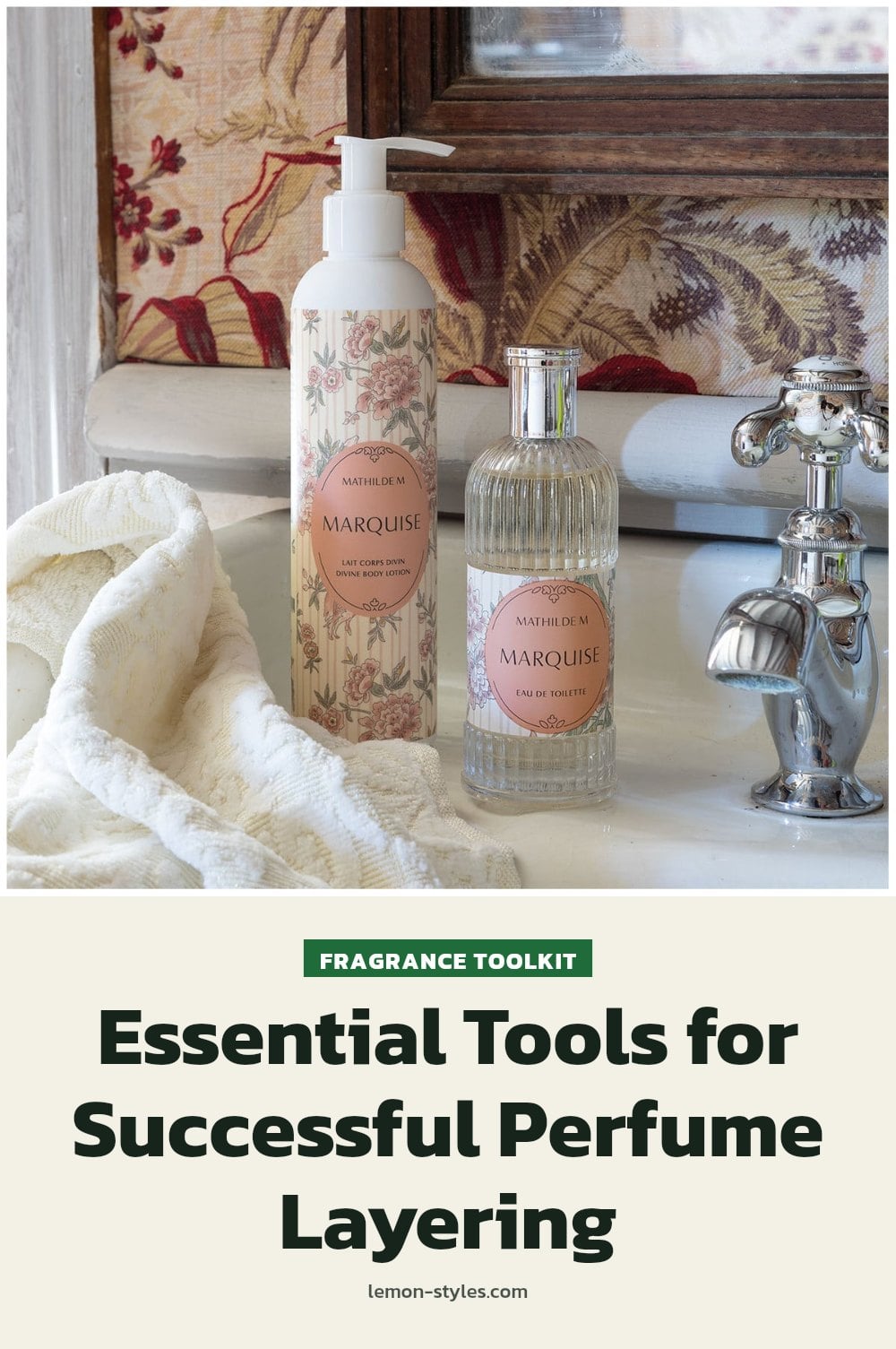
Here is what you might reach for when layering at home.
- Scented body wash: Nice for a matching shower moment, but its scent washes off and does not drive longevity.
- Scented body lotion or oil: Essential. It moisturizes skin and creates a base that holds fragrance longer.
- Fragrance-free moisturizer: A neutral base when you do not want an extra scent competing with your perfumes.
- Eau de Toilette (EDT) and Eau de Parfum (EDP): Different concentrations let you control depth, EDT for lightness, EDP for richness.
- Perfume oil or solid perfume: Great for pulse points and targeted, concentrated application.
- Alcohol-based perfumes: These provide projection and create a scent bubble around you.
3. Step-by-Step: How to Master Perfume Layering for Lasting Scent
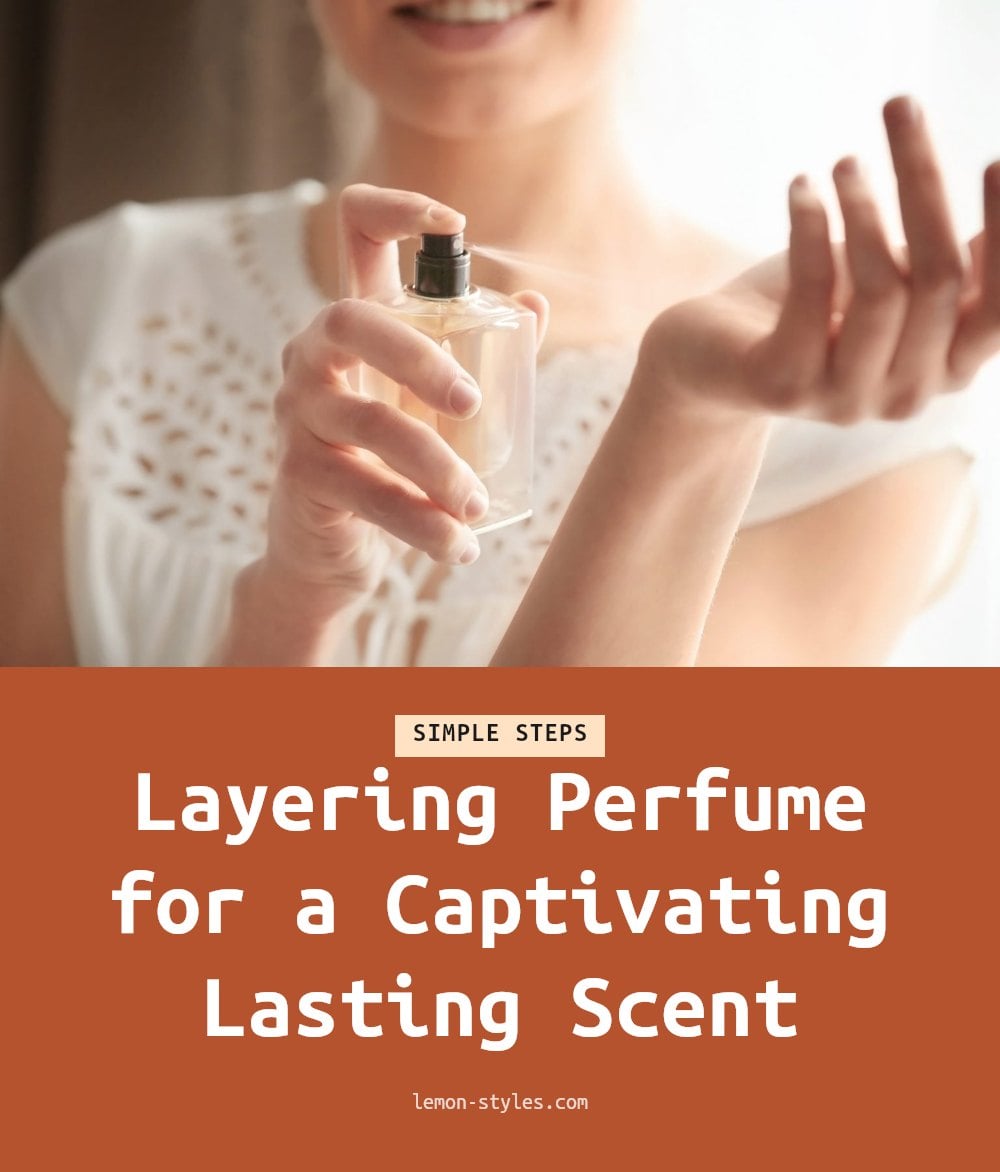
Follow this order for a layered scent that lasts.
- Pick a base note: Choose a simple perfume built around vanilla, musk, or wood. Vanilla adds warmth and sweetness, wood gives depth and creaminess, and musk brings a clean, sensual feel.
- Match common notes: Layer two fragrances that share a note, such as two sandalwood or two peony perfumes. A helpful shortcut: layer perfumes with similar bottle colors, since brands often use color to hint at the scent profile.
- Try complementary notes: For an advanced move, combine fragrances whose notes naturally complement each other. Research the facets of each note, vanilla has woody and caramelic sides, lavender has cooling and coumarin facets, and pair accordingly.
- Experiment randomly: Do not be afraid to mix and match unexpected bottles. Some of the best discoveries come from casual trial.
- Shower and moisturize: Use body wash for personal enjoyment only. After the shower, apply body lotion or oil to damp skin. This step is critical because dry skin does not hold scent well.
- Apply oil-based perfume: Roll oil-based perfumes onto pulse points, wrists, neck, behind ears, inner elbows. These warm areas help diffuse and project the scent.
- Spray alcohol-based perfume: Finish by spraying alcohol-based perfume on your body or clothing. Clothing significantly increases longevity and creates a noticeable scent bubble.
Prefer to watch? perfumerism walks through the whole method in this 13-minute video. The how-to part starts at 0:55.
4. Insider Tips for Elevated Perfume Layering
These extra moves take your layering up a notch.
- Find Prominent Notes: Use perfume websites that display note prominence by size. This helps you identify the key scents in a fragrance before you pair it.
- Match Bottle Colors: If you are not confident reading notes, layer perfumes with similar bottle colors. Pink bottles often mean fruity florals, for example.
- Optimize Body Oil Absorption: Apply body oil to wet skin right after you turn off the shower. This improves absorption and creates a longer-lasting base.
- Boost Longevity on Clothing: For alcohol-based perfumes, spray directly onto fabric. This can significantly increase how long the scent lasts.
5. Common Perfume Layering Mistakes to Avoid
Even with the right steps, a few common mistakes can throw off your layered scent. Here is what to avoid.
- Over-Layering: Applying more than three different scents usually creates a muddled, overwhelming aroma. Stick to 2-3 fragrances per session.
- Dry Skin Application: Spraying perfume onto dry skin makes the scent fade fast. Always start with a hydrated base, such as scented lotion or fragrance-free moisturizer.
- Wrong Order: Putting a light citrus before a heavy oud can make the citrus disappear. Apply heavier, richer scents first, then layer lighter ones on top.
- Rubbing Wrists: Rubbing your wrists together after applying perfume can break down scent molecules and alter the scent’s development. Instead, let it dry naturally.
- Skipping Skin Test: Never commit to a full application without testing a new combination on a small patch of skin first. Your skin chemistry can change how a blend smells.
- Assuming Compatibility: Not every pair of perfumes works well together. Experiment and trust your nose rather than assuming any two scents will complement each other.
6. Safety First: Testing Your Layered Scents
Before you wear a new layered combination, test it on a small patch of skin, such as your inner arm. Wait a few minutes to see if any redness, itching, or discomfort appears. If irritation occurs, wash the area and discontinue use of that blend.
Layered scents can be more potent than a single fragrance. Be mindful of others who may have fragrance sensitivities, especially in close quarters like an office or public transit. Avoid spraying near your eyes or mouth.
7. How Long Does Layering Take and Last?
The actual process of layering takes only a few minutes: apply body lotion, then oil-based perfume on pulse points, and finish with alcohol-based sprays. The resulting scent can last for several hours, depending on the specific fragrances you use and your individual skin chemistry.
Layering uses perfumes you already own, so there is no additional cost beyond what you have purchased. If you buy new scents to layer, that cost is optional and under your control.
8. Frequently Asked Questions
Can I layer different concentrations of perfume?
Yes. Layering an Eau de Toilette with an Eau de Parfum is a common way to add depth, since the two concentrations release their notes at different rates. Apply the lighter concentration first if you want the richer one to dominate, or reverse the order for a brighter opening.
How many perfumes can I layer at once?
Stick to two or three. More than three different scents usually creates a muddled, overwhelming aroma that is hard to control. If you want to add a fourth, test it on a small patch first and give each layer a moment to settle before deciding.
What if my layered scent doesn’t last?
Check your base first. Dry skin does not hold scent well, so apply a fragrance-free or matching body lotion to damp skin before any perfume. Also make sure you are applying the heavier scent first and spraying alcohol-based perfumes on clothing, which can significantly increase longevity.
Can I layer solid perfumes with sprays?
Yes. Apply the solid perfume to pulse points first, then spray the alcohol-based fragrance on top or on clothing. The solid gives a concentrated, skin-close base while the spray adds projection. Test the pair on a small patch first to make sure the textures and scents agree.
9. Final Thoughts
My advice: pick one simple base and one perfume that shares a note or a complementary facet, then wear that pair for a few days before adding a third. Expect the whole process to take a few minutes, and expect the finished scent to last several hours, depending on the fragrances and your skin chemistry. If it fades sooner, check your hydration first; dry skin is the usual culprit. Layering rewards patience more than collection size, so start small and let your nose lead.
This article is general information, not medical or dermatological advice. Fragrance sensitivities vary, so always patch-test new combinations. If you notice persistent redness, itching, or discomfort, stop using the blend and consult a dermatologist or other professional.