
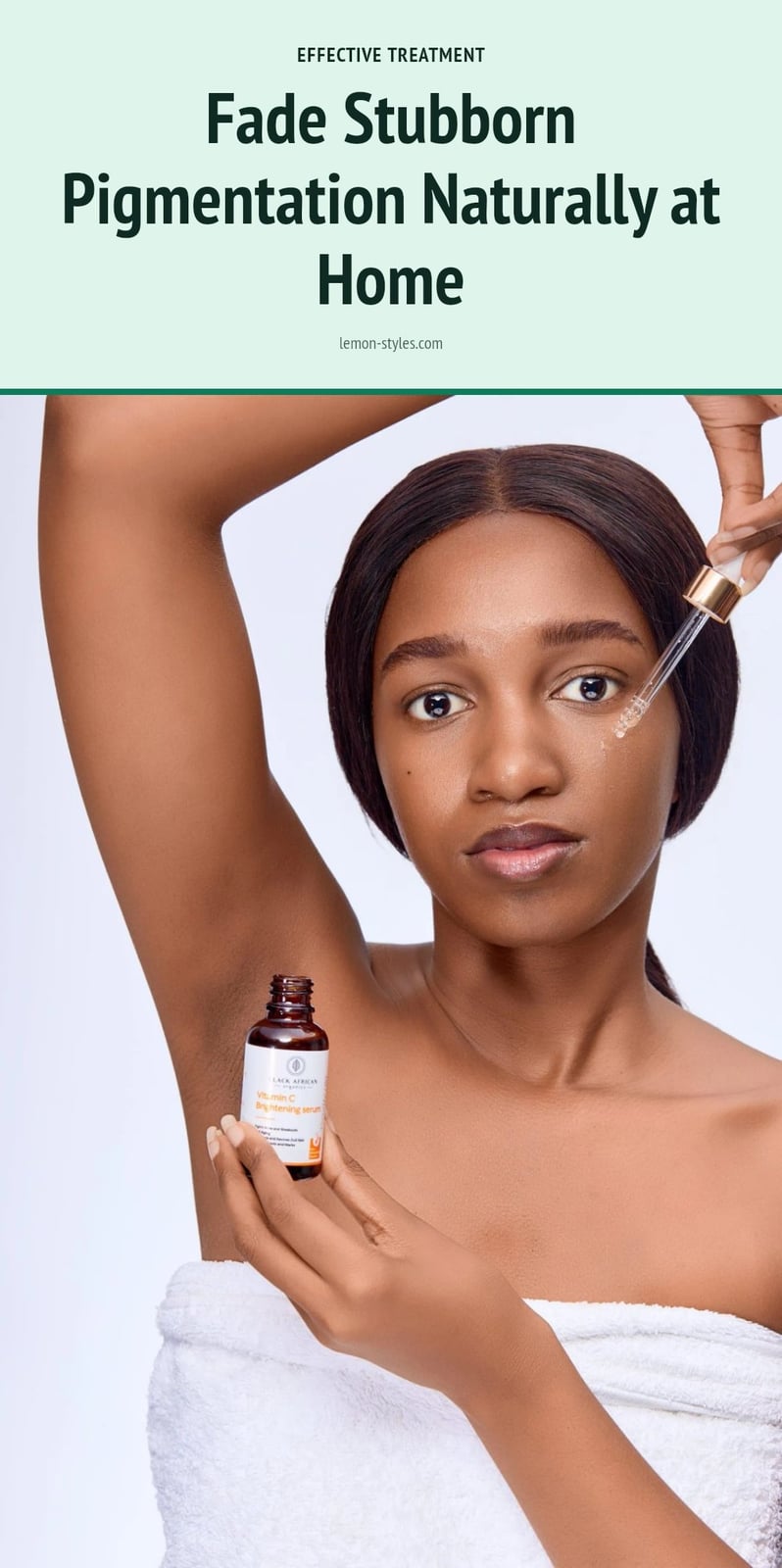
Dark spots and uneven skin tone can feel frustrating, especially when you’re trying everything to get a clear, even complexion. The good news is that you can gently fade hyperpigmentation at home with the right natural ingredients and a consistent routine. This article walks you through the most effective methods, the key products to use, and the common mistakes to avoid so you can see real improvement over time.
Key Takeaways
- Wear broad-spectrum SPF 30+ daily to prevent new spots and protect fading progress.
- Use vitamin C in the morning to block melanin production and niacinamide to stop pigment transfer.
- Exfoliate with AHAs a few times a week to shed pigmented cells and reveal brighter skin.
- Be patient: natural methods take 4 to 12 weeks for visible lightening and 3 to 6 months for significant fading.
- Patch test every new product on a small area before full-face use to avoid irritation.
1. What is Hyperpigmentation and How Can You Fade It?
Hyperpigmentation happens when your skin produces too much melanin, the pigment that gives it color. That excess melanin shows up as dark spots or patches on your face, hands, or other areas. Natural ingredients can gently fade these spots by blocking melanin production or speeding up cell turnover, so fresh, less pigmented skin comes to the surface. Consistency is everything: apply your chosen remedy daily for weeks or months, and never skip sunscreen, because UV exposure will undo your progress.
2. Why Those Dark Spots Appear on Your Skin
What Causes Dark Spots?
Your skin makes melanin to protect itself, but sometimes it goes into overdrive. Sun exposure is the biggest trigger, and it also makes existing spots darker. Hormonal shifts, inflammation from acne, or skin injuries can also spark excess melanin.
Common Types You Might Recognize
- Sunspots (lentigines): Flat brown spots from years of sun exposure, often on the face, hands, and chest.
- Melasma: Larger patches, usually on the forehead or cheeks, often linked to hormones like pregnancy or birth control.
- Post-inflammatory hyperpigmentation (PIH): Dark marks left after acne, a cut, or a burn, more common in deeper skin tones.
Understanding the type helps you pick the right treatment, because melasma, for example, can be stubborn and may need professional help.
3. Your Essential Skincare Toolkit for Fading Pigmentation
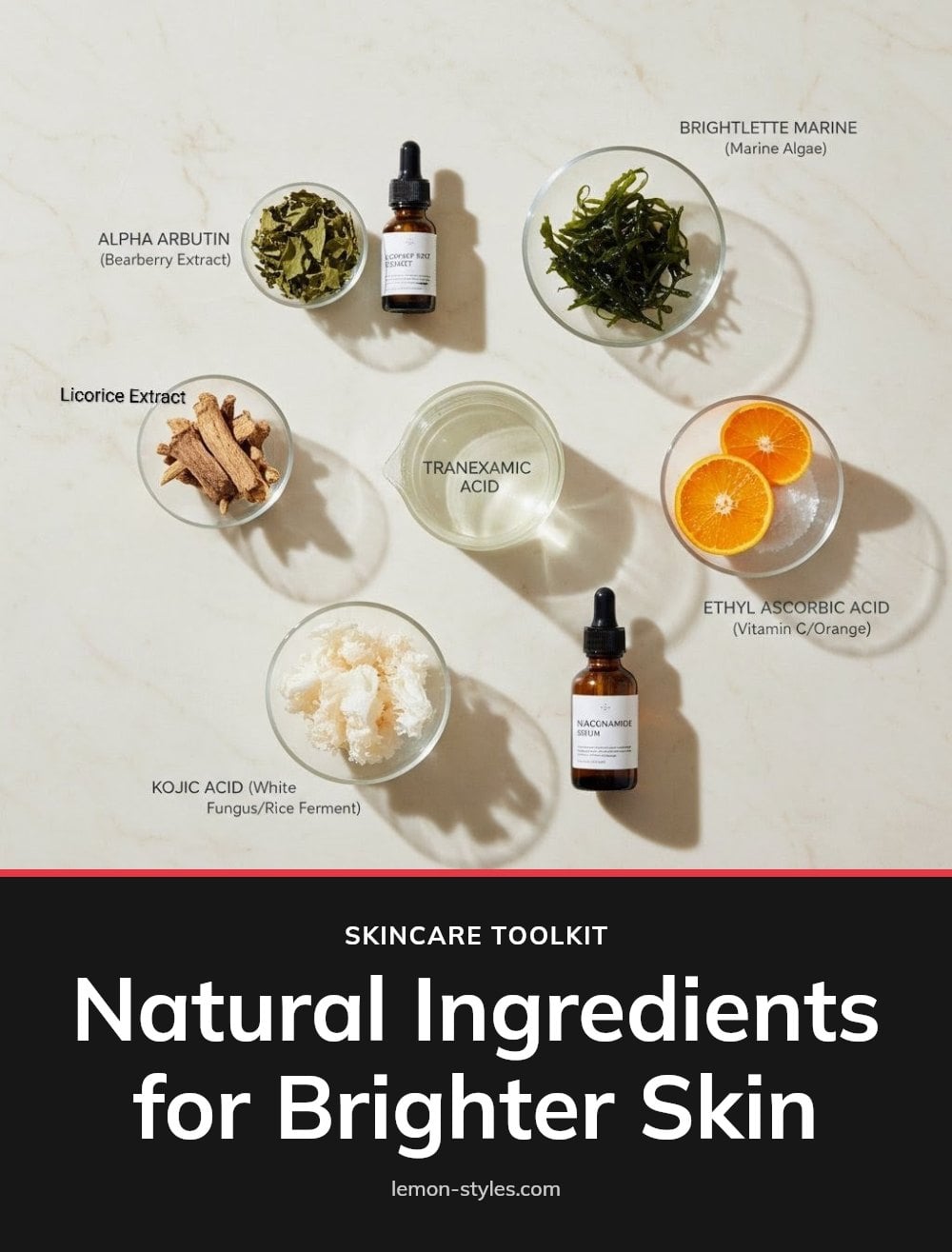
To fade pigmentation at home, you need a few proven tools. Here is what to have on hand:
- Sunscreen (SPF 30+): Broad-spectrum and non-negotiable. It blocks UV rays that trigger melanin.
- Vitamin C serum: An antioxidant that inhibits tyrosinase, the enzyme that makes melanin.
- Niacinamide serum: Stops melanin from moving to skin cells, reducing visible spots.
- AHA toner or serum: Exfoliates the top layer, shedding pigmented cells.
- Licorice root extract or kojic acid cream: Both inhibit tyrosinase, helping to lighten spots.
Start with one or two of these, not all at once, to see how your skin responds.
4. Effective Natural Methods to Gently Fade Pigmentation

Vitamin C
Use a stable form like ascorbic acid in the morning. It blocks tyrosinase and fights free radicals from the sun. Apply a few drops before moisturizer.
Niacinamide
This form of vitamin B3 stops melanin from reaching your skin cells. Use a 5% to 10% serum twice daily. It also helps with redness and inflammation.
Alpha Hydroxy Acids (AHAs)
Glycolic or lactic acid gently exfoliate, removing the top layer of pigmented cells. Use a 5% to 10% toner or serum two to three nights a week. Caution: Over-exfoliating can irritate skin and worsen spots, so start slow.
Licorice Root Extract
Glabridin in licorice inhibits tyrosinase, so spots fade without harsh bleaching. Look for a serum or cream with 1% to 2% extract and apply twice daily.
Turmeric
Curcumin, the active compound, may block melanin production and calms inflammation. Make a mask with 1 teaspoon turmeric powder and 1 tablespoon plain yogurt, leave on for 15 minutes, then rinse. Caution: Turmeric can stain skin, so wash thoroughly.
Green Tea Extract
Polyphenols in green tea reduce melanin synthesis and protect against UV damage. Use a serum with green tea extract or brew a cup, cool it, and apply with a cotton pad.
Pick one or two ingredients and stick with them for at least 8 weeks. My tip: Always patch test a new ingredient on your inner arm for 24 hours before using it on your face.
5. Common Mistakes to Avoid When Treating Hyperpigmentation
Not wearing sunscreen every day is the fastest way to undo all your hard work. UV rays trigger melanin production, so even short exposure can darken spots you are trying to fade. My tip: make applying SPF 30+ a morning habit, rain or shine.
Expecting results in a week sets you up for frustration. Natural ingredients work slowly, typically taking 4-12 weeks to show visible change. Over-exfoliating is another trap, scrubbing too often or using strong acids irritates skin, which can actually trigger more pigmentation. Stick to gentle exfoliation two to three times a week.
DIY remedies like lemon juice or undiluted vinegar can be too acidic and cause burns or photosensitivity. Instead, use formulated serums or creams with known safe concentrations. And once spots start fading, don’t stop your routine. Pigmentation can return if you drop treatment too soon.
6. Top Tips for Best Results with At-Home Pigmentation Treatment
Test every new product on a small area behind your ear or along your jawline for a few days before applying it to your whole face. This catches irritation early. Tip: keep a simple routine and use each ingredient consistently for at least two months before judging results.
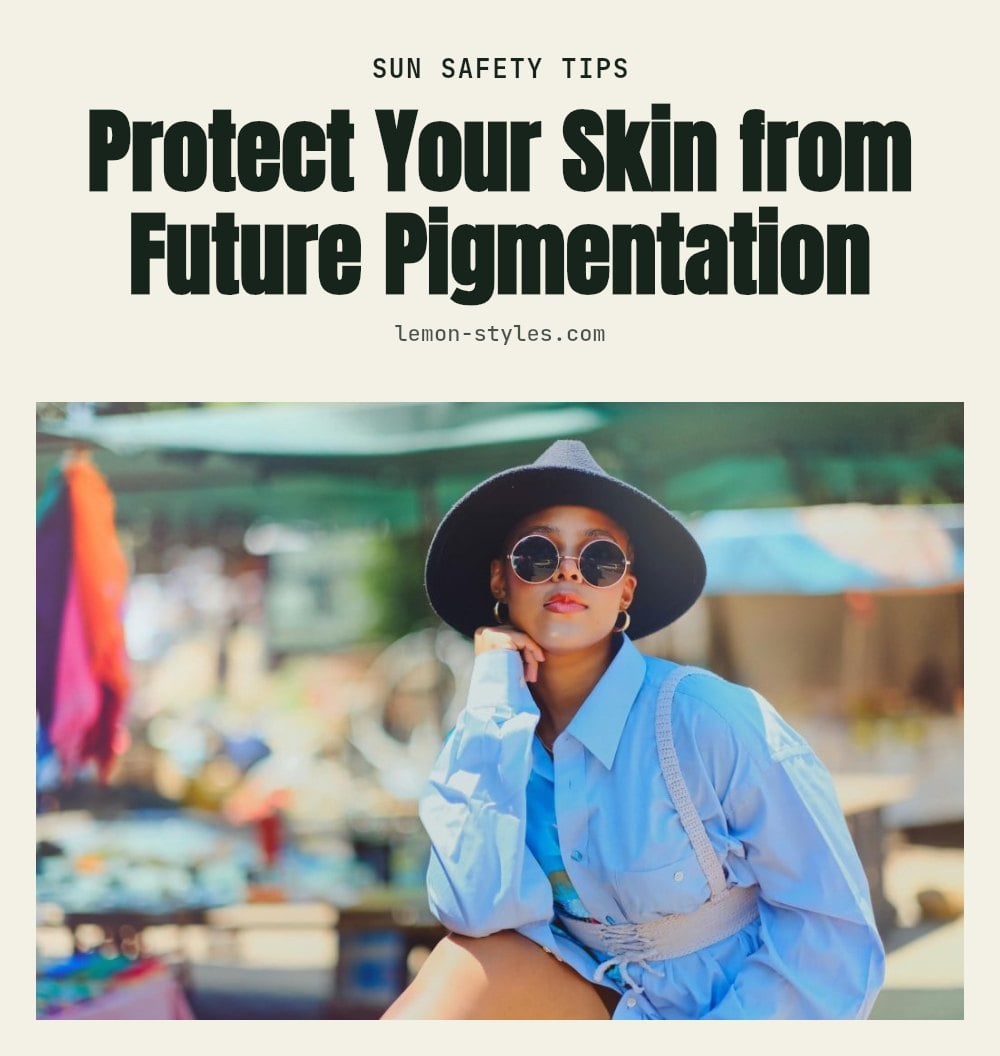
Protect your skin beyond sunscreen. Wide-brimmed hats, sunglasses, and UPF-rated clothing block UV rays even on days you skip reapplication. Never pick or squeeze blemishes, that causes post-inflammatory hyperpigmentation that takes months to fade.
Don’t stack too many active ingredients at once. Combining strong retinoids, AHAs, and vitamin C in the same session can overwhelm your skin barrier. Space them out between morning and night, or alternate days.
7. What to Expect: Timeline for Fading Pigmentation
With consistent daily use, you may start noticing slight lightening of spots around week 4 to 8. More significant fading usually requires 3 to 6 months of dedicated treatment. Natural ingredients like vitamin C and niacinamide work gradually but reliably.
Your timeline depends on the type and depth of pigmentation, your skin’s turnover rate, and how faithfully you apply sunscreen. Costs for at-home serums and creams are far lower than professional laser or peel sessions, making patience the biggest investment.
8. When to Consult a Professional for Hyperpigmentation
See a dermatologist if your pigmentation is widespread, spreading quickly, or appears in irregular shapes with uneven borders. These may signal something other than simple hyperpigmentation. Melasma, especially, often requires prescription treatments like hydroquinone or in-office procedures.
If a product causes severe redness, burning, or blistering, stop using it immediately. Contact a professional if irritation doesn’t settle within a few days. Natural does not mean risk-free, and a doctor can help you find a safer approach.
9. Frequently Asked Questions
Can diet affect hyperpigmentation?
While no specific food directly fades dark spots, a nutrient-rich diet supports overall skin health. Antioxidants from fruits and vegetables may help protect skin from oxidative stress, which can contribute to pigmentation. However, diet alone is unlikely to produce visible fading without a consistent topical routine and sun protection.
Is it safe to use multiple natural ingredients at once?
It can be safe if you introduce them one at a time and watch for irritation. Combining vitamin C and niacinamide is generally fine, but layering too many actives like AHAs and vitamin C together can cause stinging or redness. My tip: use vitamin C in the morning and niacinamide at night, and exfoliate only a few times per week.
What’s the difference between sunspots and melasma?
Sunspots, or lentigines, appear as small, flat brown spots on areas exposed to the sun, like your face and hands. Melasma shows up as larger, patchy areas of darker skin, often on the cheeks, forehead, or upper lip, and is usually triggered by hormonal changes like pregnancy or birth control. Melasma can be more stubborn and often needs professional guidance.
Can hyperpigmentation return after fading?
Yes, especially if you stop using sunscreen or expose your skin to UV rays without protection. The underlying melanin production can be reactivated by sun exposure, hormones, or inflammation. To keep spots from coming back, maintain your daily SPF 30+ habit and continue using your fading ingredients as a maintenance routine.
What causes dark spots on my face?
Dark spots are usually caused by an overproduction of melanin triggered by sun exposure, hormonal shifts, or inflammation from acne or injury. Common types include sunspots from UV damage, melasma from hormonal changes, and post-inflammatory hyperpigmentation from breakouts or scratches. Identifying the trigger helps you choose the right approach.
10. Final Thoughts
For the best results, stick with one or two proven ingredients like vitamin C and niacinamide, and use sunscreen every single day. Realistic expectations matter here: you’ll likely notice the first lightening around week 4 to 8, with more noticeable fading after a few months. Consistency and sun protection are your two biggest allies in this process.
This article is for informational purposes only and does not constitute medical advice. Individual skin types and conditions vary, and results from natural remedies are not guaranteed. If you have persistent, widespread, or rapidly changing pigmentation, consult a dermatologist or healthcare professional for personalized guidance.

