Chafing is that burning, stinging irritation you get when your skin rubs against itself or your clothing, often made worse by sweat. It can turn a good run, a long walk, or even a day at the beach into a painful experience. The good news is that with a few simple habits, you can prevent it and treat it at home.
In this article, I’ll walk you through the most effective ways to stop chafing before it starts, how to care for irritated skin, and when it’s time to see a doctor.
Key Takeaways
- Apply a protective balm or petroleum jelly to friction-prone areas before activity.
- Choose moisture-wicking synthetic fabrics over cotton for exercise and hot weather.
- Wear slip shorts or cycling shorts under skirts to prevent thigh rubbing.
- Shower promptly after sweating, and gently pat skin dry before dressing.
- See a doctor if chafing causes open sores, pus, severe pain, or fever.
1. What Exactly Is Chafing?
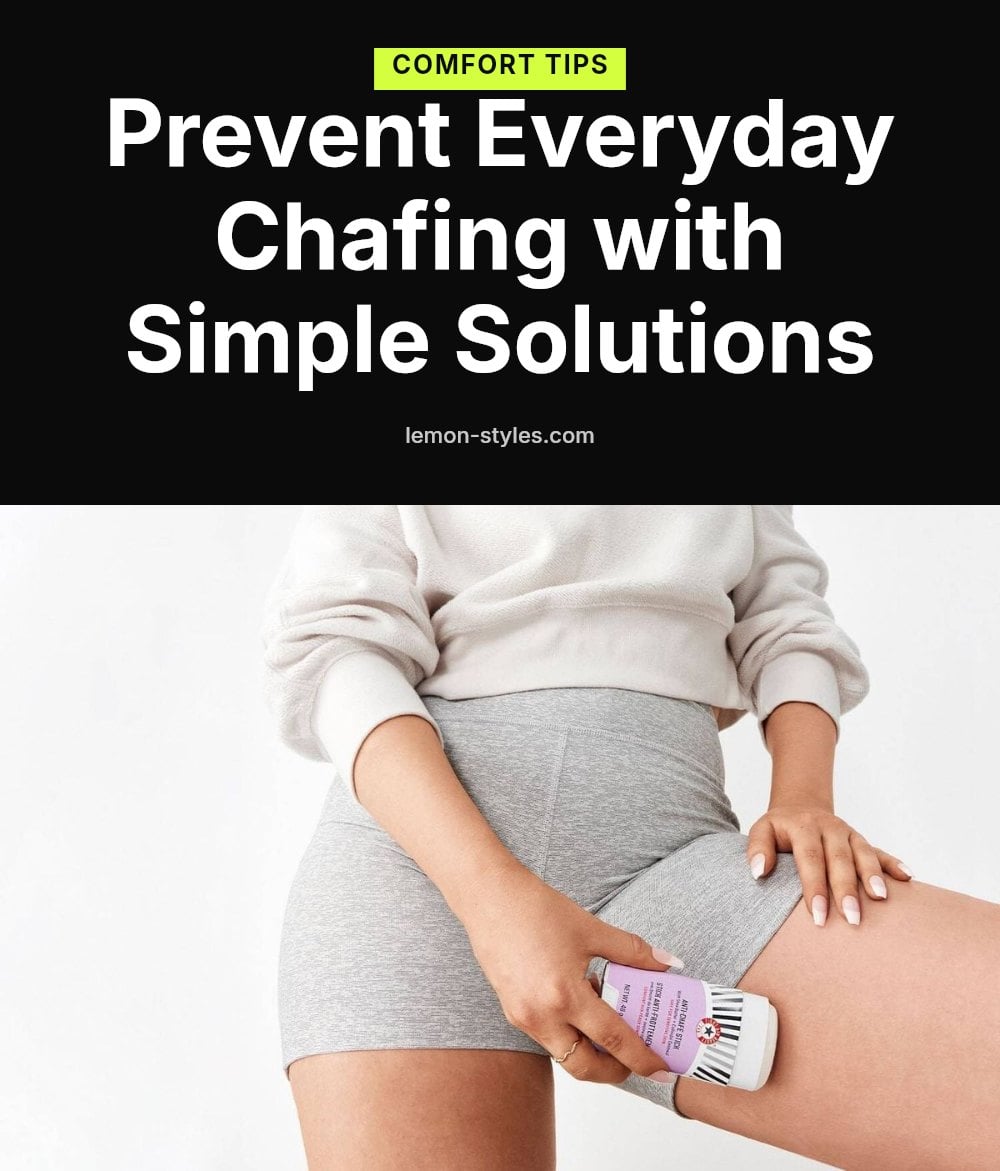
Chafing is skin irritation caused by repetitive friction, often made worse by moisture like sweat. It shows up as redness, stinging, or tenderness, and it’s a common issue, especially on inner thighs, underarms, and under the bra line. The good news: it’s usually preventable and treatable at home with a few simple habits.
2. 1. Apply a Protective Barrier
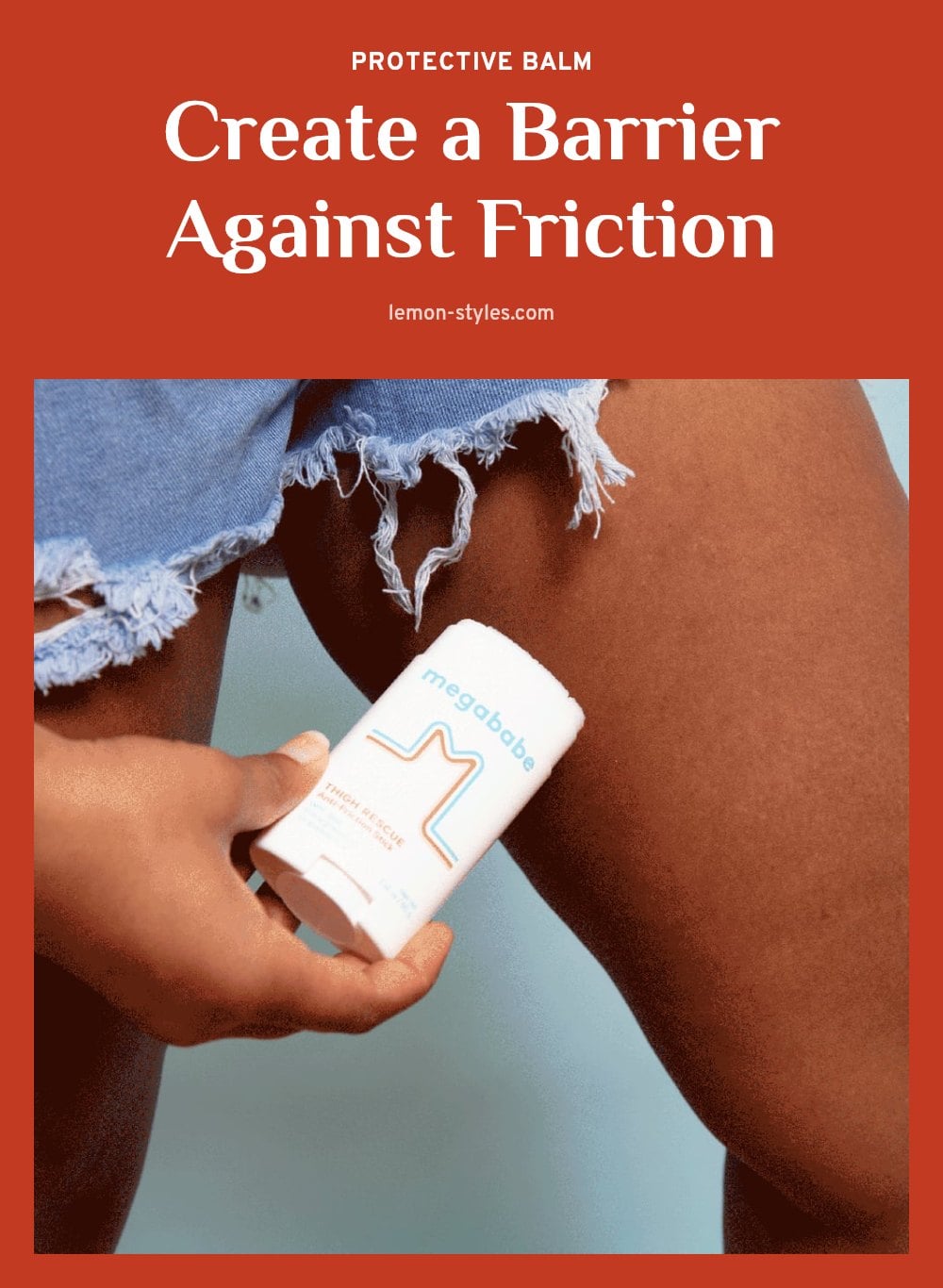
Reach for an anti-chafing balm, stick, or plain petroleum jelly to create a smooth, friction-reducing layer on your skin. Apply generously to areas like inner thighs before getting dressed, especially if you know you’ll be active or it’s a warm day. This barrier helps your skin glide instead of rub.
My tip: Look for products specifically designed for chafing; they often last longer than regular lotions, which can wear off quickly. For best results, apply to clean, dry skin and reapply after swimming or heavy sweating.
3. 2. Choose Moisture-Wicking Fabrics
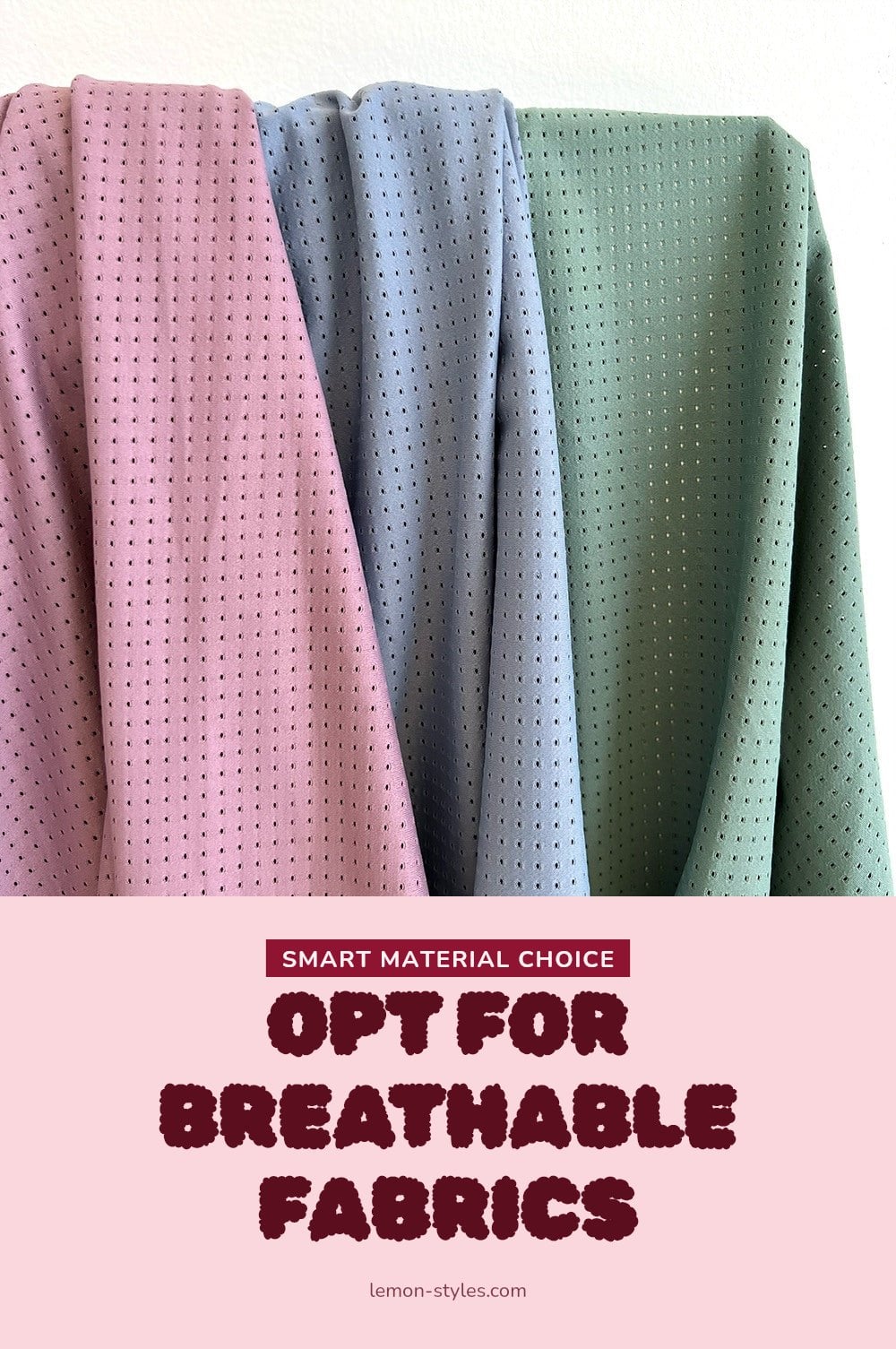
Choose activewear made from synthetic blends like polyester, nylon, or spandex. These fabrics pull sweat away from your skin, keeping you drier and reducing the friction that leads to chafing. Avoid cotton for workouts or hot weather, as it absorbs moisture and stays wet against your skin, making chafing worse.
Look for seamless or flat-seam options to minimize rubbing, and consider moisture-wicking underwear as well.
4. 3. Wear Slip Shorts or Cycling Shorts

Under dresses or skirts, slip shorts or cycling shorts provide a crucial barrier between your thighs. Look for seamless, lightweight options that don’t ride up and are made of breathable, moisture-wicking material. This creates a physical barrier that prevents skin-on-skin rubbing, even in humid conditions.
Choose a length that extends past the area where your thighs touch, and test a few styles to find one that stays in place during movement.
5. 4. Keep Skin Clean and Dry
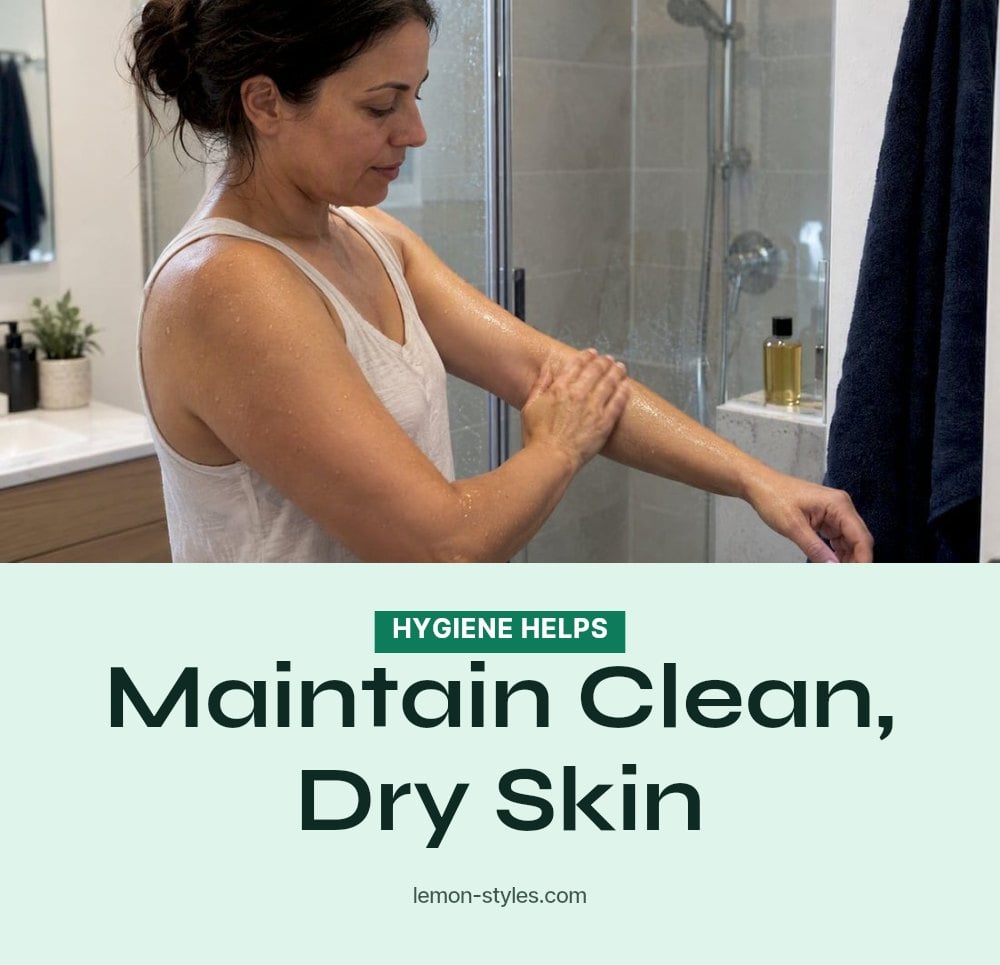
Shower promptly after sweating or swimming to remove salt and irritants that can worsen chafing. Gently pat your skin completely dry, especially in friction-prone areas like your inner thighs and underarms, before dressing or applying any preventative products. Moisture is a major contributor to chafing, so keeping your skin dry is key to preventing irritation before it starts.
6. 5. Choose Well-Fitting Clothing
Snug-fitting, non-abrasive clothing can actually reduce chafing by holding your skin in place and preventing rubbing. But overly tight clothes cause their own problems by bunching and creating pressure points. Loose clothing can also backfire as fabric shifts against your skin, creating more friction points. The key is finding garments that fit well without being either too loose or too tight.
7. 6. Use Powders with Caution
Talcum powder or cornstarch can absorb light moisture, but they aren’t a substitute for a friction barrier. My tip: If you use powder, apply it to completely dry skin and use sparingly. Avoid applying talcum powder to the genital area. Powders can clump when wet, potentially worsening friction, so they are best for light moisture control only.
8. 7. Stay Hydrated for Skin Health
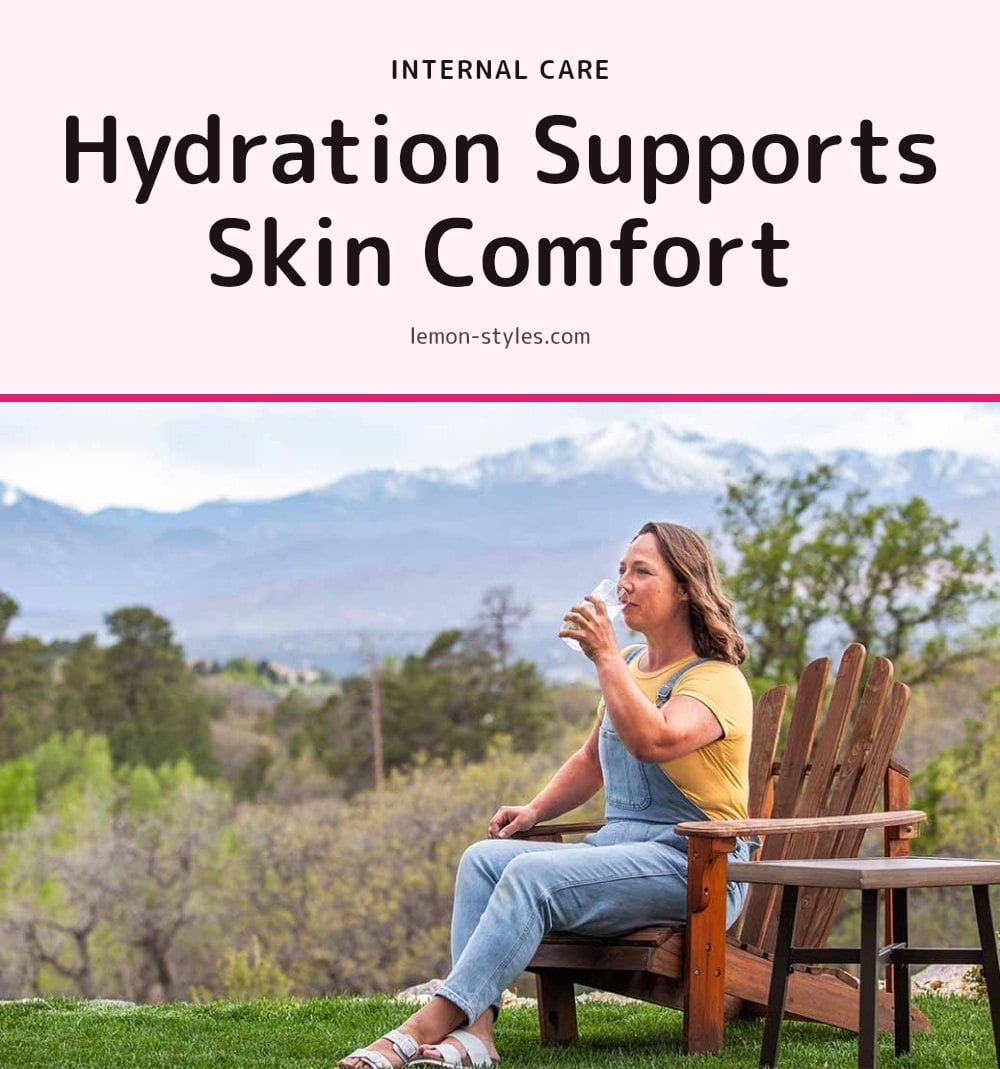
Drinking enough water helps maintain overall skin health and elasticity. While staying hydrated isn’t a direct chafing cure, healthy skin is more resilient to irritation and recovers better after friction damage. Think of it as supporting your skin’s natural defenses from the inside out.
9. 8. Shower with Mild, Unscented Soap
Choose a mild, unscented soap: When cleaning areas prone to chafing, avoid anything with harsh chemicals or fragrances. These can strip your skin’s natural oils and make already irritated skin more sensitive. Gently cleanse the area with lukewarm water, rinse thoroughly, and then pat dry with a soft towel. Rubbing can aggravate the irritation.
10. 9. Change Out of Wet Clothes Quickly
Change out of wet clothes as soon as possible: Wearing sweaty or damp clothing after a workout or after getting caught in the rain creates ideal conditions for chafing. The combination of moisture and friction against your skin speeds up irritation. Make it a habit to bring a dry change of clothes, especially for post-workout or long days out. This one step can dramatically reduce your skin’s exposure to friction.
11. When to See a Doctor for Chafing
Most chafing resolves with rest and home care, but some symptoms need a doctor’s attention. Seek medical help if you notice:
- Open sores, bleeding, or pus: These are signs of a possible infection.
- Severe pain, spreading redness, warmth, or fever: These can indicate a spreading infection that requires treatment.
- Persistent chafing that doesn’t improve: If home care hasn’t helped after several days, or if you suspect an allergic reaction to a product, consult a healthcare professional.
12. Frequently Asked Questions
What causes chafing in the first place?
Chafing happens when repetitive friction rubs against your skin, and moisture like sweat makes it worse. Common culprits include skin-on-skin contact, abrasive fabrics, and damp clothing. It often shows up in areas like inner thighs, underarms, and under bra lines.
Can diet or hydration help prevent chafing?
Staying hydrated supports overall skin health and elasticity, which may make your skin more resilient to friction. However, hydration is not a direct prevention method. Think of it as a supporting habit, not a substitute for barriers or proper clothing.
Are natural remedies like coconut oil effective for chafing?
Coconut oil can moisturize, but it doesn’t create a long-lasting protective barrier and may increase moisture, which can worsen chafing. For prevention, products like anti-chafing balms or petroleum jelly are more reliable. If you try coconut oil, use it sparingly and see how your skin reacts.
How long does it take for chafing to heal?
With proper care, mild chafing often feels better within hours to a day. Full healing of irritated skin can take several days. Keep the area clean, dry, and protected during this time. If it doesn’t improve or worsens, consult a doctor.
Can chafing lead to serious skin problems?
Chafing itself is usually minor, but if the skin breaks open, it can become infected. Signs of infection include pus, bleeding, spreading redness, warmth, or fever. If you notice any of these, see a doctor. Also, avoid scratching or rubbing the area to reduce risk.
13. Final Thoughts
My tip: keep a small anti-chafing stick or balm in your gym bag or purse so you’re always prepared. Make prevention a habit, especially on warm days or before workouts. With consistent care, mild chafing should ease within a day, though full healing may take a few days. If you notice signs of infection like pus or spreading redness, don’t wait, consult a healthcare professional.
This article is for general information only and is not medical advice. If you have persistent or severe chafing, signs of infection, or an underlying skin condition, please consult a doctor or dermatologist for proper evaluation and treatment.