You know that heavy feeling, like you’re carrying something that just doesn’t belong to you anymore? Maybe it’s a grudge, a fear of not being good enough, or the need to control every little thing. Letting go of those weights isn’t about pretending they never happened, it’s about choosing to free yourself from them. This article covers what letting go really means, seven specific things you can release to feel happier, and how to make the process stick without forcing it.

Key Takeaways
- Letting go is an active process of releasing thoughts or attachments that no longer serve you.
- Holding onto resentment can raise stress hormones and blood pressure over time.
- Forgiveness benefits the person who forgives, not the one who harmed them.
- Perfectionism often leads to procrastination and burnout, not success.
- Mindfulness, even five minutes a day, helps you observe thoughts without judgment.
1. What Does "Letting Go" Really Mean?
Letting go is not a passive wish or a sudden forgetting. It is an active, conscious process of releasing thoughts, emotions, or attachments that no longer support your well-being. For me, it means accepting what is, fully processing the feelings, and then choosing to move forward without letting past experiences or unhelpful patterns define me. It is not about denying something happened or pretending it didn’t matter. It is about making a deliberate choice to release its hold on you so you can live more freely.
2. How to Start Your Journey of Letting Go

- Identify what you hold and why: Take a quiet moment to name the specific thought, relationship, or pattern you are clinging to. Ask yourself what purpose it served then and what it costs you now. Naming it reduces its power.
- Acknowledge your emotions without judgment: Let yourself feel the sadness, anger, or fear that comes up. I usually sit with the feeling for a few minutes and label it silently. You are not trying to fix it, just to witness it.
- Practice self-compassion: Speak to yourself the way you would speak to a close friend going through the same thing. Remind yourself that it is normal to struggle and that you are doing the best you can right now.
- Focus on what you can control: You cannot change the past or control other people’s actions. Shift your energy to your own choices, responses, and boundaries today. Accept the rest as it is.
- Seek support: Share your process with a trusted friend, family member, or a support group. A therapist can also provide a safe space to untangle deeper layers. You do not have to do this alone.
3. Things to Let Go Of For a Happier You
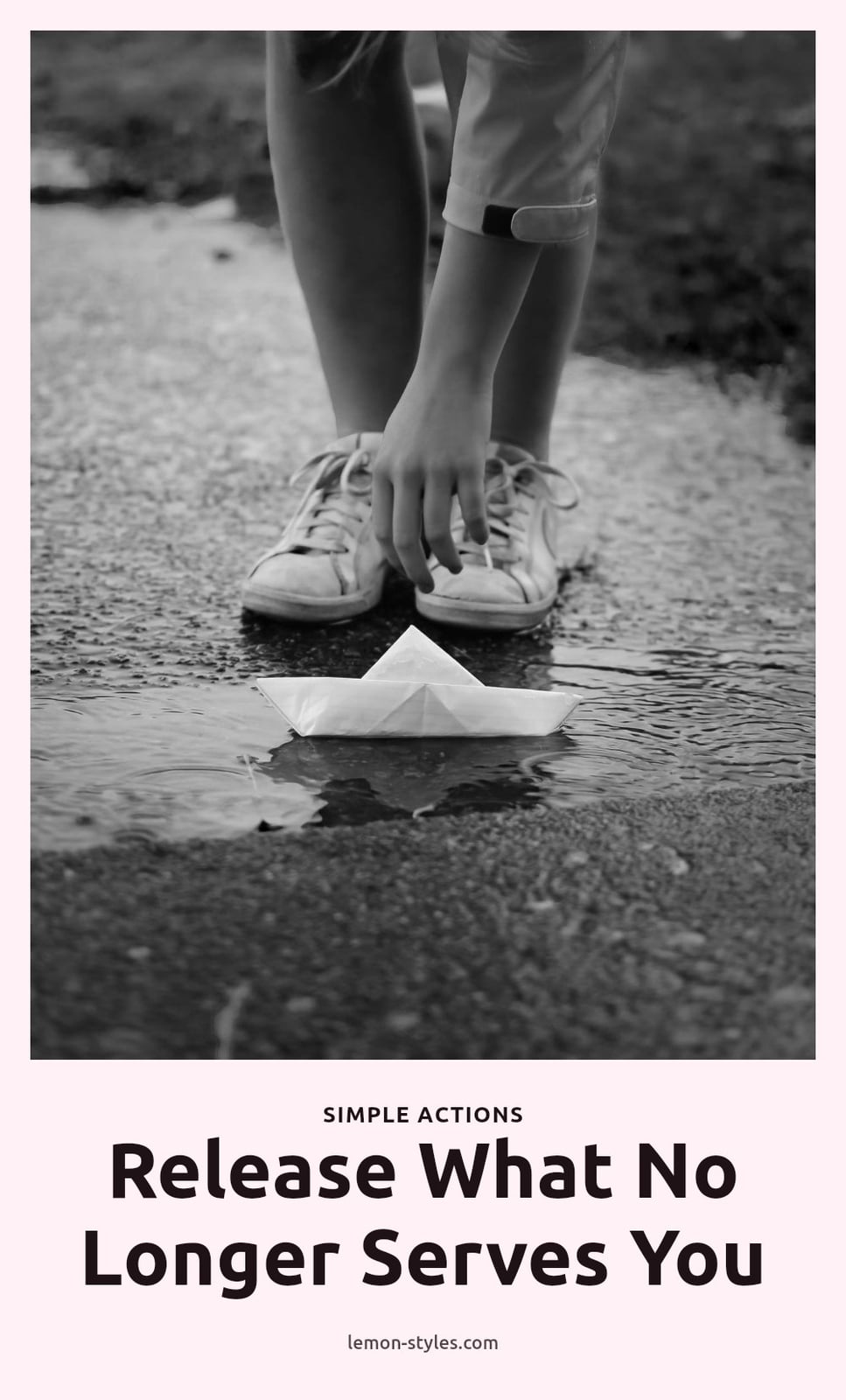
Here are seven things many people find freeing to release, based on what I have seen in my own life and in conversations with others.
- Grudges and Resentment: Holding onto resentment can keep your stress hormones elevated and raise your blood pressure over time. Forgiveness is not about excusing the other person. It is a gift you give yourself.
- The Need for Perfection: Perfectionism often leads to procrastination, anxiety, and burnout. Letting go of this need frees up energy for real progress.
- The Urge to Control Everything: Trying to control outcomes and other people creates constant tension. Releasing that urge builds adaptability and resilience. You can only steer your own actions.
- Seeking External Validation: When you rely on others’ approval for your self-worth, you hand over your happiness. Letting go of this need means building self-acceptance from the inside out.
- Attachment to Outcomes: Clinging to a specific result sets you up for anxiety and disappointment. Letting go of the attachment does not mean you stop trying. It means you stay open to different paths.
- Past Mistakes and Self-Blame: Acknowledge what you learned from the mistake, then release the self-blame. Replaying the past does not change it. It only keeps you stuck.
- Comparing Yourself to Others: Social media makes comparison almost automatic, but it can seriously damage your self-esteem. Letting go of comparisons lets you focus on your own growth and what actually matters to you.
4. Common Misconceptions About Letting Go
- Letting go is not forgetting: You can remember what happened fully and still choose to release its emotional grip on you. Forgetting is not the goal.
- Letting go does not mean you condone harm: You can acknowledge that someone’s actions were wrong and still decide to let go of the anger for your own peace. It is about your well-being, not their justification.
- It is not a one-time fix: Complex emotions do not resolve in a single conversation or decision. Expect the process to be nonlinear and to revisit feelings at different times.
- You cannot control others’ emotions to heal your own: Trying to manage how someone else feels will not release your pain. Focus on your own emotional work instead.
- Holding a grudge is not the same as seeking justice: Using ‘never forgetting’ as a reason to stay resentful often hurts you more than the other person. Justice and letting go can coexist.
5. Best Tips for Sustaining Your Letting Go Journey

Keeping up the work of letting go takes daily practice, and these habits have made the biggest difference for me.
- Practice Mindfulness Daily: My tip: Even five minutes of focused breathing can help you observe thoughts without judgment. You notice the thought, name it, and let it pass without grabbing onto it.
- Set Healthy Boundaries: My tip: This is crucial for releasing the need to control others or be controlled by them. Say no to what drains you, even if it feels uncomfortable at first.
- Journal Regularly: My tip: Writing down your thoughts helps identify patterns and process emotions you might not realize you’re holding onto. A few lines before bed is enough.
- Embrace Imperfection: My tip: Letting go of perfectionism means accepting that ‘good enough’ is often truly good. Progress matters more than flawless results.
- Focus on Gratitude: My tip: Shifting your perspective to what you’re thankful for can naturally reduce the grip of negative feelings. Try naming three small things each morning.
6. When to Seek Professional Support
Professional support can make a real difference in your letting go journey. Consider reaching out to a mental health professional if intense or persistent feelings of sadness, anger, anxiety, or depression interfere with your daily life. The same goes if you feel unable to process emotions or move forward no matter how hard you try.
Letting go of a toxic relationship, especially one with a history of abuse, is a situation where professional guidance can help you plan for both safety and emotional well-being. Also seek support if you experience overwhelming emotional responses or feel isolated during the process. A therapist can offer tools and a safe space that friends and family often cannot.
7. Frequently Asked Questions
Is letting go the same as forgetting?
No, letting go is not forgetting. You can remember the event or person fully and still choose to release the emotional grip it has on you. Forgetting isn’t the goal. The goal is to process the feelings and move forward without being defined by the past.
How long does it take to let go of something?
It varies widely for each person and each situation. It can take days, months, or even years. The process isn’t linear, so expect ups and downs. What matters is consistency in practicing self-compassion and mindfulness, not a specific timeline.
Can I let go of something if the other person isn’t sorry?
Yes, you can. Letting go is for your own well-being, not about waiting for an apology. You can acknowledge that someone’s actions were wrong and still decide to release the resentment. Your healing doesn’t depend on their remorse.
What if I keep falling back into old patterns?
Setbacks are a normal part of the process. Instead of judging yourself, gently notice what triggered the pattern and what you can learn from it. My tip: Keep a journal to track your progress and remind yourself of why you started. If patterns persist, consider speaking with a mental health professional.
8. Final Thoughts
My tip: Start with just one thing from the list, maybe a grudge or the need for perfection. Let yourself feel the discomfort without rushing through it, and remind yourself that setbacks are normal. This journey isn’t about getting it right overnight, it’s about showing up for yourself day after day. When you release what holds you back, you make room for the happiness that’s already waiting.
This article is for informational purposes only and is not a substitute for professional medical or mental health advice. If you are struggling with intense or persistent feelings of sadness, anger, anxiety, or depression, consult a licensed mental health professional. Always seek professional guidance for serious emotional or relational challenges.