If you’re ready to smooth fine lines, fade dark spots, or clear up breakouts, retinol is one of the most effective ingredients you can add to your routine. But it’s also powerful, and using it wrong can leave your skin red, dry, and peeling. That’s why I put together this beginner’s guide: it walks you through what retinol does, how to start with the right concentration and frequency, and the simple habits that keep irritation low while you wait for results.
Key Takeaways
- Start with a low concentration like 0.25% or 0.3% and apply it 2-3 nights a week.
- Apply retinol to completely dry skin and follow with a moisturizer.
- Use sunscreen with SPF 30 or higher every morning, even on cloudy days.
- Expect visible improvements after 3-6 months of consistent use.
- Skip retinol if pregnant or breastfeeding and consult your doctor.
1. What is Retinol and How Does It Work?
Retinol is a type of retinoid, which means it’s a derivative of vitamin A. It works by increasing cell turnover and stimulating collagen production in the skin, which helps reduce the appearance of fine lines, wrinkles, and dark spots. It can also prevent clogged pores, making it effective for acne. Because it’s potent, start with a low concentration and use it gradually to minimize irritation like redness and peeling.
2. Essential Products for Your Retinol Routine

To start retinol safely, you need a few basics. Here’s what to have on hand:
- Retinol serum or cream: Start with 0.25% or 0.3% to let your skin adjust.
- Gentle cleanser: Prepares skin without stripping it, reducing irritation risk.
- Hydrating moisturizer: Combats the dryness retinol can cause.
- Broad-spectrum sunscreen (SPF 30+): Essential daily because retinol increases sun sensitivity.
3. Step-by-Step: Introducing Retinol into Your Skincare

Introducing retinol takes patience and a clear routine. Follow these steps to minimize irritation and get the best results.
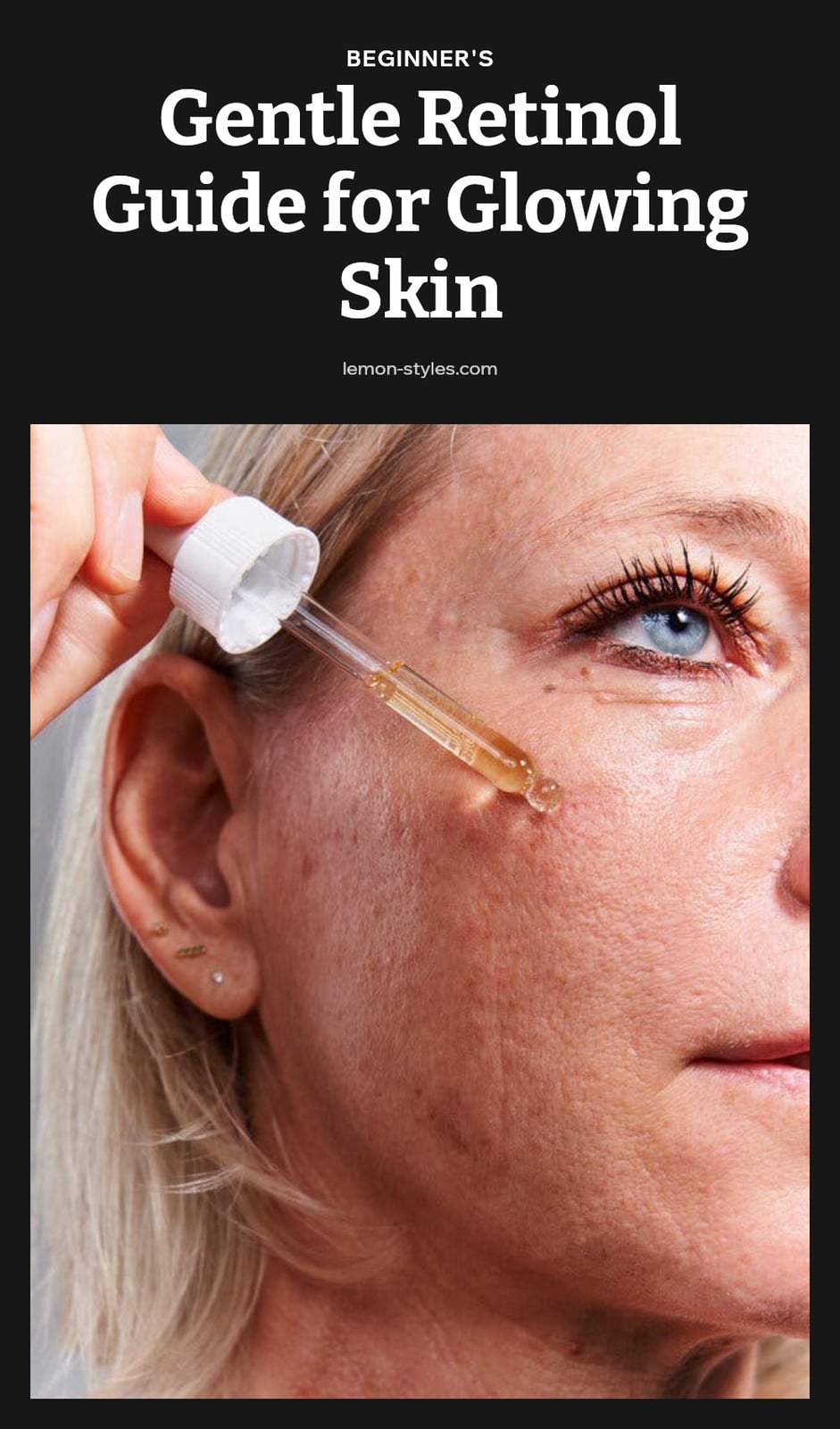
- Cleanse and dry: Wash your face with a gentle cleanser, then wait until your skin is completely dry. Applying retinol to damp skin increases absorption and irritation.
- Apply a pea-sized amount: Dot it on your forehead, cheeks, and chin, then spread evenly. More product doesn’t mean faster results, it just increases side effects.
- Moisturize: Follow with a hydrating moisturizer to soothe and buffer your skin. For extra sensitivity, use the sandwich method: moisturizer, retinol, then moisturizer again.
- Start slow: Use retinol 2-3 nights a week at first. After 2-4 weeks, if your skin tolerates it, increase to every other night, then nightly.
- Protect during the day: Apply broad-spectrum sunscreen SPF 30+ every morning. Retinol makes your skin more vulnerable to UV damage, so this step is non-negotiable.
Apply retinol at night, as sunlight can degrade it. If irritation persists beyond the initial adjustment period, reduce frequency or concentration.
4. Choosing the Right Retinol Concentration and Application Method
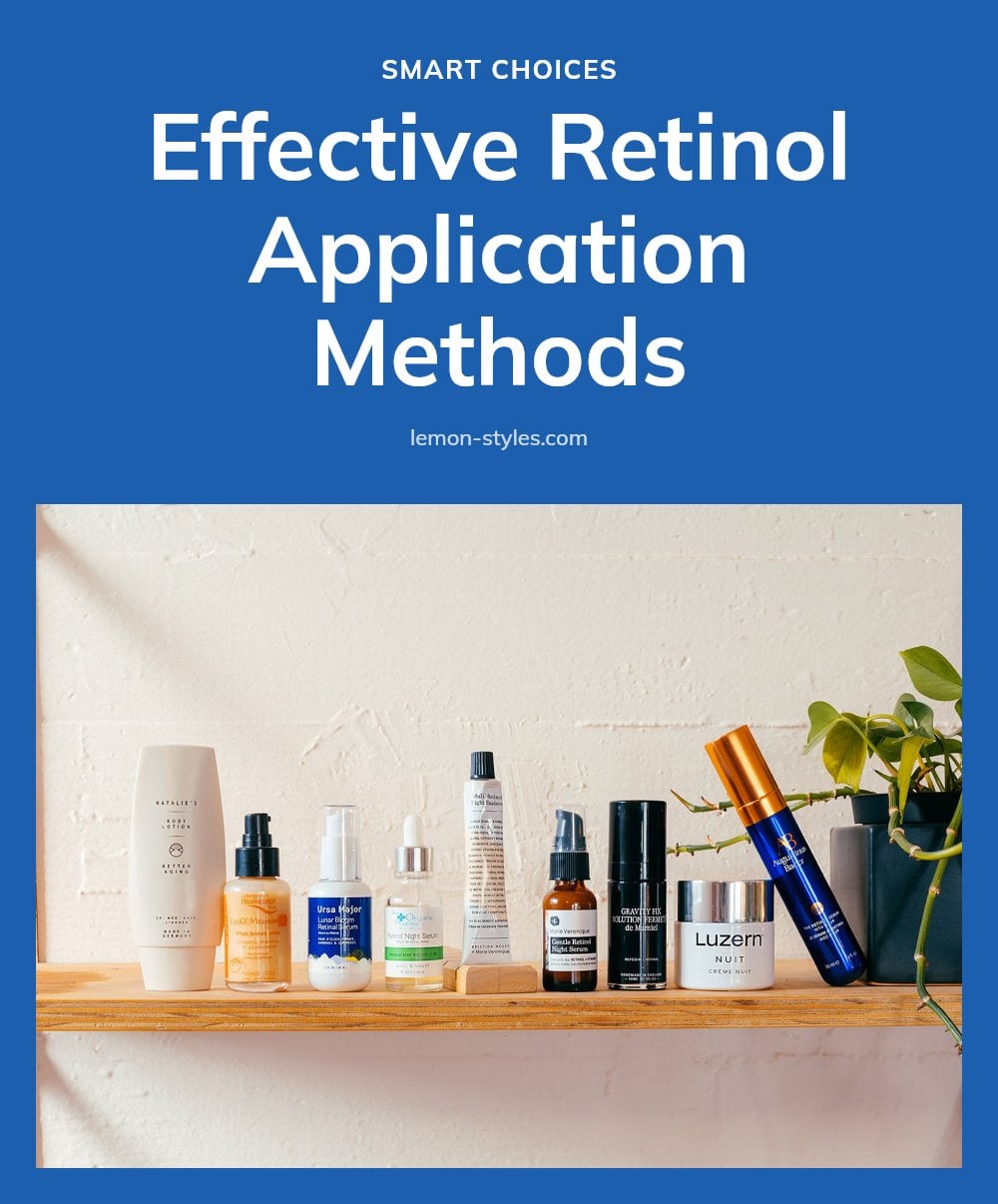
Choosing the right retinol concentration and application method can make or break your experience. Here’s how to decide.
Start with a low concentration
For over-the-counter products, begin with 0.25% or 0.3% retinol. This is strong enough to show effects but gentle enough for beginners. Concentrations range up to 1%, but you don’t need to rush there.
Choose your application method
- Direct application: Apply retinol to clean, dry skin, then moisturize. This is the standard method for most people.
- Sandwich method: Apply moisturizer first, then retinol, then moisturizer again. This buffers the retinol, reducing irritation for sensitive skin.
Gradually increase
As your skin adapts, you can increase frequency first, then concentration. Wait at least 4-6 weeks between changes to assess tolerance.
Prescription options
Prescription retinoids like tretinoin are much stronger than over-the-counter retinol. They can be effective for acne or aging, but they require a dermatologist’s guidance to avoid severe irritation.
5. Common Retinol Mistakes to Avoid
Starting with a 1% retinol every night is the fastest way to wreck your skin barrier. Ease in with 0.25% or 0.3% and stick to 2-3 nights a week for the first few weeks. Your skin needs time to build tolerance, and skipping the ramp-up leads to peeling and redness that makes you quit.
Skipping sunscreen is the most common mistake, and it undoes all your work. Retinol makes your skin more sensitive to UV radiation, so apply SPF 30 or higher every morning, even on cloudy days or when you stay indoors. Sun exposure without protection can cause more dark spots and fine lines than retinol can fix.
Applying retinol to damp skin is another trap. Water increases absorption, which sounds good but actually triggers irritation. Wait until your face is completely dry after cleansing, then apply. Also, resist the urge to use more than a pea-sized amount for your whole face. More product doesn’t mean faster results, it just means more irritation.
Finally, don’t give up in the first month. The initial dryness and flaking are normal and usually fade within 2-4 weeks. Quitting now means you never reach the 3-6 month mark where visible improvements in texture and tone appear.
6. Expert Tips for a Smooth Retinol Journey
Patience is the biggest part of a retinol routine. Visible improvements in texture and tone typically appear after 3 to 6 months of consistent use, so don’t judge results in the first few weeks. If your skin feels tight, red, or flaky beyond mild irritation, cut back to once a week or pause for a few days. Your skin’s feedback matters more than a fixed schedule.
Hydration is your best ally. Apply a rich moisturizer right after retinol, and consider layering a thicker cream or a facial oil on top if dryness persists. Many people find a hydrating serum with ceramides or hyaluronic acid helps calm the skin overnight.
Don’t forget your neck and décolletage, but proceed with caution. These areas are thinner and more sensitive, so use a smaller amount and watch for redness. Avoid combining retinol with other strong actives like AHAs, BHAs, or vitamin C at first. Give your skin time to adjust before adding anything else.
- My tip: Keep a simple routine on retinol nights: cleanse, retinol, moisturizer. Nothing else.
- Good to know: If irritation feels severe or doesn’t settle, consult a dermatologist.
7. What to Expect: Retinol Timeline and Results
The first 2-4 weeks are the adjustment period. Your skin may get dry, red, or start peeling as it gets used to retinol. This is normal, but if it feels severe, cut back to once a week and moisturize more.
After 3-6 months of consistent use, you’ll likely notice smoother texture and more even tone. Full results, like a visible reduction in fine lines, can take up to 12 months. So stick with it, and don’t judge progress week by week.
Costs for over-the-counter retinol vary widely. You can find budget-friendly options at drugstores, or splurge on high-end serums. Both can work, but the concentration and your consistency matter more than the price tag.
8. When to Consult a Dermatologist About Retinol
See a dermatologist if you experience severe, persistent irritation, burning, or any signs of an allergic reaction like swelling or hives. Stop using retinol right away and get professional advice before trying anything else.
If you are pregnant or breastfeeding, skip retinol entirely. Retinoids are generally contraindicated during pregnancy because they may harm fetal development. Talk to your doctor about safe alternatives.
You should also consult a dermatologist if over-the-counter retinol hasn’t delivered the results you want after several months and you’re considering prescription options like tretinoin. These are much stronger and require professional oversight.
Finally, if you have a pre-existing skin condition such as eczema, rosacea, or psoriasis, check with a dermatologist first. Retinol can trigger flare-ups, and a professional can help you decide if it’s safe for your skin.
9. Frequently Asked Questions
Can I use retinol every day?
Not at first. Daily use is possible after your skin builds tolerance, but beginners should start with 2-3 nights a week. Once your skin no longer feels tight or flaky after a few weeks, you can gradually increase frequency. If irritation returns, cut back to every other night or once a week.
What if my skin gets too irritated?
If you experience severe redness, burning, or peeling, stop using retinol and give your skin a break. Apply a gentle moisturizer to soothe it. When irritation subsides, you can restart at a lower frequency or concentration. If symptoms persist or worsen, see a dermatologist.
How long does it take to see results from retinol?
Most people notice improvements in skin texture and tone after 3 to 6 months of consistent use. Some see earlier changes, but full results can take up to 12 months. Patience is key, and you won’t see overnight changes.
Can I use retinol with Vitamin C?
It’s best not to combine them initially. Both are strong actives that can irritate skin when used together, especially for beginners. If you want to use both, apply vitamin C in the morning and retinol at night, but wait until your skin adjusts to retinol first.
Is retinol safe for sensitive skin?
Yes, with caution. Sensitive skin can still benefit from retinol if you start with a low concentration (0.25% or 0.3%), use it only 2-3 times a week, and apply it to dry skin. The sandwich method, moisturizer before and after retinol, can also help buffer irritation. Patch test first and stop if you get severe reactions.
10. Final Thoughts
My tip: keep it simple at first. Pick a low-strength retinol, use it a few nights a week, and pair it with a gentle cleanser and a rich moisturizer. Don’t rush to increase frequency or strength until your skin feels comfortable, and never skip morning sunscreen. Realistic expectation: you’ll likely see smoother texture and fewer dark spots after 3 to 6 months, with full results possibly taking up to 12 months. Stick with it, and your skin will thank you.
This article is for general information only and is not medical or professional advice. Retinol can cause irritation, and results vary by person. Always patch test new products and consult a dermatologist or doctor for persistent skin issues, severe reactions, or if you are pregnant or breastfeeding.