If you’re looking for a natural way to boost your hair’s strength and shine, rice water might be the simple, affordable solution you’ve been searching for. This traditional beauty secret, especially when fermented, is packed with vitamins and amino acids that can help protect your strands from damage and improve manageability. In this article, I’ll walk you through exactly how to prepare and use rice water at home, what to expect, and how to avoid common mistakes so you can get the best results for your hair.

Key Takeaways
- Fermented rice water is richer in nutrients and has a pH closer to hair’s natural level than plain rice water.
- Start using rice water once every 2-3 weeks, or once a month if you have low porosity hair, to avoid protein overload.
- Leave rice water on your hair for 15 minutes only, then rinse gently but not completely to prevent irritation.
- Always dilute fermented rice water with plain water before use, especially if you have fine or low porosity hair.
- Consistent use for several weeks to months is needed before you may notice improvements in texture, shine, or strength.
1. Does Rice Water Really Help Hair Grow?
Rice water, especially when fermented, is a traditional remedy that’s been used for centuries to strengthen hair and protect it from damage. It’s packed with vitamins, amino acids, and inositol, a carbohydrate that may help repair damaged strands. While scientific evidence for direct hair growth is limited, many users report noticeable improvements in strength, shine, and manageability. The practice originated with the Yao women of China, known for their long, healthy hair. Consistency and proper application are key, so don’t expect overnight miracles, but with regular use, rice water can support healthier-looking hair.
2. Why Rice Water Can Transform Your Hair
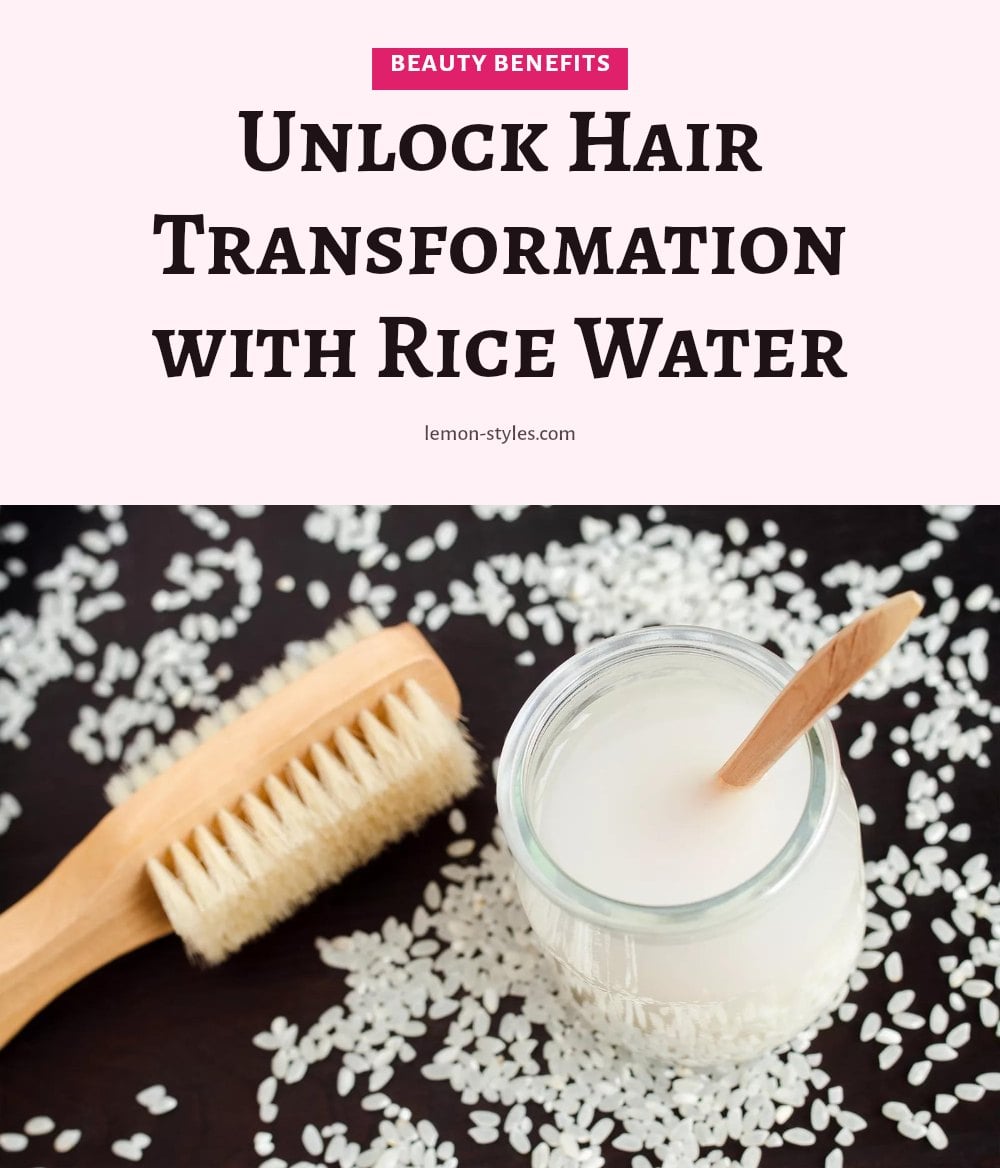
Rice water works because it’s rich in nutrients that directly nourish your hair follicles. It contains vitamins B and E, amino acids, and minerals that help strengthen the hair shaft and improve overall scalp health. One standout compound is inositol, a type of carbohydrate believed to repair damaged hair and protect it from future breakage.
Fermentation takes these benefits a step further. When rice water sits for 12-24 hours, the natural sugars break down, lowering the pH to match your hair’s natural acidity. This makes it easier for your hair to absorb the nutrients. Fermentation also increases the concentration of beneficial compounds, including Pitera yeast, which is thought to support hair growth and scalp rejuvenation. The result is a more effective treatment that leaves hair feeling stronger, smoother, and more resilient.
3. Gather Your Supplies for Rice Water
Before you start, gather these essentials:
- Rice: Any type works, including white, brown, basmati, or jasmine. Jasmine is a good choice if you want a milder scent.
- Filtered water: Using clean, filtered water ensures no impurities interfere with the process.
- Sealed container: A mason jar or airtight container is essential for fermenting and storing your rice water.
- Spray bottle: This makes application easy and even, so you can target your roots and lengths.
- Essential oils (optional): Lavender or rosemary can mask the strong smell of fermented rice water and add extra benefits.
4. Step-by-Step: Making and Using Fermented Rice Water for Hair
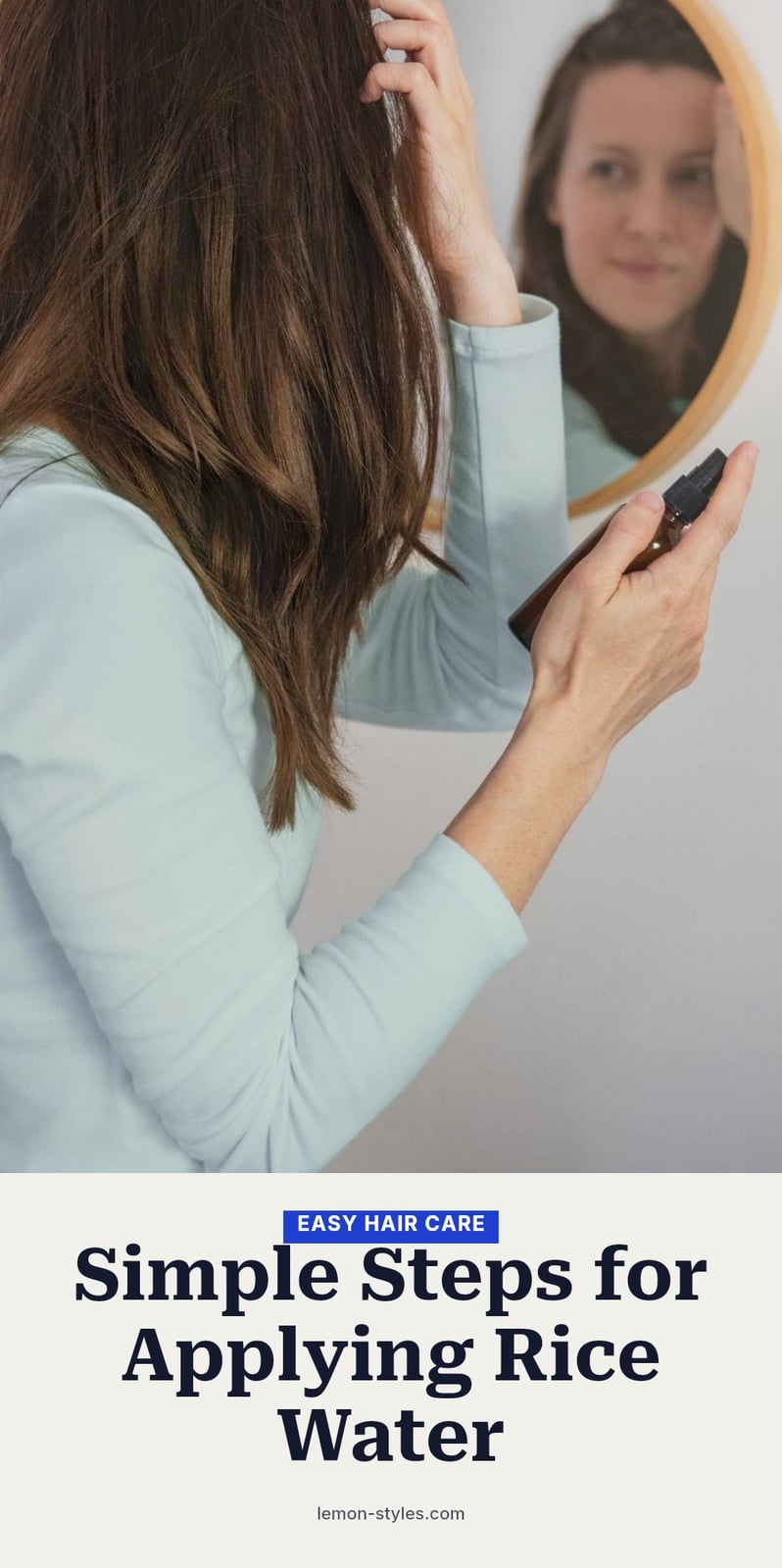
Making fermented rice water at home is simple. Follow these steps for the best results.
- Measure the rice: Use 1/2 to 1 cup of rice. Any type works, but jasmine or basmati are great for a lighter scent.
- Rinse the rice: Add water to the bowl, gently scrub the rice with your hands, then drain. Repeat this twice to remove impurities.
- Transfer to a jar: Move the rinsed rice into a sealed container, like a mason jar. A funnel helps avoid spills.
- Add water: Fill the container about 3/4 full with filtered water.
- Shake it up: Seal the lid tightly and shake vigorously for about 30 seconds to release nutrients from the rice into the water.
- Ferment: Let the jar sit at room temperature for 12 to 24 hours. For plain rice water, skip this step and use it right away.
- Transfer to a spray bottle: After fermenting, pour the liquid into a spray bottle for easy application.
- Pre-wash your hair: Before applying rice water, wash your hair with a co-wash, then apply conditioner and let it sit for 5 minutes. Rinse thoroughly. This cleans your hair and preps it to absorb the rice water without stripping natural oils.
- Section and spray: Divide your hair into sections. Spray the rice water onto your roots first, then work it down the hair shaft, ensuring full coverage.
- Massage your scalp: Use your fingertips to gently massage your scalp for 2-3 minutes. This stimulates blood flow and helps absorption.
- Cover all sections: Continue spraying and massaging until every part of your hair is coated.
- Pour remaining water: Slowly pour any leftover rice water over your hair for extra saturation.
- Leave it on: Let the rice water sit for 15 minutes. Set a timer so you don’t forget.
- Rinse quickly: Rinse your hair with cool water for just a few seconds. Do not shampoo or condition afterward, as that can strip the benefits and dry out your hair. A light residue is normal and won’t cause stickiness if you rinse briefly.
Store any leftover rice water in the refrigerator for up to one week. Discard it if it develops a foul smell or mold.
Here is the method in action: Audrey Victoria demonstrates it in about 10 minutes. The how-to part starts at 1:10.
5. Plain Rice Water vs. Fermented Rice Water

The main difference comes down to time and fermentation. Plain rice water is made by soaking or boiling rice and using the water right away. It’s a quicker option when you’re short on time, but it doesn’t have the same depth of benefits as the fermented version.
Fermented rice water is the same starchy water that you let sit at room temperature for 12 to 24 hours in a sealed container. During that time, the fermentation process lowers the pH to better match your hair’s natural acidity, which helps your strands absorb the nutrients more effectively. It also boosts the concentration of vitamins and amino acids, making the treatment more potent.
There’s another reason fermented rice water is usually the preferred choice. The fermentation encourages the growth of Pitera yeast, a substance believed to support hair growth and scalp rejuvenation. That’s why many people who use rice water regularly go the fermented route.
Which one should you pick?
- Plain rice water: Best when you need a quick rinse and don’t mind fewer benefits.
- Fermented rice water: Better for strengthening hair, improving shine, and supporting scalp health over time.
If you’re new to rice water, start with plain to see how your hair responds. Once you’re comfortable, switch to fermented for the fuller effect. Just remember that fermented rice water has a stronger smell, so you might want to use jasmine rice or add a few drops of essential oil during fermentation.
6. Common Mistakes to Avoid When Using Rice Water
Using too often: Over-application can cause protein overload, which leaves hair stiff and brittle. Start with once every 2-3 weeks, or once a month for low porosity hair, and adjust based on how your hair responds.
Not rinsing thoroughly: Leftover rice water residue can make hair feel dry or sticky. Rinse gently and quickly to avoid irritation, but don’t follow up with shampoo or conditioner right after.
Using spoiled rice water: If it smells foul or shows mold, toss it immediately. That’s a sign of bacterial growth that can harm your scalp.
Expecting overnight miracles: Rice water is a natural remedy, not a quick fix. Results take time and consistent use, so don’t look for dramatic changes after one application.
Ignoring your hair’s reaction: Pay attention to how your hair feels. If you notice irritation, dryness, or excessive stiffness, cut back on frequency or stop using it altogether.
7. Expert Tips for Best Rice Water Results
Mask the scent: Fermented rice water can smell strong. Use jasmine rice or add a few drops of lavender or rosemary essential oil, or toss in orange peels during fermentation, to keep it pleasant.
Massage your scalp: While spraying each section, work the rice water in with your fingertips. Gentle pressure boosts absorption and stimulates blood flow, which may support faster growth.
Adjust frequency: Start with once every 2-3 weeks, or once a month if your hair is low porosity. If your hair feels soft and looks shiny after a few uses, you can gradually increase to weekly.
Dilute if needed: Fermented rice water is potent. Mix it with equal parts plain water before applying, especially for fine or low porosity hair, to prevent protein overload and stiffness.
8. Timeline and Cost of Using Rice Water
Consistency matters more than intensity. Most people need several weeks to months of regular use before noticing changes in hair texture, shine, or strength. Individual results vary, so don’t judge the method after a single application.
Frequency: Start with once every 2-3 weeks. If you have low porosity hair, once a month may be enough. Watch how your hair responds and adjust from there. Once your hair tolerates it well, you can move toward once or twice a week.
Cost: Rice water is one of the cheapest hair treatments you can make. It uses rice and water, both inexpensive kitchen staples. The real investment is your time: the fermenting jar sits on the counter for 12 to 24 hours, and the rinse itself takes about 15 minutes in the shower.
9. When to Consult a Professional
Stop using rice water and call a dermatologist or trichologist if your scalp stays irritated, itchy, red, or excessively dry even after you cut back or stop entirely. The same goes for hair that turns stiff, brittle, or straw-like despite diluting the rinse or spacing out applications.
If you already have a scalp condition like psoriasis, eczema, or seborrheic dermatitis, or if you’re dealing with severe hair loss, get professional advice before trying rice water at all. And if you suspect an allergic reaction, discontinue use right away and seek medical help promptly.
10. Frequently Asked Questions
Is rice water good for all hair types?
Rice water can work for most hair types, but it’s especially helpful for those with damaged or high porosity hair because of its protein content. If you have fine or low porosity hair, you’ll want to use it less often and always dilute it to avoid protein overload. A patch test on a small area of skin is a good idea before applying it to your whole scalp.
Can rice water cause hair loss?
Rice water is not known to cause hair loss when used correctly. However, if you leave it on too long or use it too often, it can lead to protein overload, which may make hair stiff and more prone to breakage. If you notice increased shedding or scalp irritation, stop using it and consult a dermatologist.
What is the difference between plain and fermented rice water?
Plain rice water is made by soaking or boiling rice and using the water right away. Fermented rice water is left to sit at room temperature for 12-24 hours, which lowers its pH and increases beneficial compounds like inositol. Fermented rice water is generally considered more effective for hair health, but it has a stronger smell.
How long does it take to see results from using rice water?
Results vary from person to person, but most people need several weeks to months of consistent use, about once or twice a week, before noticing changes in hair texture, shine, or strength. Don’t expect instant results after a single application. Patience and regular use are key.
How do you make rice water for hair?
To make rice water, rinse 1/2 to 1 cup of any type of rice, then place it in a sealed container and fill it about 3/4 full with filtered water. Shake well to release nutrients. For fermented rice water, let it sit on your counter for 12-24 hours. For plain rice water, use it immediately. Strain the water into a spray bottle before applying to your hair.
11. Final Thoughts
My tip: start with fermented rice water once every 2-3 weeks and pay close attention to how your hair feels afterward. If it becomes stiff or brittle, cut back to once a month or dilute it more. Realistic results take time, so stick with it for at least a few weeks before deciding if it’s working for you. With a little patience, rice water can become a gentle, effective part of your hair care routine.
This article is for informational purposes only and does not constitute medical or professional advice. Results from using rice water on hair can vary. If you have a persistent scalp condition, significant hair loss, or any concerns, please consult a dermatologist or trichologist for personalized guidance.